Kabooki Sushi - East Colonial
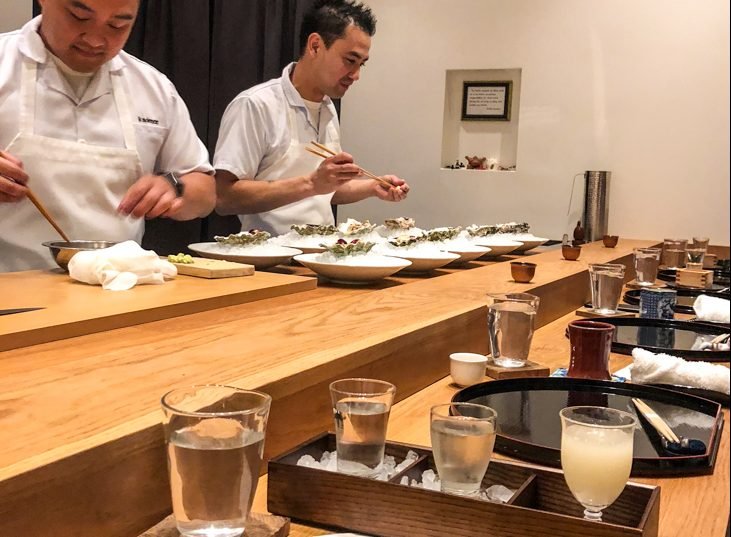
Kabooki Sushi on East Colonial Drive sits at the more serious end of Orlando's sushi scene, drawing a regular crowd to its East Colonial Drive address for omakase-leaning formats and a drinks program that extends well beyond the usual sake list. For a city that has historically undersold Japanese dining, this address carries real weight.
 Discover on Pearl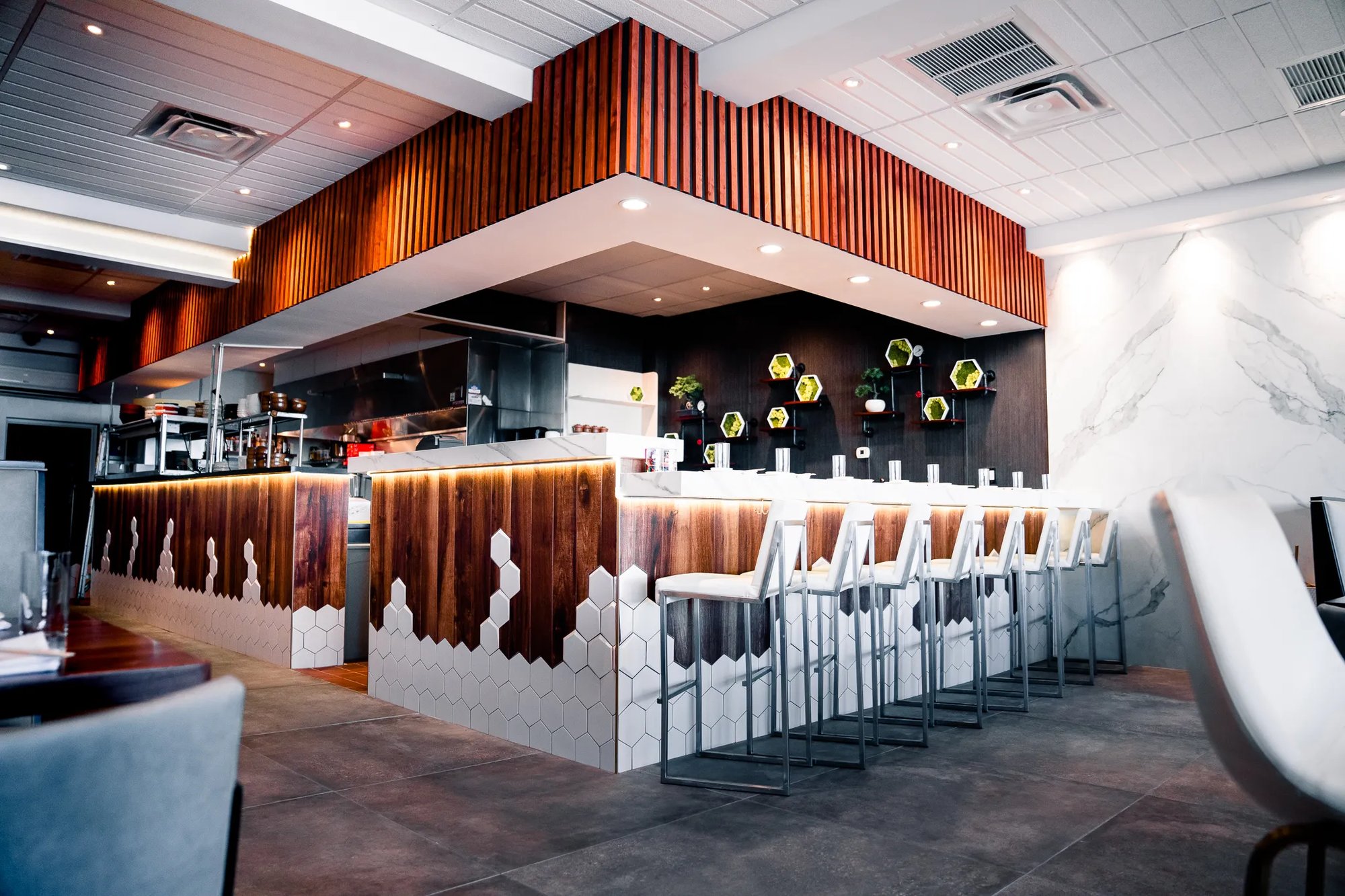
East Colonial's Quiet Shift Toward Serious Sushi
East Colonial Drive does not read, at first pass, as a destination for thoughtful Japanese dining. The corridor runs through one of Orlando's more utilitarian stretches, lined with strip plazas, auto shops, and the kind of mid-century commercial architecture that predates the city's theme-park-era reinvention. Yet this is precisely the kind of address where Orlando's more interesting food culture tends to accumulate, away from the tourist-facing density of International Drive and the curated polish of Winter Park. Kabooki Sushi at 3122 E Colonial Dr occupies that space — a restaurant that earns its following from residents rather than visitors, and whose reputation travels by word of mouth rather than hotel concierge recommendation.
Orlando's sushi scene has historically occupied two tiers: fast-casual rolls built for volume, and a thinner layer of counter-format restaurants appealing to guests who treat omakase as a regular dining habit rather than a special occasion. Kabooki sits in the latter group, and on a street where the competition is almost entirely in the former, that positioning matters. The address pulls from a wide catchment — Audubon Park and Mills 50 residents, professionals working the downtown corridor, and the kind of diner who tracks reservation windows rather than waiting to see if a table is free.
The Drinks Program as a Curatorial Statement
The drinks program at a serious sushi restaurant does more editorial work than it is usually given credit for. At the lower tier of the market, sake selection is functional: a warm carafe, perhaps a cold junmai, and a short list of Japanese lagers. At the counter-format level, the back bar becomes an argument about what the restaurant thinks its guests are capable of appreciating. Kabooki's drinks list extends into territory that positions it alongside a different class of bar than its East Colonial neighbors would suggest.
Japanese whisky, in particular, has become a reliable signal of curatorial ambition in American sushi restaurants. The category's scarcity , production timelines at Yamazaki, Hibiki, and Nikka mean that allocations to American markets have tightened considerably over the past decade , means that a bar with genuine depth in that section has done real sourcing work. At the premium end of this tier, you are more likely to find single-malt expressions from Hakushu or aged Nikka Coffey Grain alongside the standard house pours, and the presence of these bottles repositions the drinks program from functional to considered. This is the register that connects Kabooki's back bar to a broader American craft cocktail conversation happening in cities like Chicago, where Kumiko in Chicago has built its reputation on Japanese-influenced spirits curation, or Honolulu, where Bar Leather Apron in Honolulu pairs serious whisky depth with a comparable level of culinary rigor.
Sake selection at this level follows a parallel logic. The distinction between entry-level futsushu and premium junmai daiginjo is not merely a price gap , it reflects different rice polishing ratios, different fermentation approaches, and in the case of single-brewery allocations, different regional water profiles that affect the final flavor register. A thoughtful sake list at a counter-format restaurant will organize itself around those distinctions rather than defaulting to a single accessible option. Where American cocktail bars in New Orleans, like Jewel of the South in New Orleans, or in New York, like Superbueno in New York City, have refined spirits curation to a point of culinary identity, Kabooki applies a similar sensibility to the Japanese spirits and sake side of the ledger.
This approach to the back bar also reframes the dining experience structurally. A carefully chosen junmai paired to nigiri of aged fish functions the same way a wine pairing does at a European tasting menu: the drink extends the food's sensory register rather than simply accompanying it. That pairing logic, when it works, is one of the reasons counter-format Japanese dining commands a different price point than roll-focused restaurants. It is worth noting, for context, that Florida lacks the broad craft cocktail infrastructure of cities like San Francisco, where ABV in San Francisco has made spirits education central to the bar experience, or Houston, where Julep in Houston has done the same for American whiskey. That gap makes Kabooki's drinks ambition more notable in its local context.
Where This Sits in Orlando's Broader Dining Picture
Orlando's restaurant culture has expanded significantly since the mid-2010s, driven partly by population growth and partly by a generation of chefs and operators who chose to build serious restaurants in the city rather than relocate to New York or Los Angeles. The Mills 50 corridor, which runs adjacent to the East Colonial stretch, has accumulated Vietnamese and Pan-Asian dining of real quality. The Audubon Park Garden District, a short drive east, has become a cluster for independent operators across formats. East Colonial's Kabooki address benefits from proximity to both zones without being fully inside either.
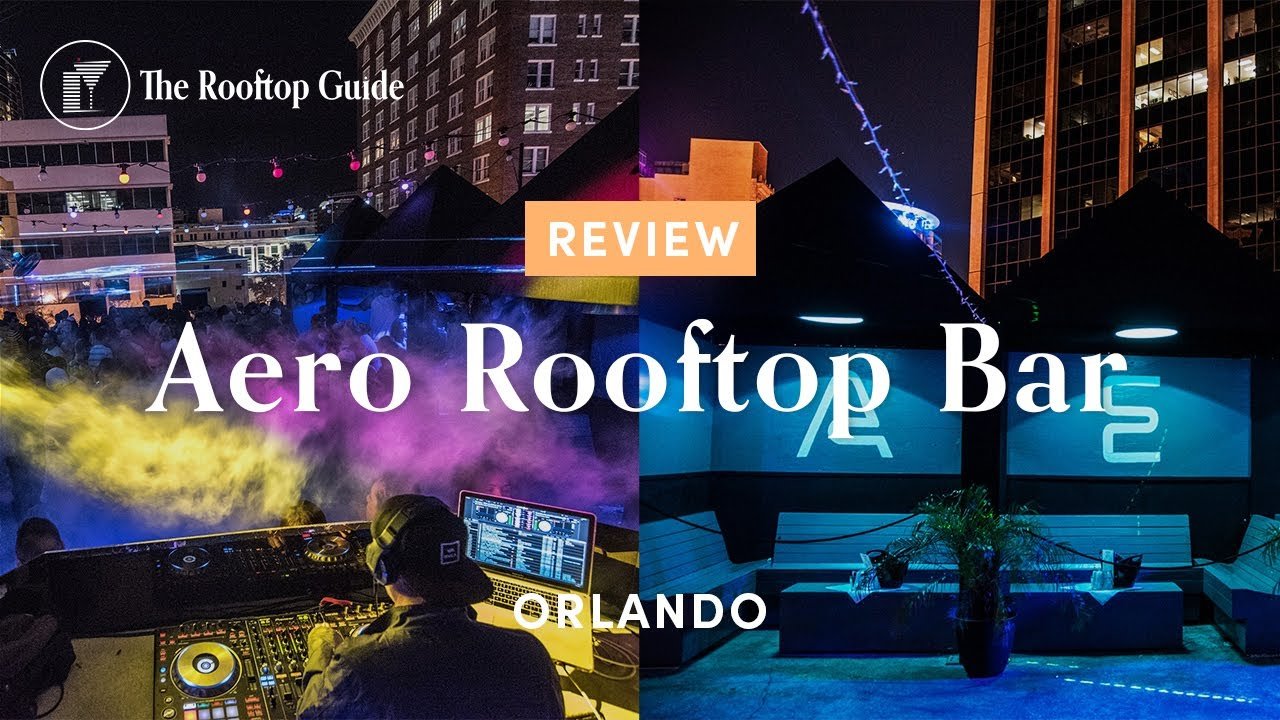
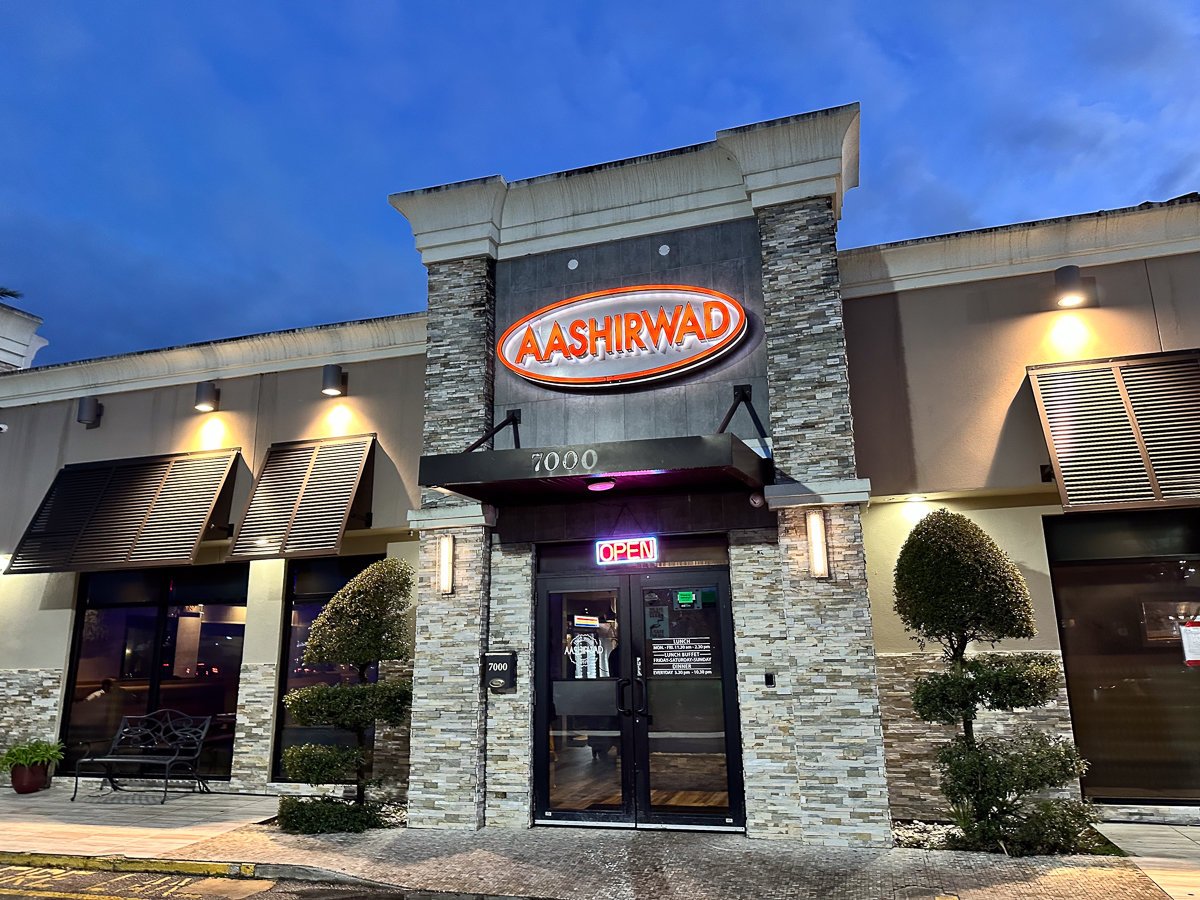
For context on where the city's broader bar and restaurant culture sits, our full Orlando restaurants guide maps the key venues across neighborhoods. Within the East Colonial and Mills 50 orbit, places like Alfies HiFi and 6274 Hollywood Wy represent a different format , bar-first rather than food-first , but sit within the same cultural ecosystem that has made the corridor worth taking seriously. Further afield, Aero Rooftop Bar and Lounge and Aashirwad Indian Food and Bar extend the city's range into different dining registers, reinforcing a pattern where Orlando's serious food and drink culture is distributed across neighborhoods rather than concentrated in one district.
The Frankfurt comparison is an instructive one: serious cocktail programs operating in cities not traditionally associated with bar culture, like The Parlour in Frankfurt on the Main, have demonstrated that curatorial ambition in a secondary market can generate a following that rivals first-tier city venues. Kabooki's position on East Colonial operates on a similar logic.
Planning Your Visit
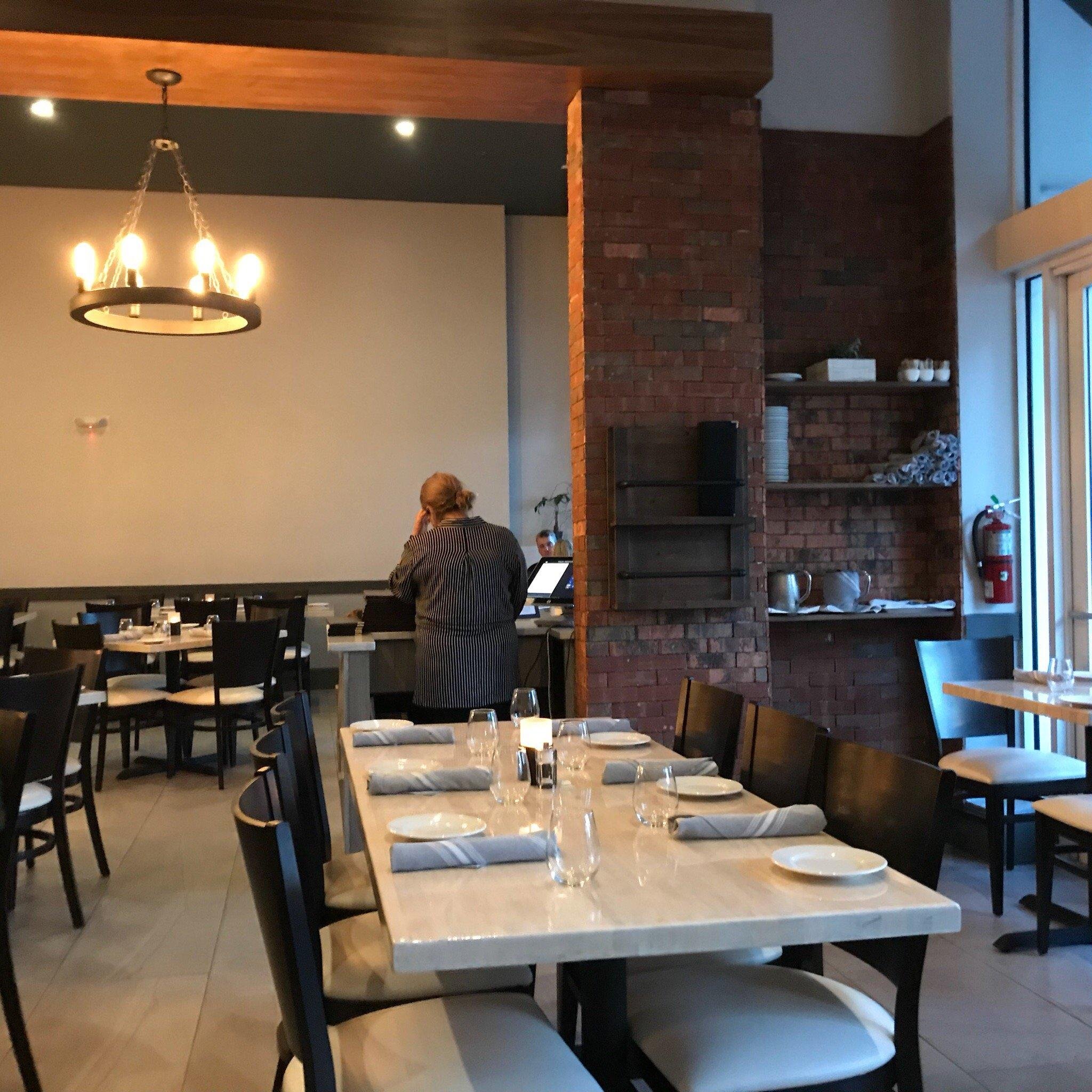
Kabooki Sushi's East Colonial location sits at 3122 E Colonial Dr, Orlando, FL 32803, in a section of the corridor that is accessible by car and sits within a reasonable distance of the Mills 50 and Audubon Park neighborhoods. Given the format and the drinks program depth, reservations in advance are advisable rather than optional , counter seats at this tier of sushi restaurant in an undersupplied market tend to fill on a predictable cycle. Visiting on a weeknight typically offers more flexibility than weekends, when the broader East Colonial dining corridor runs closer to capacity.
Cost and Credentials
A quick context table based on similar venues in our dataset.
| Venue | Price | Awards | Notes |
|---|---|---|---|
| Kabooki Sushi - East Colonial | This venue | ||
| Citrus Club | |||
| Otto’s High Dive | |||
| Will's Pub | |||
| JUJU | |||
| M Lounge |