
A Tatler Asia-Pacific Best Bars 2025 listing in Shibuya's basement circuit, Ishinohana operates in the quieter register that defines Tokyo's most serious drinking culture. The bar occupies a below-street-level space in the Yagi Building on 3 Chome, where seasonal cocktails anchor a program built on precision rather than spectacle. For those working through Tokyo's independent bar tier, it belongs on the itinerary alongside Ginza's counter institutions.
 Discover on Pearl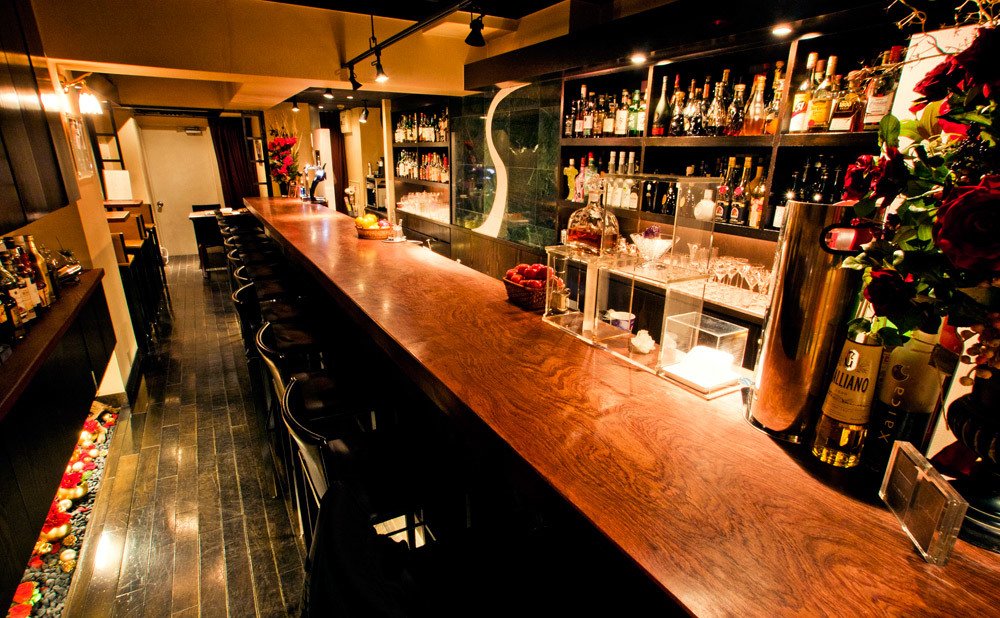
Below Street Level: How Tokyo's Basement Bars Set the Tone
Descend almost anywhere serious in Tokyo's bar scene and the pattern repeats: a staircase, a door that requires a moment of deliberate choice to open, and then a room that rewards the effort. The basement format is not accidental in this city. It filters out casual traffic, compresses the room to a scale where the bartender-to-guest ratio holds, and eliminates the ambient noise that works against the kind of conversation a good cocktail program invites. Ishinohana, on 3 Chome in Shibuya, sits squarely inside this tradition, occupying the B1 floor of the Yagi Building in a neighbourhood that carries a different register than the Ginza counter institutions to the east.
Shibuya's bar scene has always operated at a slight remove from the polish of Ginza. The area tolerates more creative risk, and the venues that have earned sustained recognition there tend to do so through program depth rather than ceremony. Ishinohana's inclusion in the Tatler Asia-Pacific Leading Bars 2025 list places it within a regional peer set that spans Tokyo, Osaka, Seoul, and Singapore, a cohort where the competition has grown sharper in the post-pandemic years as the Asia-Pacific bar world has pulled serious critical attention away from its European and North American counterparts.
The shortlist, unlocked.
Hard-to-book tables, cellar releases, and concierge-planned trips.
Get Exclusive Access →The Physical Container: What the Space Does for the Drink
Interior architecture in serious Tokyo bars rarely announces itself. The logic is almost always the same: the counter is the room's spine, the back bar is the visual argument for what the program is about, and everything else is kept at a volume that supports rather than competes. Basement rooms enforce this by removing the street entirely. At Ishinohana, the below-grade position on 3 Chome means the outside world drops away within a few steps of the entrance, which is a material condition, not just a mood.
This matters because the spatial compression of a basement bar changes how guests engage with a seasonal cocktail program. When the room is small and the counter is close, the sequence of a drink's preparation becomes part of what you're consuming. Tokyo's most referenced basement bars, from the long-established counter format of Bar High Five in Ginza to the eccentric botanical library of Bar Benfiddich in Shinjuku, have each used constricted square footage as a creative advantage rather than a limitation. Ishinohana operates in the same structural logic, using its Shibuya basement position to keep the guest's attention inside the room.
The Yagi Building address places it a short walk from Shibuya Station, but the building itself is the kind of low-profile commercial structure that Tokyo repeats across its mid-density residential and mixed-use blocks. There is no marquee exterior, no illuminated signage visible from the main street at any volume. The bar exists for people who look for it, which is a design choice as much as a practical fact.
Seasonal Cocktails and the Discipline of the Japanese Bar Tradition
The seasonal cocktail framework is not a marketing concept in Japanese bar culture. It connects to a broader set of practices, including the sourcing calendar used in kaiseki kitchens and the attention to what ingredients express at particular moments of the year, that serious Tokyo bars have absorbed and applied to spirits-based work over several decades. A bar that commits to a seasonal program in this context is implicitly making a claim about the quality of its sourcing relationships and the range of its technical vocabulary.
Ishinohana's Tatler listing describes the program around creative seasonal cocktails and what the listing characterises as distinct flavour directions. Across the Asia-Pacific leading bars tier, this phrasing tends to signal a kitchen-adjacent approach to ingredient selection, where the bar is working with produce, teas, fermented components, or house preparations rather than drawing exclusively from commercial liqueur and bitters lines. This approach has become the dominant idiom in Asia-Pacific's most-recognised bars, though execution quality varies considerably within the category.
For context within Tokyo specifically, the city's top-tier cocktail bars split into at least two distinct schools. One school, represented by venues such as Bar High Five and Bar Orchard Ginza, emphasises classical technique, spirit knowledge, and the kind of hospitality precision that Ginza formalised over generations. The other, which includes Bar Benfiddich and bars operating in the creative-ingredient space, foregrounds seasonal sourcing and hybrid preparation methods. Ishinohana's Tatler recognition positions it within the second tendency, operating in Shibuya rather than Ginza and signalling through its program description that the drink's ingredients carry as much weight as the spirit at its base.
Beyond Tokyo, Japan's serious bar circuit extends to Bar Nayuta in Osaka, Bee's Knees in Kyoto, and Lamp Bar in Nara, each operating within a national tradition that has earned the attention of the Asia-Pacific critical circuit. Regionally, bars such as Bar Leather Apron in Honolulu demonstrate how Japanese bartending influence has moved outward from the archipelago into adjacent markets. Ishinohana sits within this wider conversation, not as an outlier but as a Shibuya-positioned participant in a tradition that now has genuine international standing.
Where Ishinohana Sits in the Shibuya Bar Circuit
Shibuya accommodates a wider range of bar formats than Ginza, from high-volume venues aimed at the neighbourhood's younger foot traffic to the quieter basement operations that have carved a different reputation. Bar Libre represents another point on this circuit, and the area's diversity is part of what makes it a more complicated proposition to read than Ginza's more hierarchically organised block. Ishinohana's Tatler listing places it in the recognised tier of that circuit, distinguishing it from the volume operations without placing it in the Ginza counter tradition that carries its own distinct cultural weight.
For visitors building a serious Tokyo bar itinerary, the city's leading operations now span multiple neighbourhoods. Ginza remains the formal heart of the classical Japanese bar, but Shinjuku, Shibuya, and the residential blocks of Aoyama and Daikanyama have each developed specific bar characters worth understanding separately. Japan's broader independent bar circuit, including Yakoboku in Kumamoto and anchovy butter in Osaka, shows how that culture extends well beyond the capital. Our full Tokyo restaurants and bars guide maps the broader picture.
Planning Your Visit
Ishinohana occupies the B1 floor of the Yagi Building at 3 Chome-6-2 Shibuya, Shibuya-ku, a short walk from Shibuya Station's multiple exit points. The bar can be reached by phone at +81 3-5485-8405 and maintains a web presence at ishinohana.com. As with most serious Tokyo basement bars, arriving without a reservation carries risk, particularly on weekends and during the spring and autumn seasons when the city's foot traffic from domestic and international visitors peaks. The seasonal cocktail program means that what's on offer in March will look different from what's available in September, which is reason enough to check current offerings before visiting rather than arriving with fixed expectations about specific drinks.
Frequently Asked Questions
- How would you describe the overall feel of Ishinohana?
- Ishinohana operates in the compressed, deliberate register that Tokyo's basement bar tradition produces. In Shibuya's 3 Chome, below street level in the Yagi Building, the room is designed around the counter and the cocktail program rather than spectacle or high-volume hospitality. The Tatler Asia-Pacific Leading Bars 2025 listing confirms that its approach has earned regional critical recognition, placing it among Japan's more serious independent bars rather than in the tourist-facing tier.
- What's the must-try cocktail at Ishinohana?
- The bar's program is built around creative seasonal cocktails that shift with the ingredient calendar. Given Japan's commitment to seasonal sourcing across both its kitchen and bar cultures, the strongest argument for visiting is engaging with whatever the current seasonal direction is rather than seeking a fixed signature drink. The Tatler listing identifies the flavour approach as distinct, suggesting the program consistently operates at a level above standard commercial cocktail lists.
- What's the main draw of Ishinohana?
- Its Tatler Asia-Pacific Leading Bars 2025 recognition places it in a competitive regional peer set, and its Shibuya location gives it a different character than the Ginza classical counter bars. For visitors who have already worked through the Ginza tier, Ishinohana represents a different point on Tokyo's bar circuit: basement-format, seasonally driven, and operating in a neighbourhood that rewards creative program depth over ceremony.
- What's the leading way to book Ishinohana?
- The bar's contact number is +81 3-5485-8405, and its website at ishinohana.com is the first place to check for current booking arrangements. Given its Tatler listing recognition, walk-in availability cannot be assumed, particularly during peak Tokyo visitor seasons in spring and autumn. Booking ahead by phone or through the website is the direct approach for a venue at this recognition level.
Standing Among Peers
A fast peer set for context, pulled from similar venues in our database.
| Venue | Awards | Cuisine | Notes |
|---|---|---|---|
| Ishinohana | This venue | ||
| Bar Benfiddich | World's 50 Best | ||
| Bulgari Ginza Bar | World's 50 Best | ||
| Star Bar Ginza | World's 50 Best | ||
| The Bellwood | World's 50 Best | ||
| Tender Bar |
Need a Table?
Our members enjoy priority alerts and concierge-led booking support for the world's most difficult bars and lounges.
Get Exclusive AccessThe shortlist, unlocked.
Hard-to-book tables, cellar releases, and concierge-planned trips.
Get Exclusive Access →