ISE Restaurant
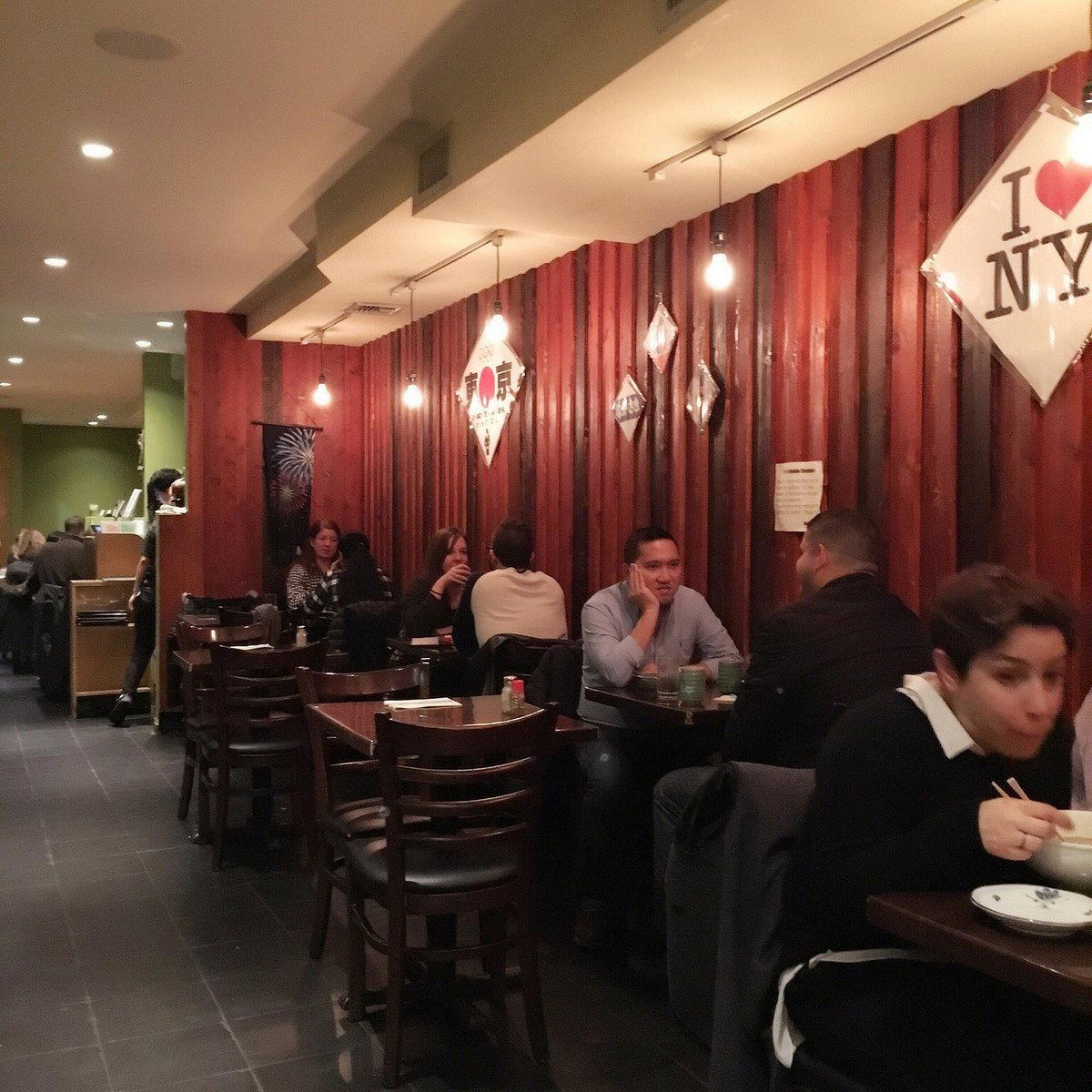
ISE Restaurant occupies a Cooper Square address in the East Village, where the neighborhood's long-standing Japanese drinking culture and craft bar tradition intersect. The room operates at the quieter end of the downtown spectrum, drawing a crowd that comes for considered pours and low-key hospitality rather than spectacle. It sits in a comparable set shaped more by Alphabet City's izakaya-adjacent bars than by the louder cocktail programs further uptown.
- Address
- 63 Cooper Sq, New York, NY 10003
- Phone
- +1 212 228 4152
- Website
- iserestaurantnyc.com
- Directions
- Get directions
Cooper Square and the Craft Bar Continuum
The East Village has always occupied a particular position in New York's drinking geography. It is neither the self-conscious theatre of the Meatpacking District nor the studied minimalism of certain West Village wine bars. Along Cooper Square and the surrounding blocks, the tradition has long been one of practiced informality: rooms where the craft behind the bar matters more than the room's appearance in a photograph, and where regulars return because the person pouring actually knows what they are doing. ISE Restaurant sits inside that tradition, at 63 Cooper Square, in New York City.
That Japanese influence is worth pausing on. New York's East Village has a denser concentration of Japanese restaurants, izakayas, and sake-forward bars than almost any other neighborhood outside of Midtown's older Japanese business-dining corridor. The drinking culture in this pocket of the city tends toward restraint and precision over showmanship, a sensibility that aligns with how craft bar programs in Japan have historically operated. Bars like Angel's Share, which helped establish the neighborhood's reputation for serious cocktail work in the 1990s, set a template that subsequent venues have either built on or consciously departed from.
The Bar Tradition Behind the Counter
The editorial angle that matters most when writing about a place like ISE is not the menu itself but the hospitality philosophy the bar counter represents. In the tradition that runs from Tokyo's back-bar rooms through New York's East Village and into a handful of comparable programs nationally, including Kumiko in Chicago and Bar Leather Apron in Honolulu, the person behind the bar is not a performer. They are a technician whose craft is expressed through consistency, attention, and the ability to read a room without being told to.
This is a meaningfully different model from the high-energy cocktail programs that define parts of New York's bar scene. Venues like Superbueno operate with energy and color as deliberate aesthetic choices. The East Village's quieter tier, the category ISE occupies, treats silence and pacing as hospitality decisions in their own right. A counter where the bartender responds to what a guest wants rather than what the printed menu prescribes is a different kind of service contract, and it is one with deep roots in how Japanese bar culture approaches the host-guest relationship.
Nationally, this philosophy shows up in different registers. Jewel of the South in New Orleans brings it to classic American cocktails with a similar commitment to the bartender's reading of the guest. Julep in Houston applies it to Southern whiskey traditions. Allegory in Washington, D.C. and ABV in San Francisco both operate in this same register of considered, counter-led hospitality where the skill of the individual behind the bar is the primary product. The consistency across these programs is not coincidental: it reflects a broader shift in how serious bar programs define quality, moving away from novelty and toward craft reproducibility.
Placement in the East Village comparable set
Within a few blocks of Cooper Square, the bar and restaurant options span a wide range of approaches. The bittersweet-focused program at Amor y Amargo has spent years building a reputation on a specific, narrow expertise, amaro and bitters, that requires the bartender to be an educator as much as a technician. Attaboy NYC, which occupies the former Milk and Honey space on Eldridge Street, operates on a no-menu format that places the bartender's judgment entirely at the center of the experience. ISE's Cooper Square position places it in that same general gravity field: venues where what the person behind the bar knows and decides matters more than what is printed or posted.
The distinction from louder, more theatrical programs is spatial as well as philosophical. Cooper Square runs through a part of the East Village that has not gentrified in the same uniform direction as some surrounding blocks. The mix of NYU buildings, long-standing Japanese businesses, and older residential fabric keeps the street-level character more varied than the more curated stretches further east. That mixture tends to produce bar rooms with less pressure to perform for a transient audience, which in turn allows the craft to be the point rather than the backdrop.
How to Approach a Visit
For those planning a visit, ISE sits at 63 Cooper Square in New York City. The East Village's Japanese bar tradition tends to reward unhurried visits rather than quick stops, and the counter-led format that defines this tier of the neighborhood's drinking culture generally works well when guests arrive without a fixed agenda for what they want to drink. Letting the bar lead is not merely a suggestion in rooms like this; it is the operating premise.
For those interested in how the craft bar tradition operates in other cities, with different regional ingredients and influences but similar hospitality philosophies.
Style and Standing
Comparable venues nearby, for context on price, style, and recognition.
| Venue | Cuisine | Price | Notes |
|---|---|---|---|
| ISE RestaurantThis venue — the venue you are viewing | Bar | $$ | Not listed |
| Antonio Taberna | Bar | Not listed | New York City |
| Mayamezcal | mezcaleria | $$ | East Village |
| Pete's Tavern | pub | $$ | Gramercy |
| Banter NYC | sports_bar | $$ | Greenwich Village |
| Lai Rai | wine_bar | $$ | Chinatown-Two Bridges |
Continue exploring
More in New York City
Bars in New York City
Browse all →
Restaurants in New York City
Browse all →

Hotels in New York City
Browse all →





At a Glance
- Trendy
- Modern
- Intimate
- Date Night
- Casual Hangout
- Design Destination
- Standalone
- Seated Bar
- Booth Seating
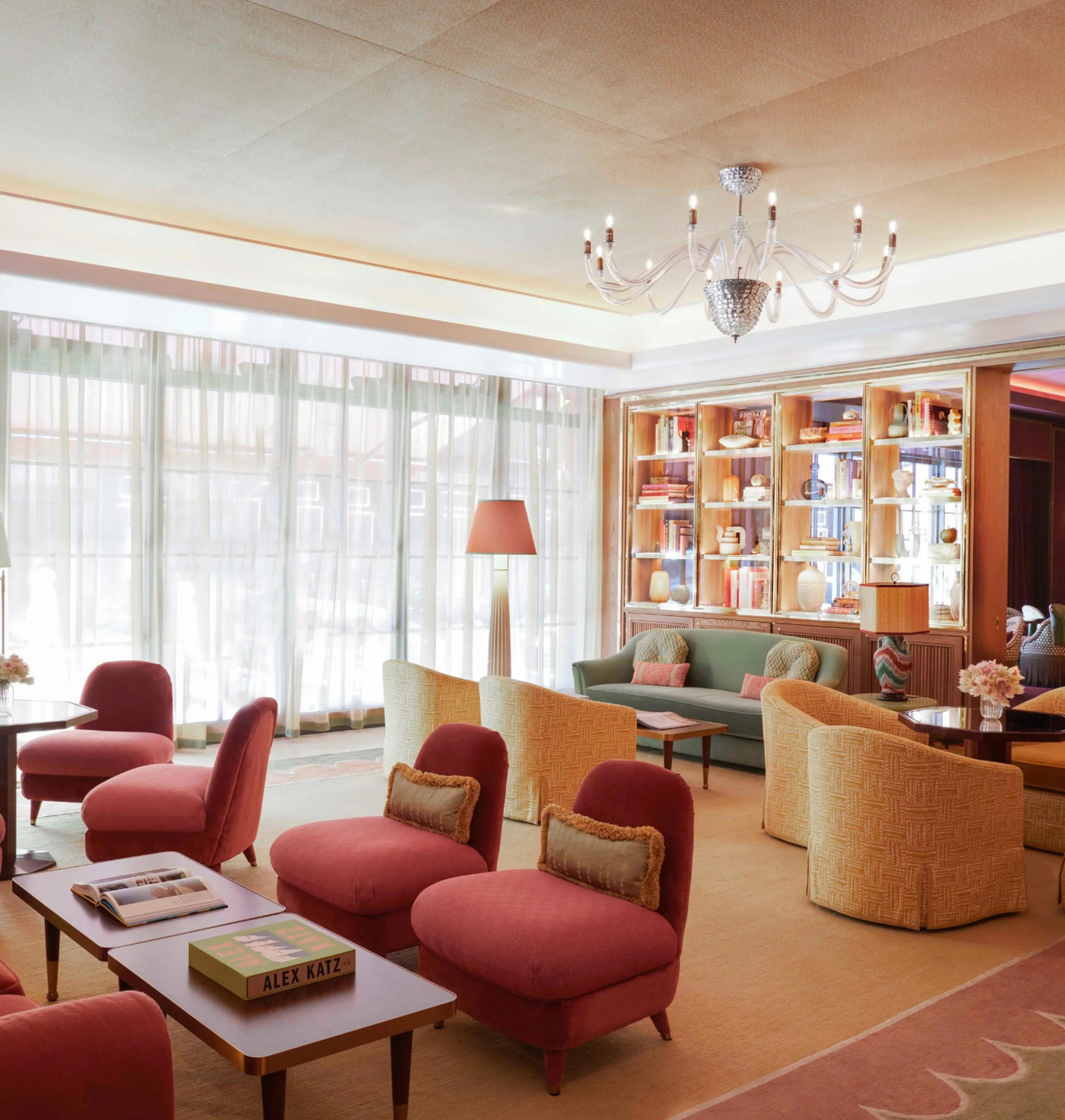
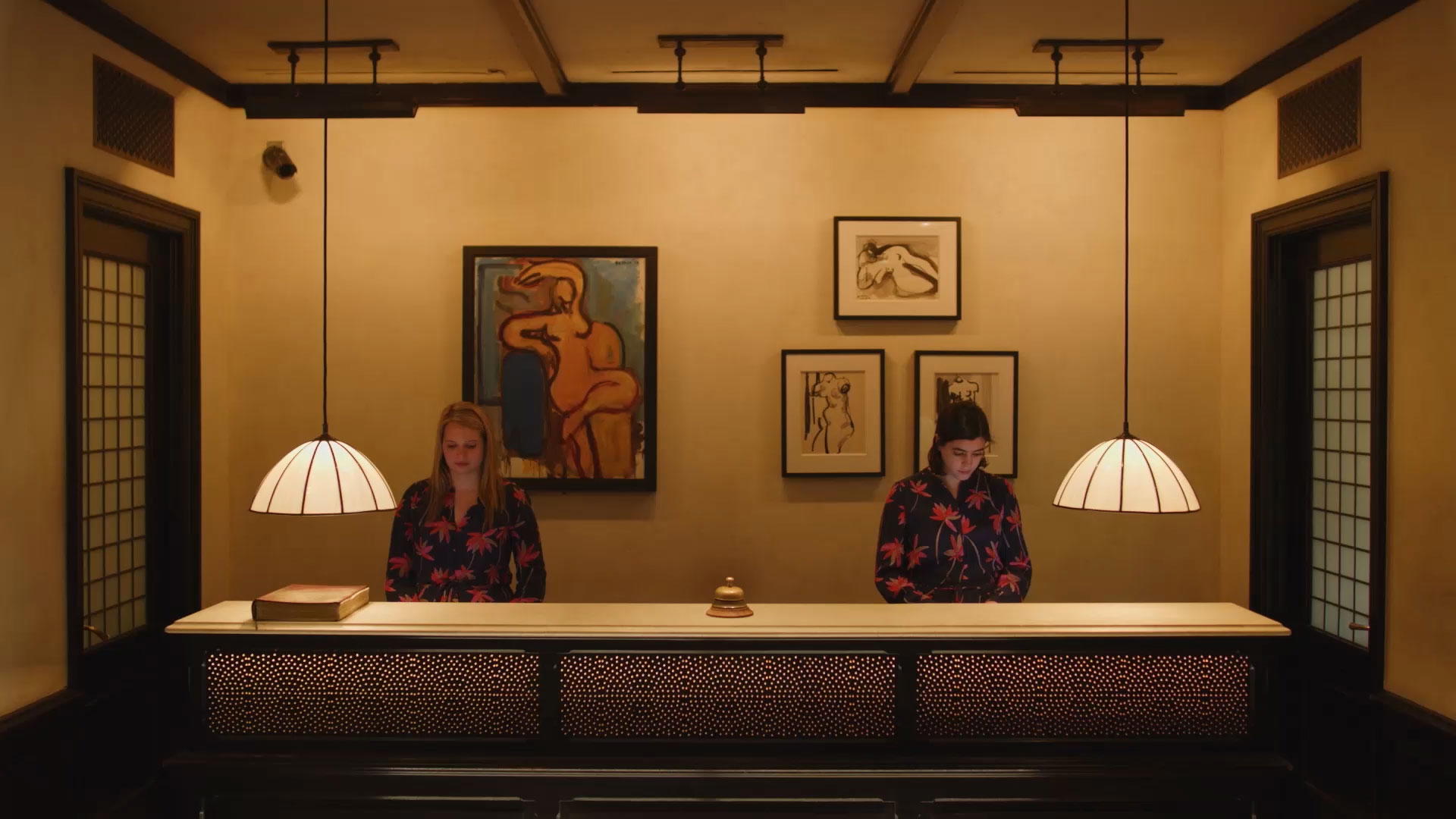
Quietly tucked away with chic bar seating and open dining concept.