Google: 4.7 · 3,027 reviews
Irazu Costa Rican Restaurant & Catering
Irazu at 1865 N Milwaukee Ave has held its ground in Chicago's Bucktown corridor as one of the few dedicated Costa Rican kitchens in the Midwest. The restaurant draws on Central American staples and a neighborhood dining tradition that sits well outside the city's fine-dining circuits, making it a reference point for anyone tracing Latin American regional cuisine beyond the Mexican and Caribbean mainstream.
 Discover on Pearl
Pearl is the En Primeur Club membership app — saves, bookings, and concierge access live there. Same editors, same standards.
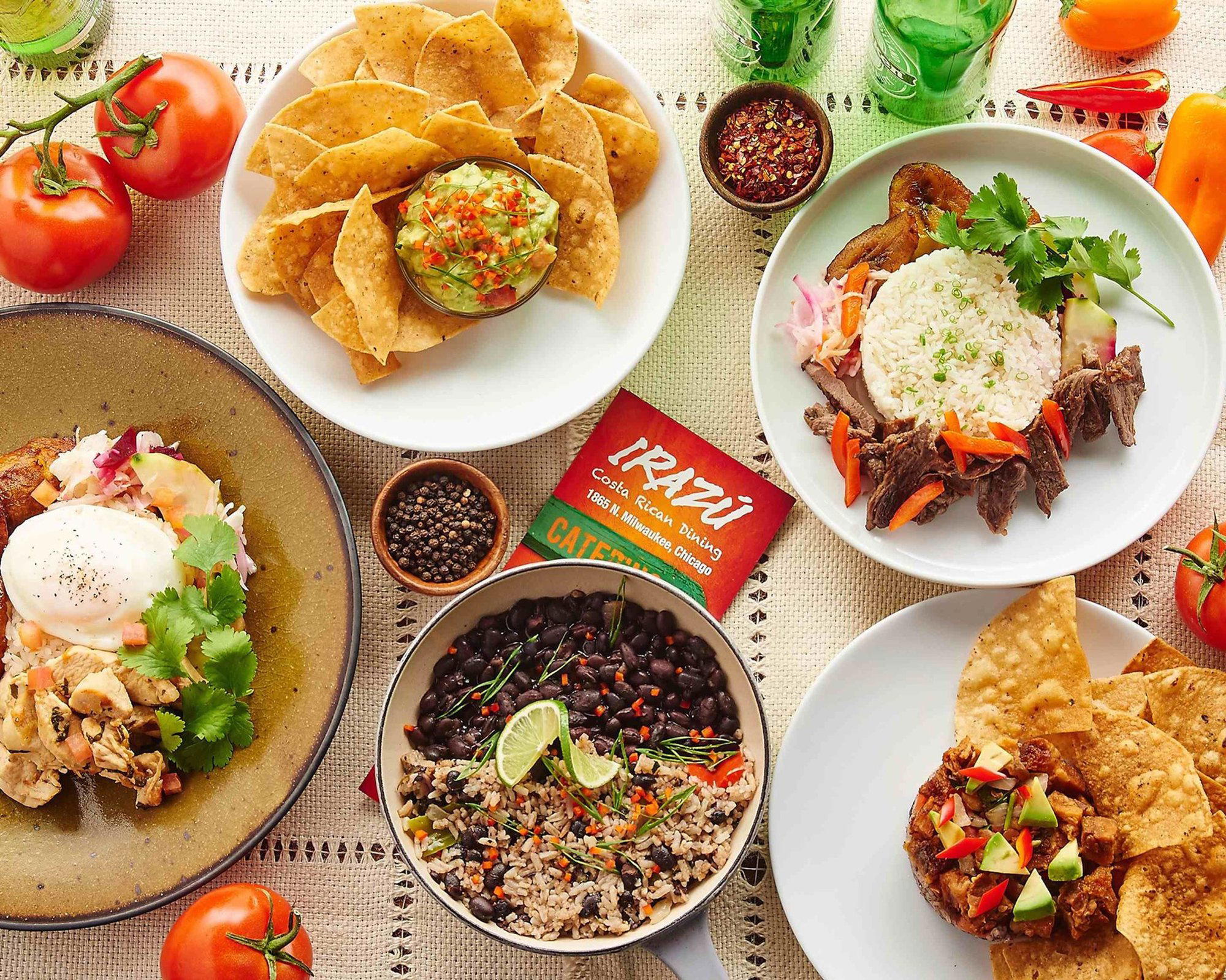
Central American at the Edge of Bucktown
Milwaukee Avenue through Bucktown and Wicker Park has long operated as one of Chicago's most contested dining corridors, where Puerto Rican, Polish, and Mexican kitchens have traded space for decades and newer concepts now compete alongside them. Costa Rican cuisine occupies almost no space in that conversation nationally, let alone in the Midwest, which is what makes Irazu's address at 1865 N Milwaukee Ave worth paying attention to. The restaurant sits at an intersection where the neighborhood's older working-class character and its more recent wave of transplant residents meet, and it draws from both without obviously performing for either.
Costa Rican cooking is not well represented in American cities outside of Florida and parts of the Northeast, where diaspora populations are larger. Chicago's version, at this address, operates more as a neighborhood institution than as an ambassador of a cuisine — which is, in practice, the more durable position to occupy. Restaurants that carry a flag tend to overexplain; restaurants that simply cook tend to endure.
What the Cuisine Actually Does
The editorial angle worth applying to Irazu is the one that runs through Central American cooking more broadly: the intersection of direct techniques with ingredients that carry genuine regional identity. Costa Rican food is not baroque. It does not rely on complexity of spice or elaboration of process to make its case. Gallo pinto, rice cooked with black beans and seasoned with Lizano sauce, is the paradigmatic example: a dish whose logic is entirely about proportion, timing, and the specific fermented-vegetable character of that condiment, which has no real substitute.
That kind of cooking demands honesty from the kitchen. There is nowhere to hide behind reduction, plating architecture, or aged protein. What arrives on the plate is either right or it is not. In a city where Chicago's dining culture has spent the last decade rewarding technical ambition, restaurants that operate in this register — direct, ingredient-led, unadorned , occupy a different but equally demanding space.
The broader pattern in American cities has been for immigrant-origin cuisines to either remain frozen in an affordable-casual format or to get reinterpreted upward by chefs with fine-dining credentials and access to press. Costa Rican food has largely avoided the second fate, which means places like Irazu are still doing the work in its original register rather than through a reframed lens. That is neither a limitation nor a virtue in itself; it is simply the condition under which the cooking is being evaluated.
Where It Sits in Chicago's Latin American Dining Picture
Chicago has a substantial Latin American dining ecosystem, anchored heavily by Mexican regional cooking and supplemented by Puerto Rican, Colombian, and Guatemalan kitchens across the North and Northwest Sides. Costa Rican food is a distinct outlier in that picture. The cuisine shares some vocabulary with its neighbors , rice, beans, plantains, citrus-marinated proteins , but the flavor profile is notably milder and the preparation more restrained than, say, a Mexican birria operation or a Colombian bandeja paita.
That restraint can read as simplicity to diners whose reference point is higher-heat or more complex-spiced Central American cooking. It is more accurate to read it as a different set of priorities: freshness over depth, balance over intensity, comfort over provocation. Those are not lesser goals. They are simply different ones, and Irazu has operated along those lines long enough to have established a genuine local following rather than a novelty-driven one.
For a broader orientation to Chicago's dining and drinking scene, the our full Chicago restaurants guide maps the city's neighborhoods and cuisine categories in more detail. The cocktail side of the city runs from the precise, Japanese-influenced program at Kumiko to the more accessible formats at Leading Intentions, Bisous, and Lemon , a range that reflects how differently Chicago's neighborhoods have absorbed the national cocktail wave of the past decade.
Technique, Tradition, and the Lizano Factor
The editorial angle of imported methods meeting indigenous ingredients applies in an instructive way to Costa Rican cooking, even when it is being prepared in Chicago rather than San José. Lizano sauce, the low-acid, slightly sweet condiment made from vegetables and spices that has defined Costa Rican home cooking for nearly a century, is the clearest example of an ingredient that resists substitution. Its character is not replicable through American pantry equivalents, and any kitchen serious about cooking this food imports it or sources it from specialty suppliers. That supply chain decision alone separates a kitchen that is genuinely committed to the cuisine from one that is approximating it.
The same logic applies to the plantain preparations that anchor the menu's starchy side: the difference between a tostón fried in the right fat at the right temperature and one that is not is entirely a matter of process discipline, not exotic ingredients. Central American cooking at this price register rewards that kind of process attention more than it rewards expensive sourcing.
Across American cities, the more interesting work in Latin American cuisines is happening in restaurants that hold this position: committed to the original register, technically attentive, not performing for a press cycle. Superbueno in New York City does something adjacent with Caribbean-inflected flavors at a similar neighborhood scale. Jewel of the South in New Orleans and Julep in Houston represent how Southern American drink and food traditions get handled with similar seriousness in their respective cities. The broader point is that regional authenticity maintained over time at neighborhood scale is its own kind of credential, even when it does not generate award cycles.
For reference, the craft-forward approach to regional specificity in beverage programs appears in different forms at Bar Leather Apron in Honolulu, ABV in San Francisco, Allegory in Washington, D.C., and even internationally at The Parlour in Frankfurt on the Main , each representing a different version of how specialists hold a distinct position without needing volume or spectacle to justify it.
Know Before You Go
Know Before You Go
- Address: 1865 N Milwaukee Ave, Chicago, IL 60647
- Neighborhood: Bucktown / Milwaukee Avenue corridor
- Cuisine: Costa Rican
- Price range: Not confirmed in available data; the neighborhood and cuisine category suggest an accessible casual register
- Booking: Contact details not confirmed in current data; walk-in has historically been the standard format for this type of neighborhood restaurant
- Hours: Not confirmed; verify directly before visiting
- Getting there: The Milwaukee Avenue corridor is served by the Blue Line CTA; multiple stops within walking distance of the address
A Pricing-First Comparison
A short peer set to help you calibrate price, style, and recognition.
| Venue | Awards |
|---|---|
| Irazu Costa Rican Restaurant & CateringThis venue — the venue you are viewing | |
| Kumiko | World's 50 Best |
| Bisous | World's 50 Best |
| The Aviary | World's 50 Best |
| Three Dots & a Dash | World's 50 Best |
| Best Intentions | World's 50 Best |

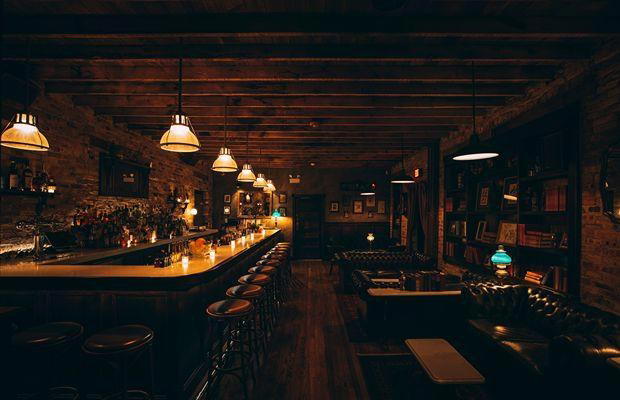
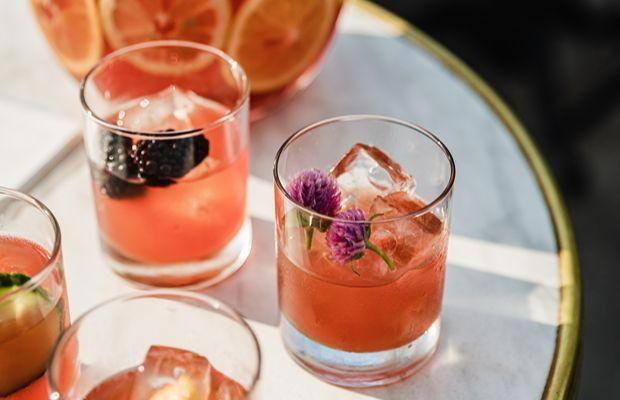
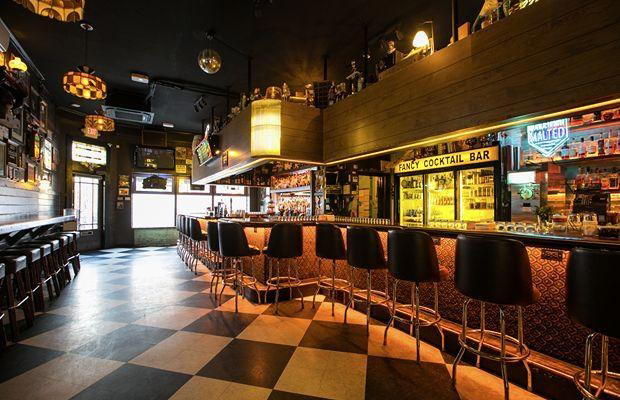


At a Glance
- Rustic
- Cozy
- Casual Hangout
- Late Night
- Standalone
- Booth Seating
- Craft Cocktails
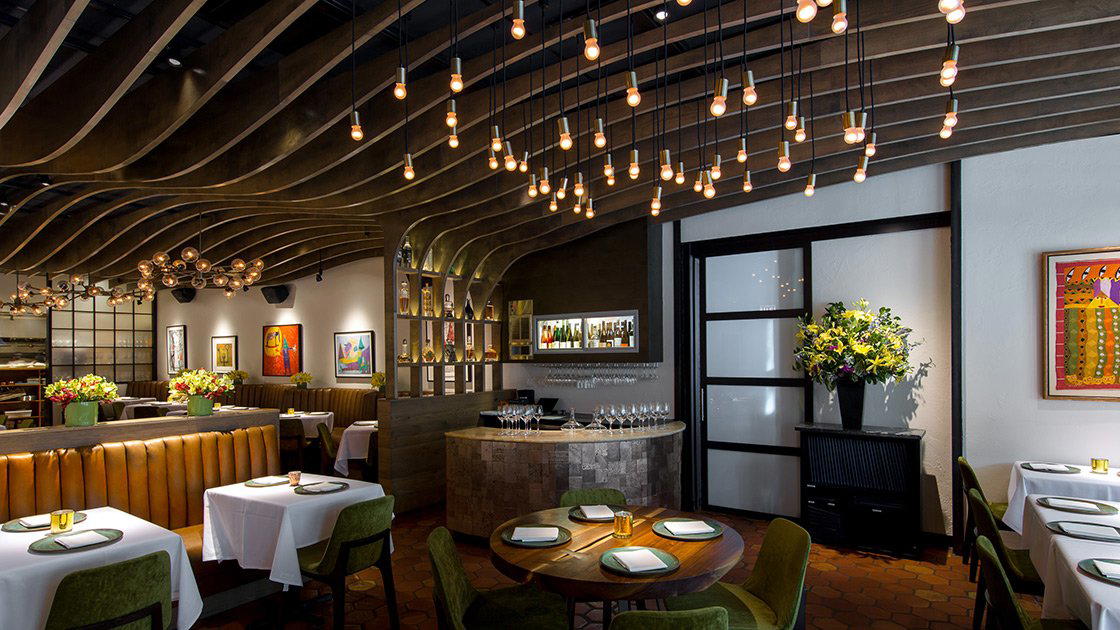
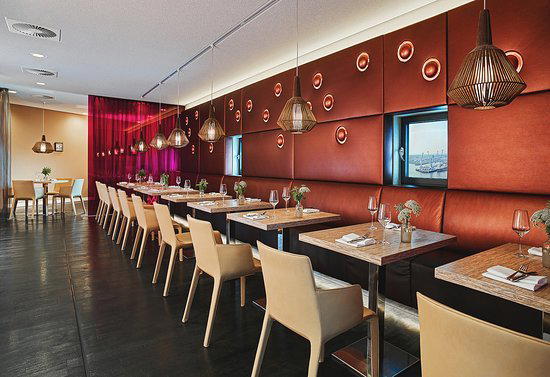
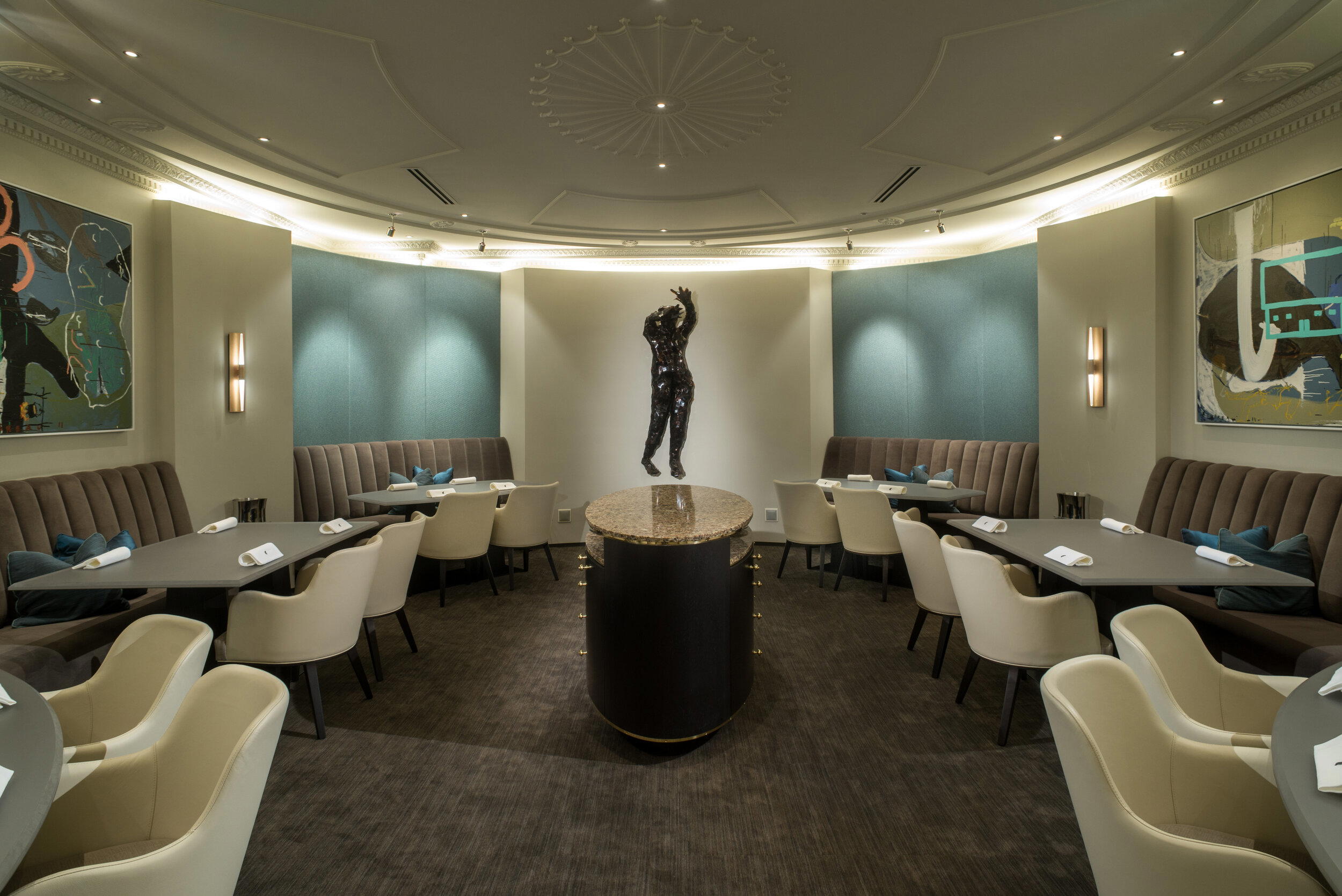
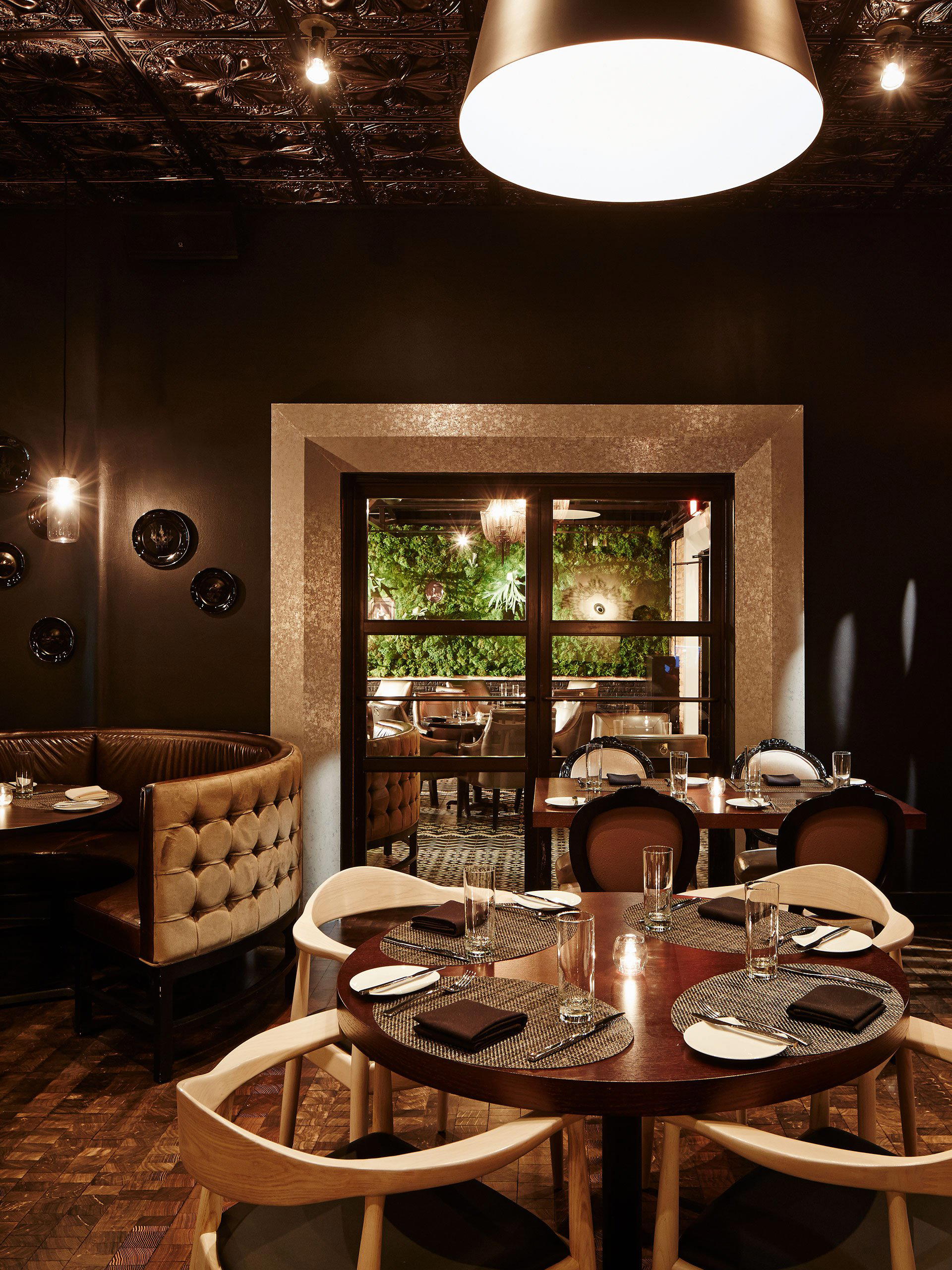
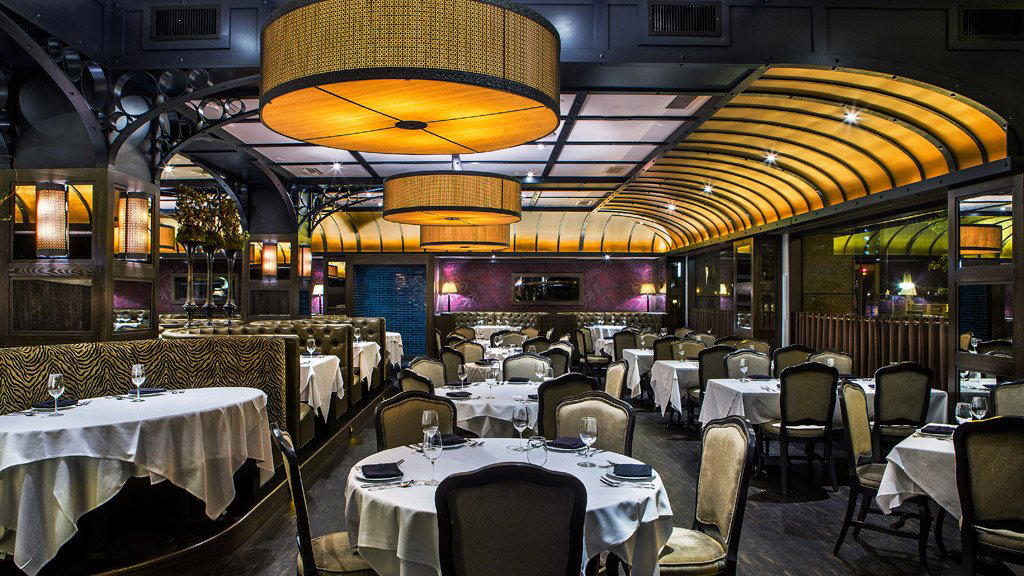
Rustic and casual family-friendly atmosphere in the heart of Bucktown.