Hipopótamo
Hipopótamo occupies a corner address in Buenos Aires's San Telmo district, where the rhythm of a Buenos Aires meal, slow, social, and anchored in ritual, still runs to its own clock. The address on Brasil 401 places it within one of the city's most historically dense neighbourhoods, where parrilla tradition and neighbourhood dining culture intersect.
Pearl is the En Primeur Club membership app — saves, bookings, and concierge access live there. Same editors, same standards.
- Address
- 43008450, Brasil 401, C1154AAE Cdad. Autónoma de Buenos Aires, Argentina
- Phone
- +54 11 4805 9032
- Website
- freecupon.com.ar
- Directions
- Get directions
 Saves & bookings on Pearl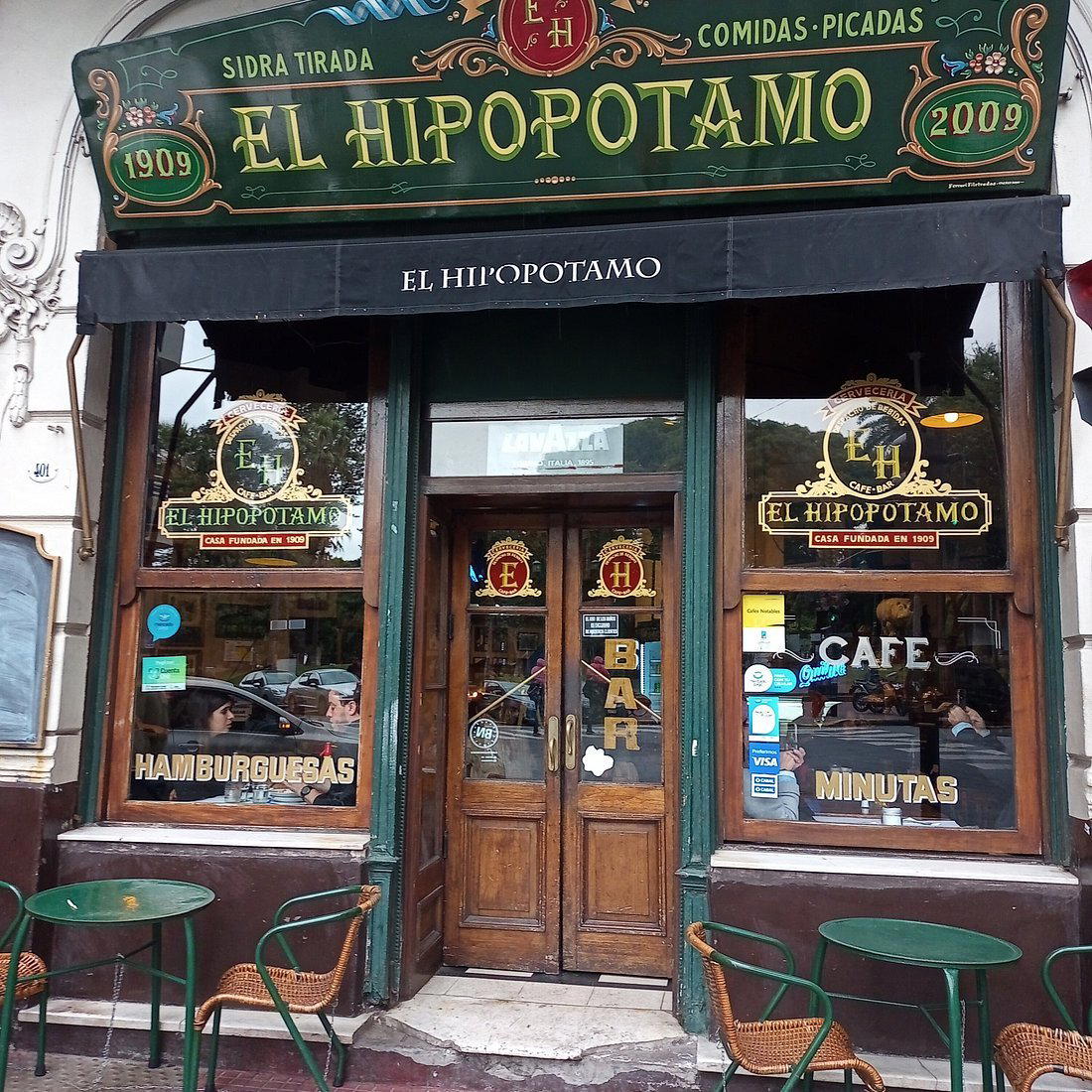
The Pace of a Buenos Aires Table
In Buenos Aires, the meal is not a transaction. It is a structured social event with its own unwritten code: you arrive late by most international standards, you do not rush the waiter, and the table is yours for the evening. Hipopótamo is a casual bar at Brasil 401 in San Telmo, Buenos Aires, and it operates inside that tradition. San Telmo is one of the oldest barrios in the city, its cobblestoned streets and colonial-era buildings forming the backdrop for a dining culture that predates the Argentine restaurant boom by decades. Arriving here feels less like choosing a restaurant and more like choosing a register of city life.
The neighbourhood context matters. San Telmo sits south of the microcentro, separated from the tourist-facing spectacle of La Boca but close enough to draw visitors who have moved past the obvious. It is a barrio where antique dealers, tango practitioners, and long-standing family restaurants share the same blocks. The dining rhythm here is set by locals, not itineraries, which means the midday service runs long into the afternoon and evening tables do not fill until well past nine.
How the Ritual Unfolds
The structure of a meal in this part of Buenos Aires follows conventions that most porteños absorb without thinking. The sequence tends to begin with a shared picada, a spread of cured meats, olives, and cheeses that functions as both an opener and a social warm-up. This is not a first course in the European sense; it is permission to settle in. From there, the table moves at its own pace, and the pauses between courses are considered normal rather than inefficient.
At an address like Hipopótamo in this district, that rhythm is the product of neighbourhood expectation as much as any kitchen policy. San Telmo's restaurant culture is less driven by tasting-menu formalism and more by the kind of extended, unhurried dining that Buenos Aires has practiced since the first wave of Italian and Spanish immigration reshaped its food culture in the late nineteenth and early twentieth centuries. That inheritance shows up in the way meals here treat time: generously.
Argentina's wine culture is woven through every table in this city. The default bottle in a San Telmo restaurant tends to be a Malbec from Mendoza, but the range available across the city has expanded considerably as smaller producers from Luján de Cuyo, the Uco Valley, and Patagonia have found urban distribution. Visitors with a deeper interest in Argentine wine will find that a Buenos Aires dining experience connects naturally to the production regions further west and north. For context on what those regions produce, Colomé Winery in Molinos and Chato's Wine Bar in Cafayate represent two ends of the Salta wine spectrum, while Antares Mendoza in Mendoza offers a craft-beer counterpoint to the region's dominant viticulture.
Where Hipopótamo Sits in the Buenos Aires Drinking and Dining Scene
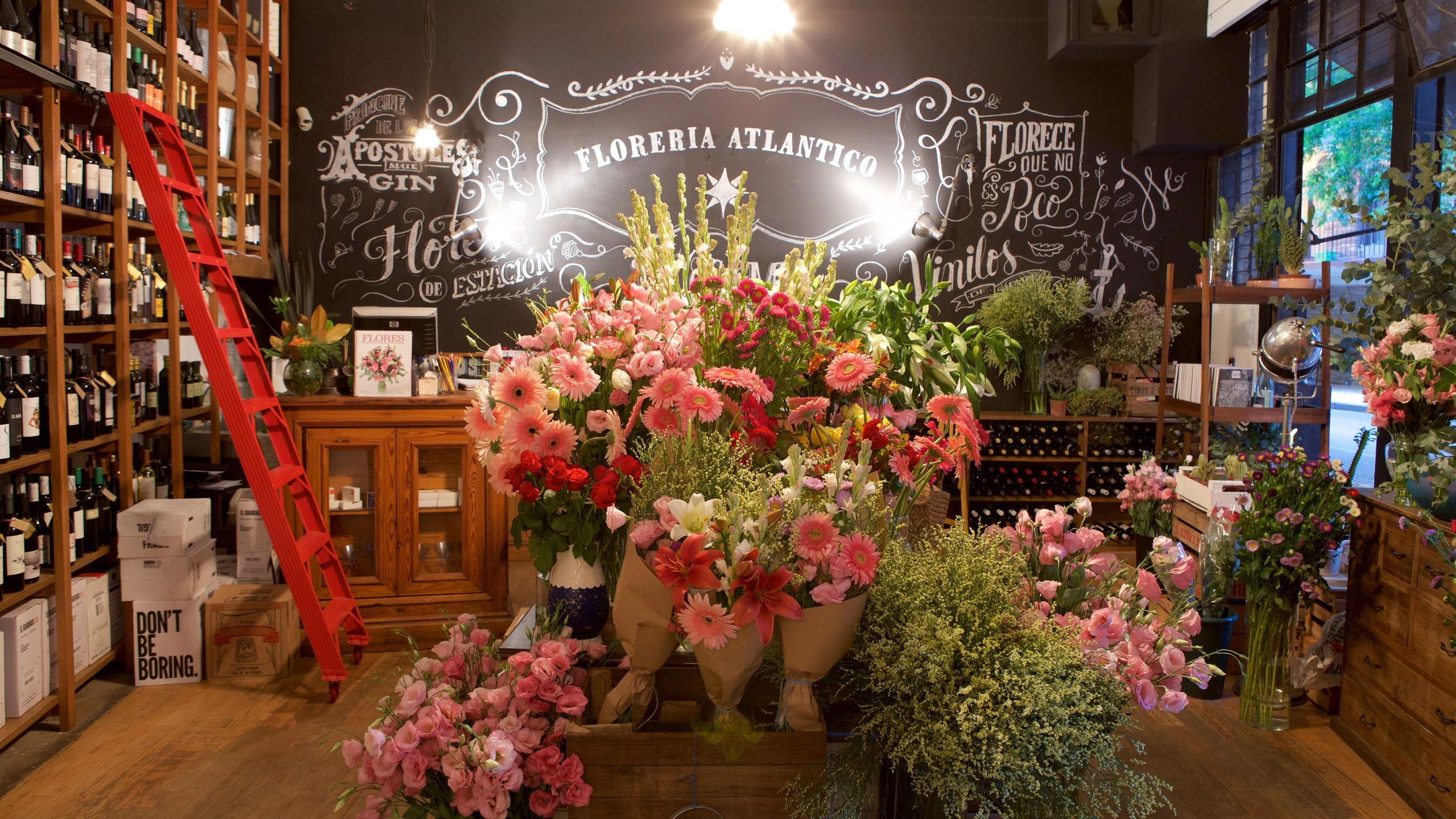
Buenos Aires has developed a sophisticated bar and cocktail culture alongside its restaurant tradition, and the two now operate in closer conversation than they did even a decade ago. The city's premium bar scene has moved toward technical programs and ingredient-led menus. Florería Atlantico is one internationally cited reference point, consistently appearing on the World's 50 Best Bars list and running a format that layers botanical sourcing, Atlantic-migration narrative, and a subterranean room into a coherent concept. 878 Bar operates in a different register, with a low-profile entrance in Villa Crespo that prioritises repeat visitors and neighbourhood intimacy over visibility. CoChinChina and the Four Seasons bar represent the Palermo and Recoleta poles of the city's upscale drinking scene respectively.
Hipopótamo's Brasil 401 address in San Telmo places it in a different conversation from those venues. San Telmo's food and drink identity is grounded in history rather than trend, and restaurants here tend to draw on that continuity as their primary credential. The comparison is instructive: where Palermo's dining scene refreshes its references constantly, San Telmo's tends to deepen them.
For readers interested in how Buenos Aires fits within a broader hemisphere of serious bar programs, the city's leading venues now draw comparisons with technically sophisticated operations in other cities. Kumiko in Chicago, Jewel of the South in New Orleans, Julep in Houston, and Bar Leather Apron in Honolulu each anchor their programs in deep local tradition, which is precisely the framework through which Buenos Aires's leading dining addresses should be read.
Planning a Visit
Hipopótamo is located at Brasil 401, in the C1154AAE postal zone of the Ciudad Autónoma de Buenos Aires, within San Telmo. The neighbourhood is walkable from the San Juan and Independencia metro stations on Line C, and is approximately twenty minutes on foot from the historic Plaza de Mayo. For first-time visitors to Buenos Aires, the convention is to eat later than feels natural: a 9pm reservation is still early by local standards, and arriving before 8:30pm places you ahead of the porteño curve.
Cuisine-First Comparison
Comparable venues nearby, for context on price, style, and recognition.
| Venue | Cuisine | Price | Notes |
|---|---|---|---|
| HipopótamoThis venue — the venue you are viewing | pub | $$ | Not listed |
| Bar Seddon | cocktail_bar | $$ | Montserrat |
| Rodney Bar | pub | $$ | Chacarrita |
| Pain et Vin | wine_bar | $$ | Palermo |
| El Federal Bar | pub | $$ | San Telmo |
| Vico | wine_bar | $$$ | Villa Crespo |
Continue exploring
More in Buenos Aires
Bars in Buenos Aires
Browse all →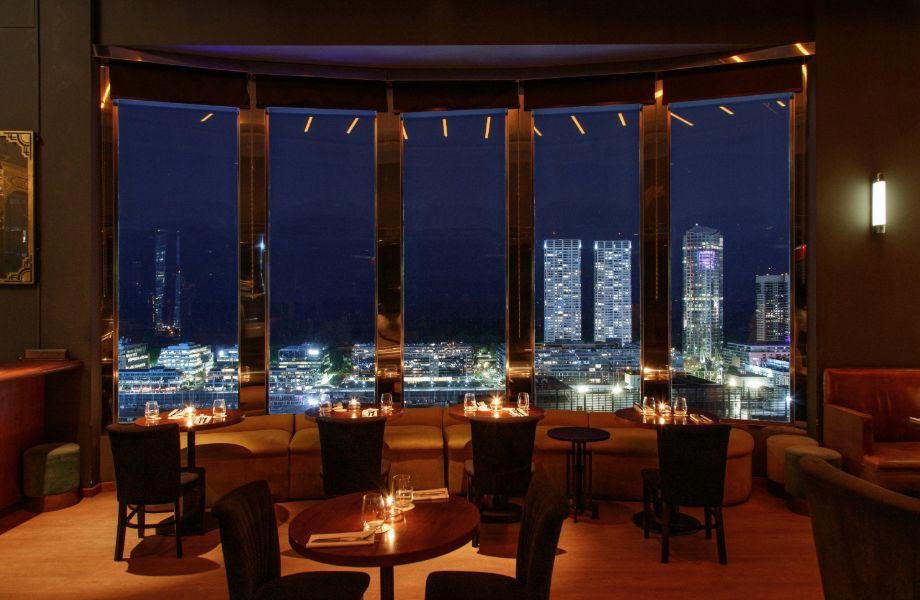
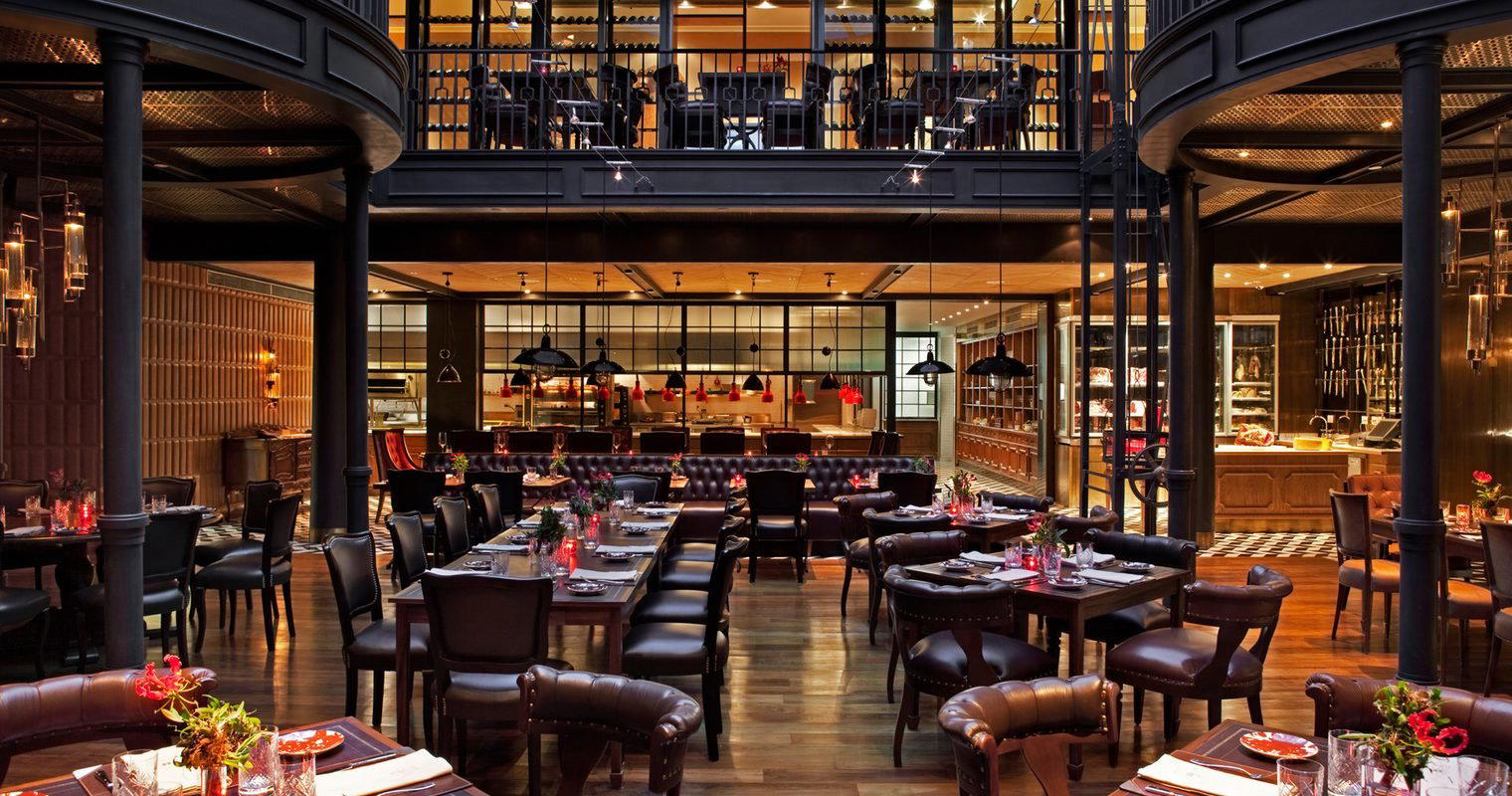
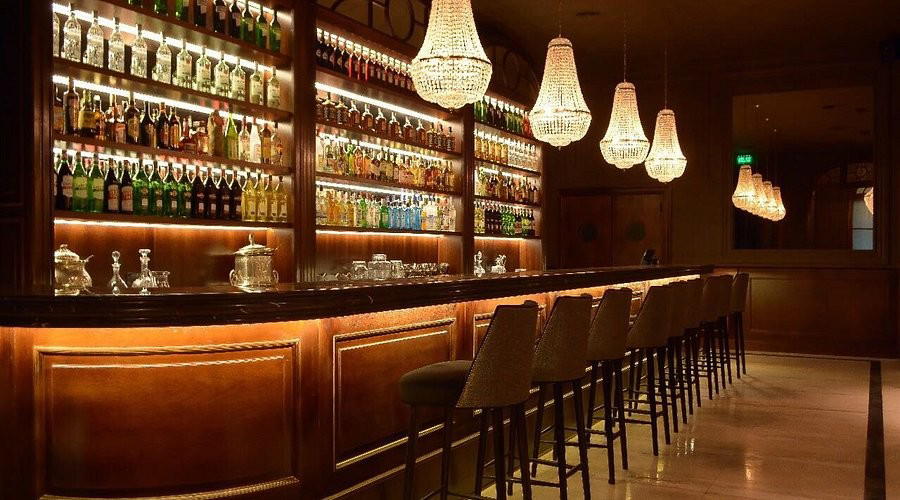
Restaurants in Buenos Aires
Browse all →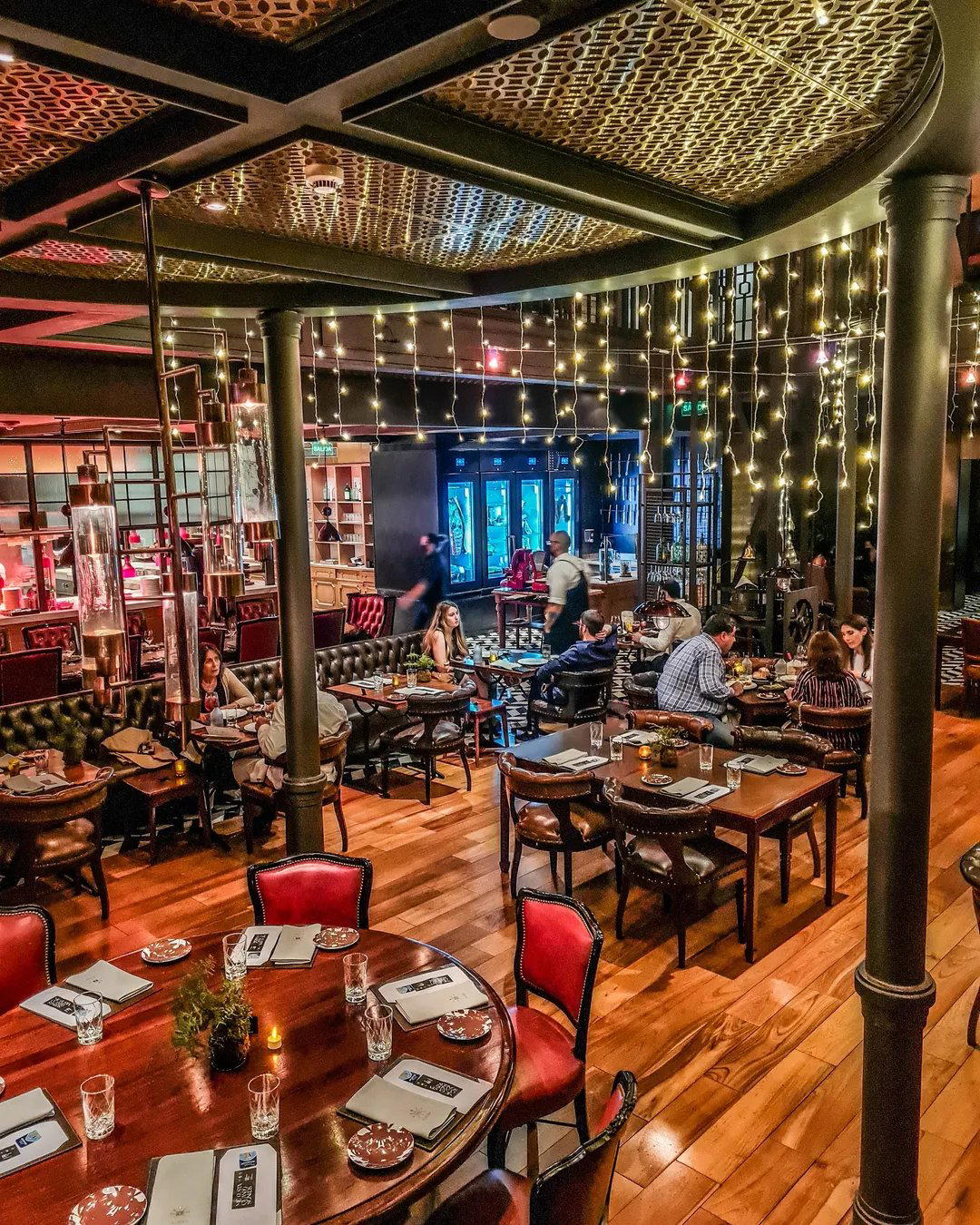
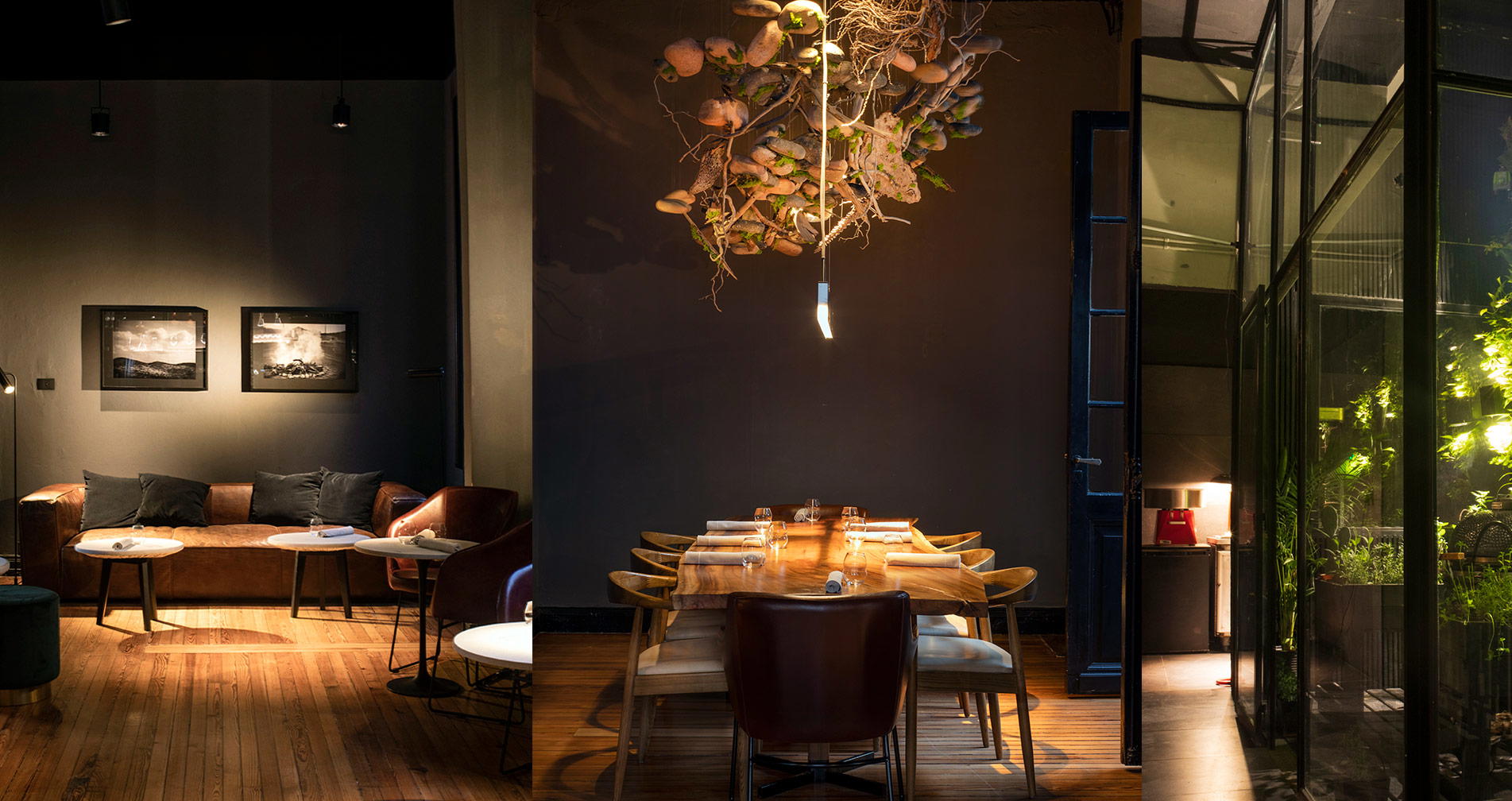
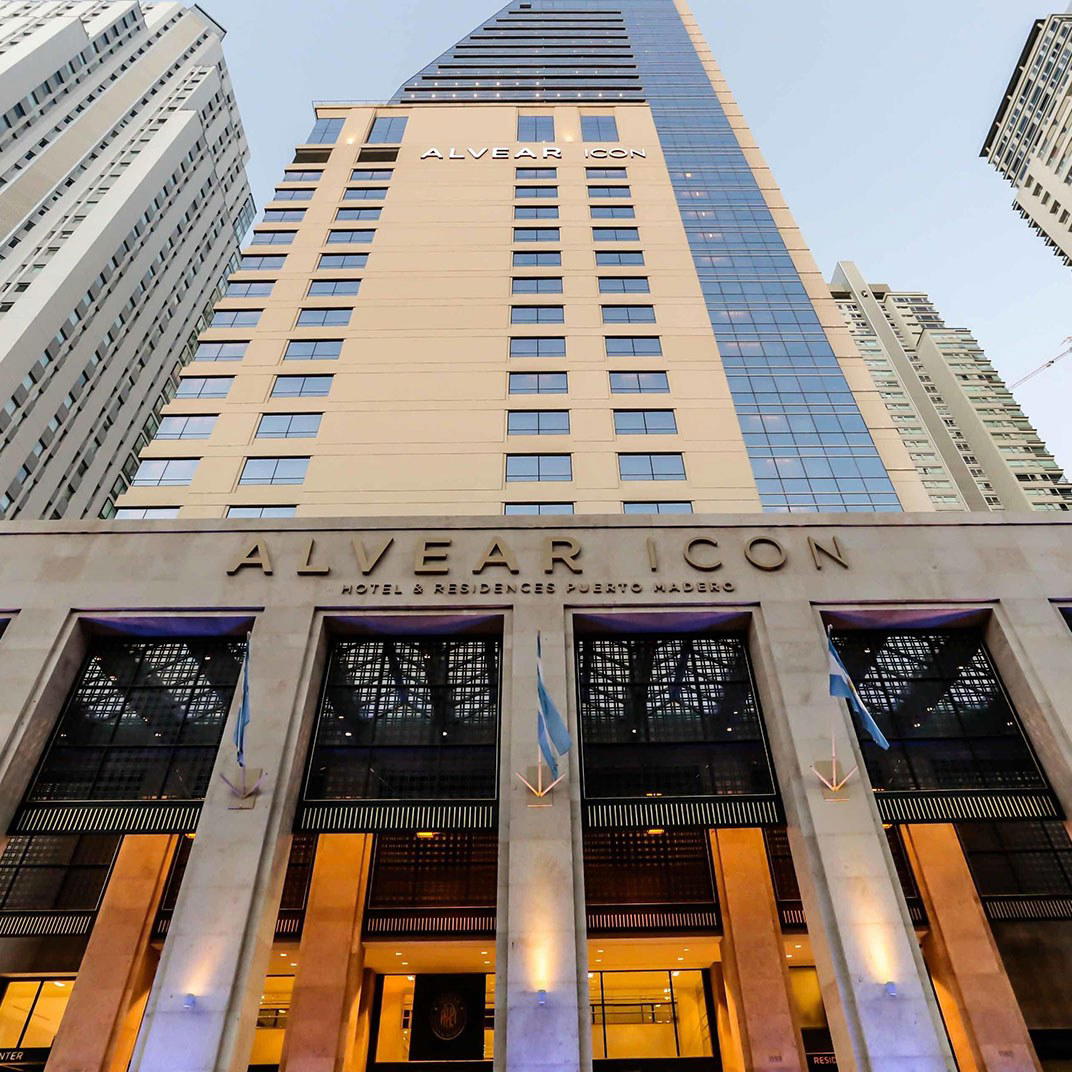
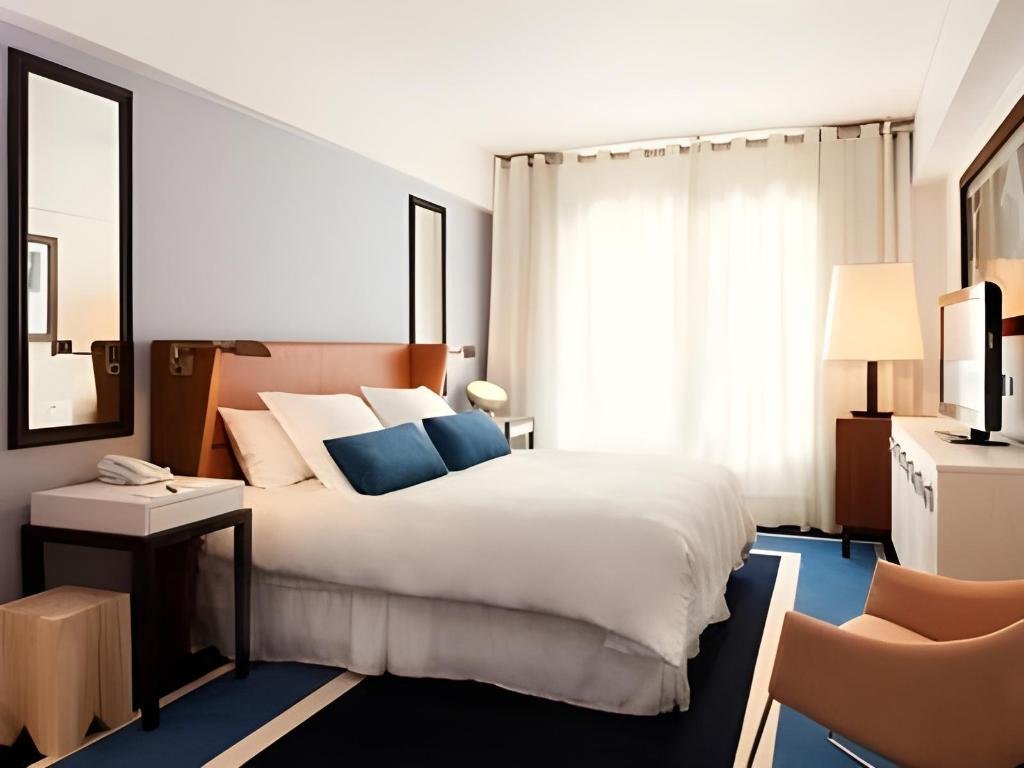
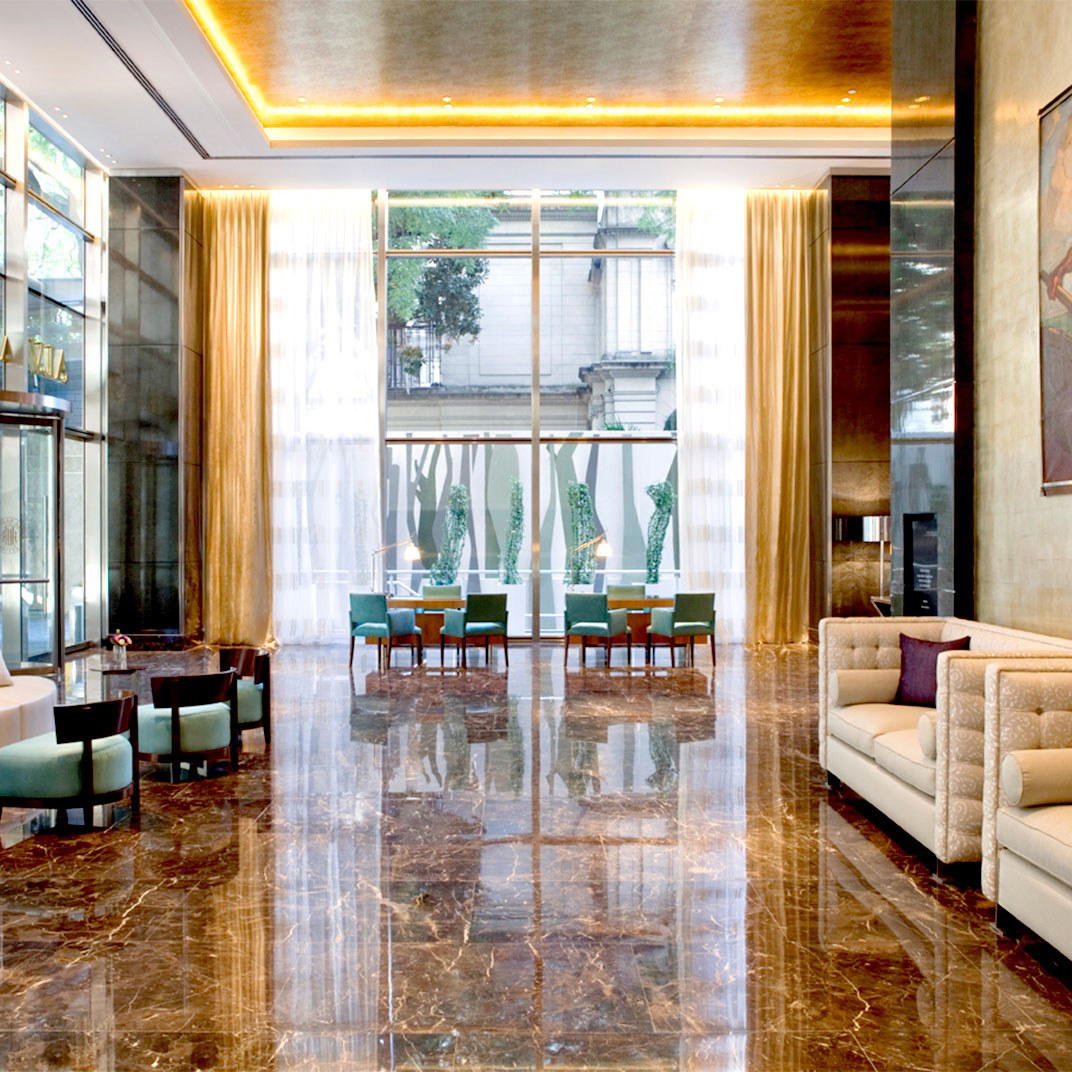
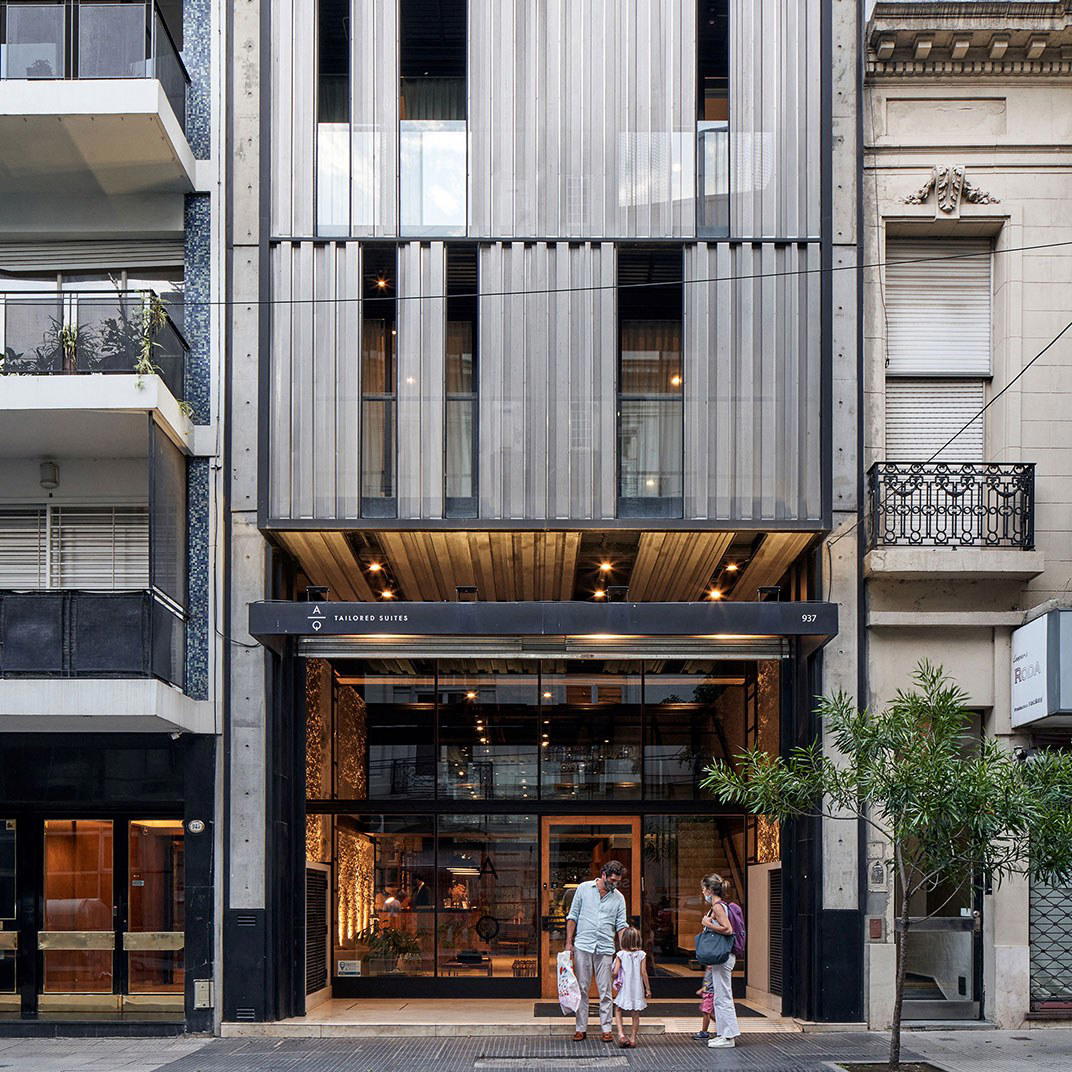
Hotels in Buenos Aires
Browse all →
Wineries in Buenos Aires
Browse all →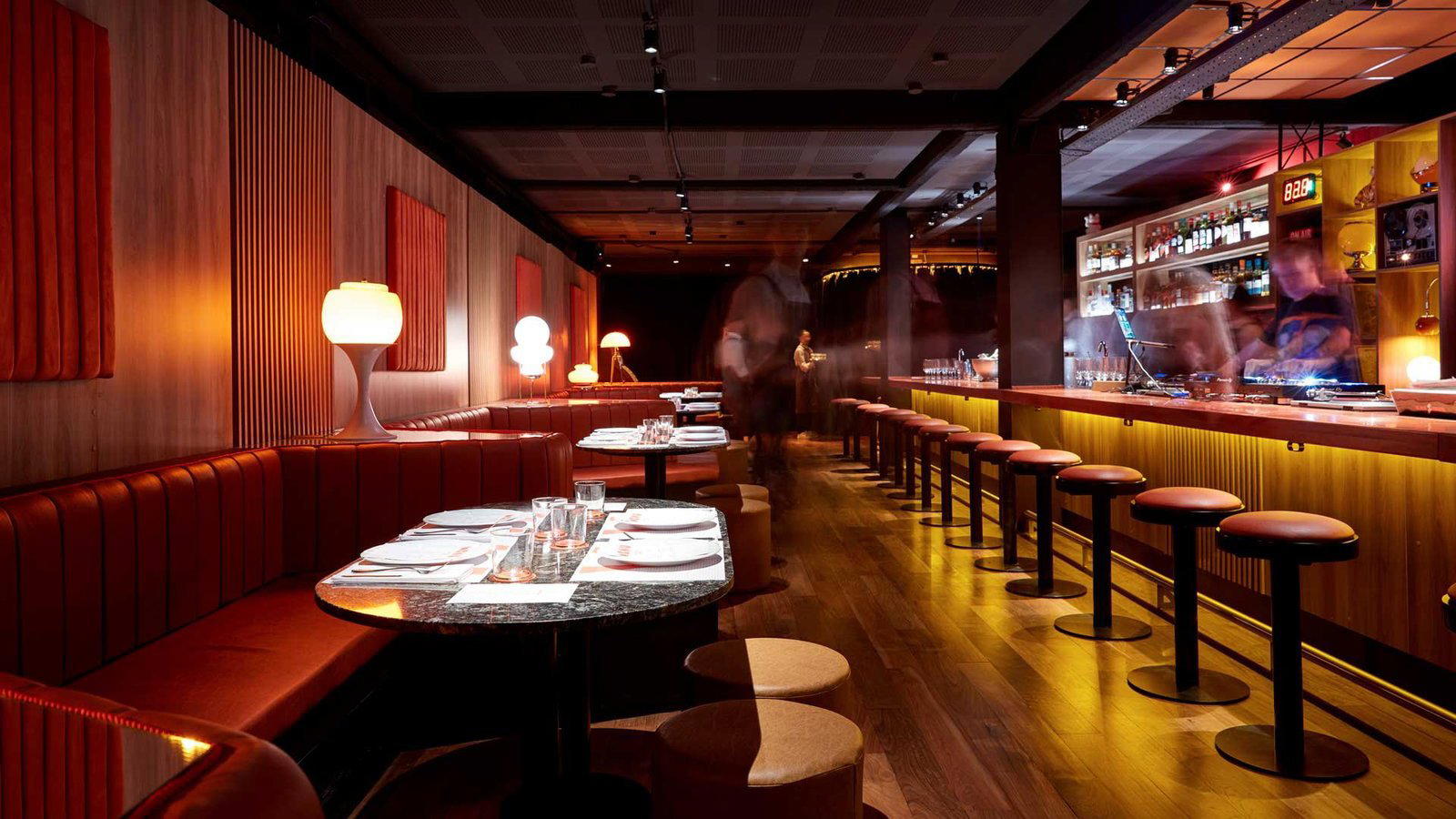
At a Glance
- Classic
- Cozy
- Well Known
- Casual Hangout
- Historic Building
- Booth Seating
- Street Scene
Current opening hours
- Monday
- 8 AM–2 AM
- Tuesday
- 8 AM–2 AM
- Wednesday
- 8 AM–2 AM
- Thursday
- 8 AM–2 AM
- Friday
- 8 AM–2 AM
- Saturday
- 8 AM–2 AM
- Sunday
- 8 AM–2 AM
Hours can change for holidays and private events. Last verified .
Warm, cozy interior with dark wood furniture, vintage advertisements, posters, and large windows for people-watching, evoking traditional Buenos Aires charm.