Hello Temaki
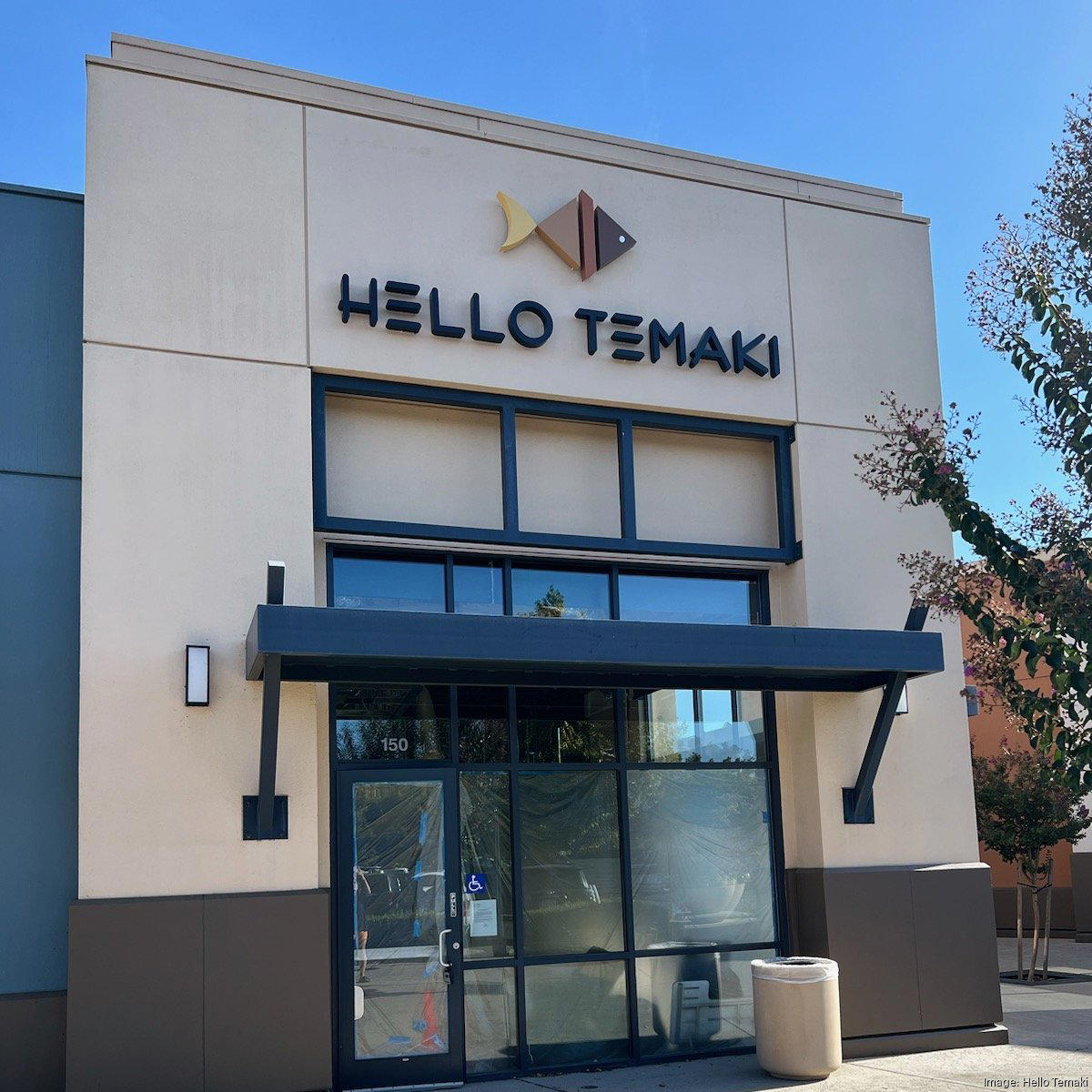
Hello Temaki brings the hand-roll format to Elk Grove's Laguna Springs corridor, where the format's built-in rhythm — roll, eat, repeat — suits both a quick solo lunch and a longer table session. The temaki approach positions it differently from the area's sushi restaurants that lean on plated nigiri and omakase pageantry. Located at 9261 Laguna Springs Dr, it occupies a format increasingly common in California's suburban food markets.
- Address
- 9261 Laguna Springs Dr #150, Elk Grove, CA 95758
- Phone
- +1 916 775 6826
- Website
- hello-temaki.com
- Directions
- Get directions
The Hand-Roll Format in California's Suburban Dining Belt
California's suburban food corridors have spent the last decade absorbing formats that were once confined to urban cores. The hand-roll bar, a concept that gained serious traction in Los Angeles and San Francisco before spreading outward, now appears in strip malls and mixed-use retail blocks from the Central Valley to the Sacramento suburbs. Hello Temaki, located at 9261 Laguna Springs Dr in Elk Grove's Laguna Springs development, sits inside that broader migration pattern. The format it operates — temaki, the cone-shaped hand roll eaten immediately after construction — is fundamentally different from the plated omakase or à la carte sushi restaurant that still dominates most suburban markets. That distinction shapes everything from how you order to how long you stay.
Temaki as a format rewards speed and sequence. The seaweed wrapper, ideally toasted and dry, softens within two minutes of assembly, which means the hand-roll bar functions almost like a conveyor of timed moments rather than a traditional multi-course meal. Bars built around this format in Los Angeles, most visibly the hand-roll counters that emerged in the mid-2010s, lean into that constraint as a feature, serving each roll as it's made rather than staging a full set at once. That operational discipline tends to produce food that is eaten at its structural peak, which is a different experience from receiving a tray of nigiri assembled ahead of your arrival.
Laguna Springs and the Local Dining Context
Elk Grove's Laguna Springs corridor has developed into one of the city's denser commercial food zones, drawing suburban Sacramento residents who want table-service options without driving into the city proper. The area skews toward mid-casual formats: brewpubs, family-style Asian restaurants, and chain-adjacent independents. Within that mix, a hand-roll-focused concept occupies a different tier than the full-service Japanese restaurants common to the area, offering faster throughput and a lower barrier to entry than a multi-course omakase while still sitting above fast-casual sushi roll counters.
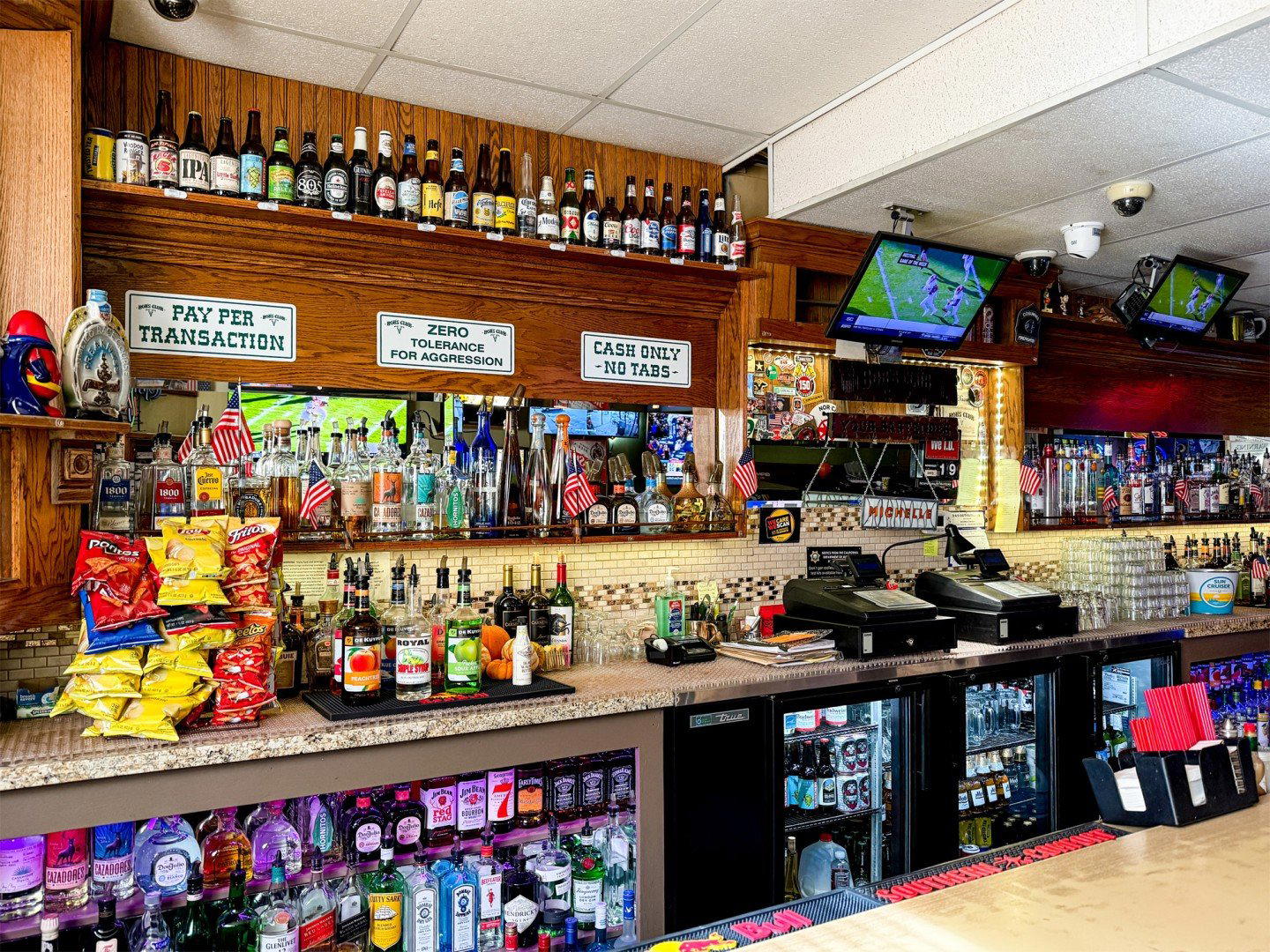
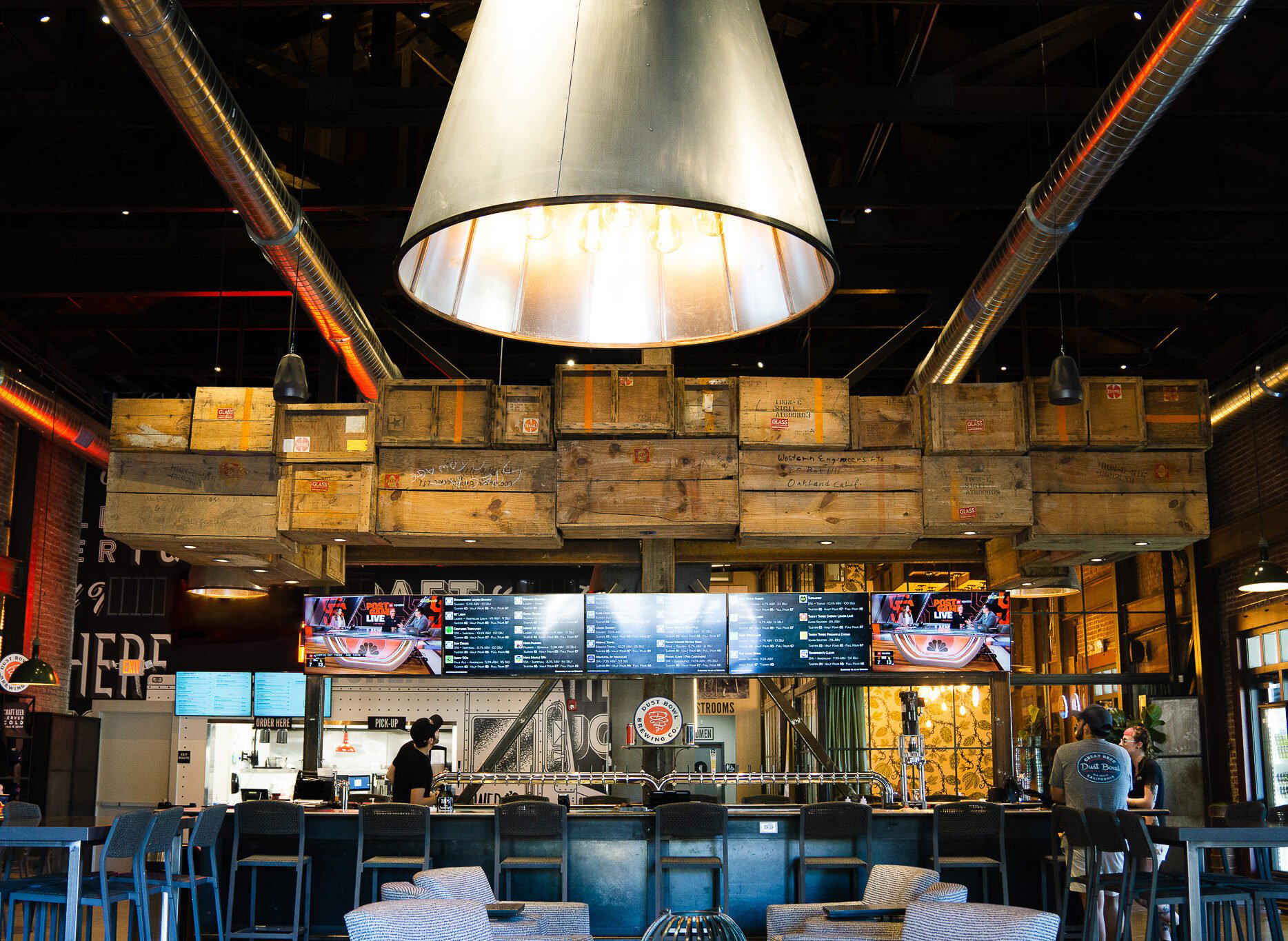
For a useful point of comparison inside Elk Grove's bar and restaurant scene, the drink-forward venues nearby include Flatland Brewing Company, Dust Bowl Brewing Co. Old Town Tap House, and Bob's Club, each of which anchors a different section of the city's hospitality mix. Brick House Restaurant and Catering operates in a heavier American comfort food register. Hello Temaki's format places it outside the brewery-and-bar cluster and into a different decision category for a weeknight dinner or a lunch with colleagues. A broader look at the city's options is available in our full Elk Grove restaurants guide.
What the Hand-Roll and Drink Pairing Question Actually Means
The editorial angle for any temaki bar worth assessing is less about individual rolls in isolation and more about how the food functions alongside what you're drinking. Japanese hand-roll formats traditionally pair with cold beer, specifically lager, which provides carbonation and bitterness to cut through the fat in tuna or salmon fillings, or with sake at cooler serving temperatures. The seaweed's savory depth also holds up against dry sparkling wine in a way that heavier rice dishes do not. Plated sushi's interaction with wine is a documented category at this point; temaki's pairing logic follows similar principles but with the added texture variable of the wrapper itself.
At the programmatic level, the bars that have most successfully built a food-and-drink identity around this format are those that treat the drink list as a deliberate complement rather than an afterthought. The gap between a hand-roll bar with a thoughtful beverage program and one that defaults to domestic beer and soda is substantial in terms of the overall experience. Nationally, the conversation around serious bar-food pairing has moved well beyond gastropub territory: venues like Kumiko in Chicago and Bar Leather Apron in Honolulu have demonstrated that a carefully designed drinks list can reframe the food around it, and vice versa. Closer in spirit to the casual end, ABV in San Francisco built its reputation on precisely the relationship between snack-forward food and a technically considered cocktail program. What Jewel of the South in New Orleans, Julep in Houston, and Superbueno in New York City share is the principle that the food menu should answer the drink menu, not simply coexist with it. The Parlour in Frankfurt operates on a similar pairing logic in a very different culinary tradition.
Planning a Visit
Hello Temaki is located at 9261 Laguna Springs Dr, Suite 150, Elk Grove, CA 95758, within the Laguna Springs commercial development in the southern stretch of the city. The format suits both solo diners and small groups; the hand-roll bar's inherent informality means pacing is self-directed rather than menu-driven.
The Laguna Springs location is accessible by car from both central Elk Grove and the broader Sacramento region via Highway 99, with surface parking available in the surrounding commercial lot. For residents of the South Sacramento and Elk Grove suburbs seeking a Japanese dining option outside the full-service restaurant format, the hand-roll concept offers a distinct alternative to the area's sushi and ramen restaurants.
| Venue | Cuisine |
|---|---|
| Hello TemakiThis venue — the venue you are viewing | This venue |
Continue exploring
More in Elk Grove
Bars in Elk Grove
Browse all →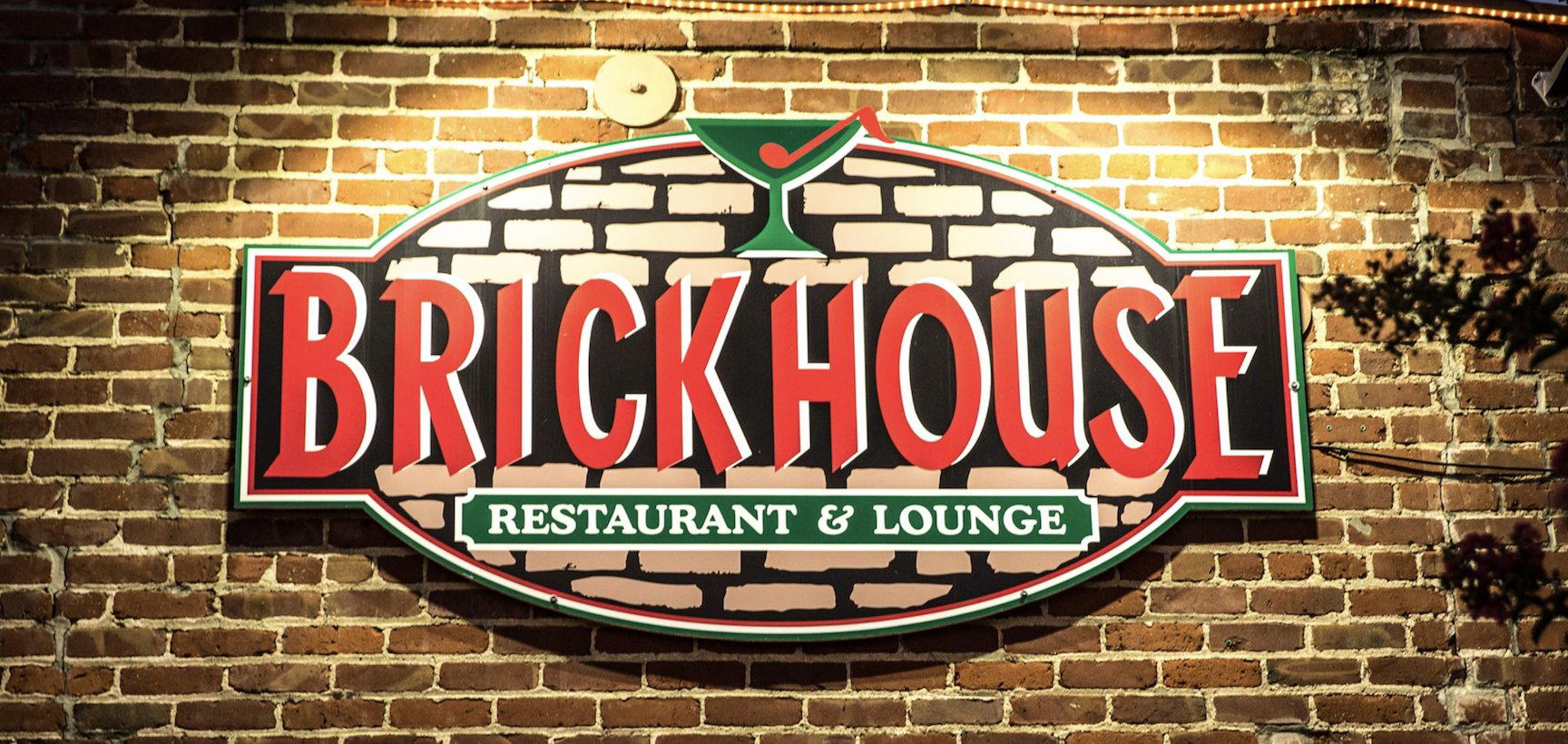
Restaurants in Elk Grove
Browse all →
Hotels in Elk Grove
Browse all →

At a Glance
- Casual
- Casual Hangout
- Counter Only
Casual atmosphere with enjoyable music.
Know Before You Go
- Getting there
- 9261 Laguna Springs Dr #150, Elk Grove, CA 95758