Akebono
Akebono on Freeport Boulevard sits within Sacramento's increasingly serious Japanese dining scene, drawing regulars who track the city's quieter neighbourhood restaurants as closely as its downtown flagships. The address places it in a residential stretch south of Midtown, where format and consistency tend to matter more than visibility. For those working through Sacramento's Japanese options, Akebono belongs on the list alongside Ju Hachi and Hana Tsubaki.
Pearl is the En Primeur Club membership app — saves, bookings, and concierge access live there. Same editors, same standards.
- Address
- 4960 Freeport Blvd, Sacramento, CA 95822
- Phone
- +1 916 731 8288
- Website
- akebonojapanesesushi.com
- Directions
- Get directions
 Saves & bookings on Pearl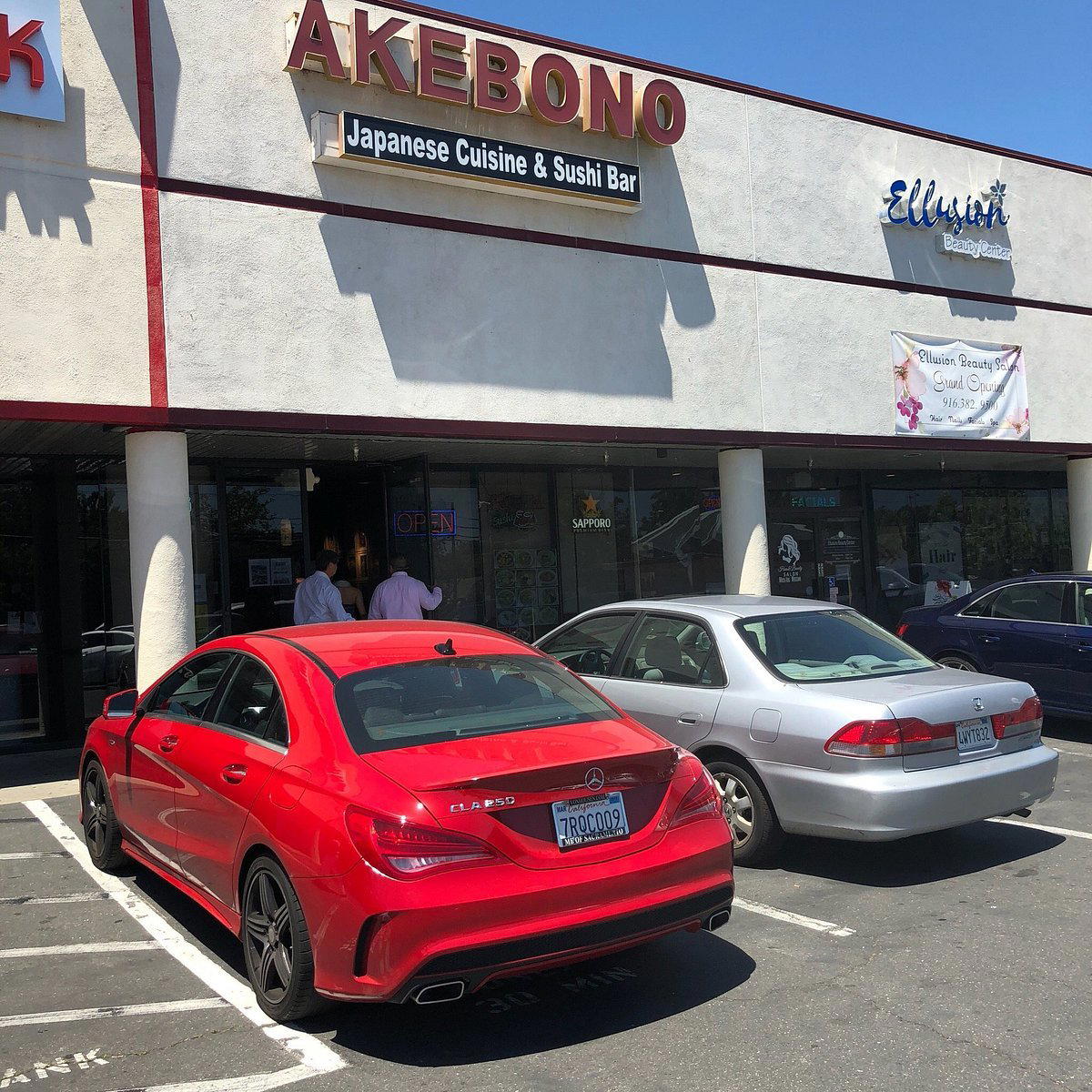
South of Midtown, Where Sacramento Eats Seriously
The stretch of Freeport Boulevard running south from Sutterville Road doesn't announce itself as a dining destination. The storefronts are modest, the signage understated, and the foot traffic is neighbourhood rather than tourist. That is precisely the condition under which Sacramento's most consistent local restaurants tend to operate. Akebono, at 4960 Freeport Blvd, sits in that category: a casual bar that earns its following through the quality of what arrives at the table rather than the volume of its marketing.
Sacramento's Japanese dining scene has deepened considerably over the past decade. The city's position at the intersection of Northern California's agricultural abundance and a historically significant Japanese-American community gives it an unusual foundation. Ingredient access here is not a logistical achievement — it is a structural advantage. The Sacramento Valley supplies rice, stone fruit, citrus, and fresh produce at a scale and proximity that few American cities can match, and Japanese cooking traditions, which prize seasonal sourcing and restraint, translate that advantage directly onto the plate.
The Ingredient Logic Behind Japanese Cooking in Sacramento
Understanding why Sacramento produces credible Japanese restaurants requires a brief detour into agricultural geography. The Central Valley is among the more productive farming regions in North America. Daikon, shiso, yuzu-adjacent citrus, specialty mushrooms, and high-quality short-grain rice are all grown or sourced within a short radius of the city. For Japanese cuisine specifically, where ingredient provenance shapes dish identity more directly than in many other traditions, proximity to this supply chain matters. A Sacramento Japanese restaurant that prioritises local sourcing isn't performing a trend — it is working with an ingredient logic that has been embedded in the region for generations.
This context shapes how Akebono's address on Freeport should be read. The neighbourhood sits close to residential Sacramento, which means the customer base skews toward repeat visitors rather than one-time diners passing through downtown. That dynamic tends to hold restaurants to a different standard: you cannot rely on novelty, so you rely on consistency. Japanese restaurant formats, whether ramen-focused, izakaya-style, or sushi-centred, are particularly sensitive to this pressure, because regulars develop clear reference points for quality over time.
Among Sacramento's Japanese options, Akebono operates in a comparable set that includes Ju Hachi and Hana Tsubaki, as well as newer entrants like Kinjo Hand Roll Bar. Each represents a different format within the category. Kinjo's hand-roll focus reflects a national trend toward specialist counter formats; Ju Hachi occupies a more traditional full-menu position. Where Akebono sits in that spectrum, and which format it executes, is part of what makes it worth tracking for anyone working through the city's Japanese dining options systematically.
Sacramento's Dining Geography and Where Freeport Fits
Sacramento's restaurant geography has shifted in recent years. The Tower District and Midtown remain visible concentrations of dining, but the corridors running south, along Freeport, Riverside, and into the Pocket neighbourhood, carry restaurants that locals return to without needing a reason beyond the food itself. This is where neighbourhood anchors develop: not through press attention but through accumulated visits.
For context on how Sacramento's broader food and drink scene is structured, our full Sacramento restaurants guide maps the city's key areas and the formats that define each. Akebono's Freeport address places it outside particularly written-about corridors, which has practical implications for planning: easier parking, shorter waits, and a room that functions as a local dining room rather than an event destination.
That same south-of-Midtown geography connects Akebono to other neighbourhood-first venues in Sacramento's broader hospitality circuit. Bawk! by Urban Roots operates on a similar principle, quality-driven, neighbourhood-rooted, without the downtown price premium. Canon and Allora represent the more refined Midtown tier, where format and design investment push check averages higher. Alaro Craft Brewery, Restaurant and Cocktail Bar occupies yet another position, where the beverage program anchors the experience as much as the kitchen.
How to Place Akebono in a Broader Japanese Dining Conversation
Across American cities, Japanese restaurants have fragmented into increasingly specific format categories. The broad-menu Japanese restaurant that attempts everything, sushi, teriyaki, tempura, noodles, has given way, at the serious end of the market, to specialists: the omakase counter, the ramen shop, the izakaya with a focused sake list, the hand-roll bar. This fragmentation reflects both rising ingredient costs and a customer base that has become more format-literate.
Sacramento is not immune to this shift. The arrival of counter-format concepts like Kinjo Hand Roll Bar signals that the city's diners are engaging with specialist Japanese formats in the same way that cities like Chicago, New York, and San Francisco have been for years. At Kumiko in Chicago, the Japanese-influenced beverage program operates as a full editorial statement. Bar Leather Apron in Honolulu applies similar precision to cocktails in a Pacific context. These are not direct comparisons to Akebono, but they illustrate how Japanese culinary traditions are being interpreted across American dining formats with increasing seriousness. Jewel of the South in New Orleans, Julep in Houston, Superbueno in New York City, ABV in San Francisco, and The Parlour in Frankfurt each show how neighbourhood-anchored venues in their respective cities build sustained followings through format discipline rather than visibility.
Planning a Visit
Akebono's Freeport Boulevard address is accessible by car from most Sacramento neighbourhoods, with street and lot parking typical of the corridor. Akebono is open Mon to Fri from 11:30 AM to 2 PM and 5 to 9 PM, and Sat and Sun from 11:30 AM to 9 PM. It is walk-in friendly. Japanese restaurants in this price tier and neighbourhood context frequently operate without online reservation systems, making a phone call the more reliable planning tool. For visitors building a Sacramento itinerary, pairing Akebono with other south-corridor venues creates a coherent evening without the Midtown crowd density.
Side-by-Side Snapshot
Comparable venues nearby, for context on price, style, and recognition.
| Venue | Cuisine | Price | Notes |
|---|---|---|---|
| AkebonoThis venue — the venue you are viewing | sake_bar | $$ | Not listed |
| Bawk! by Urban Roots | beer_bar | $$ | Richmond Grove |
| Urban Roots Brewery & Smokehouse | beer_bar | $$ | Richmond Grove |
| Magpie Café | cocktail_bar | $$ | Richmond Grove |
| Ju Hachi | sake_bar | $$ | Richmond Grove |
| THAI - The House of Authentic Ingredients | Bar | $$ | East Sacramento |
Continue exploring
More in Sacramento
Bars in Sacramento
Browse all →
Restaurants in Sacramento
Browse all →
Hotels in Sacramento
Browse all →

At a Glance
- Casual
- Quiet
- Casual Hangout
- Standalone
- Seated Bar
- Counter Only
Current opening hours
- Monday
- 11:30 AM–2 PM, 5–9 PM
- Tuesday
- 11:30 AM–2 PM, 5–9 PM
- Wednesday
- 11:30 AM–2 PM, 5–9 PM
- Thursday
- 11:30 AM–2 PM, 5–9 PM
- Friday
- 11:30 AM–2 PM, 5–9 PM
- Saturday
- 11:30 AM–9 PM
- Sunday
- 11:30 AM–9 PM
Hours can change for holidays and private events. Last verified .
Clean restaurant with soft music allowing for conversational dining.