Hatsuyuki Handroll Bar
Hatsuyuki Handroll Bar on Fort Worth's Foch Street brings a focused handroll format to a city better known for barbecue and Tex-Mex. The counter-driven concept fits a growing national pattern of Japanese single-item bars trading breadth for precision. Find it in the Cultural District corridor, where the dining scene has been quietly diversifying over the past decade.
Pearl is the En Primeur Club membership app — saves, bookings, and concierge access live there. Same editors, same standards.
- Address
- 907 Foch St, Fort Worth, TX 76107
- Phone
- +1 817 720 5330
- Website
- instagram.com
- Directions
- Get directions
 Saves & bookings on Pearl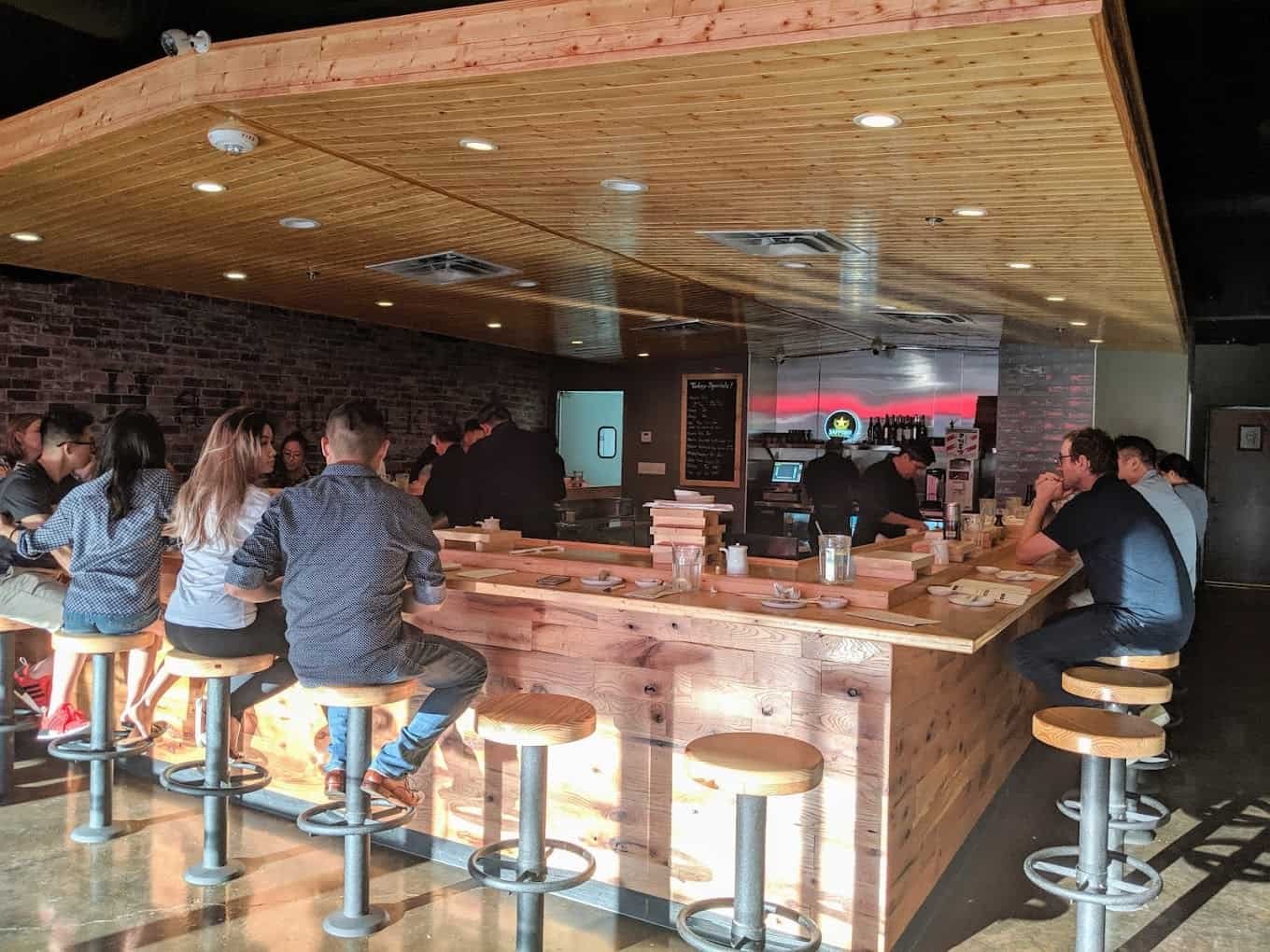
The Handroll Format in a Steakhouse City
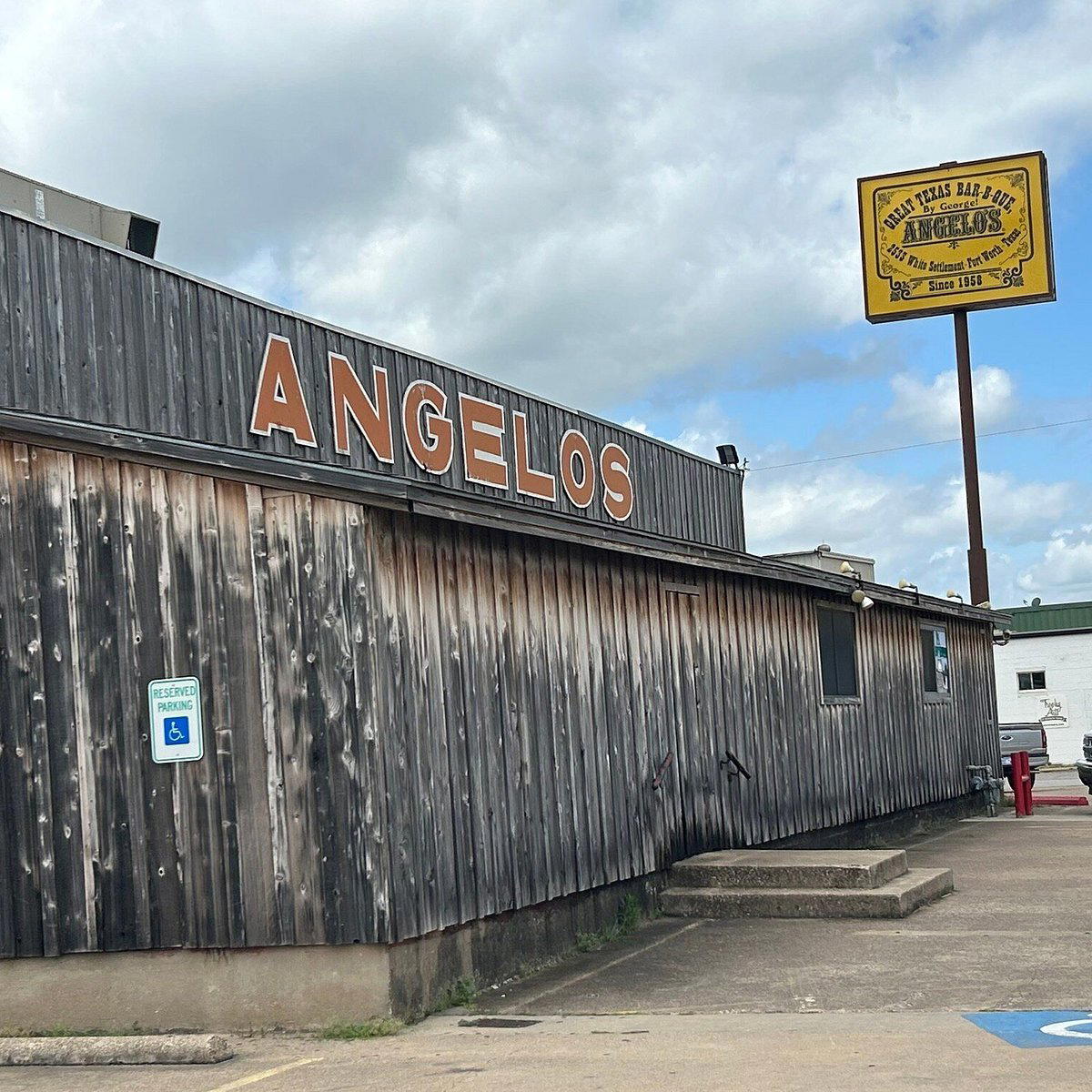
Fort Worth's dining identity has long been written in smoke and beef. The stockyards cast a long shadow, and the city's most-discussed tables tend to anchor themselves to that tradition — places like Angelo's Bar-B-Que hold decades of institutional weight. Against that backdrop, a Japanese handroll bar on Foch Street reads less like a trend import and more like a deliberate counter-argument. The handroll bar format — tight counter, sequential service, rice-forward technique, has been consolidating in American cities for several years, moving from a coastal novelty into something closer to a recognised dining category. Fort Worth's version arrives later in that arc, which means it inherits a format that has already been stress-tested in denser markets.
The handroll as a format rewards collaboration in ways that larger Japanese restaurants do not. There is no extensive menu to hide behind. What reaches the counter depends on the relationship between whoever is sourcing the fish, whoever is pressing the rice, and whoever is reading the room well enough to pace the meal correctly. That triangle, kitchen, counter, and floor, has to function in close coordination, or the format exposes its weaknesses quickly. At Hatsuyuki, on the western edge of Fort Worth's Cultural District, that coordination is the product rather than a background condition.
Foch Street and What the Location Signals
907 Foch Street sits in a stretch of Fort Worth that has been accumulating independent dining concepts over the past several years. The Cultural District corridor, anchored by the Kimbell and the Modern, draws a visitor demographic that skews toward considered spending and a willingness to seek out formats beyond the familiar. Neighbours on the dining side include 61 Osteria and Aventino's Italian Restaurant, both of which reflect the area's appetite for European-inflected independents. A Japanese counter in this mix is not incongruous, it is, if anything, the next logical step in a neighbourhood that has been differentiating itself from downtown Fort Worth's more obvious commercial dining.
The physical approach to a handroll bar matters more than it might at a larger restaurant. Counter formats rely on compression, fewer seats, tighter sightlines, the kitchen visible or nearly so. That compression shapes the experience before any food arrives. What you see when you walk in sets expectations about pace, formality, and the degree to which the meal is a collaborative event rather than a transaction. Foch Street's low-scale streetscape works in the format's favour here: the neighbourhood does not announce itself, which means arrival feels earned rather than curated.
How the Counter Format Divides Labour
Across the American handroll bar category, the most successful operations have solved the same structural problem: how to keep a narrow format from feeling monotonous. The answer is almost always staff calibration. At the counter end, the person pressing rice and sealing nori carries the technical load, temperature, texture, and timing are all compressed into a window of seconds before the seaweed loses its crispness. That is not a task that tolerates distraction or poor sequencing. On the floor side, the work is about reading when a guest wants another piece and when they want to pause, which drink to suggest between courses, and how to handle a table that arrives uncertain about the format.
This is why the handroll bar, more than almost any other format in contemporary Japanese dining, functions as an ensemble rather than a solo performance. The comparison venues that have defined the category nationally, operations in cities with mature Japanese dining scenes, have largely built their reputations on that ensemble quality rather than on any single element. Fort Worth's market is less saturated, which gives Hatsuyuki room to establish its own version of that dynamic without being measured against a dozen direct competitors on the same block.
For context on how the handroll format sits within broader Japanese-influenced bar and counter culture across American cities, it is worth noting what has happened in places like Honolulu, where Bar Leather Apron has demonstrated how a technically disciplined counter program can anchor a neighbourhood's dining identity. In Chicago, Kumiko has shown how Japanese influence on both food and drink can translate into a sustained editorial conversation rather than a seasonal trend. These are not direct comparators to a handroll bar in Fort Worth, but they map the territory, the way precision-format venues with collaborative internal structures have been carving out durable positions in markets where the initial concept felt out of place.
Drinks and the Role of the Front Programme
The drinks dimension of a handroll counter is not incidental. Rice-forward Japanese cuisine sits comfortably alongside sake, but also alongside lower-intervention whites and certain highball formats that cut through fatty fish without overwhelming it. How a venue handles this, whether the floor staff can move between sake categories and natural wine with confidence, or whether the programme defaults to a predictable list, is one of the clearest signals of how seriously the team dynamic has been developed. Bars in the South and Southwest with strong editorial identities, like Julep in Houston or operations like Jewel of the South in New Orleans, have demonstrated that regional markets can sustain technically demanding drink programs when the front-of-house team is built to deliver them. The handroll format places similar demands on its floor staff, if from a different angle.
Planning a Visit
Hatsuyuki Handroll Bar is located at 907 Foch Street in Fort Worth's Cultural District, placing it within reasonable distance of the museum corridor and the independent dining cluster along that stretch of the Near Southside and Cultural District border. Given the counter format, seat count is likely limited, which at comparable operations nationally has translated into advance planning being worthwhile, particularly on weekend evenings. For a broader picture of where Hatsuyuki sits within Fort Worth's independent dining scene, the full Fort Worth restaurants guide maps the city's current options across categories and neighbourhoods.
The Cultural District has also produced some of Fort Worth's more unexpected dining formats in recent years, Big Kat Burgers at Crystal Springs Hideaway is one example of how the area absorbs concepts that would seem incongruous in other parts of the city but find an audience here. A handroll counter fits that pattern. The neighbourhood's visitors are not necessarily looking for the expected option.
Continue exploring
More in Fort Worth
Bars in Fort Worth
Browse all →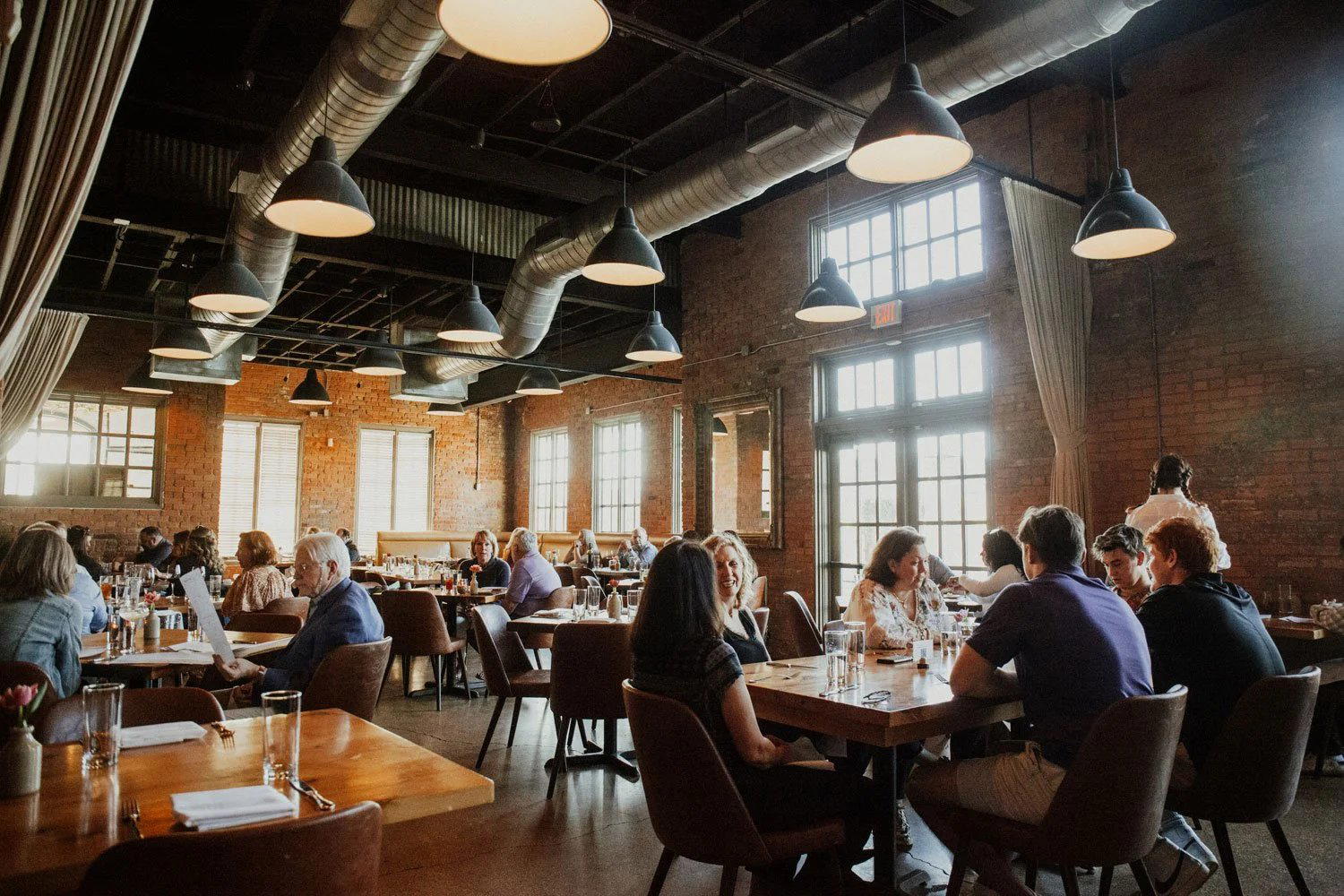
Restaurants in Fort Worth
Browse all →
Hotels in Fort Worth
Browse all →
Wineries in Fort Worth
Browse all →
At a Glance
- Intimate
- Minimalist
- Trendy
- Casual Hangout
- Date Night
- Group Outing
- Standalone
- Design Destination
- Counter Only
- Seated Bar
- Sake
Current opening hours
- Monday
- Closed
- Tuesday
- 11 AM–2:30 PM, 5–10 PM
- Wednesday
- 11 AM–2:30 PM, 5–10 PM
- Thursday
- 11 AM–2:30 PM, 5–10 PM
- Friday
- 11 AM–2:30 PM, 5–10:30 PM
- Saturday
- 11 AM–2:30 PM, 5–10:30 PM
- Sunday
- 12–2:30 PM, 5–10 PM
Hours can change for holidays and private events. Last verified .
Minimalist decor with an attractive horseshoe-shaped sushi bar as the only seating; high sound levels create an energetic atmosphere as diners watch chefs work.
Know Before You Go
- Getting there
- 907 Foch St, Fort Worth, TX 76107