Little Lilly Sushi
Little Lilly Sushi on Camp Bowie Boulevard sits within Fort Worth's westside dining corridor, where a compact, neighborhood-focused format positions it among the city's more approachable Japanese options. The setting draws regulars who value the ritual of a well-paced sushi meal without the formality of a downtown omakase room. For visitors exploring Fort Worth's wider dining scene, it offers a grounded alternative to the city's barbecue-dominant identity.
Pearl is the En Primeur Club membership app — saves, bookings, and concierge access live there. Same editors, same standards.
- Address
- 6100 Camp Bowie Blvd #12, Fort Worth, TX 76116
- Phone
- +1 817 989 8886
- Website
- littlelillysushi.com
- Directions
- Get directions
 Saves & bookings on Pearl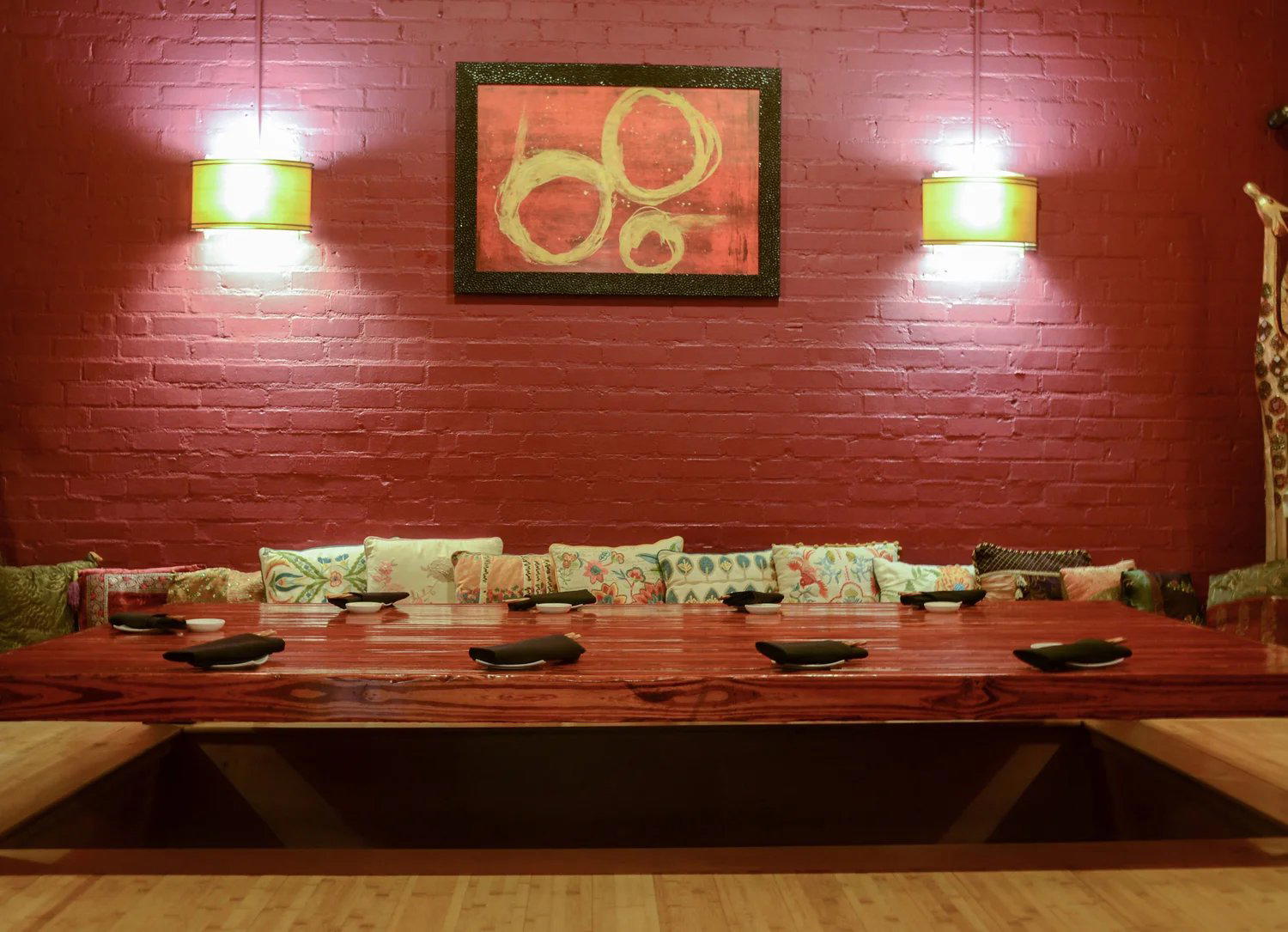
Sushi on the Westside: How Fort Worth's Camp Bowie Corridor Handles Japanese Cuisine
Camp Bowie Boulevard has spent the past decade consolidating its identity as Fort Worth's most reliable strip for neighborhood dining. The stretch running through the 76116 zip code carries a mix of long-standing independents and newer formats, all serving residents who want consistency over spectacle. Little Lilly Sushi occupies a suite in this corridor, at 6100 Camp Bowie Blvd, and the address alone signals something about its positioning: this is not a destination restaurant engineered for out-of-town recognition, but a fixed point in a neighborhood dining rhythm.
In American mid-tier cities, sushi has followed a familiar arc. The category moved from novelty in the 1990s to commodity through the 2000s, with conveyor belts and all-you-can-eat formats compressing price expectations. What emerged on the other side, in cities like Fort Worth, is a more segmented picture: a handful of technically serious counters serving omakase or a la carte at premium price points, and a larger tier of neighborhood spots where the meal is less about performance and more about the cadence of ordering, waiting, and eating together. Little Lilly Sushi operates in this second register.
The Ritual of the Neighborhood Sushi Meal
There is a specific kind of dining ritual that neighborhood sushi cultivates, one that differs substantially from both fast-casual and high-end omakase formats. The pacing is self-directed. You arrive, you look at a menu, you make choices, and the meal unfolds at a speed determined by your table rather than by a chef's progression. This autonomy is, for many diners, the point. The omakase counter asks you to surrender control to a chef's sequence; the neighborhood sushi room asks only that you know roughly what you want.
At a venue like Little Lilly Sushi, that ritual plays out against a backdrop that prioritizes familiarity over drama. The suite format at 6100 Camp Bowie, set within a larger commercial block, means the approach is direct: you are coming for the food and the ease of the experience, not for an architectural statement. Across the American south and southwest, this format has proven durable precisely because it removes friction. The meal begins quickly, portions are calibrated for sharing or solo dining, and the check arrives at a pace that respects your evening rather than extending it for the sake of theater.
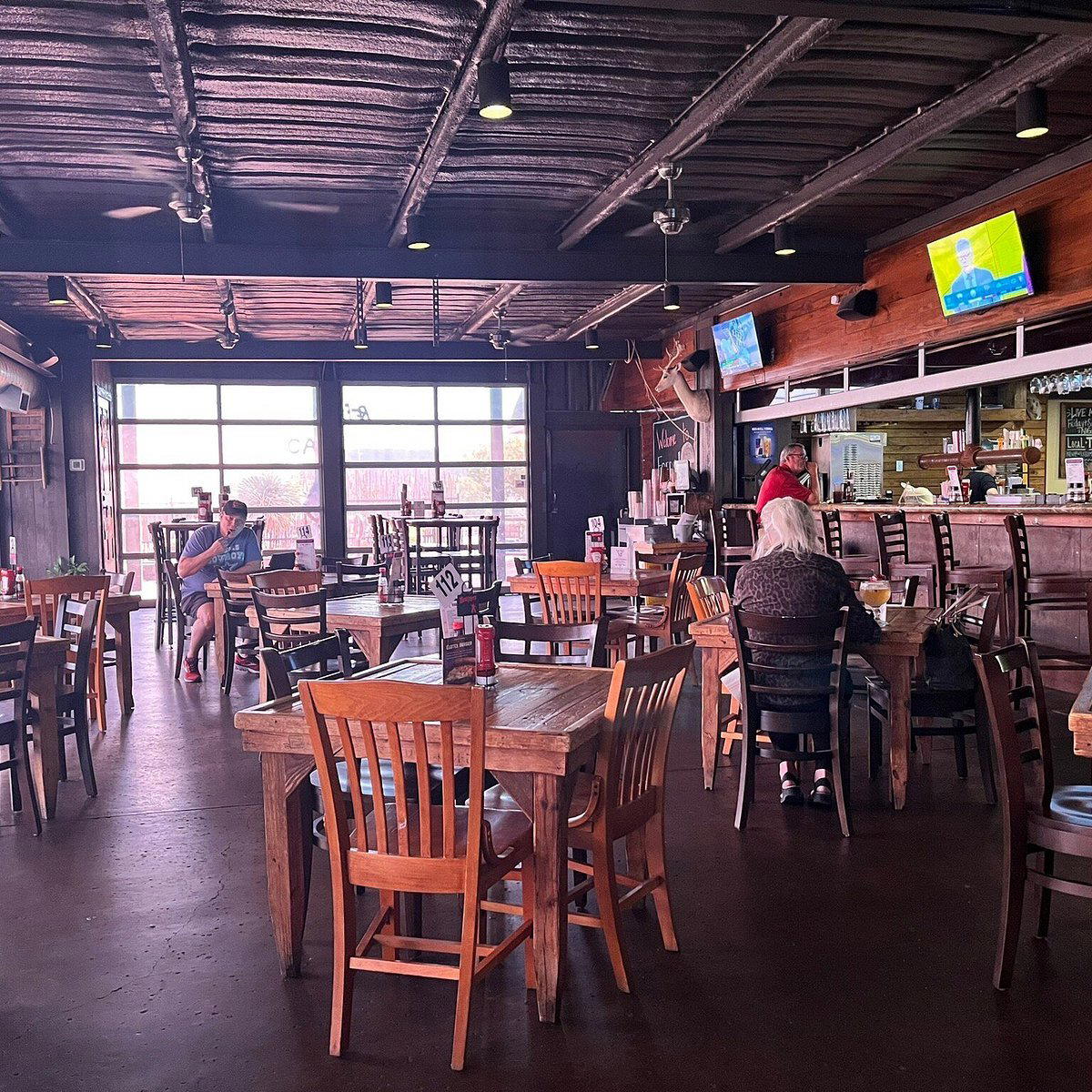
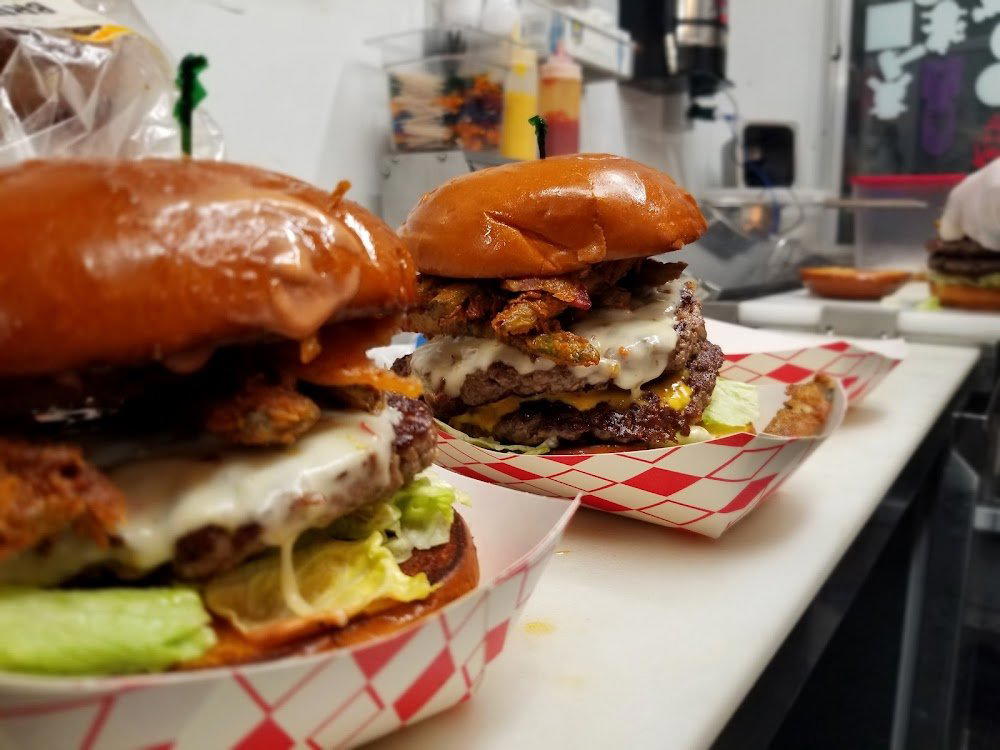
Fort Worth diners comparing notes tend to position this kind of spot against the city's wider independent scene, which includes the Italian-influenced territory of Aventino's Italian Restaurant, the casual American format of Big Kat Burgers at Crystal Springs Hideaway, and the more polished bar programming at 61 Osteria. Sushi sits in a different competitive lane from all of these, but the comparison is useful: Fort Worth's dining character rewards places that commit to a clear format and execute it without overreaching.
Japanese Dining Customs in a Texas Context
The conventions of sushi dining, even at the neighborhood level, carry traces of Japanese service culture. Plates arrive in a sequence that moves from lighter preparations toward richer ones, even if that sequence is loose and shaped by the order in which items are prepared rather than by strict etiquette. The expectation that fish will be fresh, that rice will be seasoned correctly with vinegar and salt, and that nigiri will hold its shape without falling apart are baseline standards that any credible sushi room must meet. These are not aspirational benchmarks; they are the minimum threshold for being taken seriously as a sushi venue.
In a Texas city where the dominant dining tradition runs toward smoked meat and Tex-Mex, a Japanese restaurant occupies an interesting position. The regulars who return to a neighborhood sushi spot are not choosing it as a departure from local food culture but as a parallel track, one that satisfies a specific kind of craving that barbecue does not. Angelo's Bar-B-Que and Little Lilly Sushi serve different appetites, and a city's dining health is partly measured by whether both can sustain loyal clientele simultaneously. On Camp Bowie, the evidence suggests they can.
Where This Fits in the Broader Regional Picture
To calibrate Little Lilly Sushi against a wider reference set, it helps to look at how Japanese-influenced dining is evolving across American cities at different scales. In Chicago, venues like Kumiko have built programs that blend Japanese technique into bar culture at a high level of refinement. In Houston, Julep represents the Texan instinct toward strong regional identity in hospitality programming. At the premium end of the American bar and dining spectrum, venues like Bar Leather Apron in Honolulu and Jewel of the South in New Orleans demonstrate how craft and place-specificity can operate at a recognized level.
Little Lilly Sushi does not operate in that tier, nor does it aim to. For travelers passing through Fort Worth, or for locals building a regular rotation, that positioning has its own logic. For a deeper read on the city's full dining range, our Fort Worth restaurants guide maps the independent scene across neighborhoods and price points.
Beyond Texas, the appetite for technically grounded neighborhood Japanese continues to grow in cities where the category was previously underrepresented. Superbueno in New York City, ABV in San Francisco, and The Parlour in Frankfurt each demonstrate, in their own formats, how a clear identity and consistent execution can anchor a venue in a competitive scene. The principle scales down to Fort Worth as readily as it applies anywhere else.
Planning Your Visit
Little Lilly Sushi is located at 6100 Camp Bowie Blvd, Suite 12, in the western section of Fort Worth. The Camp Bowie corridor is accessible by car, with parking available at the commercial block. For current hours, reservation policy, and menu details, contacting the venue directly is advisable, as this information was not publicly confirmed at time of writing. Given the neighborhood format and suite location, walk-ins are plausible at off-peak times, but calling ahead remains the safest approach for groups or weekend visits.
Continue exploring
More in Fort Worth
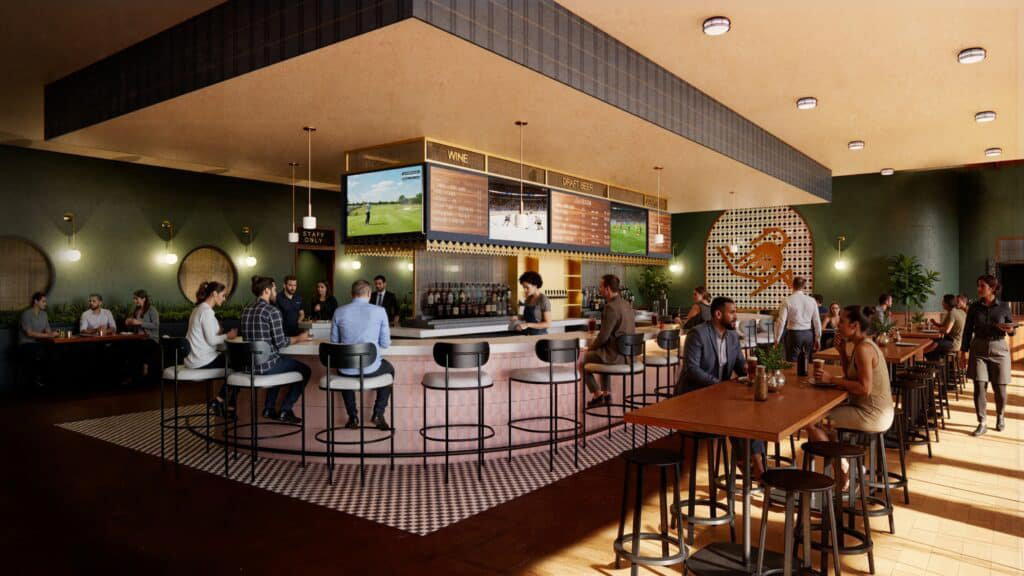
Bars in Fort Worth
Browse all →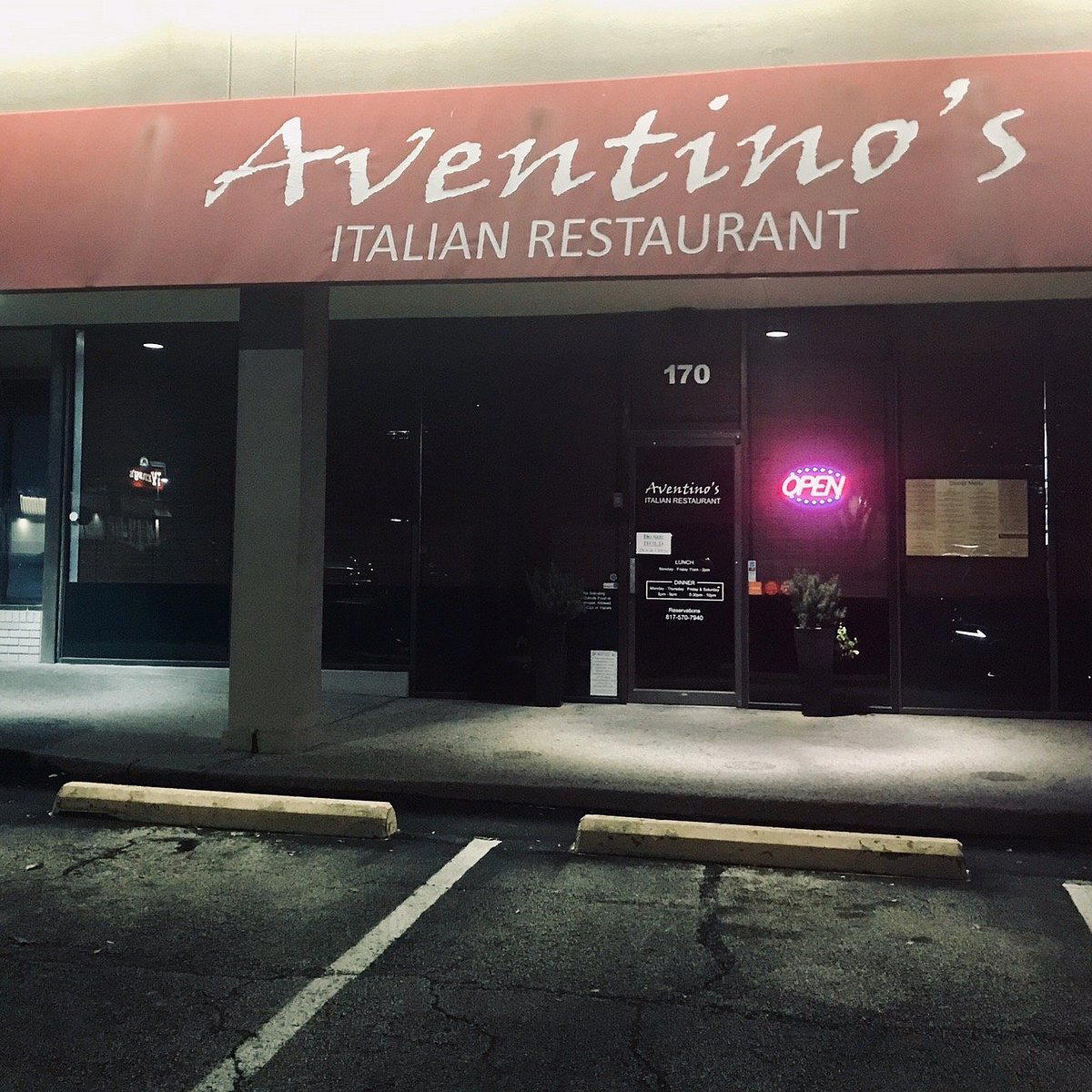
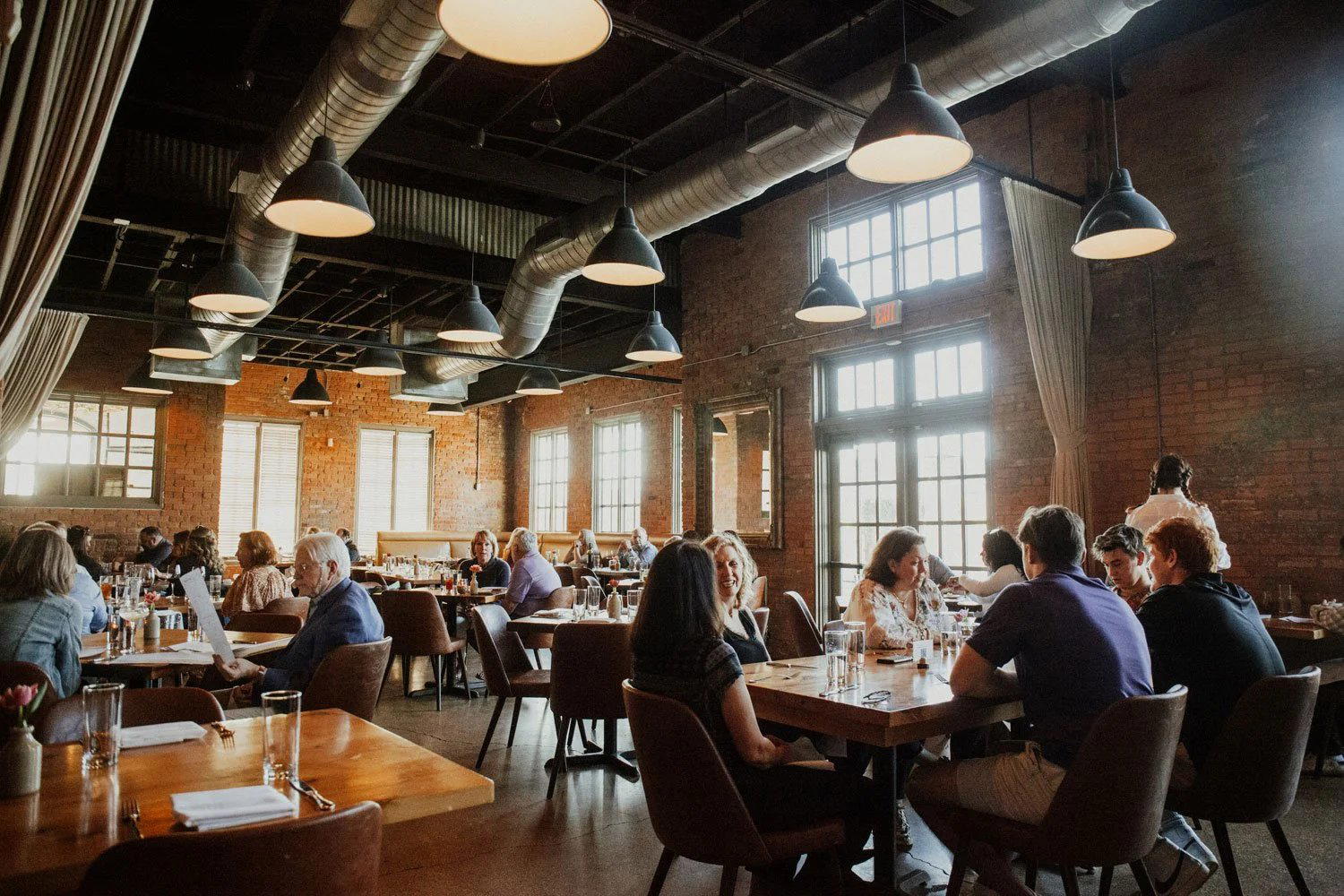
Restaurants in Fort Worth
Browse all →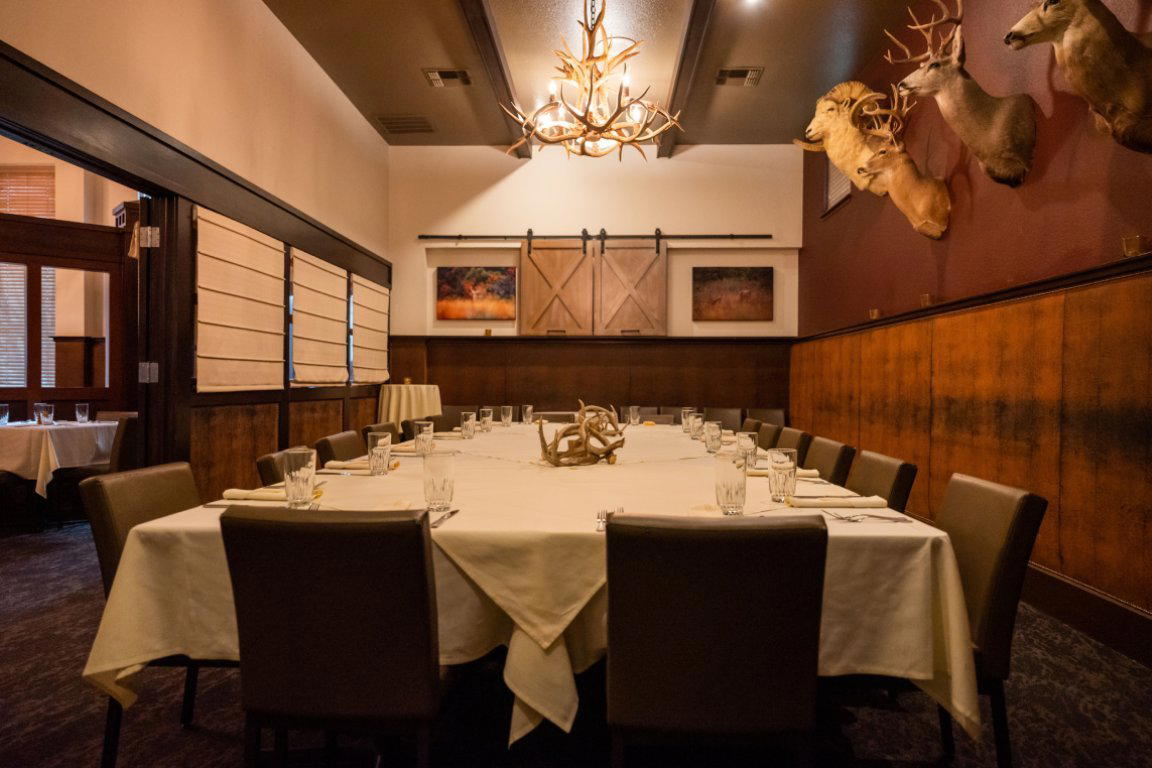
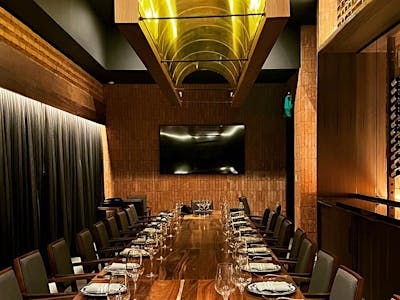
Hotels in Fort Worth
Browse all →

Wineries in Fort Worth
Browse all →
At a Glance
- Cozy
- Intimate
- Date Night
- Casual Hangout
- Group Outing
- Standalone
- Seated Bar
- Booth Seating
- Private Rooms
- Outdoor Terrace
- Sake
- Conventional Wine
- Craft Beer
Current opening hours
- Monday
- Closed
- Tuesday
- 11 AM–2 PM, 5–9 PM
- Wednesday
- 11 AM–2 PM, 5–9 PM
- Thursday
- 11 AM–2 PM, 5–9 PM
- Friday
- 11 AM–2 PM, 5–10 PM
- Saturday
- 11 AM–2 PM, 5–10 PM
- Sunday
- 12–9 PM
Hours can change for holidays and private events. Last verified .
Modest, well-kept interior with sparse decor centered around an L-shaped sushi bar with open kitchen, starburst chandeliers, and warm patio seating.
Know Before You Go
- Getting there
- 6100 Camp Bowie Blvd #12, Fort Worth, TX 76116