Fred's Texas Cafe - Camp Bowie West
Fred's Texas Cafe on Camp Bowie West is a Fort Worth neighborhood institution where the draw is consistency rather than novelty. The kind of place regulars return to on a schedule rather than an occasion, it sits along one of the city's most storied commercial corridors and anchors the casual-dining tier that defines much of West Fort Worth's daily social fabric.
Pearl is the En Primeur Club membership app — saves, bookings, and concierge access live there. Same editors, same standards.
- Address
- 7101 Camp Bowie W Blvd, Fort Worth, TX 76116
- Phone
- +1 817 332 0083
- Website
- fredstexascafe.com
- Directions
- Get directions
 Saves & bookings on Pearl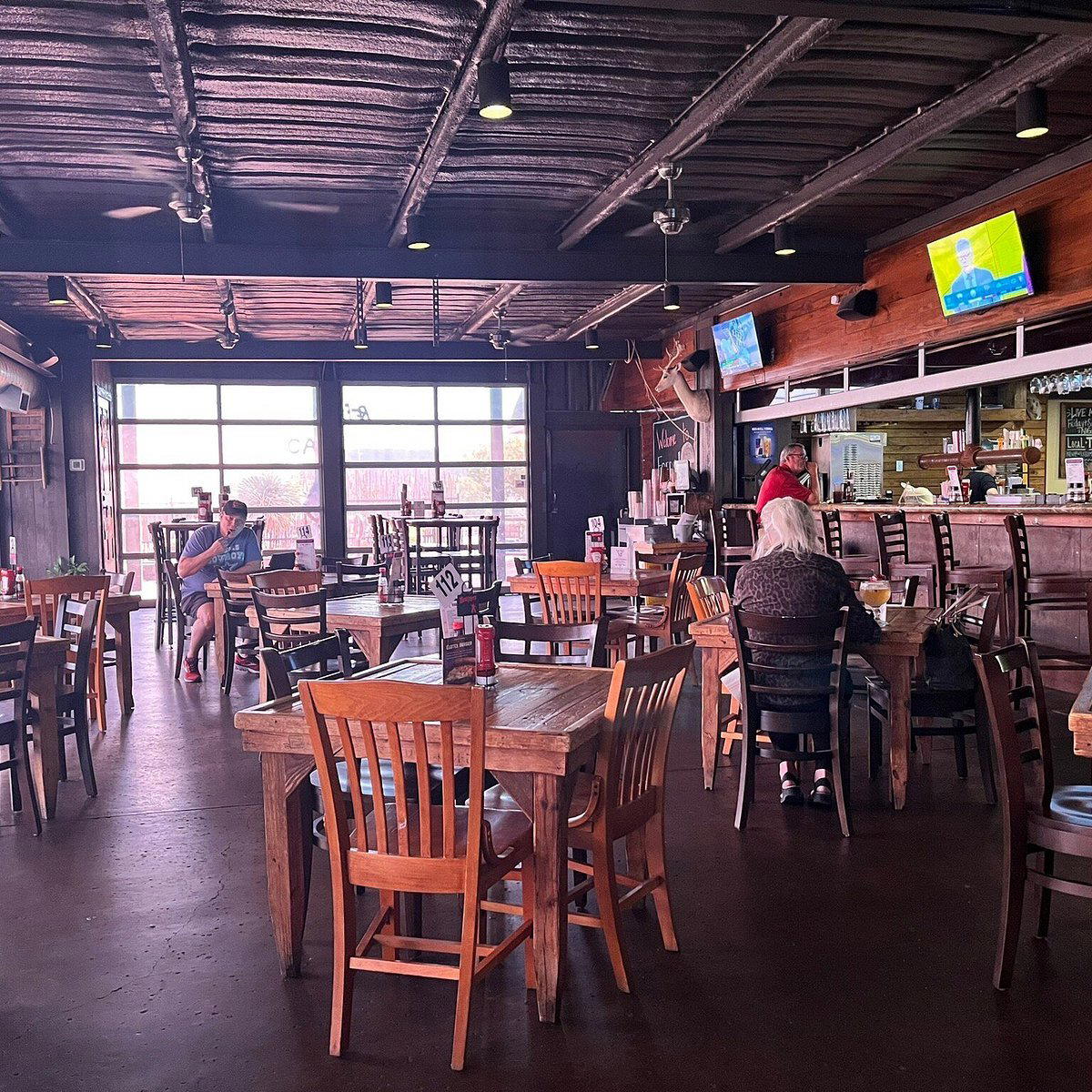
What Camp Bowie West Tells You About Fort Worth
There are stretches of road in every American city that function less as thoroughfares and more as a record of how a neighborhood eats over decades. Camp Bowie West in Fort Worth is one of them. The boulevard runs west from the Cultural District through a corridor of longtime independent businesses, and the dining options along it skew toward places that have earned loyalty through repetition rather than reinvention. Fred's Texas Cafe, at 7101 Camp Bowie W Blvd, sits firmly in that tradition. It is the kind of address regulars drive to on a Tuesday without thinking twice, the kind of spot that fills a specific, durable need in a city's dining ecosystem.
Fort Worth's restaurant culture has always operated with a different center of gravity than Dallas, twenty-five miles east. Where Dallas trends toward concept-driven openings and design-forward spaces, Fort Worth's West Side has historically favored places where the physical environment is secondary to the reliability of what comes out of the kitchen. Fred's on Camp Bowie West reflects that sensibility. The approach to the building reads as functional and unhurried — the architectural equivalent of a place that has no interest in auditioning for a different kind of clientele than the one that already shows up.
The Regulars' Calculus
The defining characteristic of a place like Fred's Texas Cafe isn't any single dish or aesthetic choice — it's the unwritten social contract between a restaurant and its returning customers. In neighborhoods like this one, that contract is about predictability: the same parking situation, the same ordering rhythm, the same general atmosphere that signals nothing has changed since last time. For a certain class of Fort Worth diner, that consistency is more valuable than novelty.
What keeps regulars at a Texas cafe-style venue returning is rarely the menu's adventurousness. It tends to be a combination of portion reliability, pricing that doesn't require recalibration visit to visit, and the low-friction experience of knowing exactly what you're walking into. These are not trivial things. In a period when many independent restaurants have repositioned, raised prices significantly, or changed concepts entirely, the places that have held their lane have accumulated a loyalty that newer openings often struggle to replicate. Fred's occupies that position on the Camp Bowie corridor.
The regulars at venues like this one also carry something that formal reviews rarely capture: an informal knowledge base. They know which tables have more elbow room, which hours see shorter waits, and which items represent the kitchen at its most consistent. That accumulated local intelligence circulates through word of mouth in the surrounding neighborhoods of Ridglea, Westcliff, and the broader West Side, areas with strong residential character and dining habits oriented toward nearby independents rather than chain corridors.
Where Fred's Sits in Fort Worth's Casual Dining Tier
Fort Worth's casual dining market has a well-defined geography. The Near Southside and Cultural District have absorbed more of the city's ambitious independent openings over the past decade, while the Camp Bowie corridor has retained a more stable, neighborhood-serving character. Fred's Texas Cafe operates in this latter tier, which is less written about in food media but represents the actual daily dining behavior of a large share of the city's population.
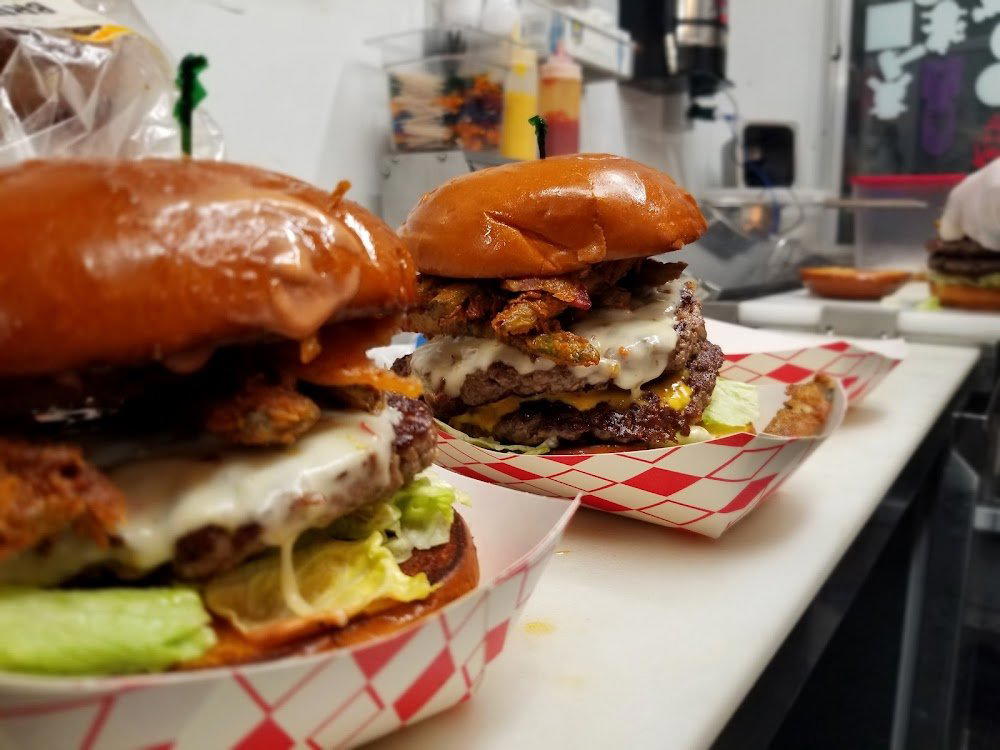
For context on Fort Worth's broader independent dining range, Angelo's Bar-B-Que anchors the city's legacy barbecue identity on White Settlement Road, while 61 Osteria and Aventino's Italian Restaurant represent the city's European-influenced independents. Big Kat Burgers at Crystal Springs Hideaway covers the casual burger-and-gathering format. Fred's Texas Cafe sits in this competitive set not by cuisine overlap but by role: each of these addresses fills a specific neighborhood function that a chain restaurant cannot replicate. Our full Fort Worth restaurants guide maps this range across the city's distinct districts.
Nationally, the category of long-standing neighborhood cafe with a loyal local base is not unique to Fort Worth, but Texas executes the format with particular durability. The combination of large lot sizes, car-centric access, and a culture that supports casual sit-down dining at all hours has venues in this tier to survive pressures that closed similar operations in denser, higher-rent urban markets. The Camp Bowie West location benefits from all of these structural advantages.
Planning a Visit
Fred's Texas Cafe at 7101 Camp Bowie W Blvd is accessible by car with direct parking typical of this stretch of the boulevard. For visitors cross-referencing the city's dining options, the Camp Bowie West location is most practically reached from the Ridglea and Westcliff residential areas to the south, or from the Cultural District to the east. The venue operates as a walk-in format in keeping with the casual neighborhood character of the corridor, the regulars here are not working off a reservation system.
Those building a wider itinerary around Fort Worth's independent dining scene would do well to anchor their exploration in the west and near-south corridors, where the city's most tenured independents have remained stable. For reference on comparable neighborhood-grounded venues in other American markets, Julep in Houston demonstrates how a Texas city can develop deep bar-and-dining culture rooted in local identity rather than national trend-chasing. Further afield, Jewel of the South in New Orleans and Kumiko in Chicago show how different American cities build enduring hospitality institutions with distinct local character. For internationally minded readers, Bar Leather Apron in Honolulu, Superbueno in New York City, ABV in San Francisco, and The Parlour in Frankfurt on the Main each illustrate how locality and consistency intersect in different market contexts.
Category Peers
| Venue | Cuisine |
|---|---|
| Fred's Texas Cafe - Camp Bowie WestThis venue — the venue you are viewing | This venue |
Recognition history
Dated appearances from independent guides and award organizations, with the underlying list record or original source where available.
Diners, Drive-Ins and Dives Featured Bar
Diners, Drive-Ins and Dives · 2026 Diners, Drive-Ins and Dives Featured Bars
Continue exploring
More in Fort Worth
Bars in Fort Worth
Browse all →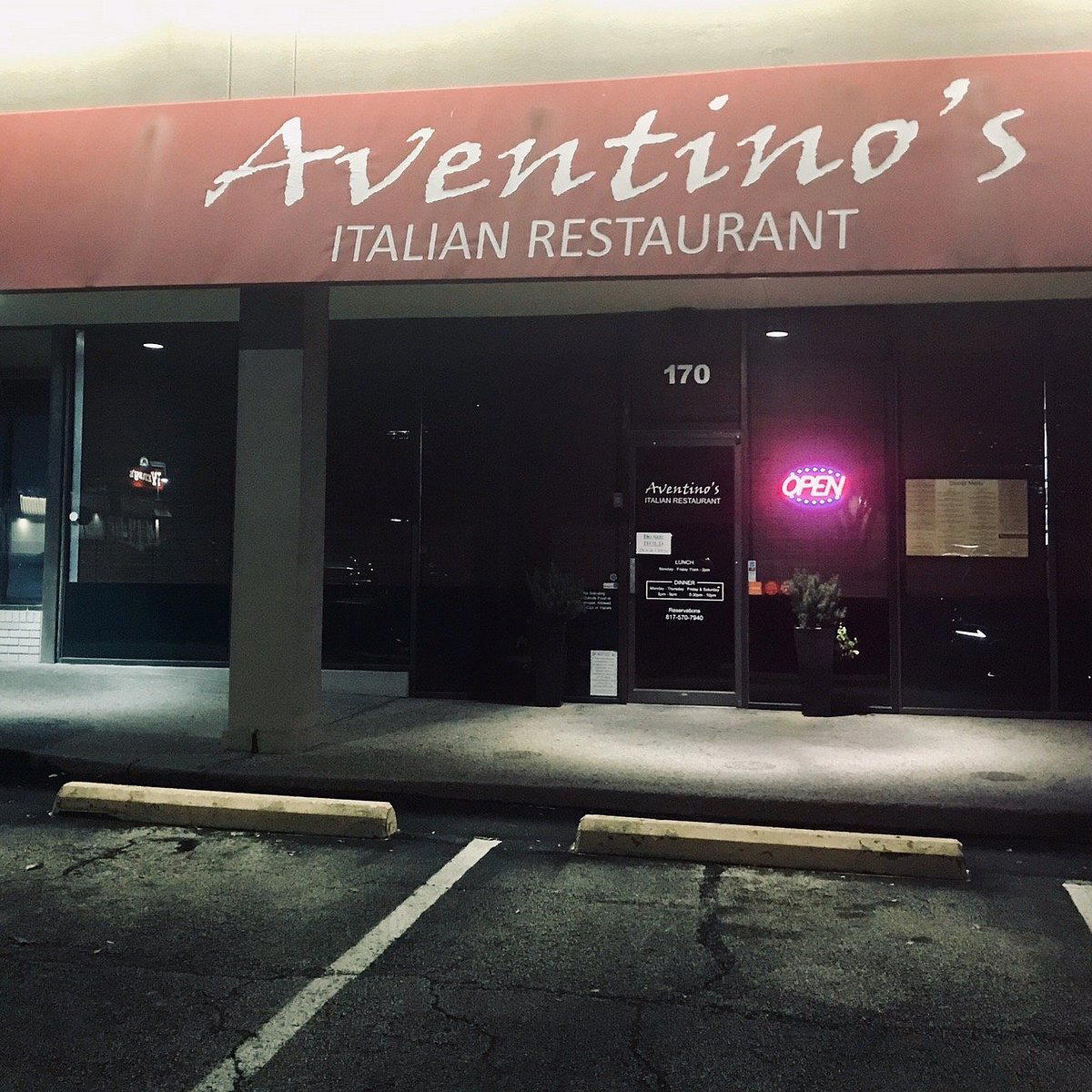
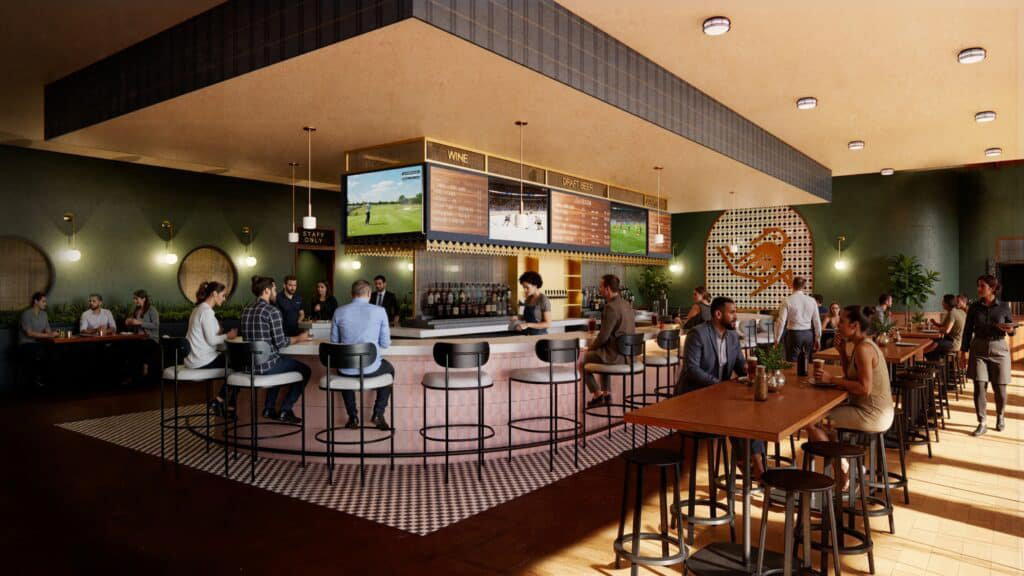
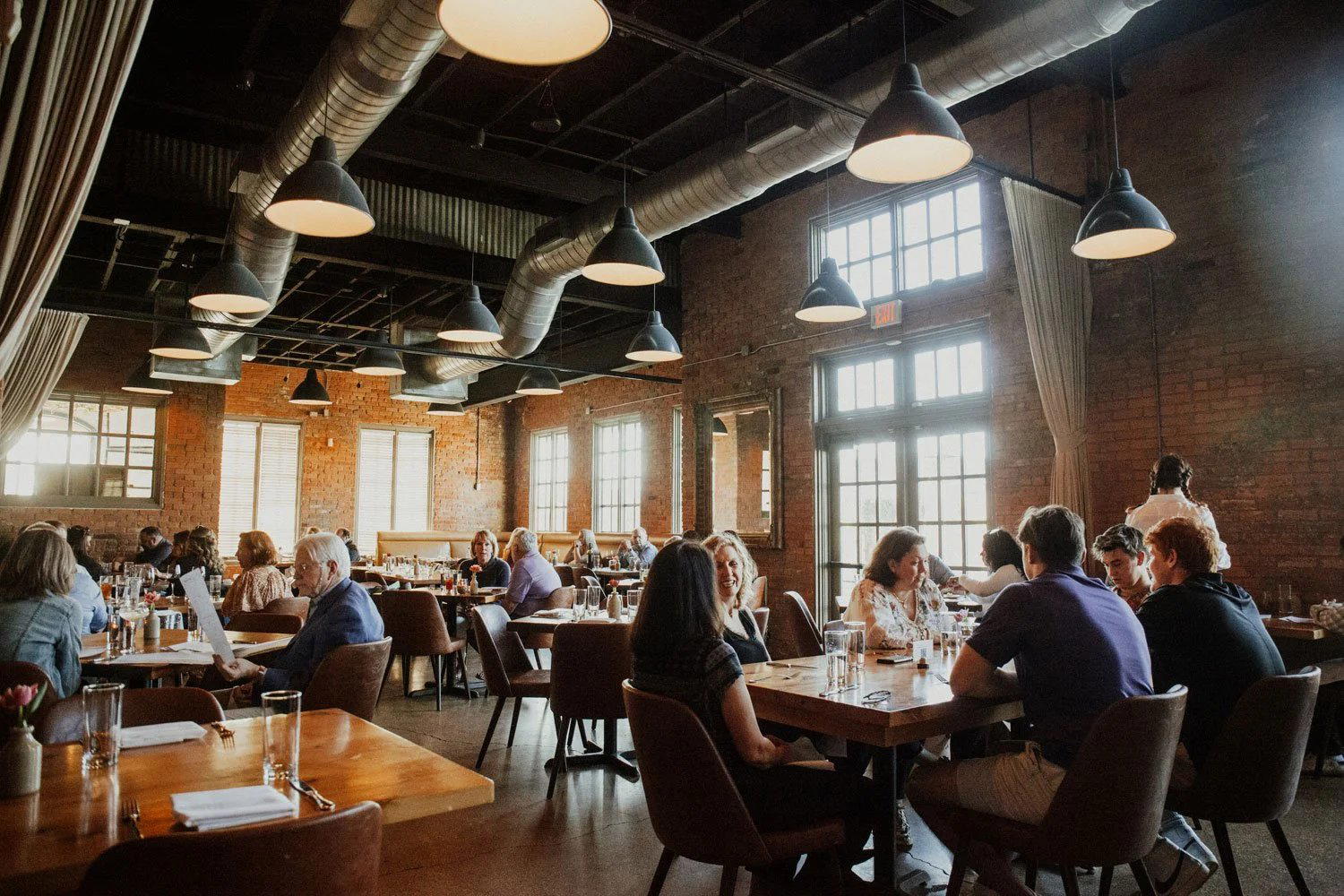
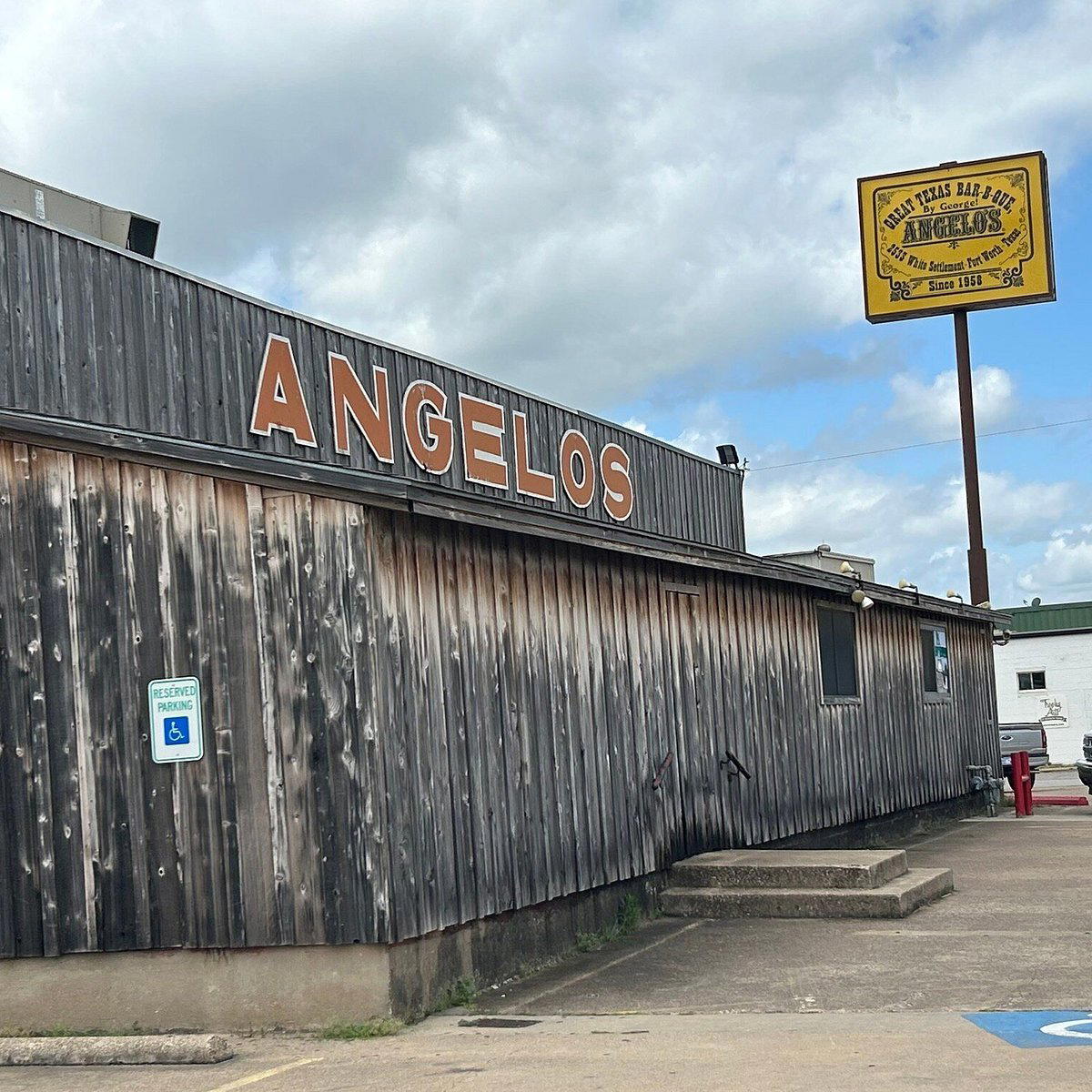
Restaurants in Fort Worth
Browse all →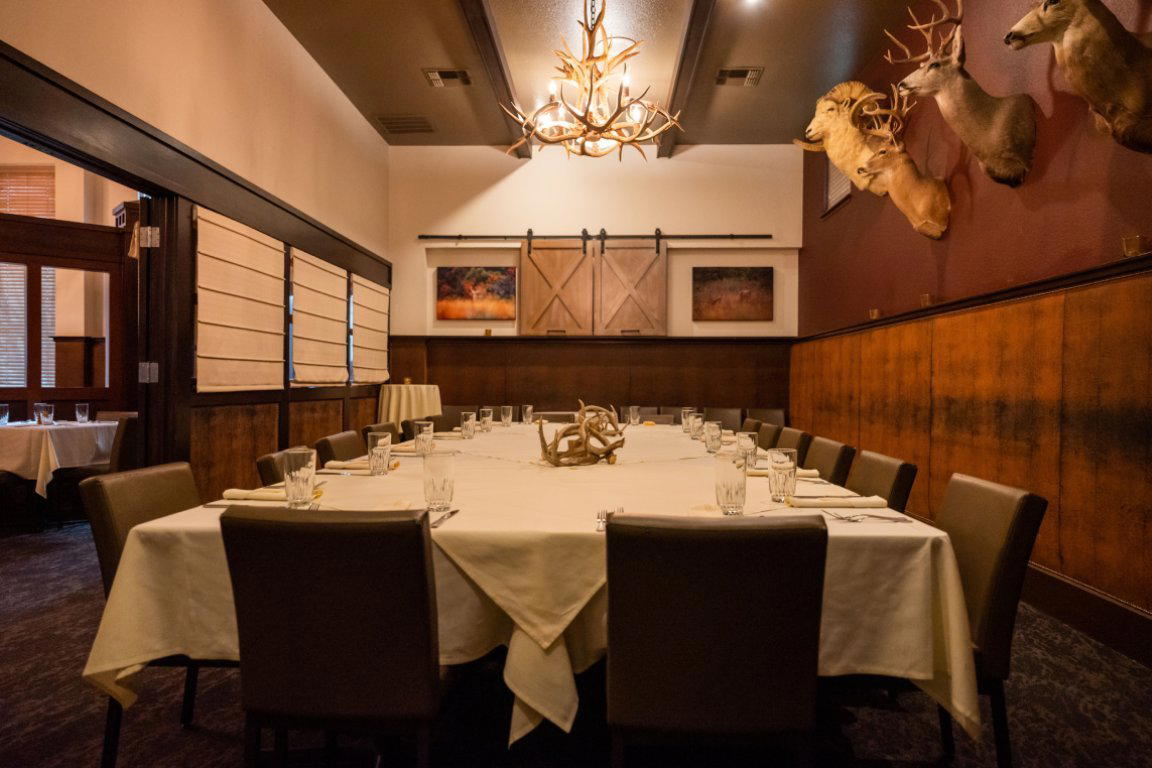
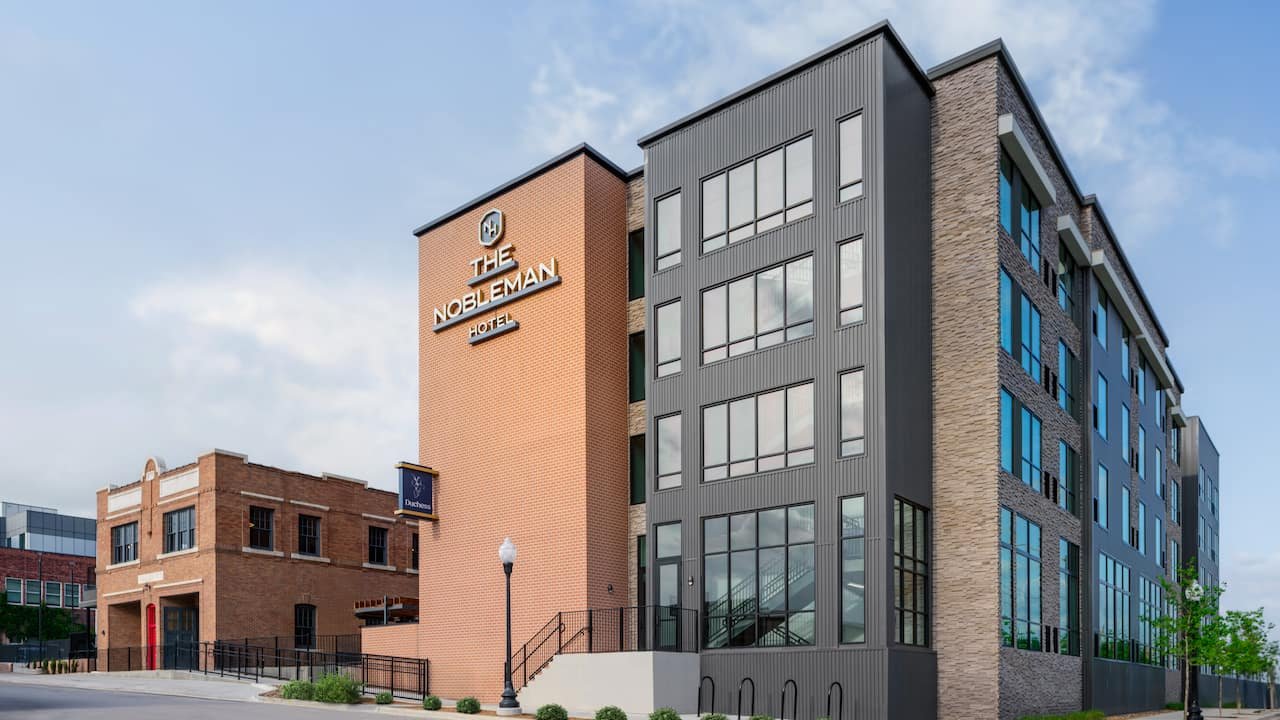
Hotels in Fort Worth
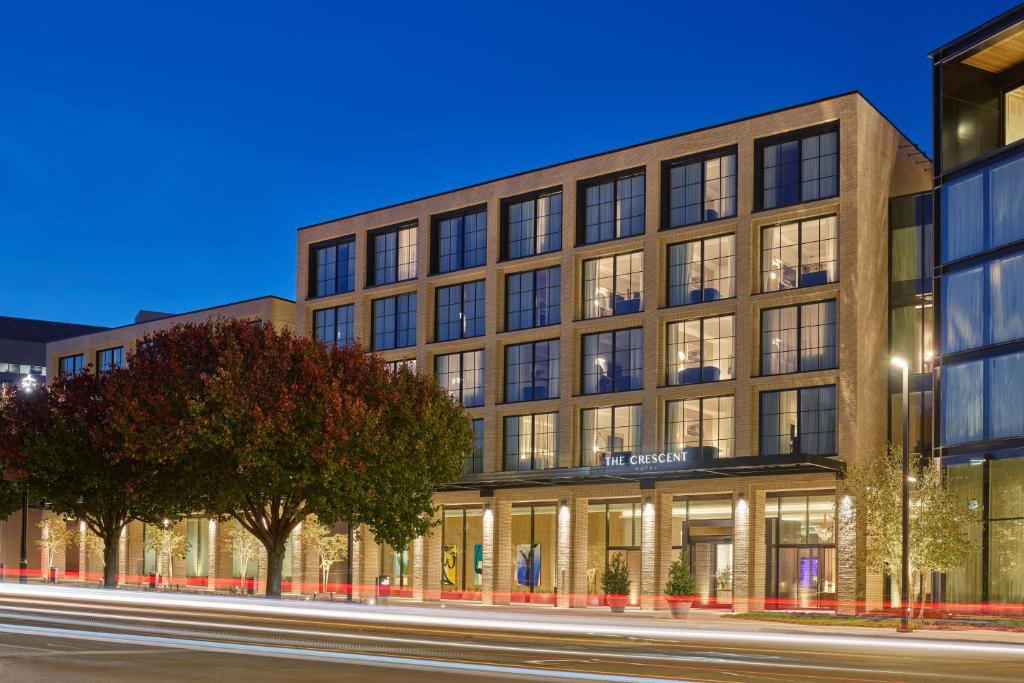
Browse all →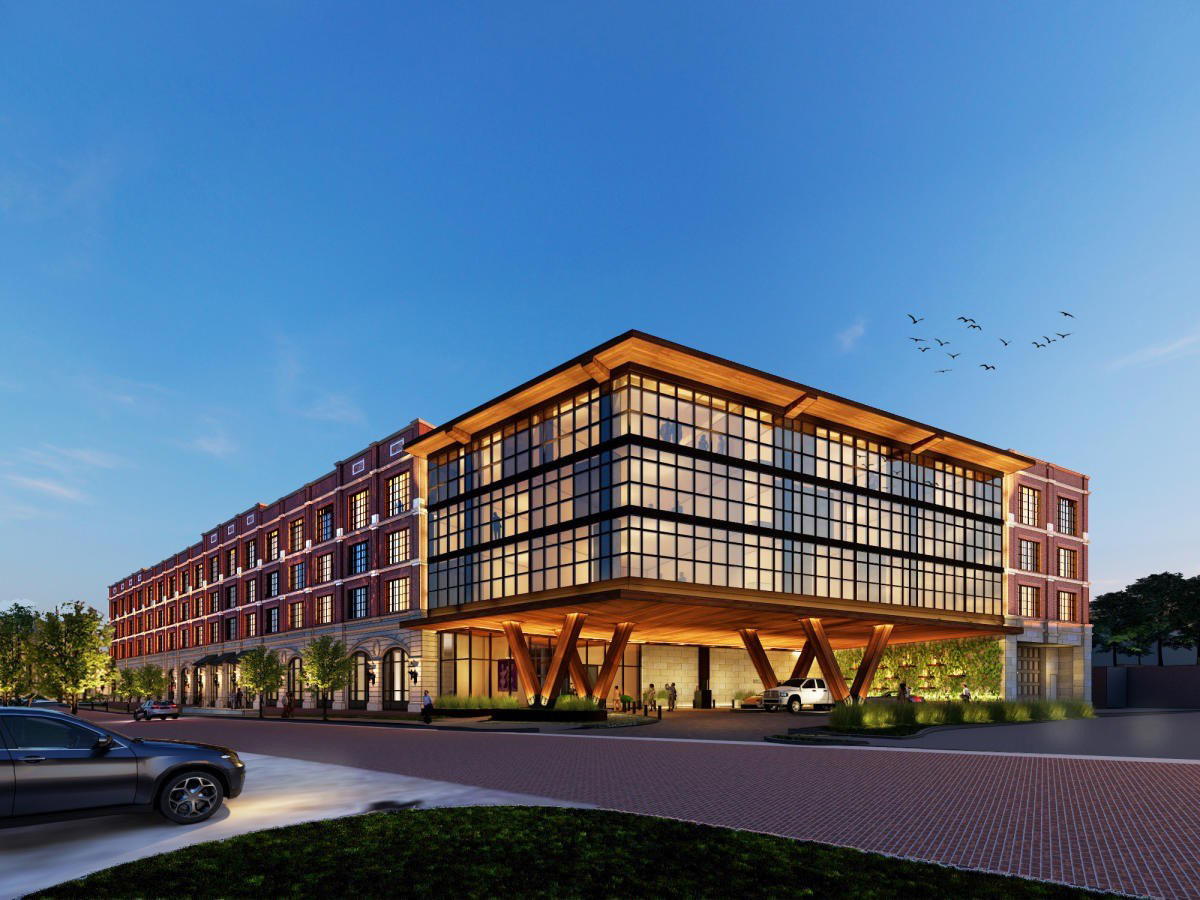
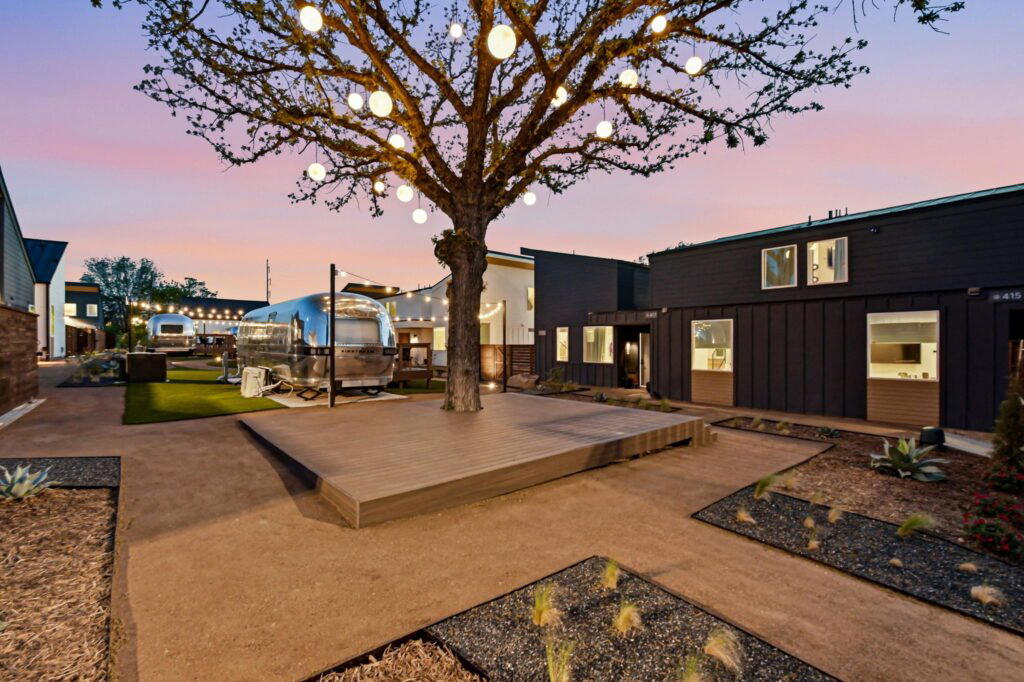
Wineries in Fort Worth
Browse all →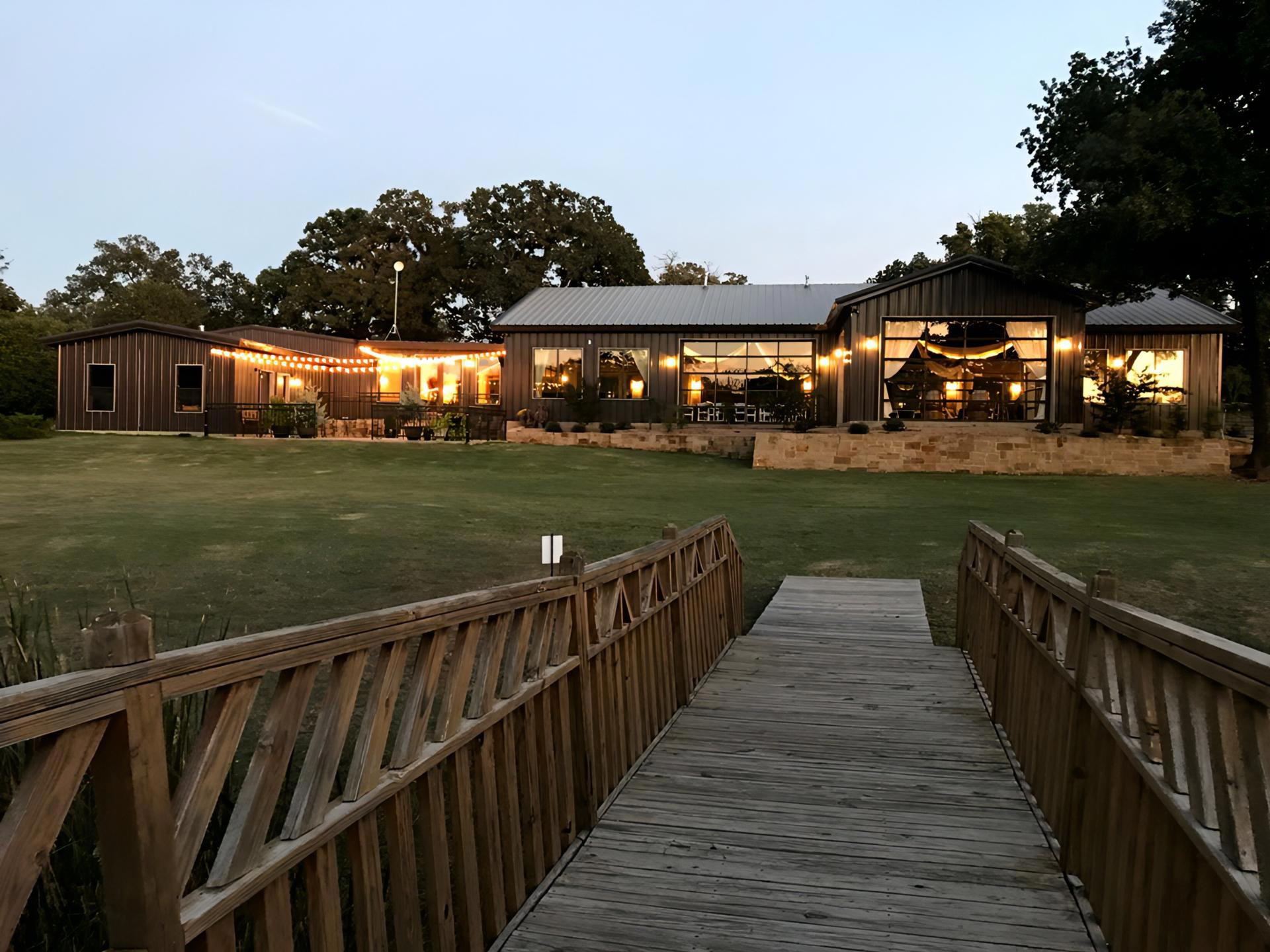
At a Glance
- Lively
- Rustic
- Classic
- Energetic
- Cozy
- Well Known
- Casual Hangout
- Group Outing
- Private Event
- After Work
- Live Music
- Standalone
- Seated Bar
- Booth Seating
- Private Rooms
- Outdoor Terrace
- Draft Cocktails
- Craft Beer
- Street Scene
Current opening hours
- Monday
- 10:30 AM–10:30 PM
- Tuesday
- 10:30 AM–10:30 PM
- Wednesday
- 10:30 AM–10:30 PM
- Thursday
- 10:30 AM–10:30 PM
- Friday
- 10:30 AM–10:30 PM
- Saturday
- 10:30 AM–10:30 PM
- Sunday
- 10:30 AM–10:30 PM
Hours can change for holidays and private events. Last verified .
Laid-back, inviting, and rustic with dive-bar energy, Texas-roadhouse swagger, and family-friendly charm.
Know Before You Go
- Getting there
- 7101 Camp Bowie W Blvd, Fort Worth, TX 76116