Hamono Sushi
A sushi counter on SW 9th Ave that positions itself within Portland's growing appetite for Japanese craft dining. The Pacific Northwest's proximity to premier cold-water seafood sources gives counters like Hamono a geographic argument that few other American cities can match. Plan your visit around the season for the most direct expression of what the region's waters deliver.
Pearl is the En Primeur Club membership app — saves, bookings, and concierge access live there. Same editors, same standards.
- Address
- 620 SW 9th Ave., Portland, OR 97205
- Phone
- +1 503 863 1683
- Website
- hamonosushi.com
- Directions
- Get directions
 Saves & bookings on Pearl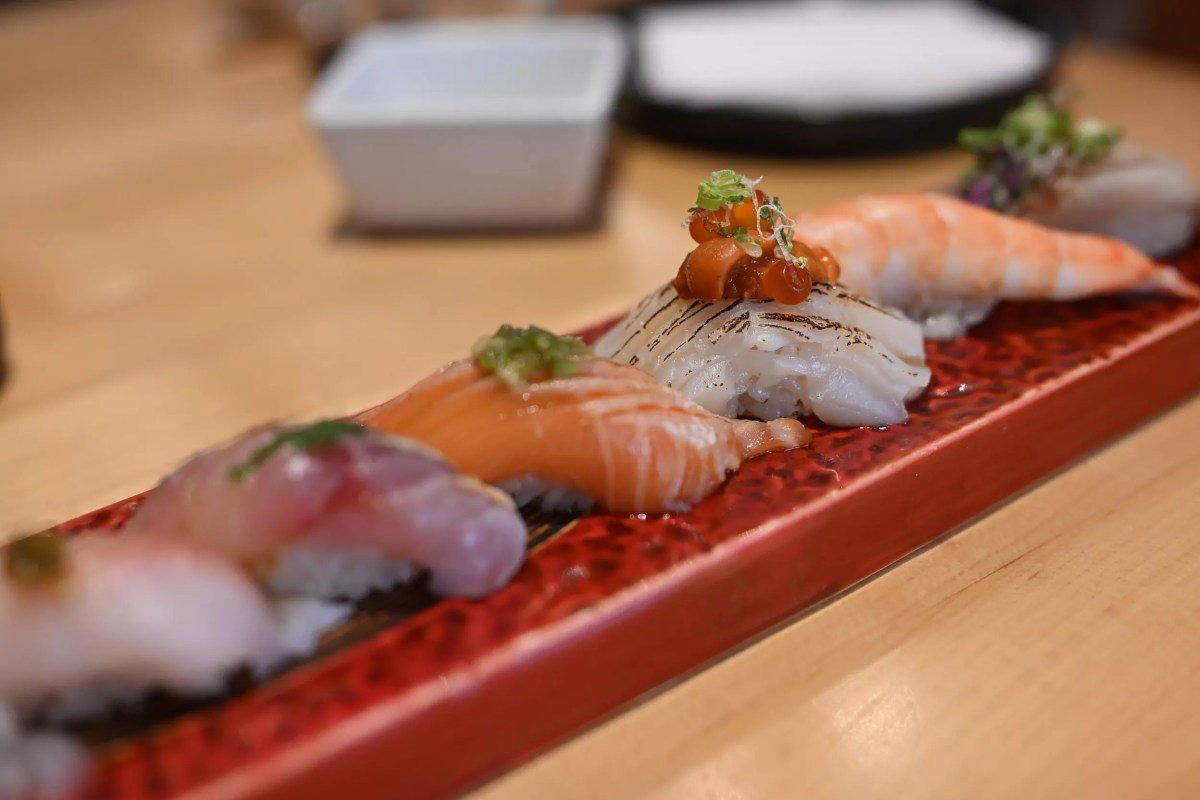
Portland, the Pacific, and the Case for Cold-Water Sushi
There is a reason that serious sushi has taken hold in the Pacific Northwest more durably than in most American cities east of the Rockies. The supply chain argument is almost self-evident: Alaskan salmon, Dungeness crab, Pacific halibut, and Oregon albacore all move through the region's distribution networks at a speed and freshness that counters in landlocked cities cannot replicate. When a sushi counter sits within a day's drive of the docks that handle some of North America's most carefully managed cold-water fisheries, the sourcing story is not a marketing point — it is the structural foundation of the menu. Hamono Sushi, at 620 SW 9th Ave in downtown Portland, occupies that geographic position.
Downtown Portland's restaurant density has shifted considerably over the last decade. The SW 9th Ave corridor runs through a part of the city where office lunch traffic and evening dining coexist, and Japanese dining has carved out meaningful ground here, from quick-service ramen to counter-format omakase. Hamono sits within that range, drawing on a neighborhood that has the foot traffic to support a sushi counter without the tourist-saturation that can distort a dining room's character. For context on how Portland's broader bar and dining scene is organized, the full Portland restaurants guide maps the city's distinct neighborhood dining cultures in detail.
Ingredient Geography: Why the Pacific Northwest Changes the Equation
The editorial case for paying attention to sushi in the Pacific Northwest is not simply about freshness as a vague virtue. It is about specific species, specific seasons, and specific handling protocols that differ from what you find when the fish has traveled further. Wild King salmon season in Oregon and Washington runs from roughly late spring through early fall, and during those months the fatty-acid profile of a properly handled fillet is measurably different from the farmed Atlantic alternatives common in year-round menus elsewhere. Pacific sea urchin from Oregon and Northern California offers a briner, more assertive flavor than its Santa Barbara counterpart, appealing to the subset of diners who prefer roe with some salinity left intact.
Seasonal timing shapes the value of a visit here more than it does at, say, a Tokyo counter sourcing from Tsukiji's global aggregation. Coming in late autumn means different offerings than an early summer visit: the Dungeness crab season, which typically opens along the Oregon coast in December, reorients what a thoughtful counter can do with local shellfish. Visitors planning a trip to Portland specifically for counter dining should treat the season as a booking variable alongside availability. The late fall and winter window, in particular, represents the period when Pacific Northwest sourcing reaches its most distinct expression.
The Counter Format and What It Asks of the Diner
Counter-format Japanese dining has split into two broad categories in American cities: the large, multi-seating omakase experience priced to compete with fine-dining tasting menus, and the smaller, more conversational counter that operates with fewer covers and a more direct relationship between kitchen and guest. Both formats exist in Portland, though the city's dining culture has generally skewed toward the latter — smaller rooms, less ceremony, and a willingness to let the ingredient speak without the scaffolding of elaborate presentation.
That orientation aligns naturally with what the Pacific Northwest's sourcing environment makes possible. When the fish is the point, the room does not need to be the spectacle. Diners at counters operating in this register tend to leave with a clearer memory of what they ate than where they sat, which is, in most critical frameworks, the correct outcome for ingredient-forward dining.
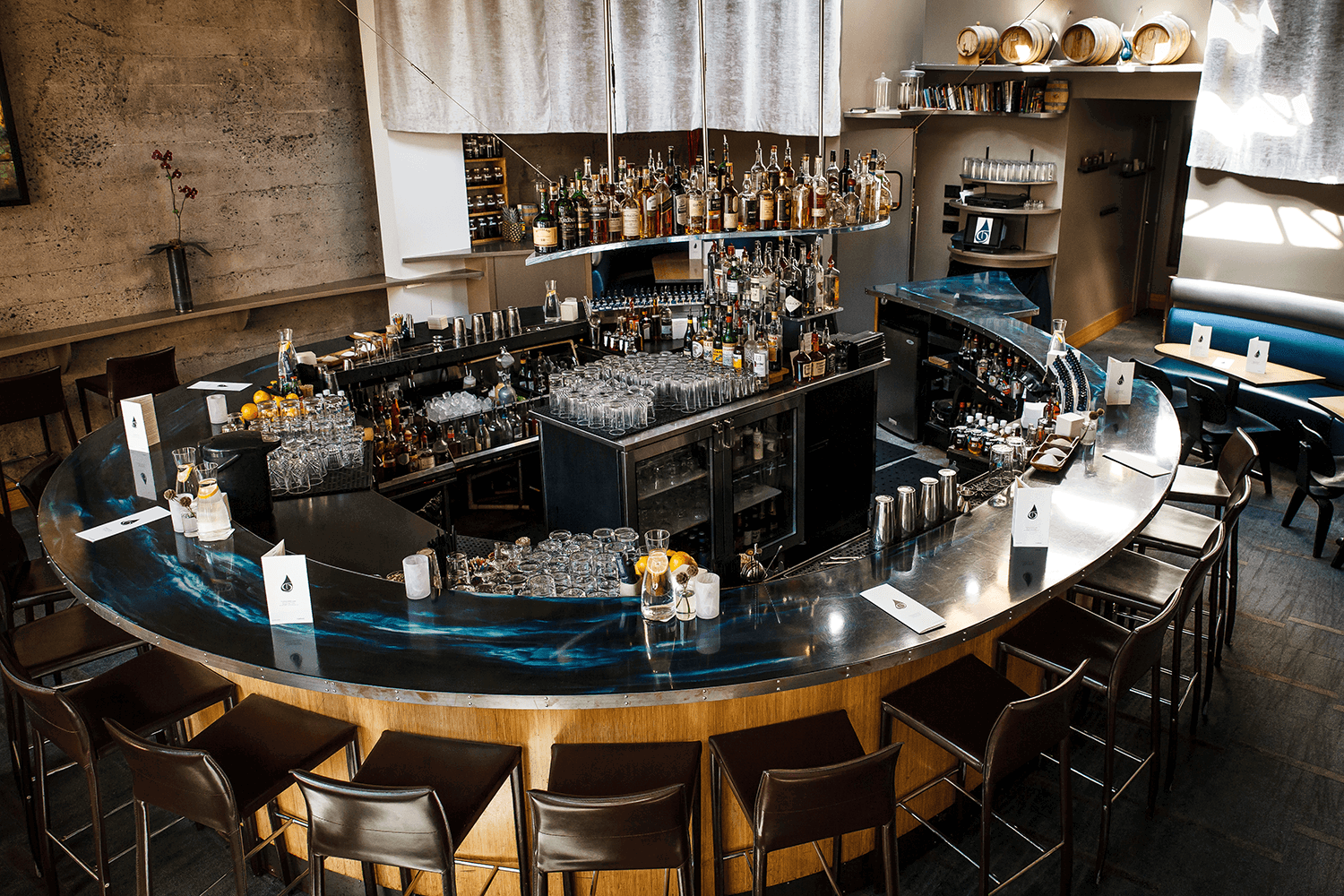
For those arriving from outside Portland and calibrating their broader itinerary, the city's cocktail scene provides a useful counterpoint to the precision of counter dining. Teardrop Lounge is among the city's most technically rigorous bar programs, and it represents a logical pre- or post-dinner stop for those treating the evening as a full food-and-drink itinerary. For something more neighborhood-casual, 10 Barrel Brewing Portland covers the craft beer side of that same evening architecture. Further afield in the North Williams corridor, 3808 N Williams Ave and 7316 N Lombard St represent the neighborhood restaurant registers that have defined Portland's more residential dining character.
How Portland's Sushi Scene Compares to the Broader American Picture
American sushi cities fall into a recognizable hierarchy: New York and Los Angeles dominate volume and price ceiling, with San Francisco and Seattle forming a second tier defined by Pacific access and Japanese-American community depth. Portland operates below that second tier in terms of the number of destination-level counters, but the sourcing proximity argument places it in a distinct competitive position for visitors specifically interested in Pacific Northwest seafood handled through Japanese technique. The city does not have the density of Michelin-recognized counters that Seattle carries, but the gap between recognized and unrecognized can be wide in a city that has historically underperformed on formal critical attention relative to its actual dining quality.
That dynamic is not unique to sushi. Portland has consistently produced bar programs that hold their own against recognized national peers. Bars like Kumiko in Chicago, Bar Leather Apron in Honolulu, Jewel of the South in New Orleans, Julep in Houston, Superbueno in New York City, ABV in San Francisco, and The Parlour in Frankfurt on the Main all carry formal recognition that Portland programs of equivalent quality sometimes lack. The city's food culture has tended to resist the credentialing machinery that amplifies other cities' reputations, for better and worse.
Planning Your Visit
Hamono Sushi is located at 620 SW 9th Ave, Portland, OR 97205, in the downtown core. SW 9th Ave is walkable from the central MAX light rail stops, making the address accessible without a car from most of Portland's inner-city hotel districts. Given the counter format typical of this style of dining, and the seasonal sourcing logic outlined above, the most productive visits tend to be those planned around the fishing calendar rather than around convenience. Checking current availability directly with the venue before building an itinerary around it is the practical starting point; specific booking methods and hours were not available at the time of publication. Dress code expectations at Portland counter-format sushi are generally relaxed relative to comparable venues in New York or Tokyo, the city's dining culture does not penalize smart-casual.
Peers You’d Cross-Shop
| Venue | Cuisine |
|---|---|
| Hamono SushiThis venue — the venue you are viewing | This venue |
Continue exploring
More in Portland
Bars in Portland
Browse all →
Restaurants in Portland
Browse all →
Hotels in Portland
Browse all →
At a Glance
- Modern
- Elegant
- Lively
- Group Outing
- Special Occasion
- Celebration
- Standalone
- Counter Only
- Seated Bar
- Sake
- Conventional Wine
Current opening hours
- Monday
- Closed
- Tuesday
- 11:30 AM–2:30 PM, 5–9 PM
- Wednesday
- 11:30 AM–2:30 PM, 5–9 PM
- Thursday
- 11:30 AM–2:30 PM, 5–9 PM
- Friday
- 11:30 AM–2:30 PM, 5–9 PM
- Saturday
- 12:30–9 PM
- Sunday
- 12:30–9 PM
Hours can change for holidays and private events. Last verified .
Modern and refined atmosphere with a focus on the omakase counter experience, creating an engaging and lively dining environment.
Know Before You Go
- Getting there
- 620 SW 9th Ave., Portland, OR 97205