The Paper Bridge


Resy Best of the Hit List · New York Times America's Best Restaurants
Our verdict
The Paper Bridge brought Northern Vietnamese cooking to Southeast Portland in November 2023, and the co-chef team behind it makes their own rice noodles in-house, a rare practice that anchors a menu spanning pho, Haiphong-style crab spring rolls, and Sapa-inspired skewers. Recognized on Resy's Best of the Hit List for 2025, it is among Portland's most considered treatments of regional Vietnamese cuisine.

Pearl is the En Primeur Club membership app, where members save venues, book tables and use the concierge.
The menu
What to order
- Phở chiên phồng
- Chả Cá Lã Vọng
- Dungeness crab spring rolls
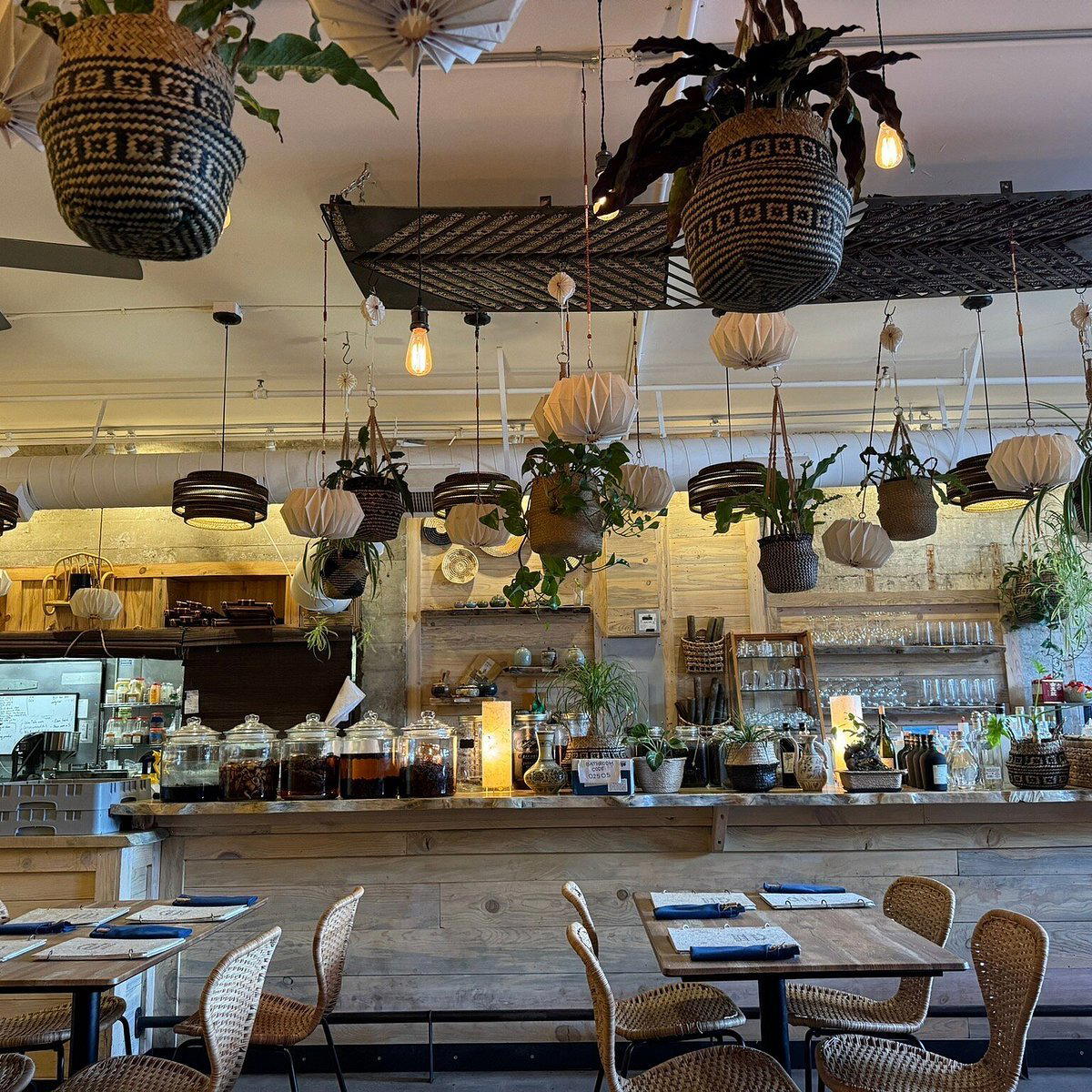
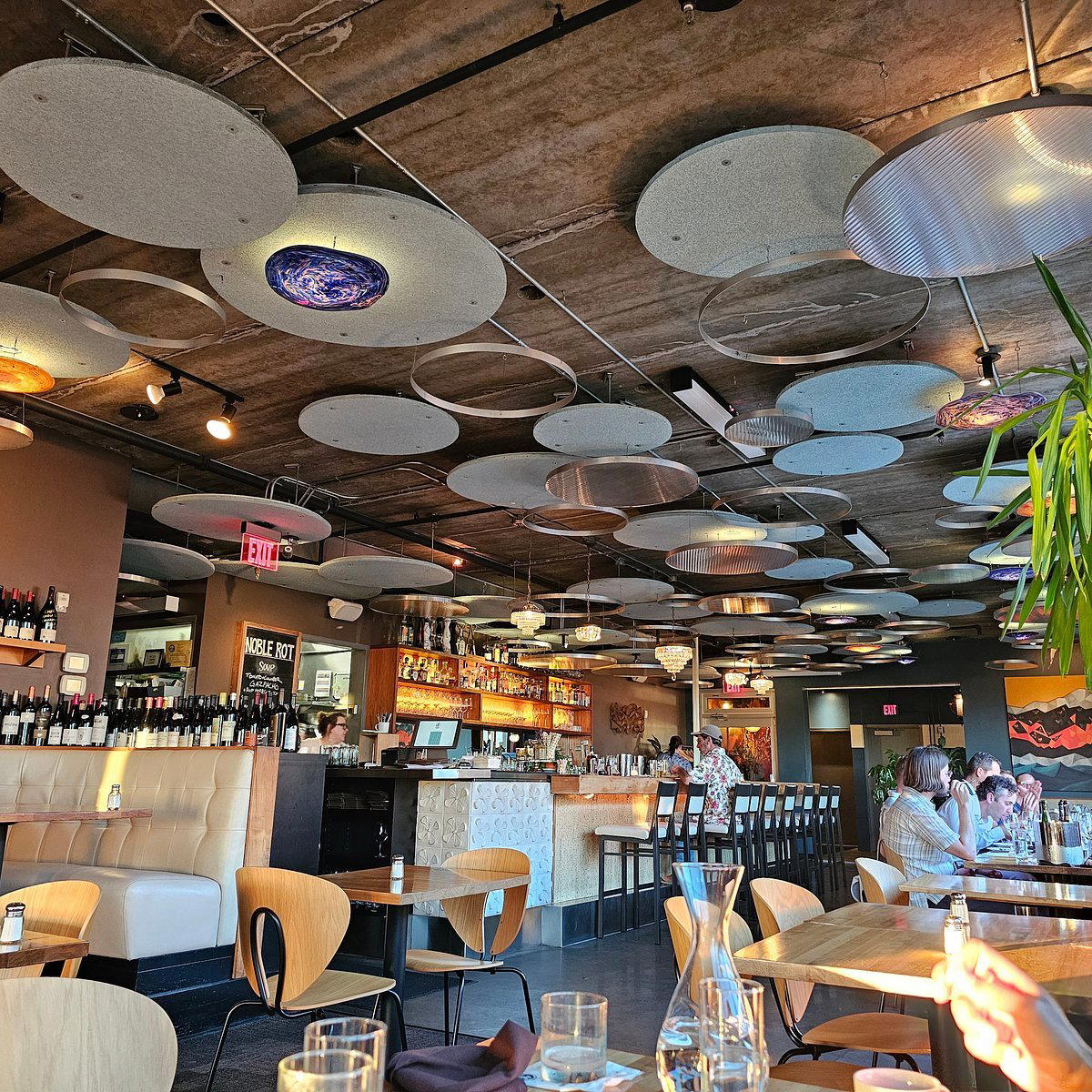
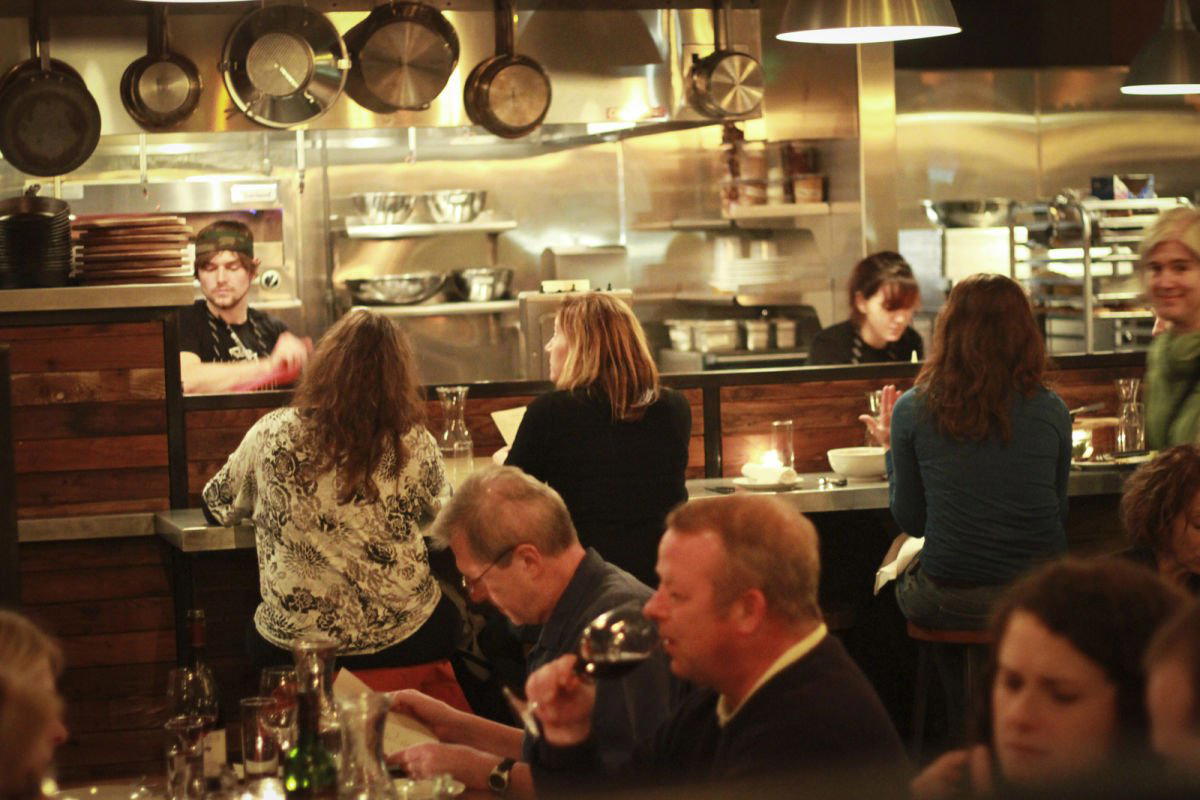
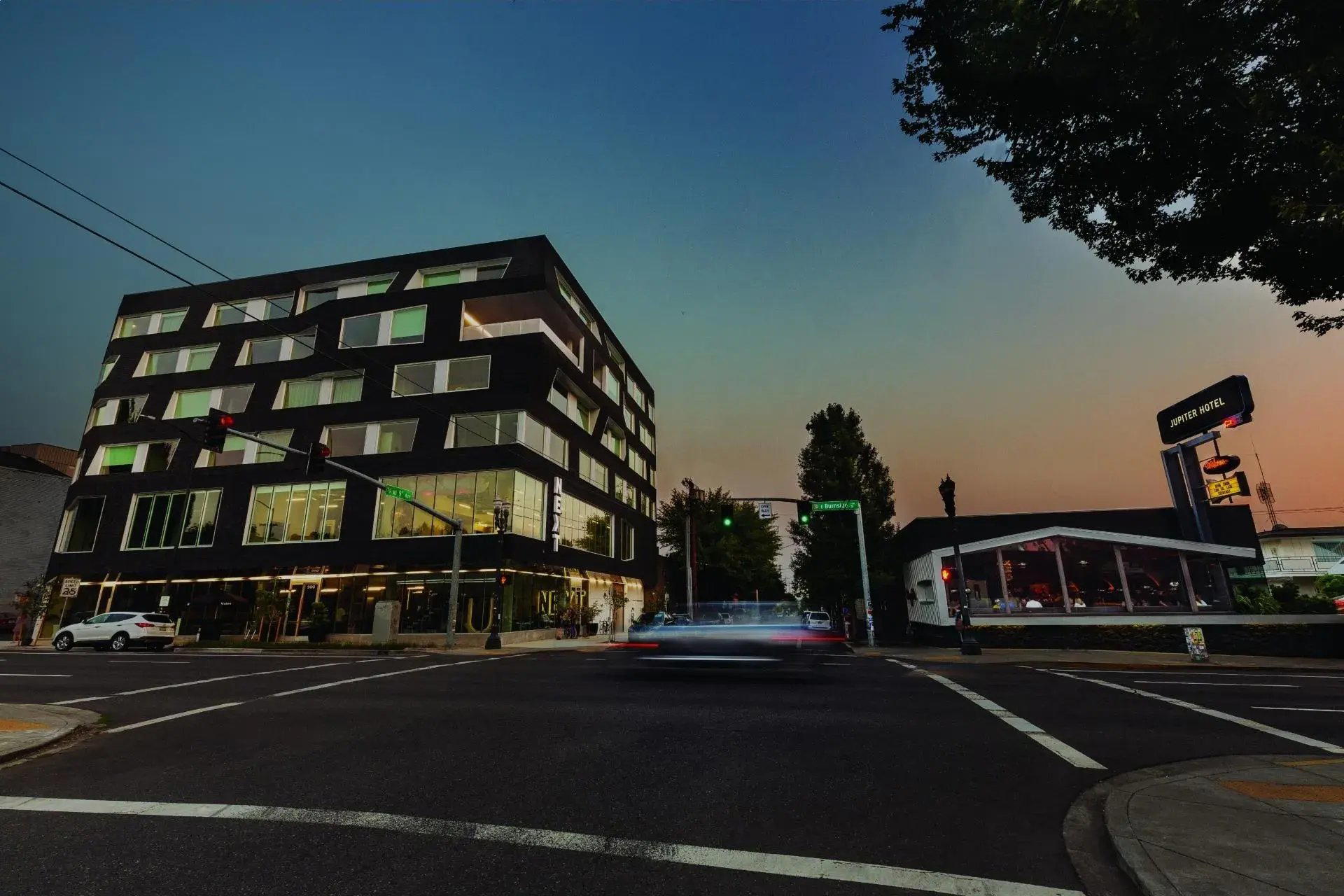
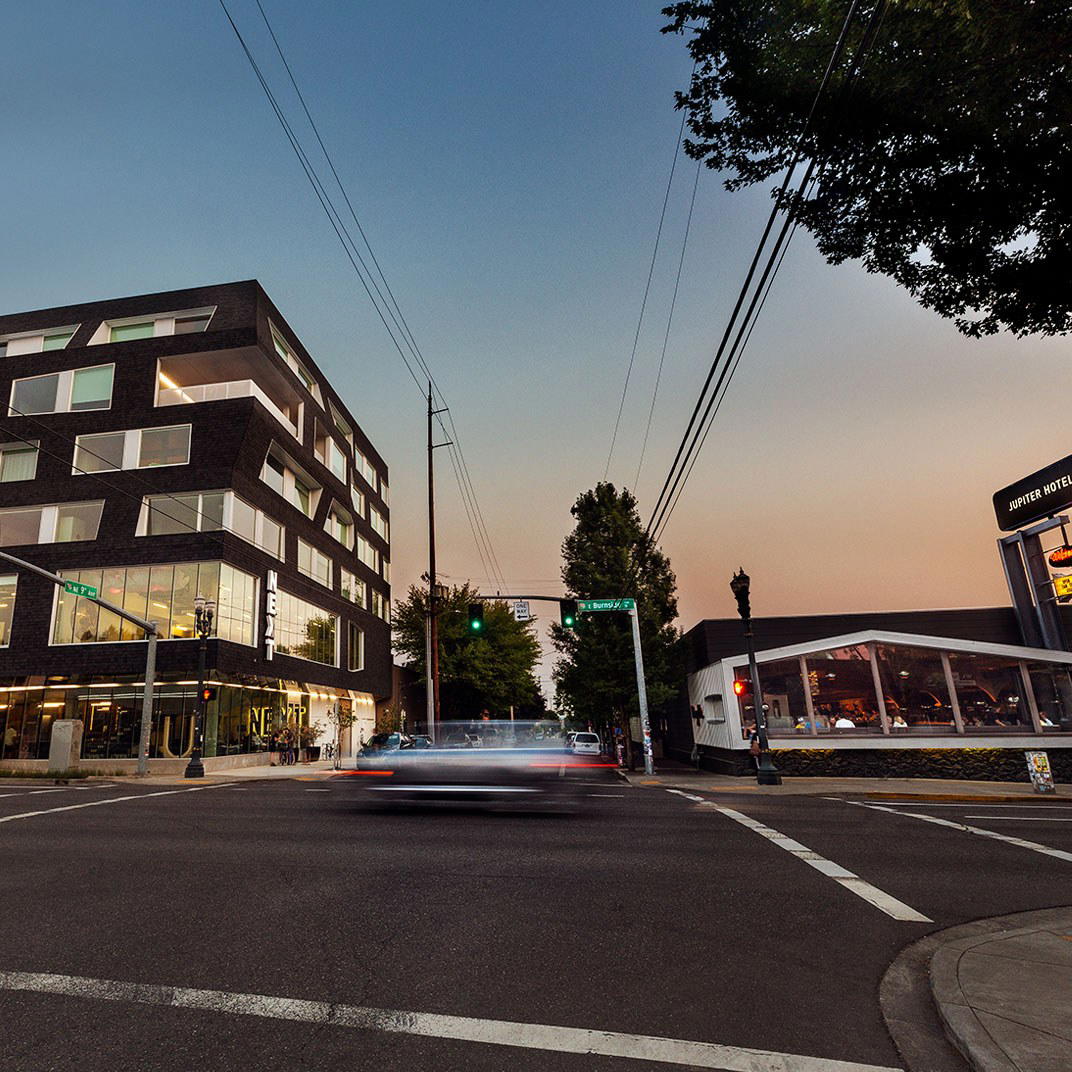
SE Ash Street in Portland's Central Eastside runs through a neighbourhood more accustomed to warehouse conversions and coffee roasters than the kind of dining that earns national recognition within two years of opening. That contrast is part of what defines the experience at The Paper Bridge. Arriving at the address on 828 SE Ash St, there is none of the marquee signalling you might expect from a room landing on Portland's most-watched restaurant lists. The dining room's atmosphere reads intimate and purposeful, the kind of space where what arrives at the table carries more weight than the room's architecture.
Northern Vietnamese, with Specificity
Portland has several serious Vietnamese kitchens. Berlu works a contemporary Vietnamese register; other spots across the city draw on southern and central traditions. The Paper Bridge occupies a narrower lane: Northern Vietnam, and specifically the culinary geography stretching from Hanoi to Haiphong and into the highlands around Sapa. That specificity is not aesthetic positioning, it shapes every dish on the menu.
The co-owners and co-chefs, Quynh Nguyen and Carlo Reinardy, opened in November 2023 and built a menu that reads less like a restaurant list and more like a documented culinary argument. Each dish arrives with an annotation of its cultural and geographic context. That kind of transparency is unusual in Vietnamese dining in the US, where menus rarely credit the regional traditions behind individual preparations. Here, the provenance is part of the offering.
The Noodles Are Made Here
In Vietnamese cooking, the quality of rice noodles is not a minor variable. Pho broth can be laboured over for hours, but noodles sourced from a commercial supplier introduce a textural discontinuity that most diners accept as given. At The Paper Bridge, they are made in-house. That decision, labour-intensive, time-consuming, and uncommon even in Vietnam's own restaurant culture, positions the kitchen inside a small tier of Vietnamese restaurants in the United States that treat noodle production as a non-negotiable foundation rather than a logistical shortcut.
The result is a pho lineup and noodle plate selection that holds a different sensory register from what most American diners encounter. The noodles carry the dish rather than yielding to it. For anyone who has eaten pho in Hanoi's older institutions, the in-house production signals intent before the first spoonful.
The Menu in Practice
The Haiphong-style crab spring rolls are among the dishes that generate the most conversation. The shape, square, not the cylindrical form dominant elsewhere, reflects Haiphong's coastal identity and its proximity to the Bay of Tonkin, as the menu annotation explains. The filling uses Dungeness crab, a Pacific Northwest substitution that holds logic given the bay-adjacent parallel in the original. The result is a snackable, structurally precise bite that earns its place as a recurring order.
Sapa-style skewers are built for smoke. Enoki mushrooms wrapped in pork belly char at the edges and stay yielding inside, a preparation that depends on correct fire management rather than complex preparation. The dish is textural and direct.
For larger groups, the Hanoi Van Dinh-style grilled half-duck is the centrepiece order. Van Dinh is a district outside Hanoi with a specific tradition of duck preparation; the menu's acknowledgement of that lineage is characteristic of how The Paper Bridge handles sourcing. The dish is designed for sharing, and the menu's depth makes group dining the most efficient way to cover the range.
Cocktails follow the food's logic. A calamansi gin fizz uses the Southeast Asian citrus fruit that sits between a lime and a kumquat in character, tart, aromatic, and lower in sweetness than the citrus combinations more common in US bars. It works alongside the skewers and spring rolls in the way that a well-matched cocktail should: by cutting and complementing rather than competing.
Where It Sits in Portland's Dining Scene
Portland's restaurant culture rewards specificity. Langbaan built its reputation on Thai regional depth; Kann has done similar work with Haitian cooking. The pattern across Portland's most-discussed independent restaurants is a commitment to a defined culinary tradition rather than a broad market appeal. The Paper Bridge follows that pattern, and its 2025 recognition on Resy's Best of the Hit List reflects how quickly the room found its footing.
The comparison set for The Paper Bridge is not Nostrana or Ken's Artisan Pizza, which anchor different segments of Portland dining. It sits closer to the tier occupied by restaurants nationally recognised for serious engagement with a specific culinary tradition, venues like Atomix in New York, which treats Korean culinary history with comparable rigour, or Lazy Bear in San Francisco, where format and intent carry the same weight as execution. The Paper Bridge is less theatrical than either, but the underlying seriousness is comparable.
For context on what that level of kitchen intent looks like at the highest price tier globally, Le Bernardin, The French Laundry, Alinea, Emeril's, Single Thread Farm, and 8½ Otto e Mezzo Bombana each represent their cuisine's tradition at the upper bracket. The Paper Bridge operates at a different price point and scale, but the editorial commitment to a specific culinary geography is the same organising principle.
Planning the Visit
Know Before You Go
- Address: 828 SE Ash St, Portland, OR 97214
- Opened: November 2023
- Recognition: Resy Best of the Hit List (2025)
- Group strategy: Come with at least three or four people to cover the noodle plates, spring rolls, skewers, and the grilled duck in a single sitting
- Booking: Contact details not currently listed; check Resy or the venue directly for reservations
- Neighbourhood: Central Eastside, SE Portland
For broader trip planning, EP Club's guides to Portland hotels, Portland bars, Portland wineries, and Portland experiences cover the city's wider offering across categories.
What Should I Eat at The Paper Bridge?
The in-house rice noodles make the pho lineup the clearest expression of the kitchen's priorities, and it is the logical starting point. Beyond that, the Haiphong-style Dungeness crab spring rolls and Sapa skewers, particularly the enoki-and-pork-belly version, are the dishes that appear consistently in accounts of the room. For a table of three or more, the Hanoi Van Dinh-style grilled half-duck is the shared centrepiece the menu is built around. The calamansi gin fizz is the cocktail to order alongside. The menu's cultural annotations mean that reading before ordering adds context that most Vietnamese restaurants in the US do not provide; it is worth the time.
Frequently asked questions
What should I eat at The Paper Bridge?
Start with the pho: co-chefs Quynh Nguyen and Carlo Reinardy make their rice noodles in-house, a labor-intensive practice that separates the noodle dishes from anything sourced commercially. The Haiphong-style crab spring rolls, square in shape per the coastal city's tradition, draw consistent attention. If dining in a group, the menu also features a Hanoi Van Dinh-style grilled half-duck meant for the table, and the sapa-style skewers, particularly enoki mushrooms wrapped in pork belly, are worth ordering alongside.
Where do I go for The Paper Bridge?
The Paper Bridge is located at 828 SE Ash St, Portland, OR 97214, Portland.
Just the Basics
| Venue | Cuisine | Price | Awards | Notes |
|---|---|---|---|---|
| The Paper BridgeThis venue (the venue you are viewing) | Northern Vietnamese | $30–50 | Resy Best of the Hit List · New York Times America's Best Restaurants | Not listed |
| Kann | Modern Haitian Caribbean | $100–150 | World's 50 Best #27 · Wine Spectator Award of Excellence | Hatian, Haitian |
| Ken’s Artisan Pizza | Roman-Style Artisan Pizza | $30–50 | 50 Top Pizza USA #10 | Pizzeria |
| Nostrana | Farm-to-Table Italian Wood-Fired Pizza | $50–100 | 50 Top Pizza USA #48 | Italian |
| Apizza Scholls | New York-Style Pizza | $20–30 | Not listed | Pizzeria |
| Blue Star Donuts | Gourmet Brioche Donuts | $10–20 | Not listed | Doughnuts |
Recognition history
Dated appearances from independent guides and award organizations, with the underlying list record or original source where available.
New York Times America's Best Restaurants
New York Times
Resy Best of the Hit List
Resy
Continue exploring
More in Portland
Restaurants in Portland
All restaurants in Portland →
Bars in Portland
All bars in Portland →
Details
- Cozy
- Intimate
- Modern
- Date Night
- Casual Hangout
- Group Dining
- Open Kitchen
- Craft Cocktails
- Local Sourcing
- Small Plates
- A La Carte
- Rice Wine
- Egg Coffee
- Vegetarian Friendly
Current opening hours
- Monday
- 10:30 AM–2 PM, 4–9 PM
- Tuesday
- Closed
- Wednesday
- Closed
- Thursday
- 10:30 AM–2 PM, 4–9 PM
- Friday
- 10:30 AM–2 PM, 4–9 PM
- Saturday
- 10:30 AM–2 PM, 4–9 PM
- Sunday
- 10:30 AM–2 PM, 4–9 PM
Hours can change for holidays and private events. Hours as of .
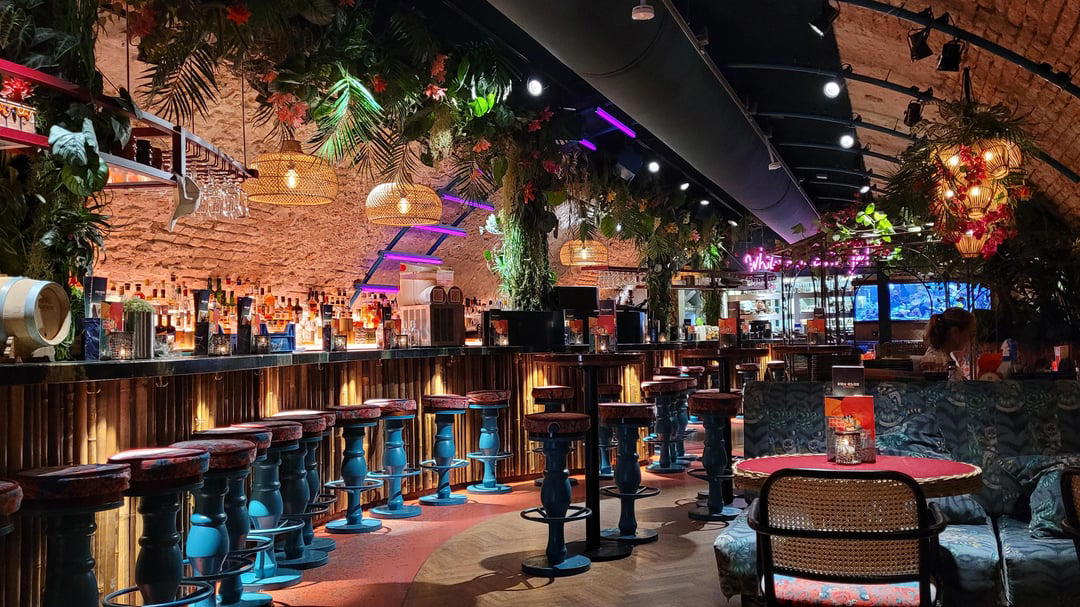
Subterranean space with woven baskets, hanging plants, paper lanterns, and a garden area creating a cozy, visually intriguing atmosphere.