Hamamori Restaurant and Sushi Bar
Hamamori Restaurant and Sushi Bar occupies a measured position in Costa Mesa's South Coast Plaza dining corridor, serving Japanese cuisine in a format that draws both mall-adjacent visitors and local regulars. The restaurant and sushi bar combination places it in a dual-format tier common to Orange County's more established Japanese dining addresses, offering counter seating alongside full table service.

Pearl is the En Primeur Club membership app, where members save venues, book tables and use the concierge.
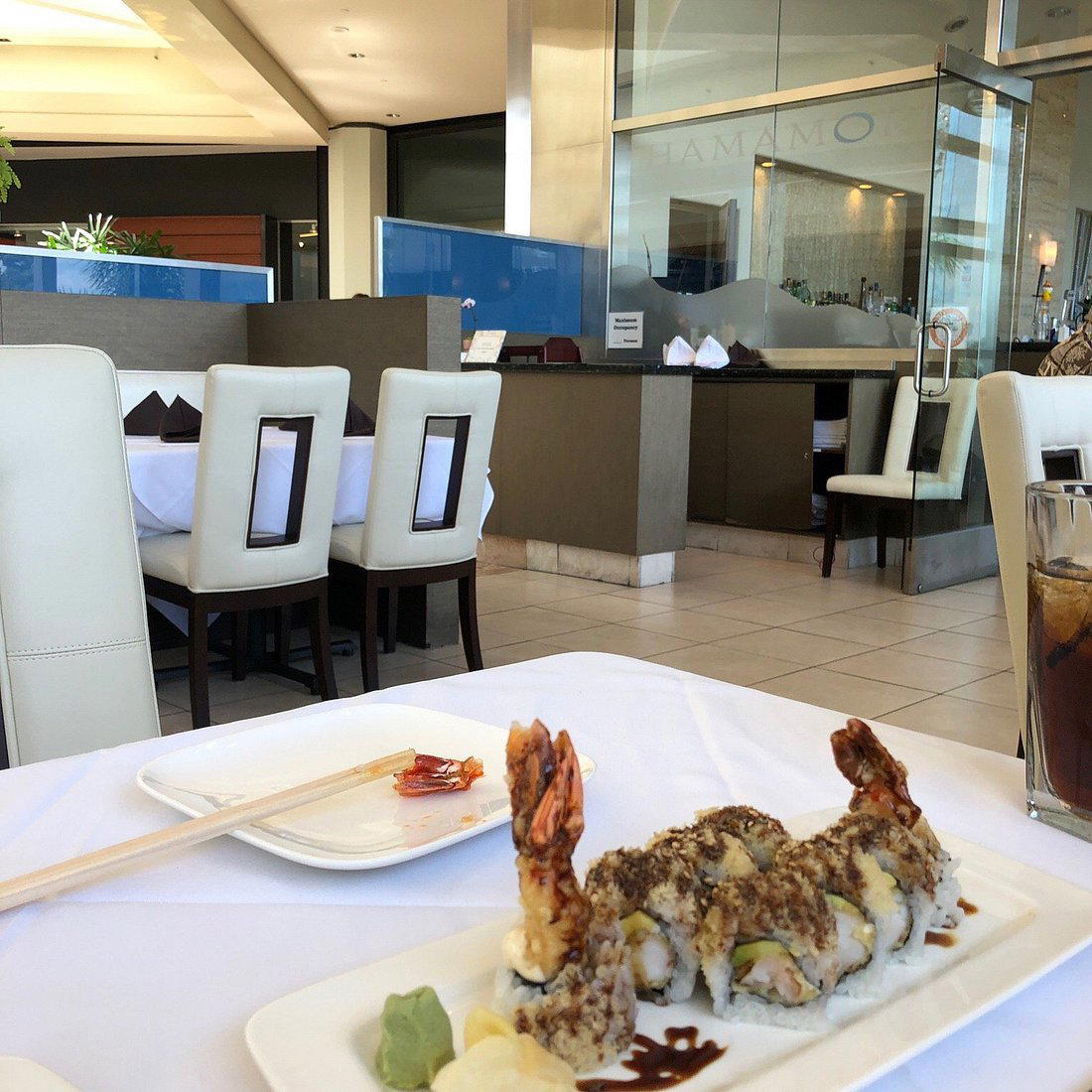
Where the Mall Crowd Becomes the Regular Crowd
South Coast Plaza's dining corridor has always functioned as something more complicated than a shopping-center food court. At its upper tier, the plaza hosts restaurants that attract diners who drive in from Newport Beach, Irvine, and Huntington Beach specifically for the table, not the retail. Hamamori Restaurant and Sushi Bar occupies that bracket at 3333 Bear Street, Suite 320, a sushi bar and full-service restaurant format that has built a local following distinct from the foot-traffic casual end of the plaza's dining options. In a suburb where Japanese dining ranges from conveyor-belt lunch counters to omakase-only counters, Hamamori sits in the middle of that range in format while drawing closer to the leading in local loyalty.
The dual format matters here. Across Southern California, Japanese restaurants that maintain both a sushi counter and a full dining room operate as community fixtures in a way that pure omakase counters rarely do. The counter pulls in solo diners, couples who want to watch the knife work, and regulars who have a preferred seat and a preferred chef. The dining room accommodates larger groups, family celebrations, and the after-work crowd from the office towers ringing the plaza. That combination creates a kind of social layering that single-format restaurants rarely achieve, and it is a significant part of what makes an address like this one a neighbourhood anchor rather than a destination-only proposition.
Costa Mesa's Japanese Dining Context
Costa Mesa has a Japanese dining scene that punches above its population weight. The city's proximity to a large Japanese-American community in Orange County, combined with South Coast Plaza's ability to sustain premium-positioned restaurants, has produced a range of addresses from quick-service ramen to more considered kaiseki and sushi formats. Hana re represents the high-focus, low-capacity end of that spectrum. Hamamori operates differently: broader in scope, more accessible in format, and oriented toward the kind of repeat visit that comes from reliability rather than rarity.
That positioning is neither a criticism nor a concession. Some of the most durable dining addresses in American cities have built their reputations on consistency for locals rather than pilgrimage value for tourists. A restaurant that fills its counter with regulars on a Tuesday is doing something right that a special-occasion-only address cannot replicate. Orange County's dining culture, shaped by a high proportion of long-term residents and deep community ties, rewards that kind of reliability in a way that transient urban markets sometimes do not.
For a comparison outside Southern California, the role Hamamori plays in its neighbourhood has parallels at places like Kumiko in Chicago, where a Japanese-influenced format has become genuinely woven into its immediate neighbourhood's social fabric, or Bar Leather Apron in Honolulu, where a specialist format has generated a loyal local following that predates any broader recognition. The throughline in each case is that the room becomes a place people return to, not just a place people visit.
The Sushi Bar as Social Form
The sushi counter as a social format deserves some attention on its own terms. In Japan, the counter exists as a space of direct exchange between diner and chef, where the pace of the meal is set by a conversation rather than a printed menu. That model has been adapted in various ways across American cities. At one end, the omakase counter strips it down to its most deliberate form: a fixed sequence, a small group, and a price point that signals occasion. At the other end, the à la carte sushi bar treats the counter as a convenience, a place to order quickly and eat efficiently.
Restaurants that hold the middle ground, offering counter seating with chef interaction but not requiring the full omakase commitment, have historically been the places where regulars form. You can order what you want, return to the same items you've always ordered, and occasionally try a recommendation from whoever is working the counter that evening. That format is less photographed and less discussed in food media than the omakase tier, but it represents a larger share of how people actually eat Japanese food over the course of a year.
Elsewhere in the Costa Mesa dining scene, Descanso Restaurant and East Borough occupy different cuisine categories but similar community roles, drawing regulars who treat the address as part of their weekly or monthly routine rather than a special-occasion destination. Brewing Reserve of California does the same for the drinks-led crowd. These venues collectively define what Costa Mesa's dining culture actually looks like in practice, as distinct from how food media tends to frame Southern California eating.
Planning a Visit
Hamamori is located inside South Coast Plaza at 3333 Bear Street, Suite 320, Costa Mesa, CA 92626. The plaza location means parking is direct and validated. For those driving from Los Angeles, the address sits off the San Diego Freeway corridor, roughly an hour south depending on traffic. From Orange County's coastal cities, the drive is considerably shorter. The dual-format layout means the venue accommodates both walk-in counter visits and table bookings for larger groups, though reservations are advisable on weekend evenings when South Coast Plaza dining traffic is at its highest. Hours and current pricing are best confirmed before visiting, as South Coast Plaza restaurants sometimes adjust their schedules around the plaza's retail calendar.
For readers building a wider Costa Mesa evening, the city's dining options extend well beyond the plaza. Our full Costa Mesa restaurants guide maps the broader scene across neighbourhoods and cuisine categories. For those interested in bar programs as part of the same evening, addresses like Jewel of the South in New Orleans, Julep in Houston, Superbueno in New York City, ABV in San Francisco, and The Parlour in Frankfurt on the Main represent the kind of considered drinks programming that complements a serious dinner elsewhere, offered here as reference points for the broader EP Club community.
Recognition, Side-by-Side
Comparable venues nearby, for context on price, style, and recognition.
| Venue | Cuisine | Price | Notes |
|---|---|---|---|
| Hamamori Restaurant and Sushi BarThis venue (the venue you are viewing) | sake_bar | $50–100 | Not listed |
| Shunka Sushi & Japanese Cuisine | sake_bar | Not listed | Eastside |
| Sushi Shibucho | sake_bar | $100–150 | Westside |
| East Borough | lounge | $30–50 | Costa Mesa |
| The Wayfarer | lounge | $20–30 | Westside |
| Brewing Reserve of California | beer_bar | $20–30 | SoBeCa |
Continue exploring
More in Costa Mesa
Bars in Costa Mesa
All bars in Costa Mesa →
Restaurants in Costa Mesa
All restaurants in Costa Mesa →
Hotels in Costa Mesa
Browse all →

Wineries in Costa Mesa
Browse all →
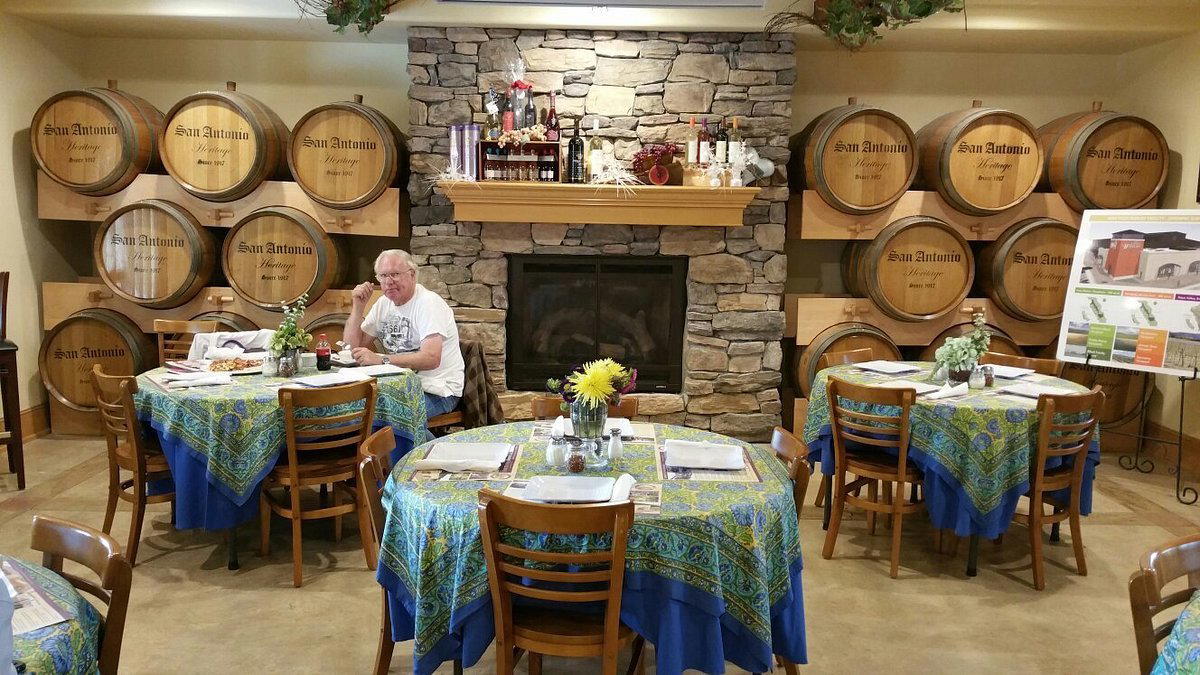
Hamamori Restaurant and Sushi Bar
The drinks
- Craft cocktails
Signature drinks: Hamamori-tini, Harajuku.
Details
- Elegant
- Modern
- Sophisticated
- Minimalist
- Date Night
- Special Occasion
- Design Destination
- Seated Bar
- Lounge Seating
- Booth Seating
- Craft Cocktails
- Sake
- Garden
- Street Scene
Current opening hours
- Monday
- 11:30 AM–2 PM, 5–9 PM
- Tuesday
- 11:30 AM–2 PM, 5–9 PM
- Wednesday
- 11:30 AM–2 PM, 5–9 PM
- Thursday
- 11:30 AM–2 PM, 5–9 PM
- Friday
- 11:30 AM–2 PM, 5–9 PM
- Saturday
- 11:30 AM–2 PM, 5–9 PM
- Sunday
- 12–6:30 PM
Hours can change for holidays and private events. Hours as of .
Minimalist setting with crisp white walls, crystal chandeliers, undulating white walls, and turquoise accents, offering a calming, elegant atmosphere.