Greenbush Bar
Greenbush Bar occupies a corner of Madison's Regent Street that has been feeding and drinking the neighbourhood for decades. The bar sits in a zone where university-district energy meets working-class Greenbush heritage, and its food-and-drink programme reflects that dual identity: serious enough to reward attention, unpretentious enough to fill a booth on a Tuesday night.

Pearl is the En Primeur Club membership app, where members save venues, book tables and use the concierge.
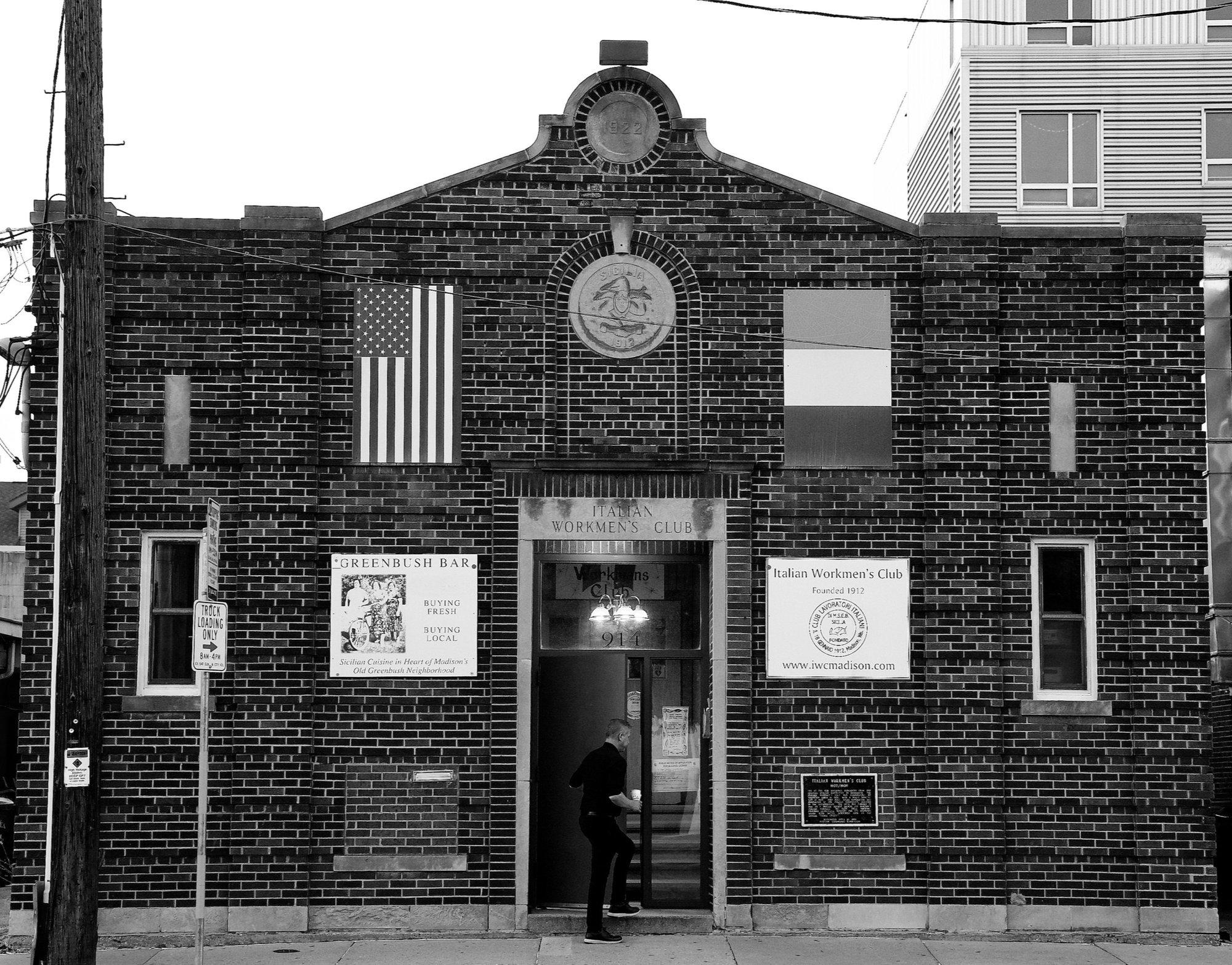
Regent Street in Winter and Why the Timing Matters
Madison bar culture shifts noticeably once football season ends and the university calendar slows into its post-January stretch. The bars that survive that seasonal contraction are rarely the ones chasing trends. Greenbush Bar, a neighborhood tavern at 914 Regent St in Madison, fits that category of places that draws its crowd from the neighbourhood rather than from the schedule of nearby Camp Randall Stadium. The result is a room that feels different in February than it does in October, and that distinction is part of what defines the Regent Street drinking corridor. Visitors arriving outside the football-weekend surge will find a version of the bar that regulars describe as its more readable form: less noise, more conversation, the same drinks.
The Greenbush Neighbourhood and What It Asks of a Bar
The Greenbush district carries one of Madison's more layered residential histories. Through the mid-twentieth century it was home to a dense Italian and Jewish immigrant community before urban renewal projects in the 1960s reshaped the physical fabric of the area. What remained, and what Regent Street bars have inherited, is a working-class social tradition that places a premium on accessibility over spectacle. A bar in this corridor is not expected to perform. It is expected to be present, consistent, and reasonably priced. Greenbush Bar sits within that expectation and largely meets it.
That context matters when you think about food and drink together. Bars in neighbourhoods with strong working-class tavern traditions typically develop food programmes that function as genuine sustenance rather than as refined snack menus designed to photograph well. The food at a place like this is meant to keep people at the bar, to pair with a second or third round, and to be ordered without much deliberation. That is a different brief from what drives the food programming at, say, Kumiko in Chicago, where the kitchen and the drinks list operate in deliberate dialogue at a fine-dining register, or Jewel of the South in New Orleans, where culinary ambition is explicitly part of the bar's identity. Greenbush operates closer to the tavern end of that spectrum, and that is not a criticism.
Food as the Anchor, Not the Afterthought
The editorial angle that matters most at Greenbush is the relationship between what you eat and what you drink. American tavern bars have historically solved this in one of two ways: they either ignore food entirely and let the kitchen run minimal, or they develop a short menu of items that are genuinely good and serve the specific social function of extending a visit without overwhelming it. Greenbush Bar belongs to the second category. The food programme is not trying to compete with the restaurant kitchens a few blocks away on Monroe Street or downtown near the Capitol. It is trying to give you a reason to stay, and to pair sensibly with a beer or a direct mixed drink.
Across the Midwest, this model is well-established. The tavern food tradition in Wisconsin specifically, shaped by German and Eastern European immigration patterns, leans toward items that are filling, reliably executed, and priced to match the drinks. Think of the food not as a separate dining decision but as part of the same transaction as ordering a round. That integration is what distinguishes a bar with a genuine food programme from one that happens to have a kitchen. Bars like Blue Moon Bar and Grill elsewhere in Madison occupy a similar position, where the grill component is taken seriously without repositioning the room as a restaurant. Bar Corallini tilts more deliberately toward the food side of the equation. Greenbush Bar sits between those poles, weighted toward the bar.
The Drinks Side of the Equation
Madison's bar scene has developed a tier of craft-forward, technically ambitious programmes in recent years. Ahan and Black Rose Blending Co. represent that direction, drawing from a drinks-as-craft framework that positions Madison within a national conversation about what bar programmes can be. Greenbush Bar does not compete on that axis. Its drinks offer is suited to the room and the neighbourhood: beers that work, spirits that are what they say they are, and a pace of service that matches a Tuesday evening rather than a Saturday cocktail rush.
For comparison, consider how bars in peer cities have differentiated within their local markets. ABV in San Francisco built its identity on a serious back bar paired with a tight food menu, making the food-drinks relationship explicit and programme-level. Julep in Houston does the same through a Southern spirits lens. Superbueno in New York City and Bar Leather Apron in Honolulu each make the pairing relationship a central editorial and menu decision. The Parlour in Frankfurt takes a similar approach in a European context. It operates in a different register, where the food-drinks relationship is implicit and social rather than programmatic and curated. Both registers are legitimate. The difference is what you are coming for.
Planning a Visit: What to Know Before You Go
Greenbush Bar is located at 914 Regent St, Madison, WI 53715, within walking distance of the UW-Madison campus and Camp Randall Stadium. That proximity means the room can shift dramatically in character depending on whether there is a home football game scheduled. Visiting on a non-game weekday evening gives you the neighbourhood version of the bar rather than the stadium-adjacent version. Walk-in arrival is consistent with the tavern format. For a broader picture of Madison's bar and dining options, see our full Madison restaurants guide.
Peers You’d Cross-Shop
Comparable venues nearby, for context on price, style, and recognition.
| Venue | Cuisine | Price | Notes |
|---|---|---|---|
| Greenbush BarThis venue (the venue you are viewing) | cocktail_bar | $20–30 | Not listed |
| Black Rose Blending Co. | beer_bar | Not listed | Madison |
| Lombardino's Restaurant | lounge | $30–50 | University Avenue |
| Mickey's Tavern | pub | $10–20 | Willy Street |
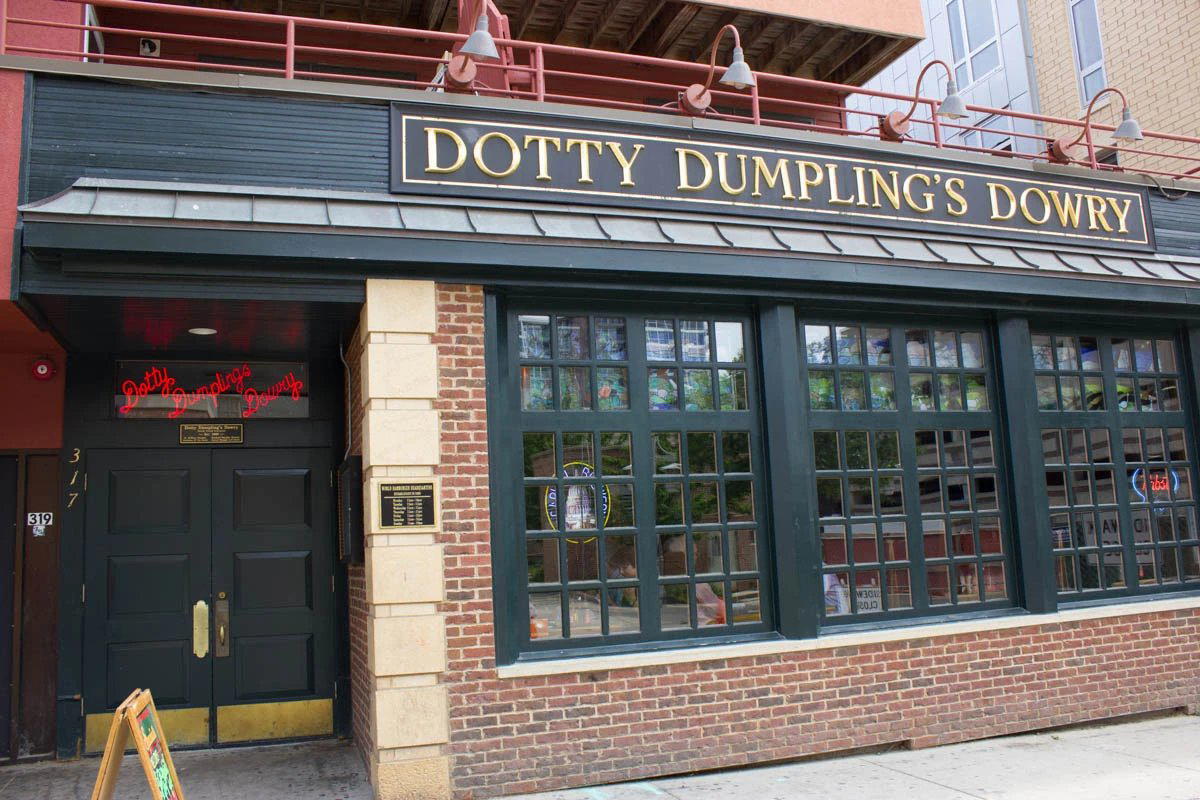
| Dotty Dumpling's Dowry | pub | $20–30 | downtown |
| Hawk's Bar & Grill | sports_bar | $20–30 | State-Langdon |
Continue exploring
More in Madison
Bars in Madison
All bars in Madison →
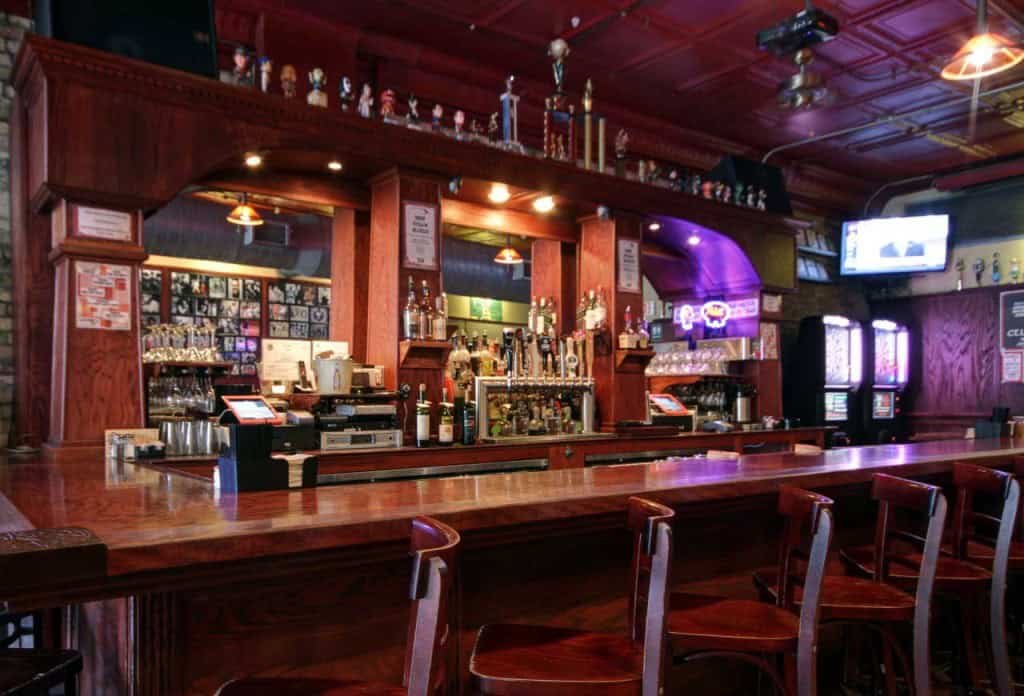
Greenbush Bar
The drinks
- Classic cocktails
Signature drinks: Greenbush Old Fashioned.
Details
- Cozy
- Well Known
- Intimate
- Casual Hangout
- Speakeasy
- Historic Building
- Seated Bar
- Classic Cocktails
Current opening hours
- Monday
- 4:30 PM–12 AM
- Tuesday
- 4:30 PM–12 AM
- Wednesday
- 4:30 PM–12 AM
- Thursday
- 4:30 PM–12 AM
- Friday
- 4:30 PM–12 AM
- Saturday
- 4:30 PM–12 AM
- Sunday
- 4:30 PM–12 AM
Hours can change for holidays and private events. Hours as of .
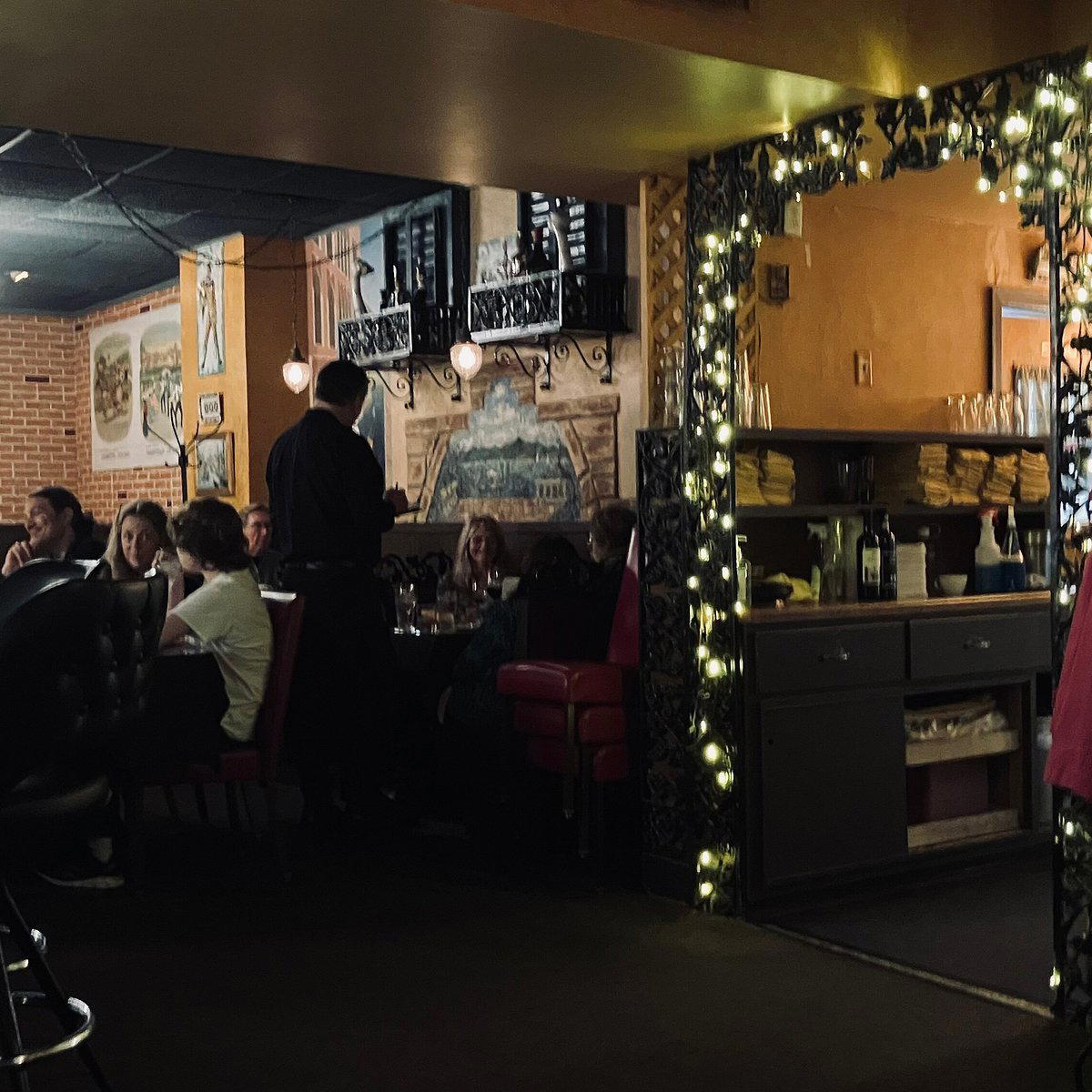
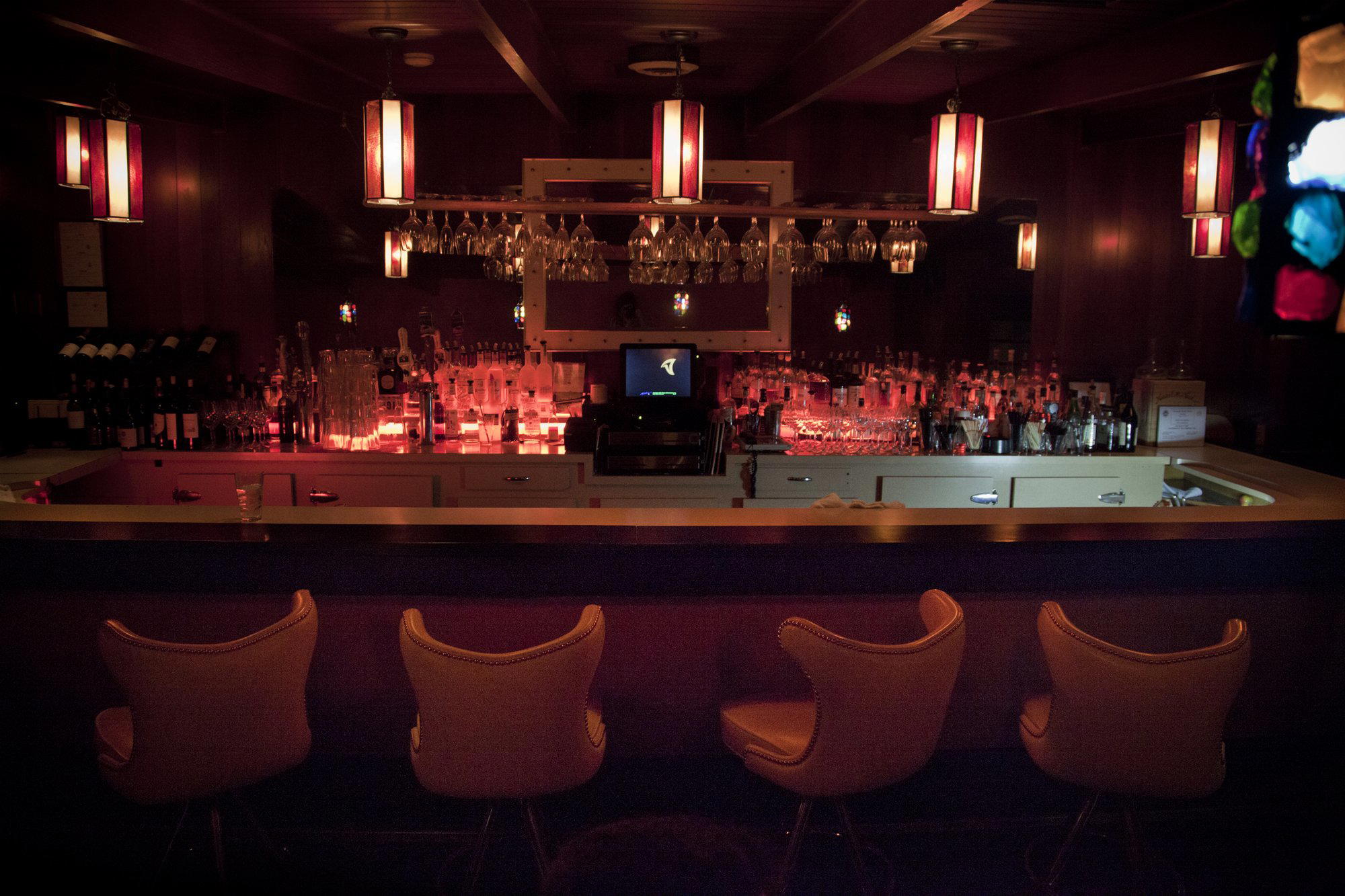
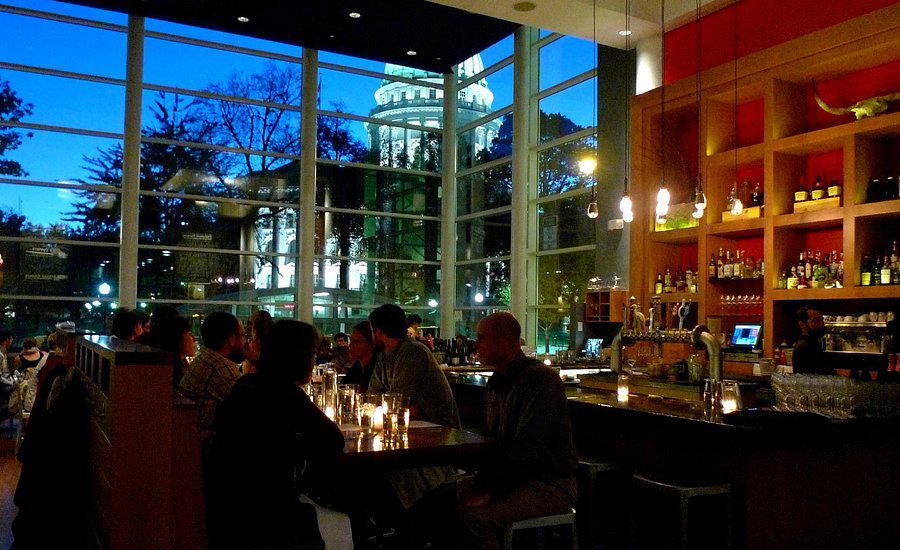
Comfortable setting with red, blue, green, and orange string lights and candlelit tables.