Great American Music Hall
One of San Francisco's most storied live music venues, the Great American Music Hall occupies an ornate 1907 building on O'Farrell Street in the Tenderloin, where gilded balconies and pressed-tin ceilings frame everything from indie rock to jazz. The room's architecture belongs to another era; the programming does not. Advance tickets are the rule for most shows.

Pearl is the En Primeur Club membership app — saves, bookings, and concierge access live there. Same editors, same standards.
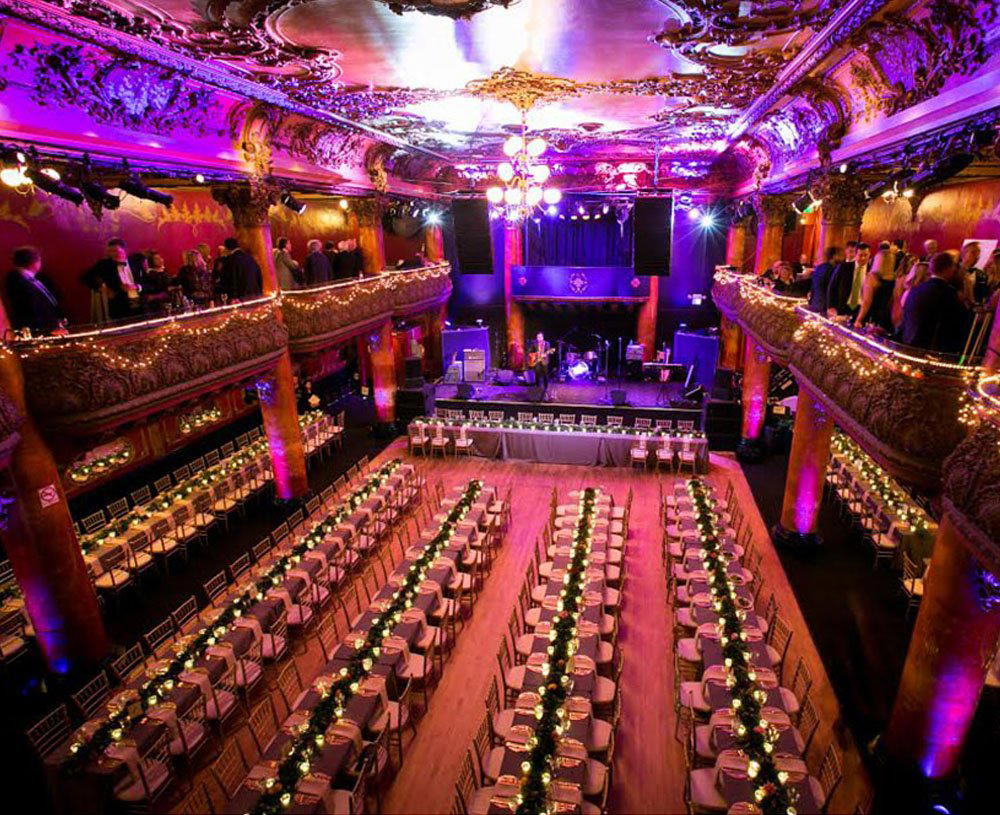
A Room That Predates the Music It Now Hosts
San Francisco has always operated at a strange intersection of preservation and reinvention, and few places make that tension more legible than the stretch of O'Farrell Street running through the Tenderloin. The Great American Music Hall sits at 859 O'Farrell, occupying a building constructed in 1907 that has functioned, across its long life, as a bordello, a restaurant, and eventually a concert venue. The ornate interior — gilded balconies, marble columns, pressed-tin ceilings — was built for a different kind of spectacle. The fact that it now hosts touring bands, local jazz nights, and everything in between says something about how American cities repurpose grandeur rather than replace it.
Approaching the venue from the street, the facade reads as unremarkable against the Tenderloin's worn commercial strip. Inside, the scale surprises. The main floor opens into a room that feels genuinely theatrical, shaped by a horseshoe balcony that wraps the space and concentrates sightlines toward a stage that sits low and close to the audience. This is not an arena. Sightlines from almost every position in the room are usable, which places the Great American Music Hall in a category of mid-capacity venue that has become increasingly rare in American cities, where development pressure tends to push venues toward either small clubs or large sheds.
What the Room's Architecture Reveals About the Programming
The architectural constraints of a 1907 building do more than set an aesthetic tone, they define the programming logic. Mid-capacity rooms with fixed ornate interiors cannot be easily reconfigured for immersive production rigs or elaborate staging. What they can do is compress the relationship between performer and audience in ways that larger, more technically flexible venues cannot replicate. Acts that play the Great American Music Hall are typically at a scale where that compression works in their favor: established artists on intimate tours, emerging acts building toward larger rooms, and genre programmers (jazz, folk, Americana, indie) who rely on acoustic proximity rather than spectacle.
San Francisco's live music infrastructure has contracted and shifted considerably since the 1970s and 1980s, when the Tenderloin and surrounding neighborhoods supported a denser network of mid-size rooms. The Great American Music Hall is one of the survivors of that network, which partly explains its reputation among long-term residents as a reference point rather than simply a venue. Its continued programming breadth, running across genres that would occupy entirely separate venue ecosystems in other cities, reflects both the limitations of San Francisco's current mid-capacity stock and the building's own indifference to genre categories.
Bars, Drinks, and the Pre-Show Ritual
Concert venue bars in mid-capacity rooms tend to follow one of two models: the functional pour (speed above all, minimal program) or the secondary-destination bar (enough program depth to justify arriving early). The Great American Music Hall has historically operated closer to the former. Drinks are serviceable rather than destination-worthy, and the emphasis is on throughput during set breaks rather than on any particular cocktail identity. For visitors whose drink program is a priority alongside the show, San Francisco's bar scene provides strong alternatives within reach of O'Farrell Street.
Pacific Cocktail Haven has positioned itself as one of the city's more technically rigorous cocktail programs, with a format that rewards pre-planning. Smuggler's Cove operates a different register entirely, built around a documented rum collection that runs to hundreds of expressions and draws a specialist crowd. For something closer in neighborhood feel, ABV and Friends and Family both represent the city's more considered bar programming, each with its own editorial identity. None of these are concert venue bars in the transactional sense, which makes them worth treating as separate stops in an evening's itinerary rather than afterthoughts.
For context on how San Francisco's cocktail culture compares to its peers, the same spirit of deliberate programming shows up in venues like Kumiko in Chicago, Jewel of the South in New Orleans, and Bar Leather Apron in Honolulu, each city producing a small tier of bars where the program reflects genuine curatorial thinking rather than category defaults. Allegory in Washington, D.C., Julep in Houston, Superbueno in New York City, and The Parlour in Frankfurt on the Main extend that list internationally.
Planning a Visit: What the Logistics Actually Look Like
The Great American Music Hall is a ticketed live music venue. Attendance is show-dependent, meaning the logistical calculus changes significantly based on the act and the night. Several patterns hold fairly consistently:
- Advance tickets for mid-tier touring acts sell out weeks ahead. Walking up on show night carries meaningful risk for anything with established draw.
- The Tenderloin location requires some orientation for first-time visitors. The neighborhood is central and walkable from several hotel districts, but the immediate blocks around O'Farrell Street warrant standard urban awareness.
- The room's balcony tier books quickly for shows with assigned seating. General admission floor shows have different dynamics and tend to reward arriving early if proximity to the stage matters.
- Parking in the immediate area is limited. Public transit access via BART (Civic Center station) and multiple Muni lines is the more reliable option.
| Venue | Capacity Tier | Format | Neighborhood |
|---|---|---|---|
| Great American Music Hall | Mid (approx. 600) | Live music, ticketed | Tenderloin |
| The Fillmore | Mid (approx. 1,150) | Live music, ticketed | Lower Pacific Heights |
| Bottom of the Hill | Small (approx. 350) | Live music, ticketed | Potrero Hill |
| The Independent | Mid (approx. 500) | Live music, ticketed | Western Addition |
For a broader orientation to San Francisco's dining and drinking scene, see our full San Francisco restaurants guide.
Standing Among Peers
| Venue | Cuisine | Price | Awards |
|---|---|---|---|
| Great American Music HallThis venue — the venue you are viewing | Not listed | $10–20 | Not listed |
| ABV | Cocktail Bar | $20–30 | World's 50 Best #39 · Eater Cocktail Bar Guide |
| Smuggler's Cove | Not listed | $20–30 | World's 50 Best #29 · James Beard Award Semi Finalist |
| Trick Dog | Hot Dogs | $30–50 | World's 50 Best #100 · Eater Cocktail Bar Guide |
| Bar at Hotel Kabuki | Not listed | $30–50 | Not listed |
| Evil Eye | Not listed | $30–50 | Not listed |
Continue exploring
More in San Francisco
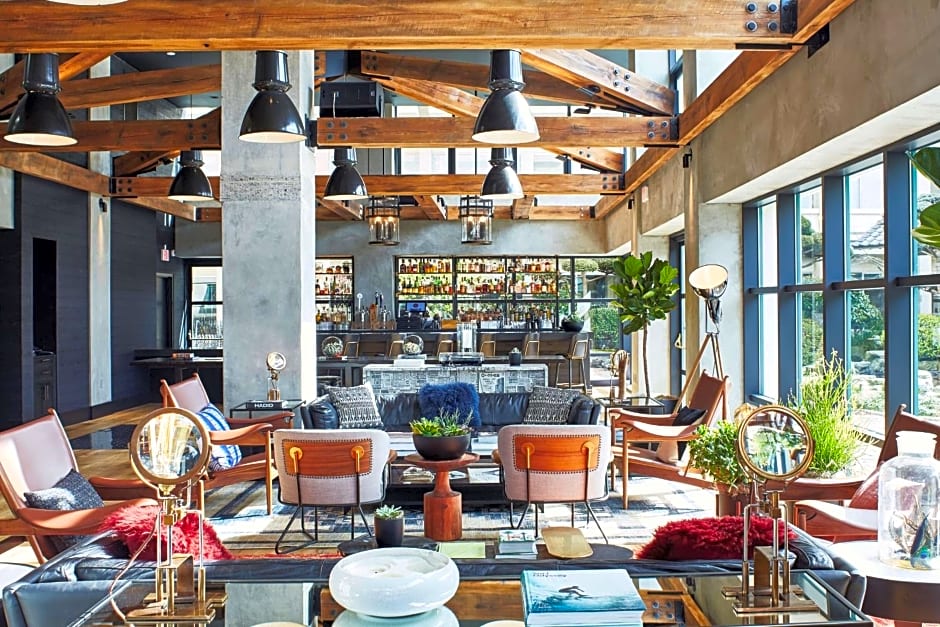
Bars in San Francisco
All bars in San Francisco →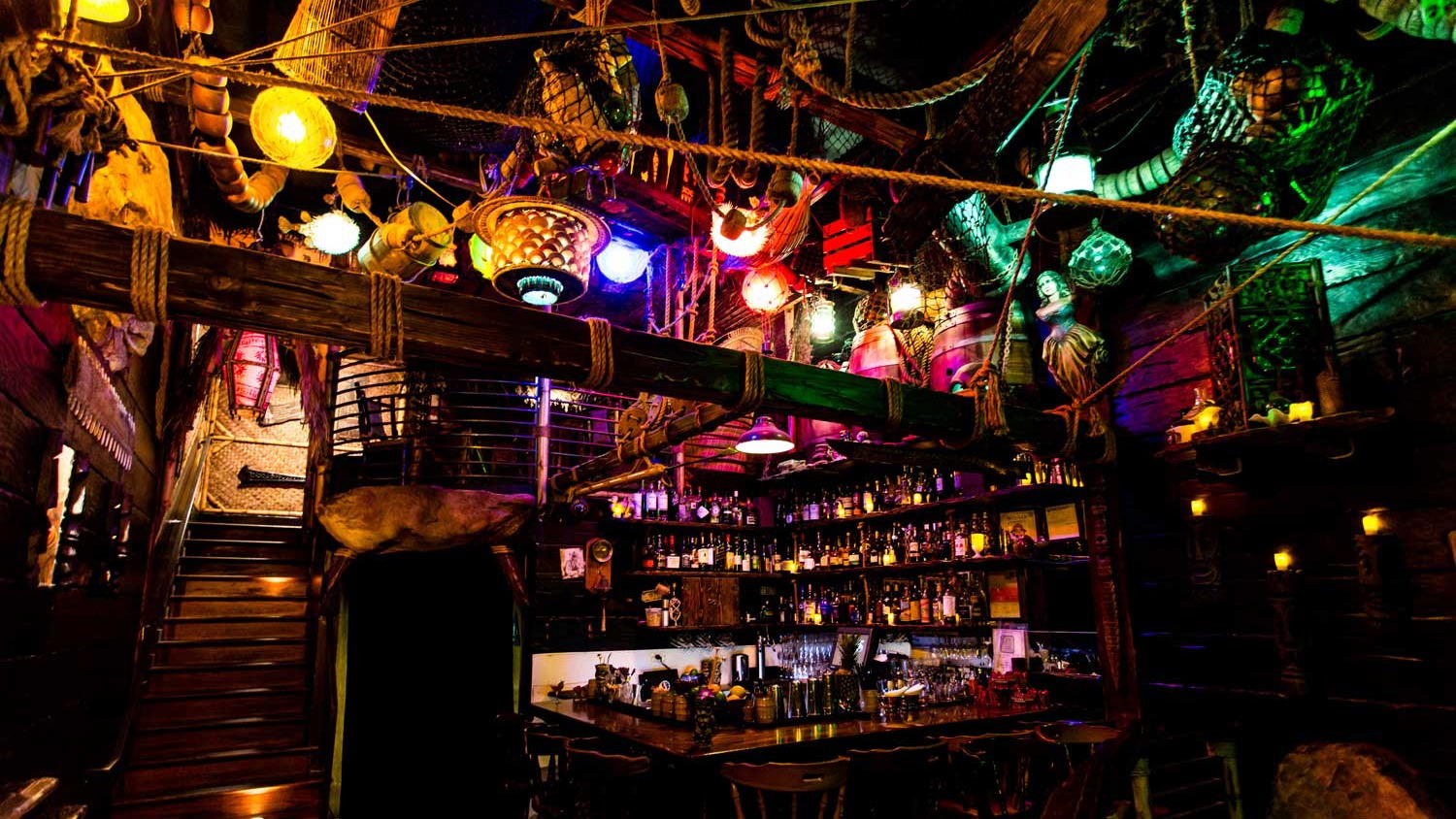
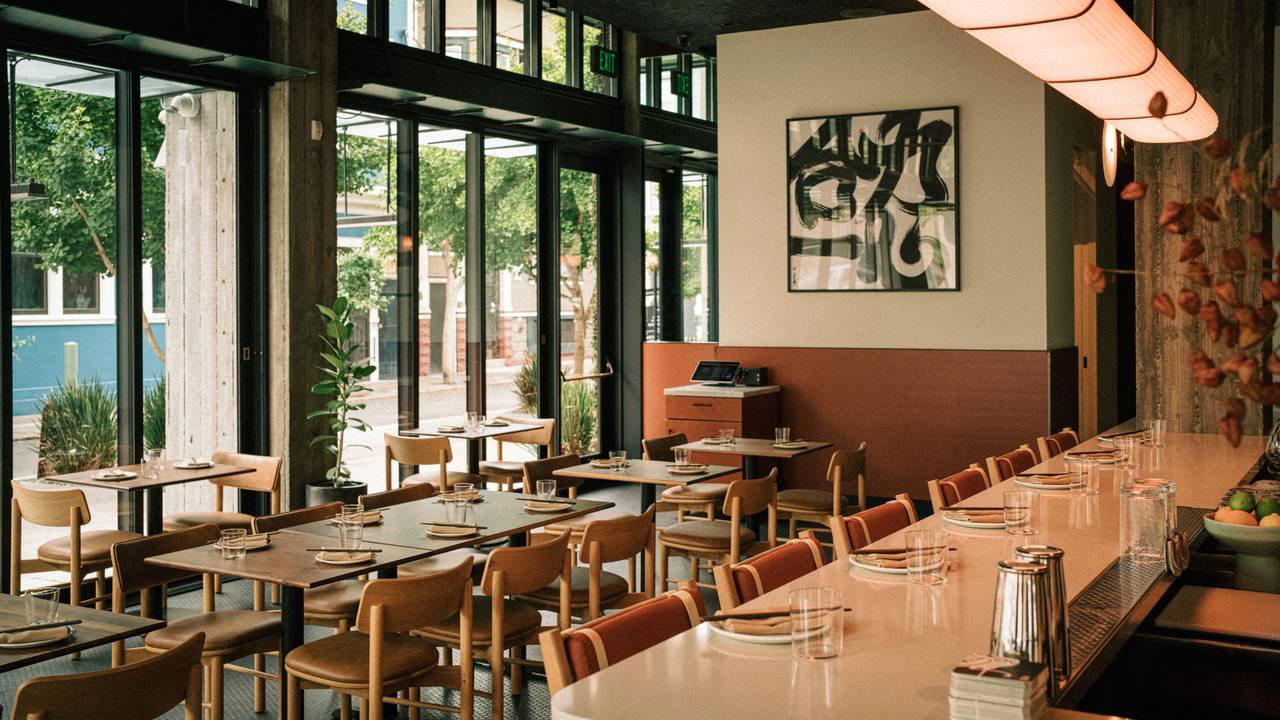
Restaurants in San Francisco
All restaurants in San Francisco →
Great American Music Hall
The drinks
- Classic cocktails
Signature drinks: Absinthe Makes the Heart Grow Fonder.
Details
- Well Known
- Historic
- Elegant
- Energetic
- Group Outing
- Celebration
- Live Music
- Historic Building
- Standing Room
- Lounge Seating
- Classic Cocktails
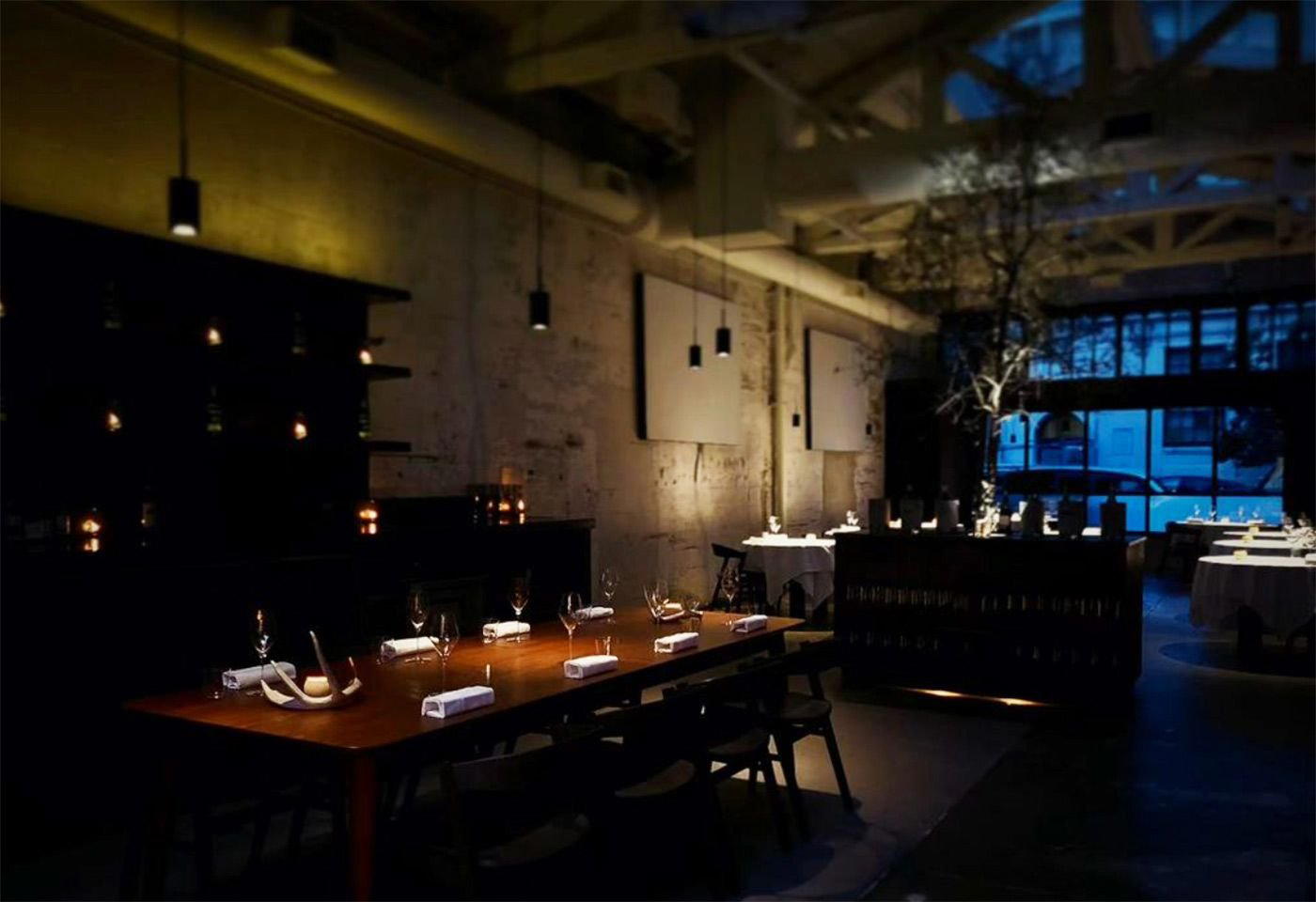
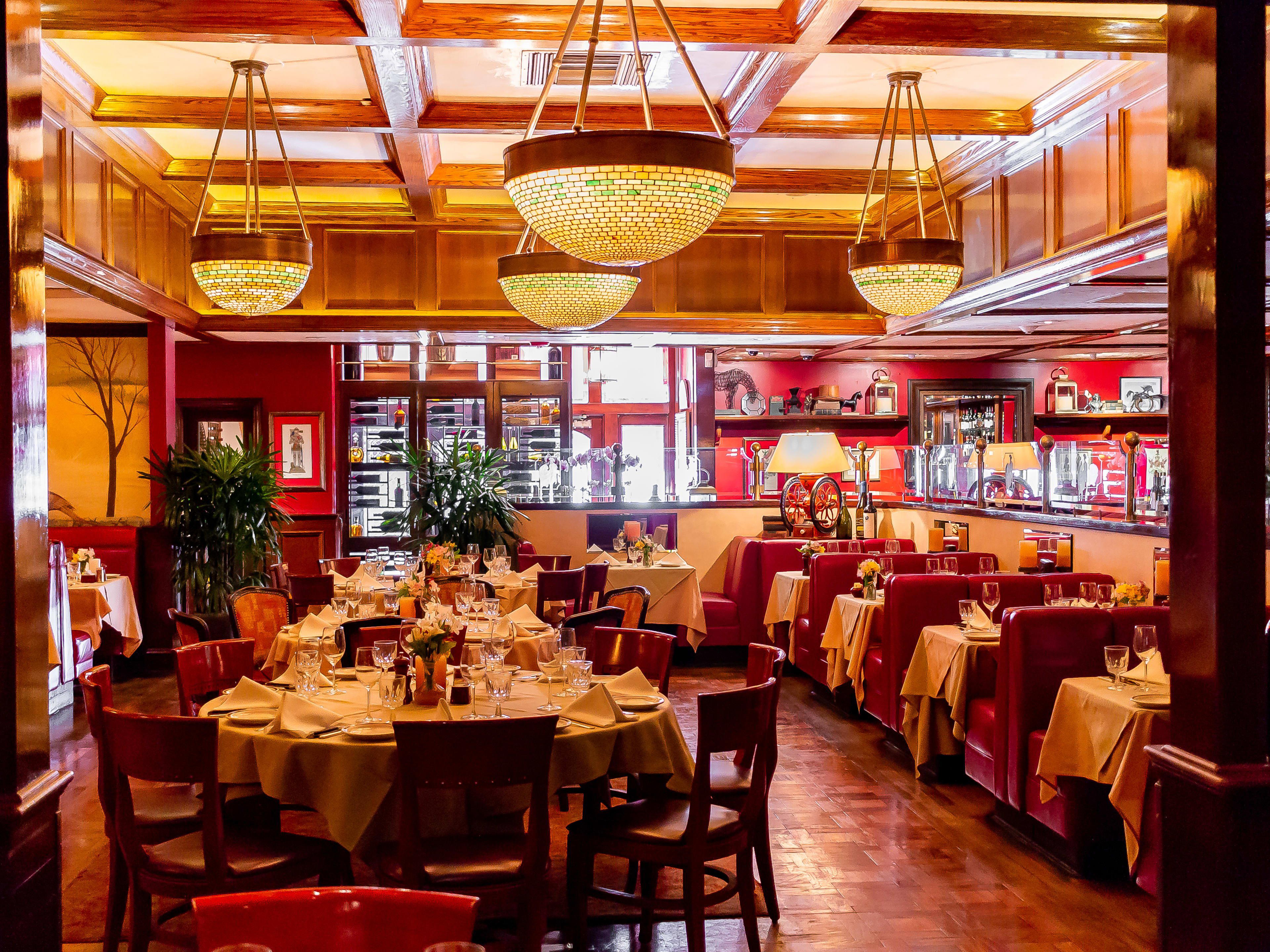
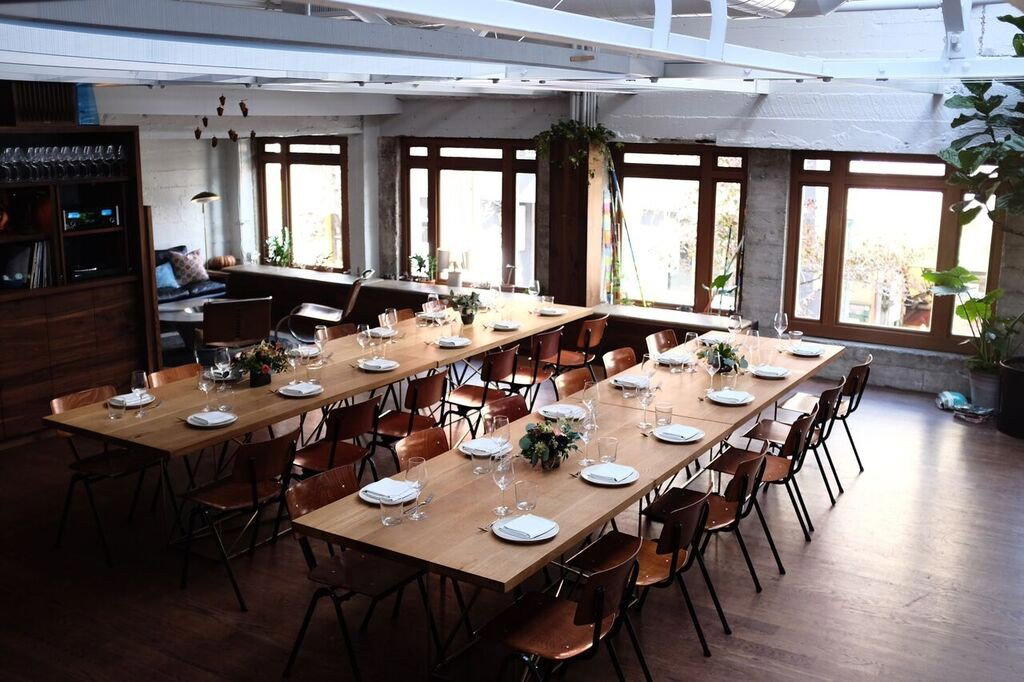
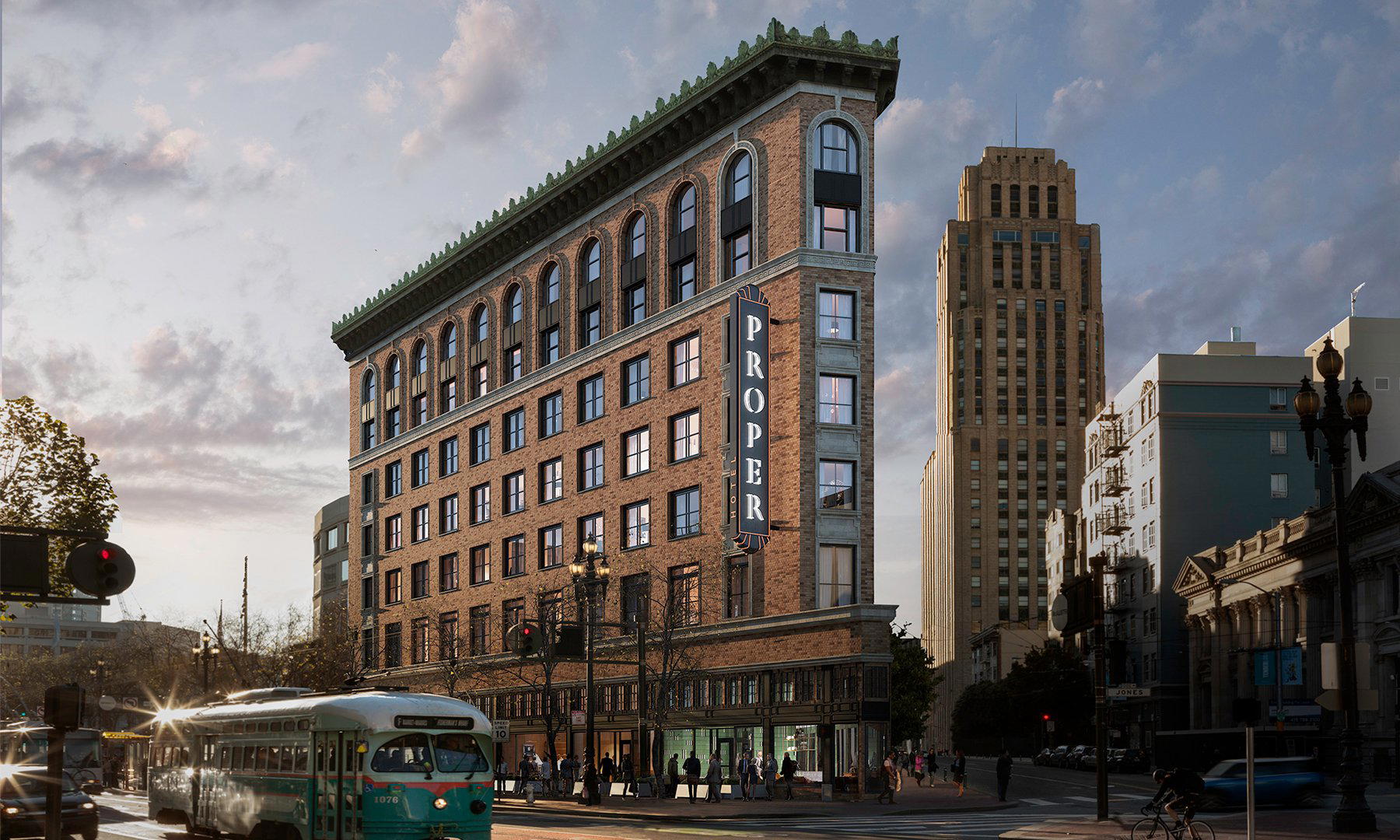
Elegant Edwardian-era interior with gilded columns, decorative balconies, and elaborate ceiling frescoes creating a jewel-box atmosphere.