Grapperia
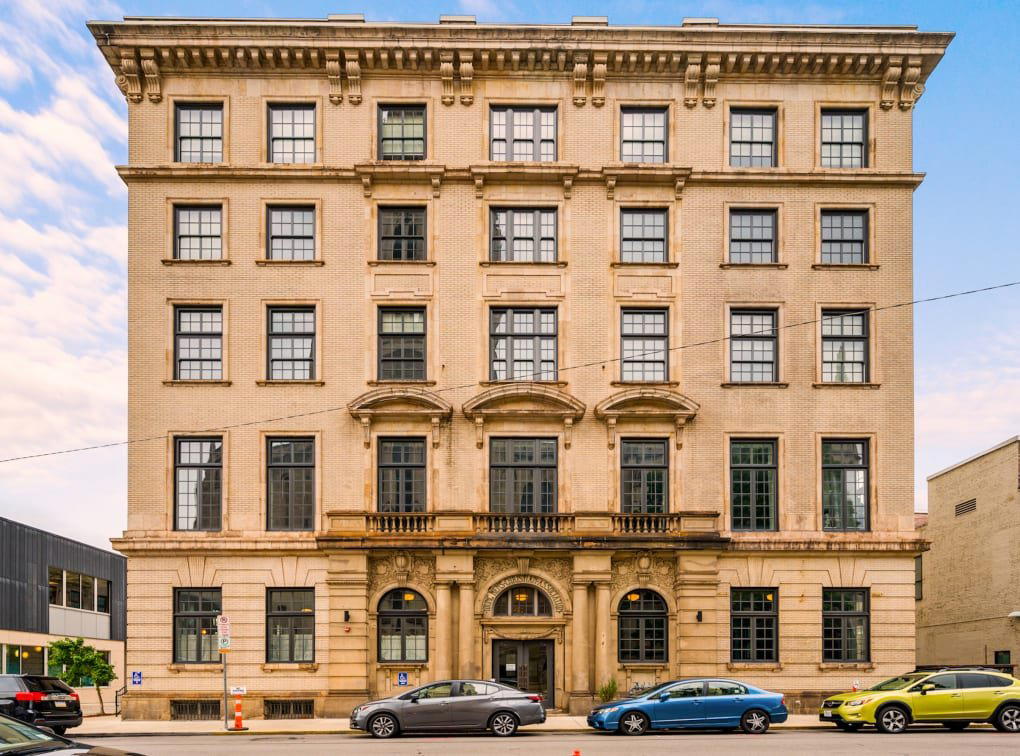
On Butler Street in Pittsburgh's Lawrenceville neighborhood, Grapperia occupies the kind of address that rewards those who pay attention to neighborhood-level fermentation culture. The bar sits within a local drinking scene that has increasingly oriented itself around wine, amaro, and the grappa tradition that its name telegraphs directly. It is a reference point for Pittsburgh's Italian-inflected spirits conversation.
Pearl is the En Primeur Club membership app — saves, bookings, and concierge access live there. Same editors, same standards.
- Address
- 3801 Butler St, Pittsburgh, PA 15201
- Phone
- +1 412 904 3907
- Website
- grapperiapgh.com
- Directions
- Get directions
 Saves & bookings on Pearl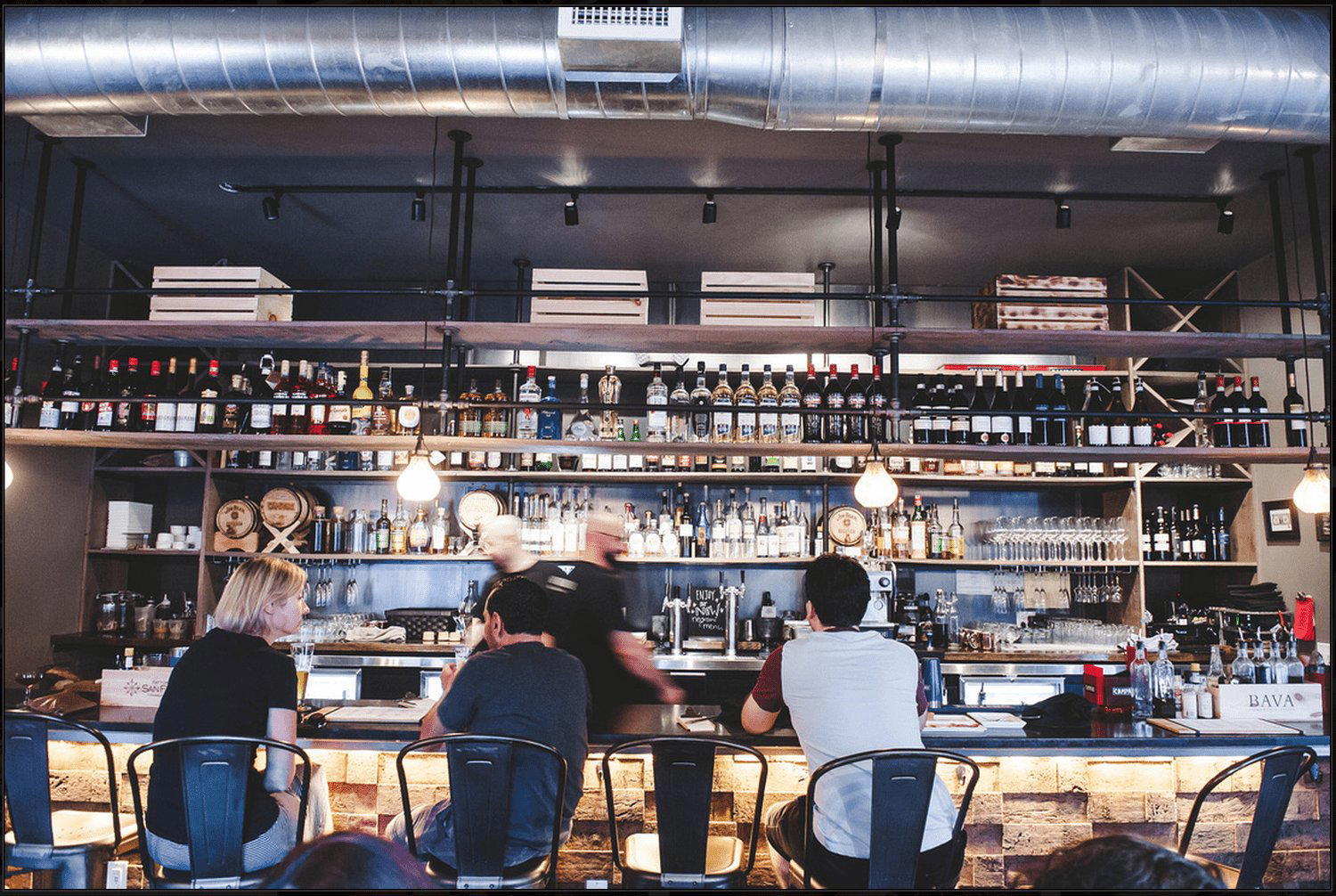
Butler Street and the Fermentation Corridor
Lawrenceville's stretch of Butler Street has spent the better part of a decade sorting itself into a corridor where serious drinking and eating coexist without the forced theatrics that plague similar blocks in larger cities. The neighborhood built its current identity on independent operators: bottle shops with opinions, bars that source deliberately, and kitchens that treat the region's European immigrant heritage as a living reference rather than a decorative one. Grapperia, at 3801 Butler St, fits that pattern with particular precision. The name announces its orientation immediately: grappa, the Italian marc brandy distilled from grape pomace, the drink that Italians have traditionally poured after a long meal not as an afterthought but as a quiet signal that the evening is not yet finished.
Grappa sits at a complicated point in American spirits culture. It is not obscure in Italy, where distilleries in Friuli, Trentino, and Bassano del Grappa have been producing it for centuries and where the category ranges from rough working-class acquavite to the single-varietal, aged expressions that collectors seek out. In the United States, it has historically been filtered through Italian-American communities who kept the tradition alive in home kitchens and social clubs, the kind of institutional memory that venues like the Allegheny Elks Lodge #339 represent in their own social context. Pittsburgh, with its deep Italian-American population concentrated in neighborhoods like Bloomfield and East Liberty, is one of the few American cities where a bar structured around grappa has genuine cultural soil to grow in.
The Cultural Logic of a Grappa Bar in Pittsburgh
To understand why a grappa-focused venue makes sense in Pittsburgh in a way it might not in, say, Phoenix, it helps to map the city's drinking history. Italian immigrants arrived in western Pennsylvania in waves beginning in the late nineteenth century, drawn by the steel industry, and they brought with them digestivo culture: amaro, grappa, and the practice of ending meals with something bitter or bracingly alcoholic. That culture left traces across the city's bar infrastructure. It shows up in the Italian-American social clubs of Bloomfield, in the red-sauce restaurants of the South Side, and in places like Alla Famiglia, which has maintained Italian culinary tradition in Pittsburgh's Overbrook neighborhood for decades.
Grapperia operates within that inheritance, but from a contemporary angle. The bar sits on Butler Street rather than in Bloomfield, positioning it inside Lawrenceville's present-tense food and drink scene while drawing on a much older cultural logic. That positioning is deliberate and worth reading carefully: it suggests a venue that wants to speak to both the neighborhood's younger drinking culture and the deeper Italian-American tradition that gives grappa its local meaning. The Allegheny Wine Mixer, also in the neighborhood, has built a similar bridging act around wine, and the two venues together suggest that Lawrenceville is developing a European-inflected spirits corridor that distinguishes it from Pittsburgh's more whiskey-oriented drinking culture.
Grappa as a Category: What the Name Promises
A bar that names itself after a spirit takes on a specific obligation. Grappa is not a crowd-pleasing category in the way that whiskey or gin tends to be. It is high-proof, aromatic, and variable in a way that reflects the pomace it was distilled from: a monovitigno Moscato grappa smells and tastes different from a Nebbiolo pomace expression, and an aged riserva aged in small oak barrels occupies a different register entirely from a young, clear giovane expression. A credible grappa program requires range, sourcing knowledge, and staff who can guide guests through a category that most Americans encounter only once or twice before they either dismiss it or develop a considered taste for it.
In that sense, Grapperia places itself in a specialist tier of American drinking venues, closer in spirit to technically serious bars than to general-purpose neighborhood spots. Venues in that tier, whether cocktail-focused places like Kumiko in Chicago or the ingredient-driven programs at Bar Leather Apron in Honolulu, share a common trait: the depth of a category defines the experience, and the staff knowledge has to match. The same logic applies to grappa specialists. Across the Atlantic, The Parlour in Frankfurt on the Main demonstrates how a European spirits bar can build an audience around category depth rather than breadth. Closer to home, venues like ABV in San Francisco, Jewel of the South in New Orleans, and Julep in Houston each demonstrate what commitment to a specific spirits tradition produces when it meets genuine hospitality. Superbueno in New York City does the same for the agave category. Grapperia's ambition, at least as signaled by its name, belongs in that category-specialist conversation.
Lawrenceville as a Dining and Drinking Reference Point
The neighborhood context matters for anyone planning a visit. Lawrenceville is Pittsburgh's most active dining corridor, with a density of independent operators that is unusual for a mid-sized American city. It functions as an anchor in our full Pittsburgh restaurants guide. Butler Street specifically runs from Lower Lawrenceville up through Upper Lawrenceville, with the venue density concentrated in the middle sections. Aiello's Pizza in Squirrel Hill represents a different neighborhood's take on Pittsburgh's Italian-American heritage, and comparing the two areas gives a useful map of how that heritage distributes across the city's geography. Parking on Butler Street runs tight on weekend evenings; arriving by rideshare or planning for a short walk from the nearby Strip District is the practical approach most regulars seem to take.
Planning Your Visit
Contact details, hours, and booking information for Grapperia are not currently listed in public databases, which is not unusual for a neighborhood bar operating at Lawrenceville's more intimate scale. The most reliable approach is to check for updates through local Pittsburgh food and drink coverage, or to walk Butler Street itself on an evening visit. The address at 3801 Butler St places it in Upper Lawrenceville, a stretch of the street that tends to draw a crowd from early evening onward, particularly on Thursday through Saturday. For a category-specific venue in a city with Pittsburgh's Italian-American depth, arriving with at least a passing familiarity with grappa styles, or being willing to ask, will produce a better experience than treating it as a general drop-in bar.
Quick Comparison
| Venue | Cuisine |
|---|---|
| GrapperiaThis venue — the venue you are viewing | This venue |
Continue exploring
More in Pittsburgh
Bars in Pittsburgh
Browse all →
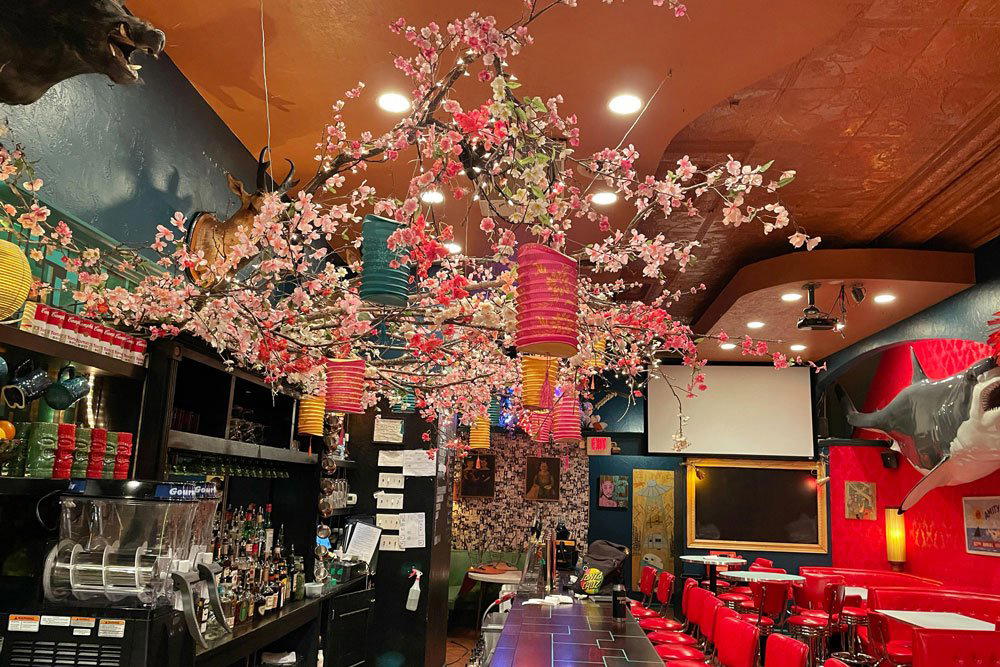
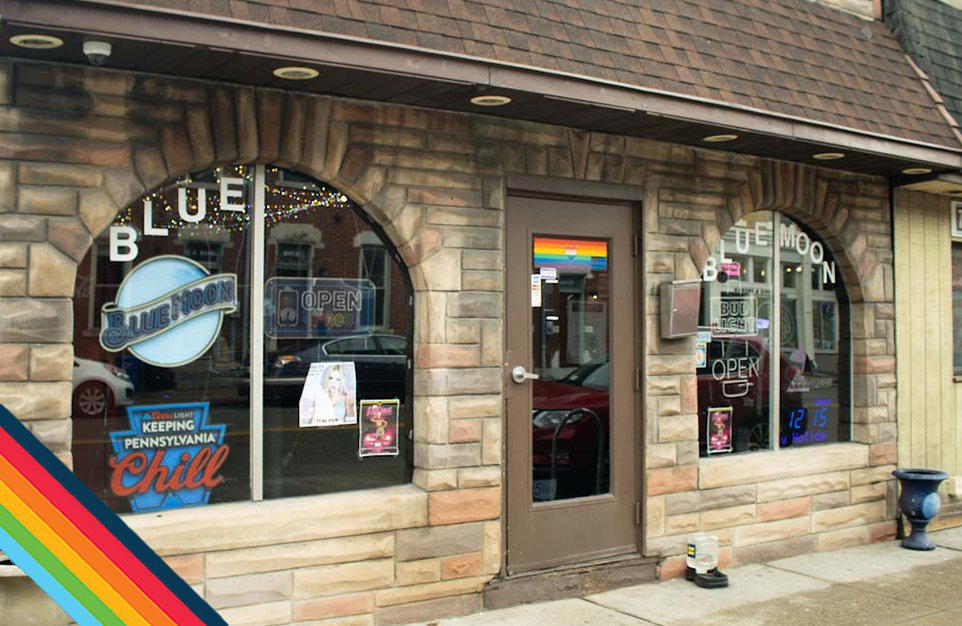
Restaurants in Pittsburgh
Browse all →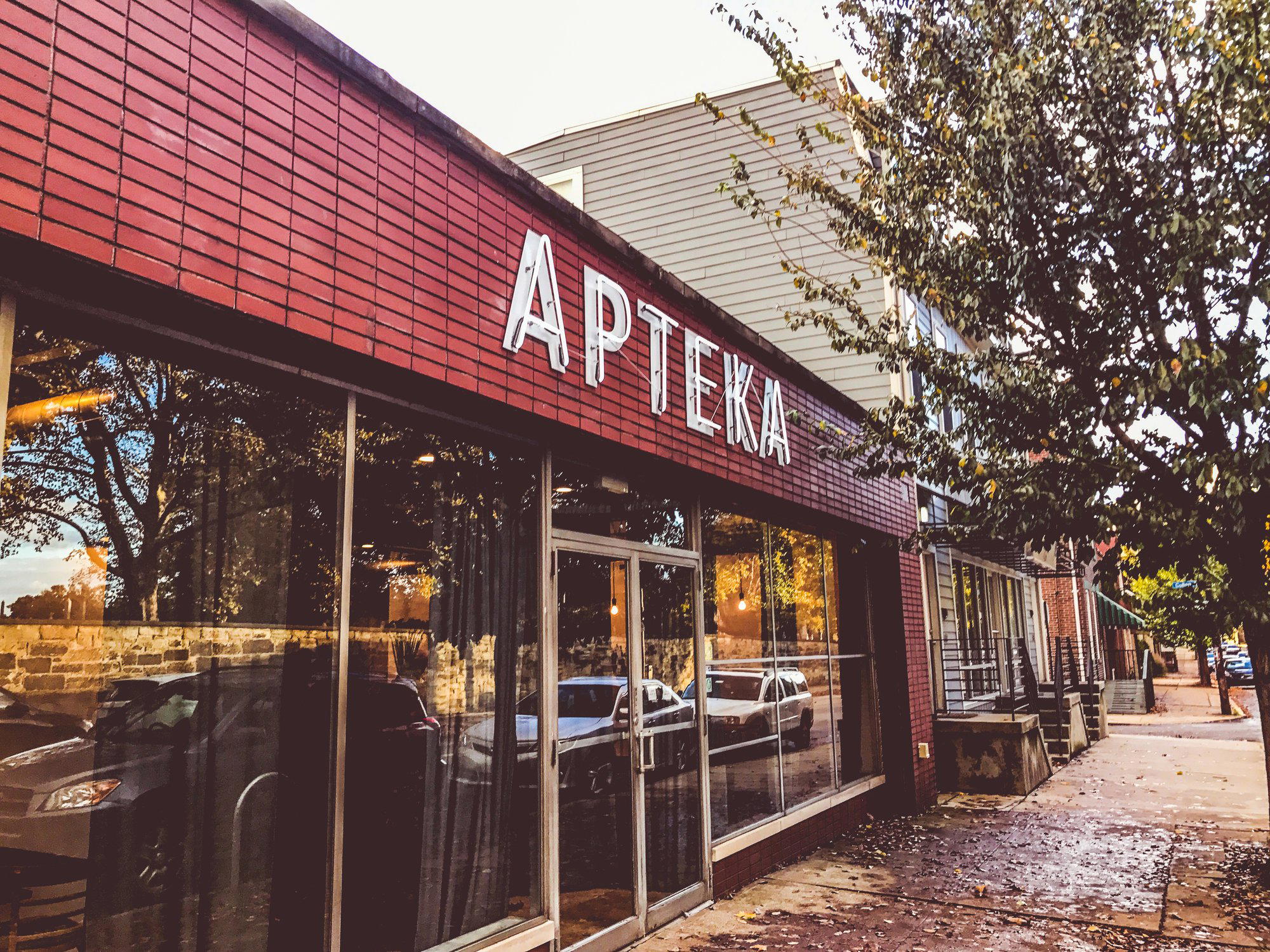
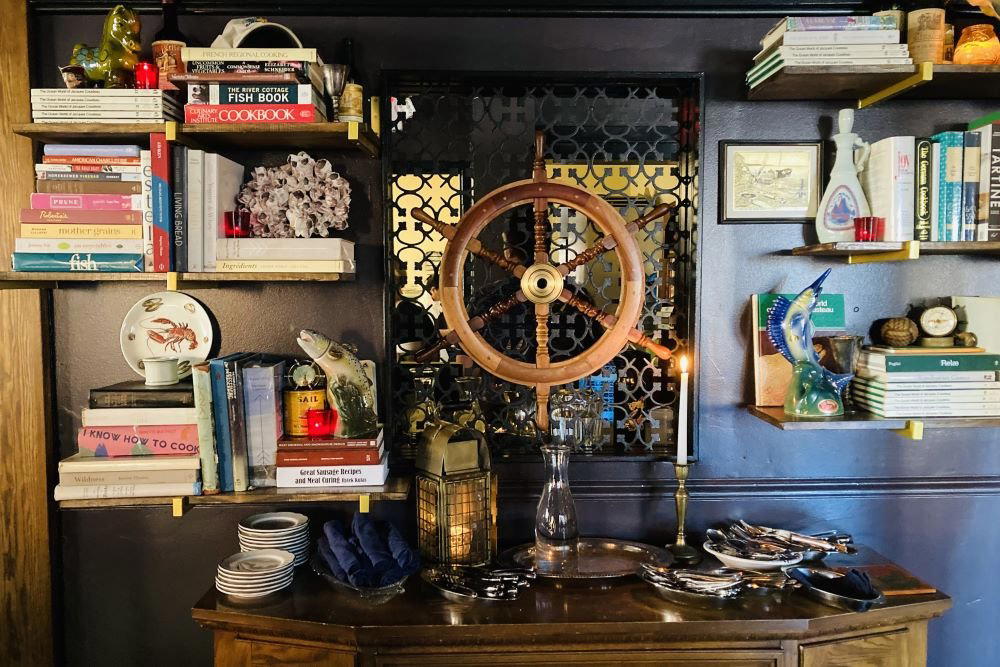
At a Glance
- Cozy
- Intimate
- Elegant
- Date Night
- Late Night
- Casual Hangout
- Seated Bar
- Craft Cocktails
Current opening hours
- Monday
- 5–10 PM
- Tuesday
- 4 PM–12 AM
- Wednesday
- 4 PM–12 AM
- Thursday
- 4 PM–12 AM
- Friday
- 4 PM–1 AM
- Saturday
- 4 PM–1 AM
- Sunday
- Closed
Hours can change for holidays and private events. Last verified .
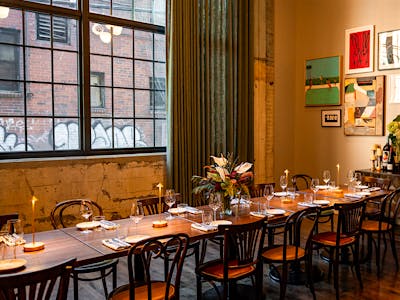
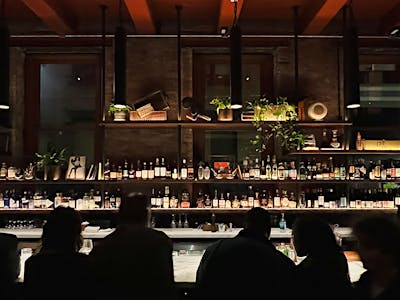
Charming and cozy with beautiful simple decorations evoking a Mediterranean pace.
Know Before You Go
- Getting there
- 3801 Butler St, Pittsburgh, PA 15201