Hōseki
On the ground floor of Saks Fifth Avenue, Hōseki occupies a particular position in Manhattan's premium bar scene: a Japanese-inflected cocktail counter where the pacing and ritual of the drink mirror the discipline of a kaiseki meal. The format is intimate, the attention to each glass deliberate, and the address, midtown's most trafficked retail corridor, is the counterintuitive part.
- Address
- 611 5th Ave, New York, NY 10022
- Phone
- +1 201 429 5118
- Website
- hosekinyc.com
- Directions
- Get directions
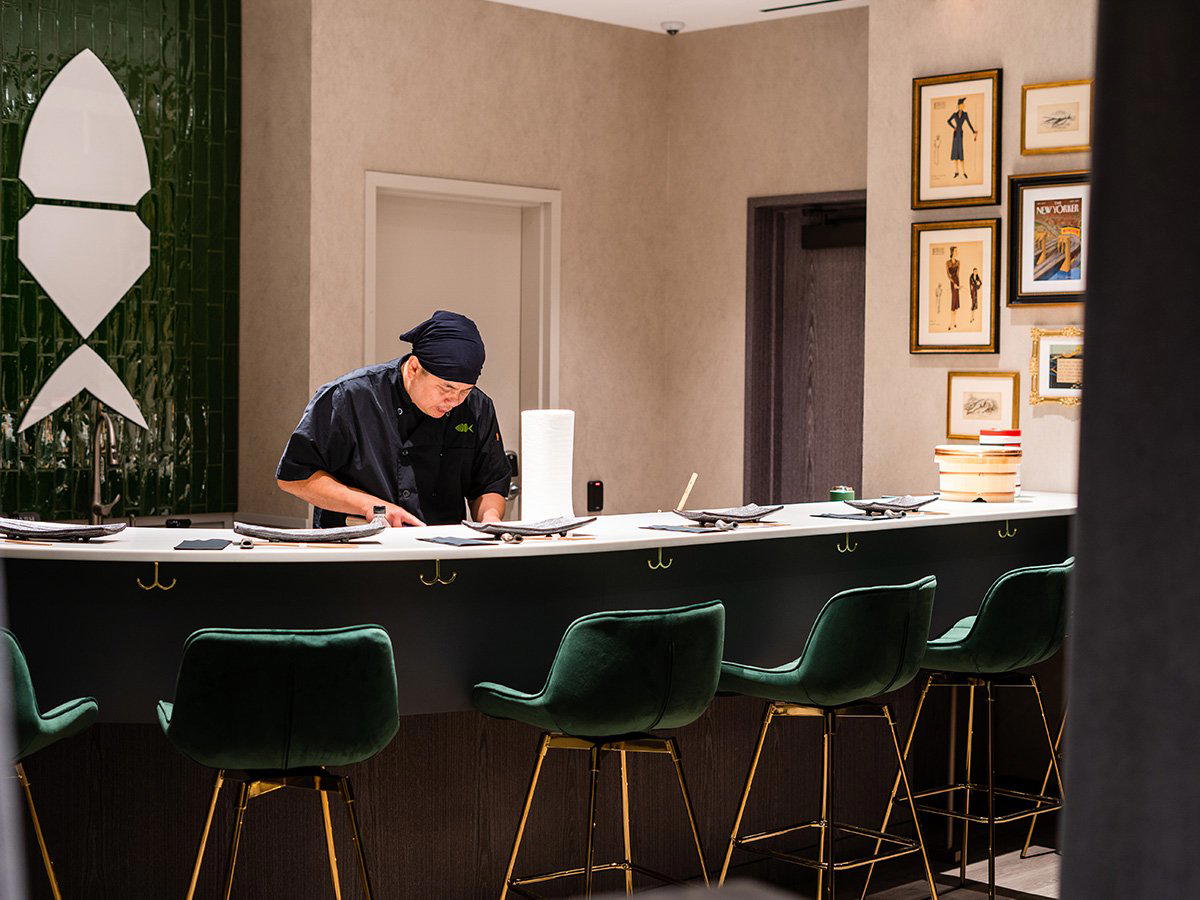
The Counter on Fifth
Midtown Manhattan does not typically reward those looking for stillness. Fifth Avenue at 50th Street is one of the highest-footfall corridors in the country, and the ground floor of Saks Fifth Avenue has historically traded in volume and visibility. Hōseki is a bar at 611 Fifth Avenue in New York City, with a price tier of $95 per person. Hōseki operates against that logic entirely. Behind the retail floor, the bar installs itself as a counter experience calibrated for restraint, a format that reads against the neighbourhood's ambient energy in ways that make the contrast itself part of the proposition.
The Ritual of the Drink
The clearest reference point for understanding Hōseki's format is not the Manhattan cocktail bar canon but the Japanese omakase counter. Across Japan's premium drinking culture, the bar is not a transactional space, it is a site of considered sequence. The guest sits, the bartender composes, and the progression of drinks carries a logic that accumulates over the course of the evening. Each glass arrives with implicit choreography: the timing, the temperature, the choice of vessel. That model has migrated selectively into American bar culture, and Hōseki is among the more serious attempts to translate it to New York without diluting the underlying discipline into atmosphere alone.
This matters because the dining ritual, when applied to drink, changes what the guest is actually doing. You are not ordering; you are receiving. The posture is closer to a tasting menu than a cocktail list, and the skills required of the bartender shift accordingly. The emphasis falls on sequence and restraint rather than individual showmanship, on reading the guest's progression through the evening rather than executing a single impressive pour. New York bars that have moved in this direction, including Angel's Share, which has operated a quiet, service-forward Japanese-influenced counter in the East Village for decades, demonstrate that the format sustains loyalty precisely because it asks something of the guest as well as the bartender.
Where Hōseki Sits in New York's Bar Conversation
New York's cocktail bar scene has stratified considerably since the early 2000s wave of ingredient-forward, historically researched programs. The current upper tier separates into two broad camps: bars organized around a single technical idea or philosophical commitment, and bars organized around service ritual and guest experience as the primary discipline. Hōseki belongs to the second camp. Its address inside Saks connects it loosely to the luxury retail adjacency that has produced other high-concept drinking rooms in the city, but the counter format and Japanese reference points place it in conversation with a different comparable set, one that includes Attaboy NYC, where bartender-led hospitality rather than a fixed menu drives the experience, and Amor y Amargo, where a single-minded commitment to bitters and aperitivo formats creates a similar sense of disciplined constraint.
Beyond New York, the counter-ritual model has found purchase in a handful of other American cities. Kumiko in Chicago has built one of the more sustained American translations of Japanese hospitality into a cocktail bar format, with a kaiseki-influenced structure that runs parallel to what Hōseki is doing in New York. Bar Leather Apron in Honolulu operates a similar counter discipline in a different geographic context. The broader pattern, small-format, technique-forward, hospitality-centered bars pulling from Japanese service culture, has become one of the more coherent movements in American drinking over the past decade. Jewel of the South in New Orleans, Julep in Houston, and ABV in San Francisco each represent a regional variant of the serious-hospitality-bar model, though the Japanese counter reference is more explicit at Hōseki than at most of them.
Internationally, the closest formal comparisons sit in cities where Japanese bar culture has directly shaped the premium tier. The Parlour in Frankfurt on the Main and Allegory in Washington, D.C. point toward how the format travels across different hospitality contexts, each adapting the core discipline of sequential, hospitality-led service to local conditions.
The Saks Address as Context
The placement inside one of Fifth Avenue's most recognized department stores is worth taking seriously rather than dismissing as a commercial compromise. Luxury retail and premium hospitality have a longer shared history than the current moment might suggest, the in-store bar or restaurant as a destination in its own right, separate from the retail floor, has functioned in London and Tokyo for years. Hōseki's positioning within Saks echoes that model: the address attracts a certain visitor, and the counter experience is calibrated to retain them through something more than novelty. In midtown, where the bar-within-retail concept is less established than in comparable international cities, Hōseki occupies a somewhat unusual position, which may account for why it reads as counterintuitive rather than conventional to the New York bar audience.
For visitors to the city, the address at 611 Fifth Avenue places Hōseki within walking distance of Rockefeller Center and Midtown East. The counter format generally implies advance planning: seats at a drinks-omakase bar are typically reserved rather than walk-in, and the ritual experience functions better when the guest arrives with some patience for the pace. Checking availability well ahead of your visit is advisable.
Planning Your Visit
Hōseki is located at 611 Fifth Avenue, New York, NY 10022, within Saks Fifth Avenue. Given the counter format and the deliberate pacing of the experience, arriving without a reservation is a risk in most seasons. The Midtown address means the surrounding area is busy at most hours, but the experience inside is calibrated toward quiet attention rather than ambient noise. Dress accordingly: the format signals formality without requiring it, but the guest who arrives in the spirit of a tasting-menu dinner rather than a quick drink will get more from the ritual.
Cuisine Lens
Comparable venues nearby, for context on price, style, and recognition.
| Venue | Cuisine | Price | Notes |
|---|---|---|---|
| HōsekiThis venue — the venue you are viewing | sake_bar | $$$$ | Not listed |
| Catch | rooftop_bar | $$$$ | West Village |
| Brandy Library | lounge | $$$$ | Tribeca-Civic Center |
| Sushi Sasabune | sake_bar | $$$$ | Upper East Side-Lenox Hill-Roosevelt Island |
| Gong Gan | wine_bar | $$$$ | Flushing-Willets Point |
| Broadway Lounge | hotel_bar | $$$ | Midtown-Times Square |
Continue exploring
More in New York City
Bars in New York City
Browse all →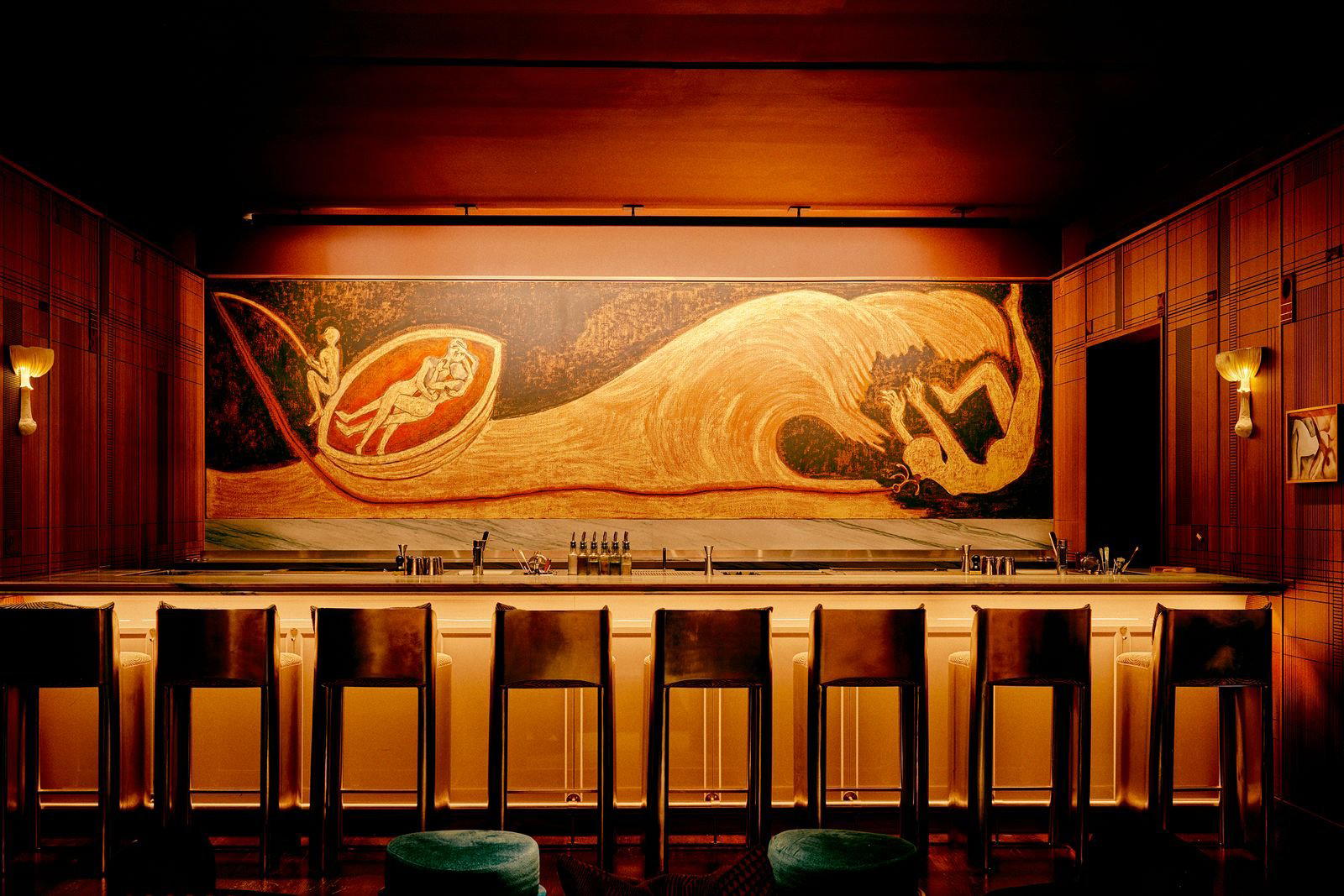
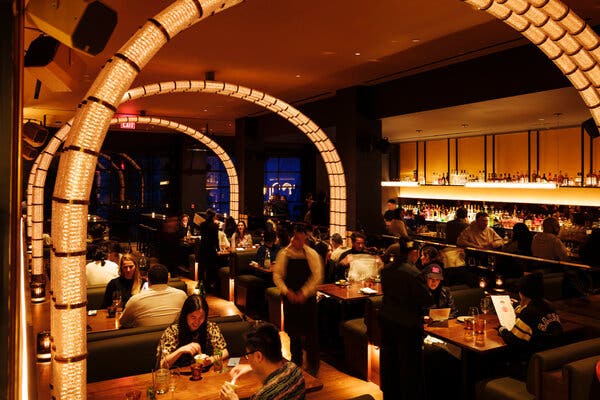
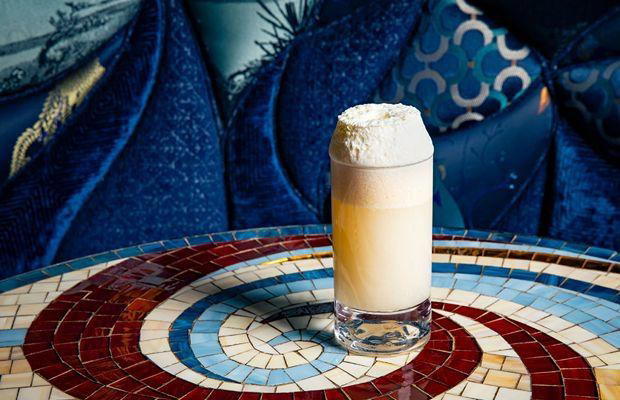
Restaurants in New York City
Browse all →
Hotels in New York City
Browse all →
Wineries in New York City
Browse all →


At a Glance
- Intimate
- Elegant
- Sophisticated
- Date Night
- Special Occasion
- Speakeasy
- Design Destination
- Seated Bar
- Counter Only
- Sake
Jewel-like elegance with plush emerald stools, hand-blown glass pedestals for nigiri, and luxurious refined design amid high-end jewelry displays.