Lakeview Harbor
On the northern edge of New Orleans where Pontchartrain Boulevard meets the lake, Lakeview Harbor occupies a stretch of the city that most visitors never reach. The neighborhood's casual waterfront character shapes the experience as much as anything on the plate, placing this spot in a different register from the French Quarter dining circuit while remaining unmistakably New Orleans in its culinary reference points.
Pearl is the En Primeur Club membership app — saves, bookings, and concierge access live there. Same editors, same standards.
- Address
- 8550 Pontchartrain Blvd, New Orleans, LA 70124
- Phone
- +1 504 486 4887
- Website
- lakeviewharbor.us
- Directions
- Get directions
 Saves & bookings on Pearl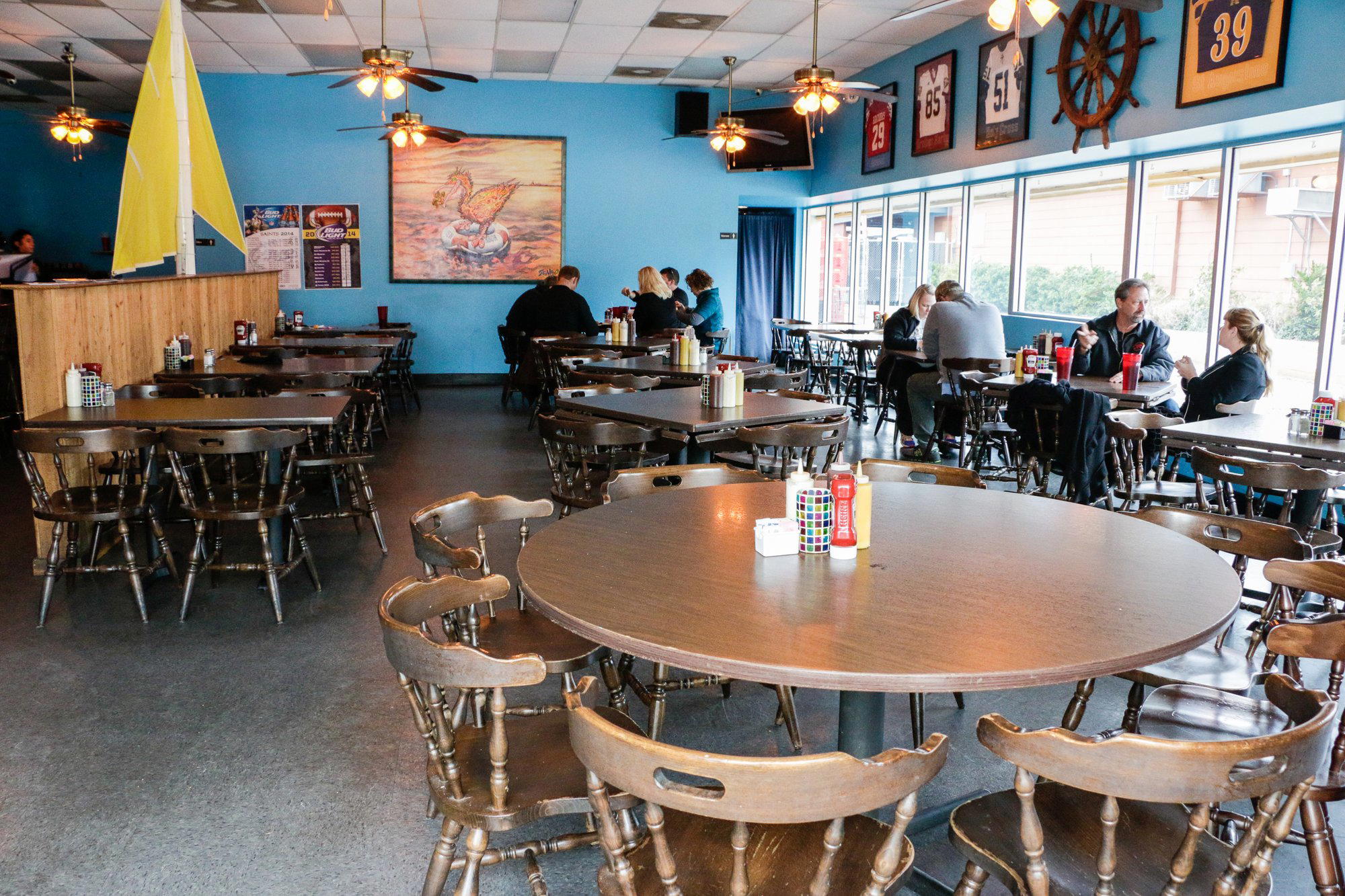
Where the Lake Meets the City's Edges
Pontchartrain Boulevard runs north through a New Orleans that tourists rarely see. By the time the address reaches 8550, the French Quarter's ornate density has given way to a quieter residential grid, and Lake Pontchartrain opens up at the end of the road with a flatness that makes the sky feel larger than it does anywhere else in the city. Arriving at Lakeview Harbor, you feel the shift in register immediately: the neighborhood is working-class lakefront, the pace is unhurried, and the architectural scale is modest in a way that signals this is a place Orleanians eat at, not one they perform for out-of-towners.
That distinction matters in New Orleans more than in most American cities. The dining scene here has always operated across two parallel tracks: a tourist-facing economy anchored in the French Quarter and Warehouse District, and a local circuit of neighborhood spots that never courts publicity but sustains itself decade after decade on repeat custom. Lakeview Harbor sits on that second track, and understanding what that means helps frame why it belongs in a different conversation from the downtown restaurant circuit.
The Lakeview Neighborhood and What It Produces
Lakeview is one of the city's more coherent residential districts, bounded by the lake to the north and City Park to the east. It flooded catastrophically during Hurricane Katrina in 2005 and rebuilt in ways that reshaped its demographic and commercial character. Restaurants in neighborhoods that went through that kind of disruption tend to carry a particular weight with locals: they are read as acts of commitment to a place, not just commercial ventures. That context runs beneath the surface of most dining decisions in post-Katrina New Orleans in ways that visitors rarely register.
The lakefront location also has culinary implications. Southern Louisiana's proximity to both fresh and brackish water has historically given its cooks access to ingredients that don't appear in most American regional cuisines: blue crab from Lake Pontchartrain itself, speckled trout and redfish from the coastal marshes, Gulf shrimp landed at nearby docks. A restaurant on Pontchartrain Boulevard sits at the edge of that supply geography, and the leading neighborhood spots along the lake have always organized their menus around that proximity. The editorial angle worth tracking here is how indigenous Gulf Coast products intersect with technique that has evolved through New Orleans's dense culinary history, which draws on French, West African, Spanish, and Creole traditions in ways that resist easy categorization.
New Orleans Neighborhood Dining in Competitive Context
New Orleans has a deep bench of bars and restaurants that operate outside the headline venues. On the cocktail side, places like Jewel of the South and Cure represent a more program-driven, nationally recognized tier, while Beachbum Berry's Latitude 29 occupies a specialist niche built around tiki tradition and documented historical research. 2 Phat Vegans demonstrates that the city's plant-based sector has developed real identity of its own. Each of these operates with a clear format logic and a defined audience.
Neighborhood restaurants at the lakefront end of the city occupy a different position: lower media profile, higher local loyalty, and a menu language that tends toward the vernacular rather than the interpretive. That's not a diminishment. In many cases, it's where the most honest version of a city's food culture survives. The same structural dynamic appears in other American cities: Julep in Houston has built its identity around Southern tradition with program discipline, while Kumiko in Chicago and ABV in San Francisco represent technically rigorous formats that self-consciously position against their cities' casual neighborhood tiers. Lakeview Harbor, by contrast, belongs to the neighborhood tier itself, which means the frame for evaluating it shifts accordingly.
Internationally, bars and dining rooms that hold their ground through neighborhood loyalty rather than critical attention tell a consistent story: Bar Leather Apron in Honolulu, Superbueno in New York City, Allegory in Washington, D.C., and The Parlour in Frankfurt on the Main each demonstrate that durability in a specific neighborhood context requires a different kind of discipline than winning national awards. The criteria are: does the regular come back, does the format hold across years, and does the sense of place feel earned rather than performed?
Local Ingredients, Gulf Coast Logic
Southern Louisiana's ingredient base is arguably the most distinctive of any American regional cuisine. The convergence of the Mississippi River delta, the Gulf of Mexico, and the coastal wetlands produces a protein range that French-trained chefs spent generations learning to handle through distinctly local techniques: the roux as a flavor base rather than just a thickener, the holy trinity of onion, celery, and bell pepper as an aromatic scaffold, the long braise as a tool for marsh-caught proteins that need time to yield. These aren't techniques imported and applied to local ingredients; they evolved together, which is what makes New Orleans cooking resistant to easy replication outside its geography.
The lakefront adds another layer. Blue crabs from Pontchartrain have a briny sweetness that differs from Atlantic or Pacific crab; speckled trout from the coastal marshes cooks differently from farmed alternatives; Gulf oysters carry terroir in the same way wine grapes do, shaped by the specific salinity and temperature of their growing waters. A restaurant on Pontchartrain Boulevard that takes that ingredient geography seriously has access to a supply chain that most American restaurants can only approximate with overnight shipping. For visitors who have been eating well on the French Quarter circuit, a lakefront meal reframes the same cuisine through a different lens: less theatrical, more elemental.
Planning a Visit to Lakeview
Reaching Lakeview from the French Quarter or the Central Business District requires either a car or a rideshare of roughly fifteen to twenty minutes, depending on traffic. The neighborhood doesn't have the walkable density of Uptown or the Marigny, so building a visit here into a broader itinerary works well when it anchors a specific evening or afternoon rather than serving as one stop among many. The lakefront itself rewards arriving before dark: the light over Pontchartrain in the late afternoon is one of the quieter pleasures the city offers, and it provides context for understanding why this stretch of the city generates the loyalty it does among Orleanians.
For those building a fuller picture of the city's dining geography, our full New Orleans restaurants guide maps the broader scene across neighborhoods and price tiers, placing lakefront spots in relation to the French Quarter, Garden District, and Bywater venues that receive most of the national attention.
Continue exploring
More in New Orleans
Bars in New Orleans
Browse all →
Restaurants in New Orleans
Browse all →
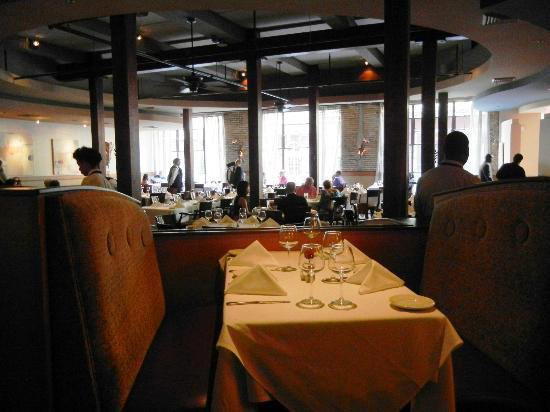
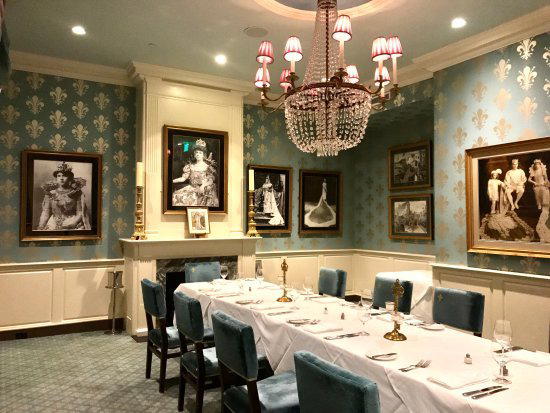
At a Glance
- Lively
- Casual
- Rustic
- Casual Hangout
- Group Outing
- After Work
- Waterfront
- Seated Bar
- Booth Seating
- Classic Cocktails
- Craft Beer
- Waterfront
Current opening hours
- Monday
- 11 AM–10 PM
- Tuesday
- 11 AM–10 PM
- Wednesday
- 11 AM–10 PM
- Thursday
- 11 AM–10 PM
- Friday
- 11 AM–11 PM
- Saturday
- 10 AM–11 PM
- Sunday
- 10 AM–10 PM
Hours can change for holidays and private events. Last verified .
Casual welcoming atmosphere ideal for families and friends enjoying hearty meals.
Know Before You Go
- Getting there
- 8550 Pontchartrain Blvd, New Orleans, LA 70124