The Courtyard Brewery
A craft brewery operating out of a converted warehouse on Camp Street in New Orleans' Lower Garden District, The Courtyard Brewery sits at the intersection of the city's drinking culture and its appetite for low-key, neighbourhood-scale hospitality. The open-air courtyard format makes it a different proposition by day than by night, shifting from a relaxed afternoon retreat to a livelier gathering point as the city warms up after dark.

Pearl is the En Primeur Club membership app — saves, bookings, and concierge access live there. Same editors, same standards.
- Address
- 1160 Camp St, New Orleans, LA 70130
- Hours
- Mon–Thu 4–10 PMFri–Sat 11 AM–11 PMSun 11 AM–10 PM
- Website
- courtyardbrewery.square.site
- Directions
- Get directions
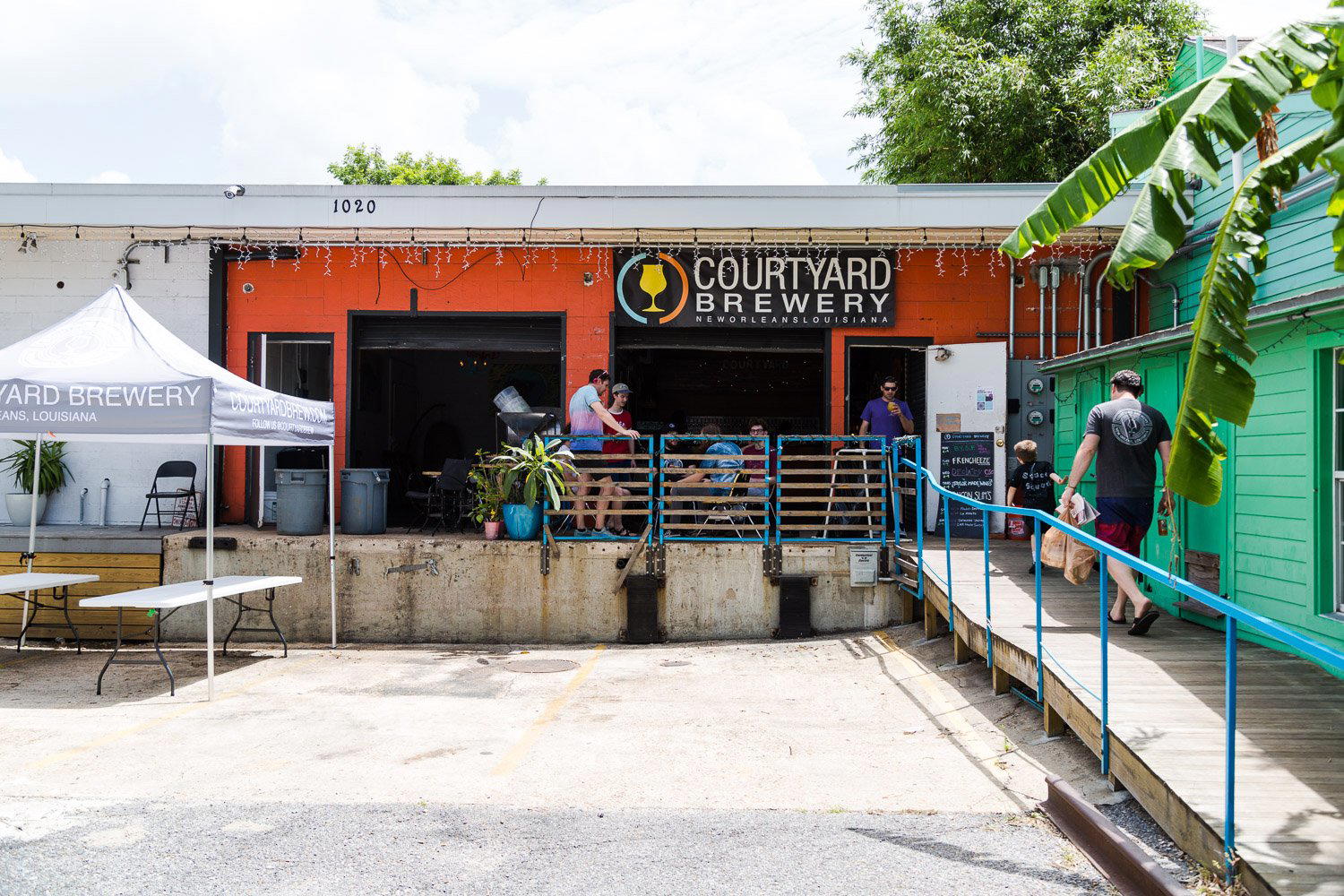
Camp Street, Craft Beer, and the New Orleans Drinking Ritual
New Orleans has never been a city that separates drinking from living. The culture of the open container, the second-line parade that passes through a neighbourhood bar's front door, the daiquiri shop operating at the speed of a drive-through window — all of it points to a city where alcohol is infrastructure, not occasion. Craft beer arrived later here than in cities like Portland or Denver, but it arrived on New Orleans' own terms: embedded in neighbourhoods, attached to outdoor space, and designed around the unhurried pace the city has always demanded from its hospitality institutions.
The Courtyard Brewery, located at 1160 Camp St in the Lower Garden District, belongs to that wave. The address places it away from the French Quarter's tourist corridor and outside the concentrated cocktail bar circuit of Freret Street, which means its audience skews local. That geography is itself a signal: a craft brewery that survives and builds a following in a residential pocket of New Orleans is earning its place through repeat visits, not foot traffic.
What the Courtyard Format Does to the Experience
Outdoor drinking space in New Orleans functions differently than it does in, say, Chicago or San Francisco, where a patio is a seasonal luxury. Here, open air is the default expectation for a certain kind of bar — especially one operating in a converted structure with enough room to spread out. The courtyard format at this address defines the rhythm of the visit in both daylight and evening hours, and the gap between those two modes is wider than it might appear.
Afternoon arrivals find something close to a neighbourhood clubhouse. The pace slows, the crowd is thinner, and the relationship between the space and the beer in your hand becomes more deliberate. Craft brewery taprooms operating in low-tourist zones of American cities have refined this format over the past decade: the daytime visit functions partly as a tasting room, partly as a remote-work alternative, partly as the kind of place where a Saturday afternoon disappears without anyone planning it. New Orleans' climate intensifies this. When the weather cooperates, a shaded courtyard with a cold glass is hard to argue against.
Evening service shifts the register. The same outdoor space that felt contemplative at 3pm takes on more energy by 8pm, as neighbourhood residents filter in and the beer list becomes a social lubricant rather than the primary focus. This is a pattern visible across the stronger craft taprooms in American mid-tier cities: the space does double duty without changing a single piece of furniture, which is both a design achievement and a test of how well a brewery understands its audience.
New Orleans' Craft Beer Tier and Where This Fits
The city's cocktail bar scene draws most of the national press attention. Jewel of the South operates in the French Quarter with a Spirited Award-recognised program. Cure, on Freret Street, was among the first bars to signal that New Orleans could compete at the level of New York or Chicago in serious cocktail technique. Beachbum Berry's Latitude 29 carved out its own niche with a tiki-rooted program that takes rum as seriously as most bars take whiskey.
Craft beer sits in a different tier of the city's drinking conversation, and that position has its own advantages. The competitive pressure is lower, the audience expectations are different, and the relationship between a neighbourhood brewery and its regulars tends to be more durable than the relationship between a destination cocktail bar and its occasional visitors. Nationally, the most respected taprooms in smaller American cities, the ones that earn word-of-mouth over years rather than press cycles, tend to share a few traits: consistent quality on a rotating tap list, outdoor space that functions across seasons, and pricing that makes a second or third visit easy to justify. The Courtyard Brewery's Camp Street location positions it to operate in that mode.
For readers who track the craft bar scene across American cities, the comparison set is instructive. ABV in San Francisco occupies a similar neighbourhood-anchor role in the Mission District. Julep in Houston has built a reputation that extends well beyond its zip code while remaining embedded in its local community. In New Orleans, the equivalent durability tends to belong to places that resist the temptation to pitch themselves at the tourist market and instead build slowly through the city's residential fabric.
The Lower Garden District as a Drinking Destination
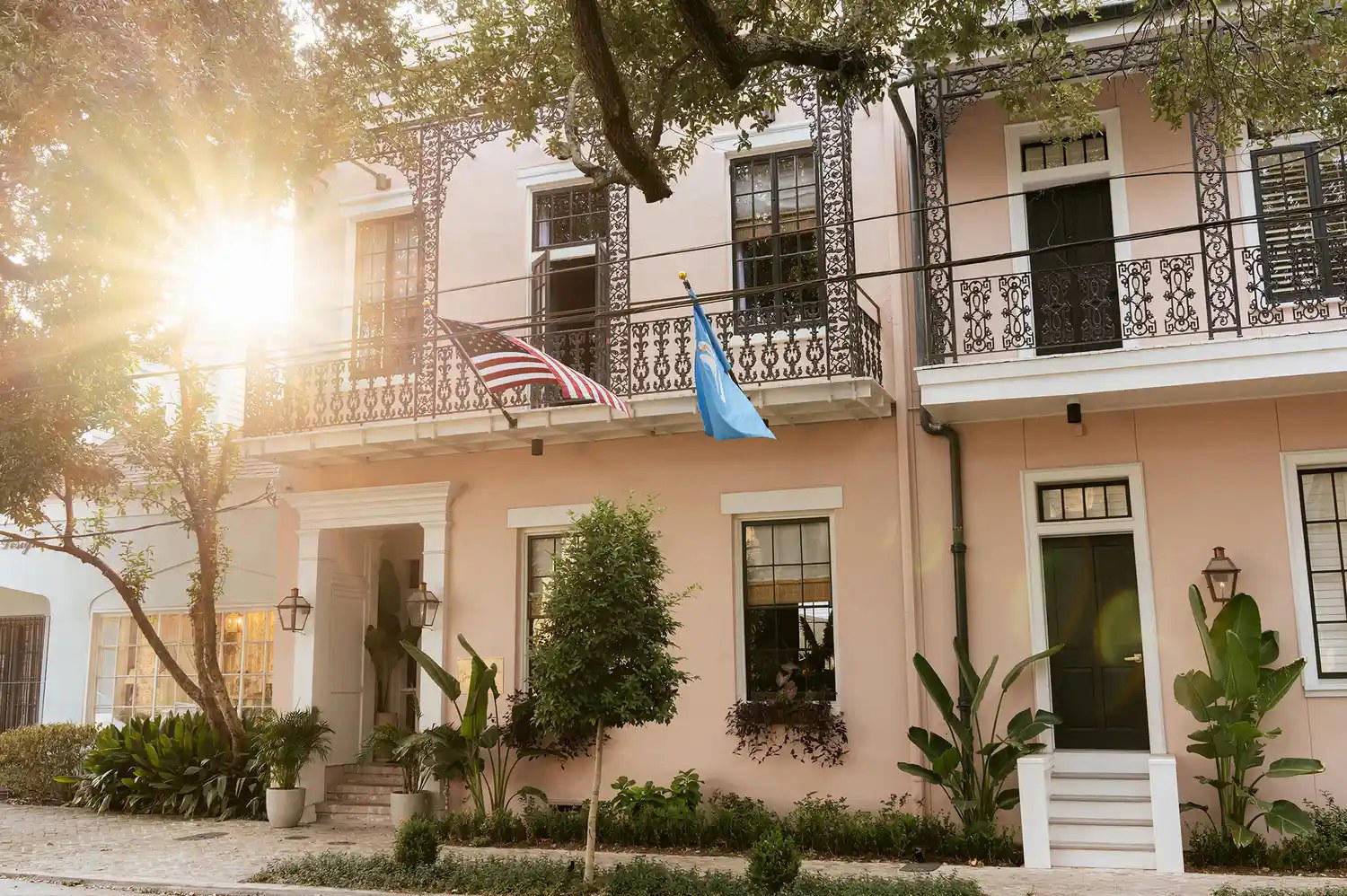
Camp Street runs through a part of New Orleans that rewards unhurried exploration. The Lower Garden District has the architectural density of the Garden District proper, Greek Revival and Italianate houses on tree-lined blocks, without the same concentration of walking tour groups. Restaurants and bars in this zone tend to serve the surrounding population first and visitors second, which changes the atmosphere inside them.
A craft brewery on this stretch is filling a gap that the neighbourhood's existing bar infrastructure leaves open. The cocktail bars are further uptown or in the Quarter; the corner dive bars serve a different purpose. A taproom with outdoor seating and an emphasis on locally produced beer occupies a specific niche in the drinking ecology of a neighbourhood like this, casual enough for a Tuesday after work, comfortable enough for a longer Friday session.
For context on how other serious drinking cities handle neighbourhood-anchor bars, Kumiko in Chicago and Allegory in Washington, D.C. both demonstrate what happens when a bar commits to a specific neighbourhood identity and builds its program around that commitment rather than chasing a broader audience. Superbueno in New York City and Bar Leather Apron in Honolulu make the same case in different coastal markets. The Parlour in Frankfurt on the Main extends the principle internationally. The Courtyard Brewery is playing a version of this long game in a city that rewards patience.
See our full New Orleans restaurants guide for a broader map of where to eat and drink across the city. For a different pace on the same visit, 2 Phat Vegans offers an entirely different angle on the neighbourhood's food and drink scene.
Know Before You Go
- Address: 1160 Camp St, New Orleans, LA 70130
- Neighbourhood: Lower Garden District
- Format: Craft brewery taproom with courtyard seating
- Ideal time to visit: Weekday afternoons for the quietest experience; weekend evenings for the most activity
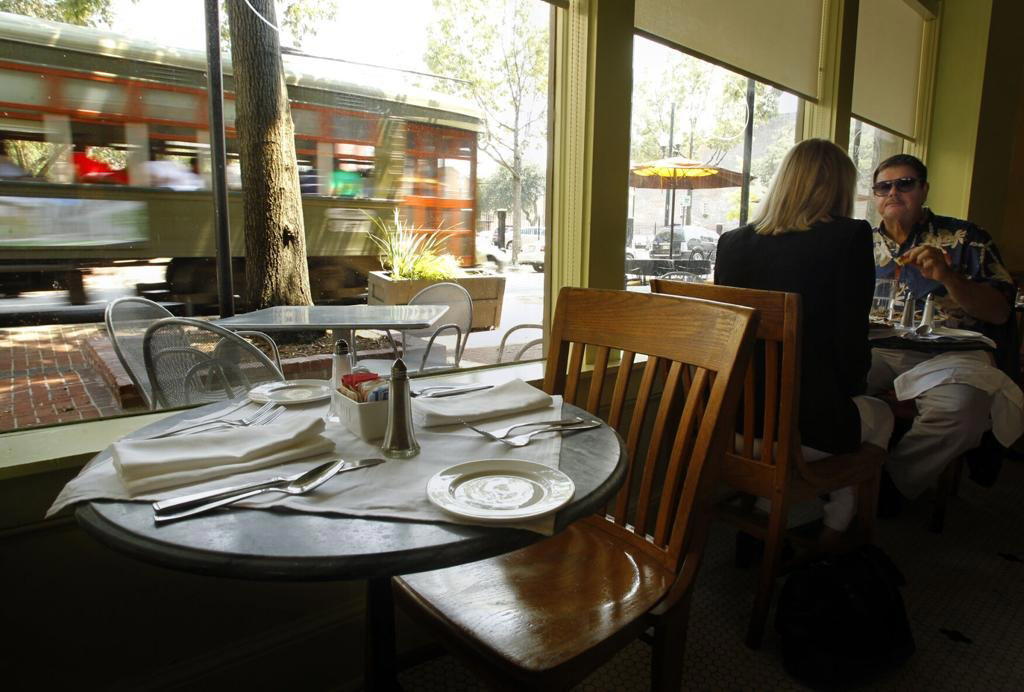
- Getting there: Camp Street is accessible by the St. Charles Avenue streetcar (alight at Felicity or Melpomene) or by rideshare from the French Quarter, approximately 10-15 minutes by car outside peak hours
- Booking: Walk-in format; no reservation system for standard taproom visits
- Price range: Not confirmed; craft brewery taprooms in this segment of the New Orleans market typically sit below the price point of the city's cocktail bar tier
Where the Accolades Land
A quick peer check to anchor this venue’s price and recognition.
| Venue | Cuisine | Price | Awards |
|---|---|---|---|
| The Courtyard BreweryThis venue — the venue you are viewing | Not listed | Not listed | Not listed |
| Jewel of the South | New American | Not listed | World's 50 Best #6 · James Beard Award Outstanding Bar #1 |
| Beachbum Berry's Latitude 29 | Not listed | $30–50 | World's 50 Best #80 · Top 500 Bars Best Bars #244 |
| Cure | Not listed | $30–50 | World's 50 Best #21 · James Beard Award Outstanding Bar Program |
| Cane & Table | Not listed | $30–50 | Top 500 Bars Best Bars #288 |
| The Carousel Bar | Not listed | $30–50 | Food & Wine Top 10 US Hotel Bars #3 · Top 500 Bars Best Bars #280 |
Continue exploring
More in New Orleans
Bars in New Orleans
Browse all →
Restaurants in New Orleans
Browse all →
Details
- Lively
- Industrial
- Trendy
- Casual
- Casual Hangout
- Group Outing
- After Work
- Standalone
- Terrace
- Courtyard
- Beer Garden
- Seated Bar
- Outdoor Terrace
- Communal Tables
- Craft Beer
Current opening hours
- Monday
- 4–10 PM
- Tuesday
- 4–10 PM
- Wednesday
- 4–10 PM
- Thursday
- 4–10 PM
- Friday
- 11 AM–11 PM
- Saturday
- 11 AM–11 PM
- Sunday
- 11 AM–10 PM
Hours can change for holidays and private events. Last verified .