Our verdict
Modern Japanese dining in Cam Pha, Vietnam, with a format spanning sushi, teppanyaki, and kaiseki. Genji occupies a niche position in northern Vietnam's dining circuit, where structured Japanese multi-course traditions are far from standard. For travellers passing through the Quảng Ninh coast, it represents one of the few places to engage seriously with Japanese culinary form outside of Hanoi or Ho Chi Minh City.

Pearl is the En Primeur Club membership app — saves, bookings, and concierge access live there. Same editors, same standards.
- Address
- Cam Pha, Vietnam
- Directions
- Get directions
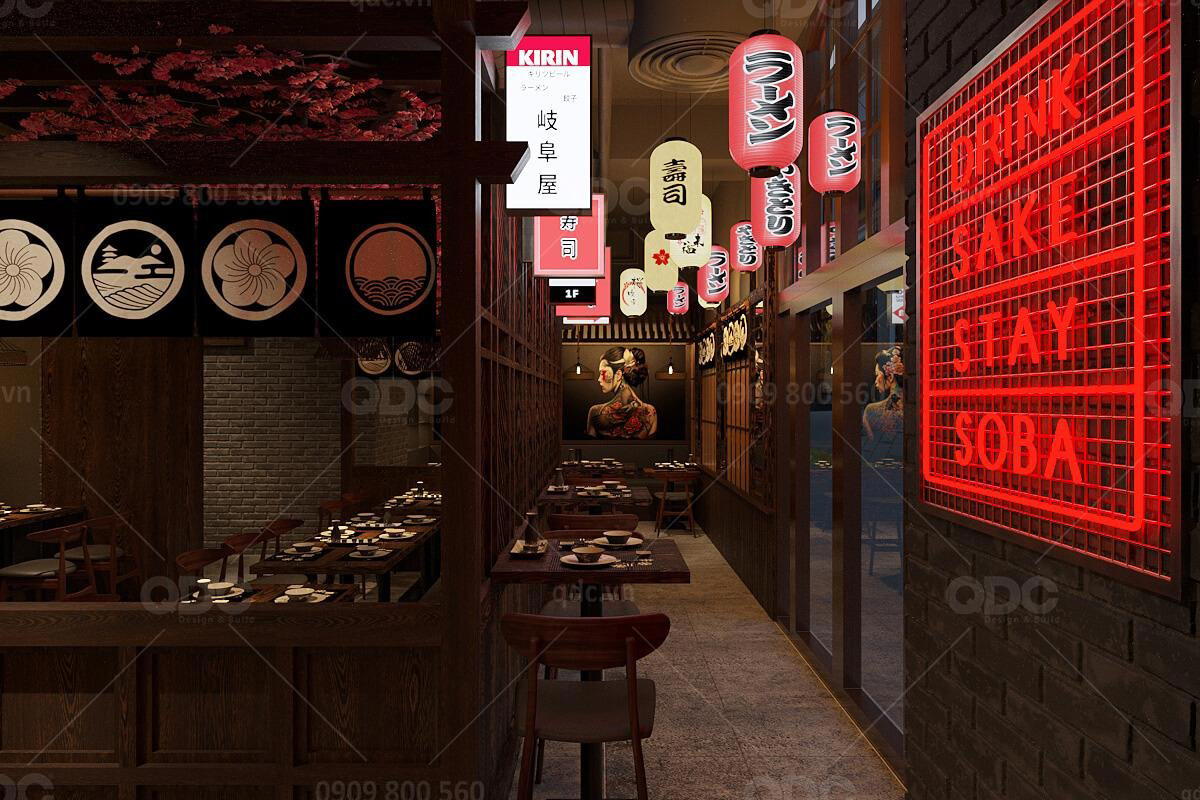
Japanese Structure in an Unlikely Setting
Cam Pha sits on Vietnam's northeastern coast, a working port town in Quảng Ninh province better known for coal logistics than restaurant culture. It draws visitors largely as a staging point for Ha Long Bay, and its dining circuit reflects that: seafood-forward, casual, and oriented around the local catch rather than imported culinary traditions. Against that backdrop, a restaurant operating across sushi, teppanyaki, and kaiseki formats is a genuine outlier — not because Japanese food is rare in Vietnam, but because the kaiseki tradition specifically demands a level of compositional discipline and seasonal sensitivity that rarely travels well outside major urban centres.
Genji is that outlier in Cam Pha. Its three-format structure — raw counter work, live-fire teppanyaki, and the multi-course kaiseki sequence, positions it closer to the Japanese dining establishments found in Hanoi's premium tier or the upper bracket of Ho Chi Minh City's hotel dining circuits than to anything else operating in this part of Quảng Ninh. For context, Vietnam's most recognised Japanese-influenced fine dining tends to cluster in the south: Akuna in Ho Chi Minh City and the contemporary refinement of Gia in Hanoi represent the kind of precision-led cooking that shares philosophical territory with kaiseki, even when the cuisine is Vietnamese rather than Japanese. Genji occupies equivalent conceptual ground, structured, sequence-driven, technically demanding, but in a city with almost no comparable reference points.
The Kaiseki Frame: What It Means for How You Eat Here
Kaiseki is among the most codified dining traditions in Japanese culture. Rooted in the tea ceremony and formalised through the Kyoto restaurant tradition, it organises a meal as a progression of small courses, each calibrated to reflect seasonality, texture contrast, and aesthetic principle. The sequence is not arbitrary: it moves from lighter preparations through to richer ones, with each dish intended to reset the palate rather than simply extend it. At its most disciplined, kaiseki is as much an exercise in restraint as in abundance, which is what separates it structurally from Western tasting menus that may share a similar course count but follow a different internal logic.
When kaiseki appears outside Japan, it tends to do so either in major cosmopolitan cities with established Japanese expat communities, or in hotel dining contexts where the format can command the price point it requires to sustain. Vietnam's engagement with the tradition has historically been limited to Hanoi and Ho Chi Minh City, where venues like the French-influenced La Maison 1888 in Da Nang demonstrate the kind of multi-course investment that premium Vietnamese dining has been willing to make in structured European formats. Japanese multi-course work has followed a slower path. Genji's presence in Cam Pha suggests either a hotel context or a market bet that the coastal tourism corridor through Quảng Ninh has matured enough to support it.
Three Formats, One Kitchen Logic
The decision to operate sushi, teppanyaki, and kaiseki under one roof is worth examining as a format choice. In Japan, these would typically occupy separate establishments with distinct counter cultures and price tiers. Sushi-ya and teppanyaki houses compete in entirely different registers; kaiseki restaurants occupy a category of their own, often with set menus, strict time slots, and no à la carte option. Combining them is a pragmatic concession to the reality of dining in a smaller market, where a single-format Japanese fine dining room cannot sustain the cover count it would need to operate viably.
The risk in that combination is dilution: a kitchen asked to execute live-fire teppanyaki and precisely sequenced kaiseki courses on the same service is managing two fundamentally different production disciplines. The benefit, for the diner, is flexibility. A guest wanting the theatre of teppanyaki, the heat, the speed, the visual performance of cooking at the table, and a guest wanting the meditative pace of a kaiseki sequence can both be accommodated. It also allows Genji to price across a wider range than a single-format room would permit.
For comparison, venues in Vietnam's premium coastal circuit tend to specialise rather than diversify: Saffron in Hue City and Cargo Club in Hoi An each operate within tighter culinary frames. Genji's broader format range is a direct response to its market position in Cam Pha, where visitor diversity and thinner local dining infrastructure make versatility more commercially rational than specialisation.
Where Genji Sits in the Cam Pha Dining Circuit
Cam Pha's restaurant options skew heavily toward Vietnamese seafood, with the provincial catch from the surrounding bay driving most menus. The closest conceptually diverse alternative within the town is Kitchen Craft, an all-day operation running Western, Asian, and dessert kitchens, a format built for range rather than depth in any single culinary tradition. Genji addresses a different appetite: structured, course-driven, with a format that rewards attention and patience rather than casual throughput.
Travellers whose frame of reference for Vietnamese regional dining runs through Bau Troi Do in Son Tra or the northern coastal options near Le Pont Club in Hai Phong will find Genji a deliberate departure from local seafood-forward tradition. That departure is the point. The kaiseki frame imposes a different relationship between diner and kitchen, one where the kitchen sets the pace and the diner's role is to receive each stage of the meal on its own terms, rather than to order reactively from a broad menu.
For wider northern Vietnam dining context, the full Cam Pha restaurants guide maps out the options across cuisine types and formats. And for travellers tracking Japanese-influenced precision cooking across Southeast Asia more broadly, the international reference points for kaiseki-adjacent serious cooking, multi-course, technique-led, sequence-disciplined, include formats like those at Lazy Bear in San Francisco and the seafood precision of Le Bernardin in New York City, both of which share the structural logic of a kitchen that dictates the meal's arc.
Planning Your Visit
Given the format, kaiseki particularly requires advance planning in any market, the general rule for structured multi-course Japanese dining applies: contact the venue well ahead of your intended visit rather than arriving speculatively. Teppanyaki and sushi counters typically accommodate shorter-notice bookings, but kaiseki sequences in lower-volume markets may run on fixed schedules or require minimum group sizes. Cam Pha is accessible from Ha Long City by road, and most visitors arrive as part of a broader Quảng Ninh itinerary rather than as a destination visit in itself. Building Genji into a Ha Long Bay trip rather than treating it as a standalone destination is the practical framing most visitors will use.
Frequently asked questions
Is Genji suitable for children?
Kaiseki dining follows a structured, multi-course sequence that demands patience from diners, which can be a challenge for younger children. The sushi and teppanyaki formats at Genji are more interactive and likely better suited to families.
What's the vibe at Genji?
Genji operates across three distinct Japanese formats — sushi, teppanyaki, and kaiseki — each of which carries a different register. Kaiseki tends toward quiet, deliberate pacing, while teppanyaki counters are inherently more theatrical and social. In the context of Cam Pha, a working port city in Quảng Ninh province, the overall tone is likely more composed than the surrounding seafood-focused local dining circuit.
What do people recommend at Genji?
Given that the kitchen runs sushi, teppanyaki, and kaiseki under one roof, the kaiseki format is the most structurally demanding to execute and typically signals the kitchen's range. That would be the format to benchmark on a first visit.
How far ahead should I plan for Genji?
That said, a modern Japanese restaurant operating kaiseki in Cam Pha occupies a narrow niche in Quảng Ninh province, and seat availability may be limited simply by format rather than demand. Reaching out to the venue directly ahead of your travel dates is the practical approach.
How It Stacks Up
Comparable venues nearby, for context on price, style, and recognition.
| Venue | Cuisine | Price | Notes |
|---|---|---|---|
| GenjiThis venue — the venue you are viewing | Modern Japanese Kaiseki | Not listed | Not listed |
| Kitchen Craft | International All-Day Dining | $30–50 | Cam Pha |
| 84 P. Trần Nhân Tông | Michelin-Starred Japanese Omakase & Sushi | $100–150 | Hai Ba Trung |
| Yakiniku Yazawa Saigon | Japanese Yakiniku with A5 Wagyu Omakase | $150–200 | Quan 3 |
| Kiyo Dalat | Japanese | Not listed | A Lat |
Details
- Modern
- Elegant
- Sophisticated
- Special Occasion
- Family
- Group Dining
- Hotel Restaurant
- Open Kitchen
- Mountain
- A La Carte
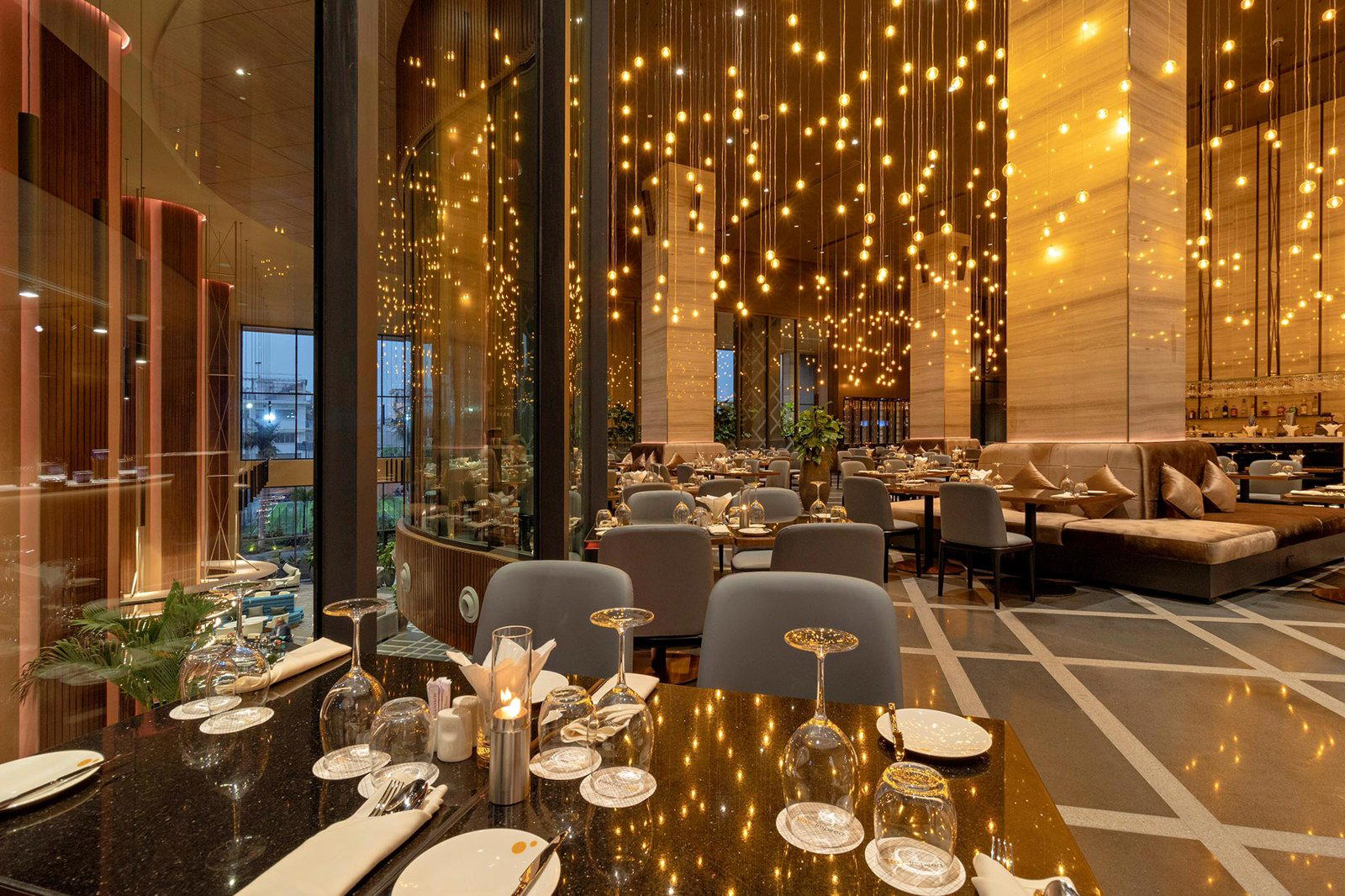
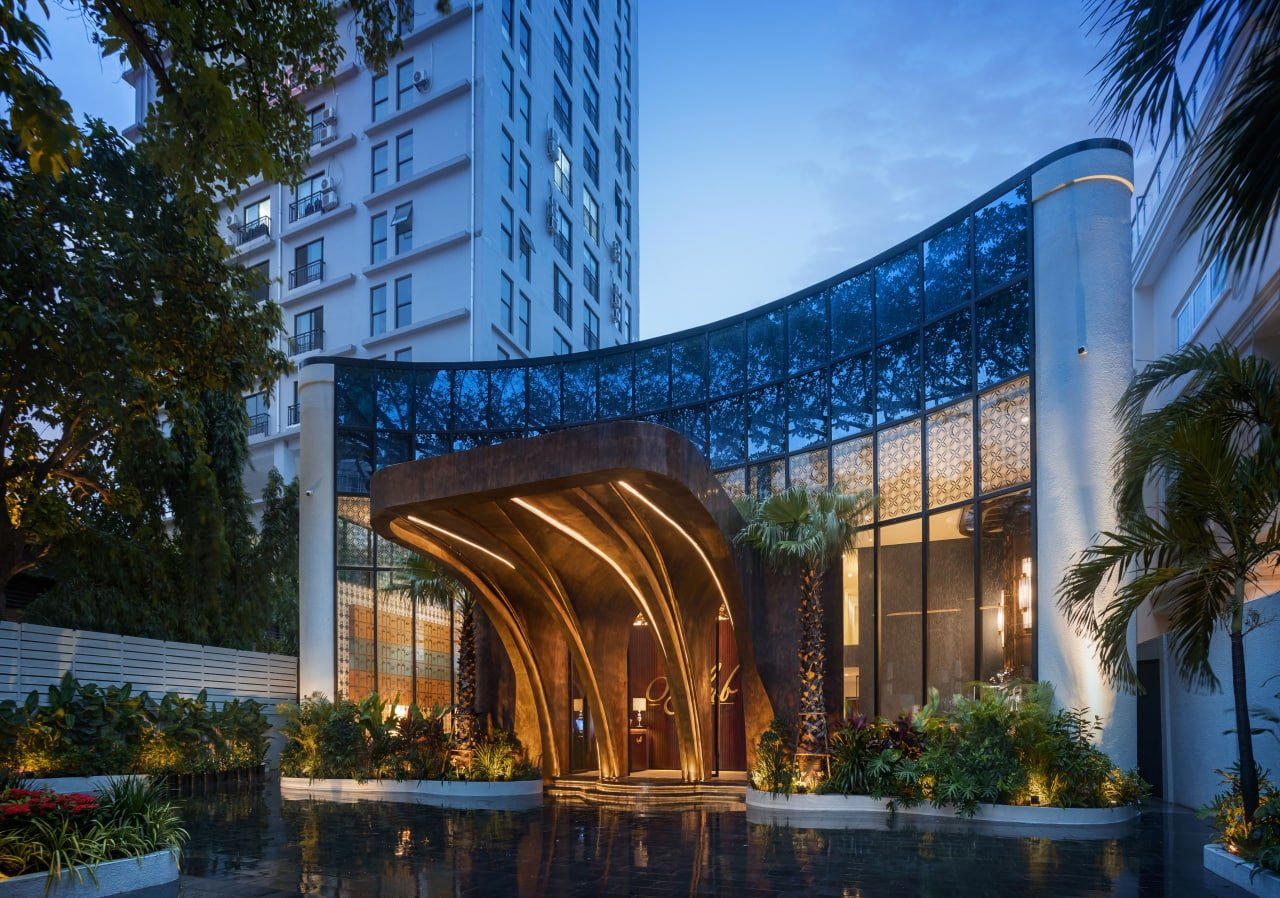
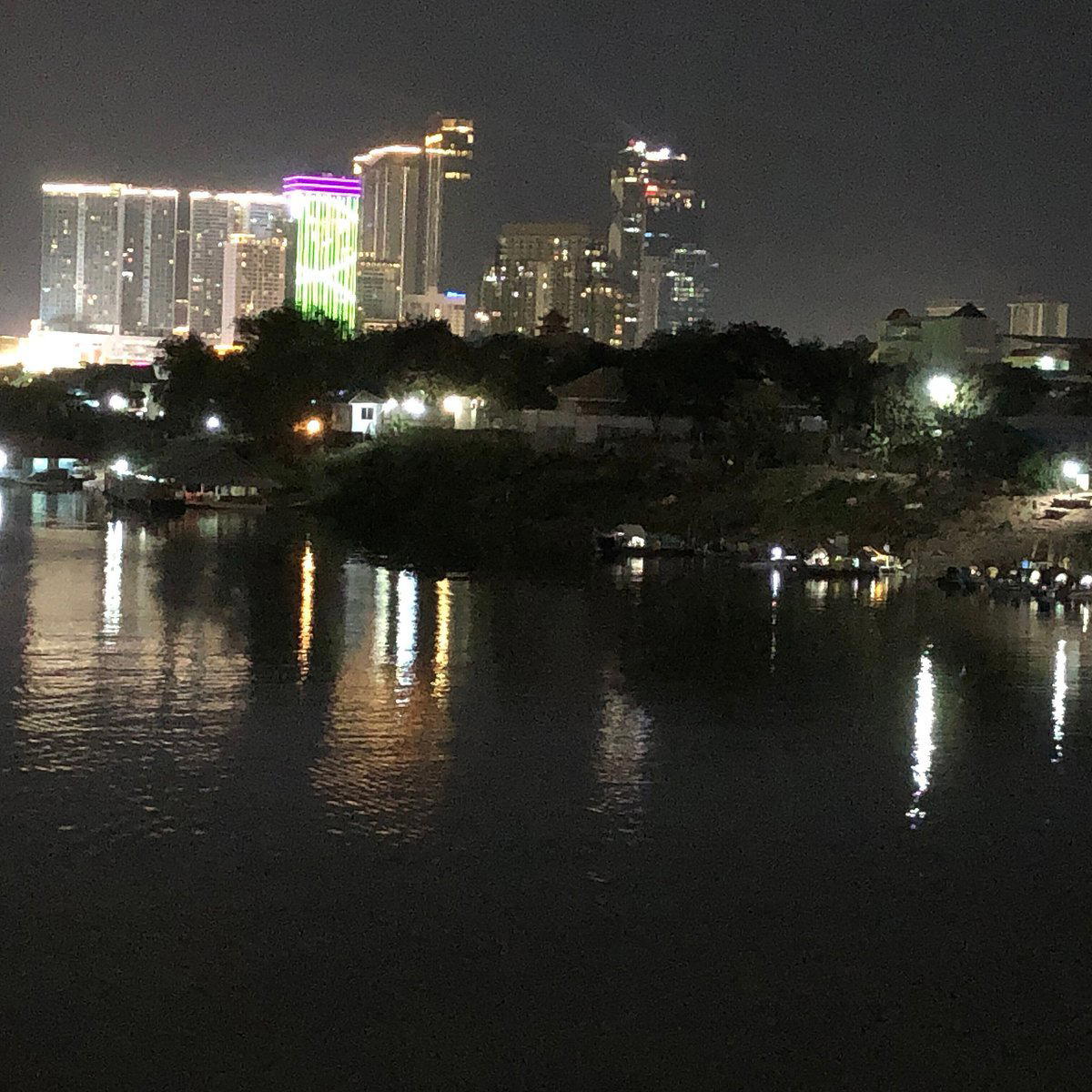
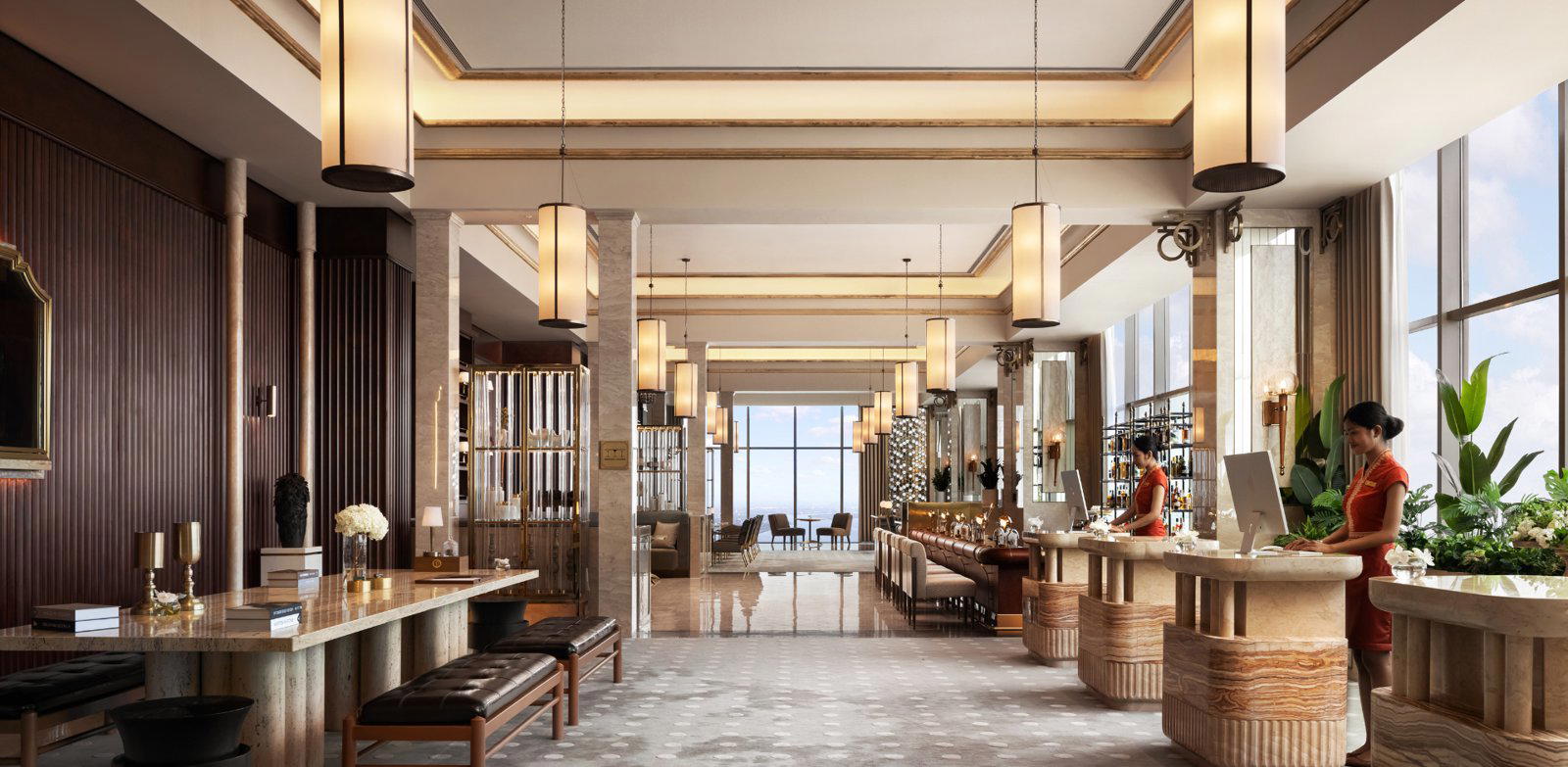
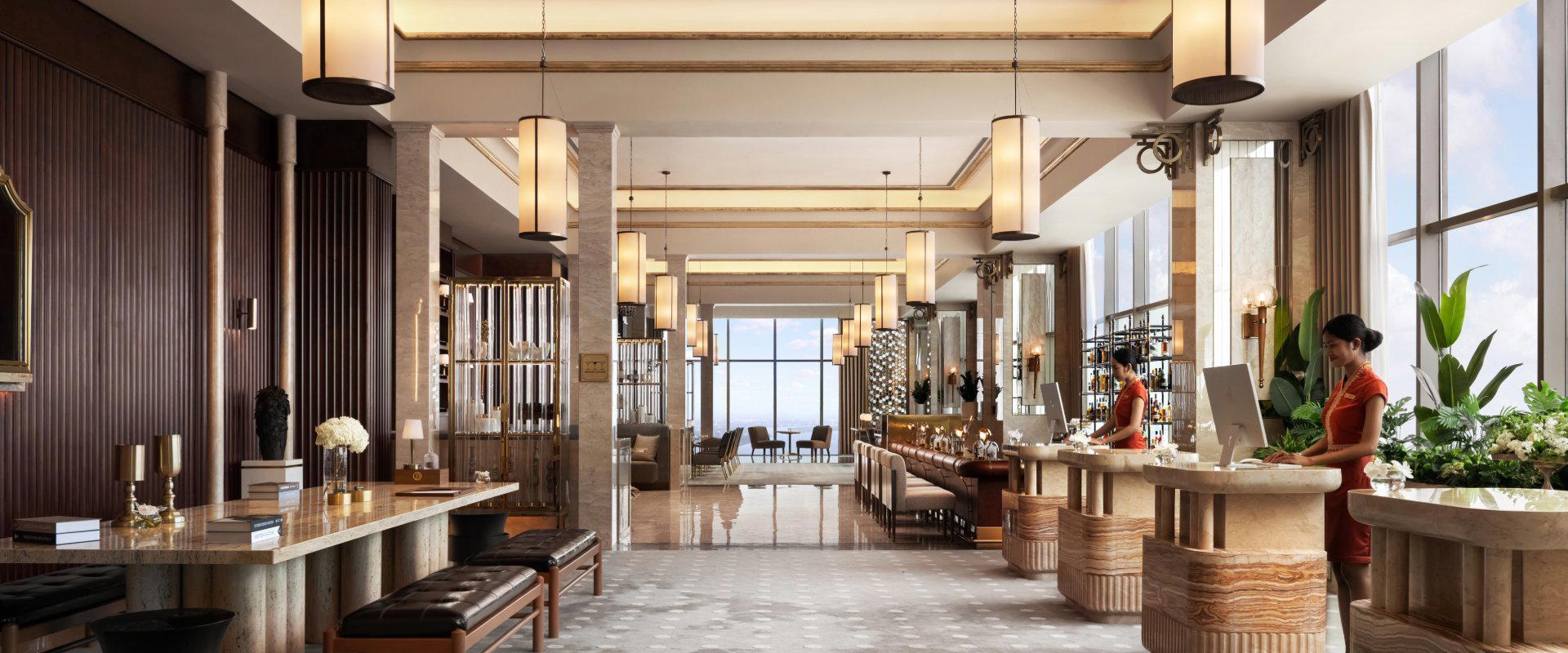
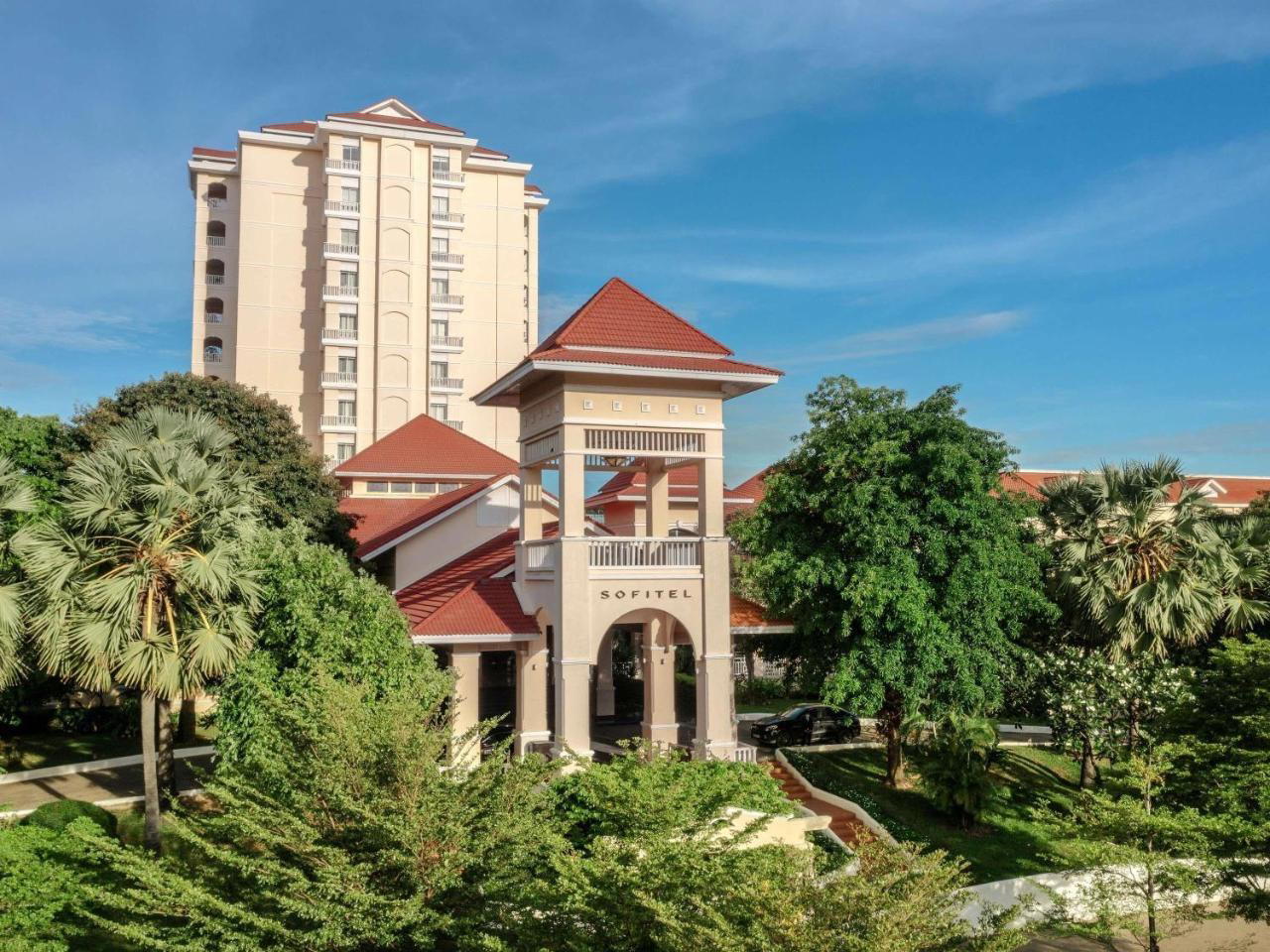
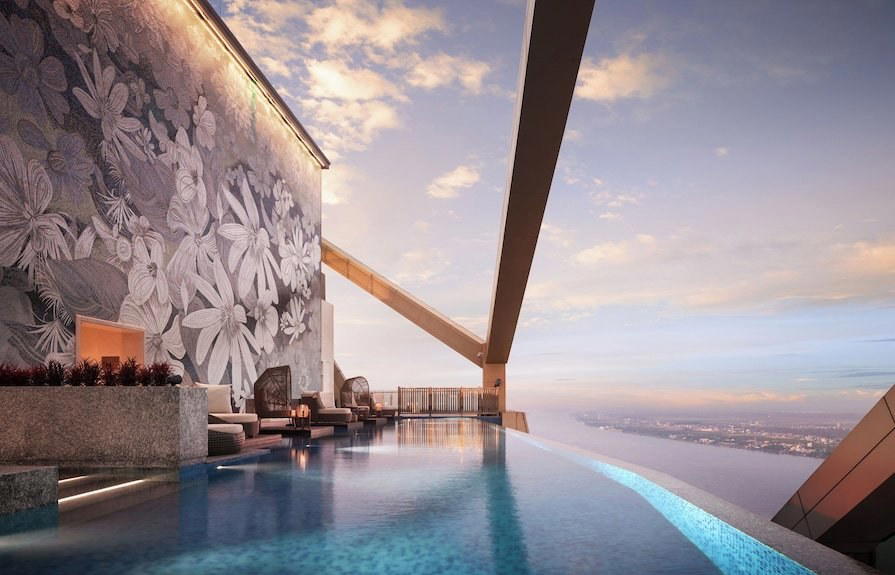
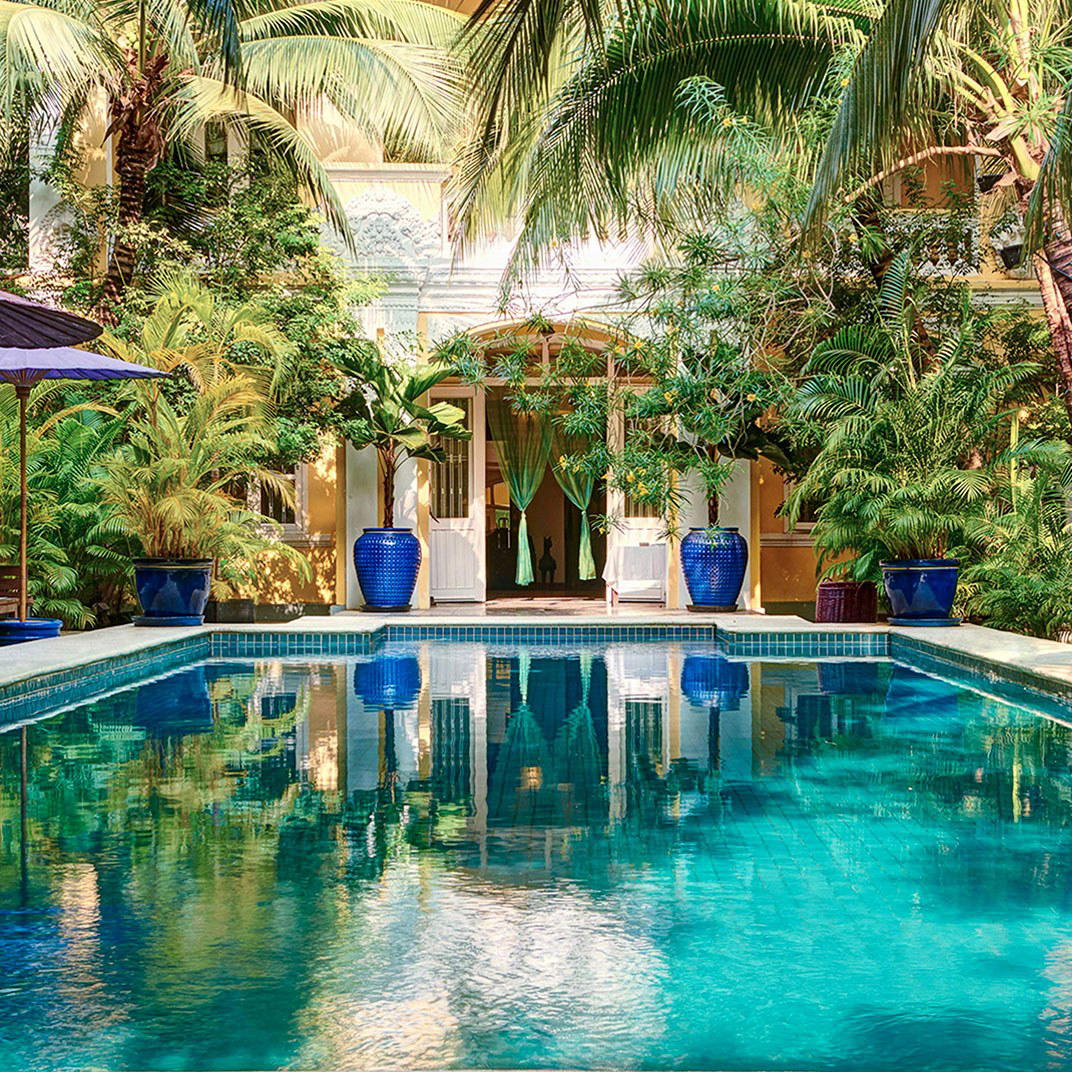
Sophisticated resort atmosphere with panoramic mountain views and onsen-inspired wellness surroundings.