Forgtmenot
Forgtmenot occupies a quietly assertive position on Division Street in Manhattan's Lower East Side, where the bar scene has long rewarded the curious over the conspicuous. With a format that sits closer to the neighborhood's considered, ingredient-led drinking culture than to high-concept spectacle, it represents the kind of address that rewards return visits more than first impressions.
Pearl is the En Primeur Club membership app — saves, bookings, and concierge access live there. Same editors, same standards.
- Address
- 138 Division St, New York, NY 10002
- Phone
- +1 646 707 3195
- Website
- forgtmenot.order.online
- Directions
- Get directions
 Saves & bookings on Pearl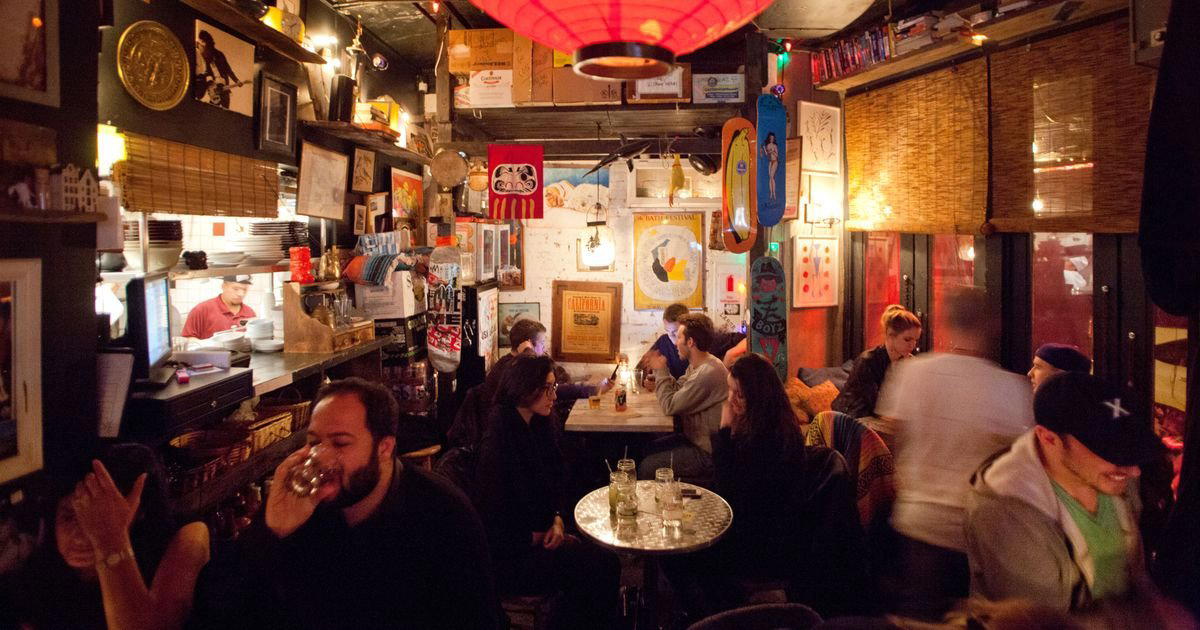
Division Street and the Bars That Don't Announce Themselves
There is a particular kind of New York bar that earns its reputation through accumulation rather than announcement. No velvet rope, no press launch, no designed-for-Instagram entrance sequence. Forgtmenot, at 138 Division St in the Lower East Side, belongs to that cohort. The address sits in a stretch of Manhattan where the bar scene has historically been shaped more by neighborhood logic than by trend cycles, and where the absence of fanfare tends to function as a filter rather than a failing.
The Lower East Side's drinking culture has always maintained a dual character: the high-volume blocks that catch tourist foot traffic, and the quieter addresses that serve a more embedded clientele. Division Street tilts toward the latter. Walking to Forgtmenot, you pass the kind of block-level detail that doesn't photograph well but tells you something about where you are: old signage, residential density, the occasional legacy business holding its ground. The bar registers as part of that fabric rather than imposed upon it.
Where Ingredient Logic Meets Borrowed Technique
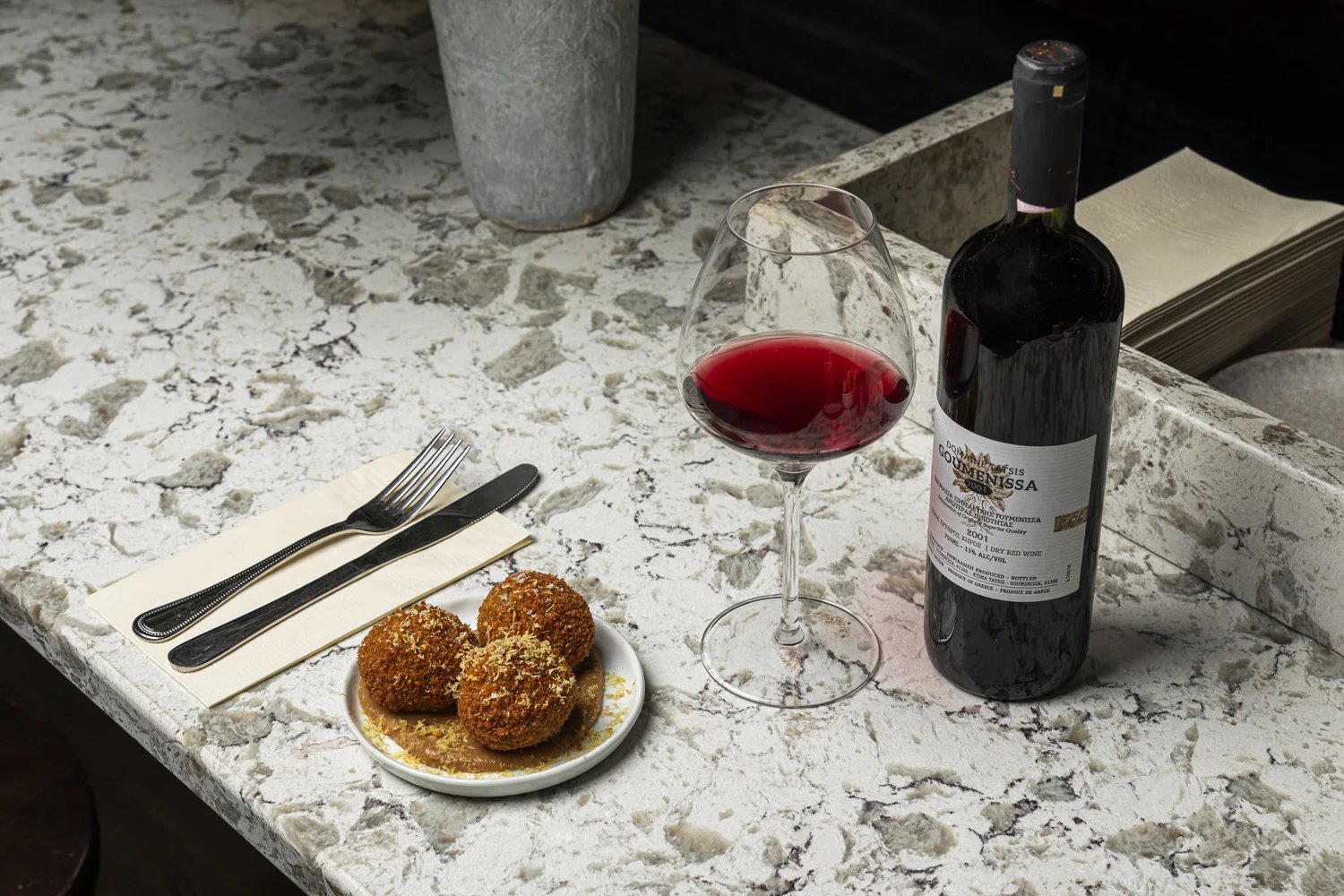
The broader shift in serious American bartending over the past decade has moved away from obscurity as a value proposition and toward legibility: drinks that can be explained in terms of what's in them and why, rather than how hard they were to source. That editorial line runs through New York's most considered bar programs, from the bitter-forward precision of Amor y Amargo to the Japanese-influenced restraint of Angel's Share. Forgtmenot operates within that shift, in a neighborhood that has produced some of the city's most ingredient-attentive programs.
Editorial angle that applies here is the intersection of technique borrowed from elsewhere and produce or flavors that are distinctly local or seasonal. This is not a uniquely New York phenomenon. You see it in the sourcing logic at Kumiko in Chicago, where Japanese bartending discipline gets applied to American spirits and regional ingredients. You see it in the kitchen-bar crossover approach at Jewel of the South in New Orleans, where historic cocktail method meets hyper-local agricultural context. In New York, that intersection tends to produce bars that function less as destination spectacle and more as neighborhood institutions with depth — places where the program rewards attention paid over time.
Forgtmenot reads as a participant in that tradition. The Lower East Side has enough bar density that novelty alone doesn't sustain a program. What does sustain it is the kind of coherent, ingredient-aware drinking culture that gives regulars a reason to return rather than cycle through.
The Lower East Side Competitive Set
It is worth mapping where Forgtmenot sits within the broader New York bar field, because the city's bar culture has fragmented into distinct peer sets that don't compete so much as serve different modes of engagement. At the high-technique, high-visibility end, you have programs like Attaboy NYC, where the riff-on-a-classic format and walk-in policy have made it a reference point for the city's cocktail conversation. At the theatrical Latin-leaning end, Superbueno has built a program around agave spirits and Caribbean and Central American flavor logic with a higher energy register.
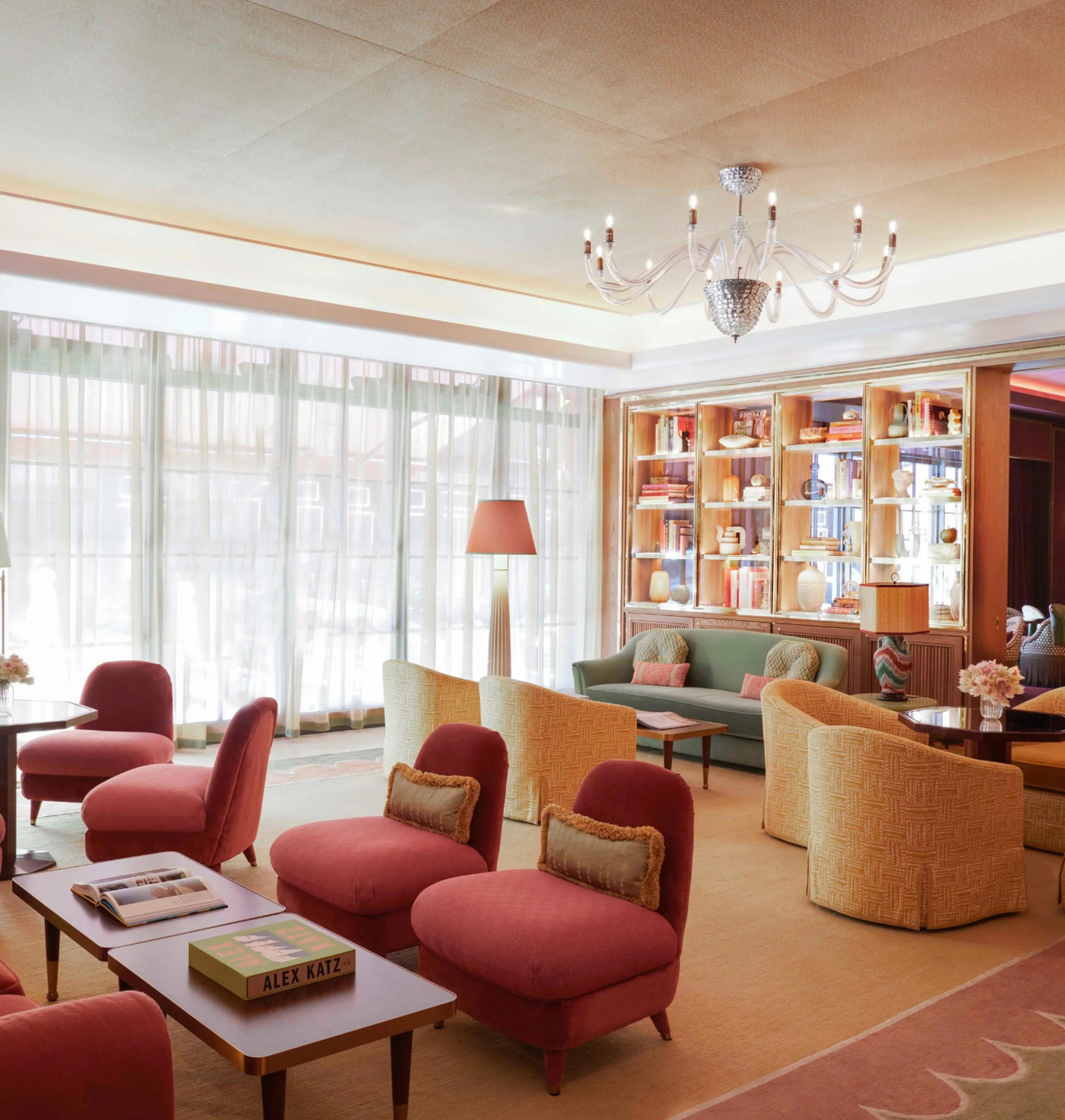
Forgtmenot occupies a different register entirely. Its Division Street location places it in a residential-commercial mix that filters for intentionality. You go because you know to go, not because you walked past and were drawn in by spectacle. That filtering effect tends to produce a particular atmosphere: lower ambient noise, higher average engagement with the drink in front of you, conversation that doesn't require competition with a sound system calibrated for table turnover.
Nationally, the comparison class for this kind of bar extends across cities. ABV in San Francisco occupies a similar position as a neighborhood-anchored, program-driven address that doesn't perform accessibility. Bar Leather Apron in Honolulu applies a similar discipline in a very different geographic context. Allegory in Washington, D.C. brings comparable seriousness to a more hotel-adjacent format. Internationally, The Parlour in Frankfurt demonstrates that this category of considered, non-spectacle bar has a consistent logic regardless of city. Julep in Houston adds another data point: ingredient-focused, regionally anchored, and built for the kind of guest who reads the menu before ordering.
What the Format Signals
Bars in this tier tend to share a few operational characteristics that are worth understanding before you visit. The format rewards engagement with the program rather than a pre-decided drink order. The staff-to-guest ratio typically allows for the kind of conversation that produces a better drink for you specifically. The room design tends to prioritize acoustic comfort over visual drama. None of this is accidental: it reflects a deliberate set of choices about what kind of drinking the program is built to support.
The Lower East Side's bar density means that a program needs genuine coherence to hold its position over time. Forgtmenot's presence on Division Street across years of neighborhood flux — the LES has seen significant demographic and commercial change over the past decade, suggests a program that has maintained relevance without requiring constant reinvention. That kind of durability in a high-churn market is itself a signal worth reading.
Planning Your Visit
The venue sits at 138 Division St, accessible from the B/D/F/M lines at Grand St or the F/J/M/Z lines at Delancey/Essex St. The Lower East Side bar scene operates on a late-leaning schedule by New York standards, with most serious programs hitting their stride from 9 p.m. onward on weekends. Weekday evenings offer a quieter read of the room and typically more unhurried service. For the broader context of where Forgtmenot sits in New York's drinking and dining field, see our full New York City restaurants guide.
| Venue | Neighborhood | Format | Walk-ins | Price Tier |
|---|---|---|---|---|
| Forgtmenot | Lower East Side | Neighborhood bar | Yes | Mid |
| Attaboy NYC | Lower East Side | No-menu riff format | Yes | Mid-high |
| Amor y Amargo | East Village | Bitter-focused program | Yes | Mid |
| Angel's Share | East Village | Japanese cocktail bar | Limited | Mid-high |
| Superbueno | Lower East Side | Latin agave-led | Yes | Mid |
Continue exploring
More in New York City
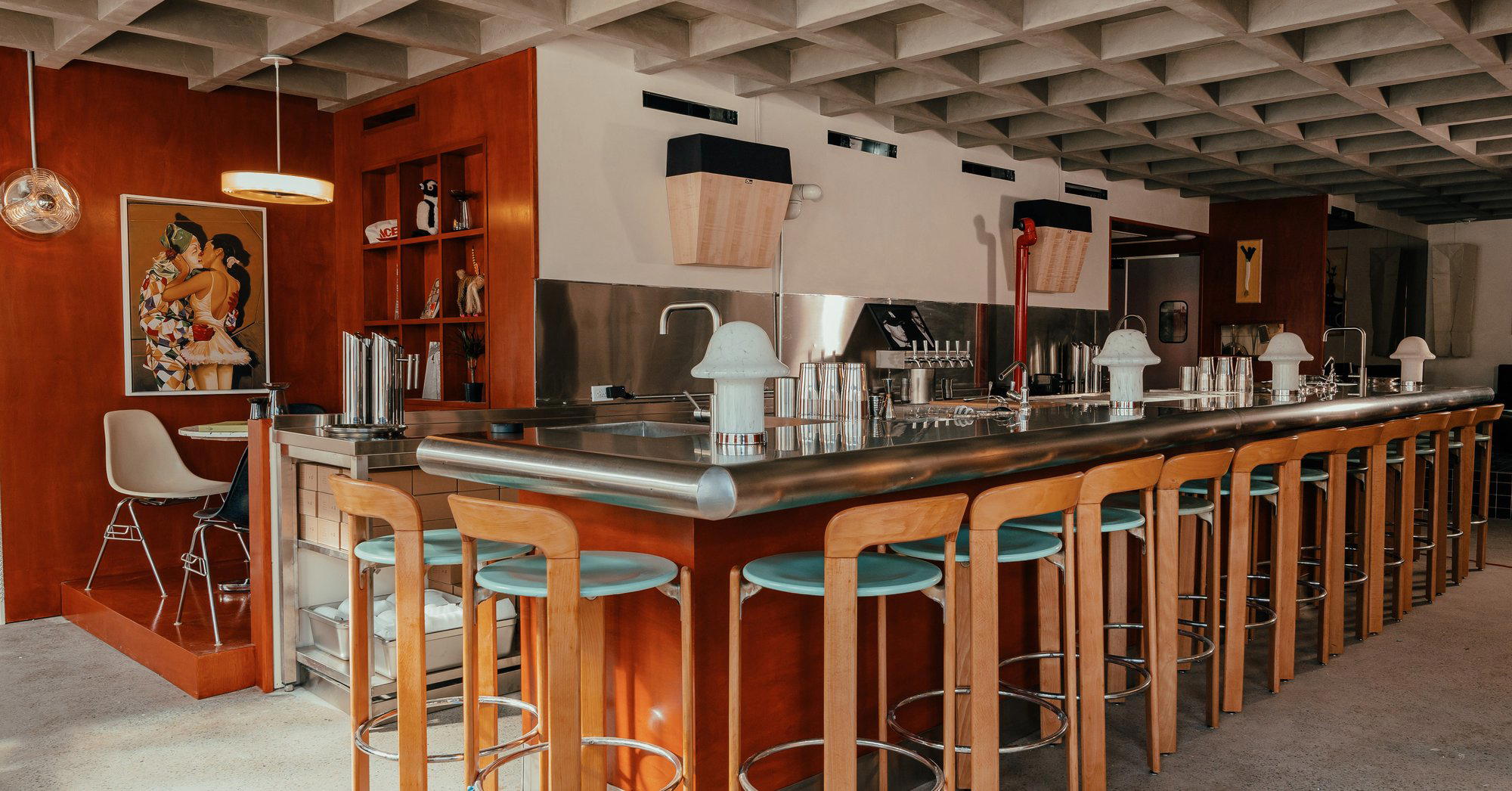
Bars in New York City
Browse all →

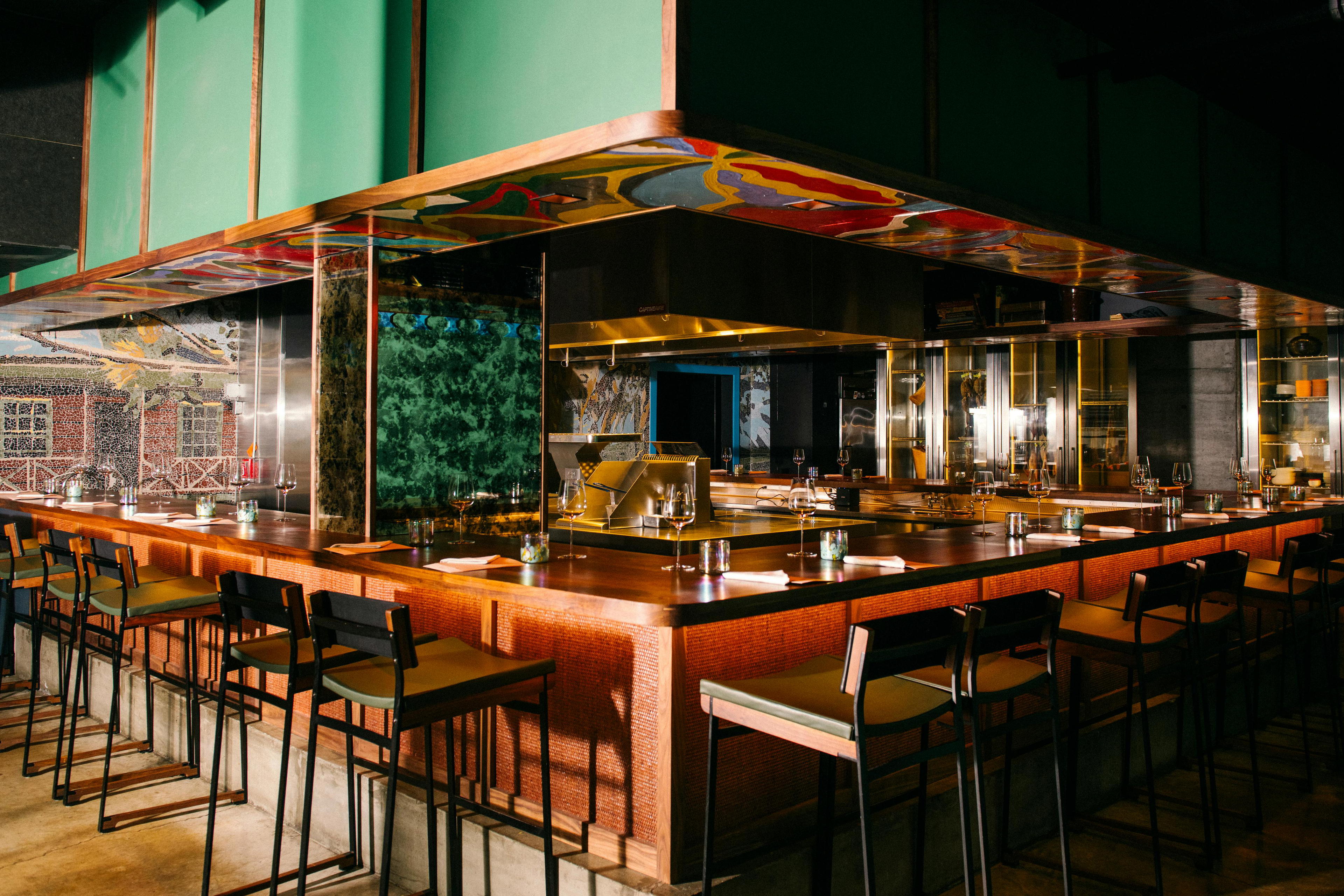
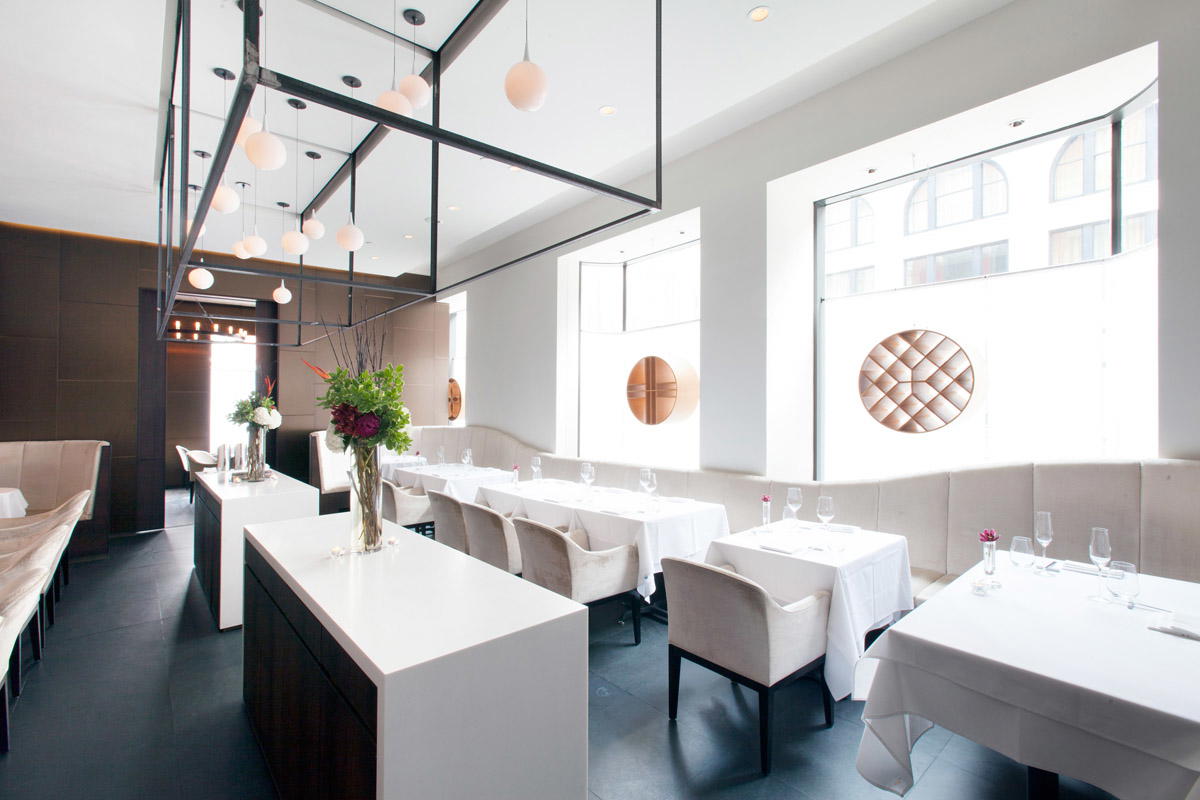
Restaurants in New York City
Browse all →
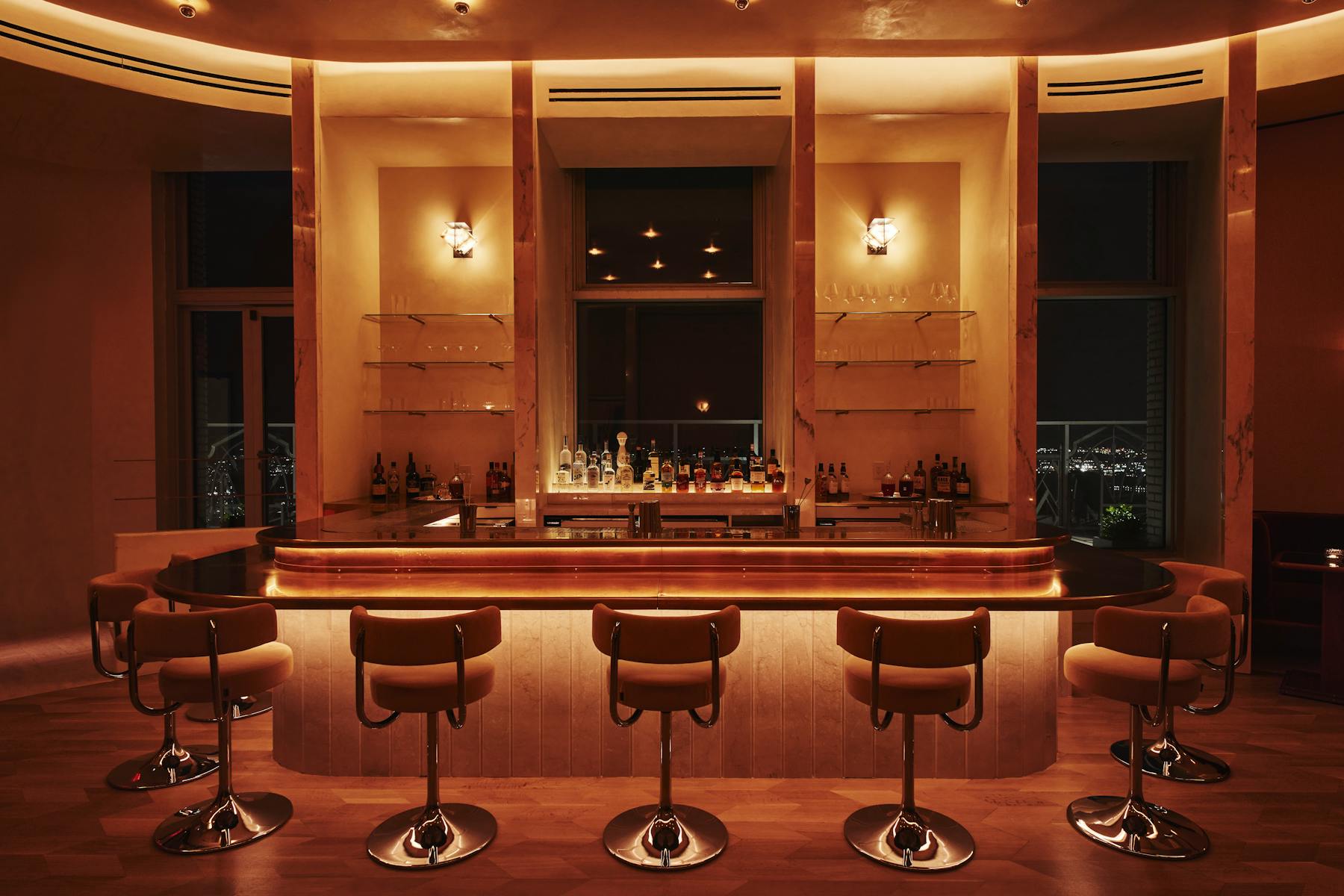
Hotels in New York City
Browse all →







At a Glance
- Cozy
- Lively
- Trendy
- Late Night
- Casual Hangout
- Standalone
- Seated Bar
Current opening hours
- Monday
- 10 AM–12 AM
- Tuesday
- 10 AM–12 AM
- Wednesday
- 10 AM–12 AM
- Thursday
- 10 AM–12 AM
- Friday
- 10 AM–1:30 AM
- Saturday
- 9 AM–1:30 AM
- Sunday
- 9 AM–1:30 AM
Hours can change for holidays and private events. Last verified .
Laid-back, eclectic atmosphere combining dive bar casualness with cozy, homey surfer and diner elements.
Know Before You Go
- Getting there
- 138 Division St, New York, NY 10002