Dry Fly Distilling Bar, Restaurant, & Gift Shop
Dry Fly Distilling Bar, Restaurant & Gift Shop on West Riverside Avenue sits at the intersection of Spokane's craft spirits movement and its evolving downtown dining scene. The distillery's on-site bar puts house-made whiskeys and gins at the center of the drinks program, positioning it as one of the more production-rooted drinking destinations in eastern Washington. A gift shop completes the venue's role as a local spirits landmark.
Pearl is the En Primeur Club membership app — saves, bookings, and concierge access live there. Same editors, same standards.
- Address
- 1021 W Riverside Ave, Spokane, WA 99201
- Phone
- +1 509 489 2112
- Website
- dryflydistilling.com
- Directions
- Get directions
 Saves & bookings on Pearl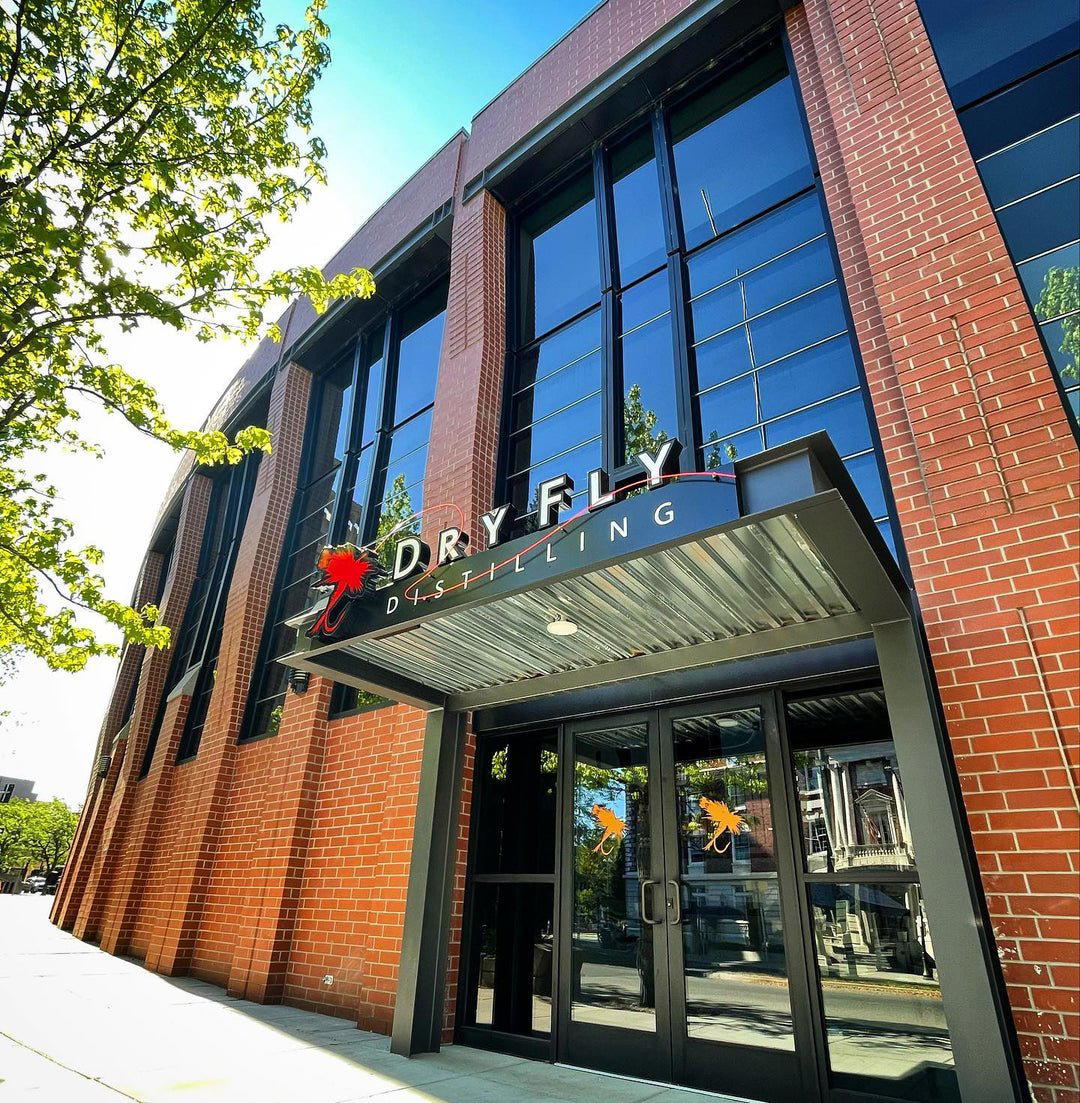
West Riverside and the Craft Spirits Bar Format
Spokane's downtown drinking scene has moved steadily away from generic cocktail lounges toward venues with a defined production identity. That shift mirrors what has happened in larger American cities over the past fifteen years, where distillery-attached bars have displaced the anonymous back-bar bottle lineup in favor of something more traceable: spirits made in the same building, or at minimum the same city, served by staff who can explain the grain bill rather than just recite the flavor notes. Dry Fly Distilling Bar, Restaurant & Gift Shop, situated on West Riverside Avenue in central Spokane, belongs to that production-rooted tier, functioning not merely as a place to drink but as a direct expression of what eastern Washington grain can become when it goes through a still on the premises.
The format itself matters here. Distillery bars occupy a distinct position in the broader craft drinks ecosystem. Unlike cocktail bars that source from everywhere and curate through sheer editorial range, a distillery-attached bar operates with a narrower but deeper mandate: demonstrate what the house makes, and make the case that what the house makes is worth choosing over everything else on the shelf. The burden of proof falls on the spirit itself, which means the person behind the bar carries a different kind of responsibility. At venues like this one, bartender knowledge is not supplementary; it is the product.
The Bartender's Position at a Distillery Bar
The editorial angle on distillery bars almost always returns to craft, but the craft that matters most at the counter is not the distiller's alone. The bartender at a production-led venue operates as interpreter between the still and the glass. That role demands fluency in fermentation, distillation, and maturation as much as in shaking, stirring, and dilution. In cities with established cocktail cultures, like the ones behind Kumiko in Chicago or Jewel of the South in New Orleans, bartenders have built reputations on exactly that kind of technical depth. The distillery bar format in a mid-sized city like Spokane asks for something similar but operates without the same critical infrastructure or media attention, which places a greater weight on the individual staff member's ability to guide guests through the program without external validation doing the work for them.
Dry Fly's West Riverside location places it within reach of Spokane's downtown core, making it accessible to both visitors arriving from the Spokane Intermodal Center nearby and locals treating it as a regular destination. That geographic positioning is an advantage for a venue whose model depends on walk-in discovery as much as deliberate reservation. When guests arrive with no prior knowledge of the house spirits, the bar staff's ability to deliver an immediate, credible education on the distillery's output determines whether the visit becomes a one-time curiosity or a returning habit.
How Dry Fly Fits Spokane's Drinks Scene
Spokane's drinking culture is more developed than outside observers typically credit. The city supports a range of bar formats, from the grain-to-glass approach represented here to the produce-driven cocktail programs at venues like Gander and Ryegrass, which draws on the agricultural abundance of the Inland Northwest in a different register. The presence of both formats in the same city reflects a broader maturation: drinkers in Spokane increasingly know what they are looking for and seek out venues that have a clear answer to why they exist.
Dry Fly's restaurant and gift shop components extend the venue beyond the bar-only format that defines many distillery tasting rooms. Food service alongside spirits production is a combination that works well when the kitchen's output is calibrated to the drinks rather than treated as a parallel operation. In Spokane's dining context, where venues like Cochinito and Chef Lu's Asian Bistro have established that thoughtful cooking and strong regional identity can coexist in the same space, the bar-restaurant pairing carries reasonable expectations. The gift shop component, meanwhile, is the distillery's most direct commercial signal: it positions the venue as a place where visitors leave with something, turning the tasting experience into a point of purchase and the brand into a souvenir of eastern Washington.
Placing Dry Fly Against the Wider Craft Bar Spectrum
Across the United States, distillery bars occupy an interesting middle ground. They are neither the technically obsessive cocktail programs of venues like ABV in San Francisco or Superbueno in New York City, nor the pure production facilities that discourage lingering. The best of them find a register that is both educational and genuinely hospitable, where the tour-and-tasting format gives way to something closer to a proper bar experience. Internationally, bars like The Parlour in Frankfurt and Bar Leather Apron in Honolulu demonstrate what a production-informed drinks program looks like when hospitality is treated as a discipline equal to technique. Julep in Houston offers a comparable lesson in how spirits identity can anchor an entire venue's personality without overwhelming its accessibility.
Dry Fly's position in Spokane is most useful when understood in that context. It is not competing with the city's full-service cocktail bars on menu breadth. It is making the case that depth of a different kind, specifically a direct line from local grain to finished spirit to poured glass, is its own form of distinction. In a drinking culture that increasingly values traceability, that argument has traction.
Planning Your Visit to West Riverside Avenue
The venue sits at 1021 W Riverside Ave in downtown Spokane, which puts it within the city's walkable central corridor alongside the dining options on and around the same stretch, including China Dragon Restaurant. Visitors coming specifically to engage with the distillery's output will find the on-site bar the logical starting point, with the gift shop serving as a natural exit for anyone who wants to take the experience home. The restaurant component makes extended stays direct without requiring a separate reservation elsewhere. For a broader picture of where Dry Fly sits within Spokane's dining and drinking ecosystem, our full Spokane restaurants guide maps the city's options by neighborhood and format.
At a Glance
- Lively
- Modern
- Industrial
- Energetic
- Group Outing
- Celebration
- Special Occasion
- Private Event
- Live Music
- Historic Building
- Design Destination
- Standalone
- Seated Bar
- Lounge Seating
- Private Rooms
- Craft Cocktails
- Whiskey
- Gin
- Zero Proof
Current opening hours
- Monday
- 11 AM–9 PM
- Tuesday
- 11 AM–9 PM
- Wednesday
- 11 AM–9 PM
- Thursday
- 11 AM–9 PM
- Friday
- 11 AM–9 PM
- Saturday
- 11 AM–9 PM
- Sunday
- 11 AM–7 PM
Hours can change for holidays and private events. Last verified .
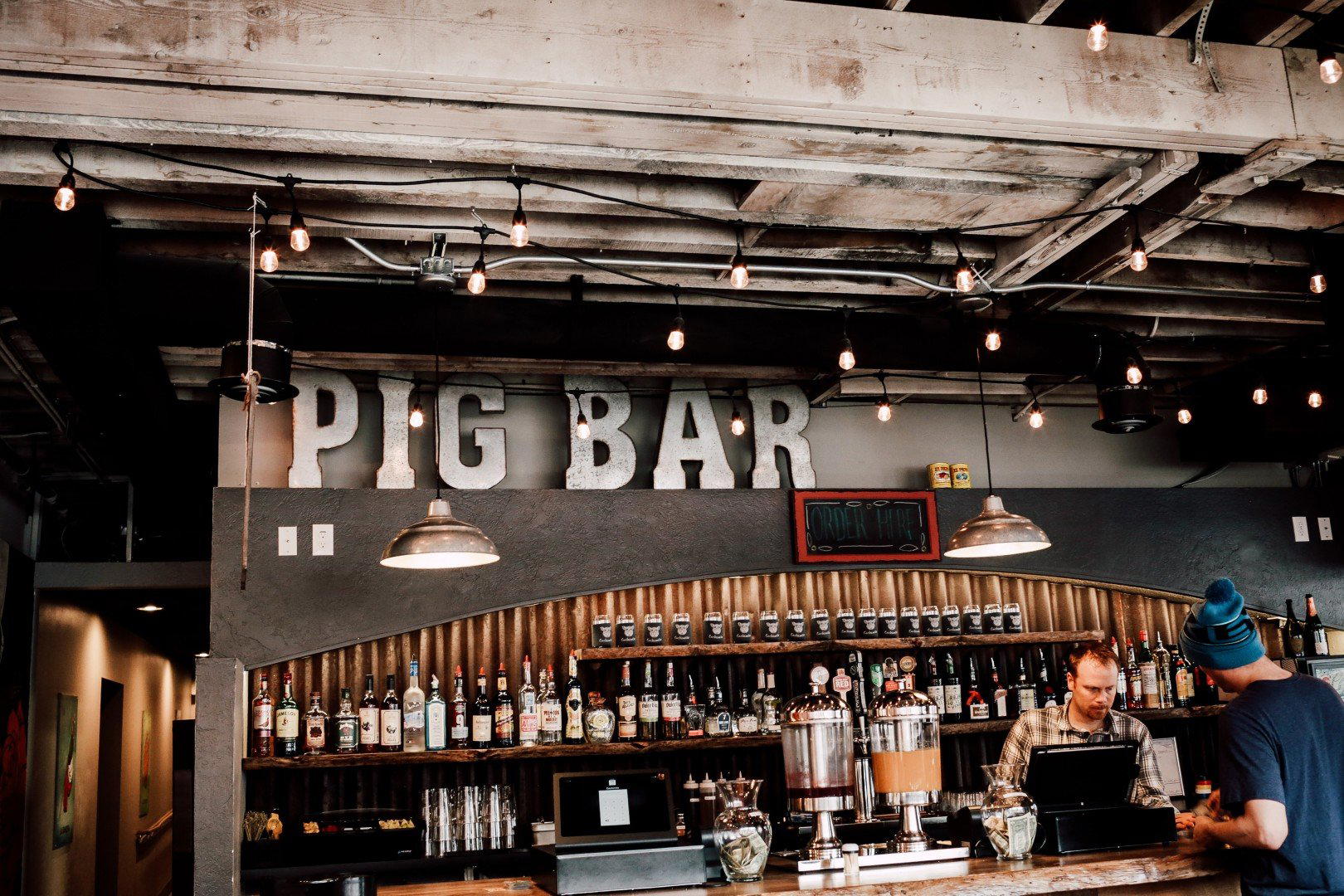
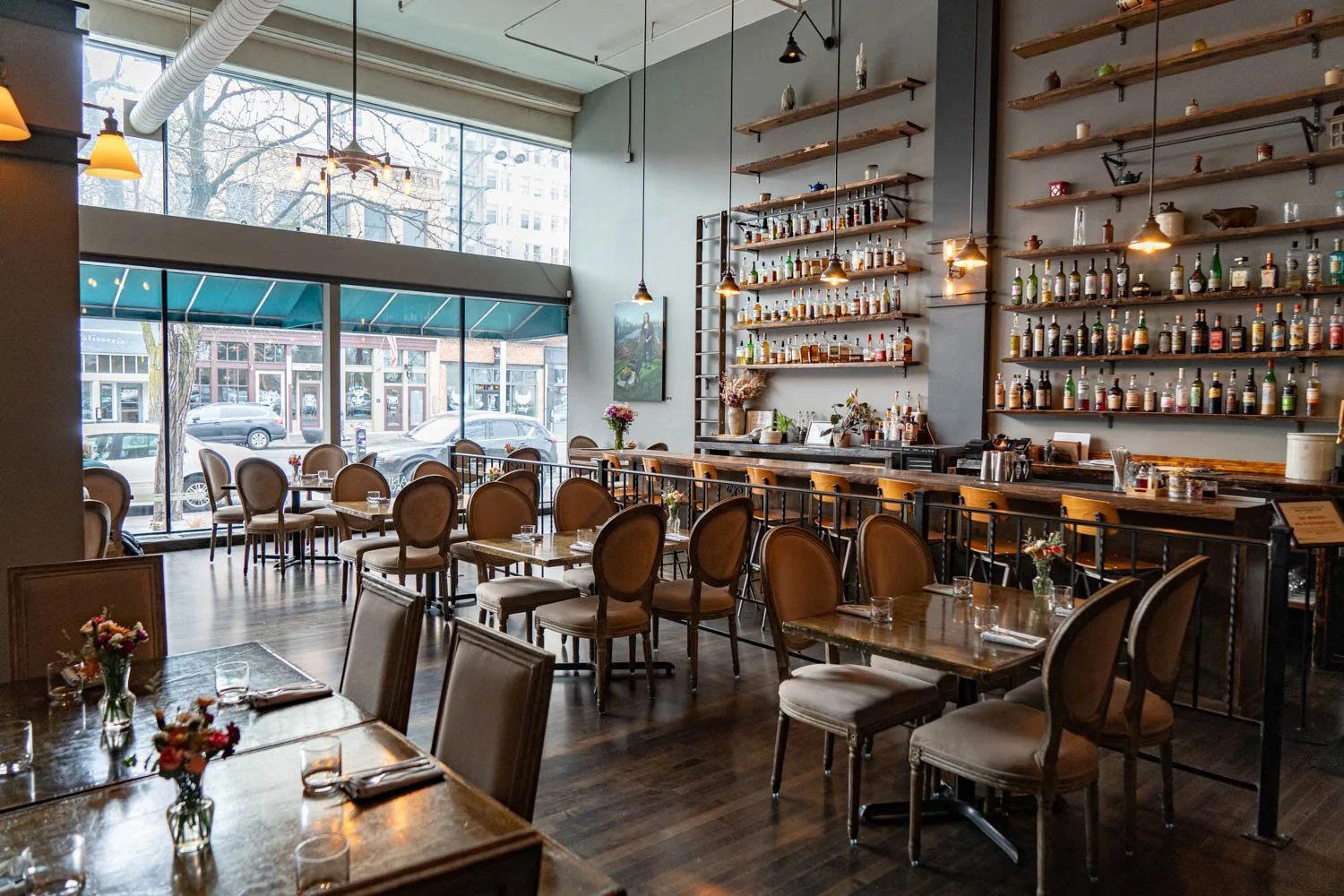
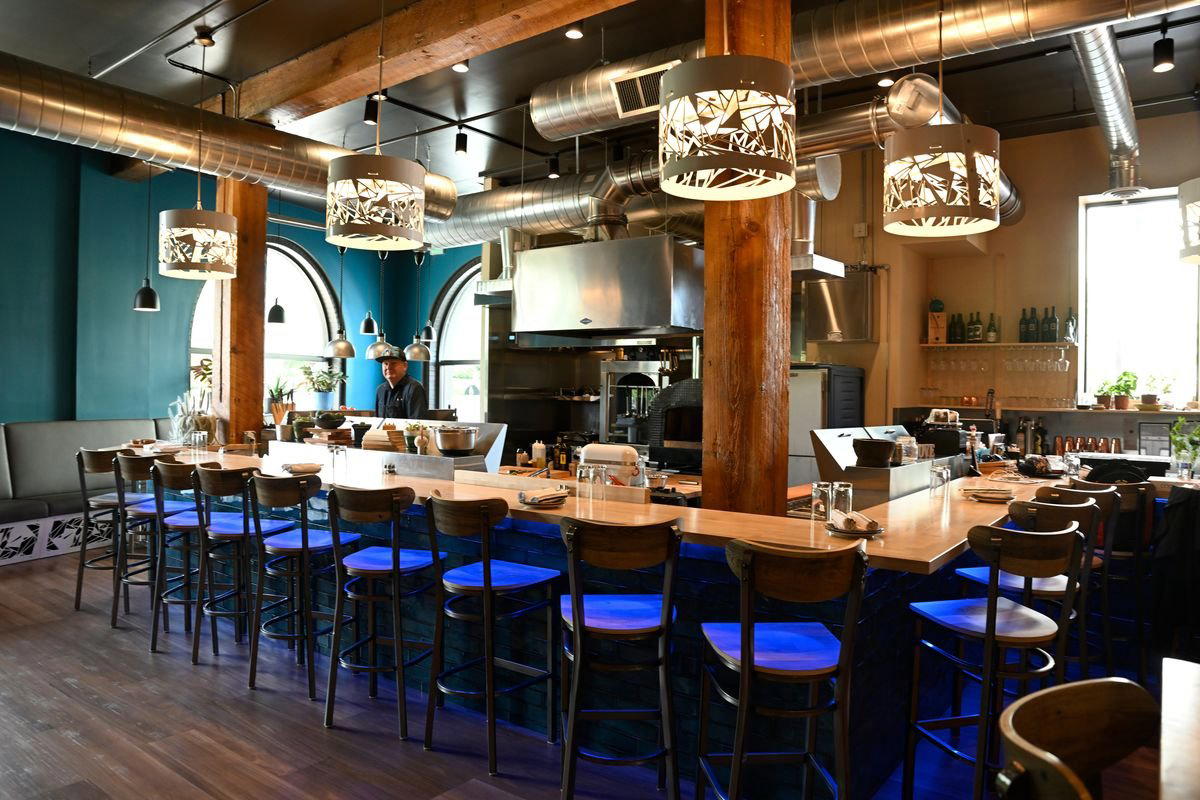
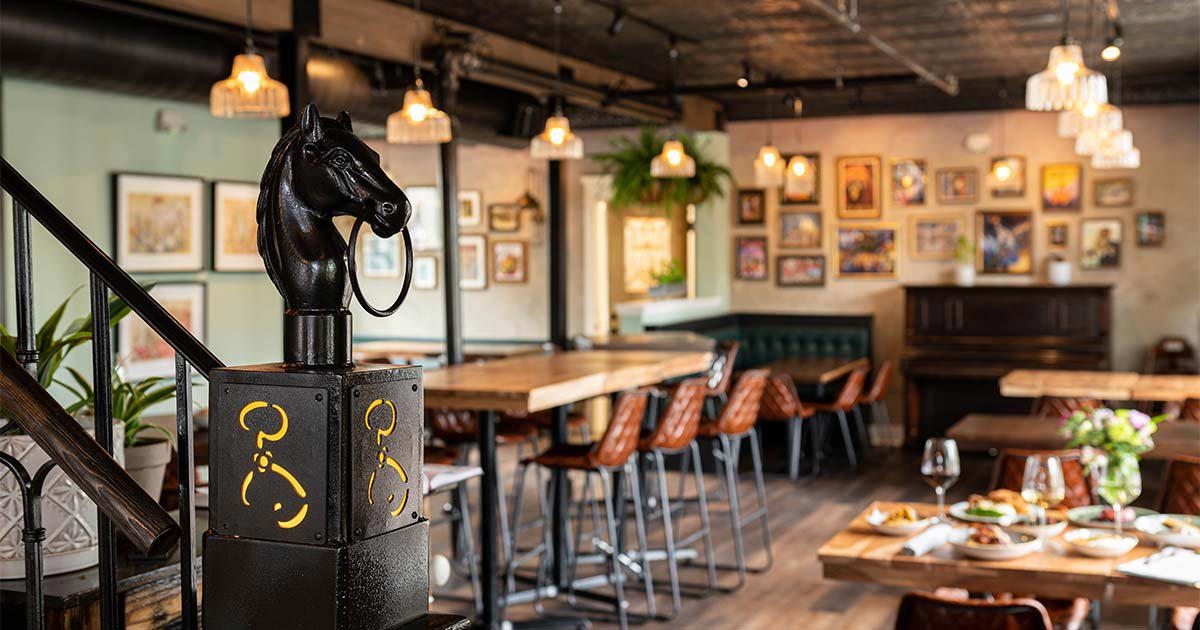
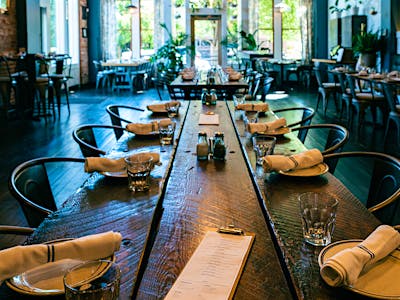
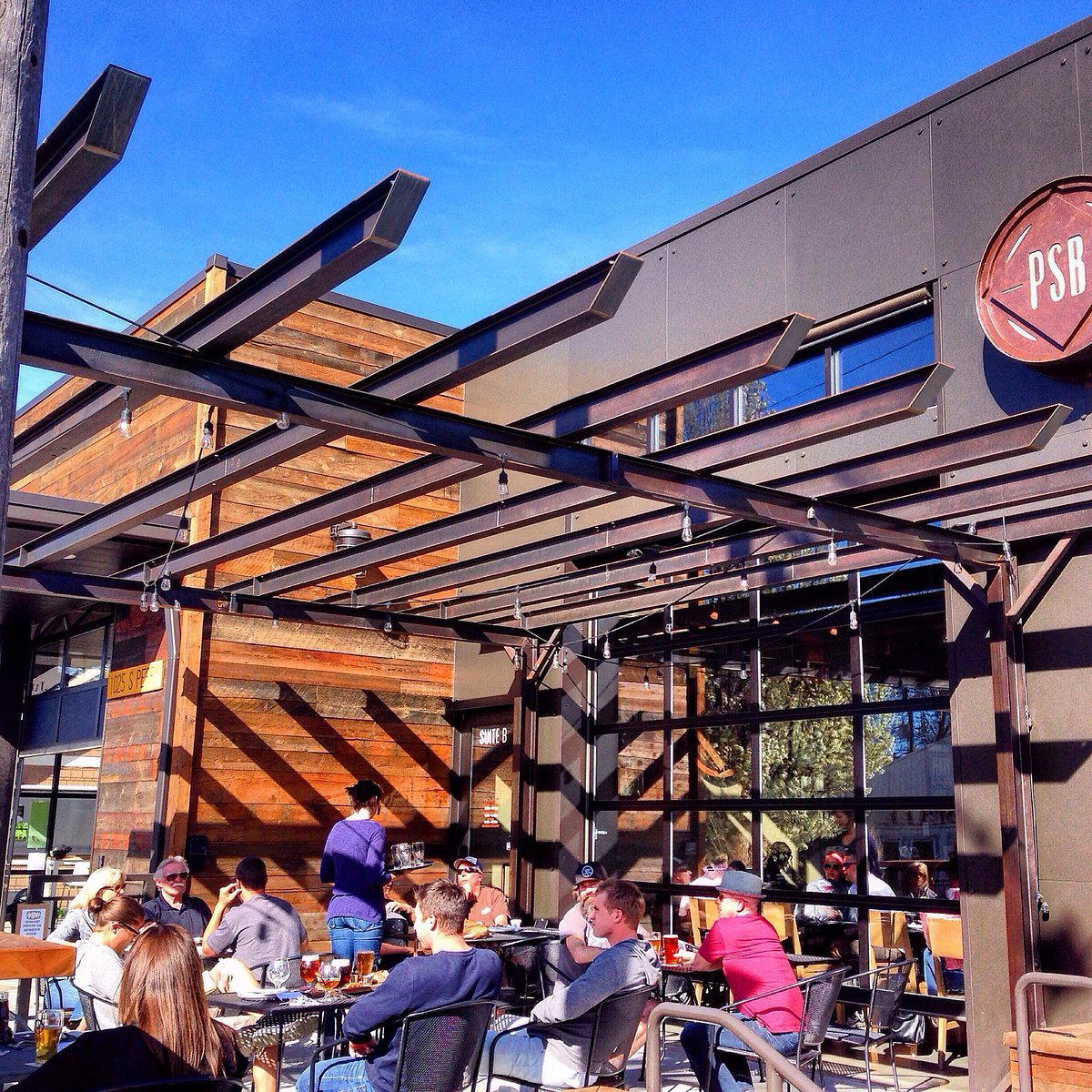
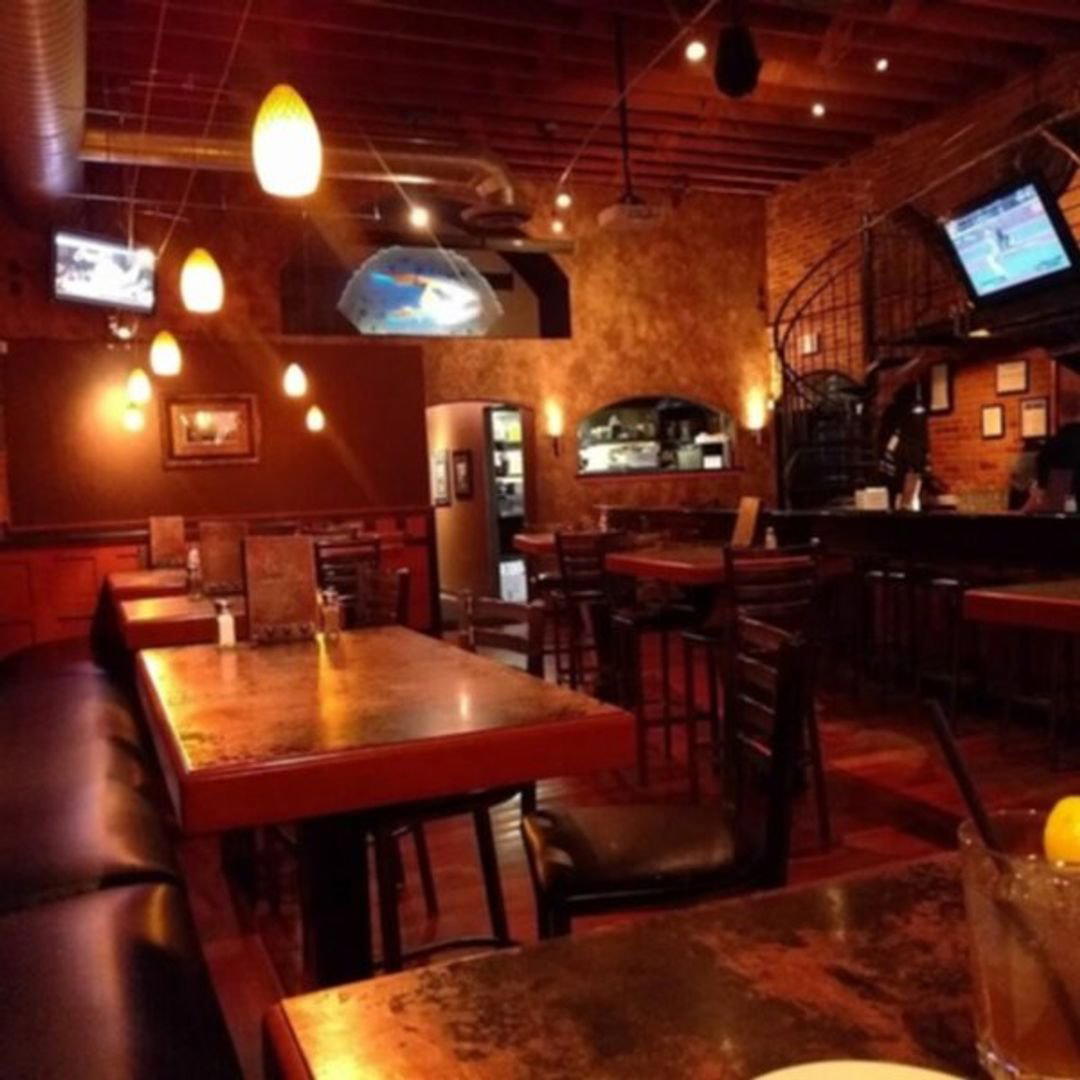
Good atmosphere with great tunes and energetic servers; modern industrial setting with working distillery views.
Know Before You Go
- Getting there
- 1021 W Riverside Ave, Spokane, WA 99201