Cochinito
Cochinito occupies a downtown Spokane address at 10 N Post St, positioning itself within the city's growing core dining scene. The space draws on the atmospheric energy of the Post Street corridor, where a new generation of independent operators has taken root. For visitors mapping Spokane's food-and-drink options, it represents one of the addresses worth tracking in a neighborhood undergoing sustained change.
Pearl is the En Primeur Club membership app — saves, bookings, and concierge access live there. Same editors, same standards.
- Address
- 10 N Post St, Spokane, WA 99201
- Phone
- +1 509 474 9618
- Website
- cochinitotaqueria.com
- Directions
- Get directions
 Saves & bookings on Pearl
Downtown Spokane and the Slow Rise of Regional Mexican Cooking
Post Street in downtown Spokane runs through a stretch of the city that has seen genuine culinary investment over the past decade. The blocks around 10 N Post St sit close to the Spokane River corridor, where a mix of converted historic buildings and newer hospitality operations has gradually shifted the area from a daytime business district into a place with an actual evening character. It is in this context that Cochinito occupies its address: not as an outlier, but as part of a broader movement in mid-sized Pacific Northwest cities toward ingredient-driven, culturally specific cooking that takes its source traditions seriously.
The name itself signals intent. Cochinito, Spanish for small pig, points directly toward the slow-roasted pork traditions of the Yucatan Peninsula, where cochinita pibil, marinated in achiote and sour orange and cooked underground in a pit, represents one of Mexico's most regionally distinct dishes. That tradition is not interchangeable with Tex-Mex, with Americanized taco formats, or with the broader category of "Mexican food" that dominates casual dining across the American West. Venues that anchor their identity to a specific regional Mexican cooking tradition are operating in a different register entirely, and Spokane diners are better served by understanding that distinction before they arrive.
The Cultural Weight Behind the Dish
Yucatecan cuisine sits apart from the northern Mexican cooking styles that shaped most of the Mexican restaurant culture in the United States. The Yucatan's geographic semi-isolation on its peninsula, its Mayan heritage, and its colonial-era trade routes with Cuba and Europe produced a food culture with its own spice vocabulary, its own citrus profile, and its own relationship to time. Cochinita pibil, the dish most associated with the region internationally, requires a marination of annatto seed paste, bitter orange, and warm spices, followed by hours of low, slow cooking. The result is pulled pork with a color and acidity that has no close equivalent in other regional Mexican traditions.
In Pacific Northwest cities, this level of regional specificity in Mexican cooking is relatively uncommon. The dominant model in markets like Spokane has historically been either the Tex-Mex format or fast-casual taco concepts. When a venue plants its flag in Yucatecan territory, it is making a culinary argument that invites a different kind of attention from the dining public. Across the broader American bar and restaurant scene, there has been a measurable shift toward this kind of regional authenticity in Latin American cooking. Venues like Superbueno in New York City and Jewel of the South in New Orleans reflect the same underlying trend: specificity over generality, tradition over adaptation.
Where Cochinito Sits in the Spokane Scene
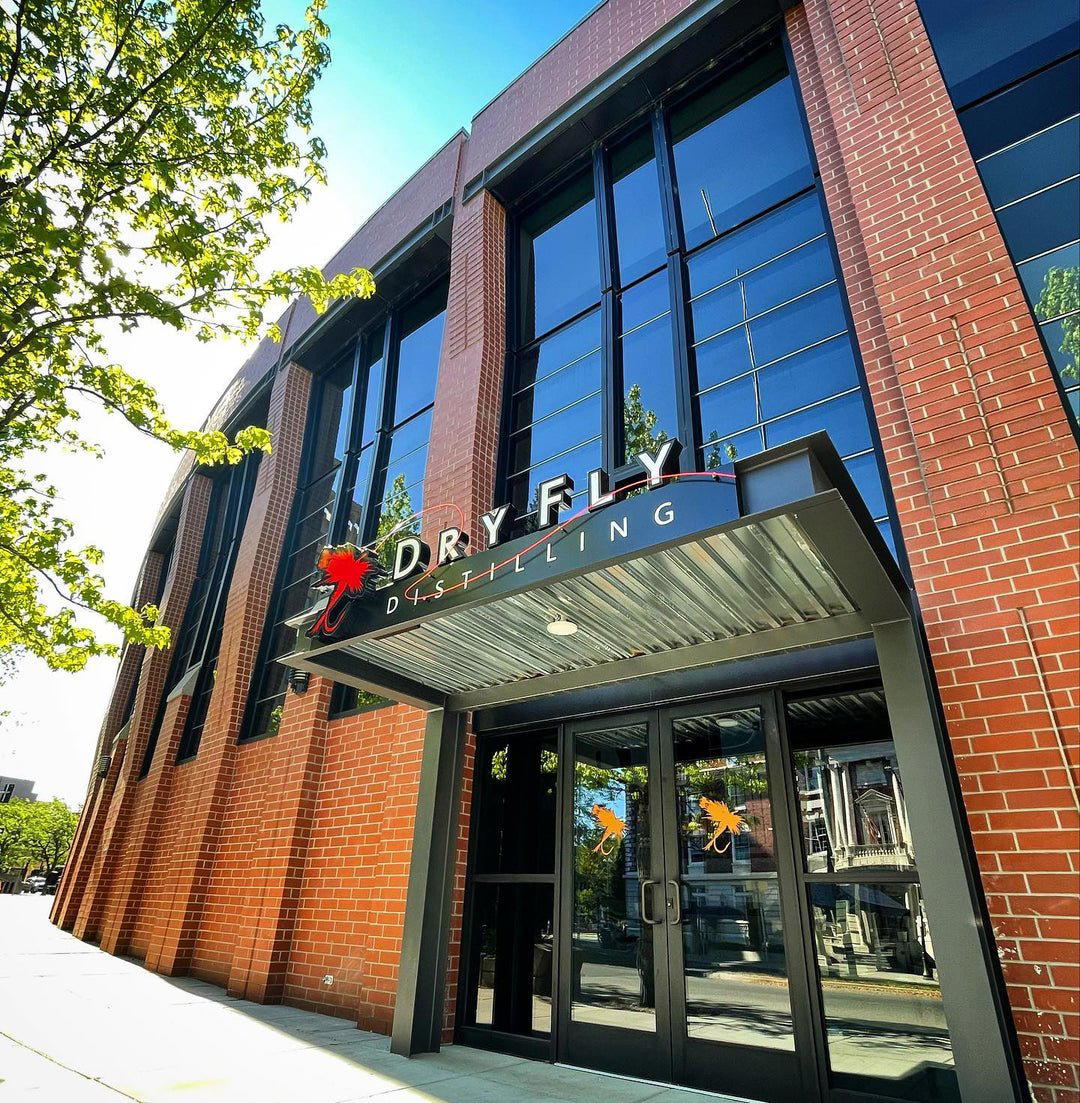
Spokane's dining scene has a recognizable internal architecture. At the top of the market, places like Mizuna and Wild Sage Bistro represent a locavore-driven Pacific Northwest fine dining tradition. Italia Trattoria holds a firm position in the mid-market Italian segment. On the bar and spirits side, Dry Fly Distilling Bar, Restaurant, and Gift Shop anchors a local craft spirits identity that extends well beyond Spokane itself. Gander and Ryegrass represents the more contemporary cocktail-forward direction the city has been moving. Chef Lu's Asian Bistro and China Dragon Restaurant occupy the Asian dining segment. For a full map of the city's current options, the EP Club Spokane guide tracks this picture across categories.
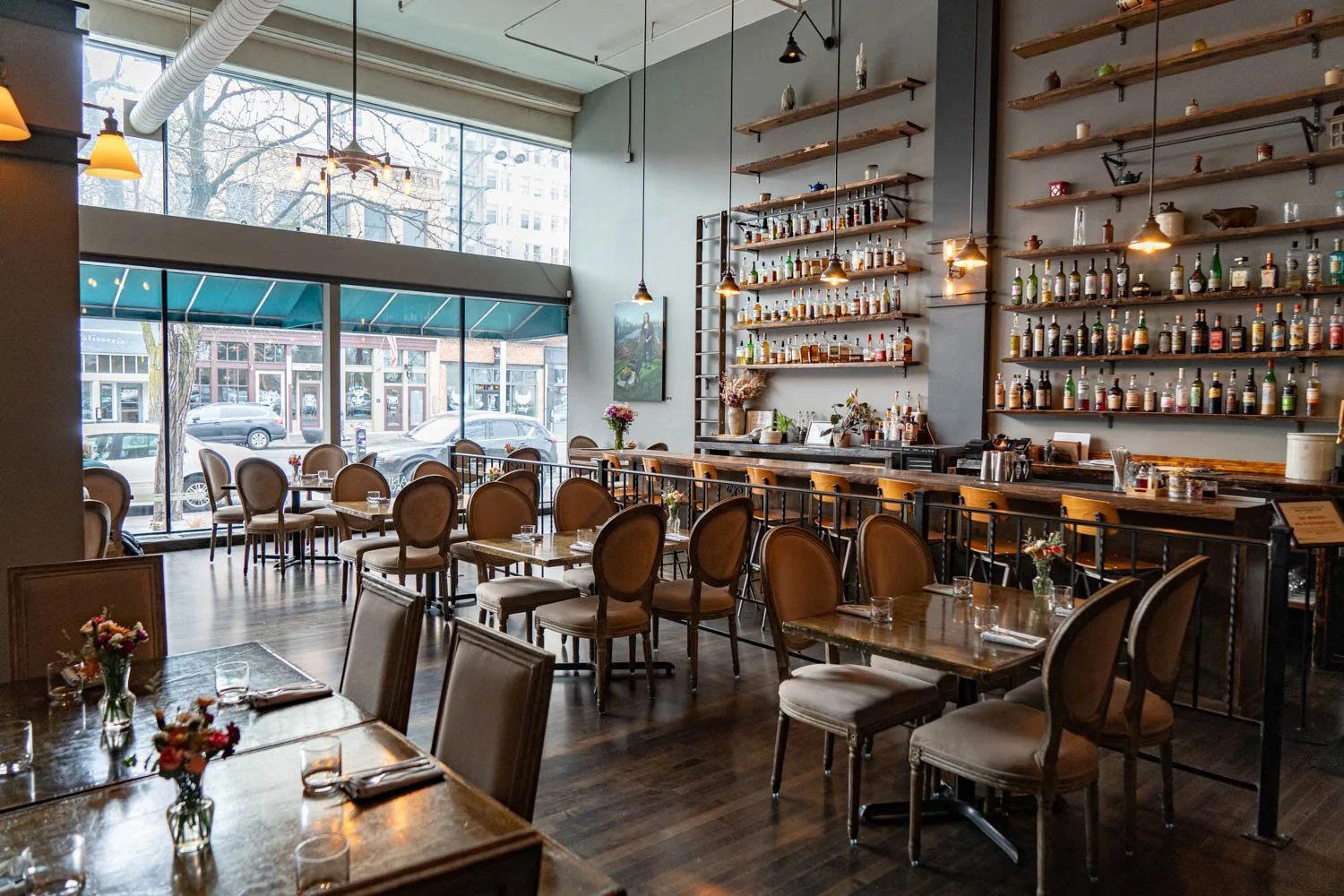
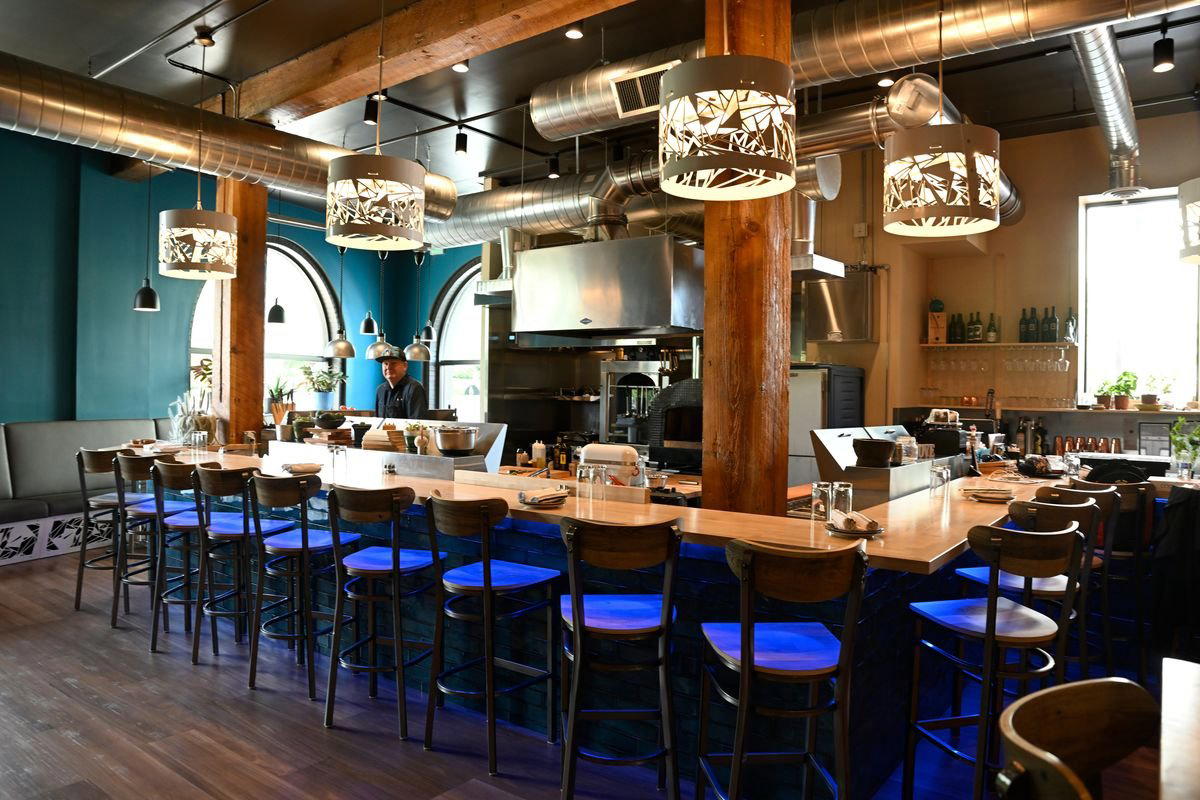
Cochinito operates in a space that none of these venues occupy: regionally specific Mexican cooking in a downtown location on one of Spokane's main commercial corridors. That positioning is not accidental. The address at 10 N Post St places it within walking distance of the city's hotel concentration and event venues, which means it draws both locals and visitors navigating the downtown core. This is a more mixed audience than venues in residential neighborhoods tend to attract, and it shapes the practical experience of the room.
What the Drinking Program Should Offer
The cocktail culture around venues like Cochinito has matured considerably across American cities. Tequila and mezcal programs have moved from novelty to expectation at serious Mexican-leaning operations, and the standard has shifted upward. At bars with genuine depth in this category, the difference between a blanco tequila from the highlands of Jalisco and a valley-grown expression is part of the conversation, not an afterthought. Mezcal selection, similarly, now functions as a proxy for how seriously a bar takes its source culture. For comparison, venues building technically serious Latin-inflected drink programs in other cities include Julep in Houston and Kumiko in Chicago, each of which treats the spirits program as an extension of culinary philosophy rather than a separate commercial consideration. Bar Leather Apron in Honolulu and ABV in San Francisco illustrate how cities further from the obvious Latin American tradition have also raised the bar on intentional drinking programs. The Parlour in Frankfurt on the Main shows the same discipline applied in a European context.
At Cochinito, the most coherent pairing strategy follows the food's acidity. Cochinita pibil's sour orange marinade sets an acidic baseline that works well against the vegetal and citrus notes in blanco tequila, and against the smoke and mineral quality in mezcal. Beer, specifically a light Mexican lager, cuts through the richness of the slow-roasted pork without competing with it. Horchata and agua frescas serve the same function in the non-alcoholic register.
Planning Your Visit
Cochinito sits at 10 N Post St in downtown Spokane, in a part of the city that is accessible on foot from the main hotel cluster and walkable from Riverfront Park. For visitors arriving from outside the city, downtown Spokane is served by the Spokane International Airport roughly eight miles to the west, with direct ground transport options. The Post Street address puts the restaurant within the compact walkable core of downtown, so combining a visit with other nearby dining or drinking stops is practical rather than aspirational. Given the limited publicly available booking information arriving with flexibility on timing, or contacting the venue directly before visiting, is the sensible approach. The downtown location and evening foot traffic suggest that weekend prime hours carry the most demand.
At a Glance
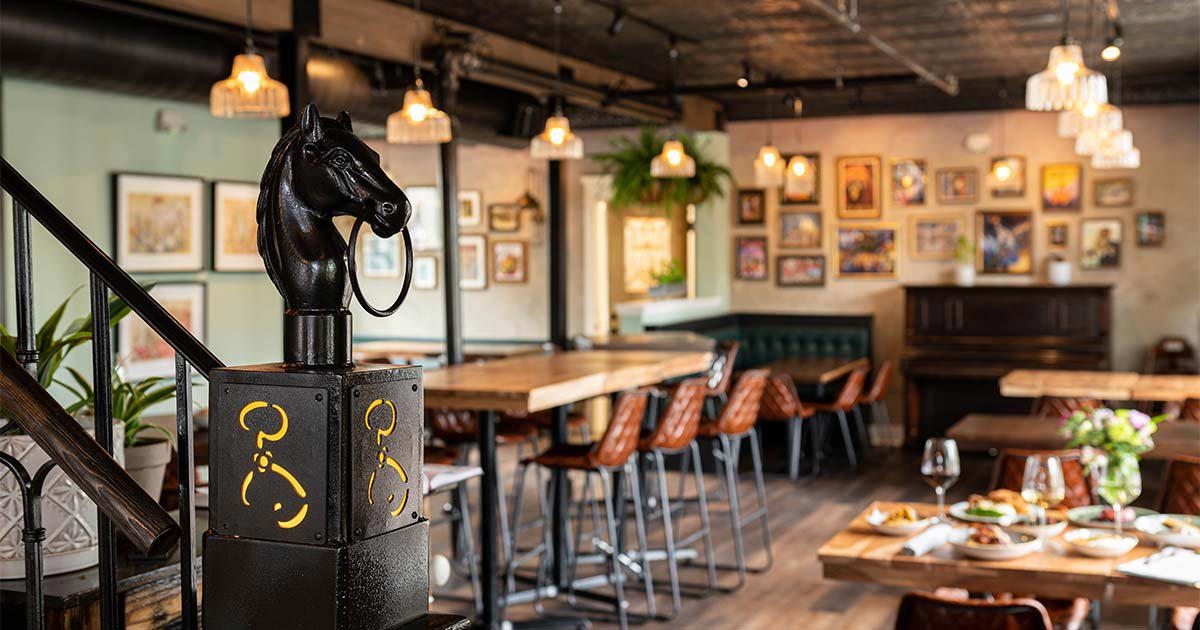
- Lively
- Cozy
- Trendy
- Casual Hangout
- Group Outing
- Standalone
- Seated Bar
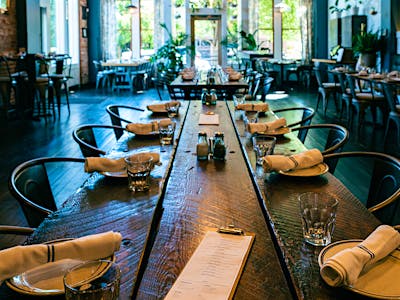
- Communal Tables
- Craft Cocktails
Current opening hours
- Monday
- 11:30 AM–9 PM
- Tuesday
- 11:30 AM–9 PM
- Wednesday
- 11:30 AM–9 PM
- Thursday
- 11:30 AM–9 PM
- Friday
- 11:30 AM–9 PM
- Saturday
- 11:30 AM–9 PM
- Sunday
- Closed
Hours can change for holidays and private events. Last verified .
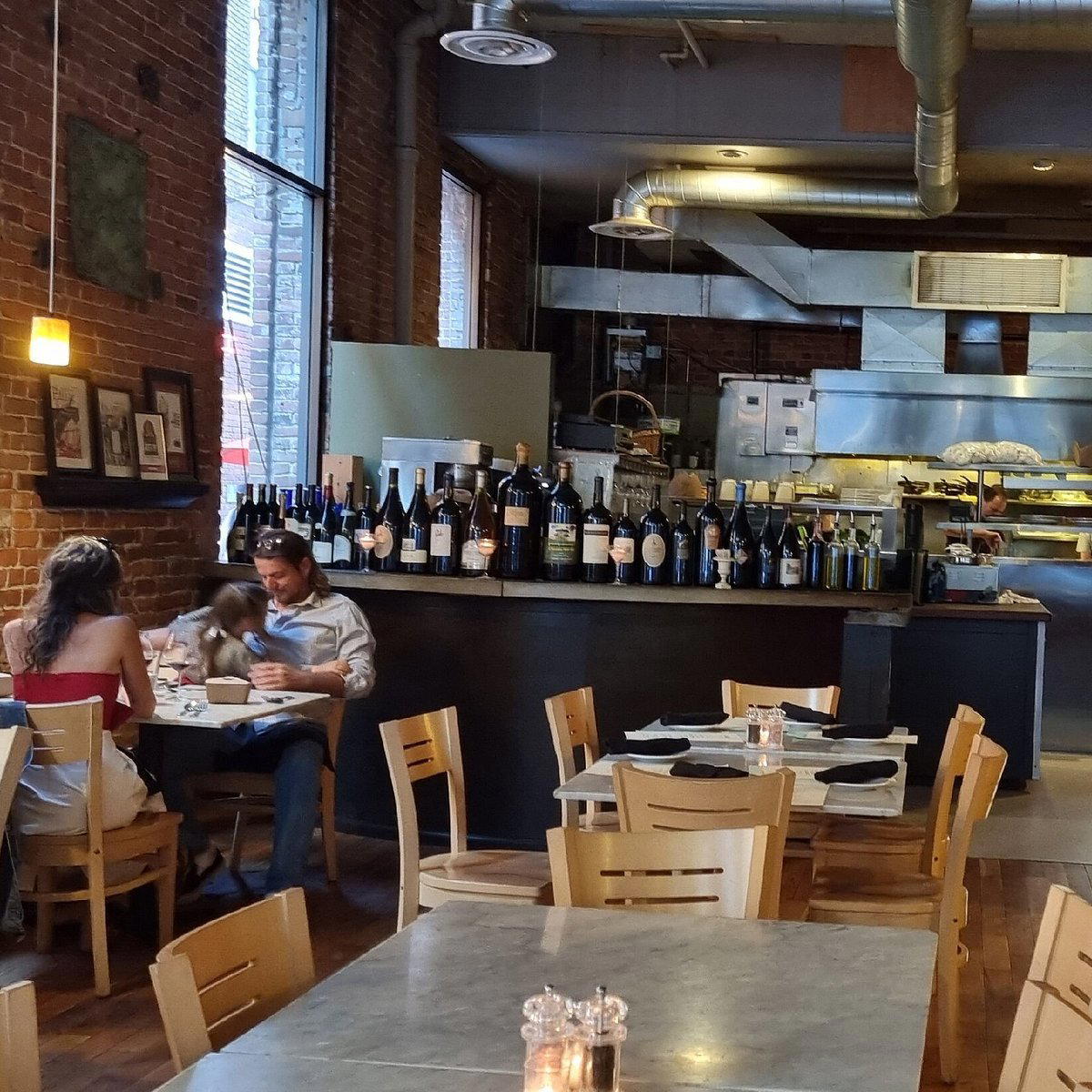
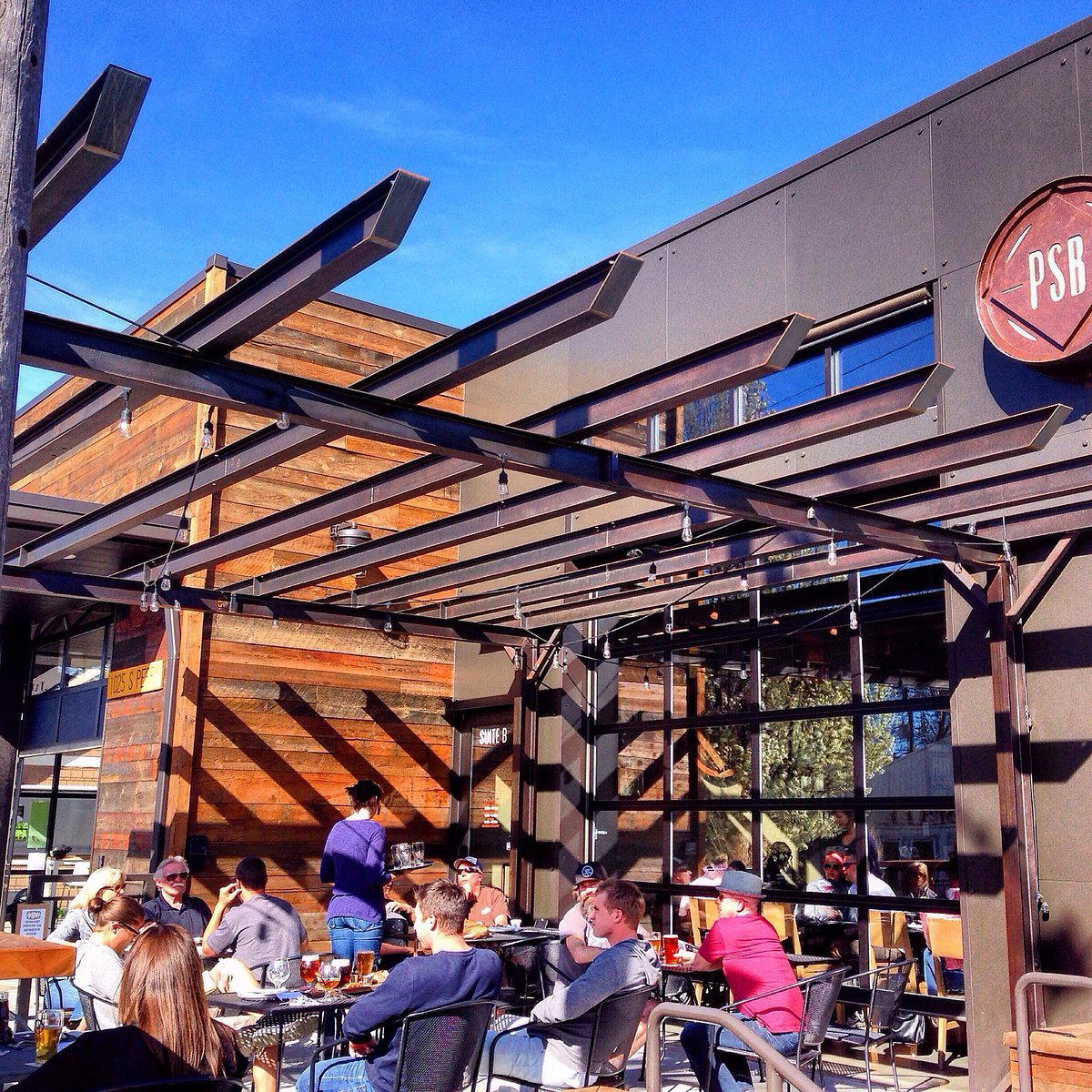
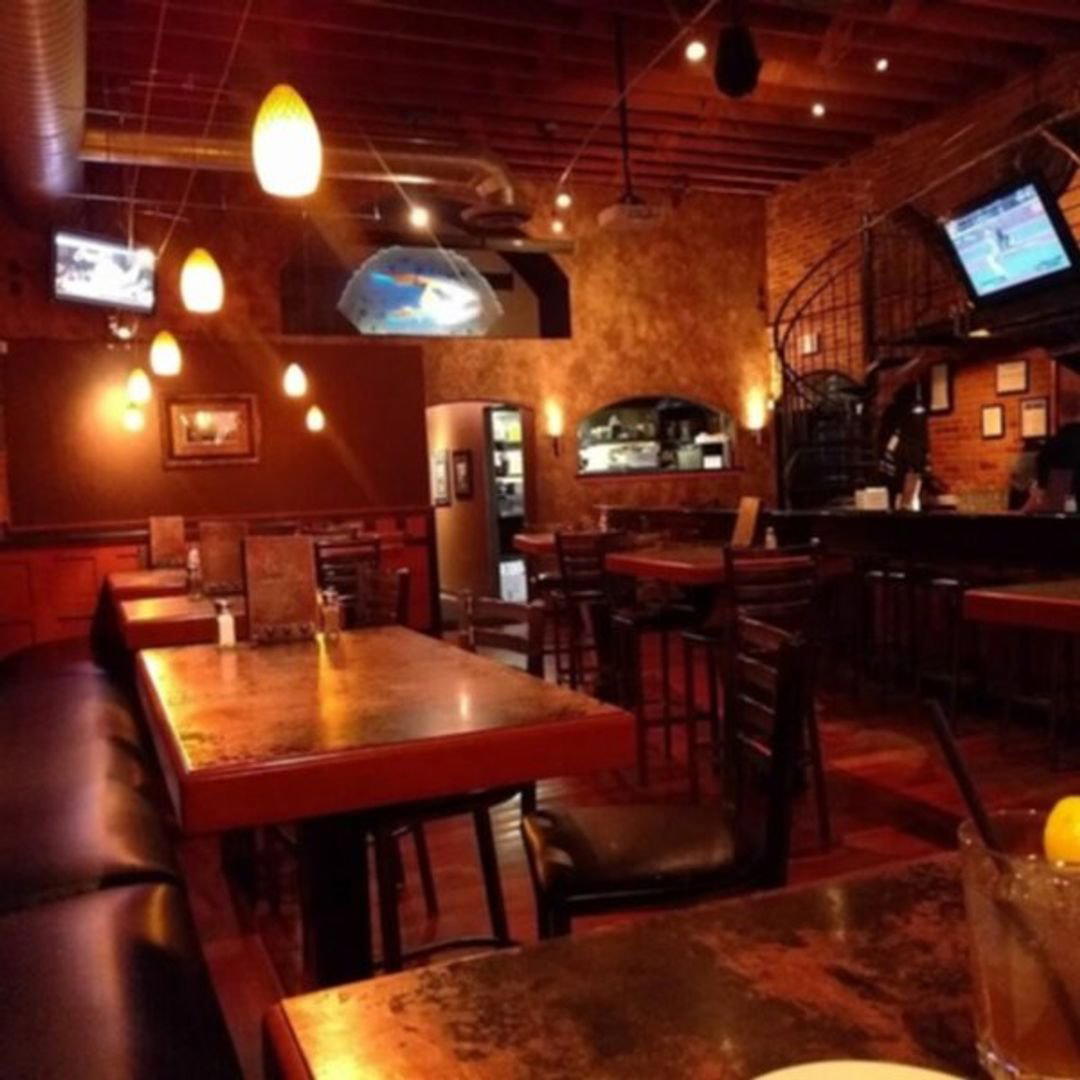
Casual atmosphere with colorful murals and friendly vibe.
Know Before You Go
- Getting there
- 10 N Post St, Spokane, WA 99201