China Dragon Restaurant
China Dragon Restaurant on Spokane's north side represents the kind of neighborhood Chinese dining institution that anchors a community long after trendier options come and go. Located at 27 E Queen Ave, it occupies a quieter corridor of the city where regulars return on habit as much as occasion. For visitors tracing Spokane's Asian dining history, it belongs on the itinerary alongside newer arrivals.
Pearl is the En Primeur Club membership app — saves, bookings, and concierge access live there. Same editors, same standards.
- Address
- 27 E Queen Ave, Spokane, WA 99207
- Phone
- +1 509 483 5209
- Website
- chinadragonspokane.com
- Directions
- Get directions
 Saves & bookings on Pearl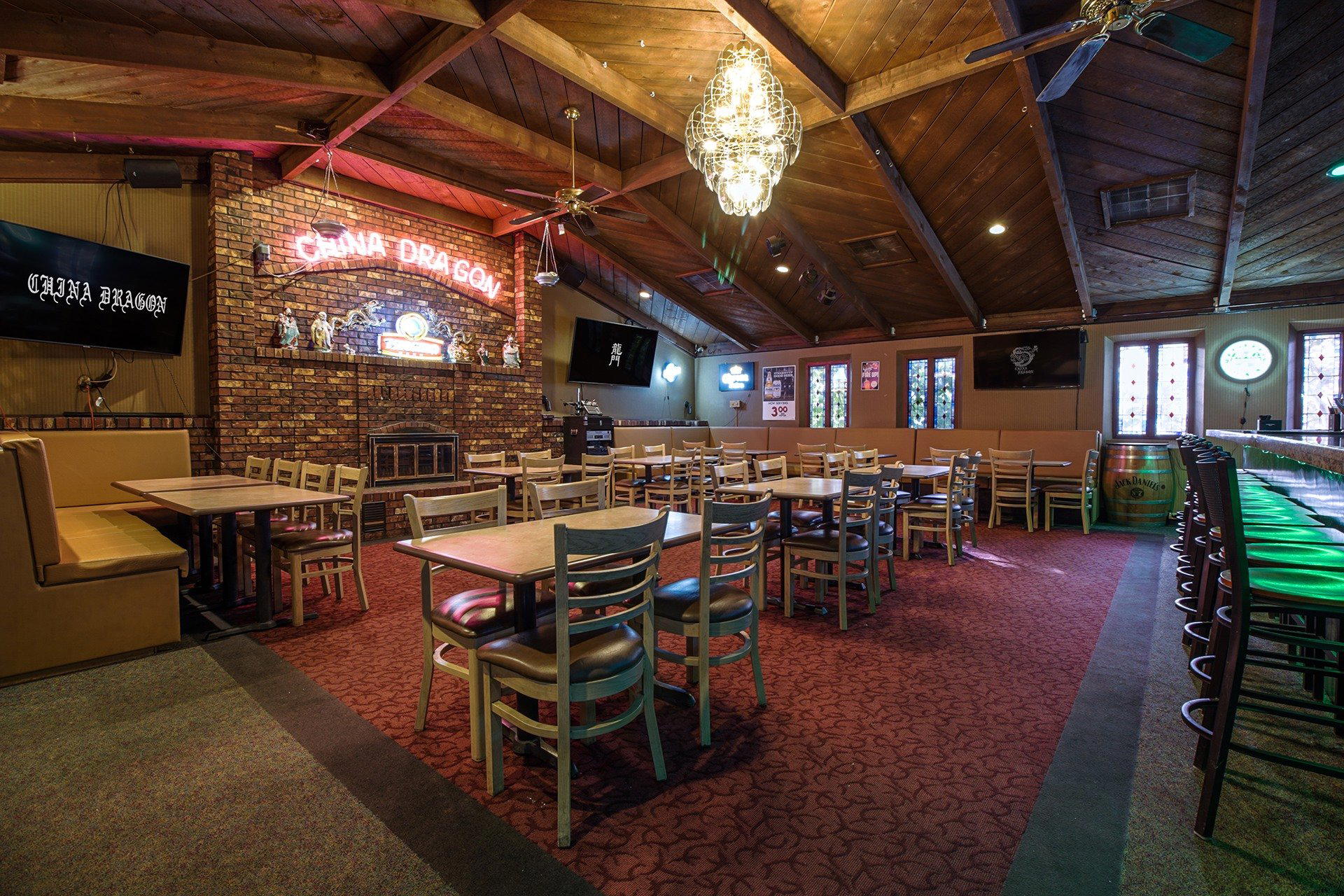
Where Spokane's Chinese Dining Tradition Holds Its Ground
Spokane's dining scene has diversified considerably over the past decade, with farm-to-table bistros, craft distillery restaurants like Dry Fly Distilling Bar, Restaurant, & Gift Shop, and ingredient-forward spots such as Gander and Ryegrass drawing attention from food media and visitors alike. Against that shift, the city's older Chinese restaurants occupy a different register entirely: they were never chasing trends, and that consistency is precisely what their regulars value. China Dragon Restaurant, at 27 E Queen Ave in the north part of the city, sits in that category of dining institutions whose longevity speaks louder than any awards shortlist.
The address itself tells part of the story. Queen Avenue is not one of Spokane's high-traffic dining corridors; it is a residential neighborhood artery where a restaurant survives on repeat business rather than foot traffic or tourist discovery. That geographic reality shapes what kind of place China Dragon is and what kind of diner it serves. In cities like Chicago or New York, neighborhood Chinese restaurants of this type often outlast celebrated peers by two or three decades, sustained by community familiarity and consistent cooking rather than critical recognition. The same logic applies here in the Inland Northwest.
The Sourcing Context: Chinese-American Cooking and Its Ingredients
Chinese-American restaurant cooking, particularly the style that developed through the mid-twentieth century across the Pacific Northwest, has always operated within a specific ingredient logic. Dishes like fried rice, lo mein, sweet and sour preparations, and wok-fired proteins were adapted to use what was available locally while maintaining the core technique and flavor architecture of Cantonese or northern Chinese cooking traditions. In a city like Spokane, which sits far from major coastal produce hubs, that adaptation was especially pronounced.
The Pacific Northwest does offer some genuine sourcing advantages for Chinese cooking. Washington State's agricultural output is substantial: stone fruits, root vegetables, and alliums from the Columbia Basin are within range; Pacific seafood, though not local to Spokane, arrives via established regional supply chains. How a kitchen uses those regional inputs, even within a familiar Chinese-American framework, determines whether the food has character or merely performs a category. For diners interested in tracing ingredient provenance in Pacific Northwest cooking more broadly, the contrast between this kind of neighborhood establishment and the more explicitly sourcing-focused restaurants elsewhere in Spokane, such as Gander and Ryegrass, illustrates how differently two kitchens in the same city can approach the question of where food comes from.
Placing China Dragon in Spokane's Asian Dining Picture
Spokane's Asian dining options cover a wider range than the city's overall profile might suggest. Chef Lu's Asian Bistro operates at a different register, with a more contemporary format and a broader pan-Asian range. China Dragon, by contrast, occupies the older, more specifically Chinese-American tier of the market. Neither position is inherently superior; they serve different purposes at different moments. A visitor wanting to understand the full arc of Chinese dining in a mid-size American city needs both ends of that spectrum.
For context beyond Spokane: across the United States, neighborhood Chinese restaurants of the type that China Dragon represents are increasingly rare. The economics of the restaurant industry, combined with generational shifts in ownership, have closed many of them over the past twenty years. The ones that remain tend to do so because they have built genuine community loyalty, not because the broader dining economy favors them. That context matters when assessing what a place like this actually represents in a local food ecosystem.
Dining in the Room: What the Setting Signals
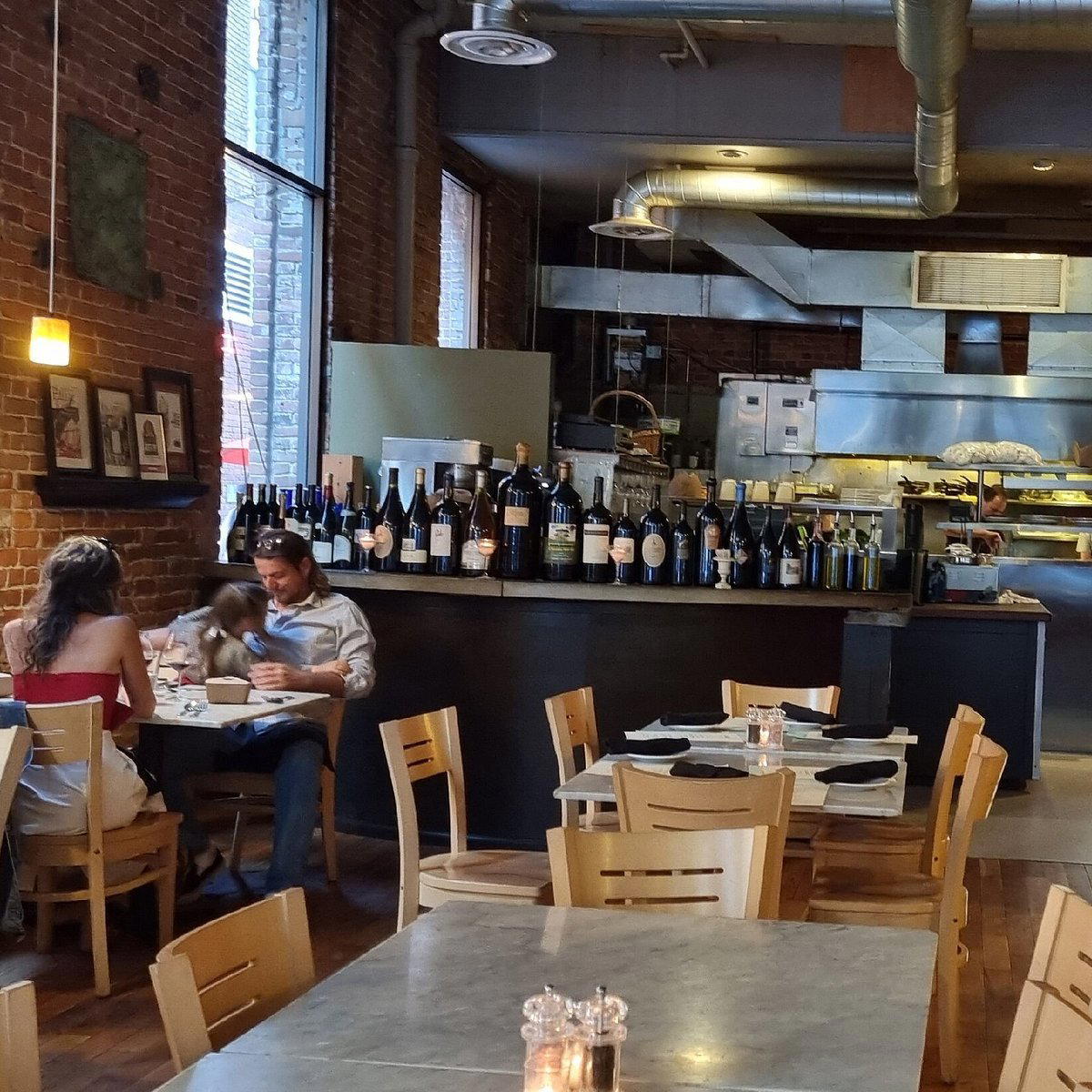
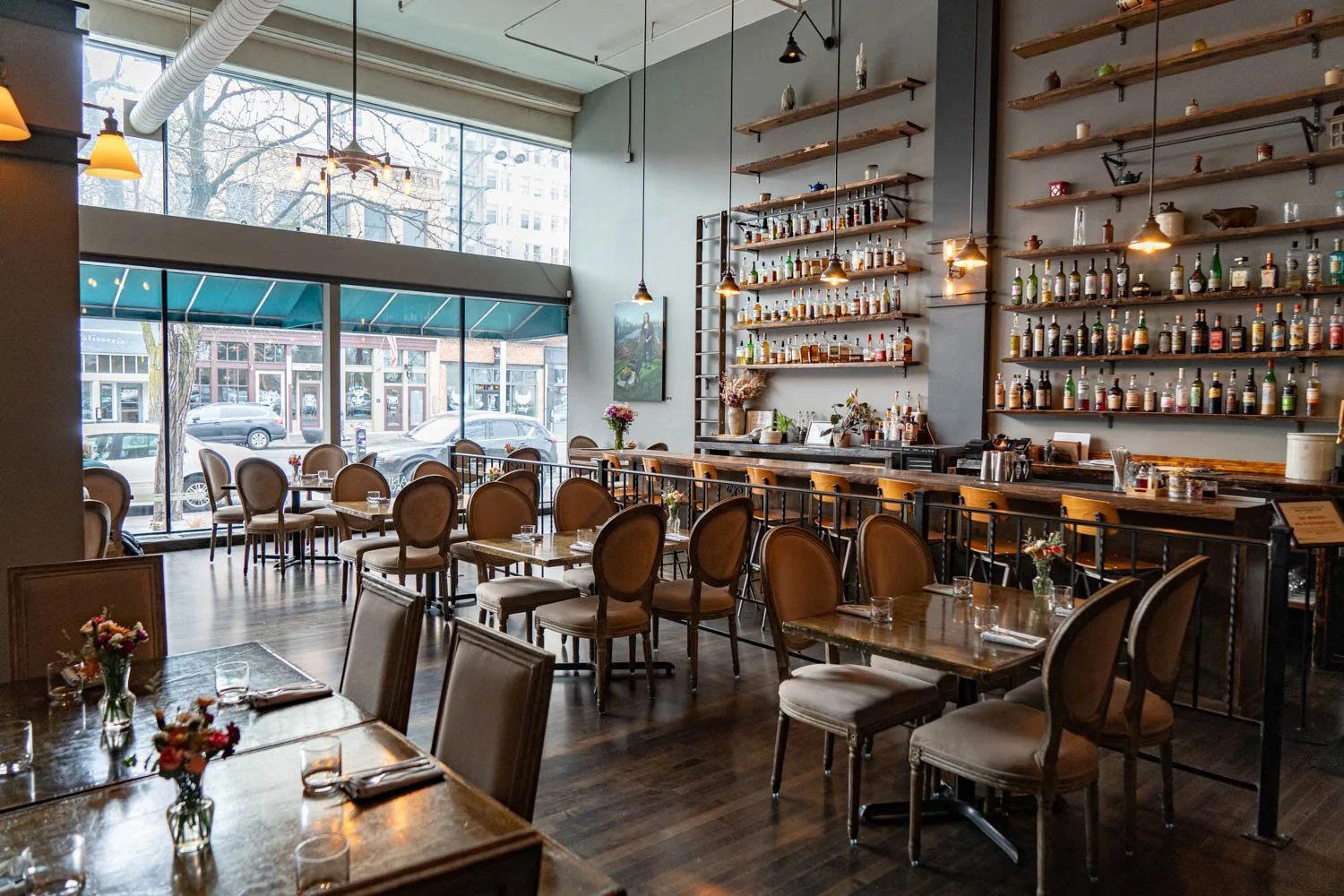
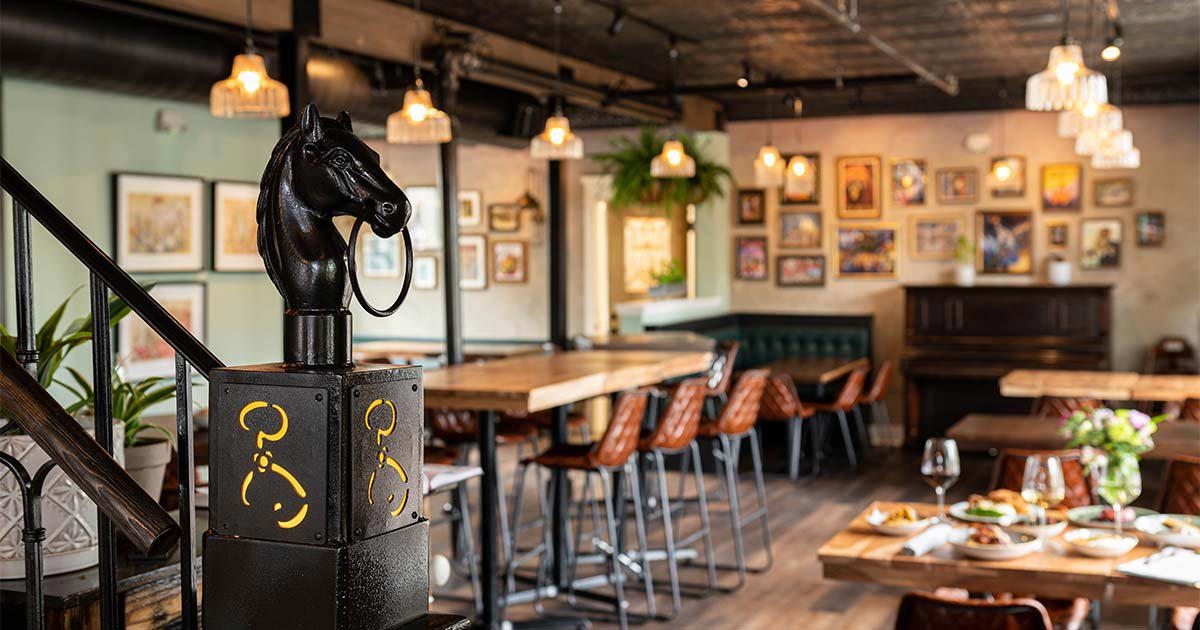
The approach to a north-side Spokane address like Queen Avenue prepares you for a certain kind of experience: no valet, no hostess with a tablet, no ambient playlist curated by a Brooklyn-trained consultant. Chinese restaurants of this generation typically feature booths or round tables suited to family-style service, decor that leans toward the familiar visual vocabulary of red and gold, and a menu designed to be read quickly by people who already know what they want. That familiarity is a feature, not a limitation. It signals a kitchen that has calibrated its cooking to a known audience over years, not one still auditioning for critical approval.
The comparison that comes to mind, in cities with richer documented dining scenes, is to the kind of old-guard Cantonese rooms in San Francisco's Richmond District or the long-established Chinese-American spots in Chicago's Chinatown that have outlasted waves of newer competition. Spokane operates at a different scale, but the underlying dynamic is consistent: the restaurant that survives in a neighborhood for decades without media attention has usually figured out something its customers need that flashier peers have not.
Planning a Visit: What to Know Before You Go
China Dragon Restaurant is located at 27 E Queen Ave, Spokane, WA 99207. For visitors building a broader Spokane itinerary, this address pairs naturally with an exploration of the city's north neighborhoods rather than the downtown restaurant corridor. If you are mapping a full evening, consider bookending the meal with cocktails at Cochinito, or winding down at Dry Fly Distilling.
Comparable Venues
Comparable venues nearby, for context on price, style, and recognition.
| Venue | Cuisine | Price | Notes |
|---|---|---|---|
| China Dragon RestaurantThis venue — the venue you are viewing | sports_bar | $$ | Not listed |
| Luna | cocktail_bar | $$ | Spokane |
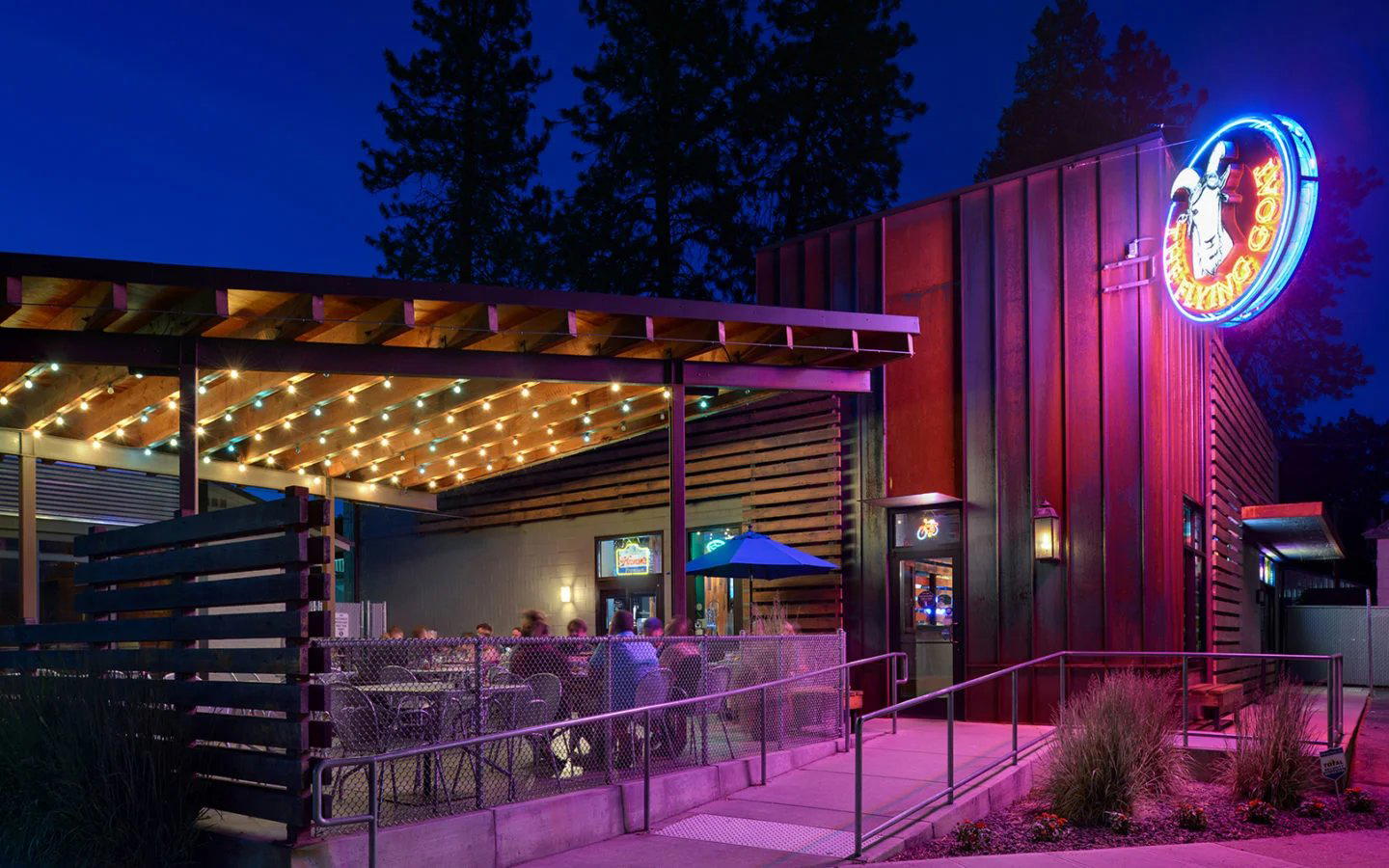
| The Flying Goat | beer_bar | $$ | Audubon Downriver |
| Indicana | cocktail_bar | $$ | South Perry District |
| De Leon's Taco & Bar #3 | lounge | $ | South Hill |
| Dry Fly Distilling Bar, Restaurant, & Gift Shop | cocktail_bar | $$ | Riverside Avenue |
At a Glance
- Lively
- Cozy
- Group Outing
- Casual Hangout
- Live Music
- Lounge Seating
- Classic Cocktails
Current opening hours
- Monday
- 11 AM–9 PM
- Tuesday
- 11 AM–9 PM
- Wednesday
- 11 AM–9 PM
- Thursday
- 11 AM–9 PM
- Friday
- 11 AM–9 PM
- Saturday
- 11 AM–9 PM
- Sunday
- 11 AM–9 PM
Hours can change for holidays and private events. Last verified .
Inviting atmosphere with authentic decor, extended lounge section for dancing and music.