Google: 3.9 · 831 reviews
Delilah Los Angeles
Delilah Los Angeles occupies a charged position on Santa Monica Boulevard in West Hollywood, where the line between late-night supper club and cocktail destination runs deliberately thin. The room rewards those who understand the ritual: arrive composed, drink seriously, and stay long enough for the evening to find its rhythm. West Hollywood's most atmosphere-forward night venue operates on its own schedule.
 Discover on Pearl
Pearl is the En Primeur Club membership app — saves, bookings, and concierge access live there. Same editors, same standards.
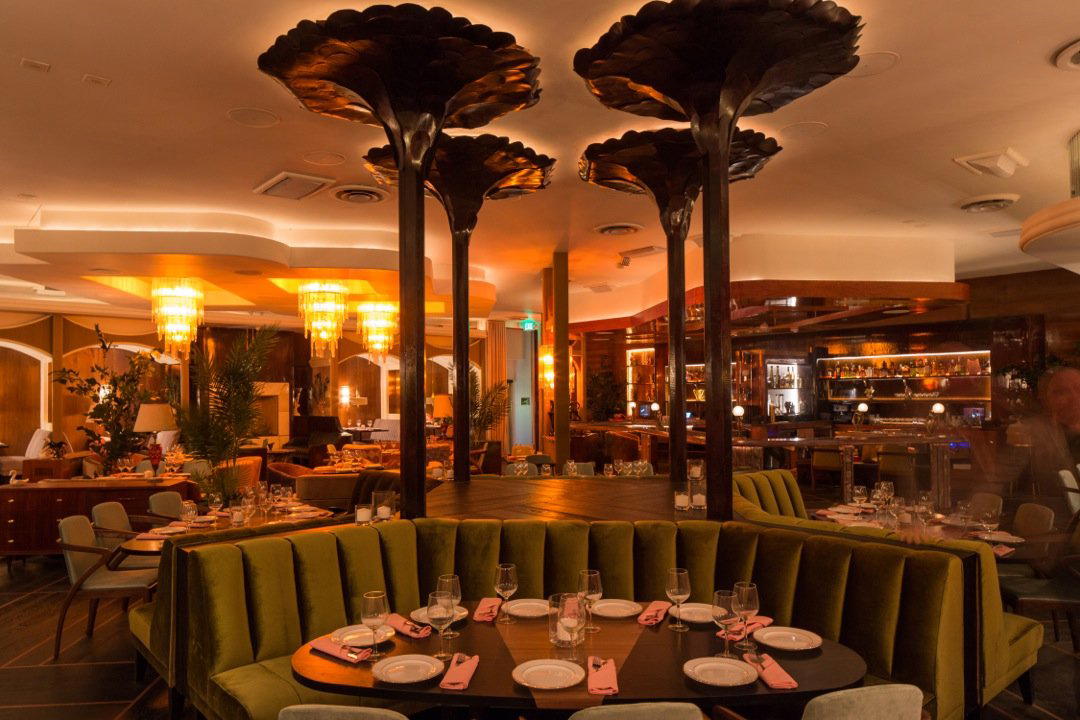
The Room Before the Drink
West Hollywood has always kept at least one room where the architecture does half the work before a glass is raised. Santa Monica Boulevard carries a particular density of this kind of space: venues where the design vocabulary — low light, banquette depth, the geometry of a well-placed bar — sets the terms of the evening before the first order is placed. Delilah Los Angeles, at 7969 Santa Monica Blvd, operates squarely inside that tradition. The address alone signals an evening with a specific arc: you arrive after dark, you stay later than intended, and the room is the reason.
This is not the West Hollywood of outdoor patios and Instagram-lit brunch. Delilah belongs to an older, more deliberate strand of Los Angeles nightlife , the supper club format that treats the meal and the drink as a continuous ritual rather than separate transactions. Venues in this category succeed or fail on atmosphere management, and the ones that endure do so because the physical environment holds its coherence across a full evening rather than just the first hour.
The Supper Club as Dining Format
The supper club format asks something specific of a guest. The pacing is not controlled by a kitchen's tasting menu logic or a chef's predetermined sequence. Instead, the evening advances through social cues: when the room fills, when the music shifts register, when the bar begins pulling more weight than the kitchen. Understanding this rhythm is the difference between a guest who leaves early and one who gets the full value of the space.
Across American cities, the supper club model has split into two recognizable tiers. The first prioritizes the food program, uses the entertainment elements as atmosphere, and expects the kitchen to anchor the evening's credibility. The second inverts this: the entertainment and the bar program carry the experience, and the food functions as elegant scaffolding. Delilah sits closer to the second model, placing it in a peer set that includes late-night rooms in New York, Chicago, and Miami where the cocktail list and the physical environment are the primary arguments for the reservation.
Comparable operations in other markets illustrate how this format functions at its most considered. Kumiko in Chicago demonstrates how a bar-forward format can sustain critical attention when the program has genuine depth. Jewel of the South in New Orleans shows how a historically resonant room can anchor a cocktail identity. Delilah operates from a different set of aesthetic premises , Old Hollywood glamour as a recurring Los Angeles grammar , but the underlying format logic is shared: the room and the drink program carry equal weight.
Drinking in West Hollywood
West Hollywood's bar scene has always been more layered than its celebrity-adjacent reputation suggests. The corridor from Sunset to Santa Monica supports everything from serious natural wine programs to neighborhood-scale cocktail bars, and the most durable operations tend to have a clear point of view about which part of the market they serve. Bar Lubitsch occupies the intimate European-bar register. BOA Steakhouse and Catch represent the scene-driven dining end of the spectrum. Bar Jubilee sits in a more craft-focused register. Delilah differentiates by leaning into spectacle as a considered aesthetic choice rather than a concession to market pressure.
That choice has parallels in other American markets. Superbueno in New York City and ABV in San Francisco each demonstrate that a room with a strong formal identity can hold its position in a competitive urban bar market without defaulting to trend cycles. Bar Leather Apron in Honolulu and Julep in Houston show how regional bar programs build authority through consistent format discipline rather than seasonal reinvention. The through-line in each case is that the venue's identity is legible from the moment you enter, and Delilah achieves this through a design language that is direct about its references.
The Ritual of the Evening
At venues operating in the supper club register, the etiquette of the evening matters more than most guests initially recognize. Arriving at the opening of service and departing before the room reaches its social peak is a legitimate choice, but it is also a partial experience. The format is built around a progression that rewards patience: early arrivals get the quieter, more intimate version of the space; later in the evening, as the room fills and the sound levels climb, the atmosphere shifts into a different gear entirely. Both versions of Delilah are coherent, but they are not the same evening.
This is a room where the dress code is functional rather than decorative. The visual consistency of a dressed crowd is part of what maintains the atmosphere that the design is working to create. Venues that maintain this standard do so because the alternative , a mixed-dress room , breaks the suspension of disbelief that a space like this depends on. Guests who arrive understanding this are guests who get the full return on the evening.
For planning purposes, Delilah is on Santa Monica Boulevard in West Hollywood, accessible from both the Sunset Strip corridor and the eastern end of WeHo. Given the venue's late-night orientation, rideshare arrival is the practical default for most guests, and the booking window for a Friday or Saturday reservation warrants more lead time than the average West Hollywood dinner. See our full West Hollywood restaurants guide for broader context on the neighborhood's dining and drinking options, including how Delilah fits into an evening that might begin or end elsewhere on the Strip.
Internationally, the format has strong analogues: The Parlour in Frankfurt on the Main demonstrates how a carefully maintained room can hold an identity across different market conditions. The common factor across all these operations is that they ask something of the guest in return for what they offer. Delilah asks for an investment in the ritual , the time, the attention, the willingness to let the evening develop on the room's terms rather than the guest's schedule.
Planning Your Visit
Delilah Los Angeles is located at 7969 Santa Monica Blvd, West Hollywood, CA 90046. The venue operates as a supper club and late-night room, which means service extends well past standard dinner hours. Reservations are advisable, particularly on weekends, and the booking demand reflects the venue's sustained position in the West Hollywood scene. The room's design and format are oriented toward an evening that begins at dinner and continues through late night rather than a single-purpose meal or drink.
Continue exploring
More in West Hollywood
Bars in West Hollywood
Browse all →

Restaurants in West Hollywood
Browse all →
Hotels in West Hollywood
Browse all →
Wineries in West Hollywood
Browse all →
At a Glance
- Elegant
- Opulent
- Sophisticated
- Iconic
- Lively
- Date Night
- Late Night
- Celebration
- Special Occasion
- Live Music
- Design Destination
- Lounge Seating
- Booth Seating
- Private Rooms
- Classic Cocktails
- Craft Cocktails
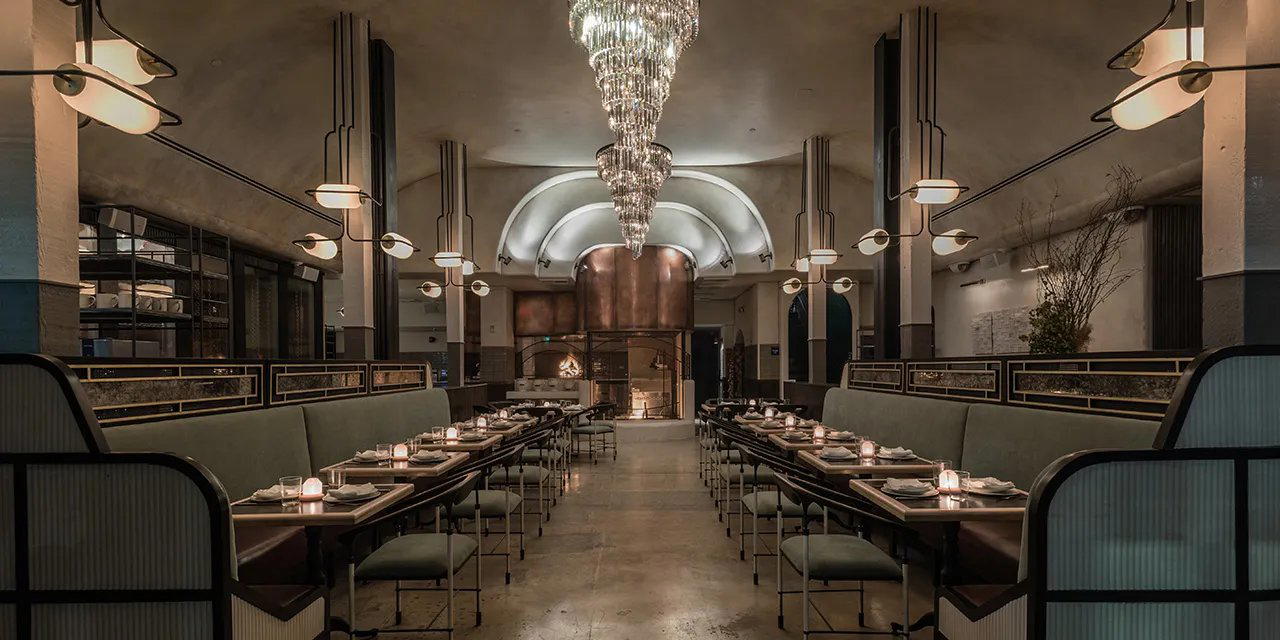
Lavish chandeliers, plush interiors, crackling fireplace, and Art Deco aesthetics create a warm, nostalgic, and vivacious atmosphere.