Google: 4.1 · 3,345 reviews
Catch
Catch on Melrose Avenue sits at the intersection of West Hollywood's see-and-be-seen dining culture and a seafood-forward menu that takes its sourcing seriously. The rooftop setting and high-energy crowd place it firmly in the category of destination restaurants where the room is part of the experience. It draws a consistent following across industry nights and weekend evenings alike.
 Discover on Pearl
Pearl is the En Primeur Club membership app — saves, bookings, and concierge access live there. Same editors, same standards.
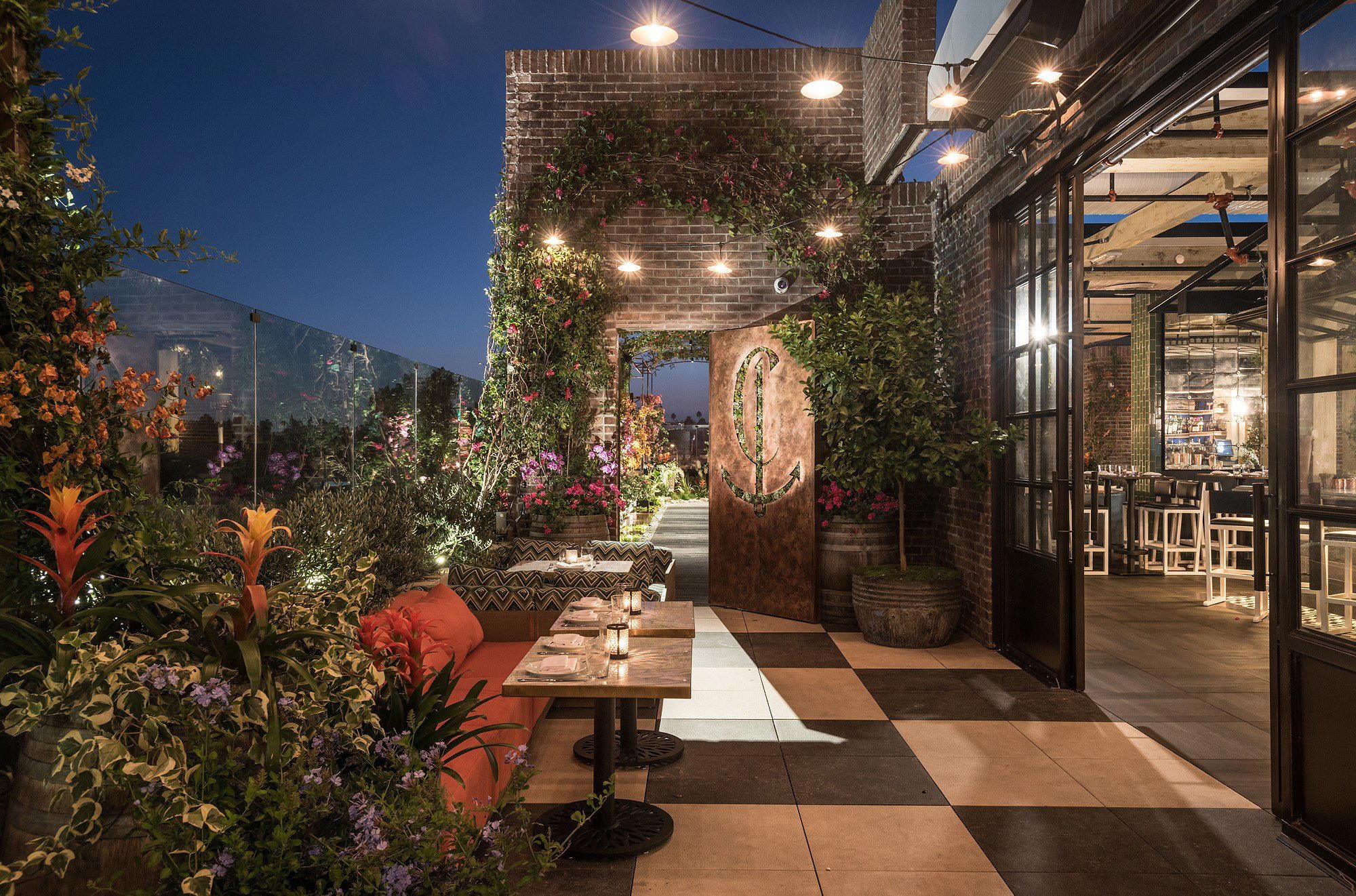
Where Melrose Meets the Pacific
West Hollywood's dining strip along Melrose Avenue has a specific gravitational pull in the evening hours: the light shifts, the valets multiply, and the restaurants that survive more than a season do so because they understand that atmosphere and ingredient quality are not competing priorities. Catch operates in that understanding. Located at 8715 Melrose Ave, it occupies a position in the neighbourhood where a rooftop perch and a seafood-centric menu intersect with the kind of crowd that expects both to be taken seriously.
The approach to sourcing that defines Catch's identity matters here for a reason that goes beyond trend-following. Southern California's proximity to the Pacific gives seafood-focused kitchens a structural advantage: shorter supply chains, faster turnaround from catch to plate, and access to a wider variety of Pacific species than most inland American markets can access. When a West Hollywood kitchen commits to that sourcing logic, it shows in the way the menu is built, season by season, around what the water is actually producing rather than what can be flown in reliably year-round.
The Sourcing Argument on Melrose
The ingredient-sourcing conversation in premium American seafood dining has shifted considerably over the past decade. The coastal cities that do it most seriously — Seattle, San Francisco, New Orleans — have built reputations around provenance transparency, where the menu functions almost as a record of what the local and regional fishing economy is offering at any given moment. West Hollywood is not a fishing port, but its position within the Los Angeles food system gives it access to a supply chain that runs from Santa Barbara to Baja California, with dockside relationships that a motivated kitchen can build and maintain.
Catch sits within that broader movement toward sourcing accountability in upscale seafood. The West Hollywood restaurant tier it occupies , visible, high-demand, drawing a mix of industry professionals and out-of-town visitors , tends to require that the room justify its prices through both experience and ingredient quality. The two reinforce each other: a kitchen that sources with discipline gives the floor staff something concrete to communicate, and diners who have paid for provenance are more attentive to what arrives on the plate. That dynamic plays out across comparable venues in the city's higher-end seafood segment.
For context across the American seafood and bar scene, the sourcing-forward model shows up in very different formats: Jewel of the South in New Orleans applies a similar ingredient-first logic to its cocktail and culinary program, while Bar Leather Apron in Honolulu demonstrates how Pacific proximity can shape a drinks program with the same intentionality that Pacific seafood shapes a menu. The principle travels across formats.
The Room and the Scene
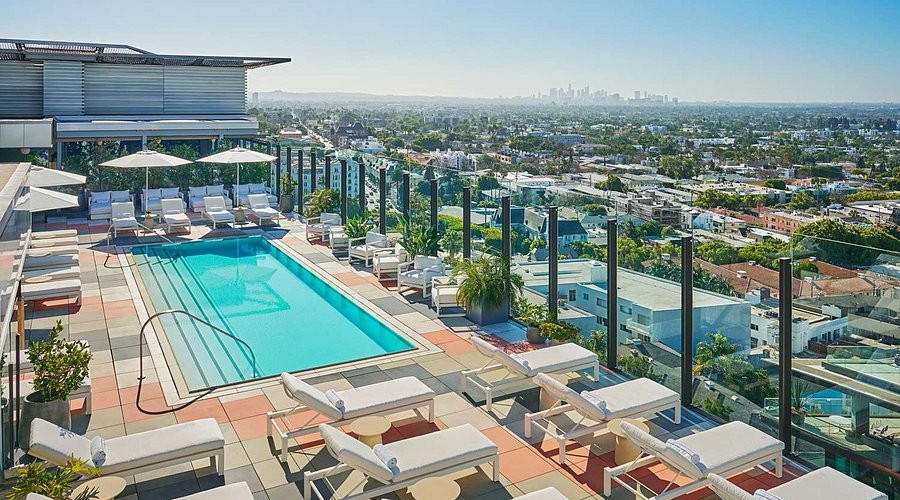
The rooftop format that defines Catch's physical experience is one that West Hollywood has claimed with some authority. The neighbourhood's flat topography and consistent evening temperatures for much of the year make refined outdoor dining commercially viable in ways that are harder to replicate in Chicago or New York. A rooftop in West Hollywood is not a seasonal amenity; it is a year-round program decision, and restaurants that build around it are committing to a specific kind of guest experience where the city itself becomes part of the setting.
That experience sits in a category alongside several of West Hollywood's most visible dining and drinking destinations. BOA Steakhouse and Craig's anchor the neighbourhood's high-energy, people-watching tier, while Bar Lubitsch and Bar Jubilee serve the cocktail-forward end of the same evening economy. Catch occupies the space where those energies overlap: a room where the drinks program matters, the food is taken seriously, and the crowd is part of the texture of the night.
The comparison extends further along the American bar and dining scene. Programs like ABV in San Francisco and Kumiko in Chicago show how a high-conviction approach to both food and drink can define a venue's identity across very different city contexts. Superbueno in New York City and Julep in Houston demonstrate the same principle in Latin-influenced and Southern formats respectively. In each case, the kitchen and bar operate as a unified argument rather than parallel departments. The Parlour in Frankfurt on the Main extends that logic internationally, where the room and the program are inseparable from the venue's identity.
Planning Your Visit
Catch is located at 8715 Melrose Ave in West Hollywood, positioned on a stretch of Melrose that sees consistent evening foot traffic and functions as one of the neighbourhood's primary dining corridors. Parking in this section of West Hollywood is competitive on weekends; valet is typically the most reliable option for the area. Reservations are the practical approach for anyone targeting a specific table position, particularly on the rooftop, where demand from both local regulars and visitors to the city tends to outpace available inventory on Thursday through Saturday evenings. The broader neighbourhood context, including further dining and bar options across the area, is covered in our full West Hollywood restaurants guide.
Continue exploring
More in West Hollywood
Bars in West Hollywood
Browse all →
Restaurants in West Hollywood
Browse all →
Hotels in West Hollywood
Browse all →
Wineries in West Hollywood
Browse all →
At a Glance
- Lively
- Trendy
- Elegant
- Energetic
- Sophisticated
- Date Night
- Late Night
- Celebration
- Special Occasion
- Rooftop
- Terrace
- Panoramic View
- Lounge Seating
- Outdoor Terrace
- Craft Cocktails
- Skyline
Lively, buzzy rooftop atmosphere with chic decor, excellent service, and an energetic vibe enhanced by in-house curated music.