Bar Lubitsch
Bar Lubitsch on Santa Monica Boulevard is one of West Hollywood's most enduring late-night bars, drawing a loyal crowd with its Russian-inflected spirit program and dimly lit, velvet-draped interior. The back bar leans heavily on vodka and Eastern European bottles that rarely appear elsewhere on the Strip. Plan for a walk-in, cash-friendly evening in a room that hasn't chased trends.
Pearl is the En Primeur Club membership app — saves, bookings, and concierge access live there. Same editors, same standards.
- Address
- 7702 Santa Monica Blvd, West Hollywood, CA 90046
- Phone
- +1 323 654 1234
- Website
- barlubitsch.com
- Directions
- Get directions
 Saves & bookings on Pearl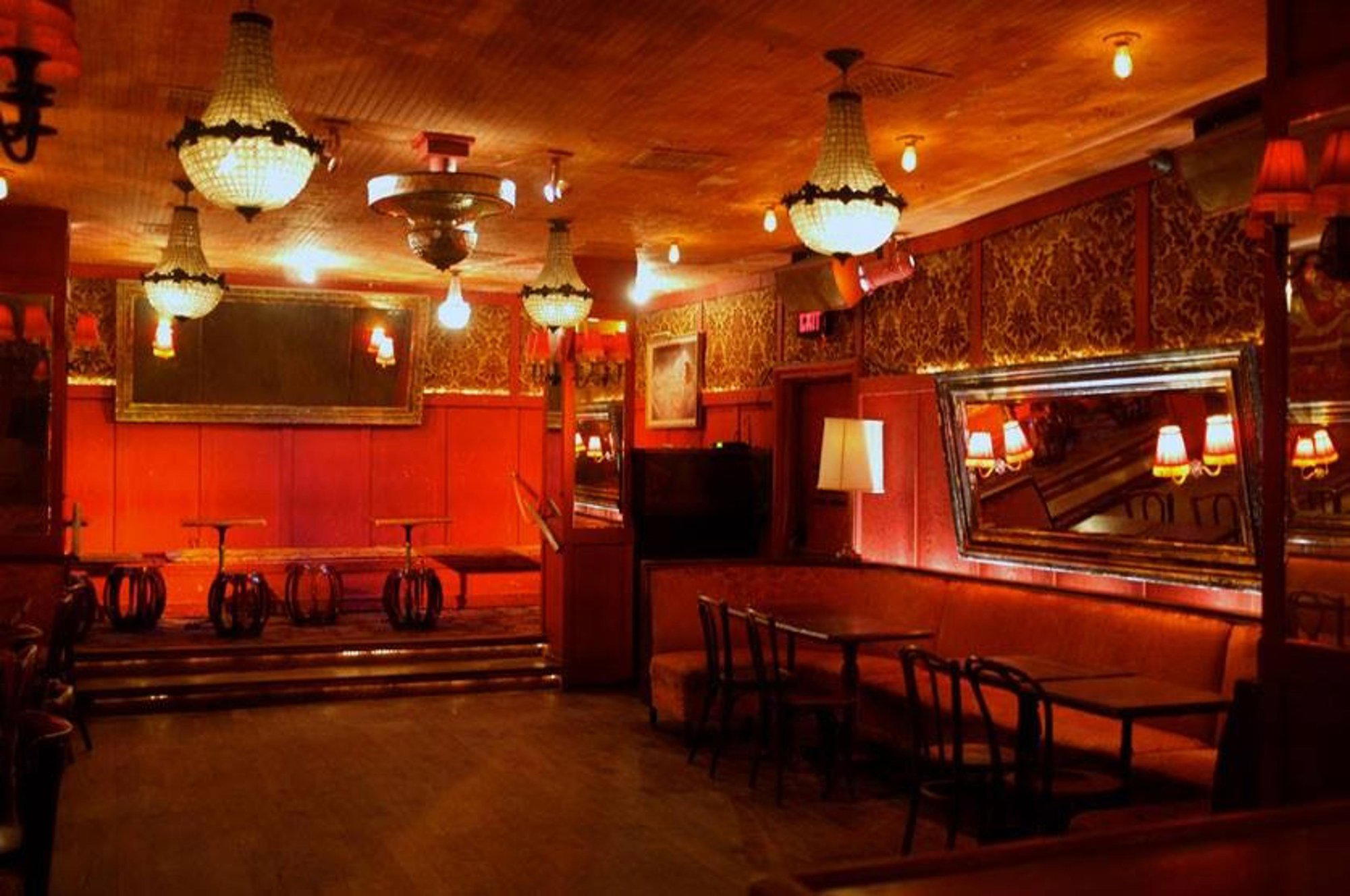
Santa Monica Boulevard After Dark
West Hollywood's bar scene has always sorted itself into tiers: the hotel rooftops courting Instagram traffic, the industry-adjacent spots where the conversation runs until 2 a.m. and a smaller category of rooms where the back bar does the talking. Bar Lubitsch, at 7702 Santa Monica Blvd, belongs to that third tier. The address sits on a stretch of Santa Monica Boulevard that has housed Russian-themed bars and late-night regulars for decades, and the room carries that accumulated weight in its atmosphere rather than announcing it. You notice the bottles before you notice much else.
The Back Bar as the Argument
Across the American cocktail scene, the last decade has produced a split between bars that lead with technique and bars that lead with collection. The technique-forward houses — represented by programs like Kumiko in Chicago or Bar Leather Apron in Honolulu — build their identity around the glass. Collection-forward rooms build it around what lines the shelves. Bar Lubitsch sits in the second category, and the distinction matters for what kind of evening you're going to have.
The back bar at a room like this functions as an editorial argument: every bottle is a position taken. Vodkas from smaller Eastern European producers sit alongside infused spirits, and the selection has a coherence that separates it from bars that stock broadly to cover all requests. This is a room that has made choices, and the drink you order reflects whether you engage with those choices or work around them. Regulars engage with them. First-timers who arrive expecting a standard WeHo cocktail list sometimes need a moment to recalibrate.
For comparable collection-depth in other cities, the frame of reference shifts: Jewel of the South in New Orleans and ABV in San Francisco both operate with the understanding that a curated shelf communicates something a printed menu cannot. Bar Lubitsch operates on the same logic, with a specific Russian and Eastern European lean that distinguishes it from the broader West Coast amaro-and-agave axis.
The Room and the Crowd
West Hollywood drinking rooms that have lasted tend to develop a self-selecting crowd. The tourists find the hotel bars. The people who end up at Bar Lubitsch on a Thursday are, more often than not, people who have been before, or people who were brought by someone who has. The room supports that kind of patronage: it is not designed to process volume, and the pace of service reflects that. Conversations go longer here than they do at the louder rooms on the boulevard.
The neighborhood context matters. West Hollywood has a concentration of serious drinking establishments that is higher than the area's reputation for celebrity dining might suggest. BOA Steakhouse, Catch, and Craig's represent the high-profile dining-bar axis. Bar Lubitsch is adjacent to that world geographically but operates in a different register, less concerned with who is in the room and more with what is in the glass. That separation is part of what has kept it relevant across multiple cycles of WeHo nightlife turnover.
Spirits Curation in Practice
A bar that leads with collection rather than technique still needs to execute technically. The risk in collection-forward rooms is that the bottles become decor. The stronger examples in this category, Julep in Houston with its American whiskey depth, or Superbueno in New York City with its agave focus, use the collection as a foundation for informed staff recommendations rather than a passive display. The question to ask at Bar Lubitsch is the same one worth asking at any collection-focused room: does the person behind the bar know what is on the shelf, and can they route you toward something you would not have ordered on your own?
At its better moments, Bar Lubitsch delivers on that premise. The Russian-leaning identity gives the bar a distinct point of view in a city where most cocktail programs default to the same Californian produce-and-vermouth vocabulary. That distinctiveness is a genuine competitive advantage in a market where differentiation is increasingly difficult to sustain. Bar Jubilee offers a comparable sense of a room built around a specific sensibility rather than broad-market appeal.
Where Bar Lubitsch Sits in the Wider Conversation
Among the specialist bars that have carved out positions in their respective cities, the pattern is consistent: a defined spirits identity, a room scaled for conversation, and a crowd that has opted in. The Parlour in Frankfurt on the Main operates on related principles in a very different city context. What links these rooms is the refusal to be everything to everyone, a constraint that paradoxically builds a more loyal, more informed regular base than the broader-appeal alternative.
Bar Lubitsch's longevity on Santa Monica Boulevard is the clearest evidence that this approach works in West Hollywood. Bars that chase the scene tend to be replaced by the next scene. Bars with a point of view tend to outlast them.
Planning Your Visit
Bar Lubitsch is located at 7702 Santa Monica Blvd, West Hollywood, CA 90046. Friday and Saturday evenings on this stretch of Santa Monica tend to run busy across all formats; weeknights offer more room and more of the back-bar conversation the space is built for. For a fuller picture of what the area offers across formats and price tiers, see our full West Hollywood restaurants guide.
Continue exploring
More in West Hollywood
Bars in West Hollywood
Browse all →
Restaurants in West Hollywood
Browse all →
Hotels in West Hollywood
Browse all →
Wineries in West Hollywood
Browse all →
At a Glance
- Lively
- Classic
- Cozy
- Energetic
- Casual Hangout
- Group Outing
- Late Night
- Celebration
- Live Music
- Standalone
- Historic Building
- Seated Bar
- Lounge Seating
- Outdoor Terrace
- Booth Seating
- Classic Cocktails
- Craft Cocktails
Current opening hours
- Monday
- 7 PM–2 AM
- Tuesday
- 7 PM–2 AM
- Wednesday
- 7 PM–2 AM
- Thursday
- 7 PM–2 AM
- Friday
- 7 PM–2 AM
- Saturday
- 8 PM–2 AM
- Sunday
- 8 PM–2 AM
Hours can change for holidays and private events. Last verified .
Cozy Russian-style setting with ivy-trimmed enclosed patio and a lively Red Room dance space; intimate front room with 1930s cabaret aesthetic and energetic back room atmosphere.
Know Before You Go
- Getting there
- 7702 Santa Monica Blvd, West Hollywood, CA 90046