Craig's
Craig's on Melrose Avenue sits at the intersection of West Hollywood's industry social scene and the American supper club tradition. A standing reservation at this address has long carried a particular kind of currency in a neighbourhood where who you're seated next to matters as much as what's on the plate. The room operates as a register of the city's entertainment and creative class on any given evening.
Pearl is the En Primeur Club membership app — saves, bookings, and concierge access live there. Same editors, same standards.
- Address
- 8826 Melrose Ave, West Hollywood, CA 90069
- Phone
- +1 310 276 1900
- Website
- craigs.la
- Directions
- Get directions
 Saves & bookings on Pearl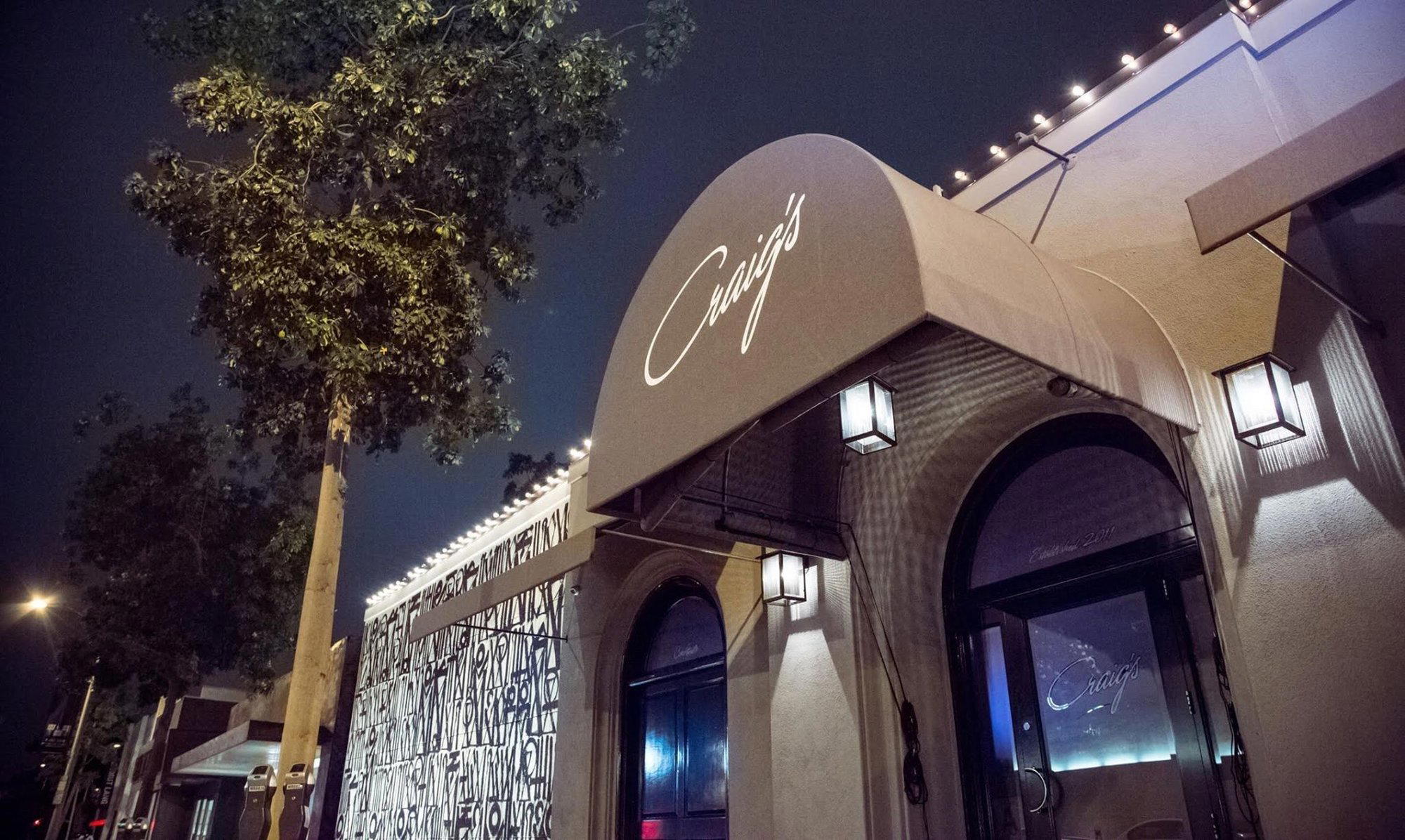
The Room Before the Menu
On Melrose Avenue, between the design showrooms and the late-night traffic heading toward Beverly Hills, Craig's occupies a position that most restaurants spend decades trying to earn and rarely do. The address — 8826 Melrose — functions as a kind of shorthand in West Hollywood's social vocabulary. Before you consider the food, you register the room: who's in it, where they're sitting, and whether the host navigates you toward the front or tucks you toward the back. In a neighbourhood that has always treated the dining room as a stage, the choreography of seating is its own editorial statement.
West Hollywood's restaurant culture draws a specific comparison. Unlike the tasting-menu formalism that defines much of Los Angeles's critical conversation further east, the strip along Melrose and Santa Monica Boulevard has historically favoured the American supper club format: tablecloths, generous pours, cooking that doesn't demand explanation, and a room animated by conversation rather than ceremony. Craig's belongs firmly to that lineage. It is the kind of place that Dan Tana's built its reputation on for decades, the neighbourhood institution where regulars are known by name and first-timers read the room before ordering.
The Supper Club Tradition in an Industry Town
The American supper club is a format that has survived because it solves a problem that no amount of culinary ambition can fully address: some rooms are about the people in them. In entertainment-industry cities, restaurants that attract a consistent, high-profile crowd develop a secondary function. The meal becomes the pretext; the room is the actual product. This dynamic is not distinctive to Los Angeles, you see versions of it at certain tables in New York's Midtown, at a handful of addresses in Chicago, at the established institutions of any city with a concentrated creative or media class. But West Hollywood concentrates it. The neighbourhood's proximity to the major studios, agencies, and production companies means that lunch and dinner have always carried professional weight here. A table at Craig's isn't just a table; it's a position in a particular social field.
That context shapes how the food should be understood. The cooking at supper clubs of this type tends toward confident American comfort: steaks, pasta dishes, a strong bar program, and desserts that read as rewards rather than statements. These aren't menus designed to challenge; they're menus designed to hold a room for two and a half hours without anyone feeling underfed or over-lectured. The format has deep roots in mid-century American hospitality, when the great Hollywood-adjacent restaurants understood that their clientele came to eat well but also to be seen doing so.
Melrose as a Dining Address
Melrose Avenue carries a different dining register than Sunset, which trends louder and more bar-forward, or Robertson, which skews toward brunch culture and visible outdoor seating. Melrose in this stretch is evening-oriented, with restaurants that reward lingering. Neighbours in the broader competitive set include venues with distinct personalities: BOA Steakhouse occupies the premium steakhouse tier a short distance away, drawing a similar industry crowd with a more formal price bracket; Catch positions itself at the louder, more social end of the same neighbourhood audience. Craig's occupies middle ground that is harder to define and, more durable: the restaurant that regulars return to not for a special occasion but because it has become part of the routine.
For pre- or post-dinner drinks, the neighbourhood offers clear options. Bar Lubitsch brings an Eastern European-inflected cocktail program that suits the area's eclectic sensibility, while Bar Jubilee operates with the kind of focused wine and cocktail identity that pairs naturally with a dinner-first evening. Both are within the West Hollywood corridor and represent the neighbourhood's shift toward more considered drinking programs over the past several years.
How Craig's Fits the Los Angeles Conversation
Los Angeles's dining scene has fragmented considerably over the past decade. The city now sustains a rigorous fine-dining tier, a strong natural wine and small-plates culture in Silver Lake and Echo Park, and a celebrity-facing hospitality scene concentrated in West Hollywood and Beverly Hills. The bar operates in that last category without being reducible to it. The distinction matters: venues that exist purely on celebrity adjacency tend to have short cycles, cycling through cultural relevance as the crowd moves. Restaurants with actual regulars, people who return for the food and the familiarity, not just the sighting potential, tend to outlast them.
The supper club format the bar represents has analogues in other American cities, each shaped by local industry. Compare the function of a well-run, people-watching-forward restaurant in West Hollywood to something like Kumiko in Chicago, which operates with a completely different program but similarly relies on repeat clientele and a distinct room personality. Or consider how Jewel of the South in New Orleans draws on deep local dining tradition to anchor a loyal crowd. The specific content differs; the underlying logic, that a great room requires consistent identity, not just a good opening season, is the same across markets.
For travellers building a broader American dining and drinking itinerary, useful reference points include ABV in San Francisco, which represents a different kind of industry-adjacent social drinking institution on the West Coast, and Julep in Houston and Superbueno in New York City for comparison points on regional social-dining culture. Internationally, Bar Leather Apron in Honolulu and The Parlour in Frankfurt on the Main show how the social dining format adapts across contexts.
Planning a Visit
The bar is located at 8826 Melrose Ave, West Hollywood, CA 90069, with valet parking commonly used in the evening. Given the restaurant's standing in the neighbourhood's social calendar, reservations are advisable; walk-ins at peak hours carry more uncertainty at an address with this kind of consistent demand. Evening visits, particularly mid-week when the crowd skews toward industry professionals rather than weekend leisure diners, tend to reflect the room's character most clearly. Dress runs toward smart casual, with the room more likely to reward a considered look than to require one.
Frequently Asked Questions
What's the leading thing to order at Craig's?
What the supper club format at the bar suggests is a menu that centres confident American cooking: expect the kind of dishes that hold their own across a long table conversation rather than demanding focused attention.
What's the main draw of Craig's?
The main draw is the combination of location, room character, and consistent clientele, backed by,240 reviews. In West Hollywood's dining circuit, the bar holds a position as a reliable industry-facing supper club on Melrose, a street that skews evening-oriented and rewards lingering. The social dimension of the room is as much of the offer as the food program itself.
Is Craig's reservation-only?
Walk-ins are generally possible, but at a restaurant with the bar level of neighbourhood demand and consistent crowd, reservations are essential, particularly for evenings and weekend service.
What's Craig's a strong choice for?
If your priority is experiencing the specific social register of West Hollywood's industry dining scene, rather than a tasting-menu format or a louder bar-forward environment, the bar fits that requirement directly. It suits a dinner where the room is part of what you're there for, not incidental to it.
How does Craig's compare to other long-running West Hollywood institutions?
West Hollywood has a short list of restaurants that have maintained consistent relevance across more than one cultural cycle in the neighbourhood. The bar belongs to that group, operating in the same tradition as addresses like Dan Tana's, which has held its position on Santa Monica Boulevard since 1964, where longevity is itself a form of credential. In a city that cycles through new openings rapidly, a restaurant that retains a loyal regular base over years is demonstrating something that critical attention alone cannot manufacture.
Budget Reality Check
Comparable venues nearby, for context on price, style, and recognition.
| Venue | Cuisine | Price | Notes |
|---|---|---|---|
| Craig'sThis venue — the venue you are viewing | West Hollywood, lounge | $$$$ | Not listed |
| Delilah Los Angeles | West Hollywood, lounge | $$$$ | Not listed |
| Galerie on Sunset | Not listed | $$$$ | Sunset Strip, West Hollywood, cocktail_bar |
| The Abbey Food & Bar | West Hollywood, lounge | $$ | Not listed |
| The Tower Bar | Not listed | $$$ | Sunset Strip, hotel_bar |
| Issima | Not listed | $$$ | West Hollywood, rooftop_bar |
Continue exploring
More in West Hollywood
Bars in West Hollywood
Browse all →
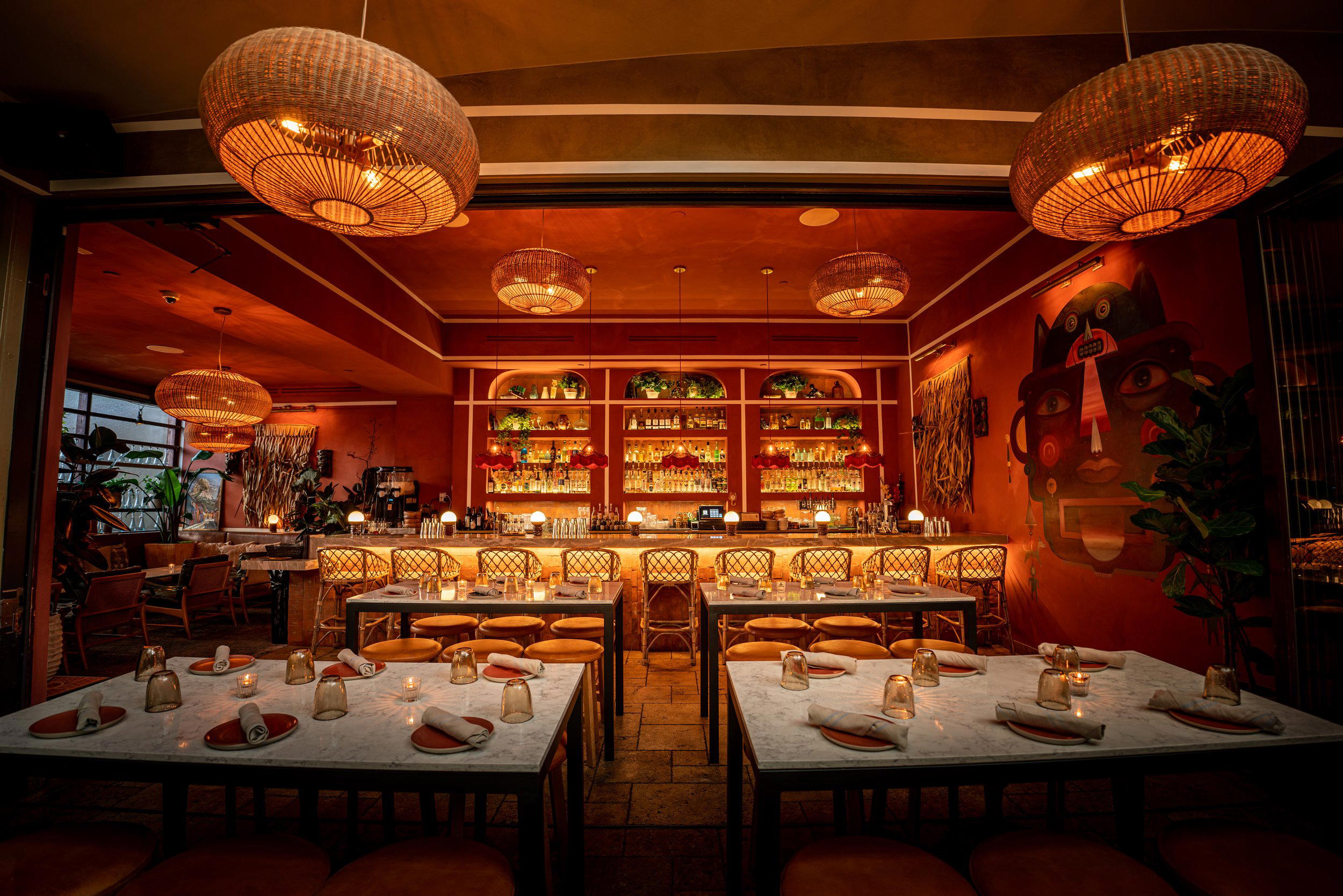
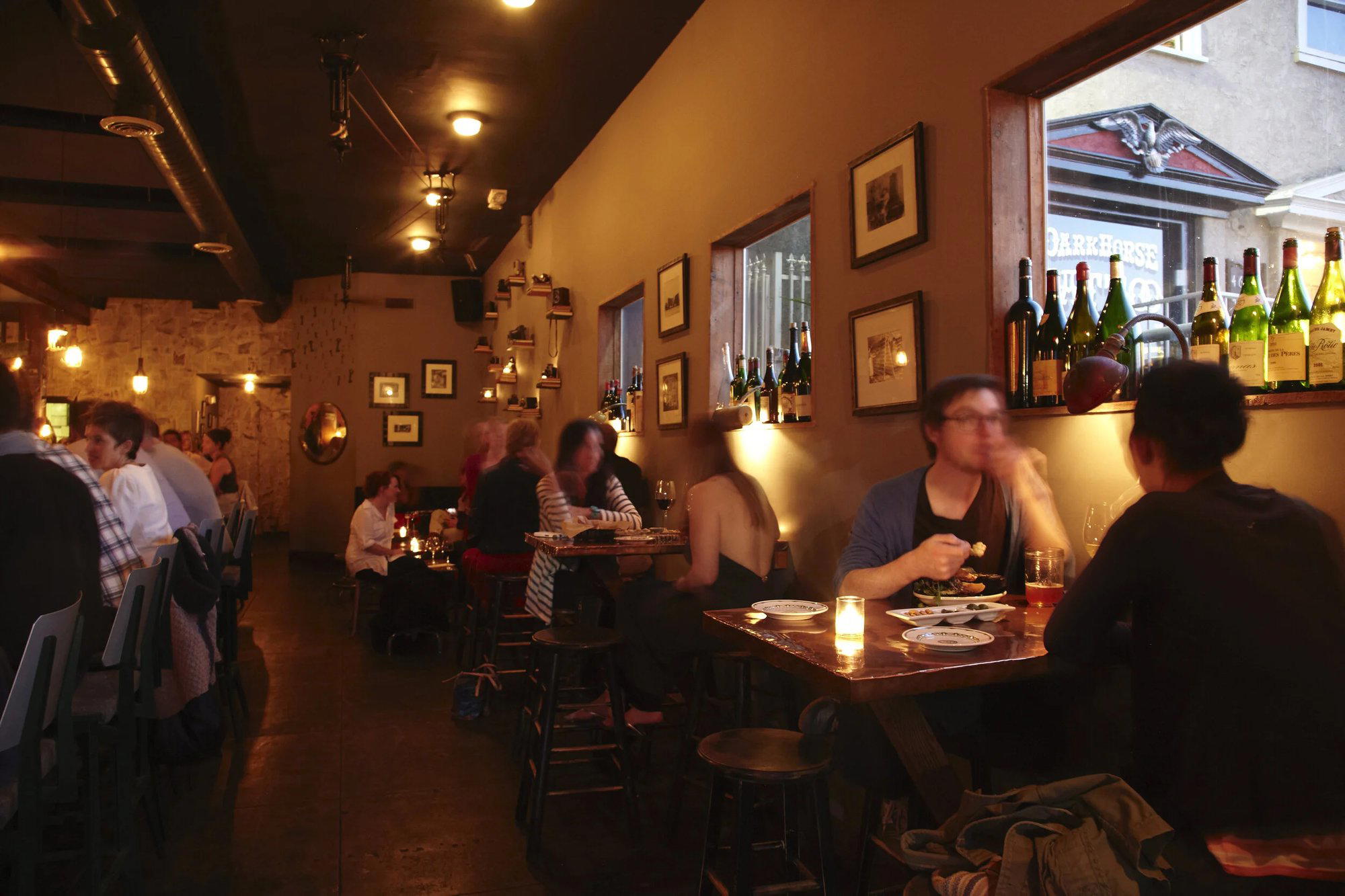
Restaurants in West Hollywood
Browse all →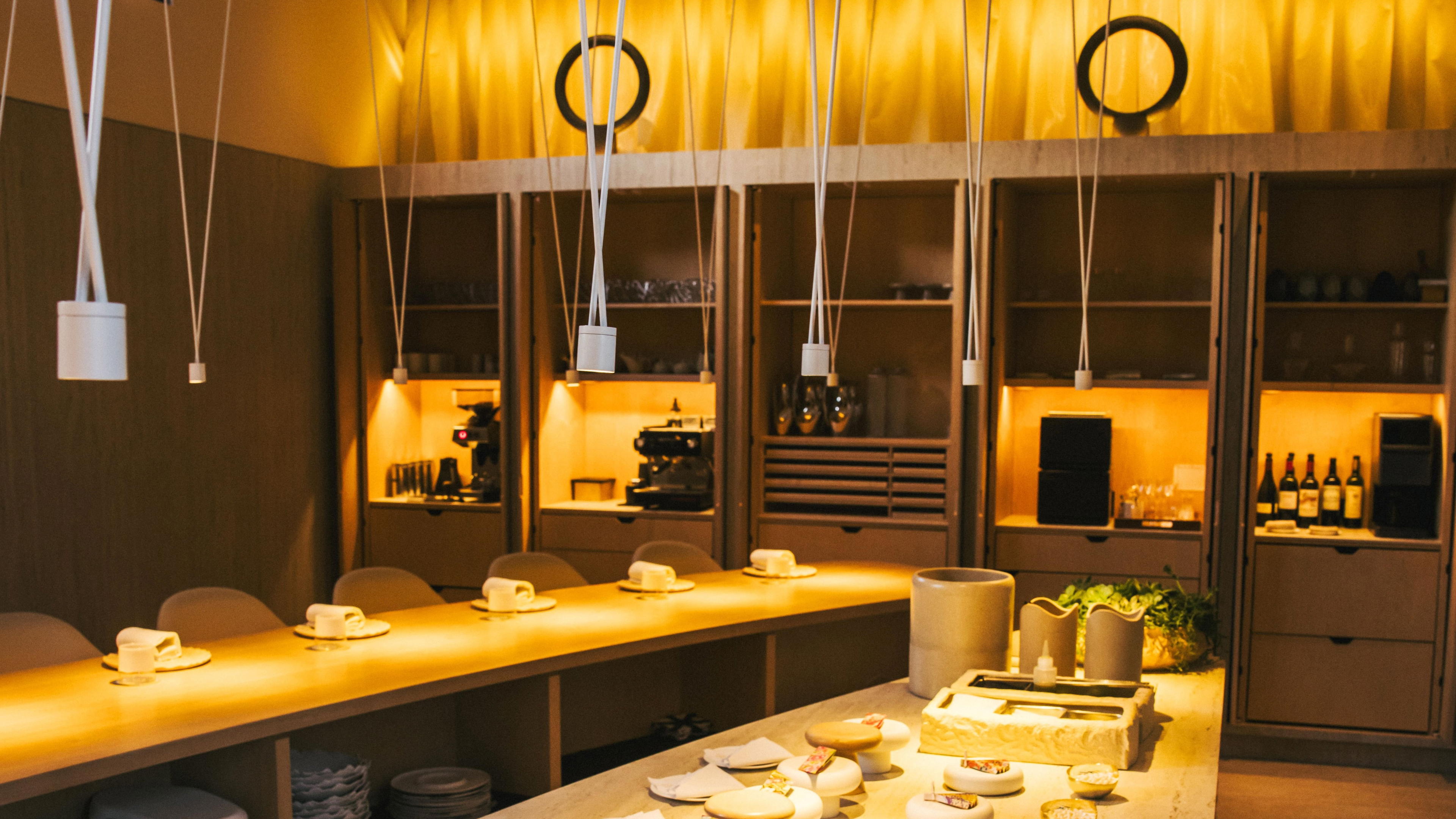
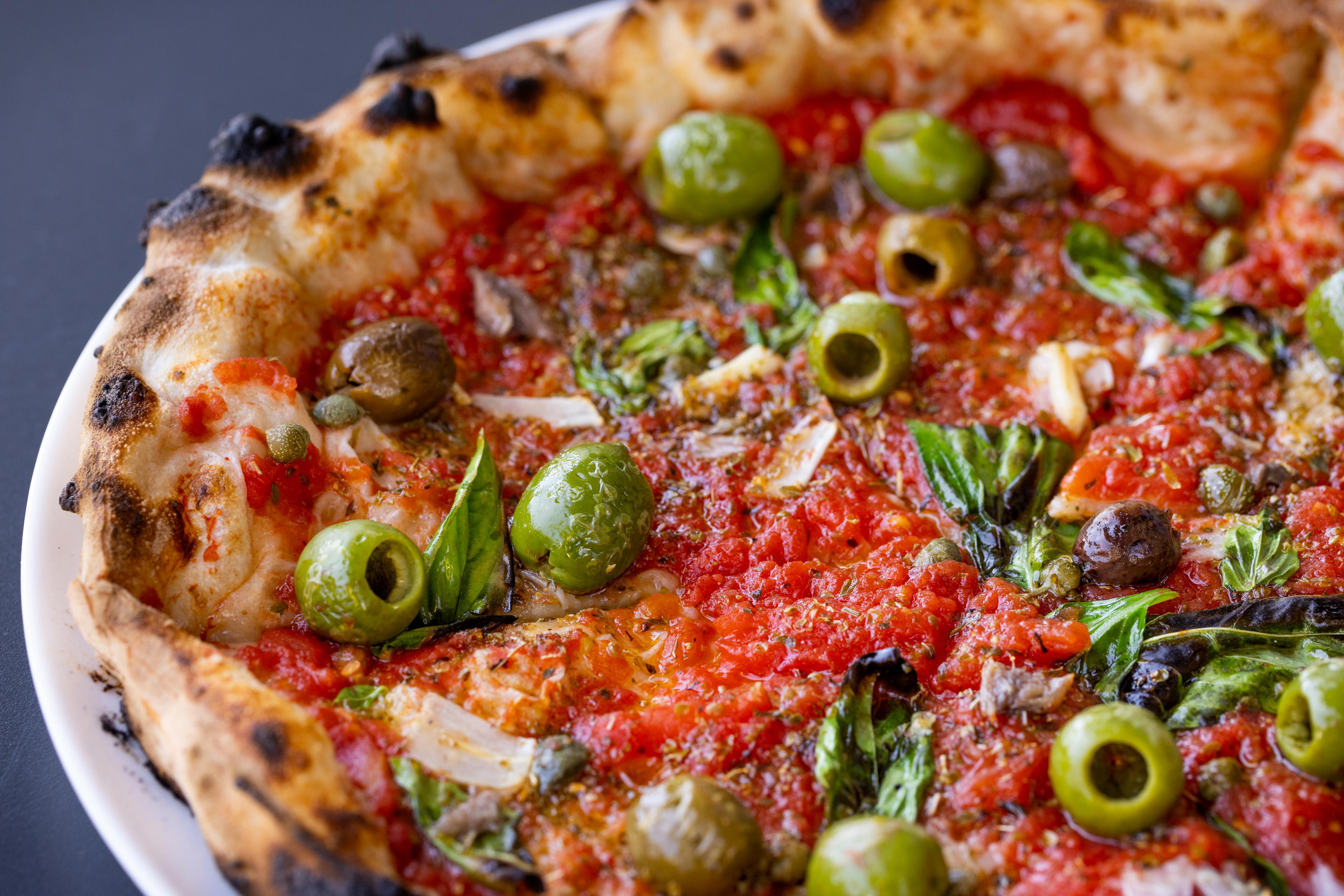
Hotels in West Hollywood
Browse all →
Wineries in West Hollywood
Browse all →
At a Glance
- Elegant
- Sophisticated
- Well Known
- Lively
- Date Night
- Celebration
- Special Occasion
- Design Destination
- Seated Bar
- Lounge Seating
- Classic Cocktails
Current opening hours
- Monday
- 5–11 PM
- Tuesday
- 5–11 PM
- Wednesday
- 5–11 PM
- Thursday
- 5–11 PM
- Friday
- 5–11 PM
- Saturday
- 5–11 PM
- Sunday
- 5–10:30 PM
Hours can change for holidays and private events. Last verified .
Chic decor with lively energy and lively bar scene enhanced by attentive staff.