Churchill Cocktail Bar
Churchill Cocktail Bar sits on Church Street in San Francisco's Castro district, occupying a position in the neighborhood's bar scene that leans toward serious, spirit-forward drinking in an unhurried setting. The room rewards those who prefer considered craft over high-concept theatrics, making it a reference point for the kind of everyday cocktail bar that San Francisco does quietly well.
Pearl is the En Primeur Club membership app — saves, bookings, and concierge access live there. Same editors, same standards.
- Address
- 198 Church St, San Francisco, CA 94114
- Phone
- +1 415 570 9198
- Website
- churchillsf.com
- Directions
- Get directions
 Saves & bookings on Pearl
The Room Sets the Terms
Church Street in the Castro operates differently from the Tenderloin's bar corridor or the North Beach aperitivo circuit. The neighborhood drinks with a regularity and ease that tends to produce a particular kind of bar: unpretentious by design, serious about what's in the glass, and resistant to the kind of themed spectacle that defined San Francisco's mid-2010s cocktail moment. Churchill Cocktail Bar fits that template closely. The address at 198 Church Street puts it within easy walking distance of the Castro's main drag, but the room itself turns inward, away from the street energy, toward something more contained.
Across American cocktail culture, the post-speakeasy era has produced two visible directions: bars that lean into transparency and technical rigor, and bars that prioritize hospitality and neighborhood belonging over any particular aesthetic program. Churchill sits recognizably in the second category. The lighting runs dim without being theatrical about it. The scale is intimate enough that the room doesn't require a concept to hold together. What you get is the kind of bar that functions well on a Tuesday and doesn't need a weekend crowd to justify itself.
That mode of operation — the bar as genuine neighborhood anchor rather than destination attraction — is worth taking seriously as a category. San Francisco has produced several bars that operate this way, and they tend to outlast the high-concept openings that draw more initial attention. The Castro's drinking culture has historically supported exactly this kind of sustained, low-key excellence.
Where Churchill Sits in San Francisco's Cocktail Spectrum
San Francisco's cocktail bar scene is more segmented than it appears from the outside. At one end, places like Pacific Cocktail Haven have built internationally recognized programs around specific regional spirits frameworks and competition-circuit credibility. At another end, Smuggler's Cove has turned a singular obsession with rum and tiki culture into one of the most documented bar programs in the country, with a cellar and library that function more like a research institution than a service operation. Then there is ABV, which occupies a middle tier where food integration and late-night utility shape the offer as much as the cocktail list itself.
Churchill doesn't position against any of those directly. The Castro bar's frame of reference is smaller and more local: it's the kind of place that serves the neighborhood before it serves a visiting audience. That's a deliberate choice with real tradeoffs. It means less ink in the cocktail press and fewer out-of-town visitors arriving with a checklist. It also means a room where the bartender knows a significant portion of the customers on a given evening, and where the pace of service reflects that familiarity.
Compared to the Friends and Family model in San Francisco, which has built community-oriented drinking into an explicit program identity, Churchill operates with less explicit framing but similar underlying priorities. The neighborhood bar, done with craft competence, remains one of the more durable formats in American drinking culture.
The Physical Environment as Program
Editorial angle matters here: the design of a bar is never incidental to what it's trying to do. At Churchill, the physical decisions, scale, lighting level, the degree of acoustic separation from the street, function as a positioning statement about what kind of drinking experience the room is built for. Bars in the Castro that pitch for the full weekend destination crowd tend to run louder and brighter, with more visible spectacle in the service. Churchill runs in a different register.
The intimacy of the space means that the distance between a customer and the bar program is shorter than in larger venues. In that format, the quality of individual ingredients and the technique behind individual drinks are easier to read, which raises the stakes on execution. It's a format that works well when the bar is confident enough in what it's pouring not to need the distraction of a large, complicated room.
Internationally, this format has produced some of the most durable cocktail programs. Kumiko in Chicago runs a comparably intimate scale with a Japanese-inflected spirits program that rewards repeat visits. Bar Leather Apron in Honolulu uses a small counter format to deliver precision-driven service that would be harder to sustain in a larger room. Jewel of the South in New Orleans brings historical cocktail research into an intimate setting where the format reinforces the scholarly intent. Allegory in Washington, D.C. takes a more conceptually ambitious design approach but uses scale similarly to control the guest experience. Julep in Houston and Superbueno in New York City each show how a clear point of view, expressed through a room of managed intimacy, can anchor a bar's identity more durably than any single menu. Even The Parlour in Frankfurt on the Main demonstrates that the neighborhood-bar-with-craft-intent model travels beyond the American context. The pattern holds: smaller rooms with a genuine local commitment tend to build more consistent service cultures than venues that prioritize scale.
Who This Bar Is For, and When to Go
Churchill is a reasonable first choice for anyone spending time in the Castro who wants a drink that's been thought about, in a room that doesn't require a particular occasion to justify it. The bar suits early evening better than late night, when the neighborhood's energy shifts and the room's quieter character is most legible. It also suits groups of two or three more naturally than larger parties, given the scale.
The Castro's position relative to the rest of San Francisco's cocktail geography is worth noting for anyone planning a drinking itinerary. It sits south of the main cocktail corridors in the Mission and the Tenderloin, which means combining it with a visit to Pacific Cocktail Haven or ABV requires a deliberate cross-city move. The bar works better as an anchor for an evening in the neighborhood than as a stop on a bar crawl that spans districts.
Seasonally, the Castro's outdoor foot traffic patterns mean spring and early fall evenings bring more neighborhood animation to the surrounding streets, which changes the feel of arriving and leaving. The bar's interior character remains consistent across seasons, but the surrounding context is warmer in those windows. See our full San Francisco restaurants guide for broader context on how the city's drinking neighborhoods connect.
Know Before You Go
- Address: 198 Church St, San Francisco, CA 94114
- Neighborhood: Castro, San Francisco
- Leading for: Neighborhood cocktails in an unhurried setting; pairs of two or three; early evening visits
- Booking: Walk-in format typical for neighborhood bars of this type; no confirmed reservation system noted
- Getting there: Served by the MUNI Metro J-Church line; Church Street Station is adjacent
- Nearest context: Castro main corridor within walking distance; Mission cocktail bars require transit
How Churchill Cocktail Bar San Francisco compares with similar nearby venues.
| Venue | Cuisine |
|---|---|
| Last Rites | Cocktails |
Continue exploring
More in San Francisco
Bars in San Francisco
Browse all →
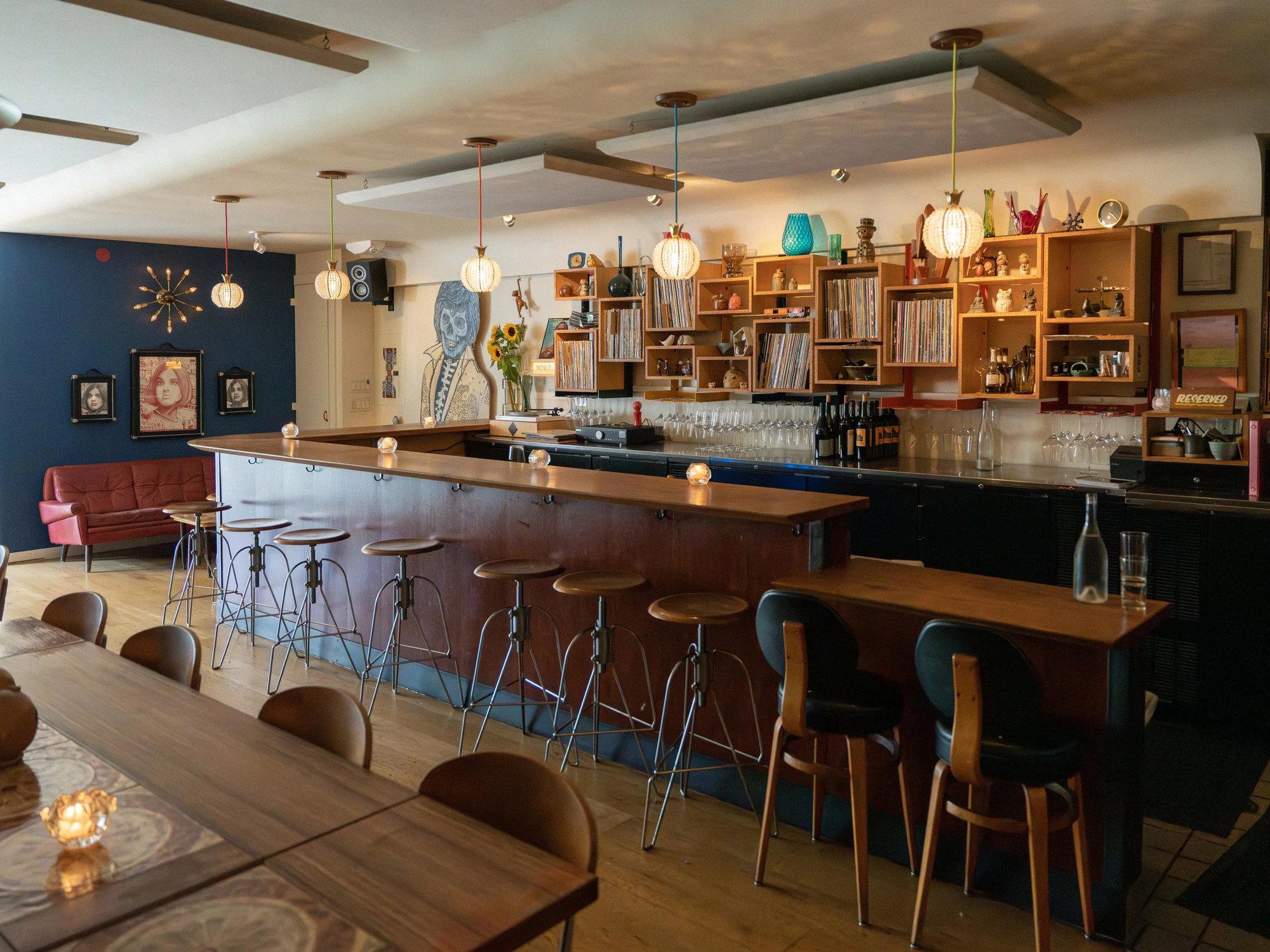
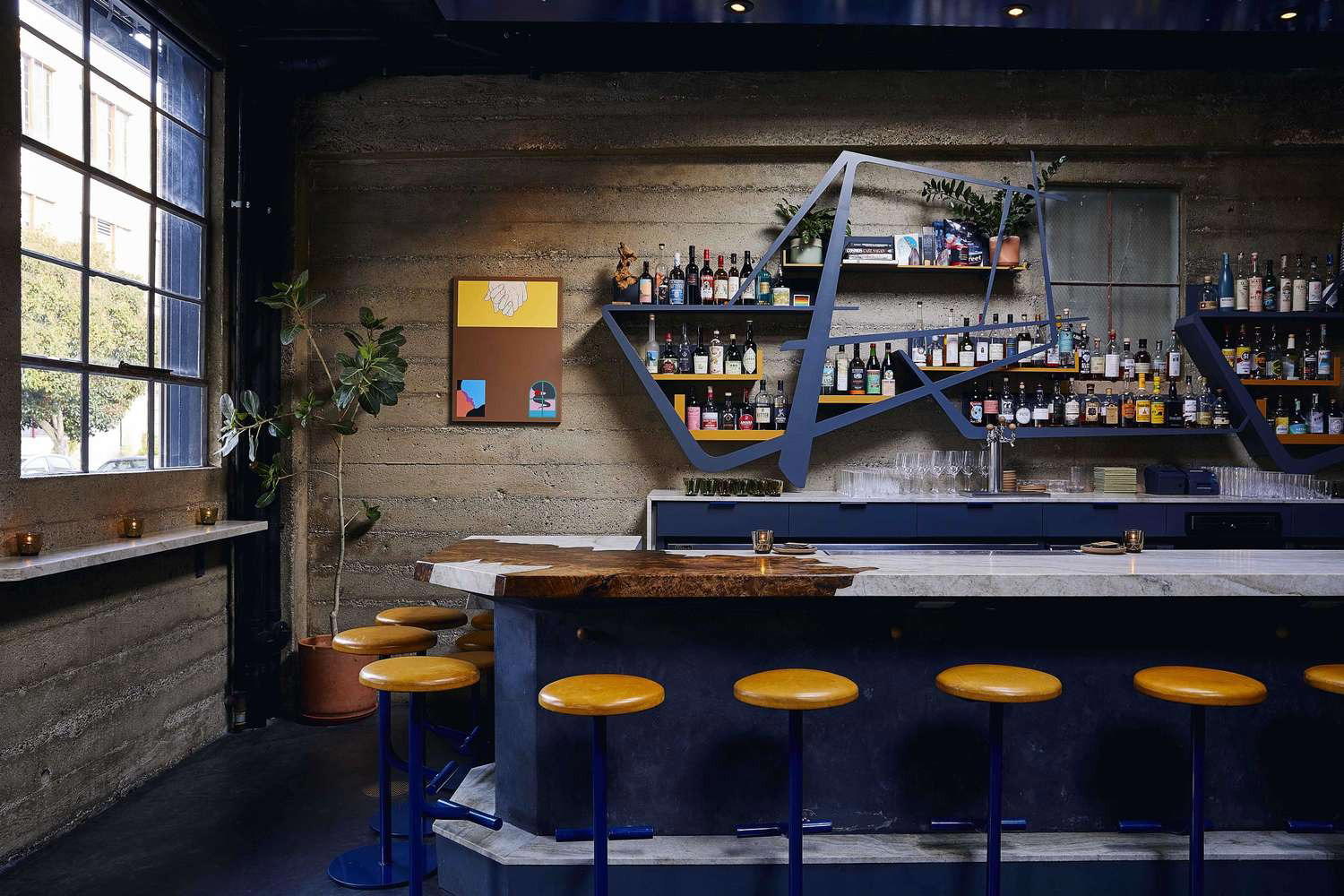
Restaurants in San Francisco
Browse all →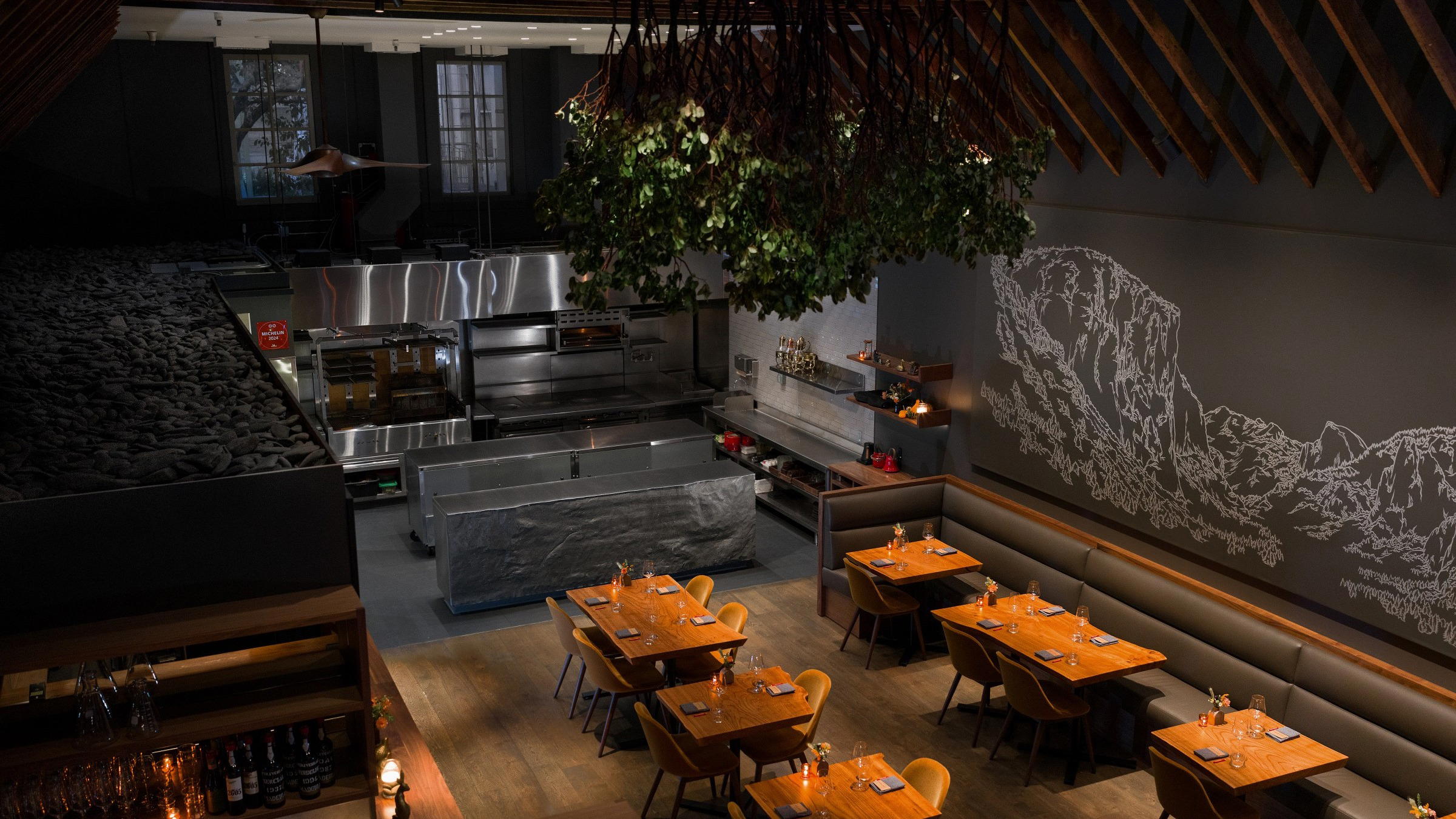
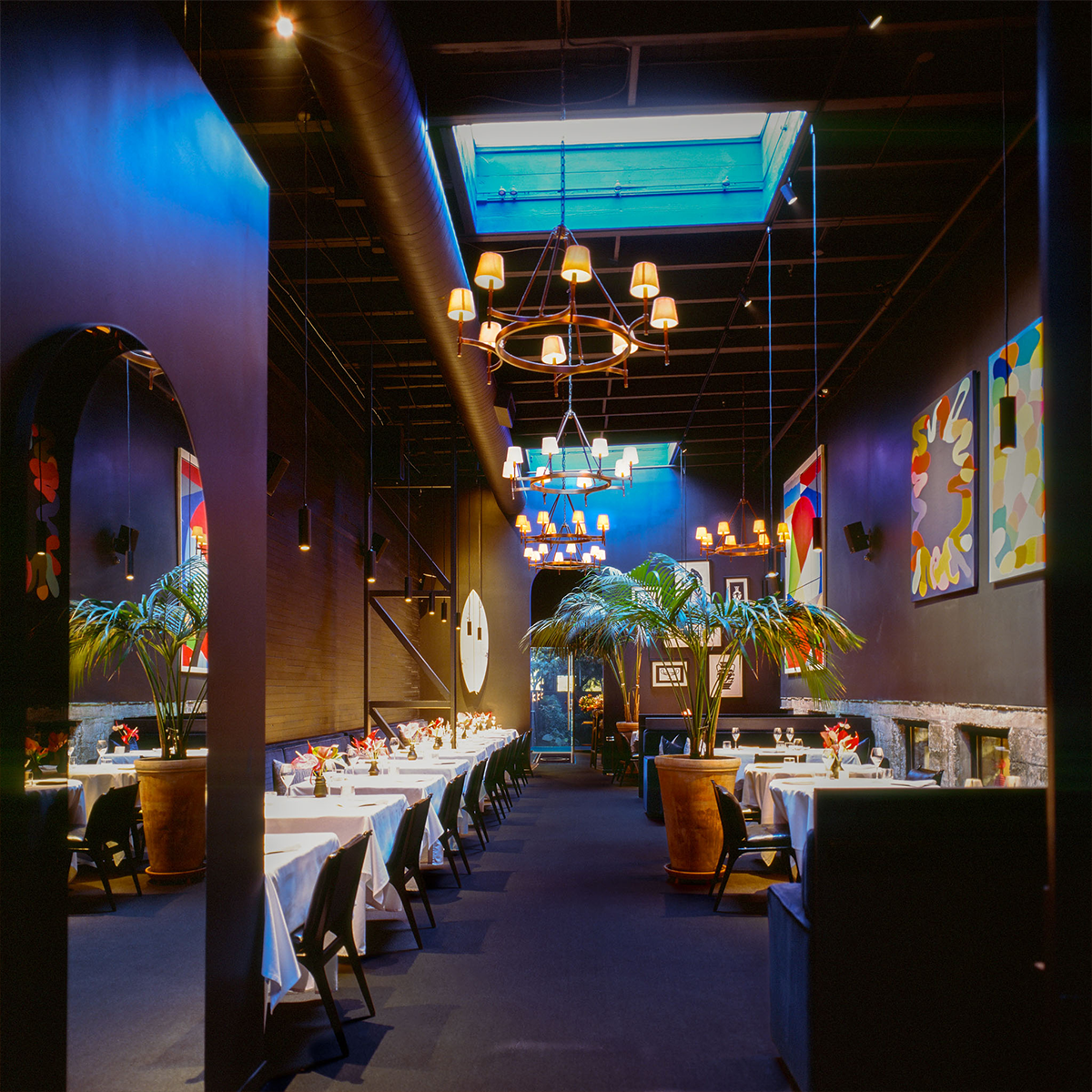
Hotels in San Francisco
Browse all →
At a Glance
- Classic
- Cozy
- Intimate
- Sophisticated
- Date Night
- After Work
- Casual Hangout
- Historic Building
- Seated Bar
- Lounge Seating
- Classic Cocktails
- Craft Cocktails
- Whiskey
Current opening hours
- Monday
- 4 PM–12 AM
- Tuesday
- 4 PM–12 AM
- Wednesday
- 4 PM–12 AM
- Thursday
- 4 PM–12 AM
- Friday
- 4 PM–2 AM
- Saturday
- 4 PM–2 AM
- Sunday
- 4 PM–12 AM
Hours can change for holidays and private events. Last verified .
Warm lighting, comfortable seating including plush couches and window seats, evoking a cozy 1940s England bunker atmosphere.
Know Before You Go
- Getting there
- 198 Church St, San Francisco, CA 94114