Coco's Ramen
On Mission Street in San Francisco's Outer Mission, Coco's Ramen occupies a stretch of the city where Japanese comfort food and Latino neighborhood life share the same block. The bowl here speaks to a broader shift in how ramen has taken root in non-Japanese neighborhoods across American cities — less destination dining, more daily rhythm.
Pearl is the En Primeur Club membership app — saves, bookings, and concierge access live there. Same editors, same standards.
- Address
- 3319 Mission St, San Francisco, CA 94110
- Phone
- +1 415 648 7722
- Website
- cocoramen.com
- Directions
- Get directions
 Saves & bookings on Pearl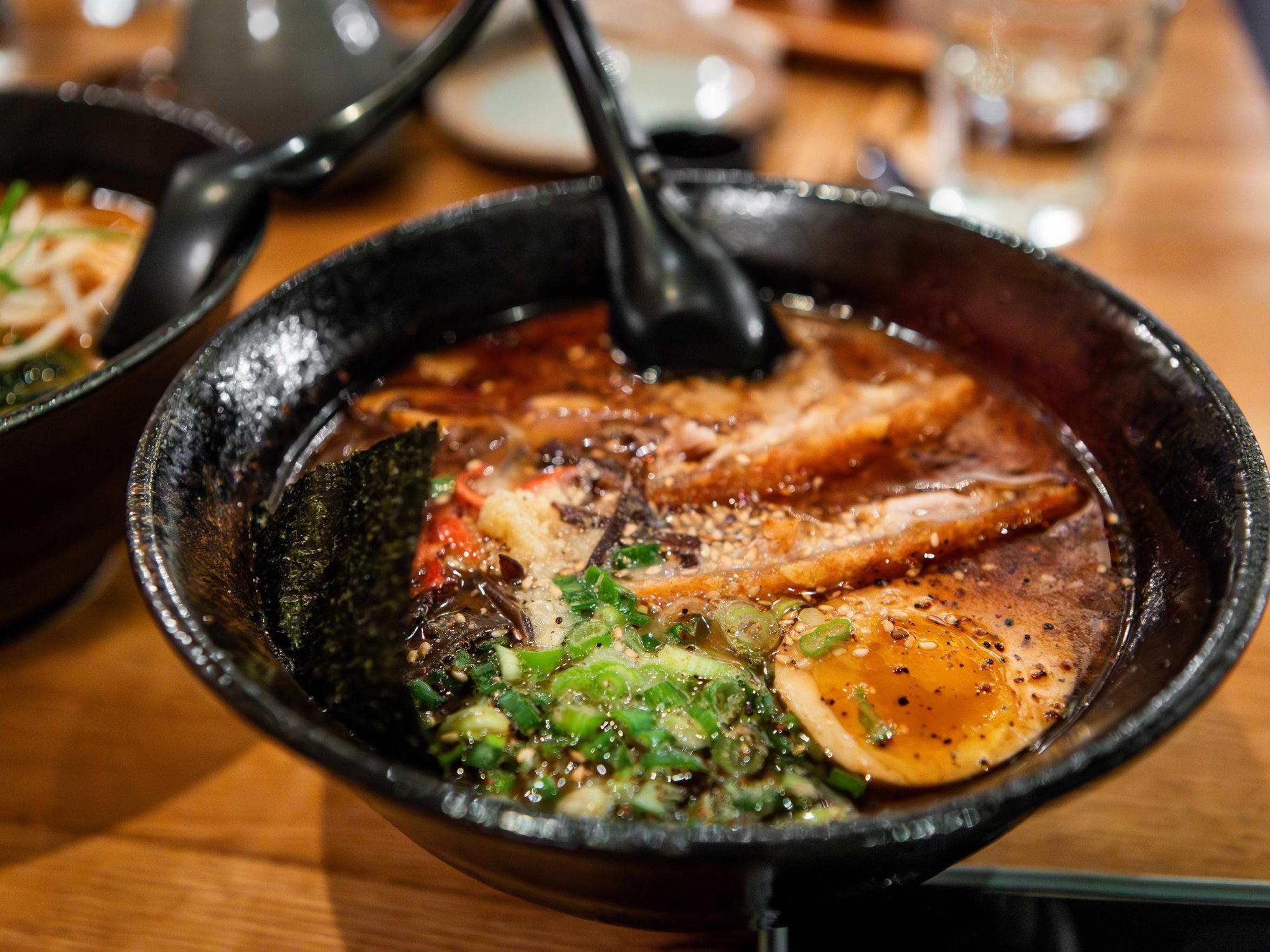
Mission Street and the Ramen Question
San Francisco's ramen scene has always operated at an interesting remove from the city's fine-dining apparatus. While the Hayes Valley and SoMa corridors collected Michelin attention and reservation queues, the Mission District developed its own logic: neighborhood-first, format-pragmatic, priced for people who live nearby rather than visitors making a night of it. Coco's Ramen, at 3319 Mission St, fits that pattern squarely. It sits in the Outer Mission, a corridor that reads more Latino neighborhood than Japanese dining district, which makes its presence there a small argument about where comfort food actually lands in a working city.
The Outer Mission stretches south of Cesar Chavez toward Excelsior, and the blocks around it are less frequented by food tourism than the Valencia Street corridor a few blocks west. That geographic position is not a limitation — it's a signal. Ramen has historically expanded in American cities by embedding in neighborhoods rather than concentrating in culinary districts, and the Mission District version of that pattern has produced some of the more durable spots in the Bay Area's bowl culture.
What Ramen on Mission Street Actually Means
The broader context for any ramen spot operating on this stretch of San Francisco is the city's complicated relationship with Japanese food outside of Japantown and the inner Richmond. San Francisco has never had the ramen density of Los Angeles or New York, which means individual spots carry more neighborhood weight than they might in a city with thirty options per district. A bowl on Mission Street is not competing against a dozen peers within walking distance; it's serving a community that might not have a second local option within easy reach.
That positions Coco's Ramen differently from the tasting-menu-adjacent ramen counters that have proliferated in wealthier San Francisco zip codes, where $25-plus bowls and limited seating signal aspirational positioning. The Mission format tends to value accessibility over ceremony, and the regularity of the customer base over the novelty of the first-time visitor. This is ramen as neighborhood infrastructure, not destination theater.
For context on how San Francisco's drink culture intersects with this kind of neighborhood fabric, the bar scene nearest to this stretch operates with similar logic. Friends and Family and ABV represent a Mission District drinking culture built around community access rather than exclusivity, and that same orientation runs through the food spots that have lasted longest in the neighborhood.
Craft Behind the Counter
The editorial angle assigned to any serious assessment of a spot like this points toward what happens on the operational side of the counter: the discipline required to produce consistent broth, the decisions around noodle thickness and tare balance, and the hospitality approach that determines whether a repeat customer feels recognized or processed. Ramen, at its core, is a craft-intensive format — broth development alone requires hours of technique that remain invisible to the customer receiving the bowl.
In the broader American ramen conversation, the bartender-equivalent figure is the broth chef or the shop owner managing consistency across service periods. The standing of a place like Kumiko in Chicago or Bar Leather Apron in Honolulu in their respective cities comes partly from this same orientation: craft applied consistently for a specific audience rather than spectacle deployed for a rotating one.
San Francisco's Ramen Geography
Understanding where Coco's Ramen sits in the city requires a brief account of San Francisco's ramen geography. Japantown has historically anchored Japanese food culture on the west side of the city, with a cluster of spots oriented toward both the Japanese-American community and visitors. The Richmond District developed its own Japanese dining density. The Mission arrived later to ramen, and when it did, the format adapted to the neighborhood rather than the neighborhood adapting to the format.
This is not unique to San Francisco. In cities across the United States, ramen has followed an arc from novelty import to neighborhood staple, and the spots that survive longest in the second phase tend to be the ones that stopped performing exoticism and started performing consistency. The Mission District version of this trajectory has produced a handful of places that locals reference without ceremony, the way one references a good corner bar. Coco's Ramen appears to operate in that register.
For those building a broader San Francisco itinerary that includes drinks alongside food, the city's cocktail bar circuit runs a separate but parallel track. Pacific Cocktail Haven and Smuggler's Cove represent the more programmatic end of San Francisco's bar culture, while the Mission District's own bars operate with the same neighborhood-first logic as Coco's Ramen. Further afield, Jewel of the South in New Orleans, Julep in Houston, Superbueno in New York City, Allegory in Washington, D.C., and The Parlour in Frankfurt on the Main each illustrate how craft-focused hospitality anchors neighborhood identity across cities and continents. The principle translates whether the product is a cocktail or a bowl of ramen.
See our full San Francisco restaurants guide for a broader map of the city's dining and drinking options across neighborhoods and price points.
Know Before You Go
| Address | 3319 Mission St, San Francisco, CA 94110 |
|---|---|
| Neighborhood | Outer Mission, San Francisco |
| Phone | Not publicly listed |
| Website | Not publicly listed |
| Hours | |
| Price Range | Not publicly confirmed; Mission District ramen spots typically price accessibly relative to the city's dining average |
| Reservations | Format and booking policy not confirmed; walk-in availability likely but unverified |
| Awards | No publicly listed awards at time of publication |
In Context: Similar Options
| Venue | Cuisine |
|---|---|
| Coco's RamenThis venue — the venue you are viewing | This venue |
| ABV | World's 50 Best |
| Smuggler's Cove | World's 50 Best |
| Trick Dog | World's 50 Best |
Continue exploring
More in San Francisco
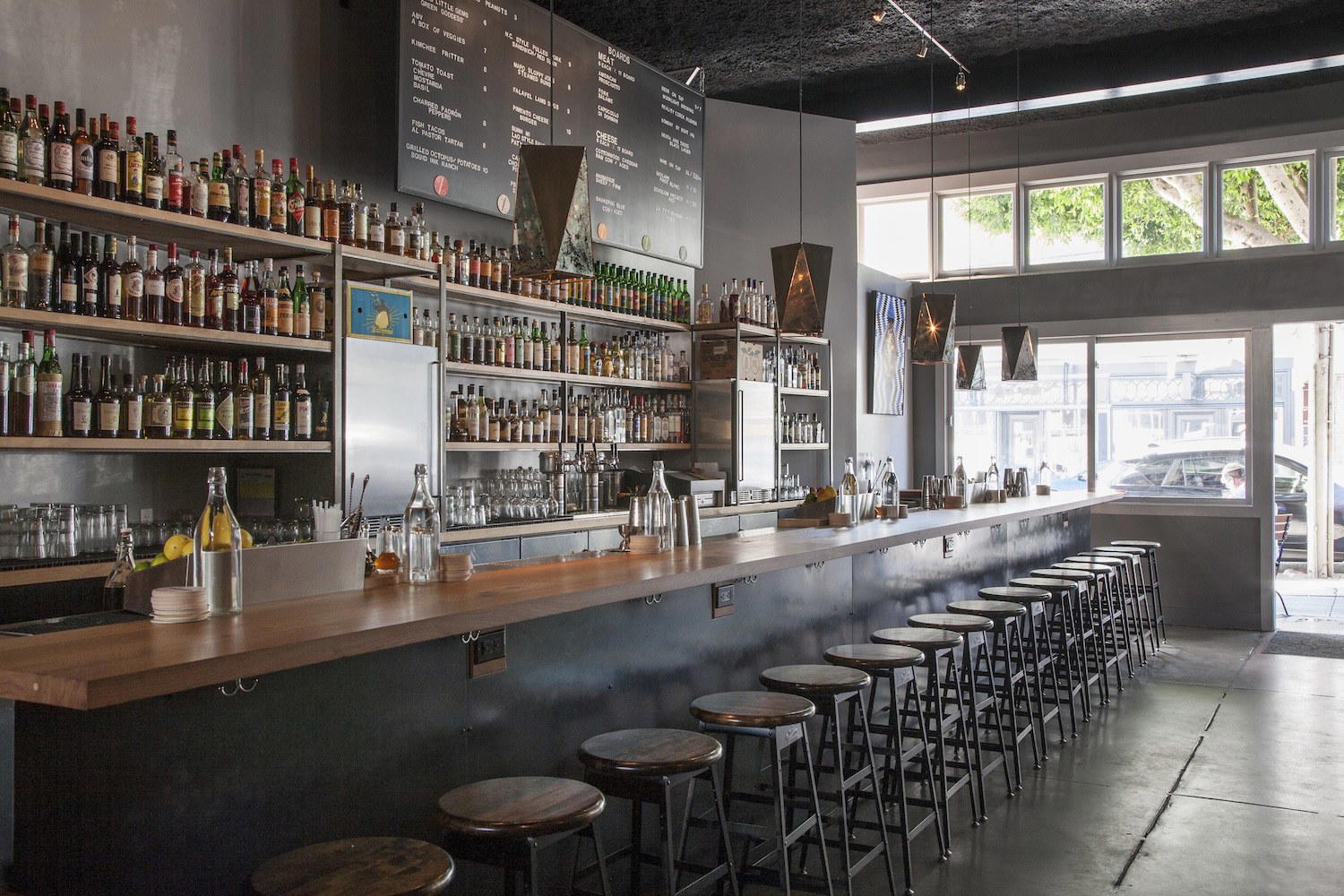
Bars in San Francisco
Browse all →
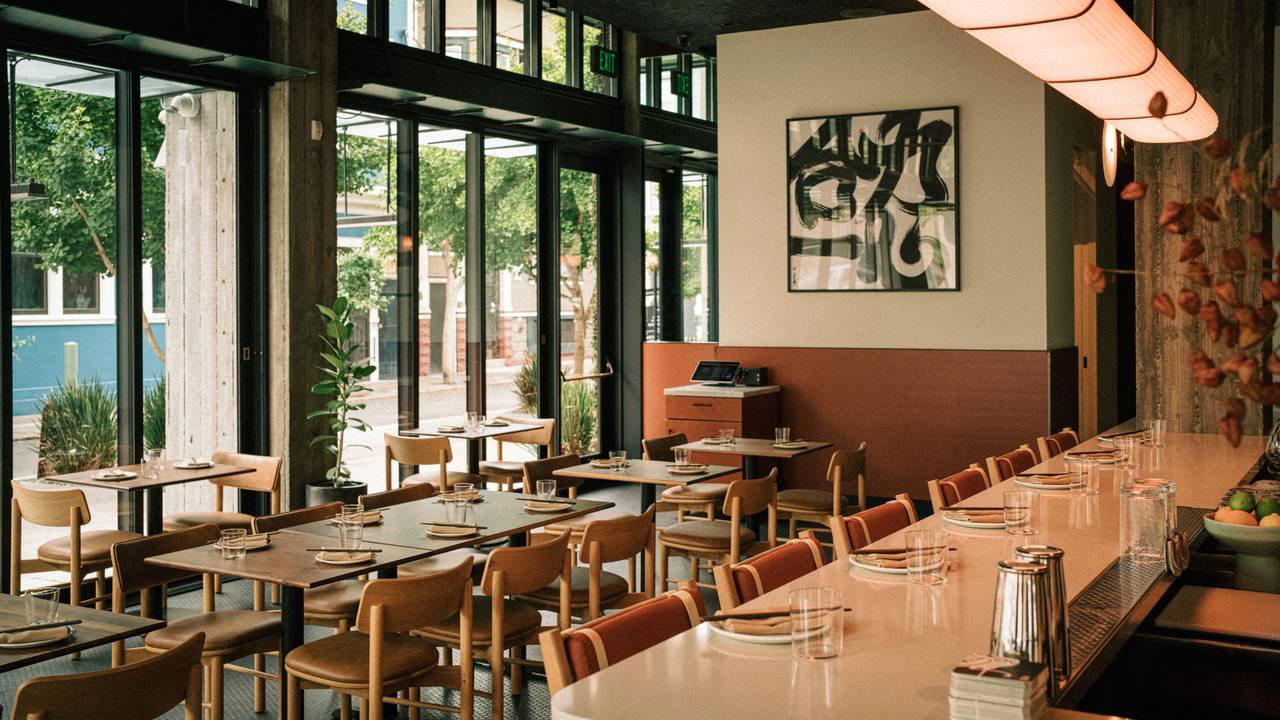
Restaurants in San Francisco
Browse all →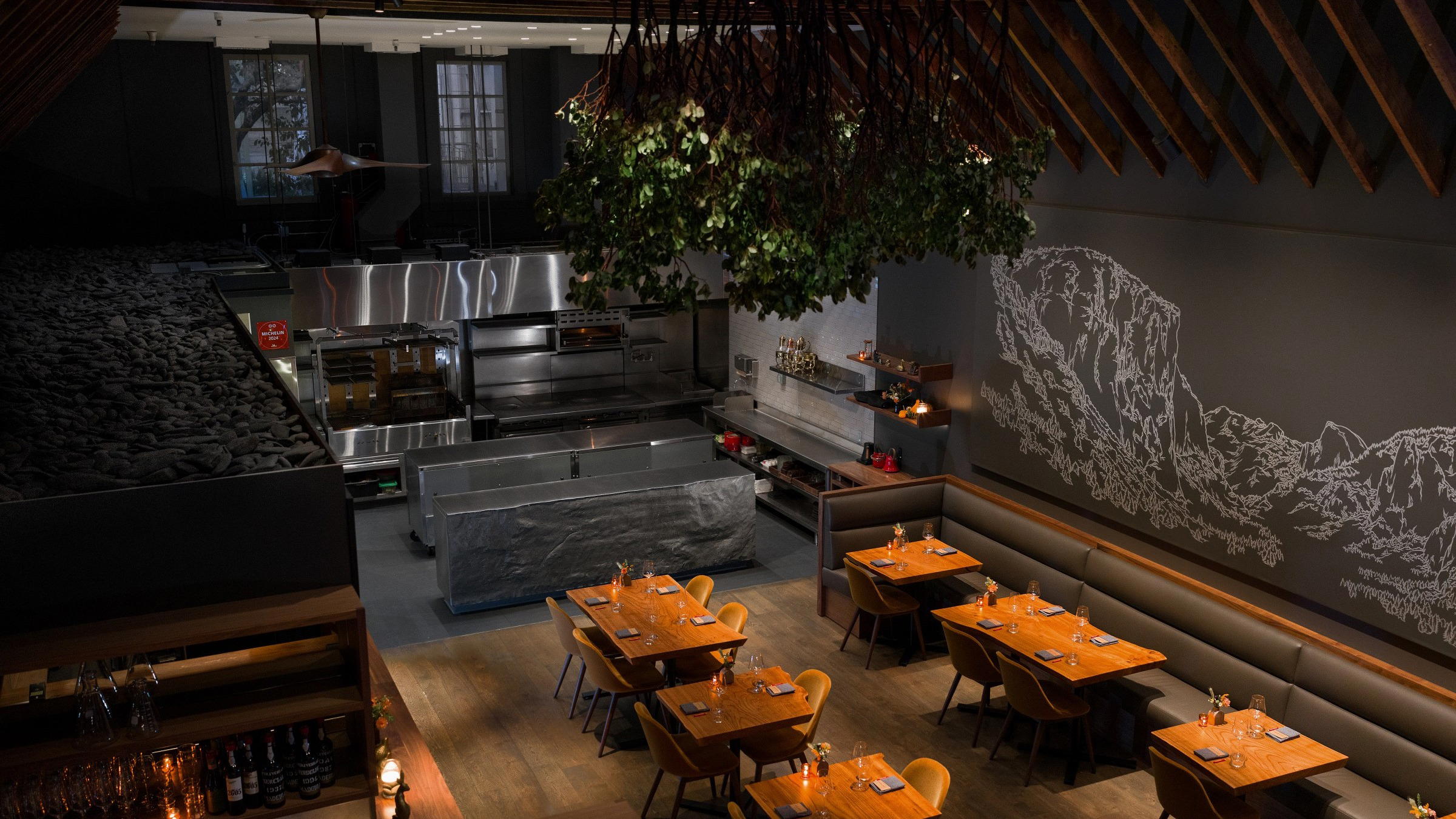
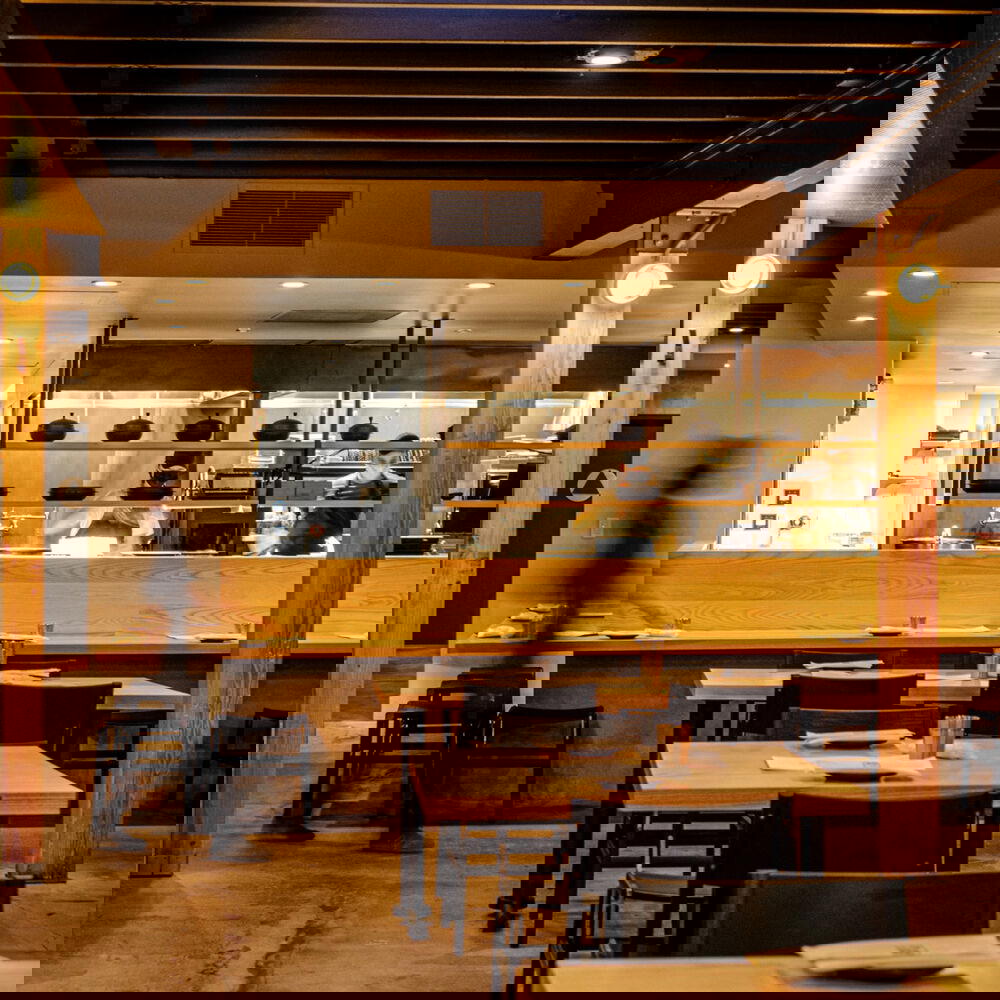
Hotels in San Francisco
Browse all →

At a Glance
- Cozy
- Casual Hangout
- Sake
Current opening hours
- Monday
- 12–9 PM
- Tuesday
- 5–9 PM
- Wednesday
- 5–9 PM
- Thursday
- 5–9 PM
- Friday
- 12–9 PM
- Saturday
- 12–9 PM
- Sunday
- 2–9 PM
Hours can change for holidays and private events. Last verified .
Know Before You Go
- Getting there
- 3319 Mission St, San Francisco, CA 94110