Chin Up

On Chrystie Street in the Lower East Side, Chin Up occupies a clear niche in New York's gin-focused bar scene, where a specific spirits program anchors the entire drinks list. The bar draws visitors looking for depth over breadth, with a menu built around botanical clarity and a food program calibrated to complement rather than compete with the drinks.
Pearl is the En Primeur Club membership app — saves, bookings, and concierge access live there. Same editors, same standards.
- Address
- 171 Chrystie St, New York, NY 10002
- Website
- chinupbarnyc.com
- Directions
- Get directions
 Saves & bookings on Pearl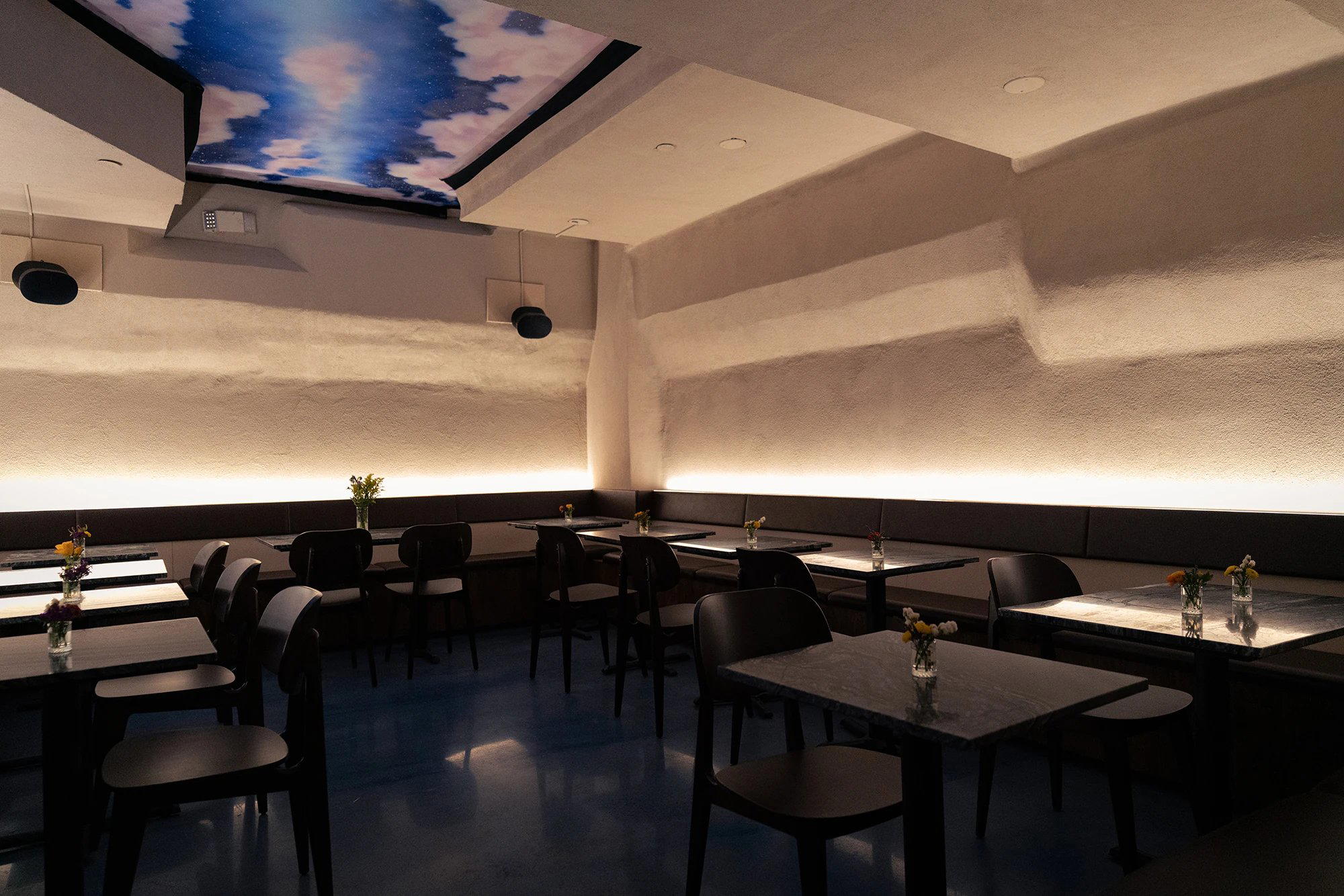
Gin in Focus: How Chrystie Street Became a Reference Point
New York's cocktail program has been shifting for some time away from the broad-spectrum whiskey bars and overstuffed amaro lists that defined the post-craft era. In their place, a smaller cohort of concept-driven bars has emerged, each organized around a single category explored with genuine depth. Chin Up, at 171 Chrystie St in the Lower East Side, belongs to that cohort.
The Lower East Side has long been the neighborhood where New York's bar culture tests new formats before they migrate uptown or outward. The density of concept bars along and around Chrystie Street reflects that pattern. Chin Up sits in that corridor, competing for attention against a neighborhood that has historically been comfortable with risk and rewarded specificity.
The Ritual of a Gin-Focused Bar
Ordering at a gin-focused counter operates differently from ordering at a generalist cocktail bar, and that difference is the point. At a generalist bar, the first question is usually spirit category. Here, that question is already answered before you sit down. The conversation shifts instead to gin style: London Dry versus contemporary botanical, navy strength versus lower-ABV expressions, Old World distilleries versus the American and Asian producers who have redrawn the category's geography over the past fifteen years.
That shift in the ordering ritual is meaningful. It demands more from the bartender and, productively, more from the guest. The pacing tends to be deliberate. A well-run gin program sequences its list so that a first drink might introduce a classical expression before later rounds explore the edges of the category. Savvy bars in this format use their menus architecturally, the way a tasting menu sequences courses, moving through weight, botanicals, and dilution as the evening progresses.
This etiquette is worth understanding before you arrive. Gin-focused bars reward guests who engage with the list rather than defaulting to a habitual order. If the program has depth in aged gins or navy-strength expressions, a question to the bartender about the night's recommended sequence will typically return a more interesting experience than ordering off instinct.
Where Chin Up Sits Among New York's Concept Bars
New York's specialist bar tier is well-populated. Amor y Amargo built its identity around amaro and bitters with a format discipline that predates much of the current wave. Angel's Share in the East Village has held its Japanese whisky and precision-service positioning for decades. Attaboy NYC operates on a no-menu, guest-led format that prioritizes bartender craft above category focus. Superbueno has carved a distinct lane in spirits-led Latin cocktail programming.
Within that company, a gin-dedicated bar occupies a specific niche. Gin is a category with genuine breadth, covering more distilleries, botanical philosophies, and regional traditions than most guests realize. A bar that focuses exclusively on it is making an argument: that the category is deep enough to sustain a full evening's exploration without reaching for other spirits. That argument is only credible if the list has the range and the service team has the knowledge to make it hold up across multiple rounds.
The Star Wine List award, conferred in 2026, is relevant here precisely because Star Wine List evaluates the quality and depth of beverage programs, not merely their size. Its presence on Chin Up's record signals that the program passed curatorial review, a meaningful distinction in a city where almost every bar claims a thoughtful list.
Gin as a Category: What Depth Looks Like
Context on the category itself is useful. Gin production has expanded dramatically since the early 2010s. The number of active gin distilleries globally grew from a few hundred to several thousand over roughly a decade, with consequential producers emerging in Scotland, Japan, Australia, and the American Pacific Northwest, alongside the traditional English heartland. The result is that a serious gin program in 2025 looks nothing like a gin program from 2010. The botanical range alone, from classic juniper-forward London Drys to citrus-dominant contemporary styles to koji-fermented Japanese expressions, gives a focused bar room to build a list with genuine intellectual content.
This expansion parallels what happened in the natural wine world, where a surge in small producers created the conditions for format-specific bars to distinguish themselves through curation and knowledge rather than volume. The comparison matters because it explains why concept-driven specialist bars earn beverage program awards: depth of curation in an expanded category is harder to fake than a long list of mainstream labels.
The Chrystie Street Address and What It Implies
171 Chrystie St sits in a stretch of the Lower East Side that has absorbed multiple waves of the neighborhood's cultural shifts. The address is not in a high-visibility tourist corridor, which means the clientele at a bar like Chin Up skews toward the intentional visitor rather than the walk-in. That self-selection tends to produce a different atmosphere at the bar itself: guests who have sought the place out, who have likely read the list in advance, and who are prepared to engage with the program on its own terms. Bars in this position tend to run better service rhythms as a result, because the guest base is operating at a closer frequency to the program's intent.
Planning a Visit
Checking the venue's current status directly before visiting is advisable. Reservation availability and walk-in policy are unconfirmed; arriving early in the evening is generally the more reliable approach for concept bars at this address density in the Lower East Side.
| Venue | Category Focus | Location | Notable Recognition |
|---|---|---|---|
| Chin Up | Gin-focused cocktails | Lower East Side, NYC | Star Wine List 2026 |
| Amor y Amargo | Amaro and bitters | East Village, NYC | Specialist category leader |
| Angel's Share | Japanese whisky and classics | East Village, NYC | Long-running format anchor |
| Attaboy NYC | No-menu bartender craft | Lower East Side, NYC | Industry reference point |
For broader context on the New York bar and restaurant scene, see our full New York City restaurants guide. Gin-focused programs with comparable depth in other American cities include Kumiko in Chicago and ABV in San Francisco. For a view of how gin-focused programming translates across other formats and geographies, Bar Leather Apron in Honolulu, Jewel of the South in New Orleans, Julep in Houston, Allegory in Washington, D.C., and The Parlour in Frankfurt on the Main each demonstrate how category discipline operates in distinct market contexts.
How Chin Up New York City compares with similar nearby venues.
| Venue | Cuisine | Awards |
|---|---|---|
| Chin Up | Gin-focused cocktails | Star Wine List (2026) |
Recognition history
Dated appearances from independent guides and award organizations, with the underlying list record or original source where available.
Star Wine List
Star Wine List
Continue exploring
More in New York City
Bars in New York City
Browse all →
Restaurants in New York City
Browse all →
Hotels in New York City
Browse all →






At a Glance
- Trendy
- Modern
- Sophisticated
- Intimate
- Date Night
- Casual Hangout
- Special Occasion
- Design Destination
- Standalone
- Seated Bar
- Lounge Seating
- Classic Cocktails
- Craft Cocktails
- Gin
Current opening hours
- Monday
- Closed
- Tuesday
- 5 PM–12 AM
- Wednesday
- 5 PM–12 AM
- Thursday
- 5 PM–1 AM
- Friday
- 5 PM–2 AM
- Saturday
- 5 PM–2 AM
- Sunday
- Closed
Hours can change for holidays and private events. Last verified .
Sculptural space with cave-like white stucco walls, high vaulted ceilings featuring sky murals, and subtle greenery touches creating a calm, other-worldly atmosphere inspired by New York landmarks.
Know Before You Go
- Getting there
- 171 Chrystie St, New York, NY 10002