637 Philly Sushi Club
637 Philly Sushi Club operates as a bar program concealed inside Yanaga Kappo Izakaya at 637 N 3rd St in Philadelphia's Northern Liberties neighborhood. The format follows a growing American trend of embedded cocktail concepts sharing kitchens and addresses with established restaurant operations. For regulars who know to ask, the dual identity is the point.
 Discover on Pearl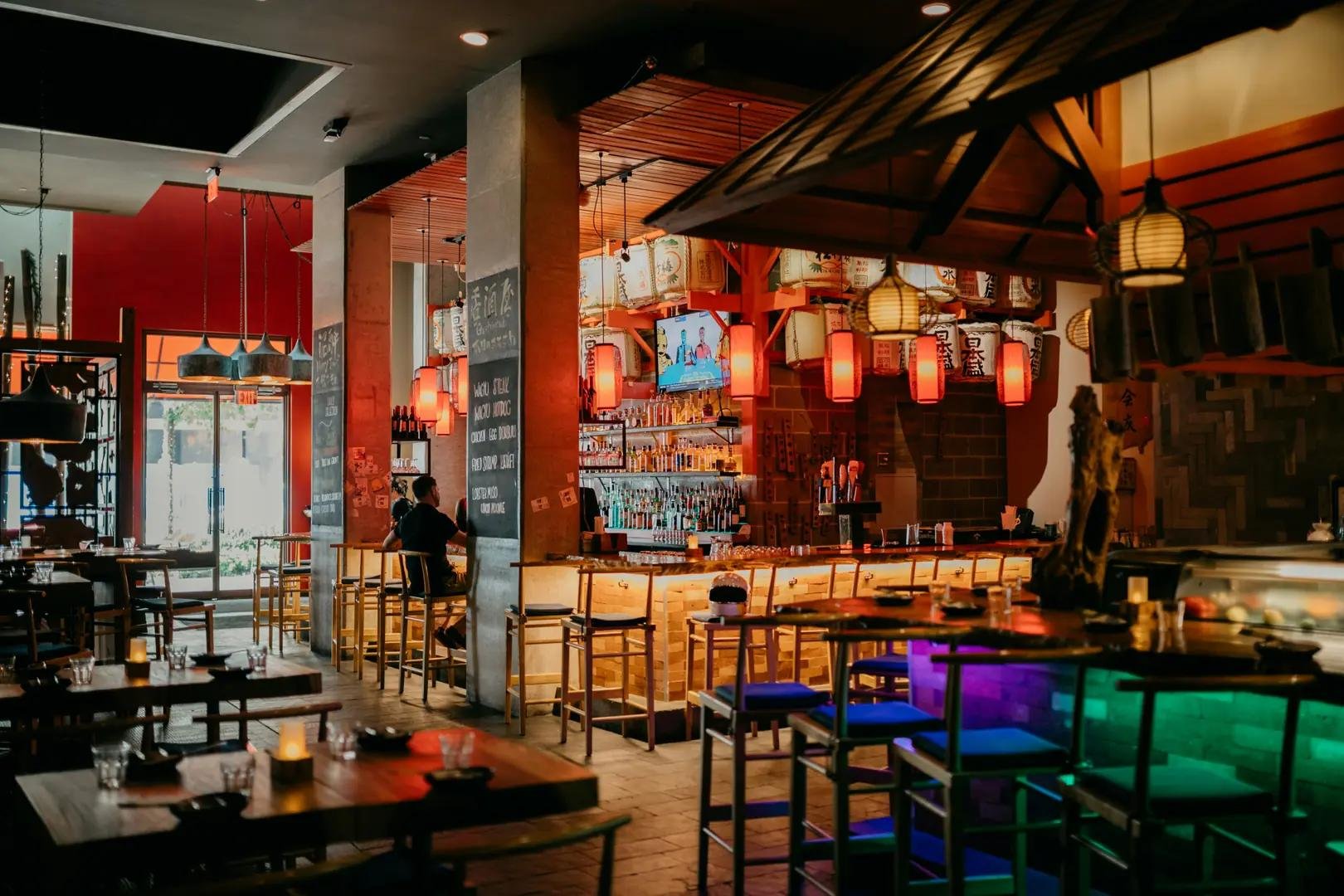
A Bar Inside a Bar: Northern Liberties' Embedded Cocktail Format
Northern Liberties has spent the better part of a decade assembling one of Philadelphia's more considered drinking corridors, and the neighborhood's appetite for format experimentation has only sharpened. The hidden-concept model, where a secondary bar or dining program runs under a different name within an established host venue, has taken root in American cities with dense cocktail cultures: think speakeasy adjacency without the theatrical password mechanics. At 637 N 3rd St, that format arrives in a specific configuration. 637 Philly Sushi Club operates embedded inside Yanaga Kappo Izakaya, sharing an address and a building while maintaining a distinct identity. The arrangement places it inside a well-documented American bar trend: the parasitic concept, or the bar-within-a-bar, where the secondary operation depends on foot traffic, kitchen infrastructure, and the credibility of its host.
For regulars, the dual-address identity is the entire appeal. You are not walking into 637 Philly Sushi Club by accident. The format self-selects for the kind of drinker who already knows the neighborhood, already has a relationship with Yanaga, and has done enough research to understand that the club inside is a separate proposition. This is how regulars accumulate in places like this: not through broad marketing, but through sequential discovery, each new regular introduced by someone who already belongs.
The Host Venue and What It Signals
Kappo izakaya as a format carries specific expectations. Kappo, at its most technical, refers to counter dining where precision preparation is visible and intentional. Izakaya layers in the informal, drink-led sociality of Japanese pub culture. The combination, when executed seriously, produces a space that rewards extended stays: small dishes, considered drinks, and a pacing that resists the turn-and-burn model. Philadelphia has seen Japanese-influenced bar and kitchen programming expand steadily, with craft cocktail operations drawing on fermentation, seasonal produce, and Japanese spirits in ways that were niche five years ago and are increasingly mainstream. Almanac, for instance, has built a program around hyper-seasonal, in-house fermentation with Japanese-inspired craft cocktails, representing the more polished, stand-alone end of that category in Philadelphia. 637 Philly Sushi Club, by embedding inside an izakaya operation, occupies a more intimate and arguably more committed version of the same genre commitment.
The physical reality of operating inside another venue shapes how regulars experience the concept. There is no dedicated entrance in the conventional sense, no separate reservations page in the public domain, no phone listing in the venue database. For Philadelphia's bar regulars, this is a recognizable signal. Operations that do not broadcast their mechanics tend to function through word of mouth at a higher rate than those with full digital infrastructure. The 12 Steps Down model of dive-bar loyalty in the city demonstrates how deeply regulars can embed themselves in a venue that makes no particular effort to recruit them. Abbaye shows a different version of the same principle: a Belgian beer focus and a specific address in Northern Liberties that has attracted a self-sustaining community of return visitors.
What Keeps Regulars Returning
The embedded concept format tends to generate a particular kind of loyalty because the discovery itself becomes part of the identity. Regulars at operations like 637 Philly Sushi Club are not just returning for the drinks or the food; they are returning because belonging to the in-group that knows the address carries social currency in a city where bar knowledge functions as cultural literacy. Philadelphia's drinking culture has strong neighborhood loyalty built into it. The city's bar regulars tend to cluster around specific blocks and formats, and Northern Liberties has cultivated the kind of drinker who treats their local area as a circuit rather than a series of one-off visits.
Sushi-club framing within an izakaya context also suggests a specific kind of program: counter-focused, possibly omakase-adjacent, certainly oriented around proximity between preparation and consumption. American cities have watched the counter-dining format migrate from strictly Japanese applications into broader cocktail and small-plates contexts. Operations like Kumiko in Chicago have demonstrated how Japanese-influenced precision can anchor a full bar program, earning sustained critical attention by applying omakase logic to cocktail sequencing. On the West Coast, ABV in San Francisco represents the technically rigorous, format-committed end of the American craft cocktail spectrum. In the South, Jewel of the South in New Orleans and Julep in Houston have built programs around specific cultural inheritance rather than trend adoption. 637 Philly Sushi Club, with its embedded format and izakaya host, reads as a Philadelphia-specific answer to that same question: how do you build a bar concept with genuine identity in a city that already has strong neighborhood drinking culture?
Philadelphia's Embedded Concept Scene in Context
Bar-within-a-bar or concept-within-a-concept format has proliferated in American cities where real estate costs and licensing complexities make standalone openings less viable. Philadelphia's Northern Liberties and Fishtown corridors have seen several iterations of this model, often with a music, food, or cultural hook that distinguishes the embedded concept from its host. 48 Record Bar demonstrates how a secondary identity, in that case music programming layered onto a bar operation, can define the regulars' experience more than the drinks themselves. 1501 Passyunk Ave operates in a different neighborhood with a different configuration but reflects the same Philadelphia tendency toward concepts that reward prior knowledge.
Internationally, the embedded or hidden cocktail format has produced some of the most closely followed bar programs of the past decade. Bar Leather Apron in Honolulu built its following through a format that prioritized intimacy and craft over visibility. Superbueno in New York City and The Parlour in Frankfurt on the Main each represent bar programs in larger markets where a distinct identity within a competitive field requires more than a good address. 637 Philly Sushi Club operates at a smaller scale than any of these, but the format logic is consistent: limit access, build in discovery, and let the regulars do the work that marketing would otherwise do.
For a broader view of where this concept sits within Philadelphia's drinking and dining scene, the full Philadelphia restaurants guide maps the city's current moment across neighborhoods and formats.
Know Before You Go
| Address | Hidden inside Yanaga Kappo Izakaya, 637 N 3rd St, Philadelphia, PA 19123 |
|---|---|
| Neighborhood | Northern Liberties |
| Format | Embedded bar concept within a kappo izakaya |
| Phone | Not publicly listed |
| Website | Not publicly listed |
| Booking | Confirm current booking method directly through Yanaga Kappo Izakaya |
| Hours | Verify current hours before visiting; not publicly confirmed at time of writing |
Frequently Asked Questions
- What's the signature drink at 637 Philly Sushi Club?
- The venue database does not confirm specific cocktails or drink programs at the time of writing. Given the kappo izakaya context of the host venue, Yanaga, the program is likely oriented around Japanese spirits, rice-based drinks, or food-adjacent cocktail formats, but any specific menu details should be confirmed directly with the venue before visiting.
- What is 637 Philly Sushi Club leading at?
- Based on its format and address, the concept's strength is in the embedded discovery experience it offers within Northern Liberties, one of Philadelphia's more active drinking neighborhoods. The kappo izakaya host signals a kitchen-and-bar operation with Japanese-influenced precision at its core. No specific awards or price tier are confirmed in the public record at this time.
- What's the leading way to book 637 Philly Sushi Club?
- No dedicated website or phone number is listed for 637 Philly Sushi Club as a standalone operation. The most direct path is to contact Yanaga Kappo Izakaya at the shared address, 637 N 3rd St, Philadelphia, PA 19123, and ask about the embedded club format and any reservation requirements. Given the concept's low public profile, direct inquiry is likely the only reliable booking method.
- What is 637 Philly Sushi Club a good pick for?
- The format rewards visitors who already have some familiarity with Philadelphia's Northern Liberties bar circuit and are looking for a more intimate, concept-driven experience than a conventional bar visit. It is a reasonable choice for small groups interested in Japanese-influenced food and drink programming in a setting that does not broadcast itself to the general public. No price range is confirmed in the public record.
- Is 637 Philly Sushi Club worth visiting?
- For Philadelphia bar regulars who value discovery and format specificity over convenience, the embedded concept within a kappo izakaya is a meaningful proposition. The absence of awards or published reviews in the current record means the case rests on the format itself and the host venue's reputation rather than external validation. Visiting with confirmed current information is advisable before making a dedicated trip.
- What makes 637 Philly Sushi Club different from other sushi-focused venues in Philadelphia?
- Unlike standalone sushi restaurants or conventional omakase counters, 637 Philly Sushi Club operates as a named concept embedded inside Yanaga Kappo Izakaya, meaning the experience is deliberately accessed through a host venue rather than through a direct door. This layered format, rare in Philadelphia's current dining scene, positions the club as a secondary identity with a distinct following rather than a primary dining destination. The kappo tradition of the host, centered on counter preparation and proximity between cook and guest, gives the broader concept a specific Japanese culinary framework that separates it from the city's more generalist Japanese restaurants.
The Essentials
A short peer table to compare basics side-by-side.
| Venue | Notes | Price |
|---|---|---|
| 637 Philly Sushi Club | This venue | |
| Tria | ||
| Almanac | Japanese-inspired craft cocktails; hyper-seasonal, in-house fermentation | |
| Next of Kin | Cocktails, bar snacks | |
| Sacred Vice Brewing – Berks (taproom) | Brewery taproom; beer-focused, vinyl music selection | |
| Abbaye |
Need a Table?
Our members enjoy priority alerts and concierge-led booking support for the world's most difficult bars and lounges.
Get Exclusive Access