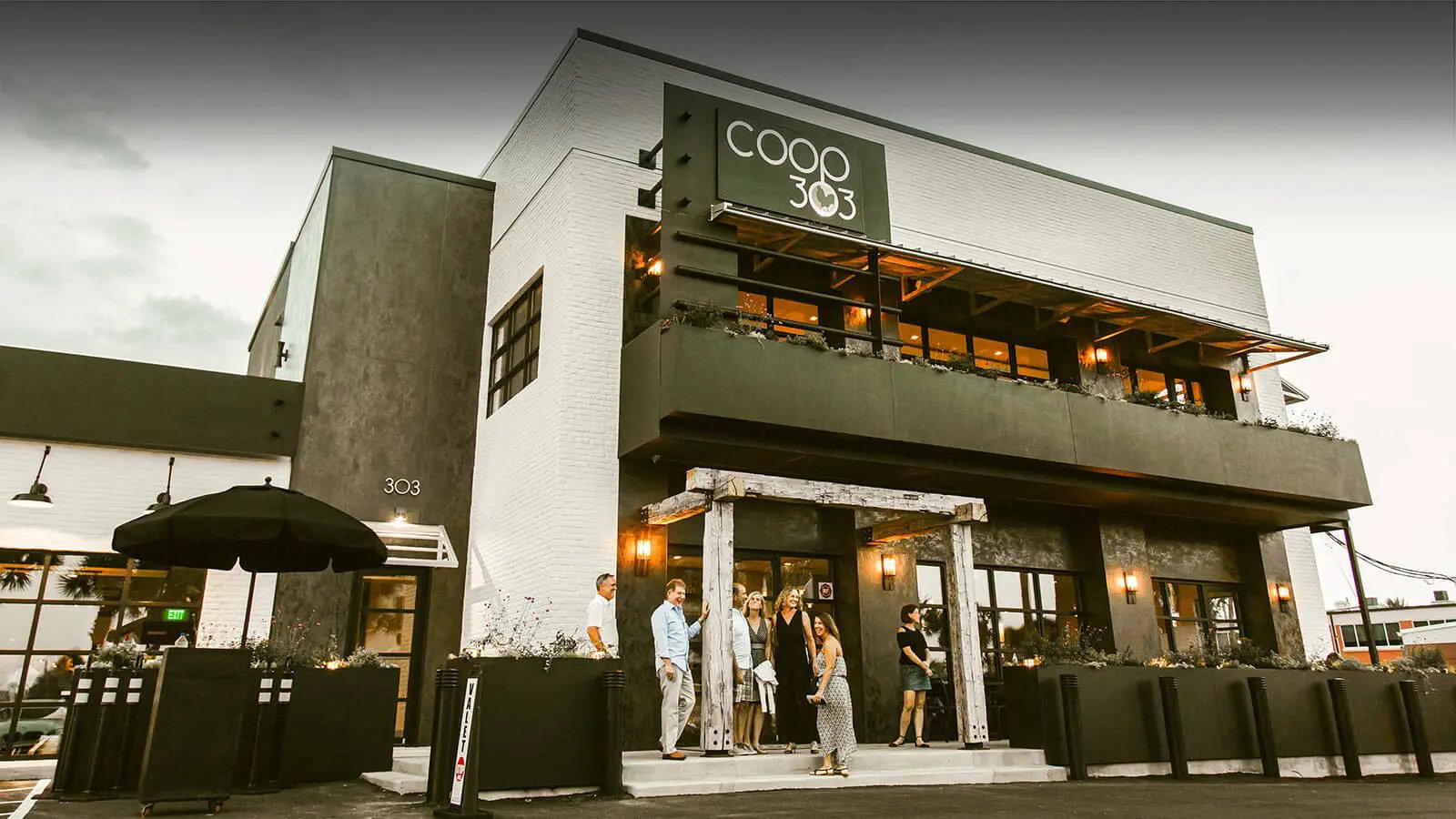
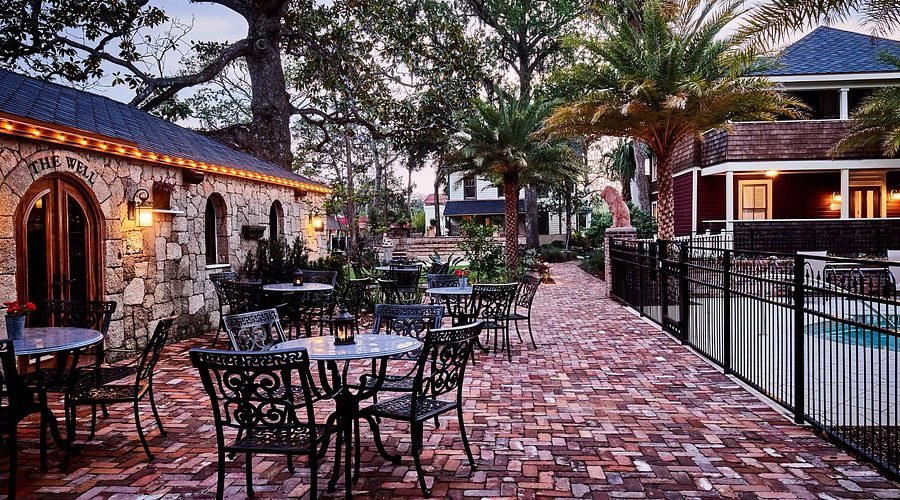
Coop 303
On Atlantic Boulevard in Atlantic Beach, Coop 303 occupies a stretch of Florida's First Coast where casual coastal dining and ingredient-driven kitchens increasingly share the same zip code. The address alone signals its neighborhood footing, sitting within easy reach of the beach communities that define this corner of Jacksonville's coastline. For a fuller picture of what's eating and drinking well in the area, our Atlantic Beach restaurant coverage offers useful orientation.
Pearl is the En Primeur Club membership app — saves, bookings, and concierge access live there. Same editors, same standards.
- Address
- 303 Atlantic Blvd, Atlantic Beach, FL 32233
- Phone
- +19043724507
- Website
- coop303.com

- Directions
- Get directions

Atlantic Beach and the Ingredient Question
Coop 303 is a restaurant at 303 Atlantic Blvd in Atlantic Beach, Florida, serving modern Florida regional American steakhouse fare at an approachable price point. Florida's First Coast has spent the better part of a decade working through a quiet but meaningful shift in how its restaurants source and frame their food. The beach communities stretching north and south of Jacksonville, Atlantic Beach among them, sit close enough to commercial fishing operations, working farms in the St. Johns River corridor, and Gulf-adjacent supply chains that the question of provenance is less an aspiration here than a logistical reality. Restaurants along Atlantic Boulevard either engage with that proximity or they don't, and the ones that do tend to anchor themselves differently in the minds of regulars who know what the region can actually produce.
Coop 303, at 303 Atlantic Blvd, positions itself within that coastal dining conversation. The address places it squarely in Atlantic Beach proper, a compact beach town where the dining room footprint tends toward the intimate and the clientele skews toward people who live within a few miles and return often rather than visitors making a single pass through. That regulars-first dynamic shapes what a restaurant like this can do with its menu over time: it creates the conditions for sourcing relationships to deepen, for a kitchen to become known for something specific rather than something general.
The Coastal Kitchen Context
Across American coastal dining, particularly compelling ingredient-sourcing stories tend to emerge not from the highest-profile urban addresses but from places where geography enforces a kind of discipline. Single Thread Farm in Healdsburg built its reputation around a farm-to-counter relationship so literal that the farm sits on the same property. Blue Hill at Stone Barns in Tarrytown made agricultural proximity its entire editorial and culinary identity. These are extreme, well-resourced examples, but they reflect a broader principle: when a kitchen is close to its sources, the menu has less to hide behind and more to say.
Northeast Florida's position between the Atlantic and the inland river systems means that a kitchen paying attention has access to a specific and seasonally legible pantry. Shrimp from the Georgia-Florida border fisheries, oysters from the Apalachicola Bay region further along the Gulf coast, and produce from North Florida's warmer-season growing window all enter the regional supply chain at price points and volumes that smaller independent restaurants can actually work with. The restaurants in Atlantic Beach that lean into this tend to read differently from those that source from broader national broadliners, even when the cuisine type on paper looks similar.
What the Address Signals
Atlantic Boulevard is the main commercial artery connecting Atlantic Beach to the wider Jacksonville metro, which means foot traffic here is mixed: locals running errands, beach-day visitors, and the kind of purposeful diner who has looked something up before arriving. A restaurant at 303 Atlantic Blvd sits in a zone that requires it to do more than one thing at once, speaking to neighborhood regulars who will judge it against their own standards of value and repetition while also remaining legible to visitors arriving without much context.
The restaurants that manage this dual audience most effectively in coastal Florida communities are usually the ones with a clear sourcing identity, because provenance is a story that both audiences can access from different angles. A local knows what good shrimp from Florida's northeast coast tastes like and will notice when a kitchen is working with the right stuff. A visitor arriving from a larger market, where sourcing language has become fairly standard on menus, will recognize the signals and respond to them. The sourcing story, in other words, does work for the restaurant that neither a price point alone nor an ambiance description can fully accomplish.
How Atlantic Beach Fits the Broader Map
The conversation about ingredient-driven cooking in American restaurants has been dominated for the past decade by a handful of high-profile addresses: Le Bernardin in New York City for its precision with seafood sourcing; The French Laundry in Napa for its garden-to-table rigor; Lazy Bear in San Francisco for its commitment to Northern California's seasonal calendar. Further down the coast, Providence in Los Angeles has built a two-Michelin-star reputation specifically around sustainable seafood sourcing. Smyth in Chicago and Addison in San Diego represent how the sourcing conversation has migrated into the tasting-menu tier at the national level.
What those addresses share is a level of institutional investment and documentation that smaller coastal restaurants are not positioned to match. But the sourcing principles they popularized, direct relationships with producers, menu adaptation to what's actually available rather than what's always been on the list, transparency about origin, have filtered down into the independent restaurant tier in ways that make places like Coop 303 worth reading against that broader movement rather than in isolation from it.
In New Orleans, Emeril's spent years building Louisiana-sourcing credibility into a large-format kitchen. In Miami, ITAMAE has made Peruvian-Japanese sourcing from Florida's coastal waters a distinct competitive position. Further afield, Atelier Moessmer Norbert Niederkofler in Brunico has built one of Europe's most discussed regional-sourcing programs around Alpine ingredients. The pattern across all of them is that sourcing clarity, when genuine, creates a kind of institutional memory that marketing cannot replicate. The Inn at Little Washington and Frasca Food and Wine in Boulder further illustrate how regional identity, expressed through what a kitchen buys and from whom, becomes a restaurant's most durable asset over time. The Wolf's Tailor in Denver and Atomix in New York City extend that argument into the tasting-menu format, where sourcing specificity becomes the backbone of the entire dining proposition.
Comparable Venues
Comparable venues nearby, for context on price, style, and recognition.
| Venue | Cuisine | Price | Notes |
|---|---|---|---|
| Coop 303This venue — the venue you are viewing | Modern Florida Regional American Steakhouse | $$ | Not listed |
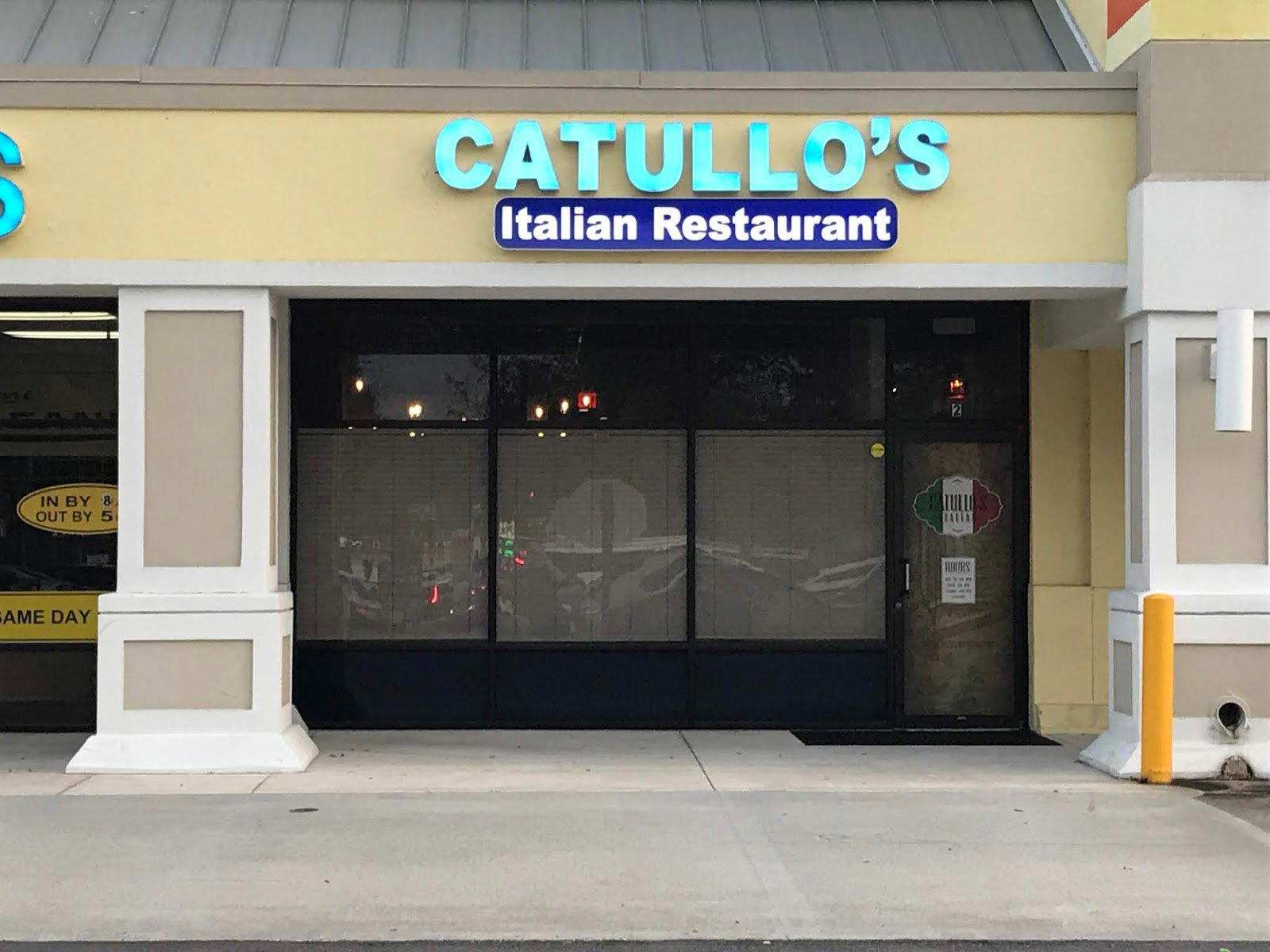
| Salumeria 104 Atlantic Beach | Authentic Italian Trattoria | $$$ | Atlantic Beach |
| Tide Coastal Kitchen | American Coastal Cuisine | $$$ | Fort Lauderdale |
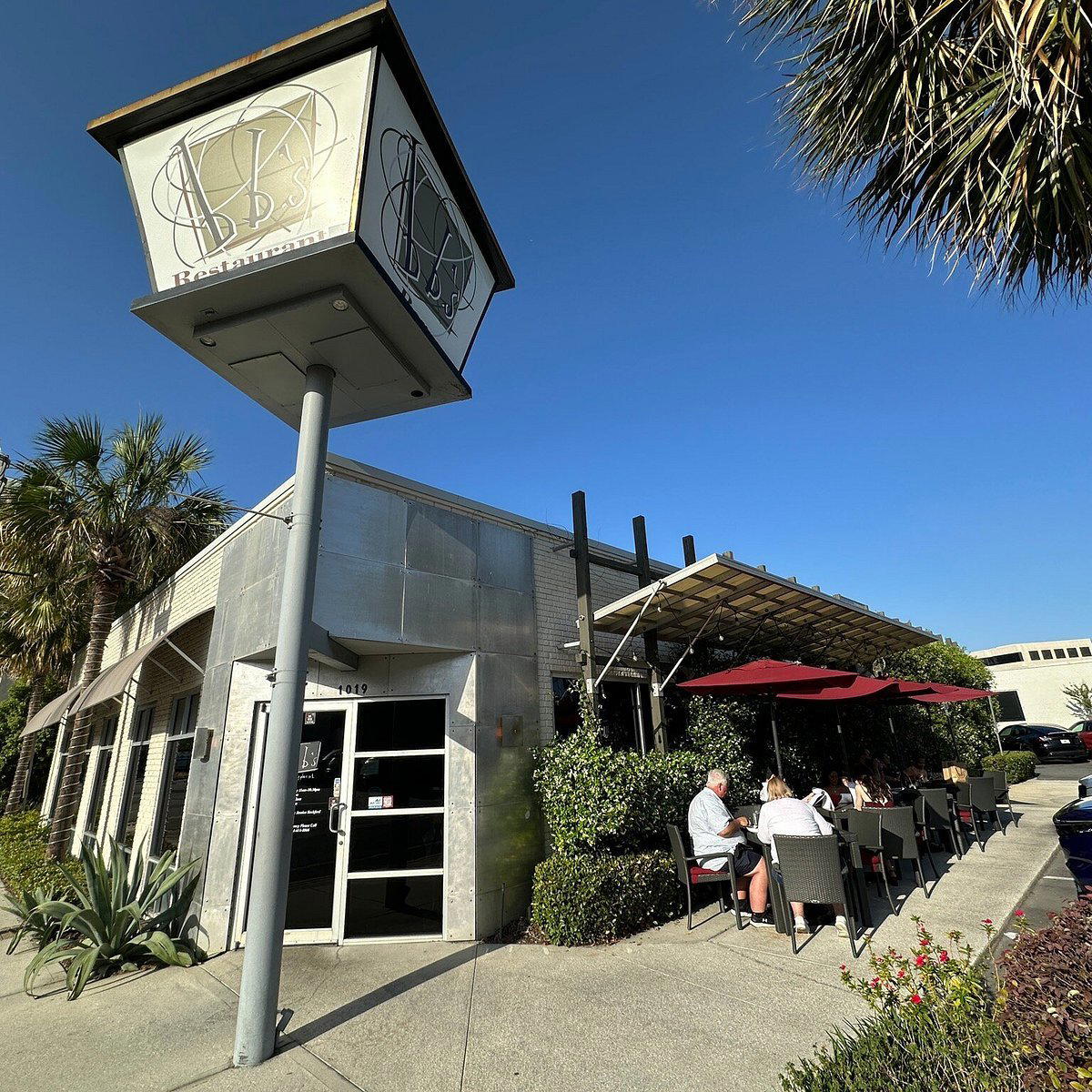
| bb's | Eclectic American with International Flair | $$$ | San Marco |
Continue exploring
More in Atlantic Beach
Restaurants in Atlantic Beach
Browse all →Bars in Atlantic Beach
Browse all →At a Glance
- Modern
- Trendy
- Lively
- Date Night
- Brunch
- Casual Hangout
- Rooftop
- Open Kitchen
- Terrace
- Craft Cocktails
- Extensive Wine List
- Local Sourcing
Current opening hours
- Monday
- 4–9 PM
- Tuesday
- 4–9 PM
- Wednesday
- 4–9 PM
- Thursday
- 4–9 PM
- Friday
- 4–10 PM
- Saturday
- 11 AM–10 PM
- Sunday
- 11 AM–9 PM
Hours can change for holidays and private events. Last verified .
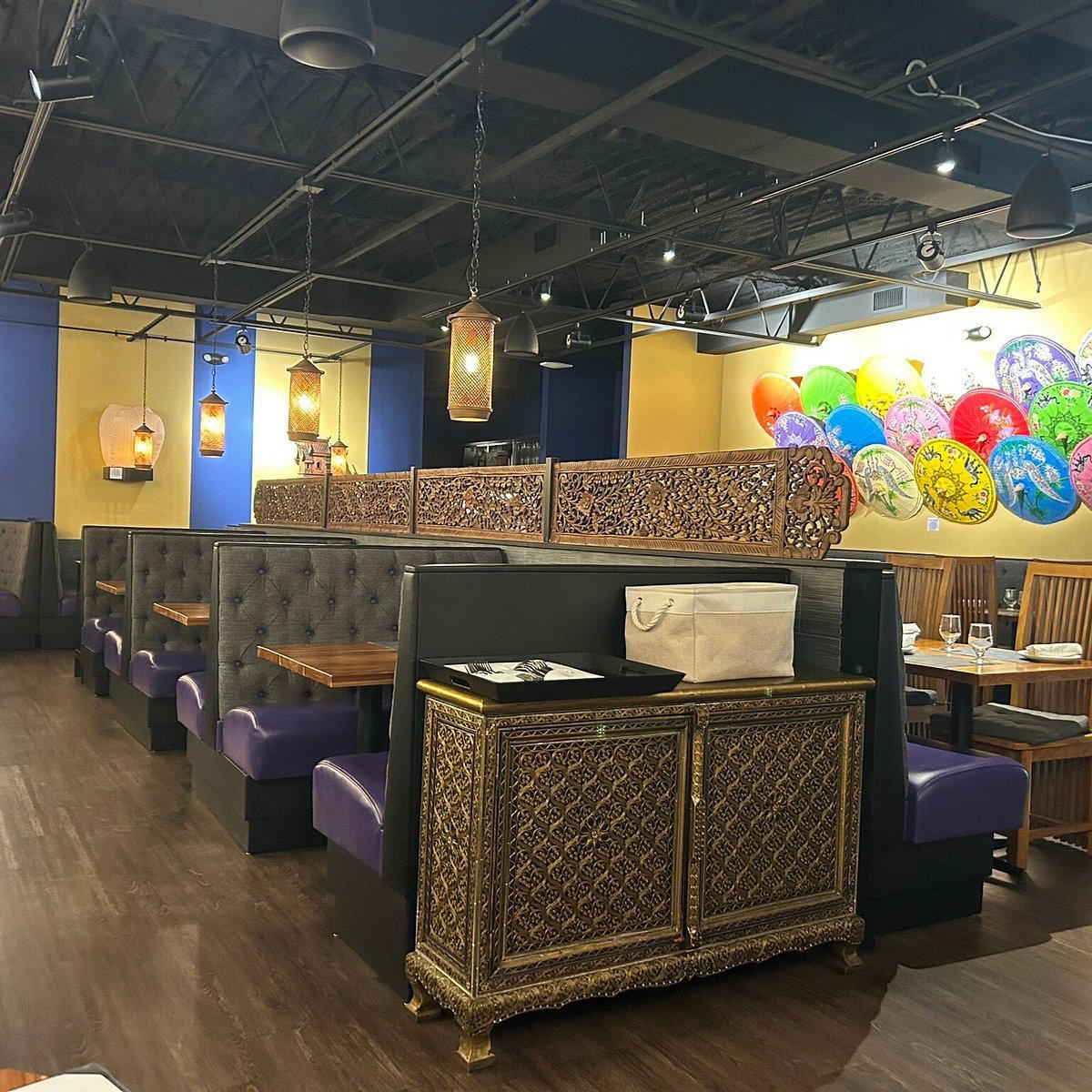
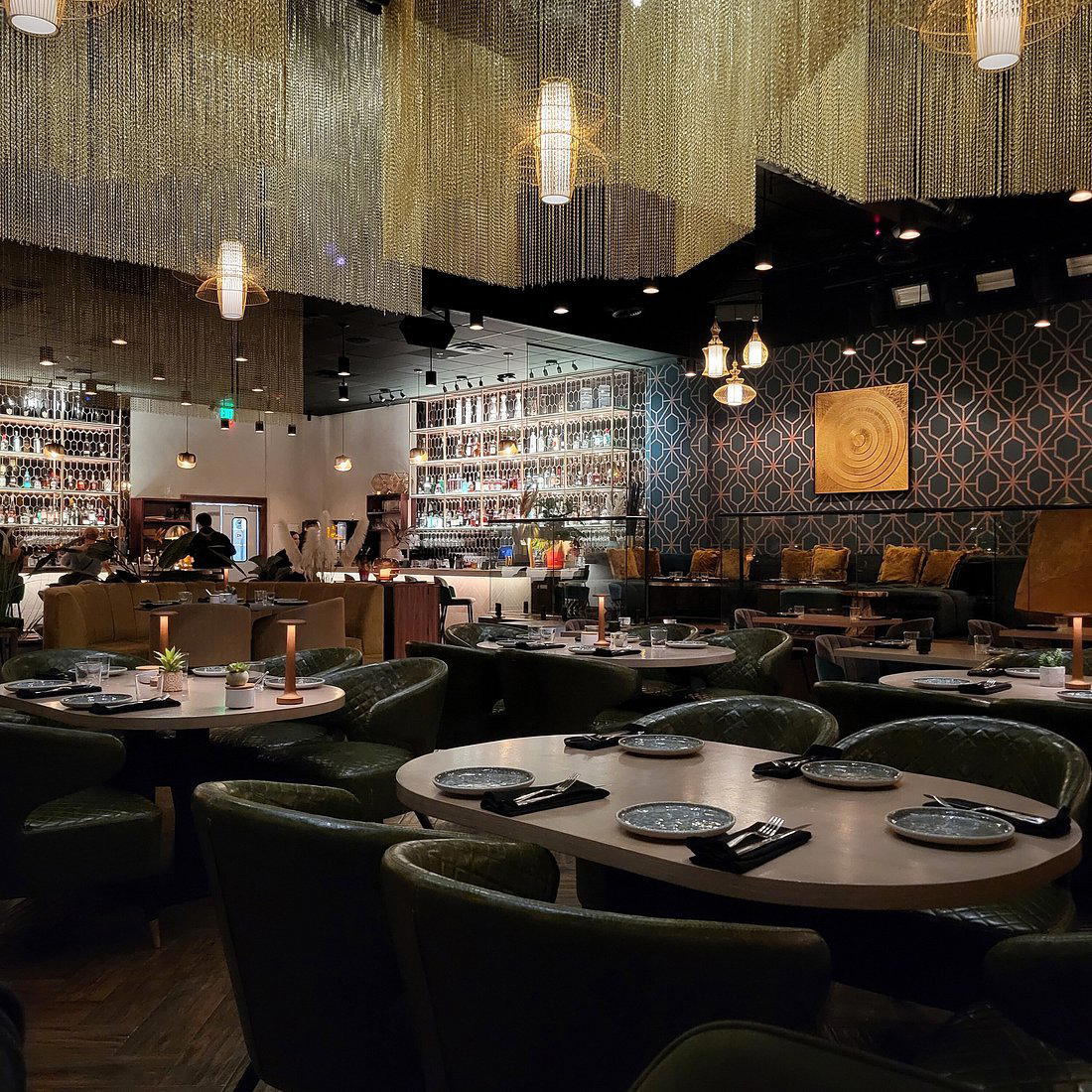
Sleek and modern atmosphere with multiple seating options including intimate booths, community tables, outdoor patios, rooftop garden, and lively bars; noise can be polished due to high ceilings and crowds.