Cantina "Calaca" Feliz
On Fairmount Avenue in Philadelphia's Art Museum neighborhood, Cantina "Calaca" Feliz occupies a position in the city's Mexican dining scene that rewards those who look past the broader dining corridor. The space draws on the visual language of Day of the Dead iconography — calavera motifs, saturated color — to create an environment that frames the food as much as the room itself does.
 Discover on Pearl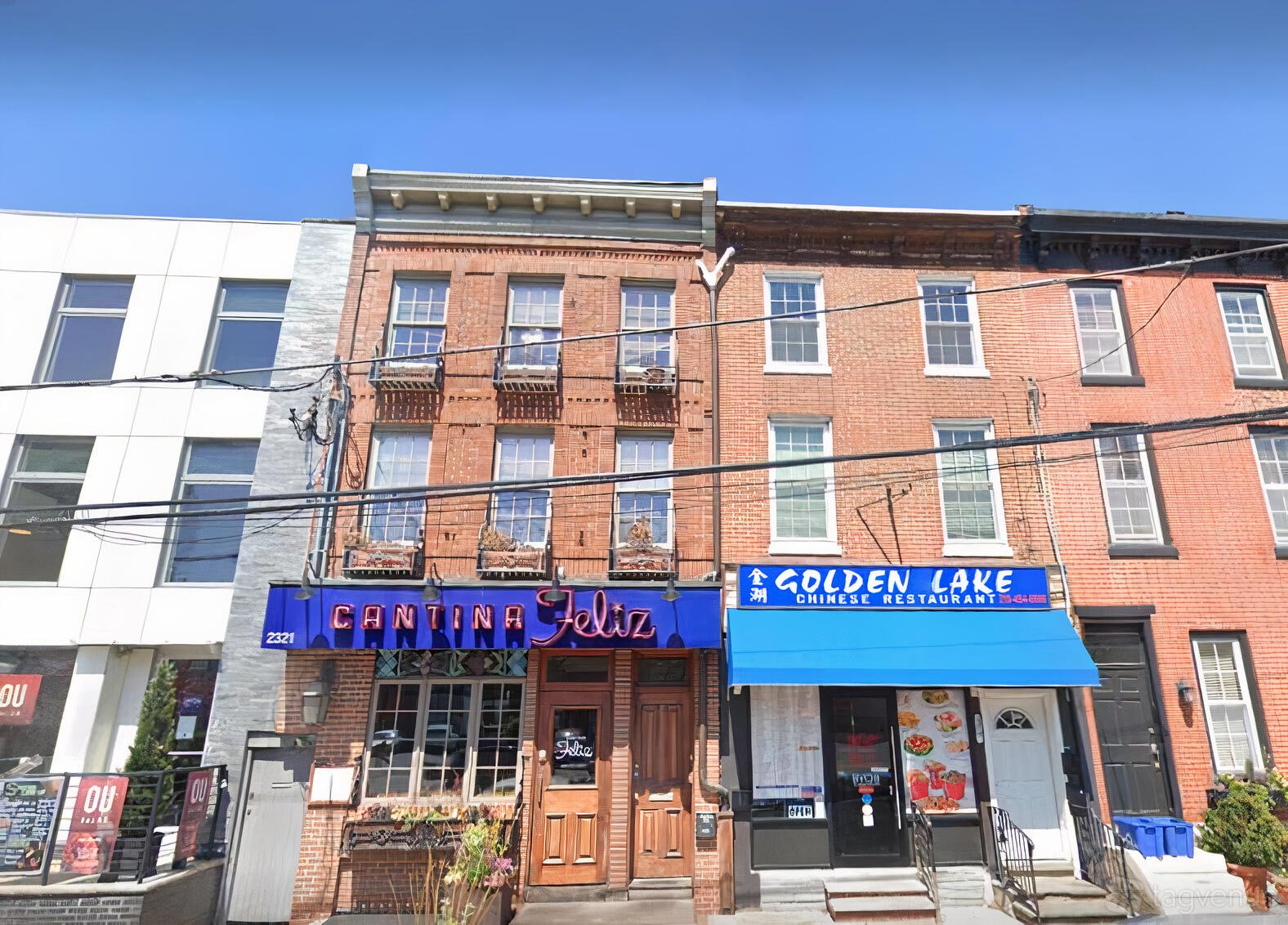
Fairmount's Mexican Anchor: Color, Space, and the Weight of a Room
Philadelphia's Art Museum neighborhood has long operated as a quieter corridor between the density of Center City and the residential stretch of East Falls. Along Fairmount Avenue, the dining options tend toward the neighborhood-facing rather than the destination-seeking, and that tension — between local institution and something worth crossing the city for — is exactly where Cantina "Calaca" Feliz has found its place. The name signals the premise directly: calaca, the Mexican colloquial term for skull or skeleton, and feliz, meaning happy. It is a reference to Día de los Muertos iconography, and the space follows through on that promise with a degree of visual commitment that separates it from the broader category of Americanized Mexican restaurants that populate most mid-size cities.
The design language of Day of the Dead is, in many American cities, used decoratively with little depth , a few sugar skull prints and bright paint. Spaces that take the tradition seriously tend to go further: saturated marigold and cobalt tones, calavera imagery woven into the architecture rather than applied as surface decoration, and a warmth that reads less like a theme and more like a point of view. On Fairmount Avenue, that kind of interior commitment signals something about the food program behind it, because rooms built with that level of intention rarely exist in isolation from the kitchen.
The shortlist, unlocked.
Hard-to-book tables, cellar releases, and concierge-planned trips.
Get Exclusive Access →The Role of Space in Mexican Dining in Philadelphia
Philadelphia's Mexican dining scene has historically punched below its weight relative to cities like Chicago, Houston, or New York, where neighborhood demographics and deeper immigration histories produced generations of Mexican-owned restaurants with regional specificity. That gap has been closing, and the shift is visible in how newer venues approach both the room and the menu. The design-first approach Cantina "Calaca" Feliz applies is part of a broader trend across American cities where Mexican dining experiences in non-gateway markets have moved away from the generic cantina format toward spaces that assert a cultural argument through their architecture.
In Philadelphia specifically, the stretch of Fairmount Avenue represents a particular kind of dining calculus: it serves a neighborhood that is dense with young professionals and longtime residents simultaneously, which means a restaurant must work at multiple registers. The physical container at Cantina "Calaca" Feliz addresses this by building a room that reads festive without being loud, culturally specific without being exclusive, and designed without being sterile. That balance is harder to achieve than it looks, and the interior execution here is the foundation on which the rest of the experience rests.
For readers planning a broader evening in the neighborhood or across the city, Philadelphia's bar scene offers natural pairings. 12 Steps Down and 1501 Passyunk Ave both operate in the city's more program-driven drinking tier, as does 48 Record Bar for those who want music alongside their drinks. 637 Philly Sushi Club sits in a different category entirely but speaks to the same appetite for defined-concept hospitality that Cantina "Calaca" Feliz represents.
How It Fits the City's Broader Drinking and Dining Pattern
Across American cities, venues built around Mexican culinary traditions have increasingly bifurcated into two tiers: high-concept tasting-format restaurants with formal service, and neighborhood cantinas that prioritize atmosphere, accessibility, and drinks programs centered on agave spirits. Cantina "Calaca" Feliz operates in the latter category, which in practice means the experience is built around the texture of an evening rather than the architecture of a formal progression through courses.
That model has worked well in comparable markets. In New York, Superbueno represents a similar ethos: Mexican-inflected drinking culture delivered through a designed space with intention behind the drinks program. In Chicago, Kumiko demonstrates what happens when a cultural design sensibility is applied rigorously to a bar program in a non-obvious context. Further afield, Jewel of the South in New Orleans, Julep in Houston, and Bar Leather Apron in Honolulu each show how regional identity, when embedded in a room's physical character, produces hospitality that holds across visitor types. ABV in San Francisco and The Parlour in Frankfurt on the Main extend that argument internationally: design-led spaces read clearly to a traveling audience even without language as a bridge.
Cantina "Calaca" Feliz sits in that same current. The address , 2321 Fairmount Ave , places it in a part of Philadelphia that is walkable from the Barnes Foundation and the Philadelphia Museum of Art, meaning the venue regularly absorbs visitors who are already oriented toward cultural experience. That visitor profile, layered on leading of the neighborhood regulars it serves, produces a room dynamic that is harder to manufacture than a reservation system or a wine list.
Planning a Visit
Fairmount Avenue is accessible from Center City by a short cab or rideshare, and the neighborhood is walkable from the Art Museum if you are already in that part of the city. For those spending an evening in the area, the venue's position on Fairmount makes it a natural anchor around which to build a longer itinerary through the neighborhood's dining corridor. Given the limited published data on hours and booking requirements, contacting the venue directly before visiting is the sensible approach, particularly on weekends when the Art Museum neighborhood sees higher foot traffic. Our full Philadelphia restaurants guide maps this venue alongside the city's broader dining options and can help frame a multi-stop itinerary.
Frequently Asked Questions
- What should I try at Cantina "Calaca" Feliz?
- The menu details are not publicly documented in enough specificity to make dish-level recommendations with confidence. What the room and concept signal strongly is that agave-based drinks , mezcal and tequila in particular , are likely central to the drinks program, as they are at virtually every seriously conceived Mexican cantina in this tier. Arriving with that expectation and asking the staff for current highlights is the most reliable approach.
- What's the standout thing about Cantina "Calaca" Feliz?
- The physical space is the most distinctive element. In a city where Mexican dining has historically leaned toward the functional rather than the designed, a venue on Fairmount Avenue that commits to Day of the Dead visual culture as an architectural argument rather than a surface treatment occupies a specific and relatively uncrowded position in Philadelphia's dining tier. That design commitment, at accessible price points typical of a neighborhood cantina, is what separates it from its immediate peers.
- What's the leading way to book Cantina "Calaca" Feliz?
- Published booking details are not available through EP Club's current data. The most direct route is to contact the venue through its physical address at 2321 Fairmount Ave, Philadelphia, PA 19130, or to search for current reservation options through third-party platforms that serve the Philadelphia market. Walk-in availability is common at neighborhood cantinas in this tier during weekday evenings.
- Is Cantina "Calaca" Feliz better for first-timers or repeat visitors?
- If you are visiting Philadelphia for the first time, this venue works well as an introduction to the city's neighborhood dining culture, particularly if you are already visiting the Art Museum area. Repeat visitors who know Philadelphia's Center City dining corridor well tend to find venues on Fairmount Avenue , including this one , a more grounded alternative to the higher-profile options downtown. The room rewards familiarity, and the regulars it attracts suggest it holds up beyond a single visit.
- How does Cantina "Calaca" Feliz fit into Philadelphia's broader Mexican dining scene?
- Philadelphia has fewer deep-rooted Mexican dining corridors than Chicago or Houston, which means venues that build a clear cultural identity through both space and food occupy more prominent positions in the local scene than they might in larger markets. Cantina "Calaca" Feliz, through its location in the Art Museum neighborhood and its design-forward approach to Mexican cantina culture, fills a gap in the northwest quadrant of Center City that was previously underserved. For visitors or locals looking for that specific register of Mexican hospitality in Philadelphia, this address on Fairmount Avenue is one of the more considered options in its tier.
At a Glance
A quick comparison pulled from similar venues we track in the same category.
| Venue | Notes | Price |
|---|---|---|
| Cantina "Calaca" Feliz | This venue | |
| Tria | ||
| Almanac | Japanese-inspired craft cocktails; hyper-seasonal, in-house fermentation | |
| Next of Kin | Cocktails, bar snacks | |
| Sacred Vice Brewing – Berks (taproom) | Brewery taproom; beer-focused, vinyl music selection | |
| Abbaye |
Need a Table?
Our members enjoy priority alerts and concierge-led booking support for the world's most difficult bars and lounges.
Get Exclusive AccessThe shortlist, unlocked.
Hard-to-book tables, cellar releases, and concierge-planned trips.
Get Exclusive Access →