Abbaye
Abbaye occupies a converted space on North Third Street in Philadelphia's Northern Liberties neighborhood, where Belgian-leaning beer culture meets a bar room that rewards those who take their time with a glass. The draw is a drinks list that runs deeper than most in the city, and an atmosphere that sits closer to a lived-in European café than a polished cocktail bar.
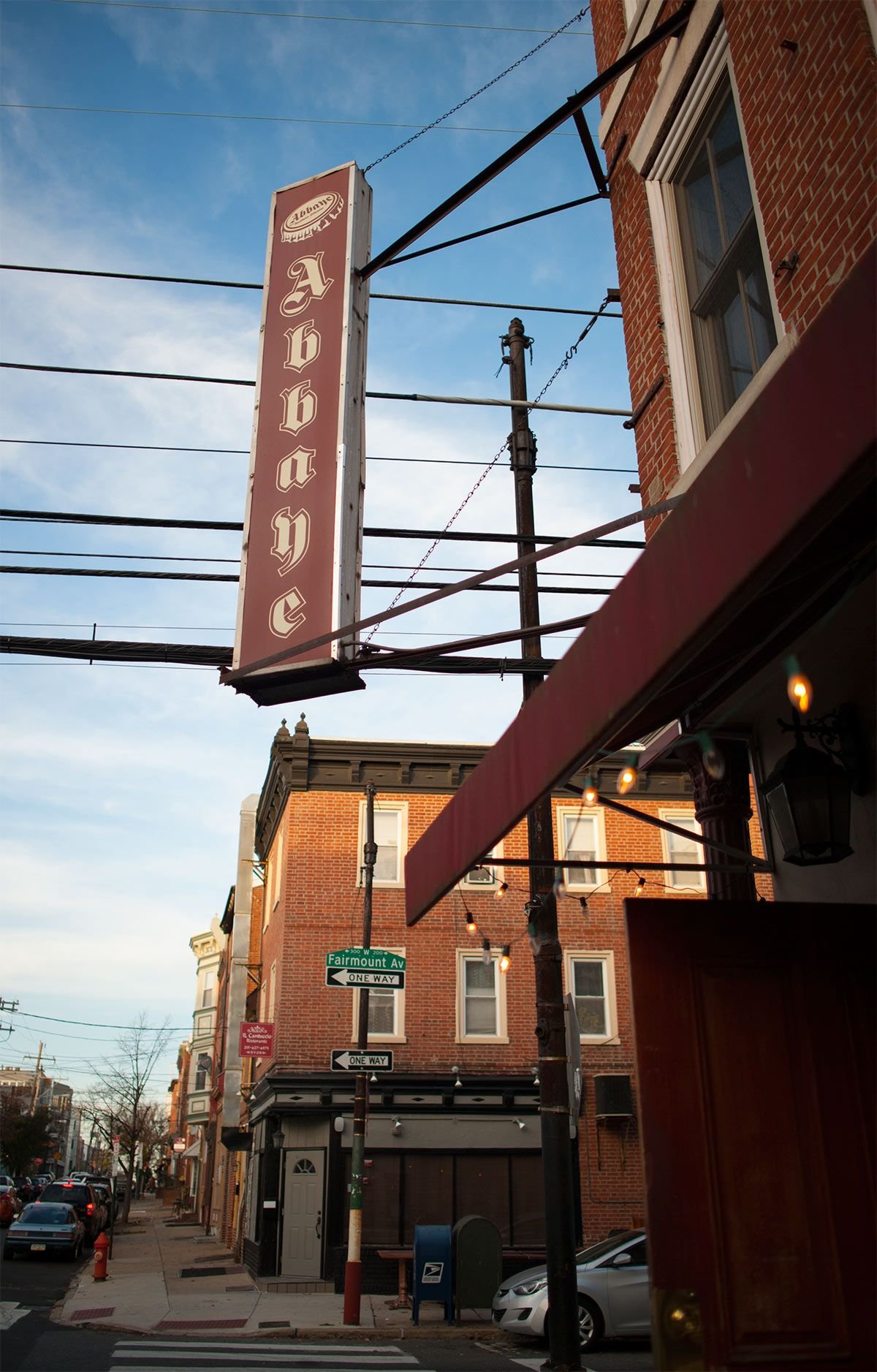
Northern Liberties and the Case for Slowing Down
Philadelphia's Northern Liberties neighborhood has spent the better part of two decades pulling between its post-industrial past and an increasingly design-conscious present. The stretch of North Third Street where Abbaye sits reflects that tension well: rowhouses converted to restaurants, warehouses reborn as creative studios, and bars that feel genuinely inhabited rather than curated for a demographic. In that context, Abbaye reads as a neighborhood institution rather than a trend, the kind of place where the drinks list does the talking and the room doesn't need to announce itself.
That positioning matters in Philadelphia's current bar scene, where Northern Liberties competes with Fishtown's louder, more photogenic spots for drinker attention. Abbaye's address at 637 N 3rd St places it a short walk from the neighborhood's main commercial axis, close enough to the action but set at a remove that self-selects for a certain kind of visitor: one who has already decided what they want rather than one still figuring it out.
What the Belgian Influence Actually Means Here
Philadelphia has a longer relationship with Belgian beer culture than most American cities care to remember. The city's Catholic working-class parishes, its proximity to East Coast import networks, and a handful of early craft-leaning bottle shops helped establish a palate for Abbey ales, saisons, and gueuzes well before the broader American craft beer revival made those styles fashionable. Abbaye draws on that lineage directly, with a name that signals the tradition without needing to explain it.
Belgian brewing at its serious end is less about alcohol volume and more about fermentation complexity: the interplay of yeast character, carbonation, and bottle conditioning that makes a Tripel or a Flemish red something to sit with rather than race through. Bars that commit to that tradition tend to structure their lists around occasion and progression rather than novelty, which is a different editorial philosophy than the rotating-tap model that dominates much of the American craft beer bar category. Abbaye's approach places it in a peer set that includes destination beer bars rather than neighborhood sports bars, even when the two occupy the same zip code.
For context on how this Belgian-influenced, slower-drinking format compares to other American cities: Kumiko in Chicago operates in an analogous specialist tier for Japanese-influenced spirits, and Jewel of the South in New Orleans applies similar depth to cocktail heritage. The format is different, but the commitment to a defined drinks philosophy over broad-spectrum appeal is the same.
The Drinks: Reading the Room and the List
The editorial angle at Abbaye is primarily the glass, not the kitchen. Belgian and Belgian-style ales anchor the list in the way that a serious wine program anchors a restaurant: the selection implies a point of view, and that point of view rewards the guest who engages with it rather than defaulting to the familiar. Saisons, which ferment dry and finish with a distinctive spice and fruit character from their yeast strains, sit alongside heavier Abbey-style ales that carry enough residual sweetness and carbonation to pair with food or stand alone as the occasion itself.
American craft interpretations of Belgian styles have multiplied significantly since the early 2000s, which creates a curatorial challenge for any bar running a serious list: the category now spans everything from brewery marketing exercises to genuine technical achievements. The bars that handle this well use their lists as a filter, foregrounding producers whose methods match the tradition rather than simply the label. Philadelphia's proximity to both mid-Atlantic craft breweries and import distributors gives Abbaye real range to work with on that front.
Visitors who come specifically for the drinks program should plan time to ask questions rather than point at the first recognizable name. The list rewards engagement, and the staff's ability to guide a guest through style distinctions is part of what separates a destination beer bar from a well-stocked bar that happens to carry Belgian imports. For those building a Philadelphia drinks itinerary, 12 Steps Down, 1501 Passyunk Ave, and 48 Record Bar each occupy distinct positions in the city's bar ecosystem and make logical companions to an evening that starts or ends in Northern Liberties.
The Room: What You Actually Walk Into
The physical experience of Abbaye follows a pattern common to the better Belgian café conversions: exposed brick, wood surfaces that absorb rather than reflect light, and a density of seating that encourages proximity without forcing it. The atmosphere skews convivial rather than hushed, which is appropriate given the tradition it draws from. Belgian café culture was never precious about its setting; it was serious about what was in the glass.
That atmosphere places Abbaye at a different point on the Philadelphia bar spectrum than, say, a cocktail-forward room built around low lighting and a specific bartender's biography. The room's character is accumulated rather than designed from scratch, which in a neighborhood like Northern Liberties reads as a credential rather than a limitation. Compare that to Philadelphia neighbors like 637 Philly Sushi Club, which operates in a very different register, and the distinction in format and atmosphere becomes clear quickly.
Internationally, the format has parallels: The Parlour in Frankfurt operates in a similarly considered, non-theatrical drinks environment, and Bar Leather Apron in Honolulu applies a related philosophy of precision-over-spectacle to a very different regional context. The common thread is a bar that trusts its list to make the case rather than leaning on the room design to do the work.
Planning Your Visit
Abbaye sits at 637 N 3rd St in Northern Liberties, a neighborhood that is walkable from Fishtown and reachable by public transit from Center City without significant friction. For specific hours, current booking options, and menu details, the most reliable approach is to check directly with the venue, as this kind of neighborhood bar adjusts its schedule seasonally and around local events. Northern Liberties tends to fill on weekend evenings as the neighborhood draws visitors from across the city, so arriving earlier in the evening on a Friday or Saturday is a practical hedge against a wait. Weeknight visits carry less pressure and often produce a better conversation with the bar staff, which matters when the list is the point.
Those building a broader Philadelphia drinks evening can use the EP Club Philadelphia guide to map neighboring bars and restaurants. For reference points beyond Philadelphia, ABV in San Francisco, Julep in Houston, and Superbueno in New York City each represent the kind of specialist bar programming that Abbaye participates in at the Philadelphia level.
Frequently Asked Questions
- What should I drink at Abbaye?
- The bar's Belgian and Belgian-influenced beer list is the primary reason to visit. Work through the Abbey ale and saison categories before defaulting to anything familiar. If the staff offers a recommendation based on what you usually drink, take it: the list is designed to guide rather than overwhelm, and a well-matched suggestion from behind the bar is worth more than independent browsing in a room this focused.
- Why do people go to Abbaye?
- Abbaye draws a specific type of Philadelphia drinker: someone who has moved past novelty taps and wants a bar with a coherent point of view. In a city with a genuine Belgian beer heritage, Abbaye occupies a position that few bars in Northern Liberties match, offering depth on styles that most venues treat as a peripheral category. The room and the atmosphere reinforce that commitment without charging a premium for the setting.
- Should I book Abbaye in advance?
- Abbaye operates as a walk-in bar rather than a reservation-driven room. That said, Northern Liberties on a weekend evening draws enough foot traffic that arriving early is a practical strategy. If your visit is tied to a specific occasion or a larger group, confirming current policy directly with the venue is the prudent move, particularly given that hours and capacity arrangements can shift by season.
- How does Abbaye fit into Philadelphia's broader Belgian beer culture?
- Philadelphia has one of the stronger Belgian beer traditions among American cities, rooted in its import networks and early craft beer community. Abbaye connects to that lineage by name and by list construction, positioning itself alongside a small group of Philadelphia bars that treat Belgian styles as a primary category rather than a specialty section. For drinkers with an interest in the tradition, it functions as a useful reference point for how the style is interpreted in a neighborhood bar format rather than a brewery taproom or a dedicated bottle shop.
How It Stacks Up
A quick peer reference to anchor this venue in its category.
| Venue | Cuisine | Price | Awards | Notes |
|---|---|---|---|---|
| Abbaye | This venue | |||
| Tria | ||||
| Almanac | Japanese-inspired craft cocktails; hyper-seasonal, in-house fermentation | Japanese-inspired craft cocktails; hyper-seasonal, in-house fermentation | ||
| Next of Kin | Cocktails, bar snacks | Cocktails, bar snacks | ||
| Sacred Vice Brewing – Berks (taproom) | Brewery taproom; beer-focused, vinyl music selection | Brewery taproom; beer-focused, vinyl music selection | ||
| Abyssinia |
Need a Table?
Our members enjoy priority alerts and concierge-led booking support for the world's most difficult bars and lounges.
Get Exclusive Access