Brick
Brick operates at the edge of Wynwood and Little Haiti, in Miami's most restless dining corridor. The address on NW 28th Street places it in a neighborhood where industrial bones meet a rapidly shifting hospitality scene, and the venue has earned a following among locals who track the city's independent operators rather than its hotel dining rooms. For Miami, that signals something: substance over spectacle.
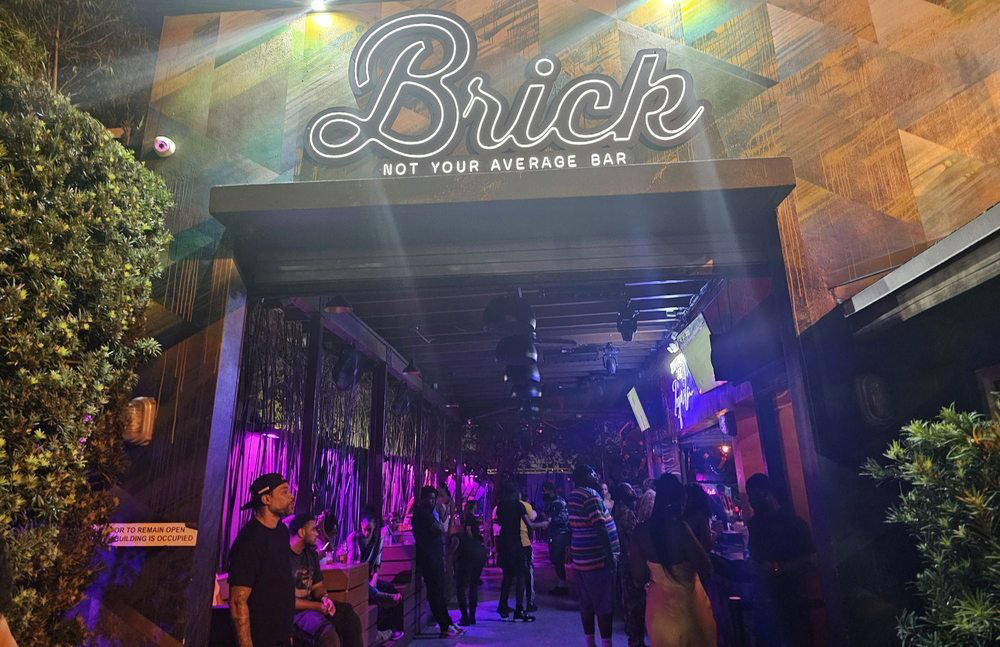
Where Wynwood Ends and the City Gets Real
The stretch of NW 28th Street that Brick occupies sits in a transitional zone that Miami's dining scene has spent the last decade quietly colonizing. This is not the curated murals-and-brunch corridor that tourists associate with Wynwood proper, nor the deep residential fabric of Little Haiti to the north. It is the friction point between those two identities, and that friction tends to produce the more interesting restaurants. Venues that open here do so with intent: rent economics, neighborhood access, and a clientele that is discovering the address rather than following an established crowd.
Miami's independent dining community has increasingly organized itself around corridors like this one. As South Beach and Brickell absorbed more hotel-backed concepts and regional chain expansions through the 2010s, the operators who prioritized kitchen investment over real estate prestige moved north and northwest. The result is a geographic argument: that the city's most considered food experiences now sit at addresses that require a deliberate trip, not a stroll from a hotel lobby.
The Architecture of an Evening Here
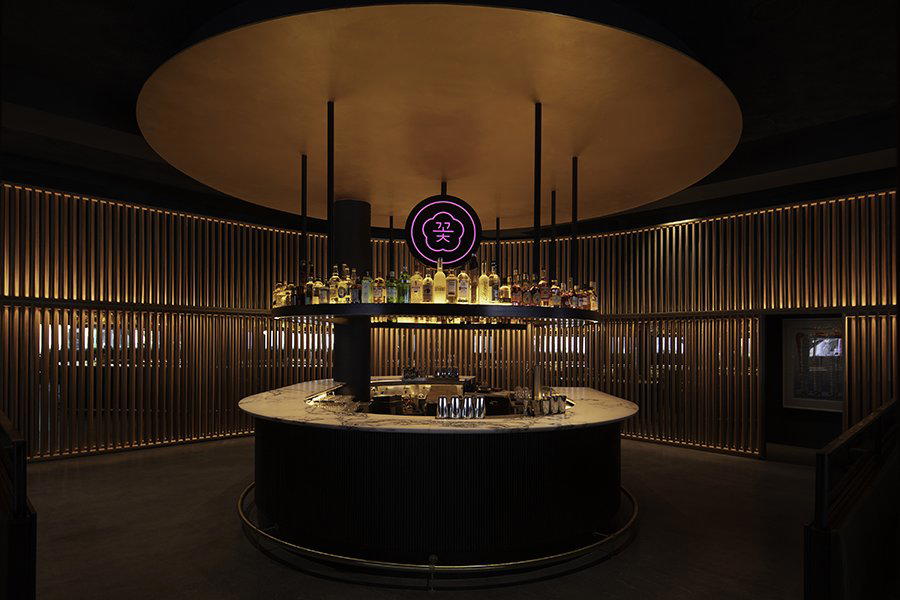
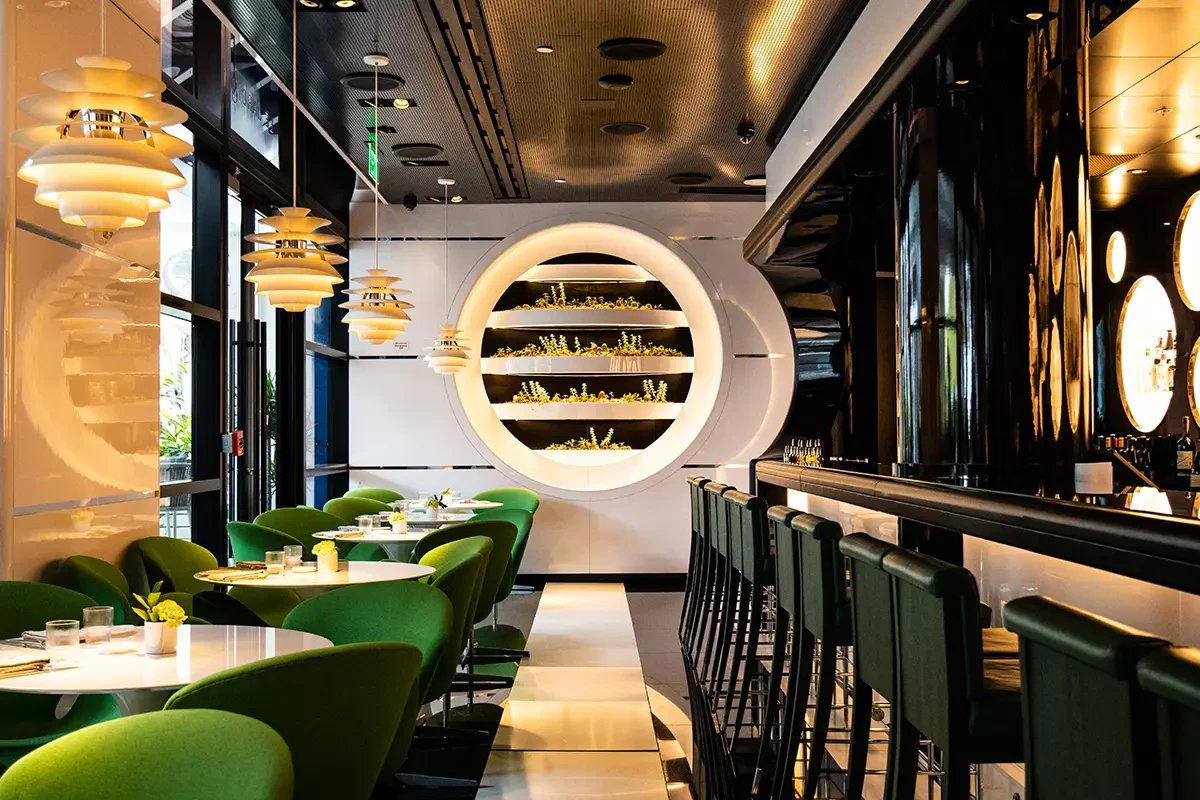
A meal at Brick does not unfold the way South Beach dining tends to: there is no ambient theater of see-and-be-seen, no DJ threshold to cross before reaching the bar. The physical environment at 187 NW 28th Street is built on the industrial vernacular common to this corridor, where warehouse-era bones get stripped back rather than dressed up. That decision about space is itself an editorial statement about what the room wants you to focus on.
In venues operating within this format, the progression of a meal tends to carry more weight than in louder rooms, because there is less competing for attention. The kitchen's sequencing becomes the evening's narrative structure. Early plates establish a register, middle courses shift the register, and the final movements either resolve the tension or complicate it. When a room is quiet enough to allow that kind of attention, the kitchen is implicitly committing to earning it.
Miami's bar scene offers useful context here. Venues like Café La Trova in Little Havana and Broken Shaker in Wynwood have built their reputations on a similar logic: the experience is structured, not chaotic, even when the crowd is warm. Bar Kaiju takes a different approach, leaning into theatrical energy, while Mango's represents the spectacle end of the city's hospitality range. Brick's address and posture place it in the quieter, more considered tier of that spectrum.
The City Context That Shapes the Menu
Miami's culinary identity has always been contested territory. The easy version of the story emphasizes Cuban influence, the seafood economy of South Florida, and the Latin American diaspora that has continuously reshaped the city's ingredient sources and flavor logic. The more precise version notes that the city's independent restaurant scene draws from a far wider set of references: Haitian cooking traditions to the north of Wynwood, the Afro-Caribbean continuum that runs through Liberty City, and a generation of chefs who trained in cities like New York and San Francisco before returning or relocating to Miami's lower-cost neighborhoods.
That broader context matters when reading any venue at this address. Independent operators in the NW 28th Street corridor do not have to perform a simplified version of Miami identity for tourists. They write for an audience that knows the difference, and that audience expects the kitchen to have a point of view that does not default to the city's most exported flavors.
Across American cities, the most generative dining has consistently emerged from these transitional-zone addresses. Kumiko in Chicago, Jewel of the South in New Orleans, and Julep in Houston each built their reputations in neighborhoods that were not yet the obvious destination, then became essential to understanding how those cities' scenes evolved. The pattern is consistent enough to read as a structural feature of how American hospitality now develops, rather than an accident of individual venues.
Within Miami's independent dining tier, the relevant comparison set is not the hotel flagship or the celebrity-chef outpost. It is the operator-driven neighborhood restaurant that sustains a local following across years rather than seasons. These venues share certain characteristics: they do not rotate concepts in response to trend pressure, they build their wine or cocktail programs with the same seriousness as the kitchen, and they tend to hold their pricing relative to real costs rather than aspirational positioning.
Internationally, the closest structural analogues for this tier appear in cities where independent hospitality culture is mature. ABV in San Francisco and Bar Leather Apron in Honolulu operate in different categories but share the same underlying discipline: specificity over breadth, regulars over walk-ins, and a refusal to simplify the program for an audience that has not done the work of finding the address. Superbueno in New York City adds another reference point for how Latin American culinary traditions get reframed through a serious independent lens. The Parlour in Frankfurt illustrates that the same structural logic applies in European cities where the independent scene operates quietly alongside the hotel-backed tier.
Planning a Visit
The NW 28th Street address places Brick north of the Wynwood Arts District core, accessible by car or rideshare but not particularly walkable from Brickell or South Beach. Plan the address as a destination rather than a stop between other activities: the neighborhood rewards that framing. Miami's independent dining scene is covered in depth in our full Miami restaurants guide, which maps venues across the city's evolving corridors and places each in its relevant context. Given the venue data currently available, specific booking methods, hours, and pricing are best confirmed directly with the venue before visiting.
A Tight Comparison
A quick peer check to anchor this venue’s price and recognition.
| Venue | Price | Awards |
|---|---|---|
| BrickThis venue — the venue you are viewing | Not listed | Not listed |
| Bar Kaiju | $20–30 | World's 50 Best #70 · Top 500 Bars Best Bars #264 |
| Broken Shaker | $20–30 | World's 50 Best #32 · Food & Wine Top 10 US Hotel Bars #4 |
| Mango's | $50–100 | World's 50 Best #45 |
Continue exploring
More in Miami
Bars in Miami
All bars in Miami →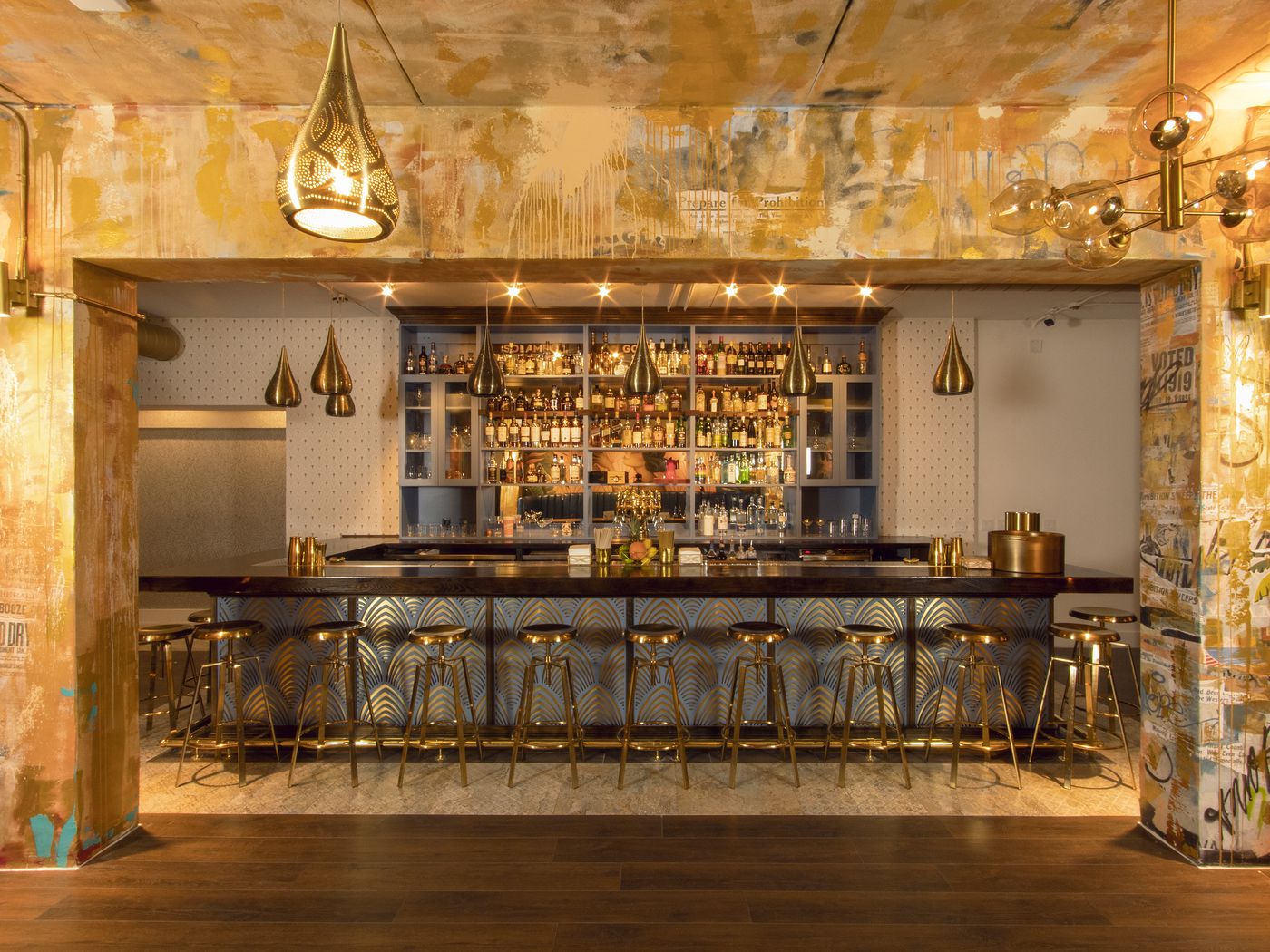
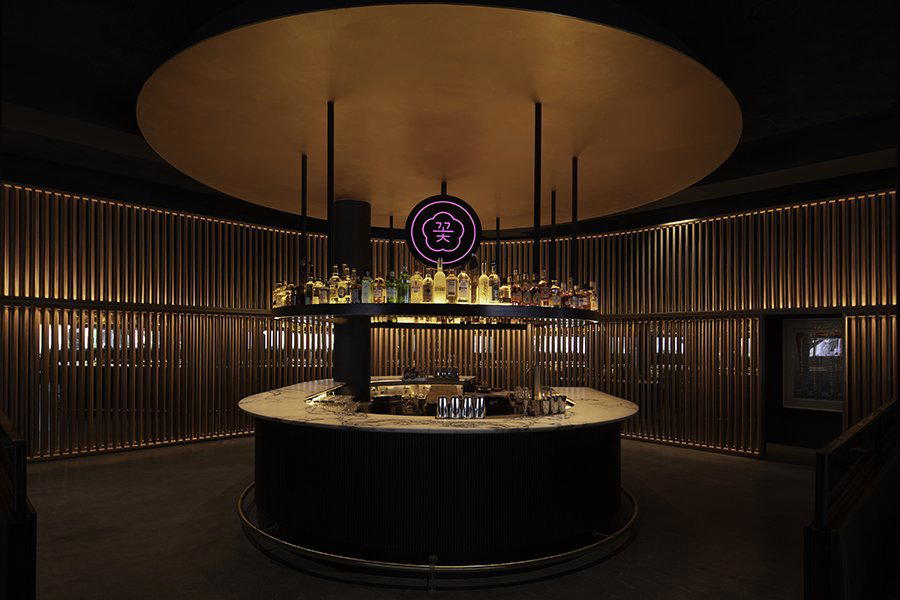
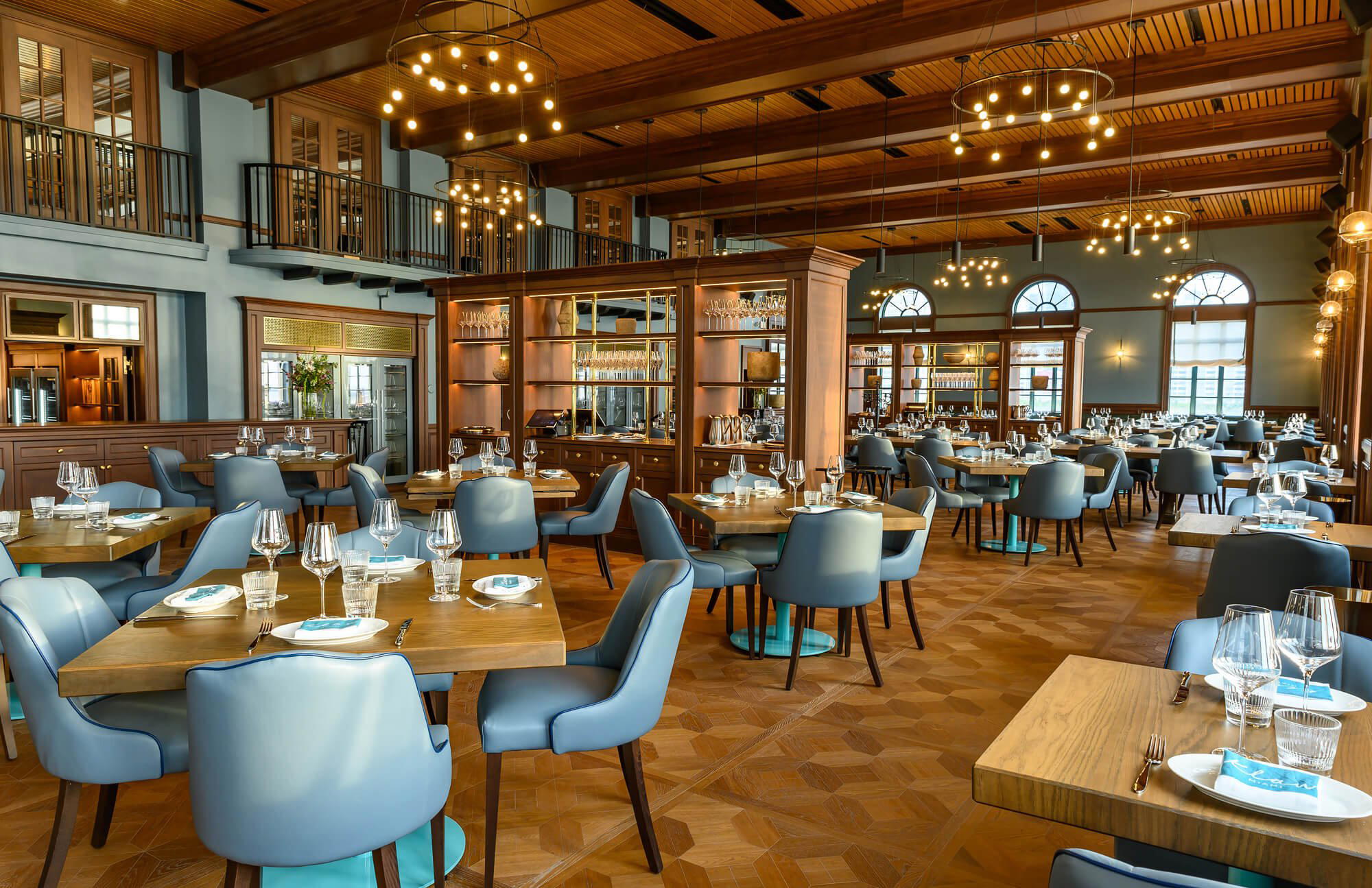
Restaurants in Miami
All restaurants in Miami →

Details
- Lively
- Energetic
- Trendy
- Late Night
- Group Outing
- Casual Hangout
- Live Music
- Outdoor Terrace
- Craft Cocktails
Lively and energetic with eclectic music under the stars, shifting from relaxed daytime happy hour to intense nightlife.