Presidente Bar Miami
On NW 28th Street in Wynwood's northern fringe, Presidente Bar Miami channels the Latin American cocktail tradition through a program built around regional spirits, citrus, and small plates designed to share. The bar sits in a stretch of Miami that rewards those who look past the obvious, drawing a local crowd that treats it as a neighbourhood anchor rather than a destination tick.
Pearl is the En Primeur Club membership app — saves, bookings, and concierge access live there. Same editors, same standards.
- Address
- 146 NW 28th St, Miami, FL 33127
- Phone
- (305) 987-1267
- Website
- presidentebar.com
- Directions
- Get directions
 Saves & bookings on Pearl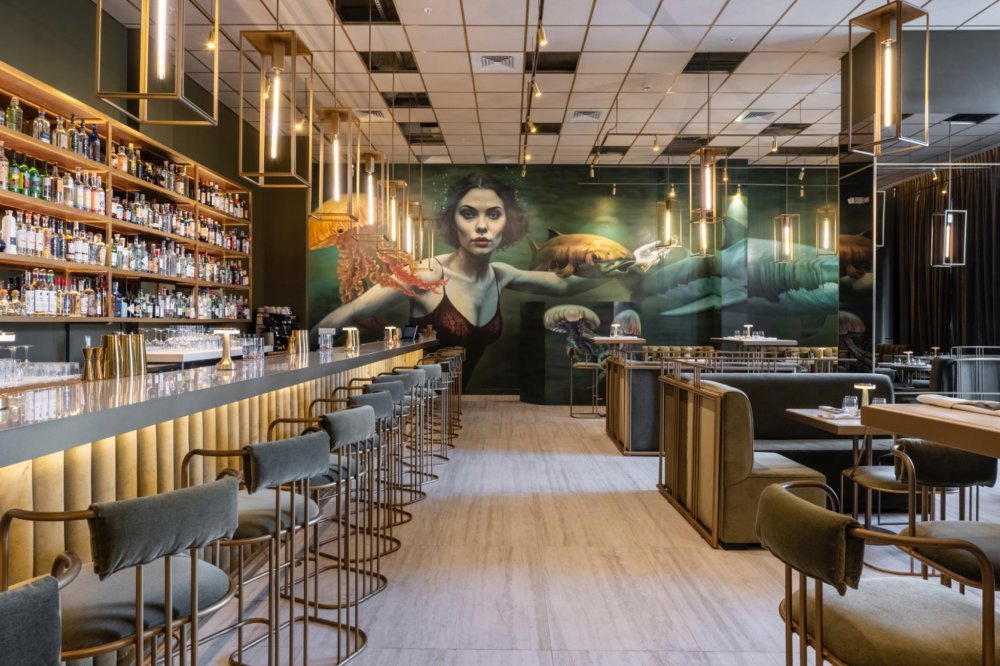
The Block, the Bar, the Broader Shift
Miami's cocktail culture has been sorting itself into two distinct camps for the better part of a decade. On one side, the high-concept hotel bars and polished Design District lounges that compete on spectacle and press exposure. On the other, a smaller cohort of neighbourhood-oriented bars that derive authority from consistency, local loyalty, and a clear point of view about what belongs in a glass. Presidente Bar Miami is a bar in Miami's Wynwood corridor. It sits firmly in the second camp.
That address matters more than it might appear. The blocks between Wynwood's mural corridor and Little Haiti have been accumulating a particular kind of bar: owner-operated, deliberately unglamorous on the outside, and serious about the drink program in a way that doesn't announce itself through press releases. Bar Kaiju operates in a similar register not far away, and the comparison is instructive. Both prioritise a defined identity over broad-spectrum appeal, and both have built regulars who treat the bar as part of a weekly rhythm rather than a special-occasion destination.
Latin American Spirits in a City That Should Know Them Better
The cocktail program at Presidente leans on Latin American flair in a city where that category is both obvious and frequently underserved. Miami has a vast Latin American population, a legacy of Cuban immigration that reshaped whole neighbourhoods, and a climate that makes rum, mezcal, and sugarcane-based spirits the logical backbone of any serious bar. Yet many venues in the tourist corridors default to generic tropical formats or brand-sponsored cocktail menus that flatten regional distinctions entirely.
What differentiates the serious practitioners in this city is how they handle the tension between accessibility and specificity. Café La Trova, operating in Little Havana with a James Beard Award-recognised program, sets a reference point for how Cuban cocktail heritage can be treated with rigour and depth. Presidente Bar works in a looser, less formally structured register, but shares the underlying conviction that Latin American spirits deserve the same analytical attention given to Scotch whisky or French Cognac in more conventionally prestigious bar programs.
That positioning places Presidente in a broader national conversation. Bars like Superbueno in New York City have shown that Latin-inflected cocktail programs can carry genuine critical weight when the technical execution matches the cultural fluency. Miami, with its geographic proximity to the Caribbean and Central and South America, has better raw material than most cities. The question is always whether the bar uses that advantage or coasts on ambient association.
The Front-of-House as Editorial Voice
In bars operating at this scale and format, the service team functions as the editorial layer between the drink program and the guest. The kitchen may set the direction, but the bartenders and floor staff determine whether a guest understands what they're drinking and why it was made that way. This is the dynamic that separates bars with genuine programs from venues that simply stock interesting bottles.
At Presidente, the small plates component adds another dimension to that dynamic. Pairing Latin American small plates with a spirits-forward cocktail list requires a floor team that thinks across categories simultaneously, the way a sommelier in a serious wine program thinks about the full arc of a meal rather than just individual bottle selections. The model has parallels in bars elsewhere in the country: Jewel of the South in New Orleans operates a similar pairing philosophy, and Kumiko in Chicago has built its reputation partly on how the front-of-house communicates the relationship between food and drink to guests who arrive without that context.
The small plates format also determines pacing. A bar that serves food is structuring the guest's experience across time in a way that a drinks-only venue doesn't. That implies bartenders and servers who coordinate rather than operate in parallel, and a menu that gives guests reasons to stay through multiple rounds rather than stopping at one.
Where It Fits in Miami's Bar Geography
Miami's bar scene has developed a clear geographic logic. South Beach carries the volume and the international tourist profile. Brickell serves the financial district crowd with an after-work bias. Wynwood, particularly its core blocks, has become a gallery-adjacent nightlife destination. The stretch around NW 28th Street operates as something of a transition zone: close enough to Wynwood's energy to draw from it, far enough away to maintain a neighbourhood character that doesn't depend on art walk foot traffic.
That positioning gives Presidente a guest mix that skews local and repeat. The Broken Shaker, operating from the Freehand hotel in Miami Beach, built its reputation on a similar logic of neighbourhood specificity before its recognition expanded its reach. Mango's operates at the opposite end of the Miami bar spectrum entirely, volume-oriented and tourist-facing. Presidente sits closer to the Broken Shaker model in orientation, without the hotel infrastructure or the national press profile that venue has accumulated.
For travellers building a Miami bar itinerary, it's useful to understand that the bars most worth including are rarely the ones with the highest visibility. Bars in comparable cities with strong cocktail identities, from ABV in San Francisco to Bar Leather Apron in Honolulu to Julep in Houston, have demonstrated that particularly durable bar programs tend to be the ones that serve a specific idea with discipline over time, rather than chasing trend cycles. The Parlour in Frankfurt offers a useful European parallel: bars that define themselves through a clear conceptual position hold their relevance longer than those built on aesthetic novelty.
Planning Your Visit
Presidente Bar sits at 146 NW 28th Street in Miami, FL 33127, in a stretch that is best reached by car or rideshare rather than on foot from central Wynwood. The small plates format means the bar works as a full evening anchor rather than a quick stop, and the drinks program rewards a slower pace through multiple rounds.
Comparable Spots
Comparable venues nearby, for context on price, style, and recognition.
| Venue | Cuisine | Price | Notes |
|---|---|---|---|
| Presidente Bar MiamiThis venue — the venue you are viewing | cocktail_bar | $$$ | Not listed |
| Vinya Wine and Market Key Biscayne | wine_bar | $$$ | Key Biscayne |
| Fado Irish Pub | pub | $$ | Upper Brickell / Mary Brickell Village |
| OFF SITE Kitchen • NO SEASONS Beer | beer_bar | $$ | Little River |
| Spanglish - Wynwood Restaurant & Cocktail Bar | cocktail_bar | $$ | Wynwood Art District |
| Brick | lounge | $$ | Wynwood Art District |
Continue exploring
More in Miami
Restaurants in Miami
Browse all →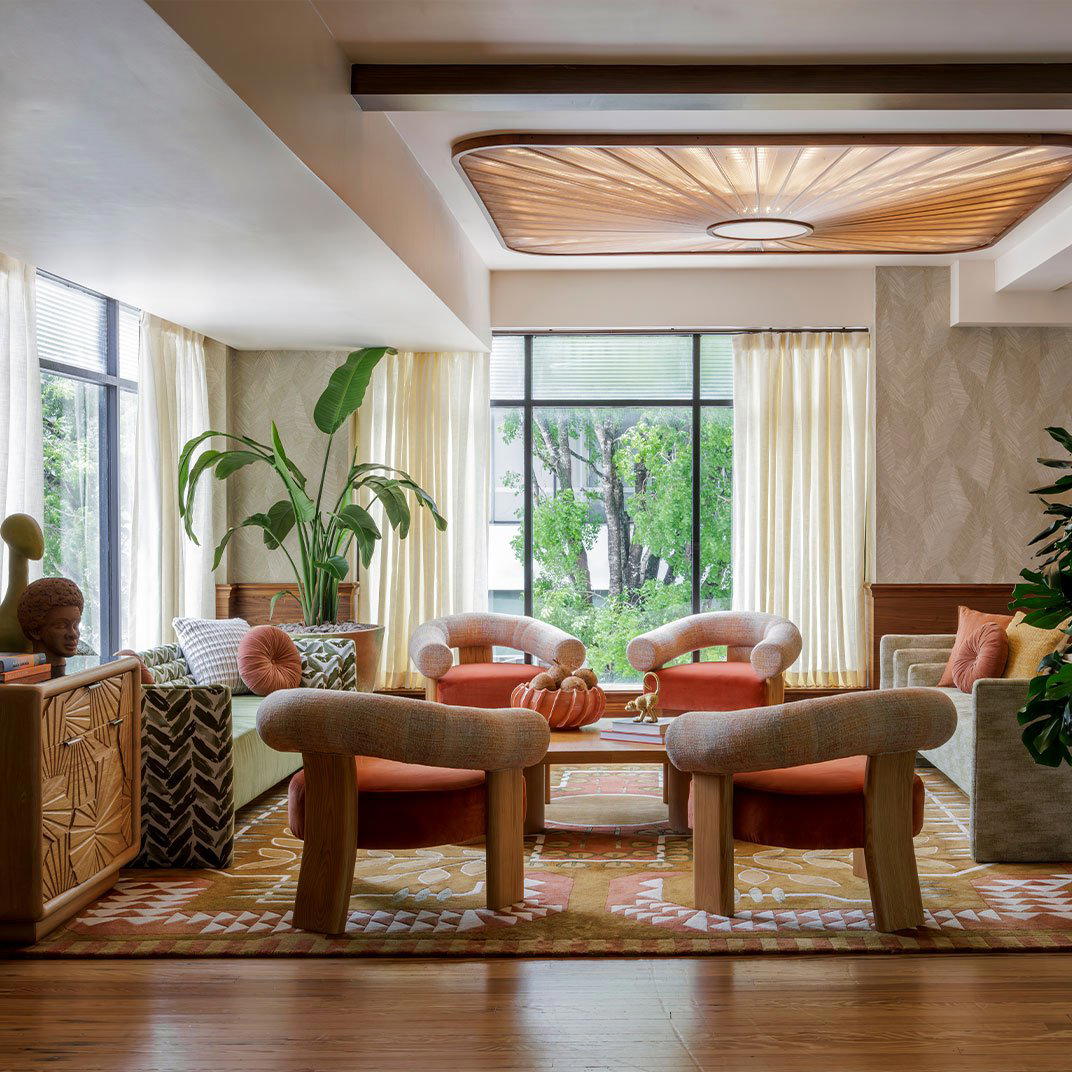
At a Glance
- Lively
- Trendy
- Sophisticated
- Elegant
- Date Night
- Late Night
- Celebration
- Group Outing
- Design Destination
- Lounge Seating
- Seated Bar
- Craft Cocktails
- Classic Cocktails
Current opening hours
- Monday
- Closed
- Tuesday
- 7 PM–1 AM
- Wednesday
- 7 PM–1 AM
- Thursday
- 7 PM–2 AM
- Friday
- 5 PM–2 AM
- Saturday
- 7 PM–2 AM
- Sunday
- Closed
Hours can change for holidays and private events. Last verified .
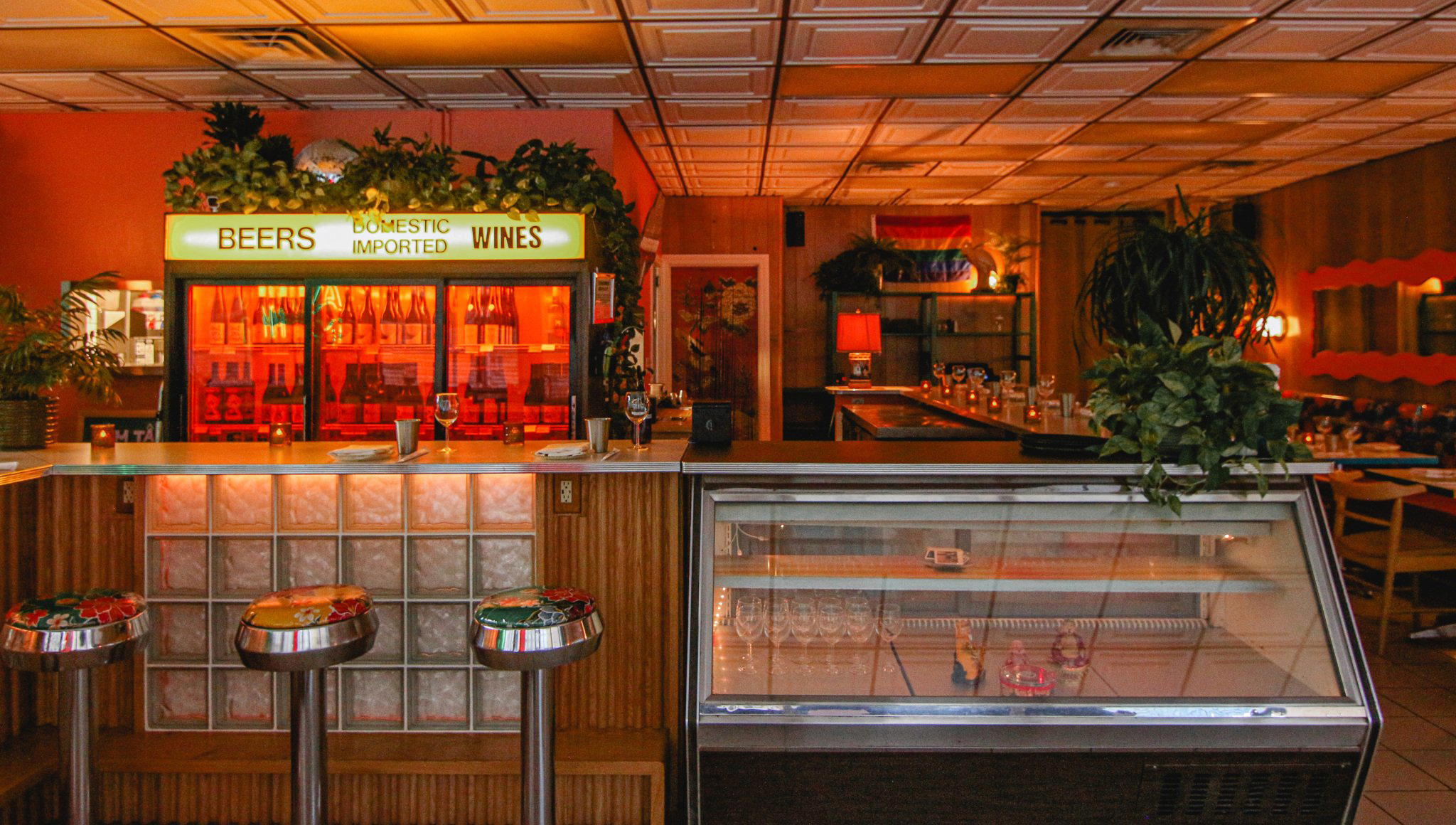
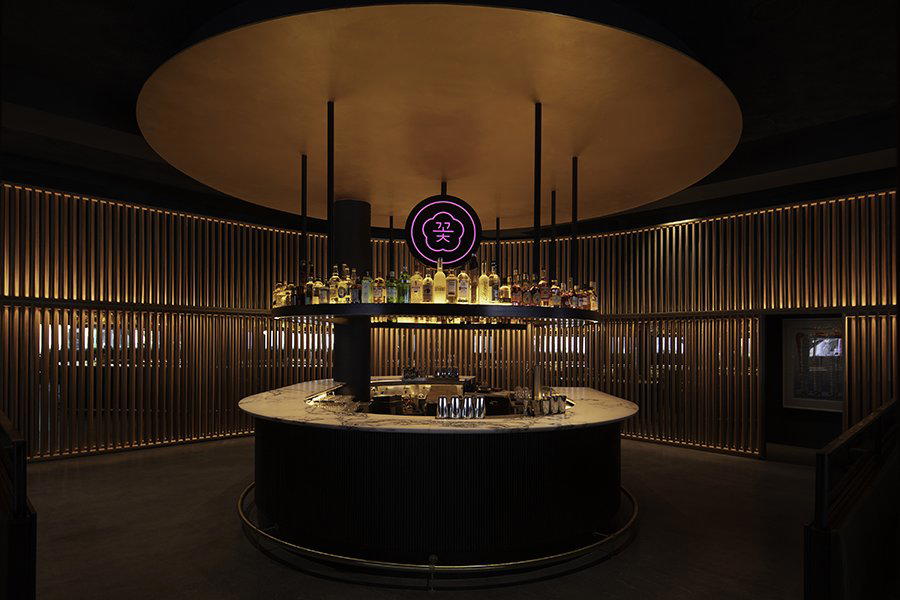
Lively and lively with polished decor, great music from DJs, chill yet energetic atmosphere enhanced by stylish interior design.