Blaupause | Cocktailbar

Falstaff Bar - 91 Falstaff Points
Blaupause occupies a quiet address on Utengasse in Basel's Kleinbasel district, positioning itself within a city where fine dining has long been anchored by classical French tradition. The restaurant represents a strand of Basel's newer dining scene that draws on international technique while remaining attentive to the regional larder.

Pearl is the En Primeur Club membership app — saves, bookings, and concierge access live there. Same editors, same standards.
- Address
- Utengasse 28, 4058, Basel, Kanton Basel-Stadt, Schweiz
- Hours
- Mon–Tue ClosedWed–Thu 5 PM–12 AMFri–Sat 5 PM–2 AMSun 5 PM–12 AM
- Website
- blaupause.bar
- Directions
- Get directions
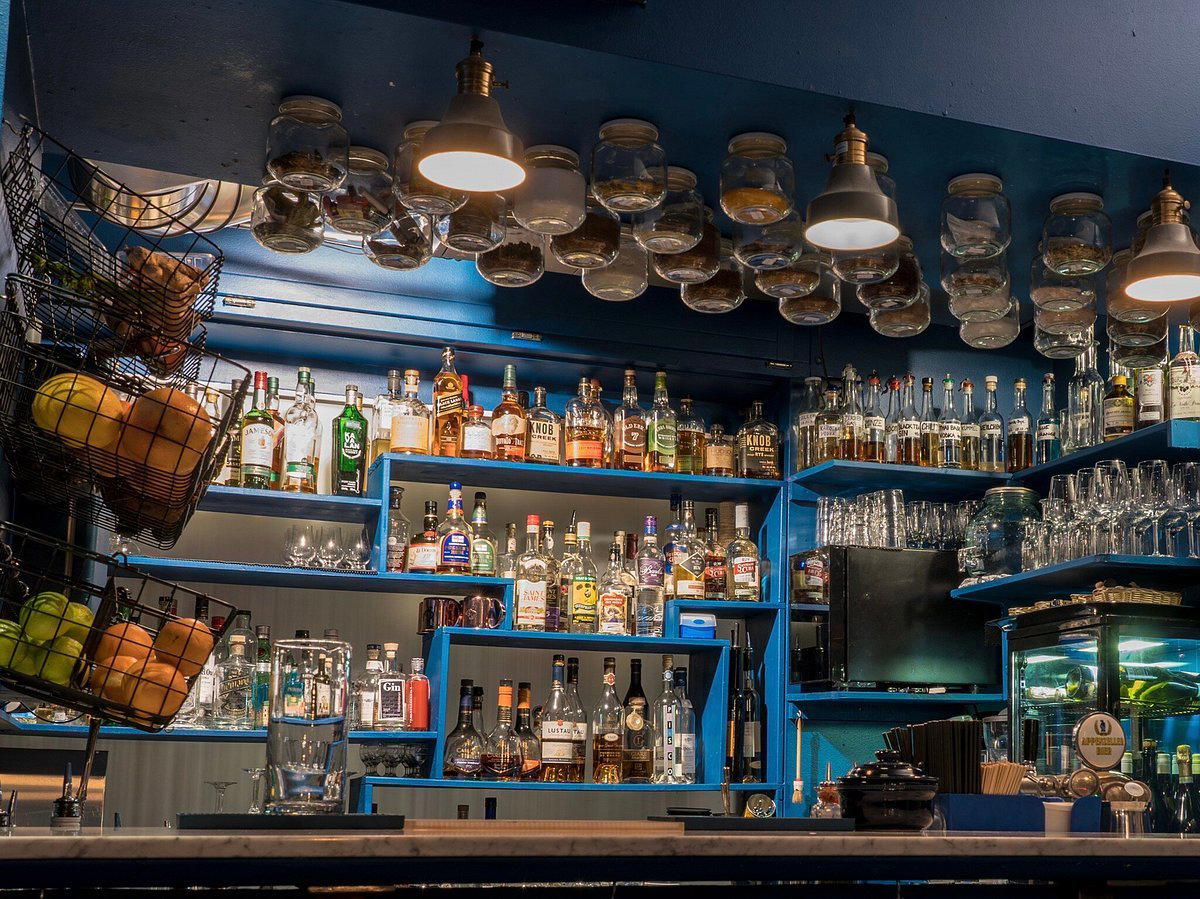
Where Basel's Dining Scene Is Moving
Basel's restaurant culture has historically been shaped by its proximity to three national borders and the wealth that flows through its financial and art-fair calendar. The dominant register has been classical French: Cheval Blanc by Peter Knogl and Stucki - Tanja Grandits represent that tradition at its most decorated, and both have held Michelin recognition for years. But a quieter current has been gaining definition alongside those established names: smaller addresses, less institutional in feel, more willing to work at the intersection of imported culinary method and what the Swiss and Upper Rhine larder actually produces. Blaupause, at Utengasse 28 in the Kleinbasel neighbourhood, reads as part of that current.
Kleinbasel sits on the right bank of the Rhine, historically the more working-class and industrially oriented side of the city. Over the past decade it has attracted a concentration of independent restaurants and bars, making it a more reliable area for finding contemporary cooking than its earlier reputation would suggest. An address on Utengasse places a venue squarely in this neighbourhood, away from the tourist-facing institutions around the Marktplatz and the grand hotels of Grossbasel.
The Local-Global Framework That Defines This Style of Cooking
The editorial angle that makes restaurants like Blaupause worth examining carefully is the tension between global culinary technique and local material. Switzerland is not a country typically associated with a single dominant fine-dining identity in the way France or Japan is, which creates room for practitioners who have trained internationally to return and apply what they learned to ingredients and producers that are genuinely specific to the region. The Upper Rhine valley and the Swiss foothills supply a range of produce that rarely appears in the broader fine-dining canon: specific dairy, mountain herbs, freshwater fish from Swiss lakes and rivers, and seasonal vegetables from small farms in the Basel region.
When a kitchen applies precision techniques drawn from French or Nordic traditions to these materials, the result can occupy an interesting middle ground: food that reads as technically serious but does not simply replicate what you would eat in Paris or Copenhagen. This is the framework that shapes a meaningful number of the more ambitious smaller restaurants that have opened in Basel over the past several years, and it is the framework through which Blaupause should be read. Peer venues in this space elsewhere in Switzerland include roots, which has built a strong vegetable-focused program within Basel, and nationally, places like Schloss Schauenstein in Fürstenau and Memories in Bad Ragaz have demonstrated what rigorous technique applied to Swiss regional produce can achieve at the highest level.
Placing Blaupause in Basel's Price and Format Tiers
Basel's dining market runs from the €€ end, where bistros and brasseries serve classical cooking without pretension, to the €€€€ tier occupied by the city's Michelin-holding rooms. 1777 and Ackermannshof occupy middle-ground positions in the city's restaurant map, offering serious cooking without the full ceremony of the top tier.
That absence of formal recognition does not read as a deficit so much as a condition of its stage of development. The Basel dining scene is not so large that credible independent restaurants can remain unnoticed for long, particularly given the density of informed visitors the city attracts through Art Basel in June and the broader fair calendar. Visitors arriving for those events tend to move quickly through the well-documented rooms and then look for less obvious options, which is precisely where an address like Utengasse 28 becomes relevant.
Switzerland's Broader Fine-Dining Reference Points
For context on what technically serious Swiss cooking looks like at its most developed, the national reference points are worth knowing before visiting Basel. Hotel de Ville Crissier in Crissier and Maison Wenger in Le Noirmont anchor the French-Swiss classical tradition. focus ATELIER in Vitznau, Einstein Gourmet in Sankt Gallen, and Mammertsberg in Freidorf represent the contemporary wing of Swiss fine dining with varying degrees of local-produce emphasis. Further afield, La Table du Valrose in Rougemont and Da Vittorio - St. Moritz in St. Moritz show how international formats have been transplanted into Swiss resort and mountain contexts. Understanding where Basel fits within this national spread matters: it is the city with the most sustained international footfall and arguably the most cosmopolitan palate, which creates conditions for a restaurant like Blaupause to exist without needing to anchor its identity to a specific regional tradition.
Beyond Switzerland, the technique-meets-local-ingredient framework connects to a global conversation that venues like Le Bernardin in New York City and Lazy Bear in San Francisco have each contributed to in their own ways, demonstrating that the most interesting fine dining rarely emerges from a single national tradition in isolation. The same logic applies to The Japanese Restaurant in Andermatt, which shows how a non-European culinary tradition can operate with integrity inside a Swiss context.
Planning a Visit
Blaupause's address at Utengasse 28 in Kleinbasel is accessible on foot from Basel's central tram network, with the Claraplatz stop a short walk away. The neighbourhood rewards arriving early enough to walk along the Rhine before a meal, particularly in the warmer months when the riverbank promenade fills with locals. Booking in advance is advisable for any serious restaurant in Basel during Art Basel week in June, when the city's dining capacity is significantly strained; in other months, shorter lead times are typically sufficient for venues at this level. Specific hours, pricing, and reservation methods for Blaupause are best confirmed directly, as the venue's operational details are not publicly consolidated at time of writing. For a fuller orientation to what the city offers across price points and cuisines, the EP Club Basel restaurants guide maps the scene in detail.
Recognition history
Dated appearances from independent guides and award organizations, with the underlying list record or original source where available.
Falstaff Bar - 91 Falstaff Points
Falstaff
Continue exploring
More in Basel
Bars in Basel
Browse all →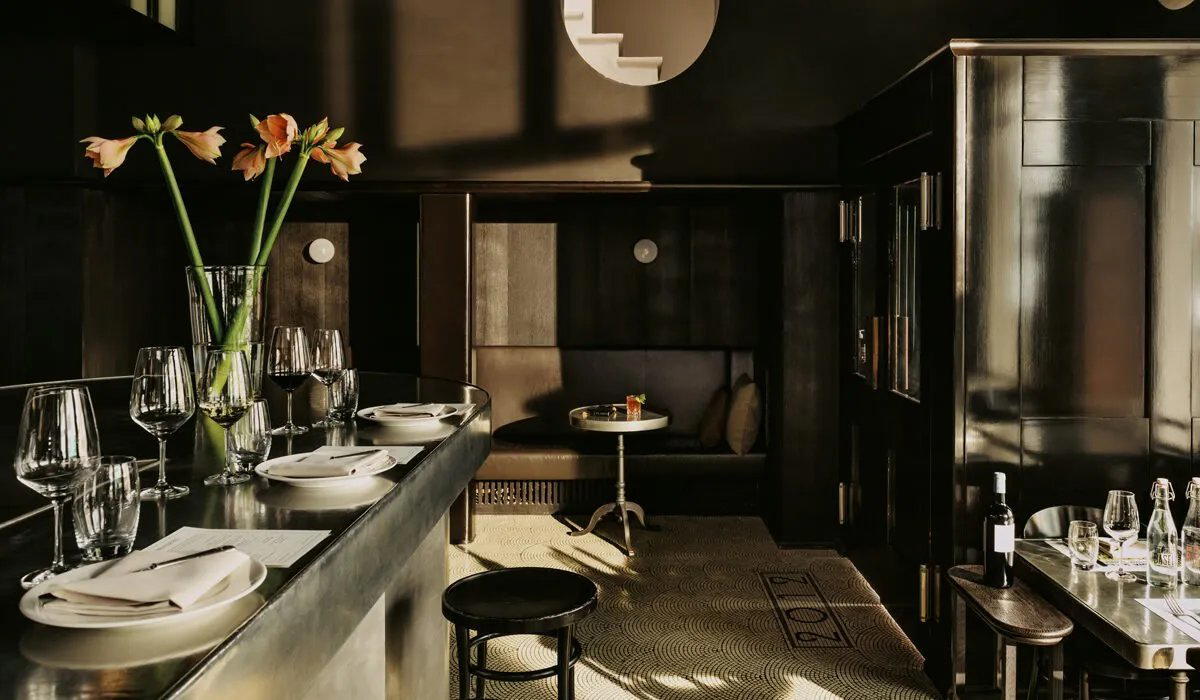
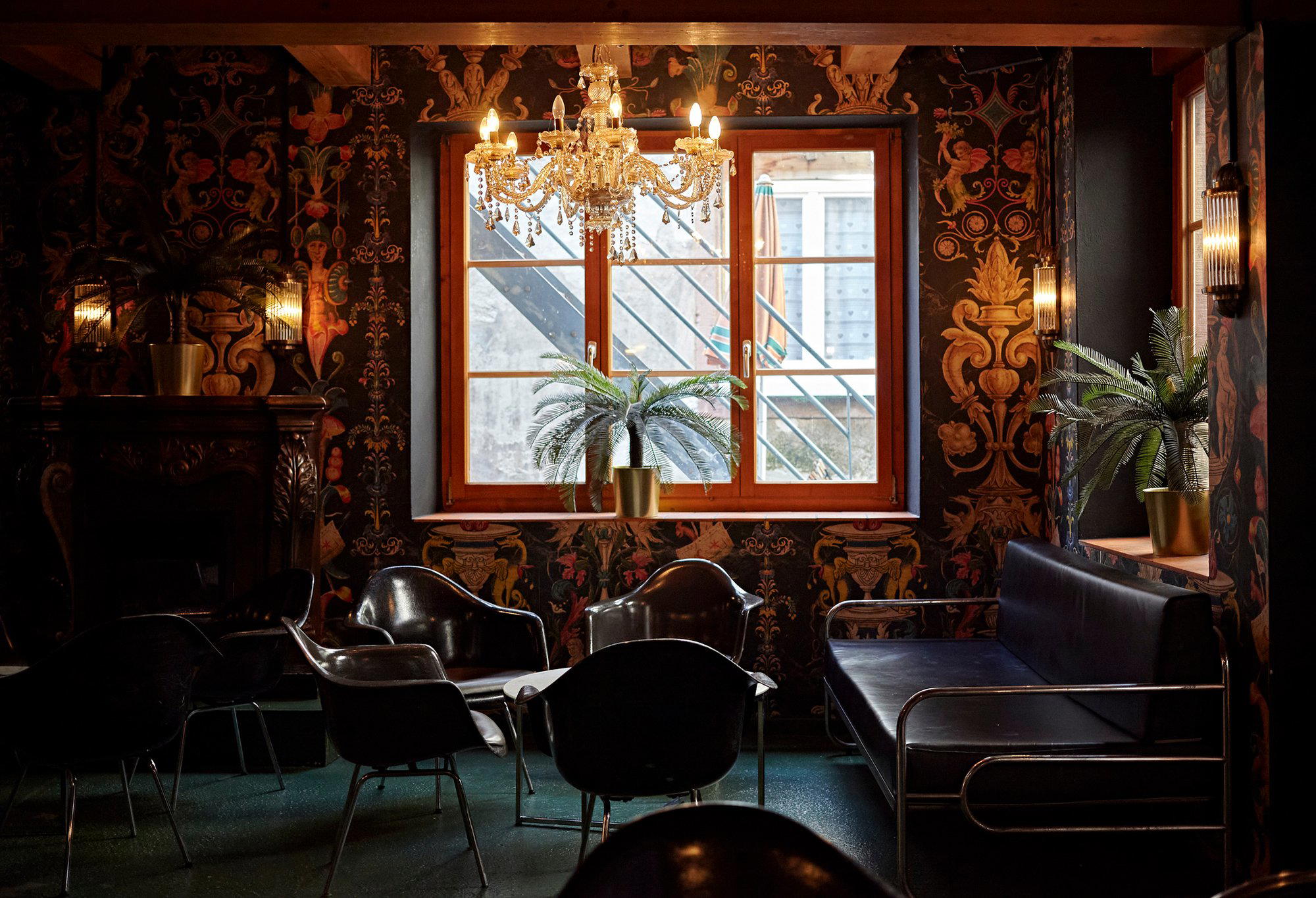
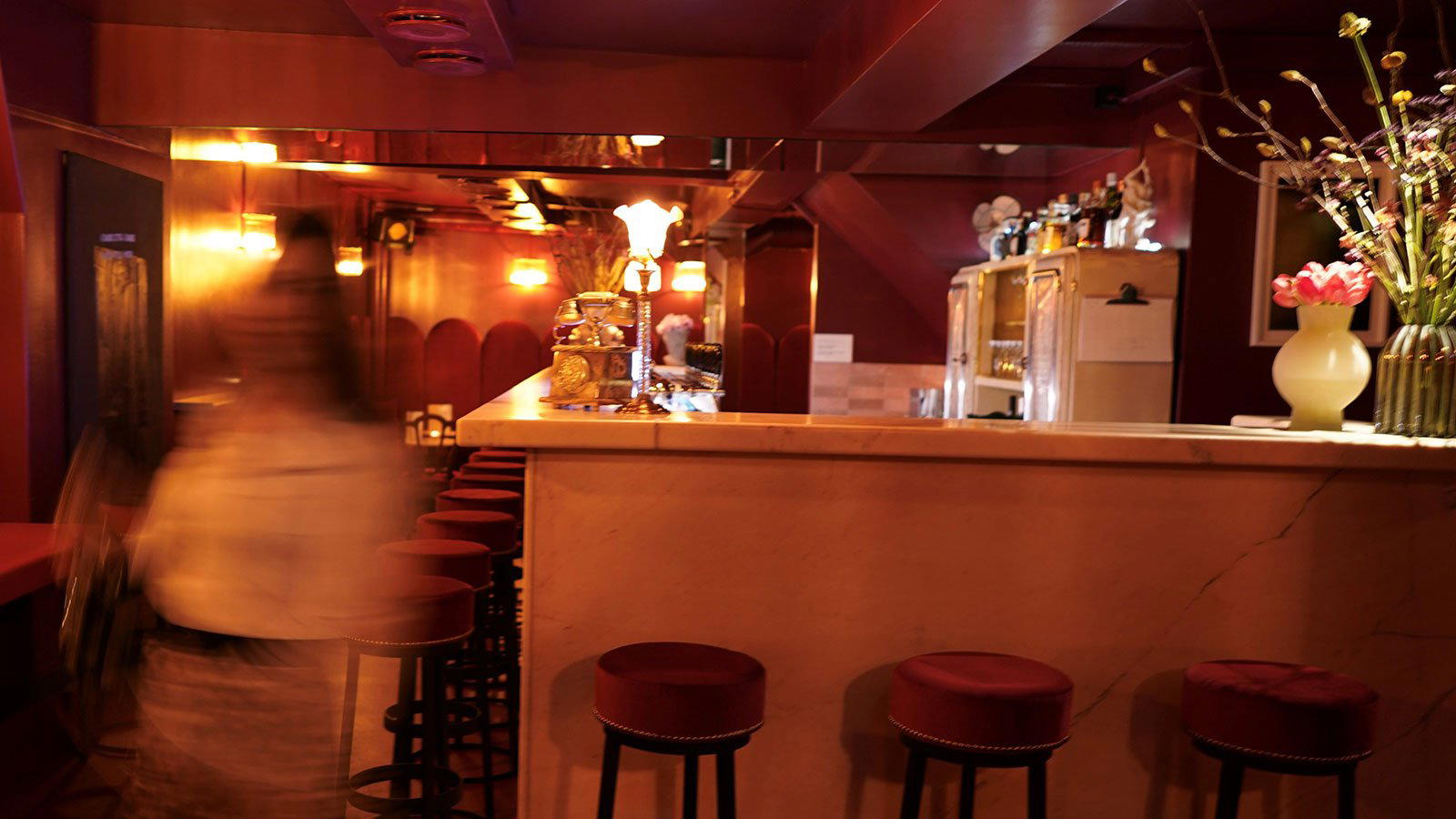
Restaurants in Basel
Browse all →
Hotels in Basel
Browse all →

Blaupause | Cocktailbar
The drinks
- Craft cocktails
- Classic cocktails
- Zero-proof drinks
Details
- Cozy
- Intimate
- Trendy
- Sophisticated
- Date Night
- After Work
- Casual Hangout
- Group Outing
- Private Event
- Special Occasion
- Standalone
- Design Destination
- Seated Bar
- Lounge Seating
- Outdoor Terrace
- Craft Cocktails
- Classic Cocktails
- Zero Proof
- Street Scene
Current opening hours
- Monday
- Closed
- Tuesday
- Closed
- Wednesday
- 5 PM–12 AM
- Thursday
- 5 PM–12 AM
- Friday
- 5 PM–2 AM
- Saturday
- 5 PM–2 AM
- Sunday
- 5 PM–12 AM
Hours can change for holidays and private events. Last verified .
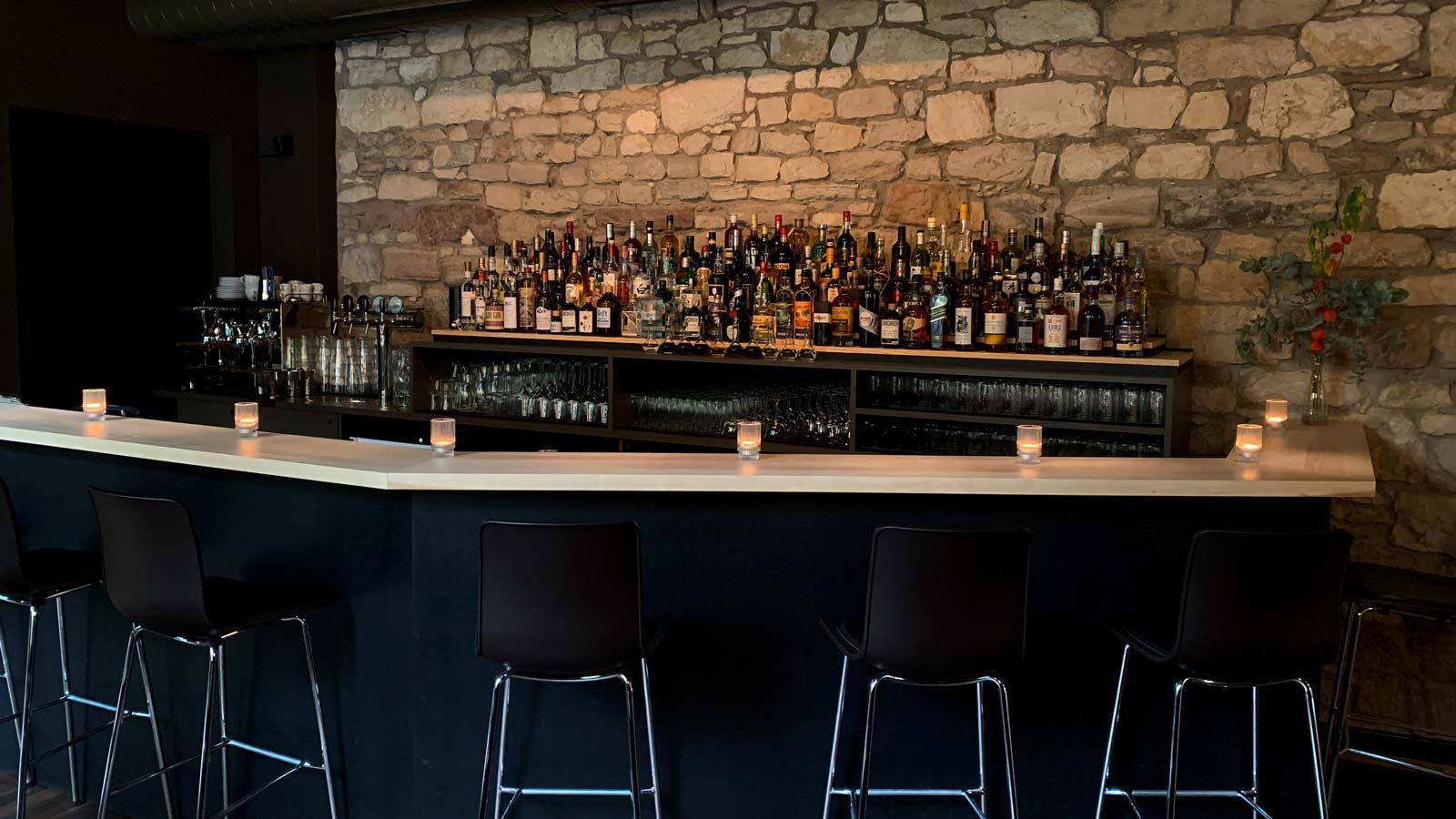
Intimate, cozy Kleinbasel cocktail bar with a relaxed, pleasant atmosphere where bartenders provide individual advice and craft drinks by hand using regional ingredients and housemade components.