Osmanthus Dim Sum Lounge
Situated on Broadway in San Francisco's Chinatown-adjacent North Beach corridor, Osmanthus Dim Sum Lounge occupies a register where Cantonese dim sum tradition and a considered drinks program share equal billing. The address places it inside one of the city's most contested dining corridors, where the question of what a dim sum experience can include is being actively renegotiated.
Pearl is the En Primeur Club membership app — saves, bookings, and concierge access live there. Same editors, same standards.
- Address
- 504 Broadway, San Francisco, CA 94133, USA
- Phone
- +1 415 872 9648
- Website
- order.mealkeyway.com
- Directions
- Get directions
 Saves & bookings on Pearl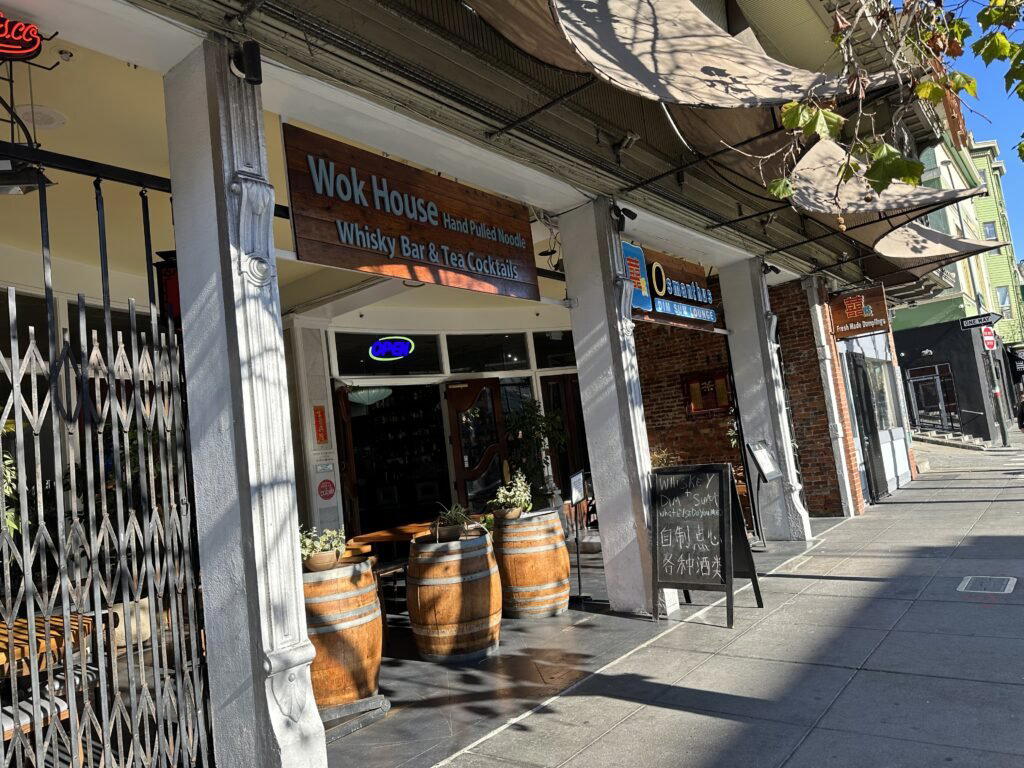
Broadway After Dark: Where Dim Sum Meets the Back Bar
San Francisco's Broadway corridor has long operated as a fault line between Chinatown's older Cantonese institutions and North Beach's Italian-American dining legacy. The address at 504 Broadway sits directly inside that tension, and Osmanthus Dim Sum Lounge is one of a small number of venues attempting to hold both traditions in the same room. The broader pattern across American cities is well established by now: Cantonese dim sum, long confined to the daytime trolley-cart format, has been migrating into evening hours and more considered drink pairings. What's less common is a venue whose name foregrounds the osmanthus flower — a fragrance central to Chinese tea culture and Shaoxing-style spirits — signaling from the outset that the drinks program is not an afterthought.
The Drinks Architecture
In San Francisco's cocktail scene, the most discussed programs tend to cluster around one of two poles. The first is the technical, ingredient-forward style associated with venues like ABV and Pacific Cocktail Haven, where the back bar is organized around production method and provenance. The second is the encyclopedic collector's approach, leading illustrated locally by Smuggler's Cove, which has documented one of the deepest rum libraries in North America. Osmanthus occupies a different register, one that draws on Chinese botanical traditions, osmanthus, chrysanthemum, aged pu-erh, baijiu, as organizing principles for a drinks list that doesn't map neatly onto either the craft cocktail canon or the classic revivalist playbook.
That positioning matters for how a visitor approaches the menu. Baijiu, China's dominant spirit category by volume and among the most complex fermentation traditions in global distilling, remains dramatically underrepresented on American back bars. A program that takes it seriously, alongside osmanthus liqueurs, aged rice wines, and botanically-driven house preparations, is rare enough in the United States that it functions as a genuine category signal, not a novelty addition. The comparison set here runs closer to Kumiko in Chicago, which built its identity around Japanese spirits and precise botanical sourcing, than to any conventional cocktail bar. Internationally, the parallel is closer still to bars in Hong Kong and Chengdu that treat the Chinese spirits canon with the same seriousness American programs give to Scotch whisky or Cognac.
Dim Sum as the Frame, Not the Afterthought
The decision to structure a venue around dim sum rather than a full à la carte menu carries real editorial weight. Dim sum, in its traditional Cantonese form, is a morning-to-afternoon social ritual: tea-centered, sharing-forward, designed for sustained time at the table. Adapting that format to an evening setting with a serious drinks program requires resolving the inherent tension between the food's lightness and the drinks' depth. The most successful examples in other cities, and San Francisco has the demographic and culinary infrastructure to support them, resolve that tension by treating the small-plate format as a pacing mechanism, allowing the drinks to evolve across courses rather than competing with a single large plate.
The osmanthus motif, if carried through the food as well as the drinks, creates coherence: osmanthus jelly, osmanthus-infused sauces, and osmanthus tea are all established within Cantonese and broader Chinese pastry and dim sum traditions. A venue that pursues that thread with discipline has a tighter editorial identity than one that simply adds a cocktail list to a standard dim sum menu. Whether Osmanthus executes on that premise at the level the name implies is the operative question for any first visit.
How It Sits in the San Francisco Context
San Francisco's Chinese restaurant scene is among the most layered in the United States, built on a Cantonese foundation that predates most of the city's other culinary institutions. The Richmond District's family-run dim sum houses and Chinatown's older banquet rooms represent one tier; the newer wave of modernist Chinese restaurants and bar-forward concepts in SoMa and the Mission represent another. Osmanthus at 504 Broadway sits geographically between those poles, close enough to Chinatown to draw on its supply chains and customer base, but in a neighbourhood corridor associated with nightlife and a broader mix of dining formats.
That positioning puts it in conversation with venues that have tried to bridge the gap between heritage Chinese dining and the city's established cocktail culture. Friends and Family represents the kind of neighborhood-anchored, community-forward bar model that has gained ground in San Francisco over the past several years. Osmanthus is attempting something adjacent but distinct: a culturally specific frame applied to both the food and the drinks, rather than a general-purpose neighborhood bar with occasional Asian-ingredient cocktails.
For context on how this type of program works at its finest elsewhere in the United States, Jewel of the South in New Orleans demonstrates what happens when a specific regional culinary tradition informs both the spirits selection and the food menu with equal discipline. Julep in Houston and Superbueno in New York City each apply a culturally anchored lens to spirits curation in ways that reward visitors who arrive with some familiarity with the tradition. Allegory in Washington, D.C. and Bar Leather Apron in Honolulu further illustrate how the most considered American bar programs increasingly find their identity in a specific cultural or ingredient framework rather than in technique alone. The Parlour in Frankfurt on the Main shows that this pattern extends well beyond the United States, with European programs making similar moves toward depth-over-breadth curation.
For a fuller picture of where Osmanthus sits within San Francisco's wider dining and drinking options, see our full San Francisco restaurants guide.
Know Before You Go
- Address: 504 Broadway, San Francisco, CA 94133
- Neighbourhood: Broadway corridor, between Chinatown and North Beach
- Phone: Not publicly listed
- Website: Not publicly listed, check third-party reservation platforms
- Price Range: Not confirmed; given the address and format, expect pricing consistent with San Francisco's mid-to-upper bar and dim sum tier
- Booking: No confirmed booking method available; walk-in readiness recommended until direct contact is established
- Hours: Not confirmed at time of publication
Continue exploring
More in San Francisco
Bars in San Francisco
Browse all →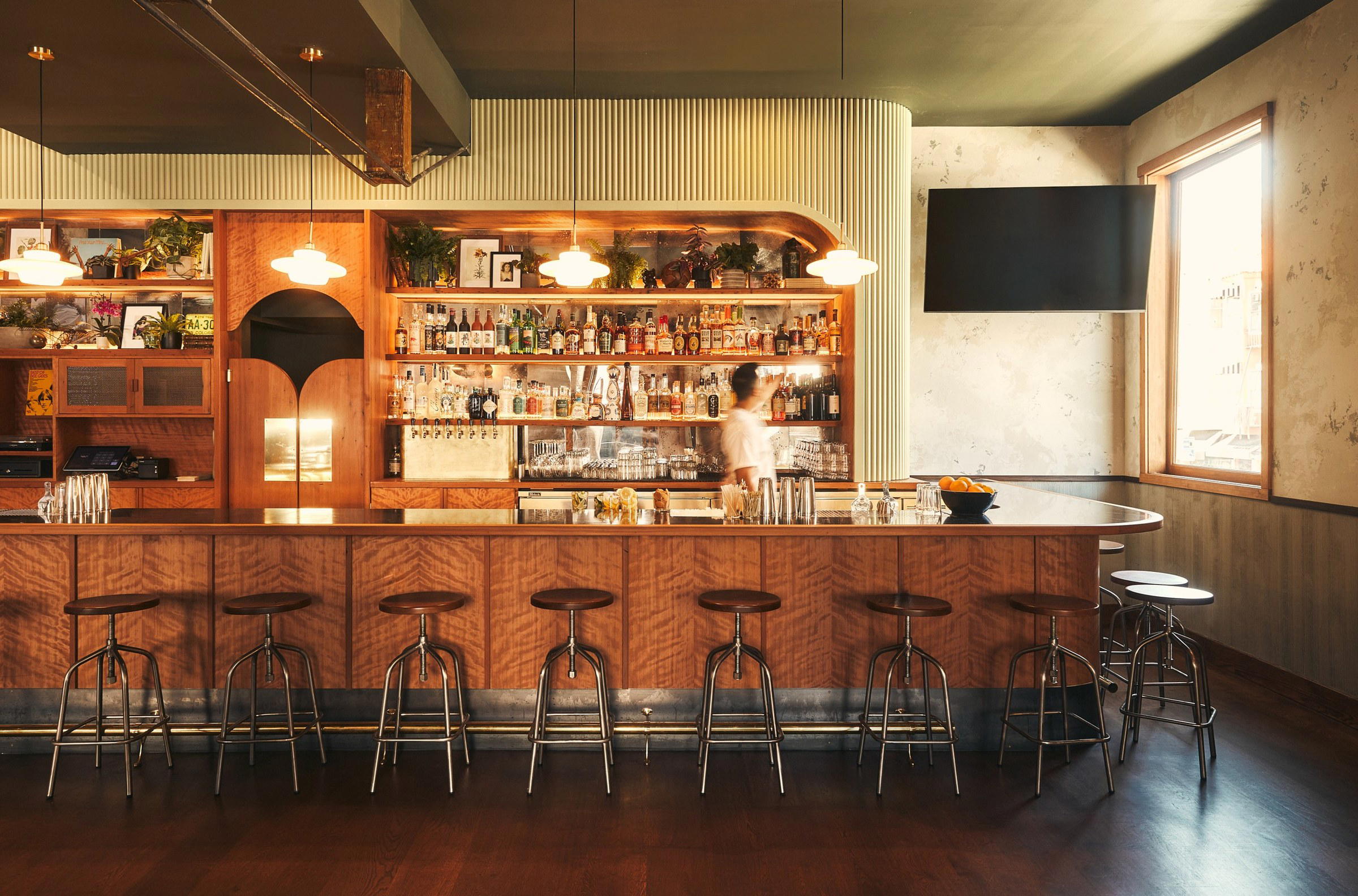
Restaurants in San Francisco
Browse all →
Hotels in San Francisco
Browse all →
At a Glance
- Modern
- Cozy
- Group Outing
- Casual Hangout
- Standalone
- Lounge Seating
Current opening hours
- Monday
- 10:30 AM–9 PM
- Tuesday
- 10:30 AM–9 PM
- Wednesday
- Closed
- Thursday
- 10:30 AM–9 PM
- Friday
- 10:30 AM–9 PM
- Saturday
- 10:30 AM–9 PM
- Sunday
- 10:30 AM–9 PM
Hours can change for holidays and private events. Last verified .
Cozy space with great music and a welcoming vibe for groups.
Know Before You Go
- Getting there
- 504 Broadway, San Francisco, CA 94133, USA