Big Bar
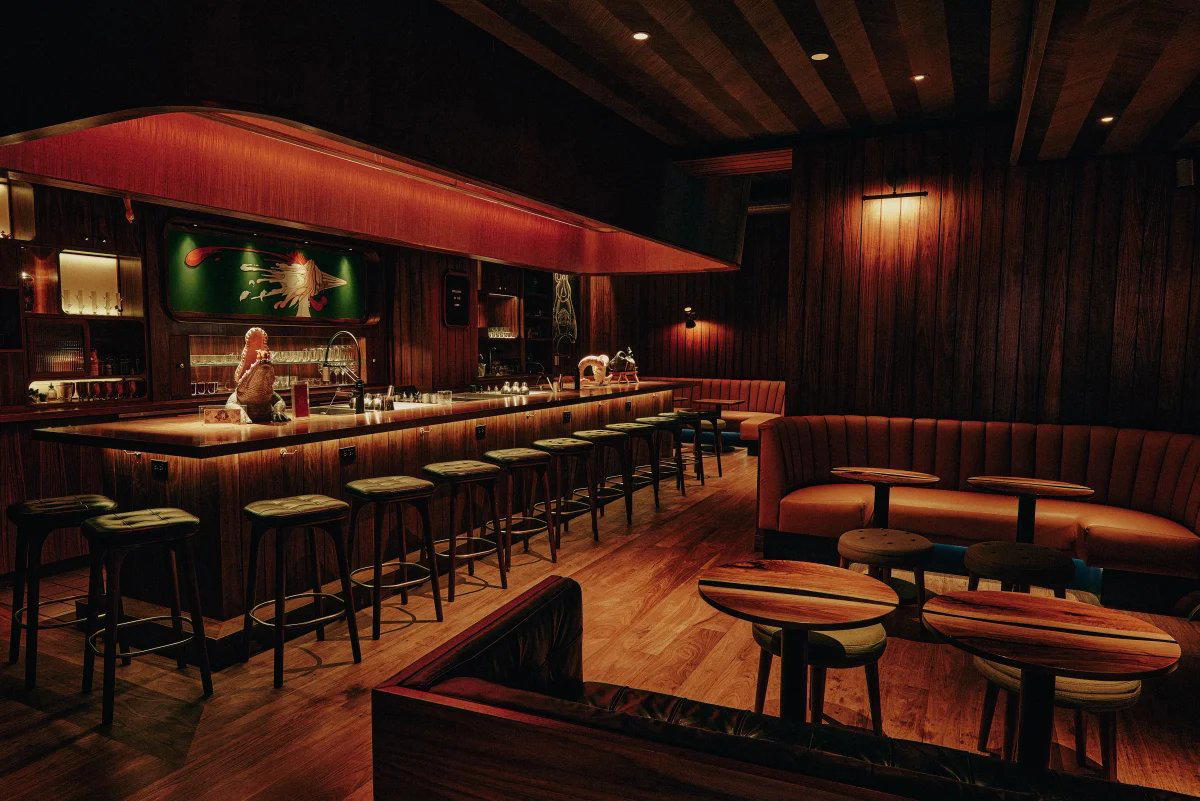
Big Bar on East 7th Street sits in the East Village's working-class-bar-gone-serious tier, where the drinks program does the talking. The room is compact and unhurried, placing it in a different register from the high-concept cocktail theaters a few neighborhoods over. Come for deliberate pours and a format that rewards the guest who asks questions.
Pearl is the En Primeur Club membership app — saves, bookings, and concierge access live there. Same editors, same standards.
- Address
- 75 E 7th St, New York, NY 10003
- Phone
- +1 212 777 6969
- Website
- bigjimsrestaurant.com
- Directions
- Get directions
 Saves & bookings on Pearl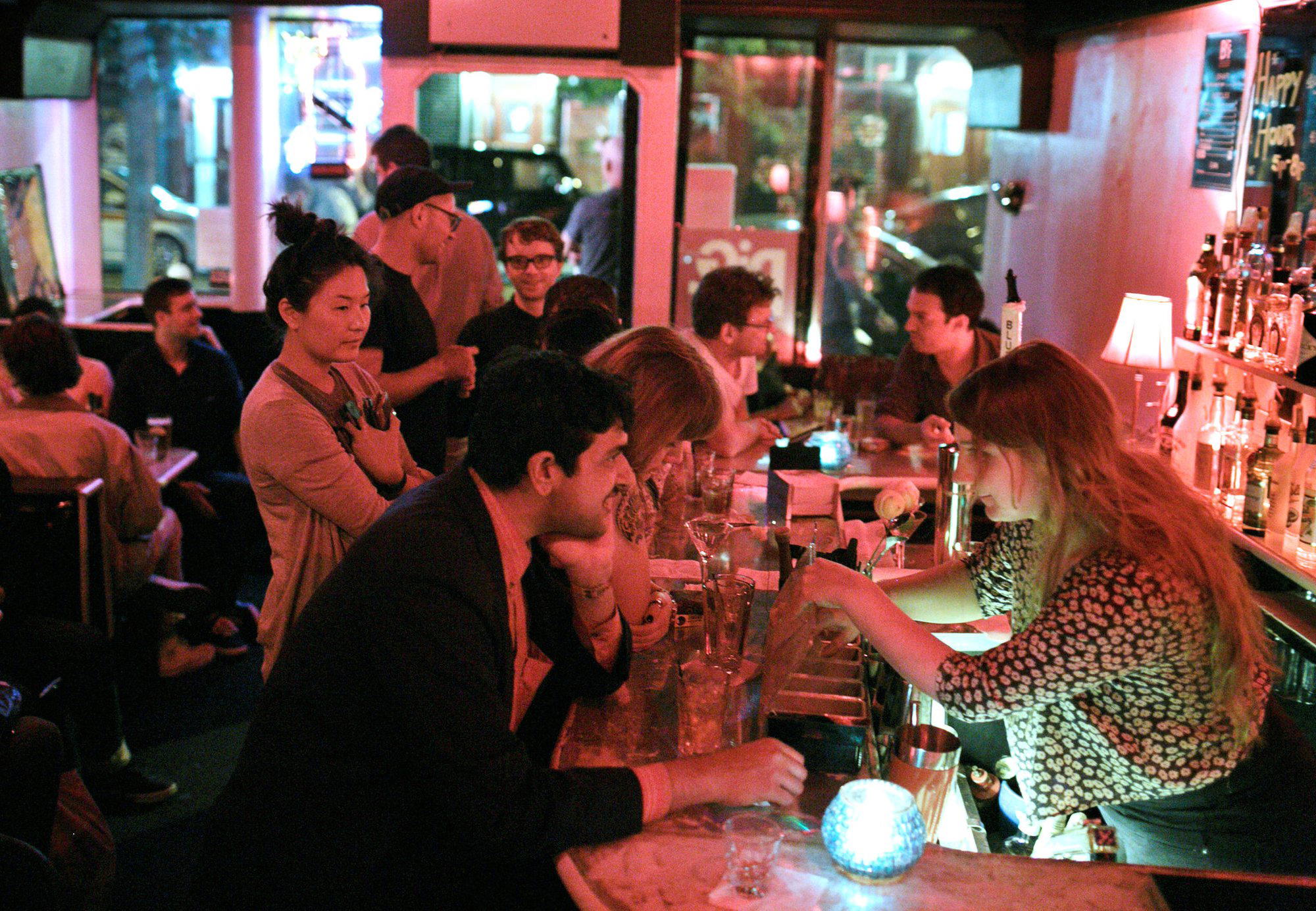
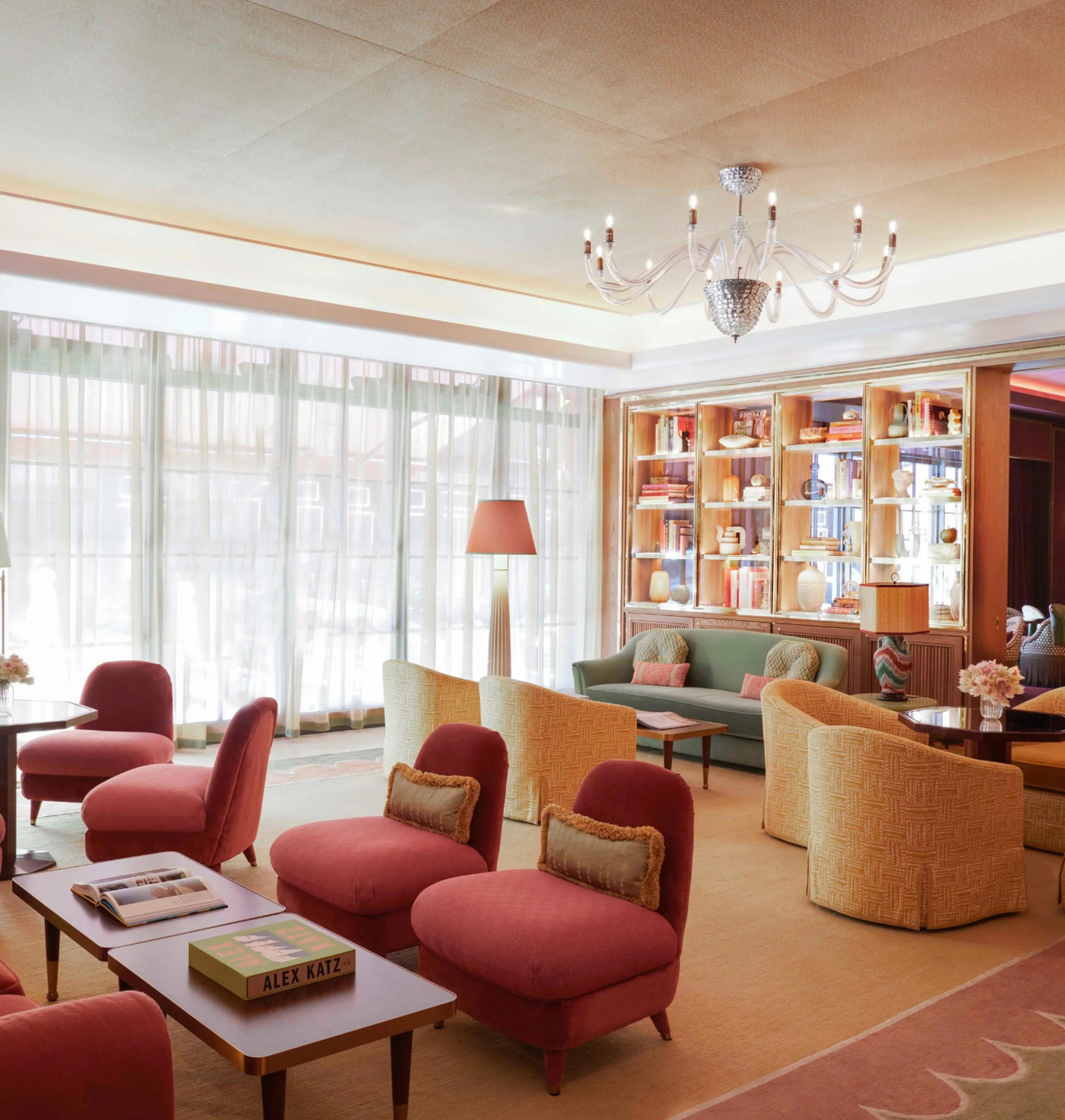
East 7th Street in the East Village runs between the remnants of the neighborhood's punk and immigrant histories, and the bars along it tend to reflect that mix: some preserved in amber, some quietly upgraded. Big Bar, at number 75, belongs to the latter category. From the outside it reads like a hundred other East Village rooms, which is part of the point. The interior keeps that same low-key register: a counter, dim lighting, and the sense that the afternoon could stretch into the evening without anyone making a fuss about it. What distinguishes it is what happens behind the bar.
The East Village Bar Tradition and Where Big Bar Fits
New York's cocktail culture has moved through several phases over the past two decades. The speakeasy era brought hidden doors and elaborate theatrical conceits. The technical wave introduced clarified stocks, fat-washed spirits, and bartenders who referenced culinary technique. The current moment is harder to characterize neatly, but in certain neighborhoods it has circled back toward the neighborhood-bar format, where the sophistication lives in the glass rather than in the production design of the room.
The East Village has always been home to this tension. Across the neighborhood, bars like Amor y Amargo have built serious programs around a single obsessive category (in that case, bitters and amaro), while places like Attaboy NYC operate a no-menu format that puts the creative relationship between guest and bartender at the center of the experience. Big Bar occupies a different position in this lineup: it presents as a neighborhood room first, with the drinks program as the reward for those who engage with it rather than the headline act announced from the street.
That approach connects it to a broader shift in how certain American bars have repositioned seriousness. Rather than signaling expertise through austere menus or industry-cool minimalism, they absorb it into a format that feels genuinely casual. The result tends to attract a more mixed crowd than the bars that lead with their credentials.
The Cocktail Programme
Any serious bar on the lower Manhattan cocktail circuit earns its position through what it puts in the glass, and Big Bar's reputation rests on that foundation. The format is deliberately unfussy: the menu does not run long, and the emphasis falls on execution over novelty. This is consistent with the current technical tendency in serious American cocktail bars, where the brief is to make a small number of things with precision rather than to construct an elaborate catalogue.
Bars working at this end of the spectrum typically pay close attention to ice, dilution, and balance, the structural elements that separate a well-constructed drink from one that merely tastes of good ingredients. The room's size and pace support this: a compact space with a visible bar allows the kind of attentiveness to individual orders that larger, more theatrical operations find difficult to sustain across a full service.
For comparison, bars like Superbueno have built their identity around a specific cultural framework, with Latin-rooted spirits and flavor references guiding the whole program. Angel's Share operates from a Japanese precision model, with a long-standing reputation for restraint and technique. Big Bar's register is American neighborhood bar, with the seriousness embedded rather than displayed.
How It Compares Across the American Bar Scene
The neighborhood-serious-bar format has counterparts in most major American cities, and comparing them reveals how much local drinking culture shapes even technically similar programs. Kumiko in Chicago applies Japanese influence and an omakase-adjacent framework to the cocktail format. ABV in San Francisco emphasizes wine-and-cocktail parity in its program. Jewel of the South in New Orleans operates within a historically charged cocktail culture where the classics carry weight that newer bars have to either acknowledge or deliberately subvert. Julep in Houston uses Southern spirit traditions as its organizing principle.
Farther afield, Bar Leather Apron in Honolulu and Allegory in Washington, D.C. both represent the design-led, concept-forward end of the format, while The Parlour in Frankfurt on the Main shows how the American craft-bar model has been adapted for European drinking culture. Big Bar sits at the unpretentious end of this spectrum, which in a neighborhood like the East Village is itself a considered position.
Planning a Visit
East 7th Street is walkable from the L, F, and 6 trains, with First and Second Avenue subway stops placing the bar inside a short walk. The East Village's density of options means most visitors will be moving between two or three stops in an evening, and Big Bar works well as an opening or mid-evening point given its pace. The room does not demand the kind of full-commitment seating that a multi-course cocktail tasting format requires, which makes it compatible with a longer evening itinerary. Phone and website details are not listed so confirming hours before a visit is advisable, particularly on weekdays when neighborhood bars in the East Village vary their opening times more than their weekend schedules.
For a broader picture of the city's bar and restaurant options, the EP Club New York City guide covers the full range across neighborhoods and price points.
In Context: Similar Options
A quick snapshot of similar venues for side-by-side context.
| Venue | Awards |
|---|---|
| Big BarThis venue — the venue you are viewing | Not listed |
| The Long Island Bar | World's 50 Best |
| Superbueno | World's 50 Best |
| Amor y Amargo | World's 50 Best |
| Angel's Share | World's 50 Best |
Continue exploring
More in New York City
Bars in New York City
Browse all →
Restaurants in New York City
Browse all →
Hotels in New York City
Browse all →




At a Glance
- Lively
- Intimate
- Trendy
- Late Night
- Casual Hangout
- Standalone
- Standing Room
- Seated Bar
- Whiskey
Current opening hours
- Monday
- 5 PM–2 AM
- Tuesday
- 5 PM–2 AM
- Wednesday
- 5 PM–2 AM
- Thursday
- 5 PM–2 AM
- Friday
- 5 PM–4 AM
- Saturday
- 5 PM–4 AM
- Sunday
- 5 PM–2 AM
Hours can change for holidays and private events. Last verified .
Lively atmosphere with interesting to notable music of various genres and cheerful crowds.
Know Before You Go
- Getting there
- 75 E 7th St, New York, NY 10003