Bardog Tavern
Bardog Tavern on Monroe Avenue is one of downtown Memphis's most dependable neighbourhood bars, positioned squarely in the tradition of the American tavern as community anchor. Its address puts it within the city's historic core, where the line between dive bar and gathering place blurs into something more honest than either label suggests. For visitors looking to read Memphis at street level, it earns its place on the itinerary.
Pearl is the En Primeur Club membership app — saves, bookings, and concierge access live there. Same editors, same standards.
- Address
- 73 Monroe Ave, Memphis, TN 38103
- Phone
- +1 901 275 8752
- Website
- bardog.com
- Directions
- Get directions
 Saves & bookings on Pearl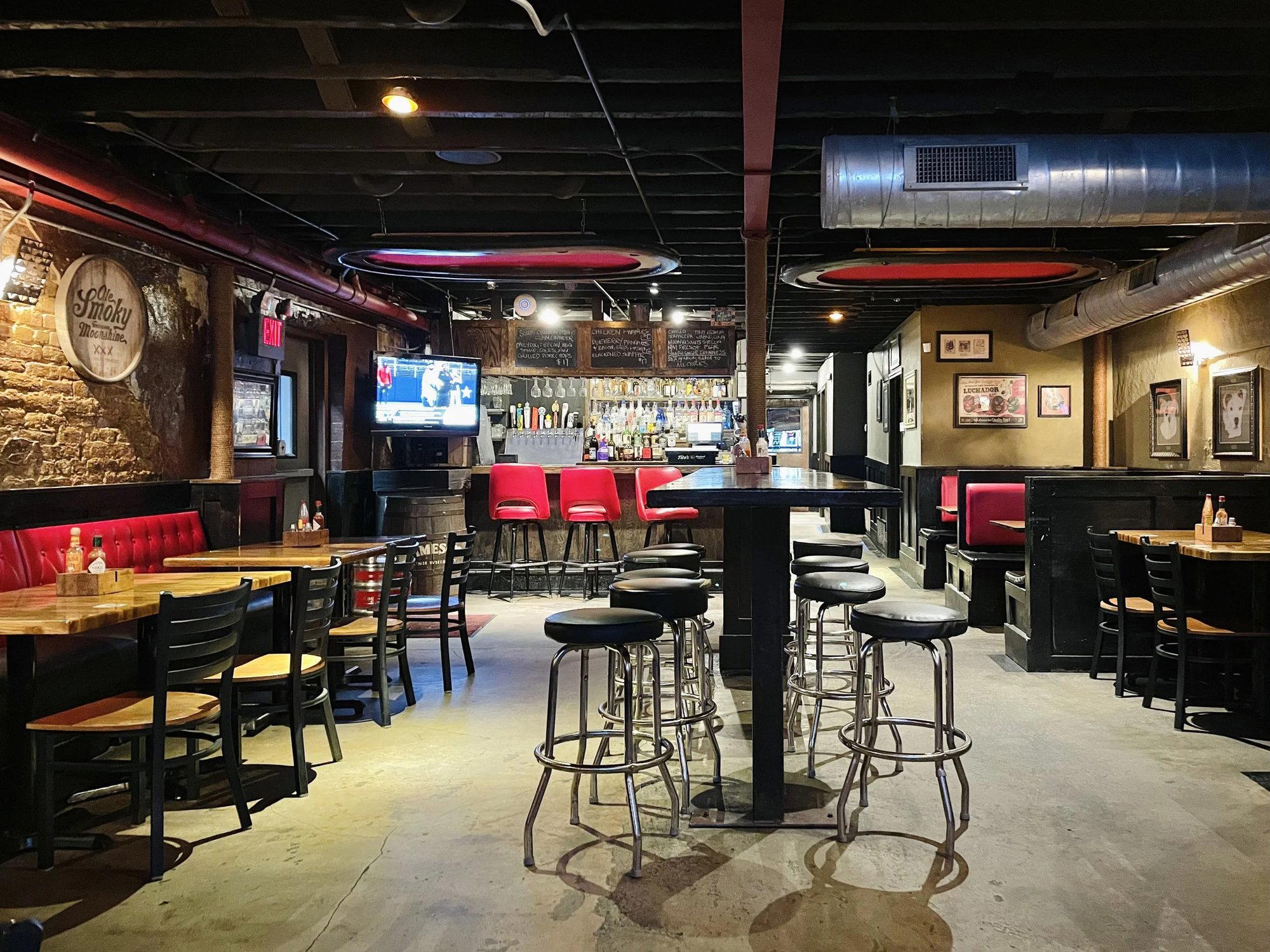
Monroe Avenue and the Anatomy of a Memphis Bar
Downtown Memphis has always sorted its drinking establishments along a rough but readable spectrum. At one end sit the Beale Street venues built for visiting crowds, where live blues and tourist traffic set the pace. At the other end are the neighbourhood bars that serve the people who actually live, work, and eat in the city's historic core. Bardog Tavern at 73 Monroe Ave sits in the second category, and that positioning tells you something useful before you walk through the door.
Monroe Avenue itself is a quiet artery by Memphis standards, removed enough from the Beale Street corridor to filter out the loudest tourist traffic but close enough to downtown's working life to attract a genuinely mixed crowd. The street-level geography matters in a city where the difference between a block and half a mile can mean the difference between a performative bar experience and a real one. Bardog lands on the real side of that divide.
The American Tavern Tradition and Where Bardog Sits Inside It
The American tavern, at its functional core, is a place that serves a neighbourhood rather than an occasion. It predates the cocktail bar movement, the gastropub era, and the craft beer revolution, and the leading examples of the format absorb each of those waves without losing their fundamental character. What defines them is consistency of crowd and constancy of purpose: a place where regulars are recognised, where the menu is unpretentious, and where the bar itself is the architecture around which everything else organises.
Memphis has several bars that operate in this tradition. Alex's Tavern on South Main holds a similar position in its own neighbourhood, while Brinsons represents another local iteration of the format. Bardog Tavern fits within this cohort rather than against it. The distinction between these venues is less about quality and more about geography and crowd: each one serves a slightly different slice of the city, and understanding that network is how you understand Memphis's actual bar culture, as opposed to its packaged version.
For context on how Southern cities build and sustain this kind of neighbourhood drinking institution, it helps to compare Memphis to its regional peers. Jewel of the South in New Orleans and Julep in Houston both operate in cities where bar culture carries significant cultural weight, though they occupy more technically ambitious tiers than Bardog. What separates the tavern format from those venues is intentional: the tavern's authority comes from longevity and community function, not from programme sophistication.
Downtown Memphis as Drinking Context
To place Bardog accurately, you need a working map of how downtown Memphis drinks. The area around Main Street and Monroe has seen cycles of development and vacancy over the past three decades, and the bars that survived those cycles tend to be the ones with genuine local roots. Venues built primarily for tourism don't typically weather those shifts as well as places with a stable neighbourhood customer base.
The broader Memphis dining and drinking scene has diversified considerably. The restaurant corridor along Midtown draws attention with spots like Andrew Michael, which represents a more formal end of the local spectrum. Bayou brings its own character to the city's bar map. Bardog doesn't compete with those venues for the same occasion, it competes for the everyday, the after-work drink, the late-night return after a show. In a city with as many live music venues as Memphis, that positioning is commercially intelligent and culturally coherent.
What a Venue Like Bardog Signals in the National Bar Context
American bar culture in 2024 has fractured into distinct tiers that don't always communicate with each other. At the programme-led end, venues like Kumiko in Chicago, ABV in San Francisco, and Bar Leather Apron in Honolulu have built reputations on technical rigour, ingredient sourcing, and format discipline. Superbueno in New York City and The Parlour in Frankfurt demonstrate how that ambition plays out across different cities and markets.
Bardog Tavern doesn't occupy that tier, and it's worth being direct about that rather than softening it. What the tavern format offers instead is something the technically ambitious bar often struggles to replicate: accessibility without condescension. The neighbourhood bar at its leading functions as a democratic institution, one that doesn't require the drinker to arrive with knowledge or navigate a programme-led experience to feel at home. That has its own value in a city where music venues, late nights, and mixed groups of locals and visitors intersect constantly.
Planning a Visit: Practical Considerations
The bar sits at 73 Monroe Ave in downtown Memphis, within walking distance of the Main Street trolley corridor and a short distance from the city's central hotel strip. For visitors based in the downtown core, it works as a natural stop before or after a Beale Street evening, or as a standalone destination for anyone who wants a quieter read of the city's bar character.
The bar is open Mon to Fri 7:30 AM to 3 AM, and Sat to Sun 11 AM to 3 AM. It is walk-in friendly and sits at 73 Monroe Ave in downtown Memphis.
For readers visiting Memphis across a longer itinerary, Bardog makes most sense as part of a downtown evening that includes multiple stops rather than as a single-destination experience. The city's drinking culture rewards movement across neighbourhoods, and Monroe Avenue is one logical starting point for that kind of deliberate, unhurried exploration of how Memphis actually drinks when it's not performing for visitors.
A Pricing-First Comparison
Comparable venues nearby, for context on price, style, and recognition.
| Venue | Cuisine | Price | Notes |
|---|---|---|---|
| Bardog TavernThis venue — the venue you are viewing | Downtown, pub | $$ | Not listed |
| Tamboli's Pasta & Pizza | Midtown, lounge | $$ | Not listed |
| WISEACRE Brewing Company HQ | Not listed | $$ | Downtown, beer_bar |
| Cocozza American Italian | Harbor Town, lounge | $$ | Not listed |
| SOB Downtown | Downtown, Bar | $$ | Not listed |
| Mulan Asian Bistro East | East Memphis, lounge | $$ | Not listed |
At a Glance
- Lively
- Rustic
- Cozy
- Energetic
- After Work
- Late Night
- Group Outing
- Casual Hangout
- Live Music
- Outdoor Terrace
- Booth Seating
- Craft Cocktails
- Craft Beer
Current opening hours
- Monday
- 7:30 AM–3 AM
- Tuesday
- 7:30 AM–3 AM
- Wednesday
- 7:30 AM–3 AM
- Thursday
- 7:30 AM–3 AM
- Friday
- 7:30 AM–3 AM
- Saturday
- 11 AM–3 AM
- Sunday
- 11 AM–3 AM
Hours can change for holidays and private events. Last verified .
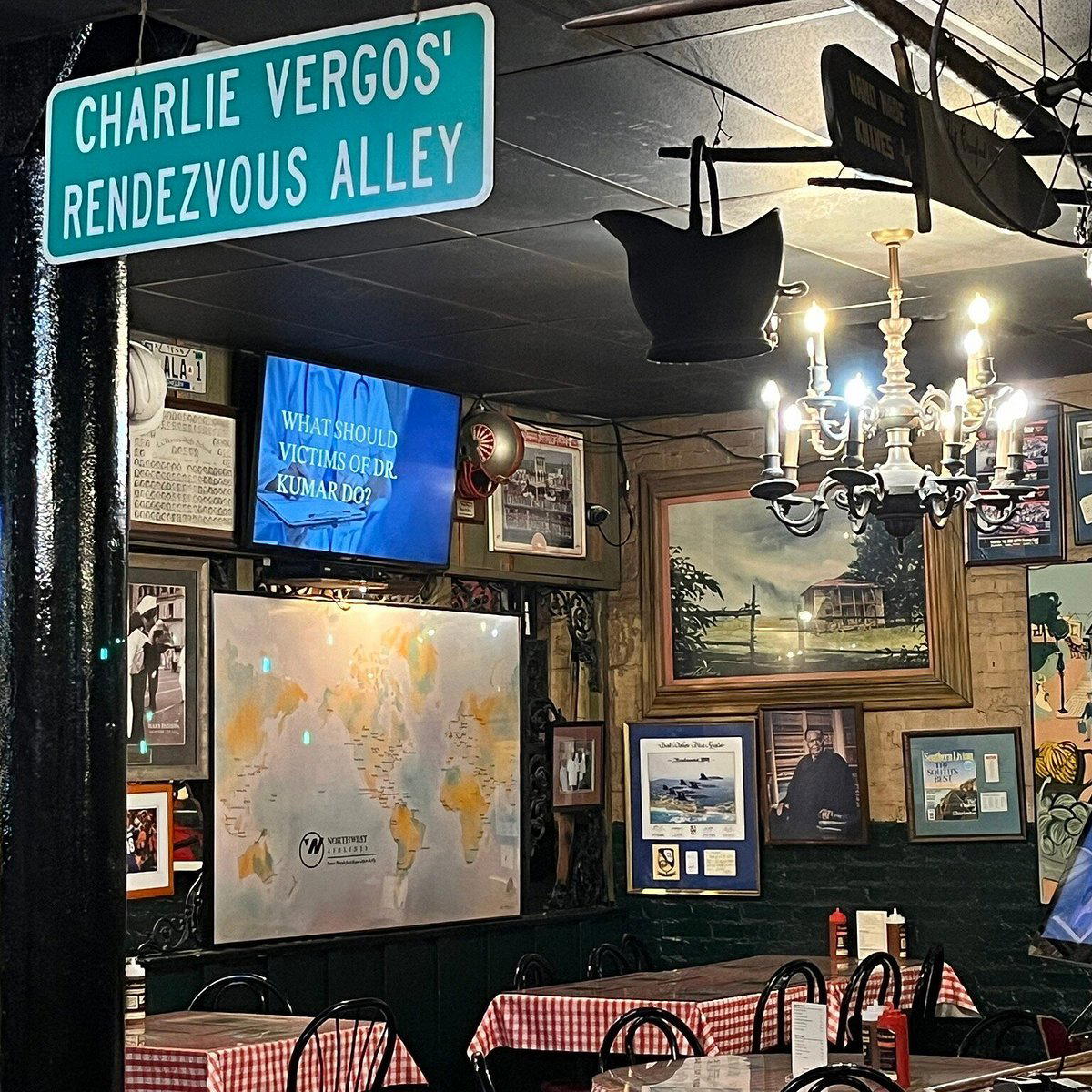
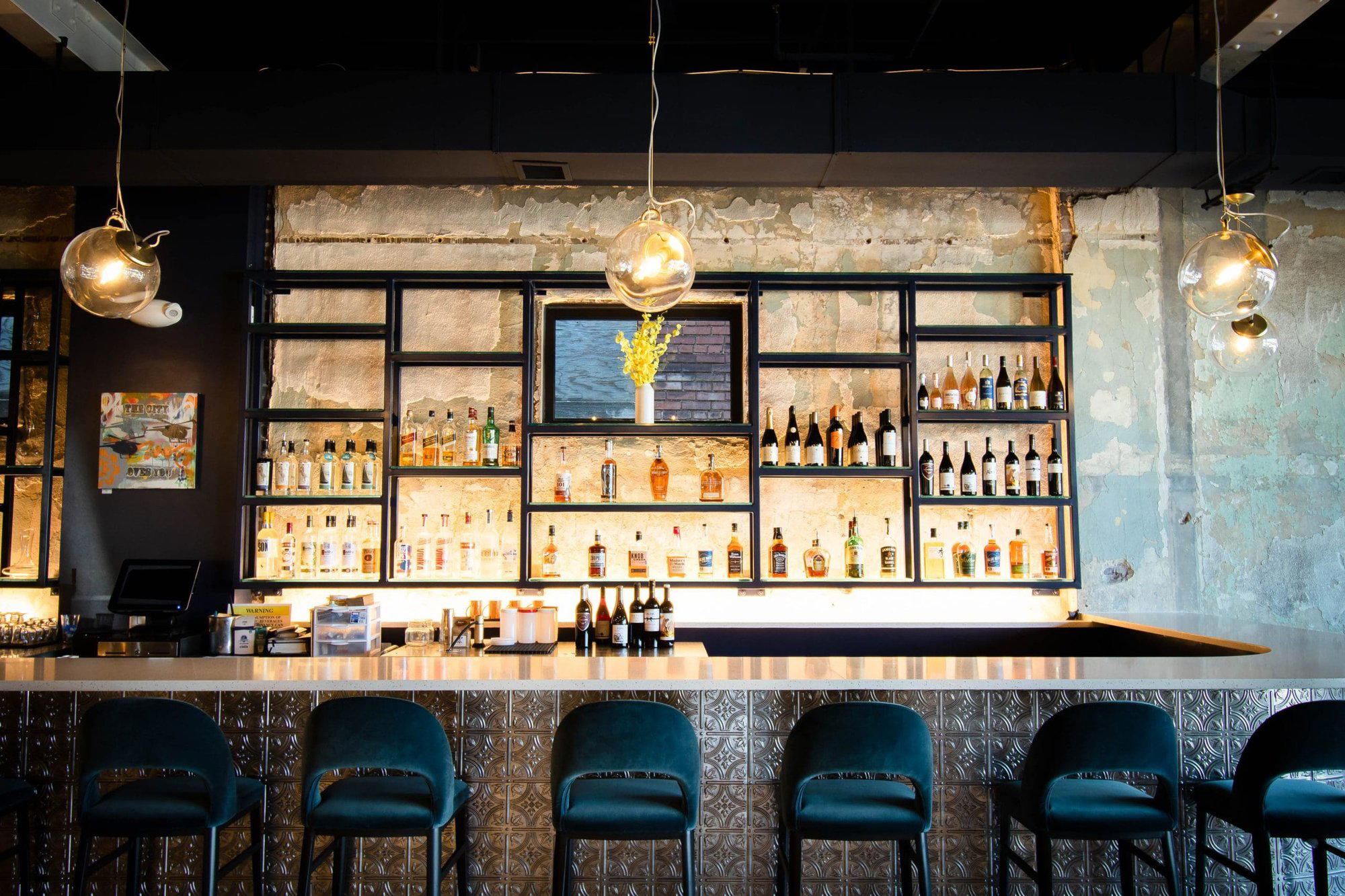
Rustic and cozy with a lively, welcoming old-world bar atmosphere, featuring good music and smoking allowed upstairs.