Charlie Vergos' Rendezvous
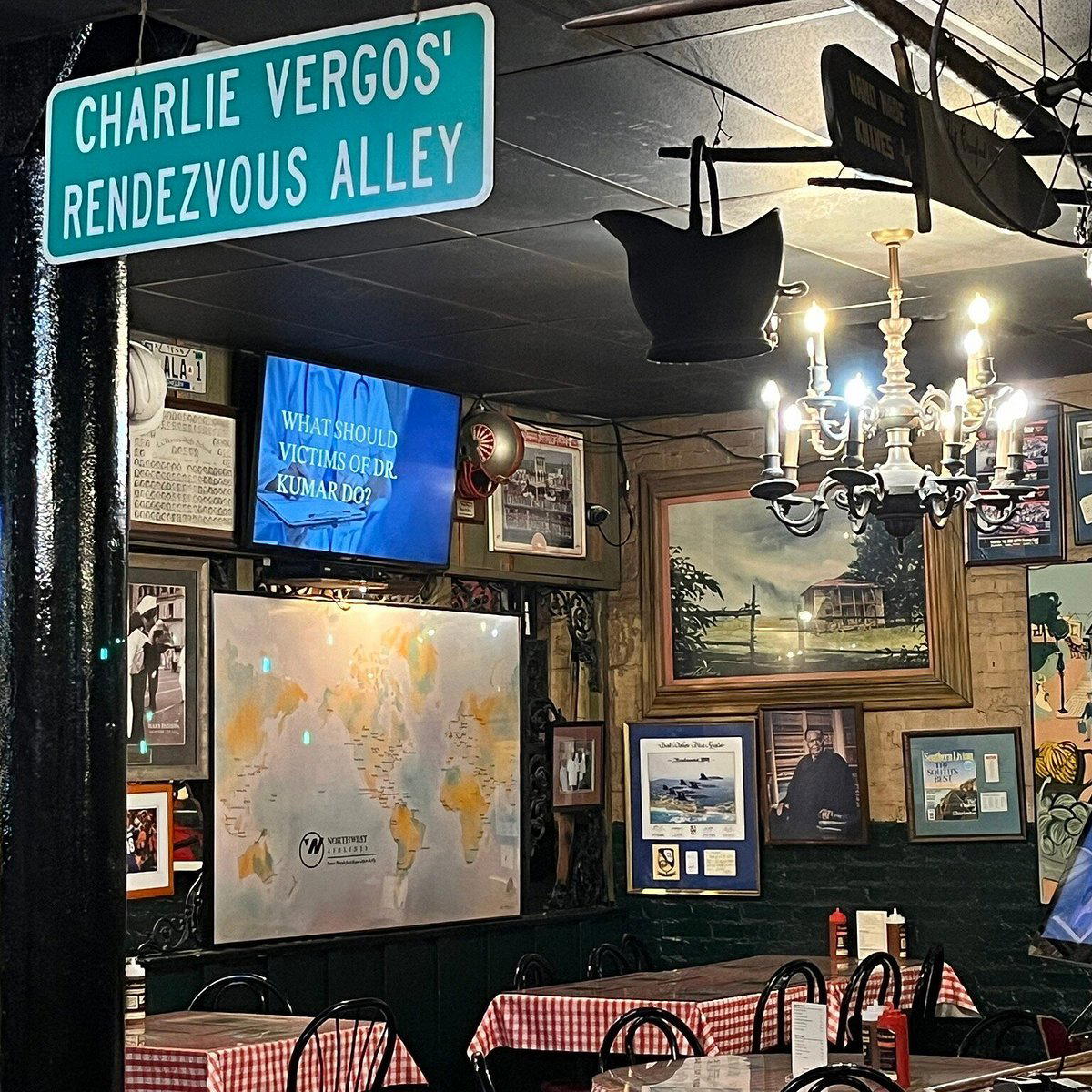
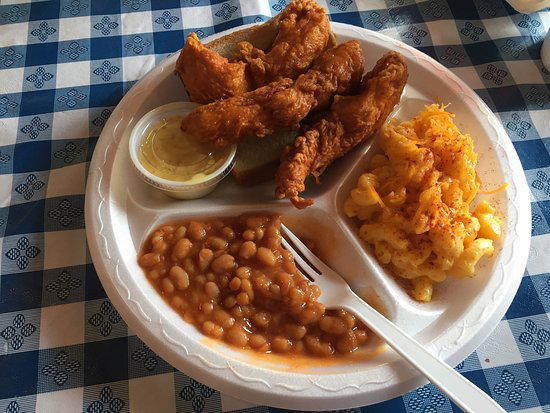
Few addresses in the American South carry as much barbecue authority as Charlie Vergos' Rendezvous, tucked into a downtown Memphis alley off Second Street. Where most rib joints trade on smoke, the Rendezvous built its reputation on dry rub and charcoal — a method so regionally specific it functions as a local culinary benchmark. The alley approach alone signals you're entering Memphis barbecue tradition rather than a restaurant in the conventional sense.

Pearl is the En Primeur Club membership app — saves, bookings, and concierge access live there. Same editors, same standards.
- Address
- 52 S 2nd St, Memphis, TN 38103
- Phone
- (901) 523-2746
- Hours
- Mon ClosedTue–Thu 11 AM–9 PMFri–Sat 11 AM–10 PMSun Closed
- Website
- hogsfly.com
- Directions
- Get directions
The Alley, the Smoke, and What Memphis Barbecue Actually Means
There is a particular ritual to approaching the Rendezvous. You walk down Lumber Alley, a narrow passage off South Second Street in downtown Memphis, past a largely unmarked exterior that gives nothing away. This is not accidental. In American barbecue cities — Memphis, Kansas City, Austin, Lexington — the venues that have genuinely shaped a regional style rarely feel like restaurants in the contemporary sense. They feel like institutions that tolerate customers, and that dynamic is part of what makes them worth understanding.
Memphis sits in a specific position in the national barbecue conversation. Where Texas built its identity on brisket and post-oak smoke, and the Carolinas split between vinegar-forward sauces and whole-hog traditions, Memphis crystallised around ribs, either wet (sauced) or dry (rubbed with spice before cooking). The dry-rub approach, applied to pork ribs over charcoal rather than wood-burning offset smokers, is what the Rendezvous helped entrench as a Memphis signature. Understanding that context is what separates a visit to this address from a generic barbecue stop.
A Counter That Predates the Craft Cocktail Era, and Doesn't Apologise for It
The American bar scene of the last two decades has been defined by the primacy of the technical cocktail program: clarified stock-based drinks, house-made amari, obsessive provenance in spirits. Venues like Kumiko in Chicago, Jewel of the South in New Orleans, and Bar Leather Apron in Honolulu represent a tier where the bar program is the primary editorial subject, the drinks carry the cultural argument.
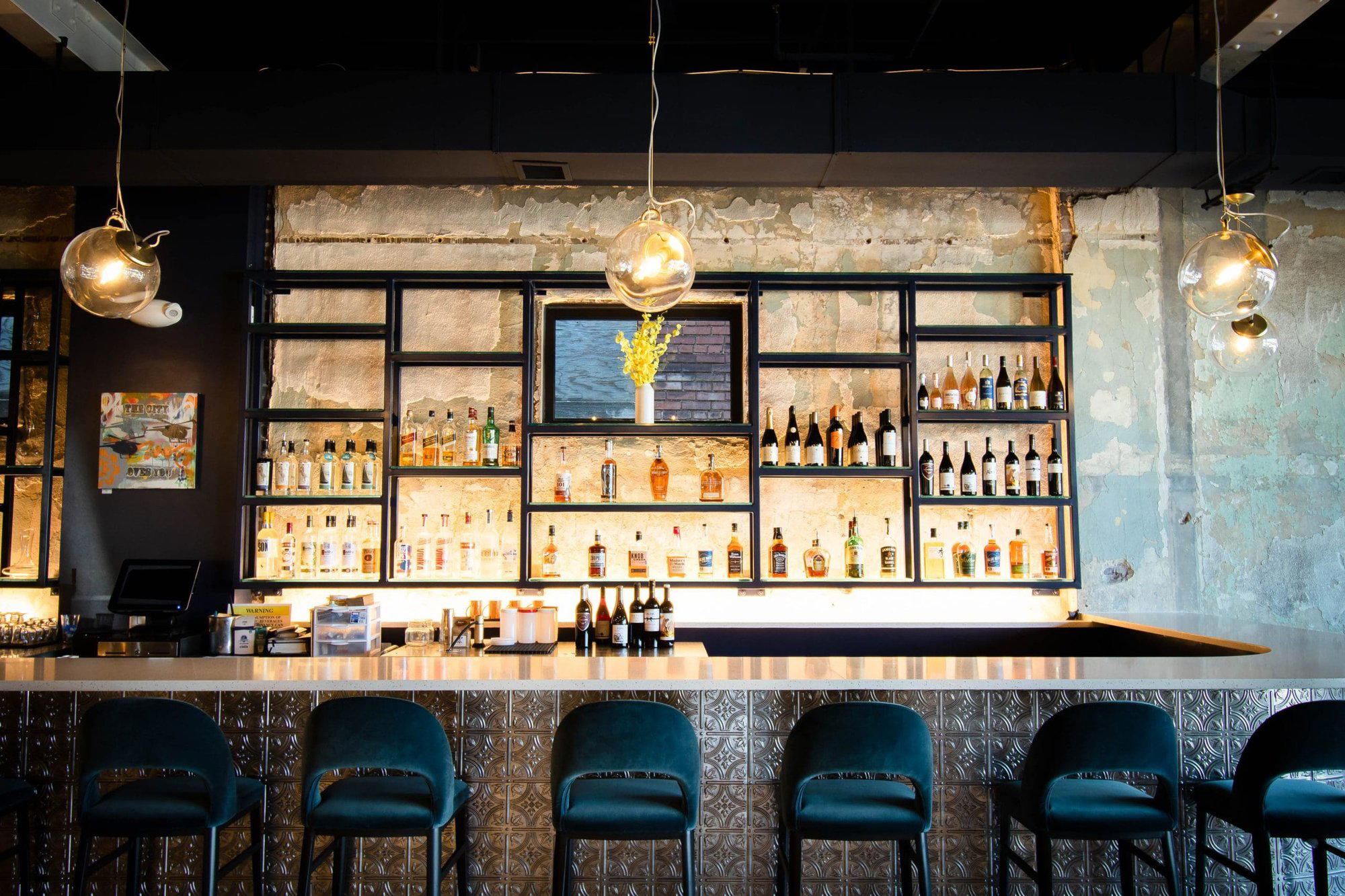
The Rendezvous operates from a different hospitality philosophy entirely. The bar here is not a destination component in the contemporary craft sense; it functions as the social scaffold for a meal built around the kitchen. Memphis's broader drinking scene, ranging from Bardog Tavern to Alex's Tavern and the more neighbourhood-rooted Bayou, runs along a similar axis: the bar is where you settle in, not the reason you came. That is not a limitation; it is a category. The Rendezvous belongs to the American tradition of the roadhouse-adjacent dining institution where hospitality is expressed through volume, consistency, and lack of pretension rather than through technique.
Compare this with the approach at Julep in Houston or ABV in San Francisco, where the bar program carries a distinct editorial identity that would survive if the kitchen disappeared. At the Rendezvous, the inverse is true: the ribs are the reason for the room, and the drinks, cold beer, direct whiskey, exist to support the eating, not compete with it. This is a coherent hospitality position, not a gap in the offering.
The Memphis Barbecue Competitive Set
Positioning the Rendezvous within Memphis's current food culture requires some honesty about the generational divide in the city's restaurant scene. Over the past decade, Memphis has seen a serious upgrade at the upper end of its dining options. Andrew Michael represents the locally-owned, chef-driven end of that shift, while the restaurant market at large has diversified considerably from the barbecue-centric identity the city long carried as a default.
Within barbecue specifically, the Rendezvous occupies the institutional tier rather than the artisan-revival tier. There is a meaningful difference. The artisan-revival movement in American barbecue, which produced destination pitmasters, long queues, and a new critical vocabulary, tends to prize wood selection, smoke ring depth, and provenance-led sourcing. The Rendezvous predates that movement and does not operate within its framework. Its consistency, its address, and its decades of accumulated reputation place it in a different competitive set: the civic institution, the place locals bring out-of-town guests not to show off a discovery but to perform a rite.
That civic function has its own authority. In cities where a single restaurant has become shorthand for the place itself, Joe's Stone Crab in Miami, Tadich Grill in San Francisco, the venue stops being evaluated purely on the contemporary merits of its food and starts being assessed as a cultural artifact. The Rendezvous operates in that register. Comparing it against a newer Memphis barbecue operation on technique alone is a category error.
Planning a Visit: What You Need to Know
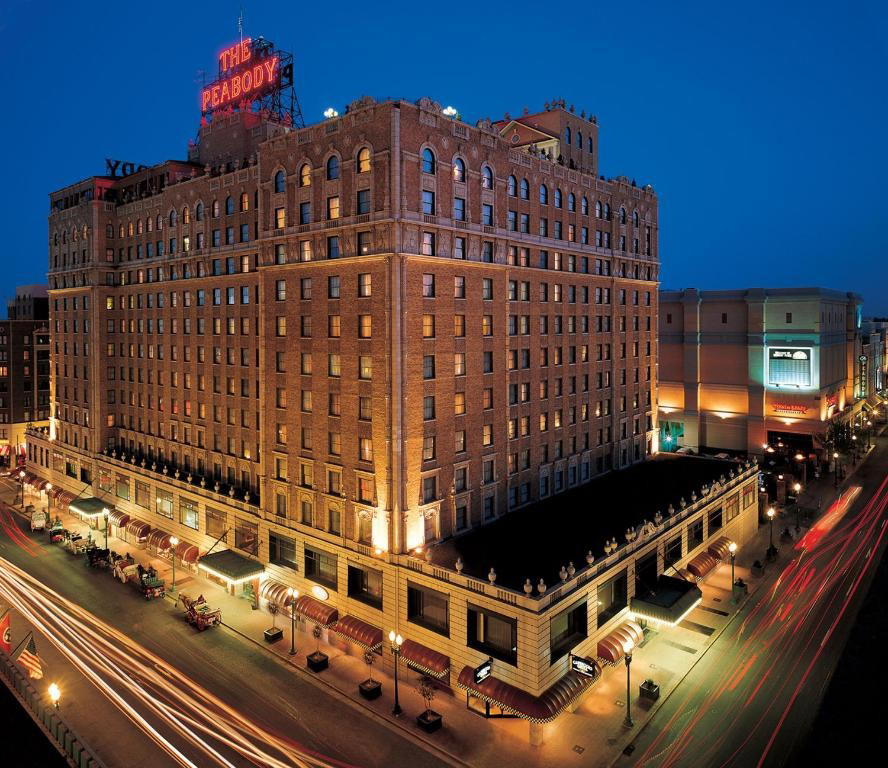
The address, 52 South Second Street, Memphis, Tennessee, puts the Rendezvous at the edge of downtown, walkable from the central hotel zone and a short distance from the Beale Street corridor. The alley entrance off Second Street is the correct approach: follow the signs and the smell. Because the venue draws a reliable tourist base alongside a local following, weekend evenings in particular can produce meaningful waits. Arriving on the earlier side of the dinner window, or planning a weekday visit, reduces that pressure. For wider Memphis context, the full Memphis restaurants guide covers the breadth of the city's current dining and drinking options across neighbourhoods.
Those building a broader Memphis bar itinerary will find useful contrast points. Bardog Tavern and Bayou occupy the casual neighbourhood end of the spectrum. For comparison with technically focused programs elsewhere in the country, Superbueno in New York City and The Parlour in Frankfurt on the Main represent a very different bar hospitality model, useful reference points for understanding how much range exists within the category of serious drinking establishments.
Just the Basics
Comparable venues nearby, for context on price, style, and recognition.
| Venue | Cuisine | Price | Awards | Notes |
|---|---|---|---|---|
| Charlie Vergos' RendezvousThis venue — the venue you are viewing | Downtown Memphis, pub | $20–30 | Not listed | Not listed |
| SOB Downtown | Downtown, Bar | $20–30 | Diners, Drive-Ins and Dives Featured Bar | Not listed |
| WISEACRE Brewing Company HQ | Not listed | $20–30 | Not listed | Downtown, beer_bar |
| Tamboli's Pasta & Pizza | Midtown, lounge | $30–50 | Not listed | Not listed |
| Bardog Tavern | Downtown, pub | $20–30 | Not listed | Not listed |
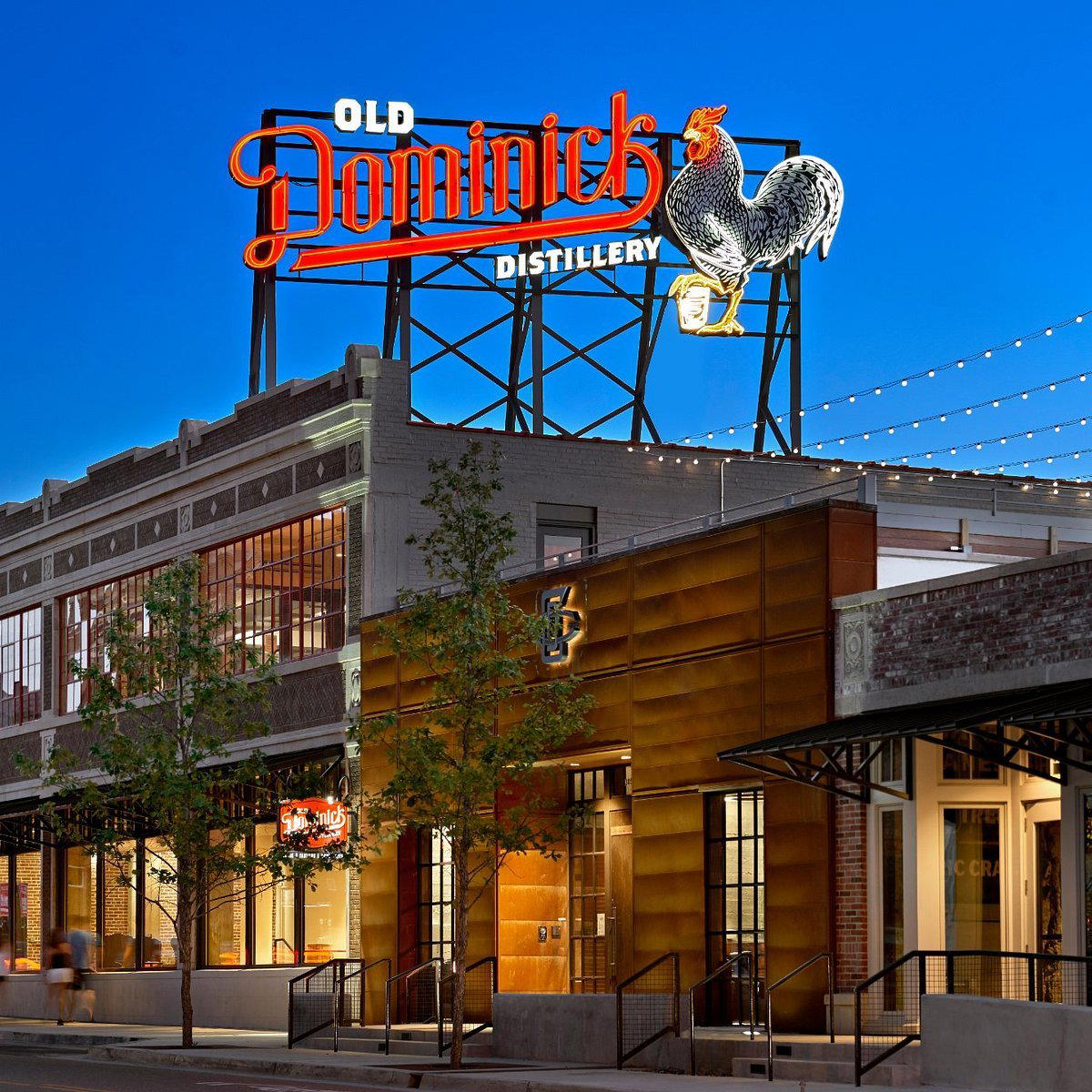
| Old Dominick Distillery | Memphis, lounge | $30–50 | Not listed | Not listed |
Details
- Well Known
- Rustic
- Lively
- Classic
- Group Outing
- Casual Hangout
- Celebration
- Special Occasion
- Private Event
- Historic Building
- Standalone
- Live Music
- Seated Bar
- Booth Seating
- Private Rooms
Current opening hours
- Monday
- Closed
- Tuesday
- 11 AM–9 PM
- Wednesday
- 11 AM–9 PM
- Thursday
- 11 AM–9 PM
- Friday
- 11 AM–10 PM
- Saturday
- 11 AM–10 PM
- Sunday
- Closed
Hours can change for holidays and private events. Last verified .
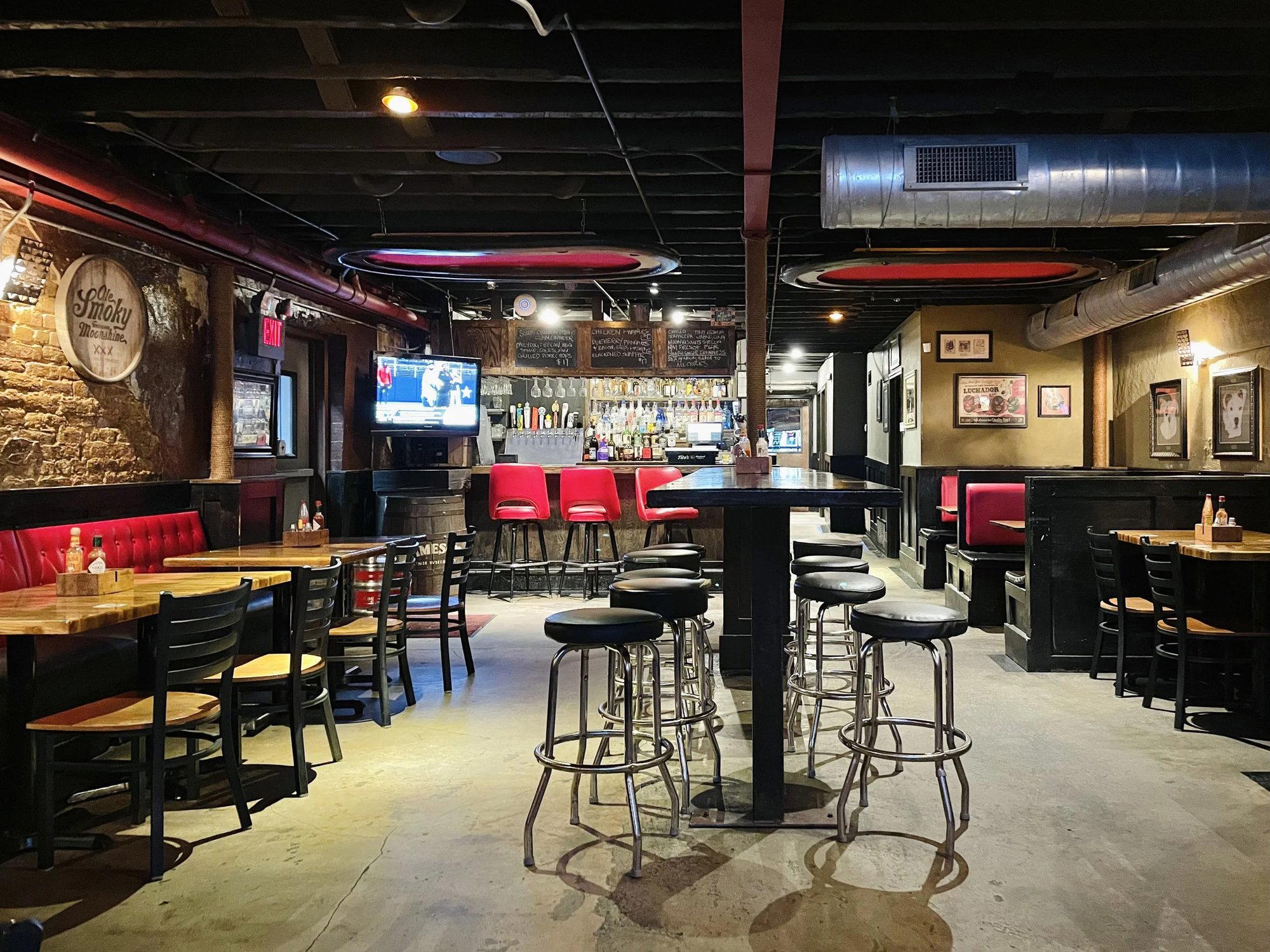
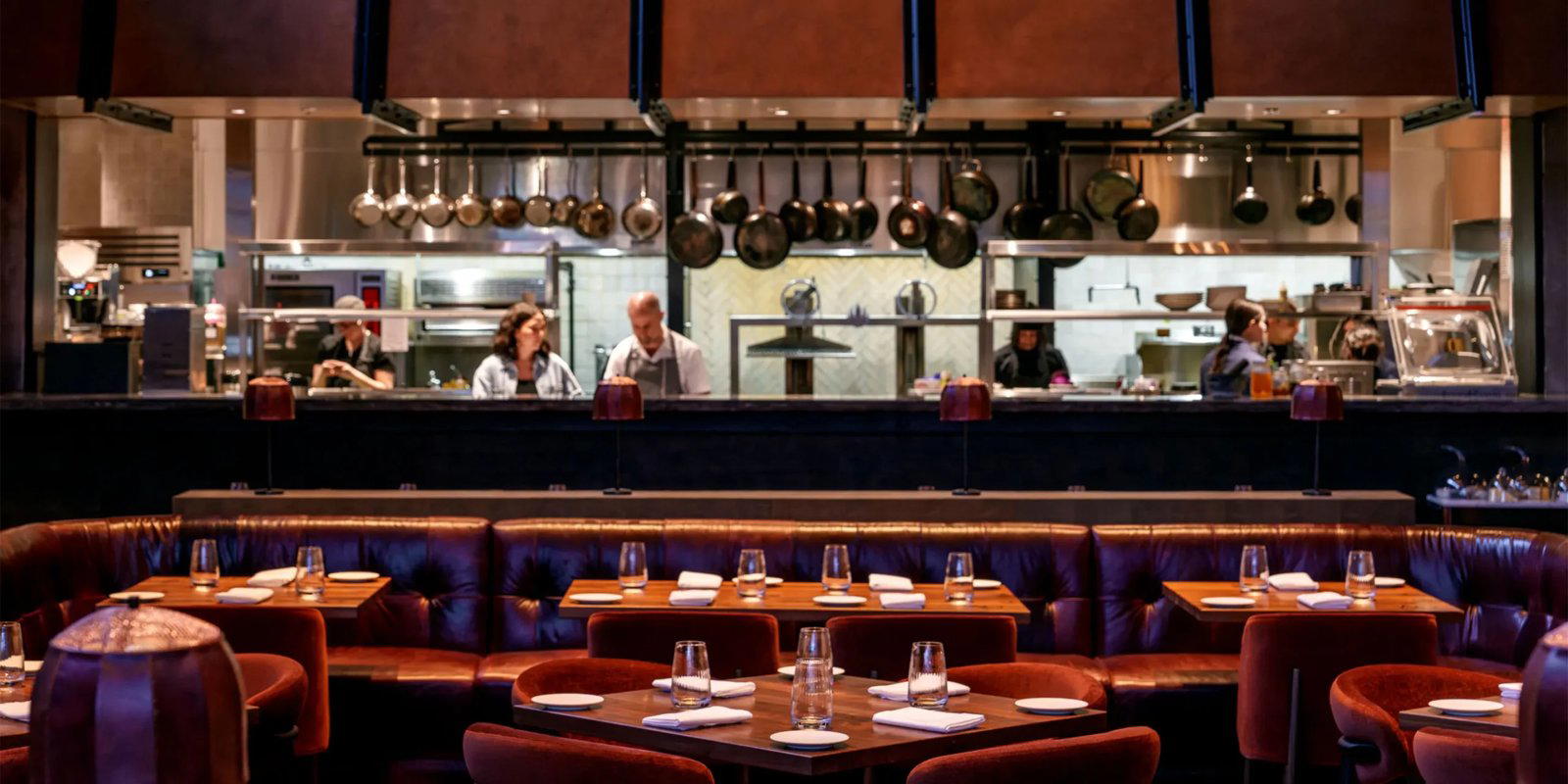
Smoky, atmospheric basement dining room with brick walls holding decades of history, Memphis soul and Delta blues music, clinking beer mugs and laughter creating an energetic yet timeless experience.