Hu. Hotel

Michelin Selected
A MICHELIN Selected hotel on Madison Avenue in downtown Memphis, Hu. Hotel occupies a carefully restored historic building that places it in the smaller, design-led tier of the city's accommodation market. Its central address puts Beale Street, the Memphis riverfront, and the broader music district within walking range, making it a practical and considered base for the city.

Pearl is the En Primeur Club membership app — saves, bookings, and concierge access live there. Same editors, same standards.
- Address
- 79 Madison Ave, Memphis, TN 38103
- Phone
- (901) 333-1200
- Website
- huhotelmemphis.com
- Directions
- Get directions
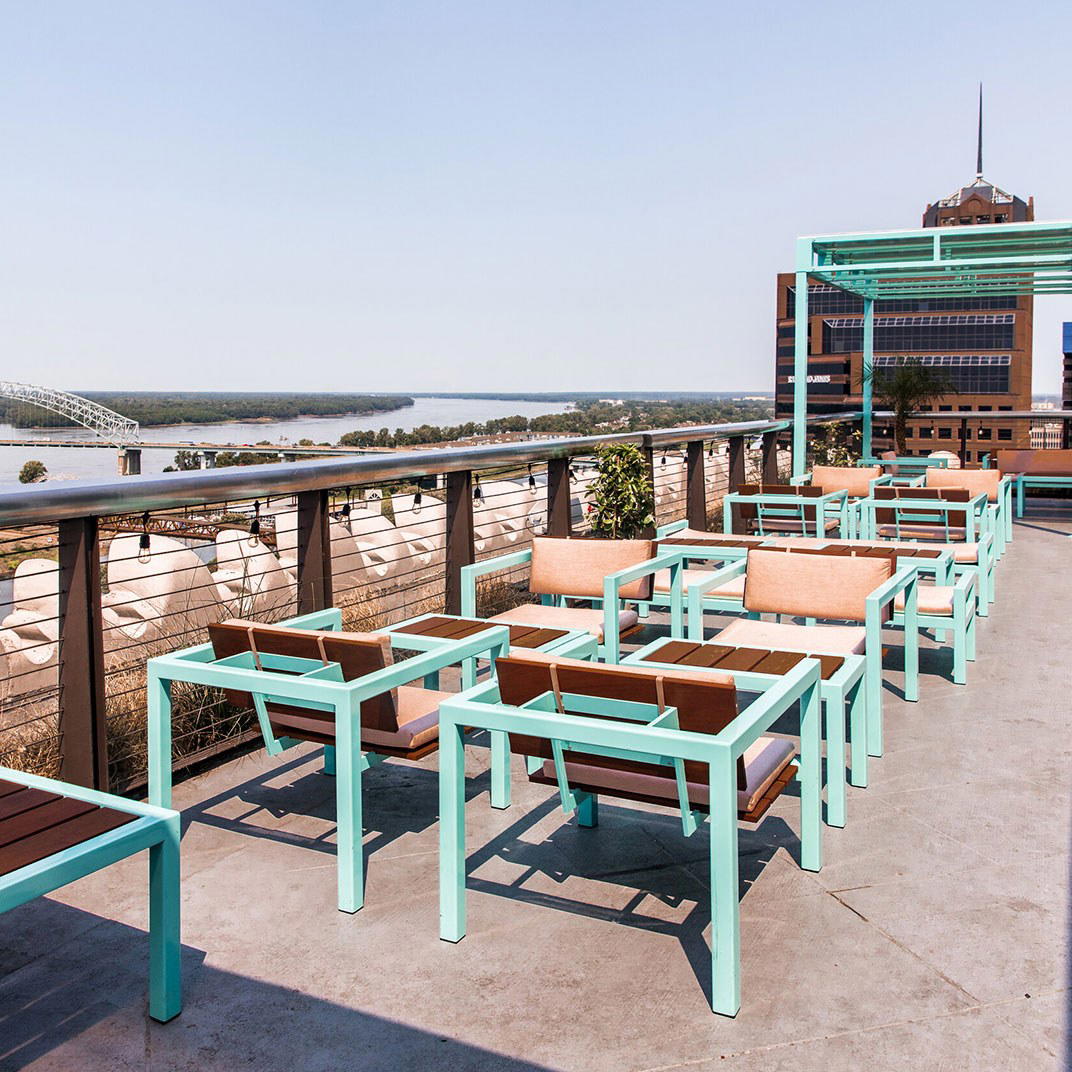
A Madison Avenue Address in the Design-Led Hotel Tier
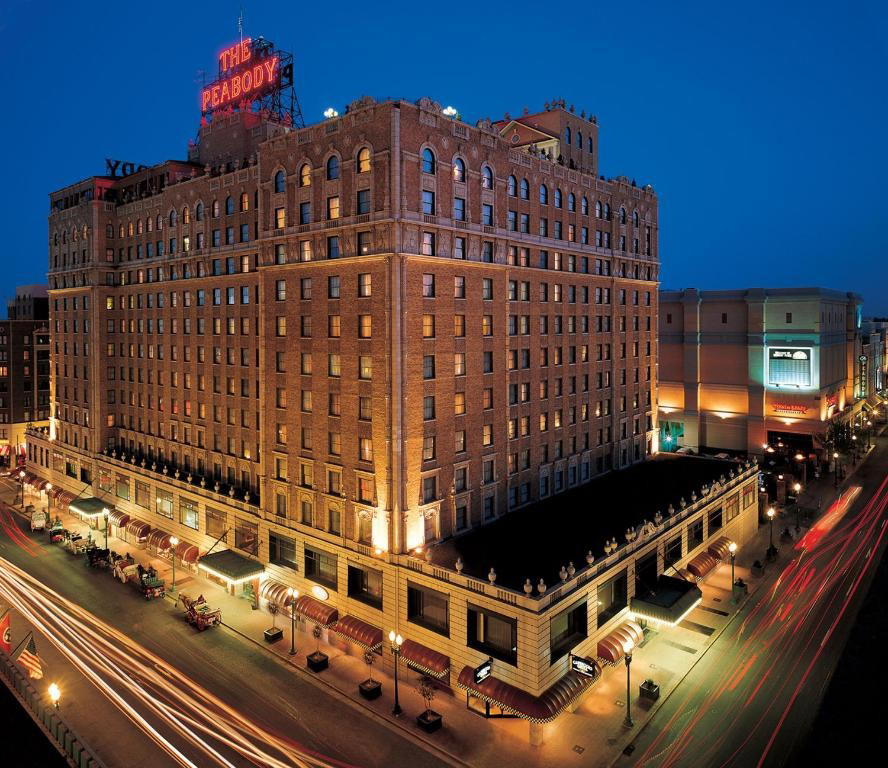
Downtown Memphis has two distinct registers in its hotel market. The first is large-footprint legacy — properties like The Peabody Memphis, where the duck march and grand lobby have been the social center of the city for generations. The second, smaller register belongs to boutique properties that trade on architectural identity and a more contained guest experience. Hu. Hotel at 79 Madison Avenue sits firmly in that second tier, and it is the more interesting tier to consider when the question is how a hotel fits its city rather than how it reproduces a generic luxury formula.
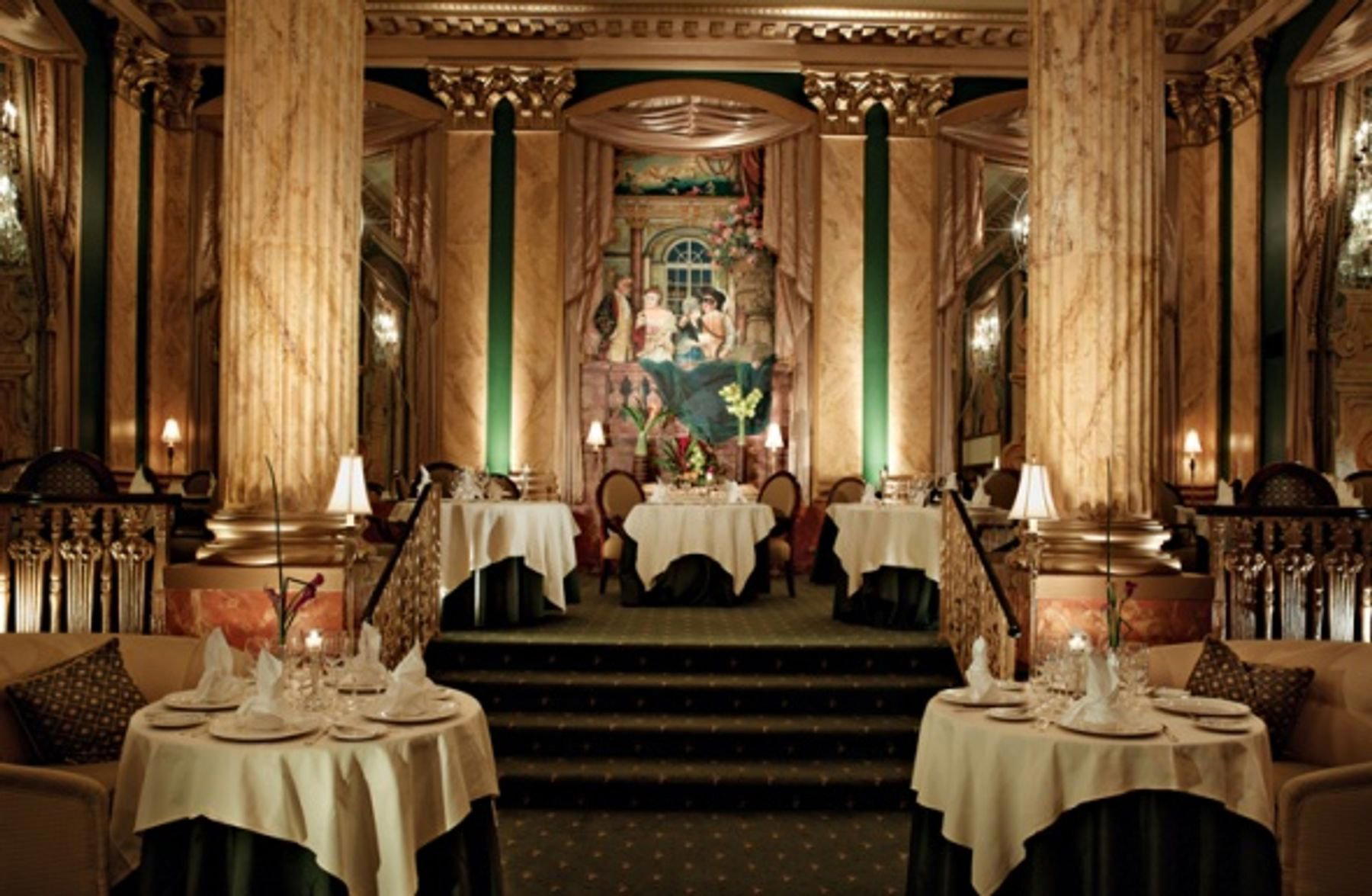
The building itself is the argument. Adaptive reuse has become one of the defining moves in American boutique hospitality — from The Central Station Memphis, which converted a Depression-era railway terminal, to Chicago Athletic Association, which brought a Romanesque athletic club back into cultural life. Hu. Hotel joins that lineage, occupying a historic downtown structure that carries the material weight of the city's commercial past. In Memphis, where the built environment along Madison Avenue reflects layers of mid-twentieth-century civic ambition, that kind of physical context is not decorative, it is the hotel's primary credential.
What MICHELIN Selection Signals in This Market
Hu. Hotel holds a MICHELIN Selected designation in the 2025 Michelin Hotels guide, which places it in a category the guide reserves for properties with consistent quality across comfort, service, and physical upkeep. In a city where Michelin's hotel presence is still limited, the designation functions as a peer-set marker: it aligns Hu. Hotel with independently reviewed properties rather than chain-rated inventory, and it implies a standard of physical presentation and guest care that the guide's inspectors found worth documenting.
For context, MICHELIN hotel selection in secondary American cities sits in a different competitive frame than selection in New York or San Francisco, where the pool is denser. In Memphis, the designation carries more signal value precisely because the field is smaller. It places Hu. Hotel alongside a compact group of properties that have been formally assessed, a meaningful distinction when the broader market includes a wide range of unreviewed options. Properties like ARRIVE Memphis and The Guest House at Graceland represent the range of what Memphis offers at the upper end, and Hu. Hotel's Michelin recognition positions it within that short list of properties where quality has been externally verified.
The Design Logic of the Space
The architectural identity of properties in this category tends to organize around a central tension: how much of the original fabric do you preserve, and how much do you replace with contemporary intervention? The answer usually defines the hotel's character more decisively than any choice about thread count or cocktail menu. Hotels that lean too heavily on renovation risk erasing what made the building worth saving. Hotels that preserve too aggressively can feel static, more museum than accommodation.
The leading American examples of this format resolve the tension through selective editing, keeping structural bones, original materiality, and spatial proportions intact while introducing contemporary comfort at the level of fittings and amenities. Troutbeck in Amenia does this with a nineteenth-century country estate. Raffles Boston does it at urban scale. Hu. Hotel's Madison Avenue building carries the same structural logic into the Memphis context: the value proposition is the building as much as the service layer on top of it.
Madison Avenue itself is worth understanding as a location. It runs through the core of downtown Memphis at an angle that connects the business district to the arts and entertainment corridors around Beale Street. Hotels on this stretch are within walking distance of the National Civil Rights Museum at the Lorraine Motel, the Stax Museum of American Soul Music lies further south, and the Mississippi riverfront is accessible without a car. For a visitor whose Memphis itinerary is built around the city's music and civil rights heritage, the address is functional in a way that peripheral or suburban hotels simply are not.
Where Hu. Hotel Fits in the Wider Conversation About American Design Hotels
The MICHELIN Selected tier in American hotel hospitality has become a way of tracking a specific kind of property: one with genuine physical character, usually in a building of some historical or architectural significance, operating at a scale that allows attentive service without the bureaucratic weight of a large chain property. 1 Hotel San Francisco, The Fifth Avenue Hotel in New York City, and The Beverly Hills Hotel in Los Angeles occupy very different market positions, but they share the quality of being legible as places, you can tell where you are when you are inside them. That geographic specificity is rarer than it should be in American luxury hospitality, and it is what the design-led boutique tier, at its finest, reliably delivers.
Hu. Hotel fits that pattern. A Madison Avenue address in a restored Memphis building, with Michelin recognition and a physical presence rooted in the city's architectural history, puts it in a peer group defined not by brand affiliation but by editorial curation and design accountability. For comparison outside the city, the logic is similar to what Dunton Hot Springs in Dunton or The Stavrand in Guerneville do in their respective settings: a specific place, a specific building, a specific reason to be there rather than somewhere more generic.
Planning a Stay
Hu. Hotel's 79 Madison Avenue address puts it at the center of downtown Memphis, close to the cultural and historic sites that draw most visitors to the city. For travelers building an itinerary around the National Civil Rights Museum, the Beale Street music corridor, or the city's broader blues and soul heritage, the location removes the need for a car during the core of each day. The hotel's MICHELIN Selected status suggests a reliable baseline for physical quality and service, and it sits in a category that tends to attract guests who have already decided that chain-format accommodation is not what they are looking for. Booking through the hotel directly is the standard approach for a property at this level; for the full picture of what Memphis offers at the upper end of the market, see our full Memphis restaurants and hotels guide.
At-a-Glance Comparison
Comparable venues nearby, for context on price, style, and recognition.
| Venue | Cuisine | Price | Awards | Notes |
|---|---|---|---|---|
| Hu. HotelThis venue — the venue you are viewing | Historic Beaux-Arts luxury boutique | $200–300 | Michelin Selected | Not listed |
| The Peabody Memphis | The South's Grand Hotel with timeless luxury blending traditional and modern decor | $200–300 | Forbes Recommended | Downtown Memphis |
| The Guest House at Graceland | Luxury resort steps from Graceland with Elvis-themed elements | Not listed | Preferred Hotels Member | Graceland |
| The Central Station Memphis | Historic train station converted boutique hotel | Not listed | Michelin Selected | South Main Historic Arts District |
| ARRIVE Memphis | Modern industrial chic boutique in historic Beaux Arts building | $100–200 | 1 Michelin Key | Downtown Memphis |
| Hyatt Studios Maryville | serviced apartment | Not listed | Not listed | Maryville |
Recognition history
Dated appearances from independent guides and award organizations, with the underlying list record or original source where available.
Michelin Selected
Michelin
Details
- Modern
- Trendy
- Elegant
- Sophisticated
- Romantic Getaway
- Business Trip
- Weekend Escape
- Rooftop Pool
- Historic Building
- Panoramic View
- Wi Fi
- Pool
- Fitness Center
- Room Service
- Concierge
- Restaurant
- Bar
- Skyline
- Waterfront
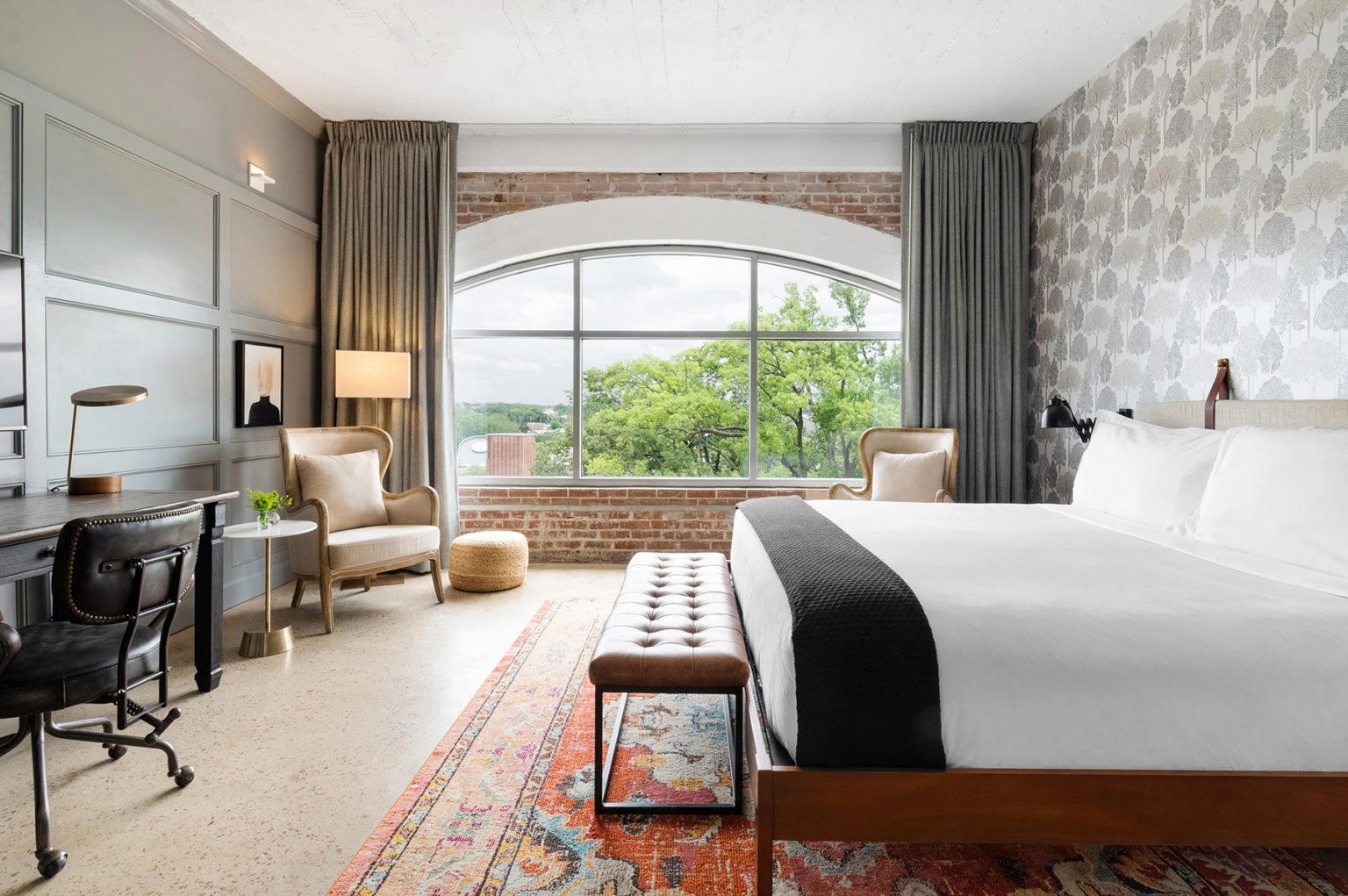
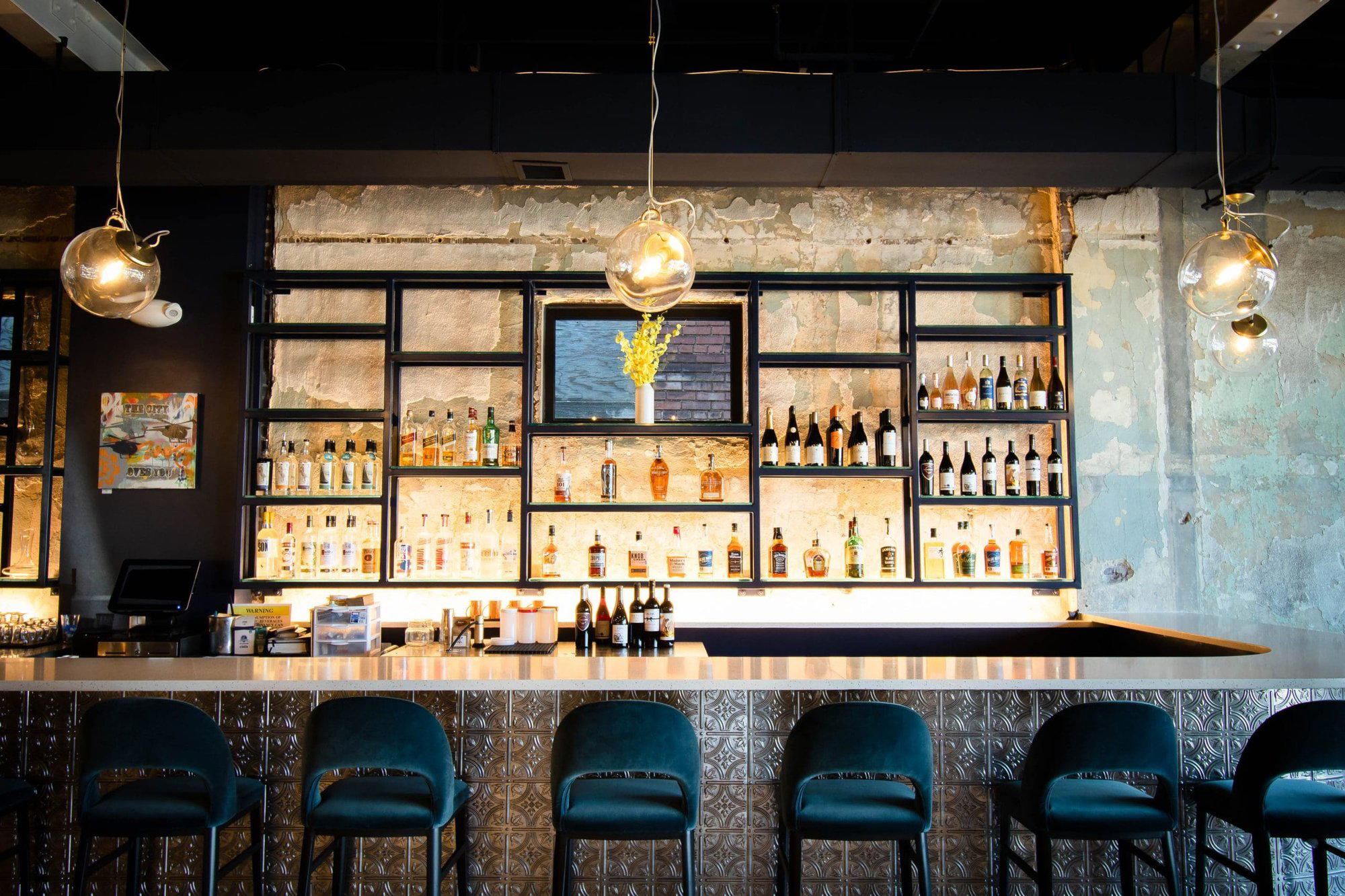
Light, airy, and elegant with bold modern colors, sophisticated furnishings, and a lively rooftop atmosphere.