Old Dominick Distillery
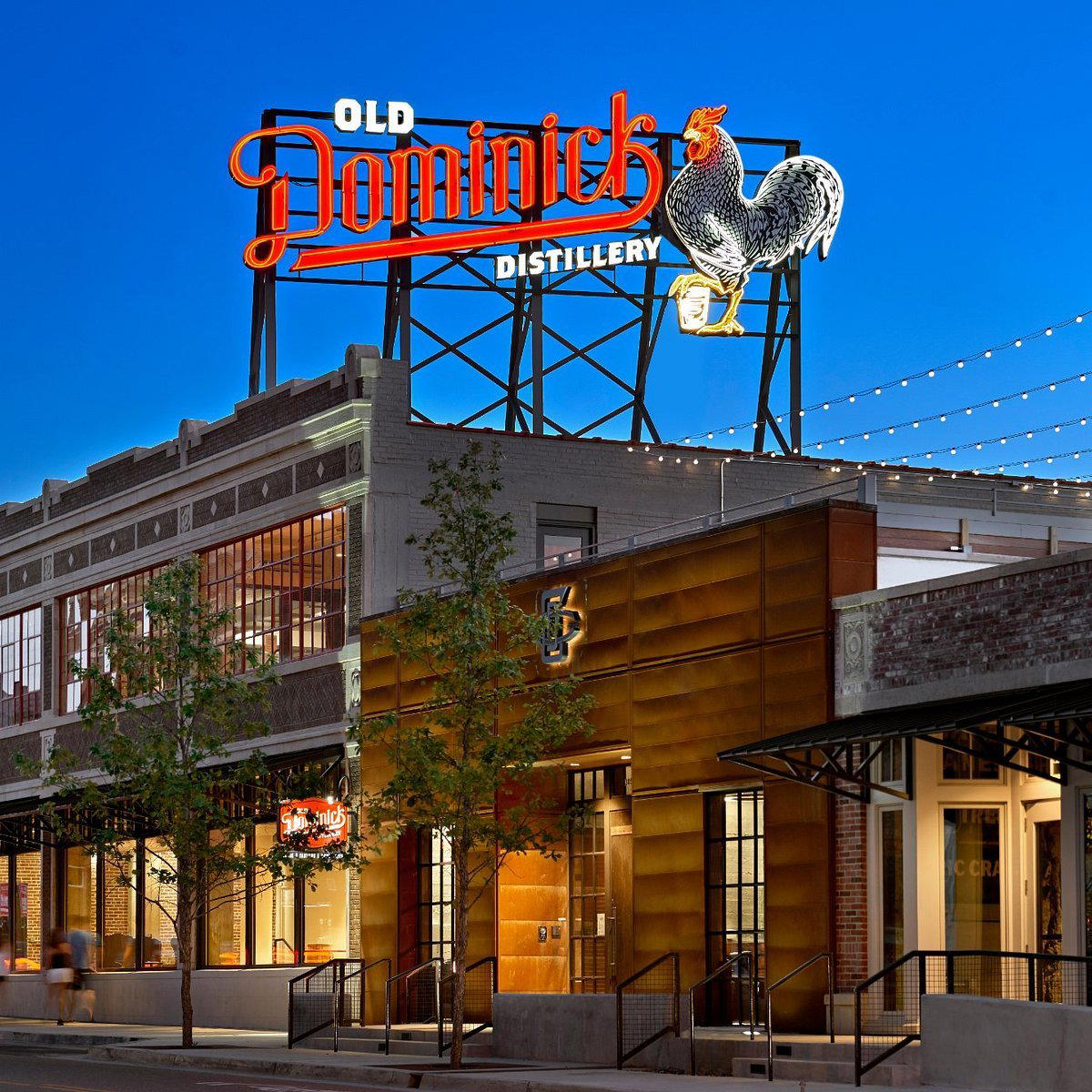
Old Dominick Distillery occupies a restored 19th-century warehouse on South Front Street, bringing Memphis whiskey production back to its pre-Prohibition roots. The distillery floor, tasting room, and event spaces sit within the same building, making it one of the few places in the city where you can watch spirits being made and drink them in the same visit. It anchors the downtown riverfront drinking circuit alongside the city's broader bar culture.

Pearl is the En Primeur Club membership app — saves, bookings, and concierge access live there. Same editors, same standards.
- Address
- 305 S Front St, Memphis, TN 38103
- Phone
- (901) 260-1250
- Hours
- Mon–Tue 12–7 PMWed–Thu 12–9 PMFri–Sat 12–10 PMSun 12–7 PM
- Website
- olddominick.com
- Directions
- Get directions
- Booking
- Book on the venue's website
Where the River Meets the Barrel: Memphis Whiskey Culture at 305 South Front
South Front Street runs parallel to the Mississippi, and the buildings along it carry the weight of Memphis commerce going back to the cotton trade. Old Dominick Distillery occupies one of those warehouses, a 19th-century structure that the city's distilling history predates Prohibition by decades. That history matters here. Memphis was once a significant whiskey production city before national prohibition dismantled it, and the revival of craft distilling in Tennessee has given the city an opportunity to rebuild that identity. Old Dominick sits at the centre of that conversation, operating in a state where whiskey tourism has become a genuine draw alongside Nashville's more saturated scene.
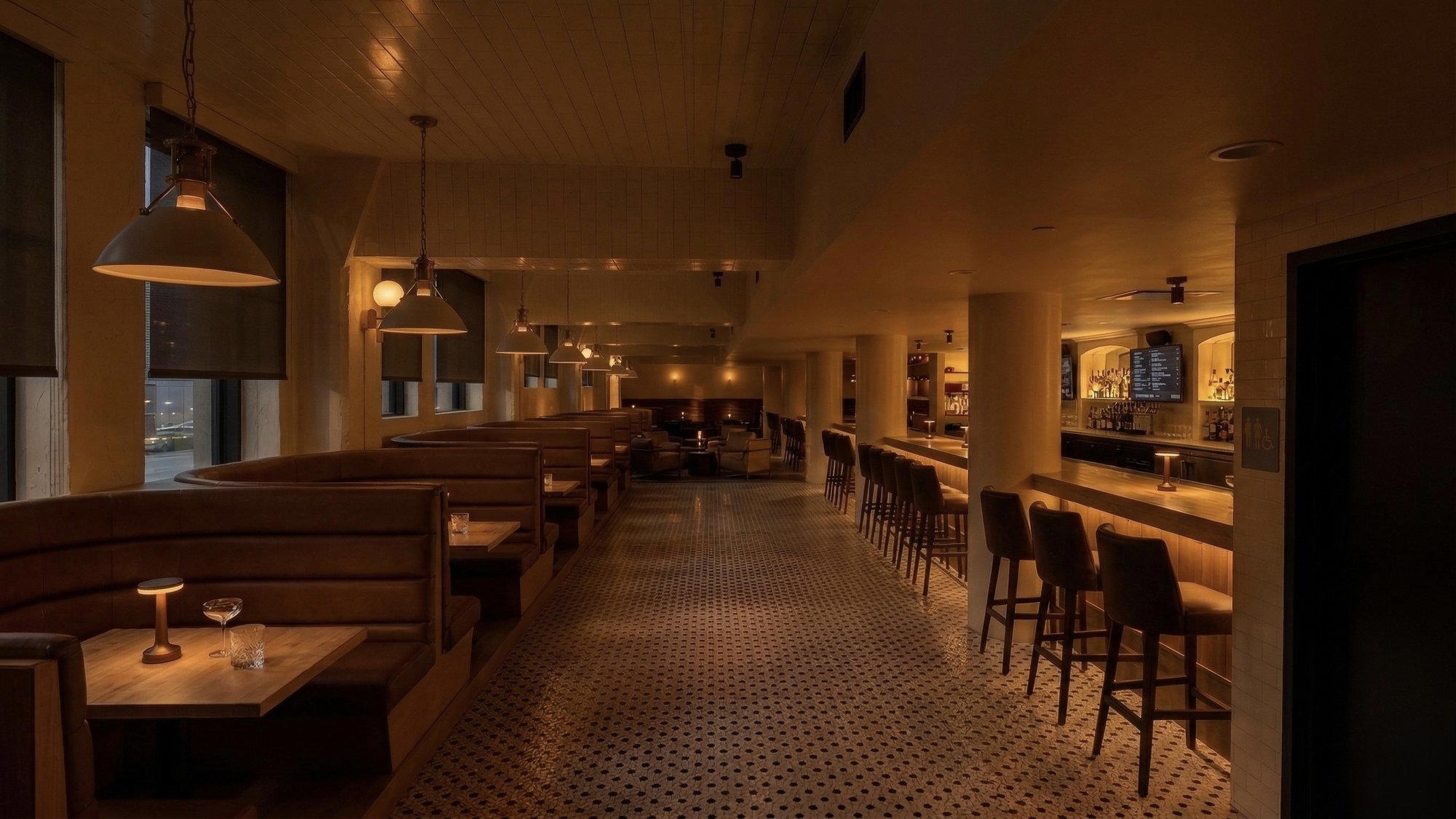
The physical approach sets the tone before you reach the bar. The distillery occupies a substantial footprint on Front Street, close enough to the Bluff to catch river air, and the industrial bones of the building, exposed brick, heavy timber, original iron detailing, provide a material argument for why this location was chosen over a purpose-built facility. Craft distilleries across the American South have split between two models: purpose-built production facilities with tacked-on tasting rooms, and historic urban structures where the building itself becomes part of the product story. Old Dominick belongs firmly to the second category.
Tennessee Whiskey, Bourbon Adjacency, and What the Glass Actually Contains
Tennessee whiskey occupies a specific legal and sensory niche within American spirits. Like bourbon, it must be made from a mash of at least 51% corn, aged in new charred oak containers, and produced within the state. The distinguishing step is the Lincoln County Process, in which the new spirit is filtered through charcoal before aging. This filtering rounds the spirit's edges before the barrel adds its own influence, producing a slightly softer profile than many bourbons at comparable age. It is a process that takes time and equipment, which is one reason the craft revival in Tennessee came later than in Kentucky or New York.
The drinks program at Old Dominick reflects this production reality. The house spirits, including whiskey expressions at various stages of maturation and age, form the backbone of the cocktail list. Across the broader American craft spirits tier, distilleries that control their own production from grain to glass tend to build cocktail programs around showcasing specific expressions rather than chasing trends in sourced-spirit bars. That means the cocktail list here functions differently from what you'd find at, say, Kumiko in Chicago or Bar Leather Apron in Honolulu, where the program draws from a global spirits library. At Old Dominick, the house product is the editorial point of the menu, and cocktails are built to put specific whiskey characteristics in the foreground rather than to layer them under modifiers.
The Pairing Logic: Spirits and Food in a Production Context
Distillery tasting rooms across the South have developed a distinct approach to food that differs from conventional bar food programs. The challenge is that whiskey, at cask or near-cask strength, compresses the palate in ways that require specific food strategies. Fat, salt, and acid all work alongside whiskey in ways that beer or wine pairings do not. Smoked and cured proteins, in particular, interact with oak-aged spirits through a kind of parallel logic: the wood smoke in the spirit and the smoke in the food reinforce rather than compete. In Memphis, where the barbecue tradition runs as deep as the river, that pairing logic has obvious local backing.
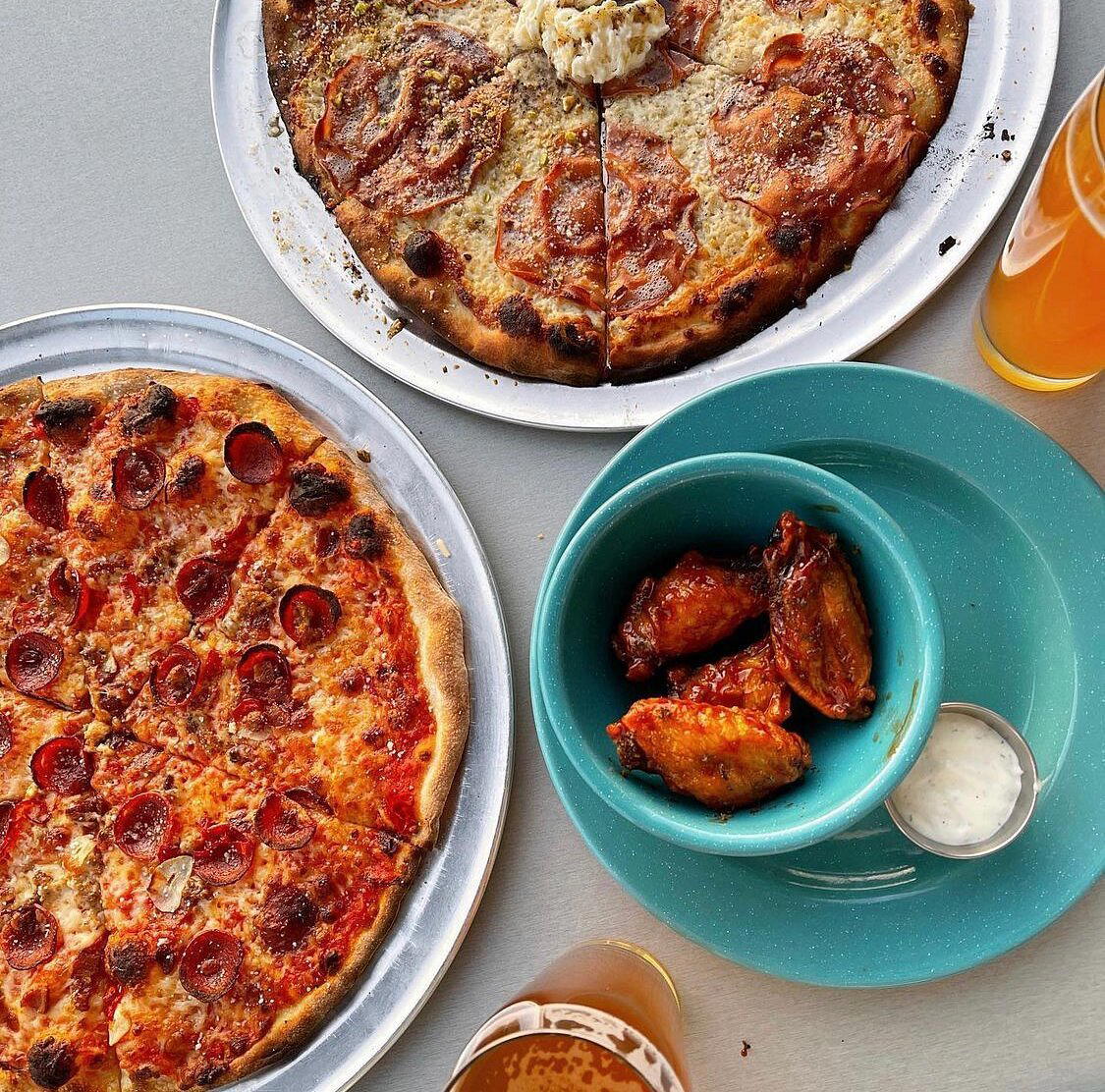
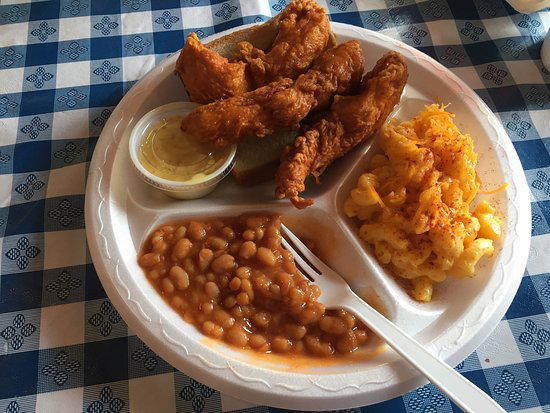
The food program at Old Dominick reflects this regional context. Memphis barbecue culture is not a monolith: the city's tradition sits between dry-rub ribs finished in a smoker and wet-sauced pulled pork, with significant variation between pitmasters. A distillery tasting room that draws on this tradition, even partially, is engaging with something that bars elsewhere in the country cannot authentically replicate. For comparison, Jewel of the South in New Orleans and Julep in Houston both operate with strong regional food identities alongside their cocktail programs, but neither works within a production distillery context where the spirit on the menu was made in the same building.
Memphis Bar Context: Where Old Dominick Sits
Memphis drinking culture has distinct tiers. Beale Street handles the tourist-facing live music bar circuit. Midtown and Cooper-Young carry the neighbourhood bar identity, with places like Alex's Tavern and Bardog Tavern anchoring that register. Downtown has seen a shift toward experiential drinking, where the venue itself, its history, its production process, or its setting, is part of the proposition. Old Dominick sits squarely in that third tier. It is not a neighbourhood bar and does not position itself as one.
Bars like Bayou and Andrew Michael operate with different identities, rooted in cocktail craft and restaurant adjacency rather than production tourism. Superbueno in New York City, ABV in San Francisco, and The Parlour in Frankfurt all represent bars where the cocktail program is the primary product. Old Dominick's program is built differently, with the production process as context and the house spirit as the constant anchor. Neither model is superior; they serve different reader decisions.
Planning Your Visit: Logistics and Timing
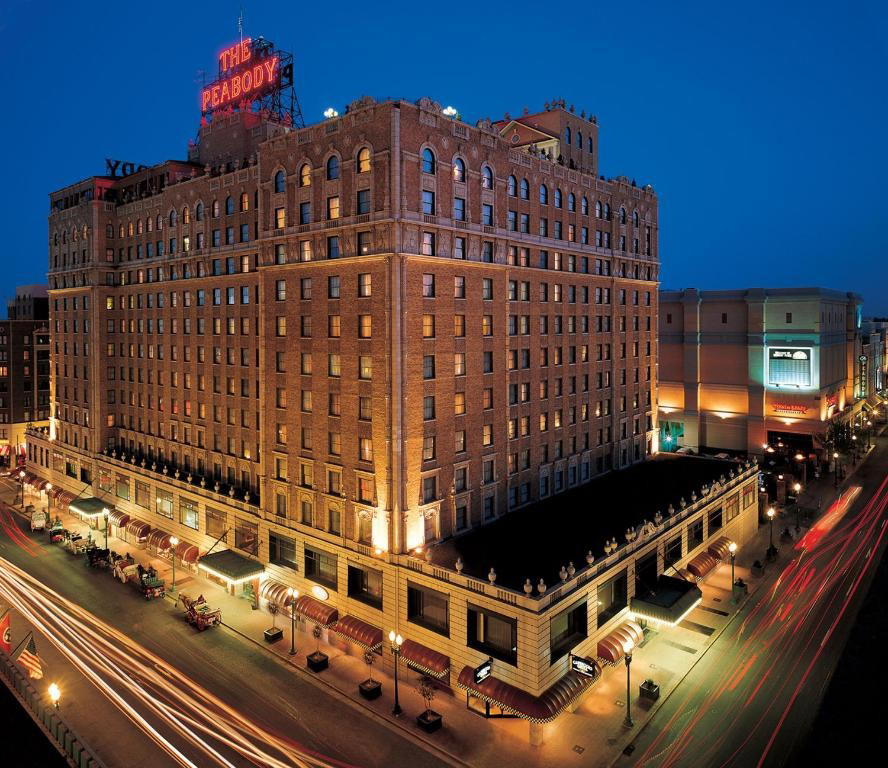
Old Dominick Distillery sits at 305 South Front Street, placing it within walking distance of the riverfront and a short distance from the central downtown hotel corridor. For visitors already planning time at the National Civil Rights Museum or the Peabody Hotel, the geography works in favour of combining visits in a single afternoon. Distillery tour slots tend to fill on weekends, particularly in the autumn months when whiskey tourism in Tennessee peaks alongside the broader fall travel season in the mid-South. Visitors with a specific interest in the production process rather than the tasting room alone should check availability in advance rather than arriving as a walk-in. The tasting room format is more accessible for drop-in visits, but the tour provides the framing that makes the spirits on the menu more legible. For a broader picture of where Old Dominick sits within the city's drinking and dining scene, see our full Memphis restaurants guide.
Comparable Options
| Venue | Price |
|---|---|
| Old Dominick DistilleryThis venue — the venue you are viewing | $30–50 |
| Charlie Vergos' Rendezvous | $20–30 |
| Earnestine & Hazel's | $10–20 |
Details
- Well Known
- Rustic
- Energetic
- Historic
- Group Outing
- Celebration
- Private Event
- After Work
- Historic Building
- Live Music
- Rooftop
- Standalone
- Seated Bar
- Lounge Seating
- Outdoor Terrace
- Private Rooms
- Whiskey
- Gin
- Craft Cocktails
- Bottle Service
Current opening hours
- Monday
- 12–7 PM
- Tuesday
- 12–7 PM
- Wednesday
- 12–9 PM
- Thursday
- 12–9 PM
- Friday
- 12–10 PM
- Saturday
- 12–10 PM
- Sunday
- 12–7 PM
Hours can change for holidays and private events. Last verified .
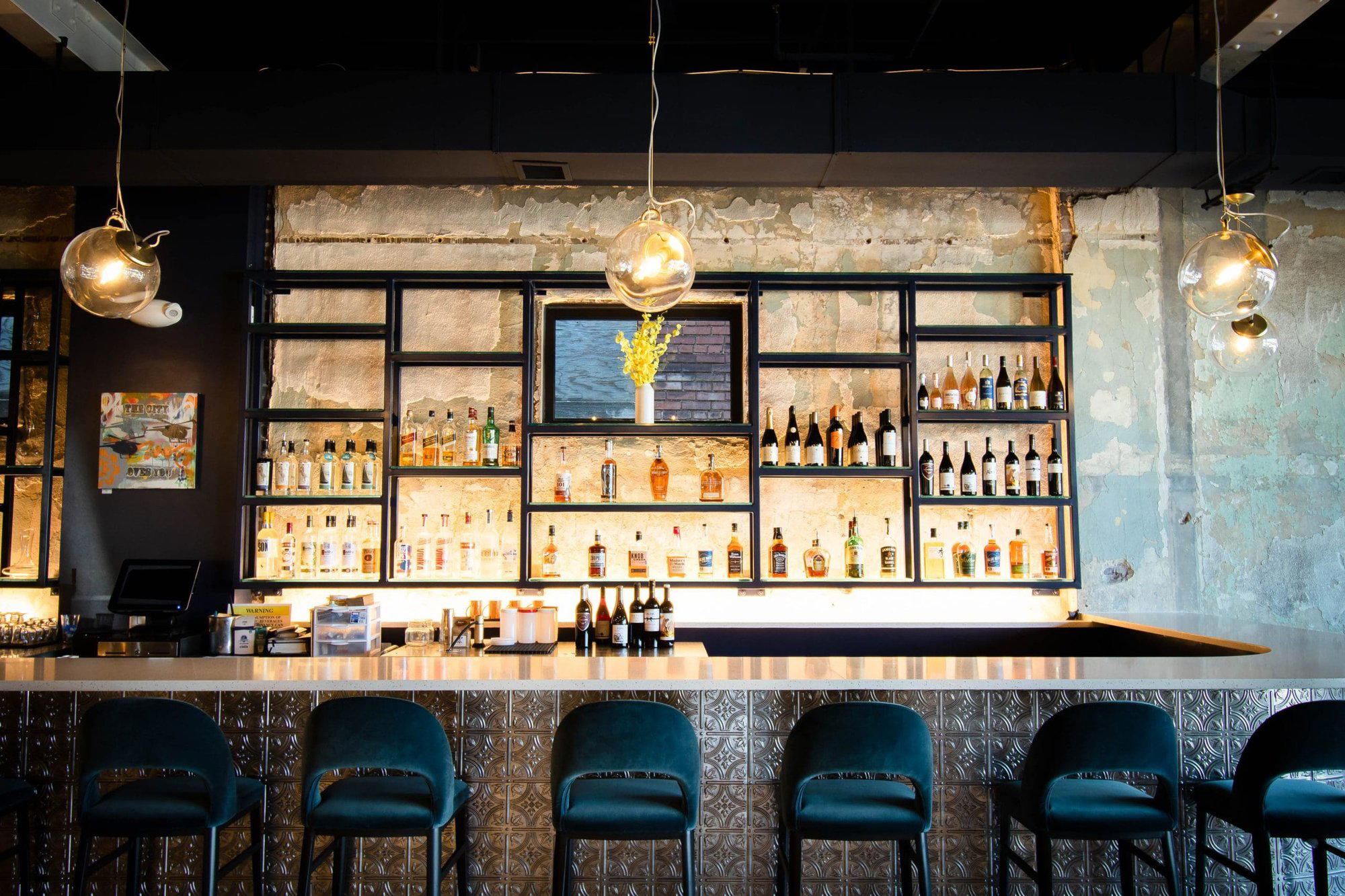
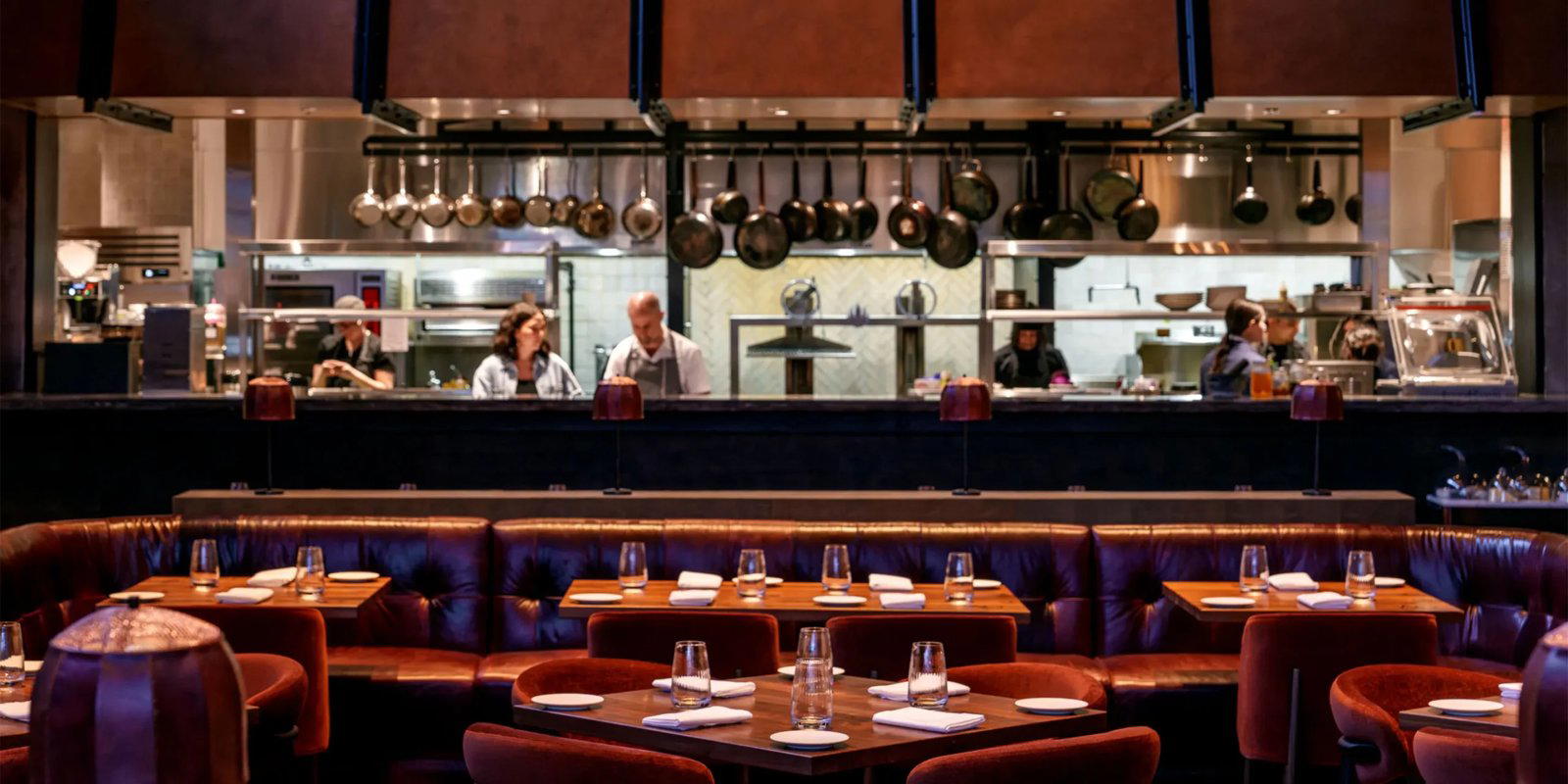
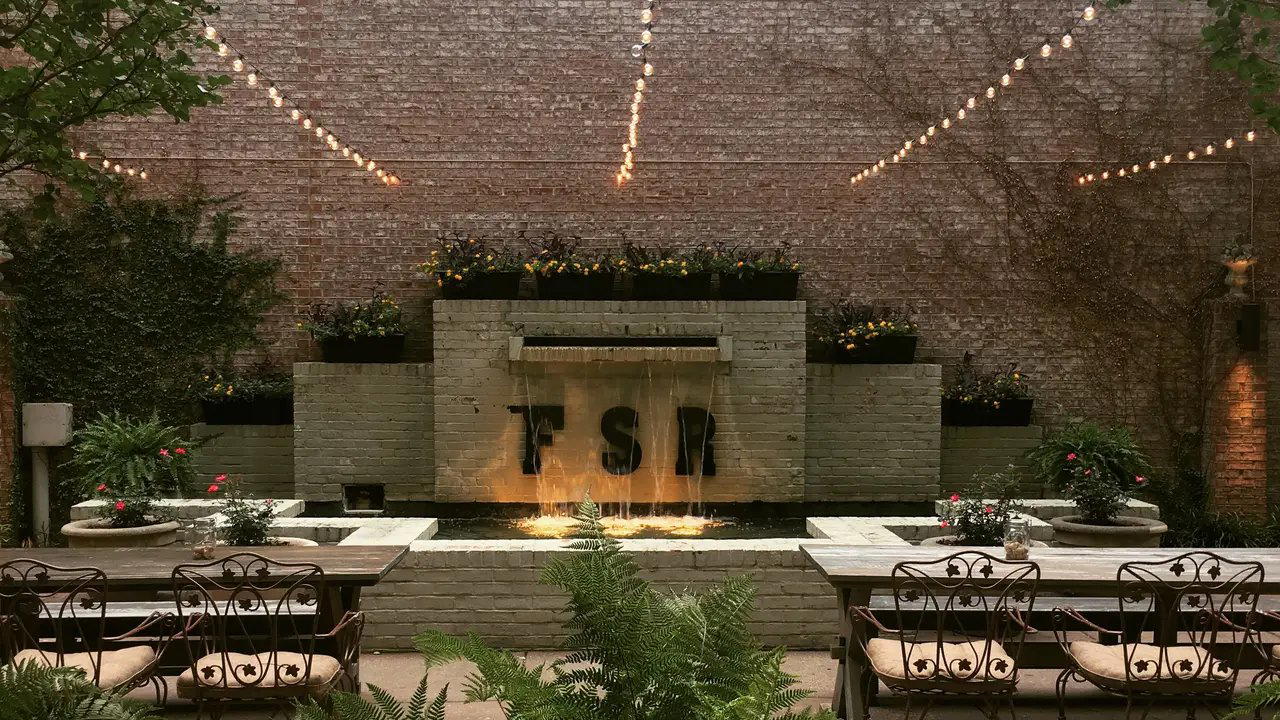
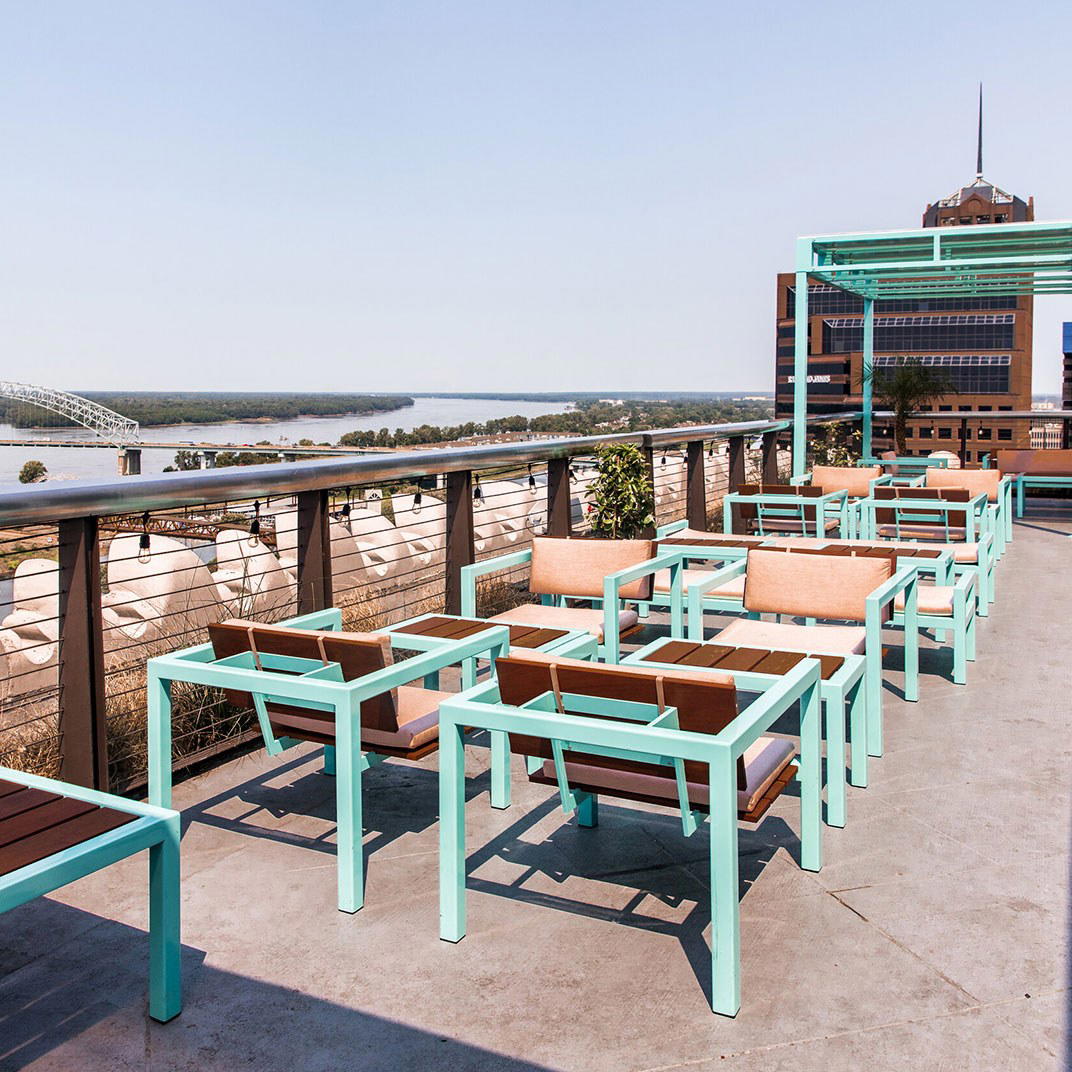
Industrial-meets-heritage atmosphere in a state-of-the-art facility built on turn-of-the-century legacy, with rooftop celebration spaces and production facility views.