




Skip to Main Content
← Collection
Toronto, Canada

Bar Pompette

Price≈$25
Dress CodeSmart Casual
ServiceUpscale Casual
NoiseConversational
CapacityIntimate
World's 50 Best
Top 500 Bars
Pinnacle Guide
Canada's 100 Best

<strong>Bar Pompette</strong> places Toronto’s cocktail conversation in a French-accented neighbourhood setting on <strong>College Street</strong>. Its recognition from World’s 50 <strong>Best Bars</strong> and <strong>North America</strong>’s <strong>50 Best</strong> Bars reflects a drinks programme built around clarity, seasonality, Ontario ingredients, and service that feels polished without becoming formal.

Pearl is the En Primeur Club membership app — saves, bookings, and concierge access live there. Same editors, same standards.

Bar Pompette bar in Toronto, Canada
About

College Street, filtered through a Parisian bar lens

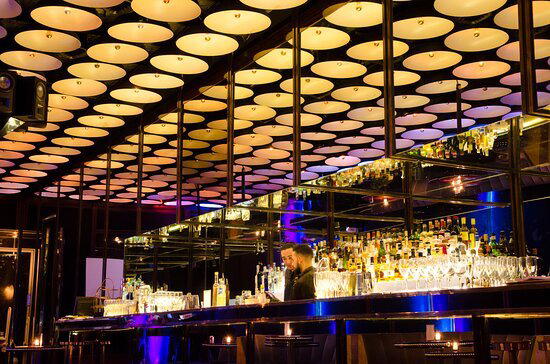
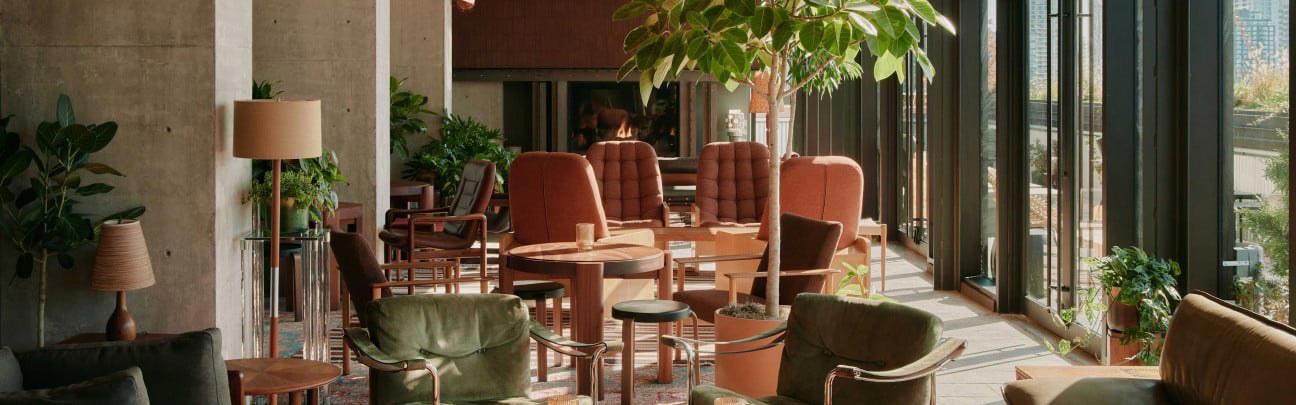
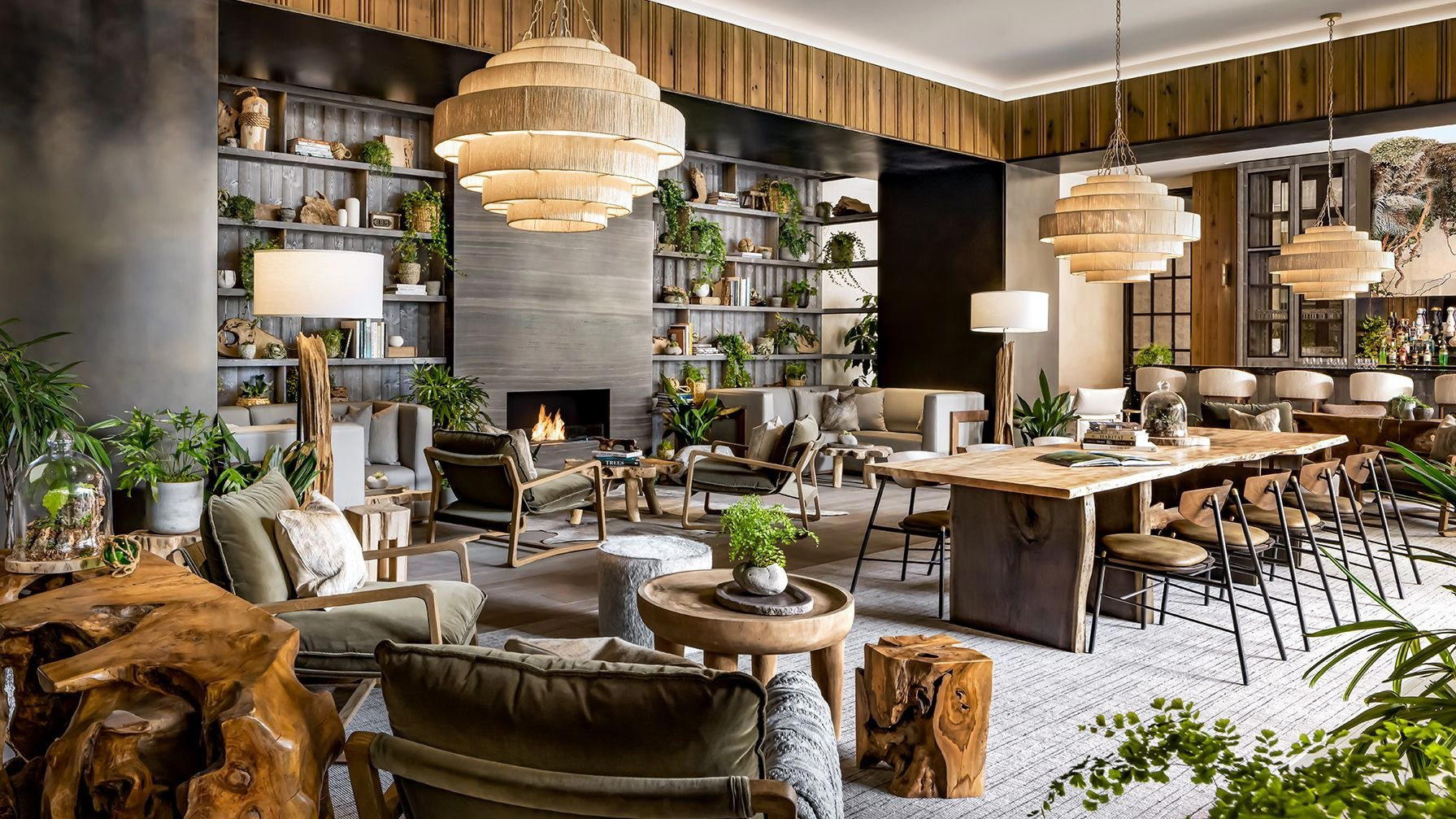
Approaching 607 College Street, the tone is less velvet-rope cocktail den than neighbourhood room with sharper ambitions. Little Italy gives the address its street life: late dinners, patio traffic, conversations spilling from restaurants, and the particular Toronto habit of treating a bar as both destination and local. Inside Bar Pompette, the visual grammar reads French café rather than laboratory. Bentwood chairs, a marble bar, espresso, wine, Sunday jazz, and a garden patio create the frame. The point is not nostalgia for Paris. The point is how Toronto’s better cocktail rooms have learned to hide technique inside places where guests can stay for more than one round.

That distinction matters in a city where cocktail culture has split into several camps. There are theatrical rooms built around surprise, polished hotel bars built around international templates, neighbourhood bars built around ease, and technical bars built around the drink itself. Bar Pompette sits at the crossing of the last two. It has the warmth and low-pressure pace of a local café, yet its public recognition places it in a much narrower peer set: World’s 50 Best Bars ranked it No. 70 in 2024 and No. 55 in 2025, while North America’s 50 Best Bars placed it No. 15 in 2023, No. 29 in 2024, and No. 7 in 2025. Top 500 Bars listed it at No. 57 in 2025. Those signals are not décor awards. They point to consistency, technique, and a drinks programme that has reached beyond Toronto without losing its College Street shape.

The cocktail programme is the story

French precision without the costume

Toronto has several bars that can produce a technically accomplished drink. Fewer manage to make technical ambition feel casual. Bar Pompette’s French character matters because it affects the tempo of the room: cocktails arrive in a setting that also supports espresso, wine, and lingering conversation. That café register softens the seriousness of the programme. The drinks are not presented as puzzles to be solved. They are built for clarity, with unlikely combinations made legible rather than left as demonstrations of cleverness.

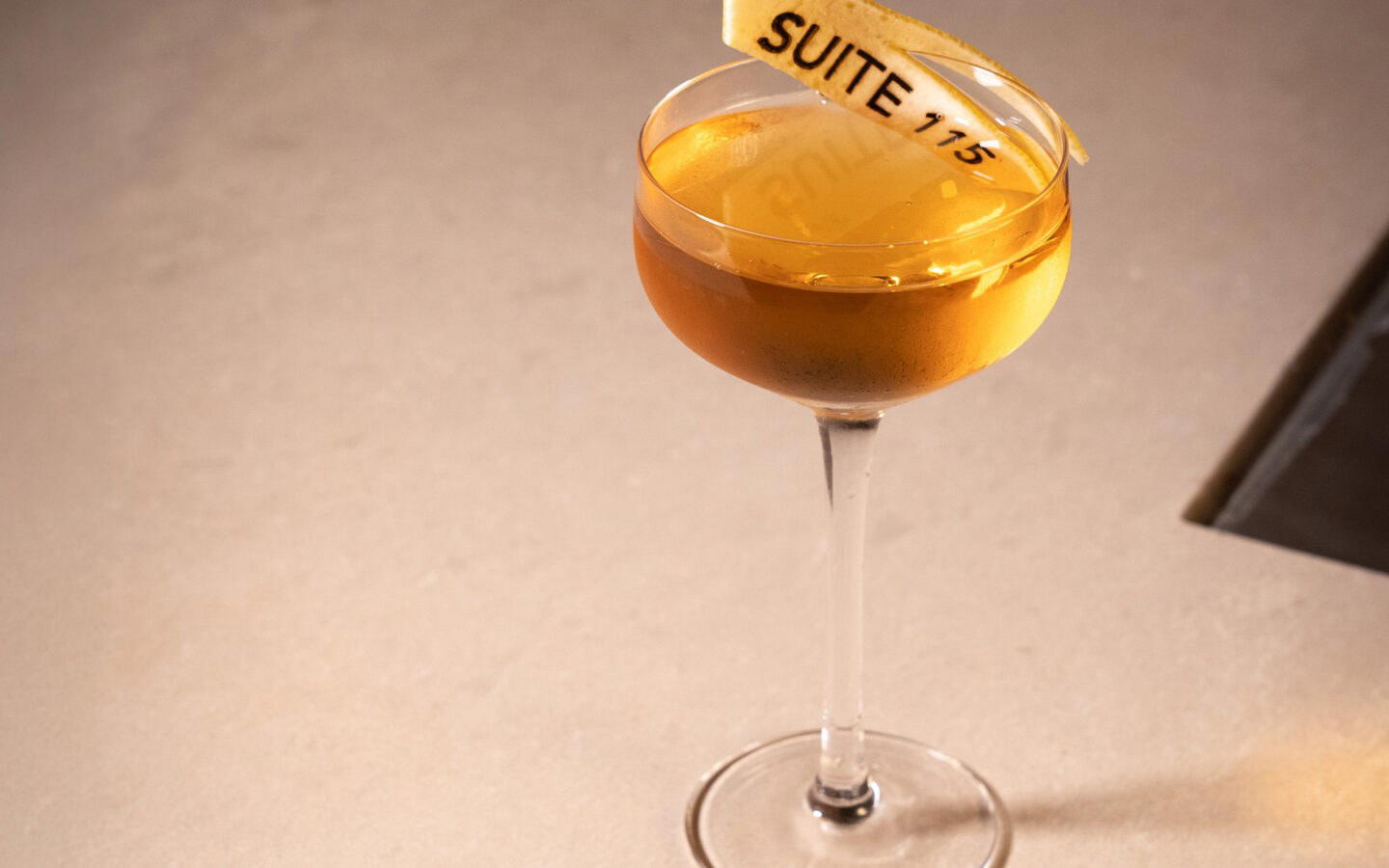
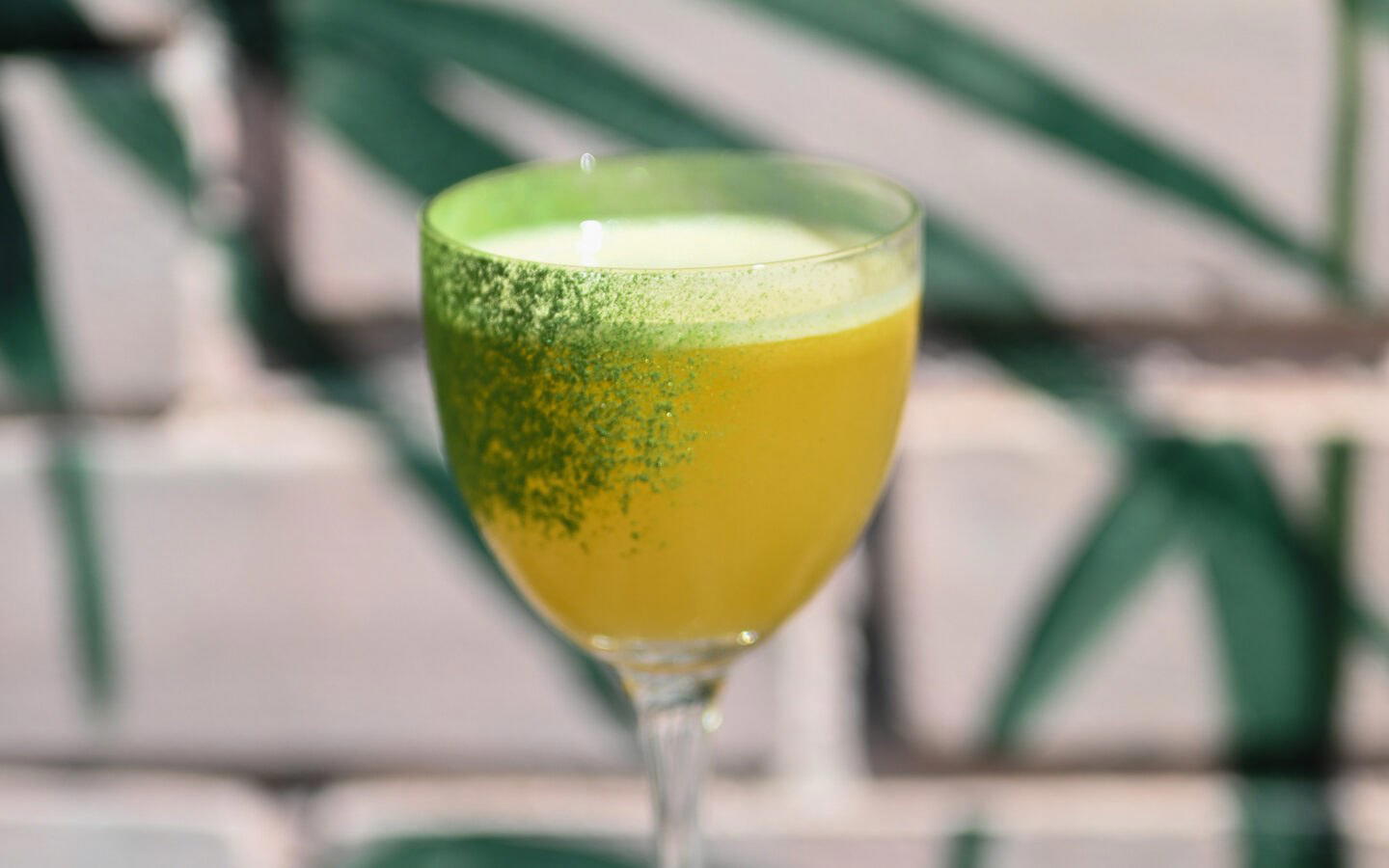
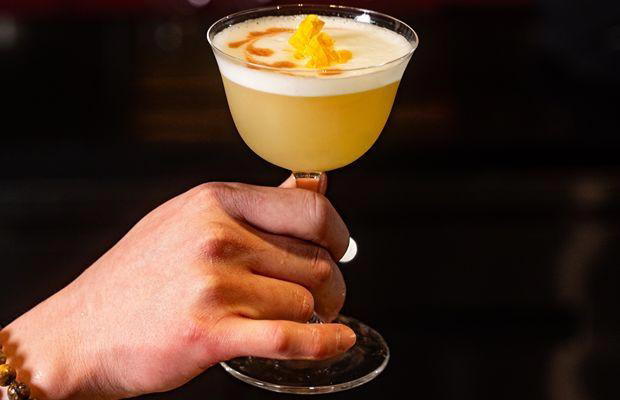
The database record gives useful examples of that method. The Cornichon is a martini riff with pickle distillate, a drink that could easily collapse into novelty if the savoury element overwhelmed the structure. Another house reference pairs cognac with masala chai and cinnamon roll, while the broader list has included curry leaf with rum and agave combined with a distillate made from birria stew. These are not conventional French café flavours, which is precisely why the room’s restraint matters. The setting supplies familiarity; the glass carries the experiment.

Locavorism, not as slogan but as operating system

The deeper point is local sourcing. In Canadian cocktail culture, regional identity often appears through spirits lists or polite nods to maple, spruce, or orchard fruit. Bar Pompette uses a more demanding model. Its programme is described through tight relationships with regional farmers and through seasonal ingredients farmed and foraged in Toronto’s greenbelt. That gives the bar a different relationship to Ontario than a venue that simply stocks local bottles. The work happens in prep, preservation, distillation, and menu editing.

This is where the bar belongs in a national comparison. Vancouver’s The Keefer Bar in Vancouver has long shown how a cocktail room can develop identity through a specific cultural and medicinal-apothecary register. Montréal’s Cloakroom in Montréal operates at the intimate, tailored end of the spectrum. New York’s Superbueno in New York City demonstrates how modern bars can translate culinary references into high-energy drinking. Bar Pompette’s lane is different: Ontario seasonality expressed through a French-accented neighbourhood format, with enough technical depth to appear on international rankings.

Five anchors in a seasonal list

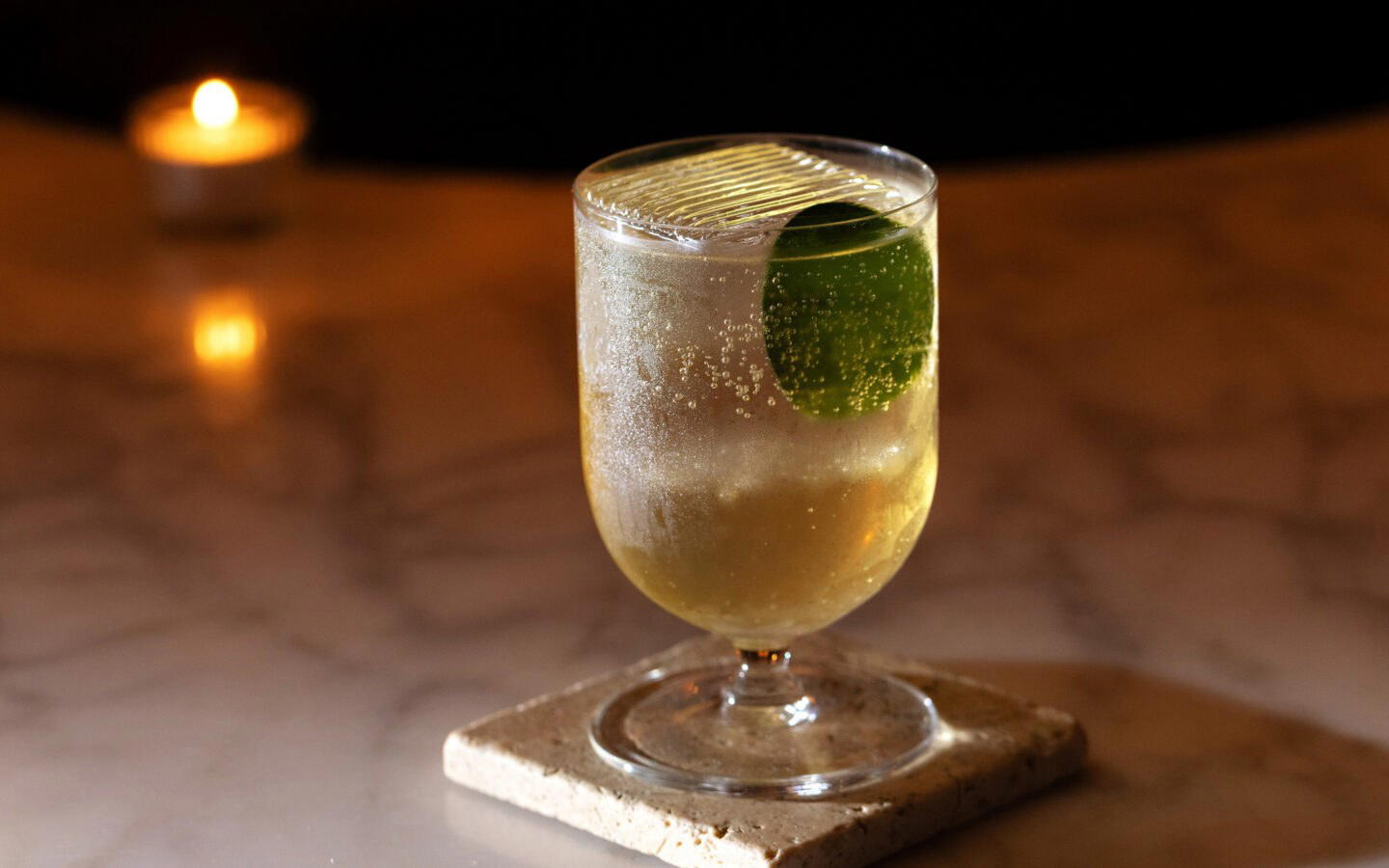
Seasonality can be thrilling for regulars and frustrating for visitors. Bar Pompette solves that by keeping five staple signatures while allowing much of the remaining menu to move with supply. The Cornichon gives the list an enduring savoury anchor. The record also identifies a Nitro Colada and the smoky Paloma Quemada among the bar’s recurring reference points. Seasonal drinks may disappear when ingredients run out, which is not a flaw in this style of programme. It is the natural consequence of working with farmed and foraged material rather than a fixed global supply chain.

The better reading is that Bar Pompette uses staple drinks as orientation markers. Guests can understand the house style through a few recurring signatures, then decide how far into the seasonal material to go. That is a more disciplined approach than a menu built entirely on novelty. It allows the team to protect identity while giving the list enough movement to reward repeat visits. In a city where many cocktail menus now advertise complexity, the stronger test is drinkability. The record repeatedly points to clarity and ease, which suggests a bar more interested in making unusual ingredients feel coherent than in making guests admire the mise en place.

The non-alcoholic signal

The bar’s recent work on a non-alcoholic aperitif made from botanicals sourced from Ontario and Quebec is a useful marker of where serious cocktail programmes are headed. Non-alcoholic drinks used to sit outside the creative centre of the bar, often treated as substitutions rather than authored drinks. A house aperitif built from regional botanicals places that category inside the same sourcing and technical logic as the alcoholic list. It also fits the café-bistro rhythm of the room, where a guest may want a first drink, a lighter second round, or a non-alcoholic option without being pushed into syrup and soda.

Toronto context: where Bar Pompette fits

Little Italy as a hospitality corridor

College Street is not a neutral backdrop. Little Italy has long mixed restaurants, bars, cafés, patios, and late-night movement, which makes it a natural setting for a venue that blurs the line between neighbourhood café and destination cocktail bar. The address also helps explain the bar’s walk-in feel. This is not a sealed luxury room removed from the city. It is part of a corridor where guests often build an evening across several stops, or choose one room and let the night lengthen.

For visitors mapping a broader itinerary, the area also sits well within Toronto’s wider food and drink network. EP Club’s full Toronto bars guide is the natural starting point for comparing cocktail rooms by neighbourhood and mood, while our full Toronto restaurants guide helps pair the bar with dinner before or after College Street. Travellers building a longer stay can connect the evening to our full Toronto hotels guide, and those looking beyond bars can use our full Toronto experiences guide or our full Toronto wineries guide for a broader Toronto plan.

A peer set built on service, not spectacle

Toronto’s stronger cocktail rooms do not all compete on the same terms. Bar Raval works through a Spanish bar vocabulary, curved wood, stand-up energy, and snack-driven pacing. Civil Liberties is associated with a more improvisational, bartender-led style. Bar Mordecai occupies a different design and social register, while Civil Works adds another contemporary Toronto reference point for drink-focused nights. Bar Pompette’s distinction is not that it is louder, more hidden, or more theatrical. Its position comes from a tighter fusion of neighbourhood hospitality and a researched, ingredient-led drink programme.

The 4.8 Google rating across 412 reviews adds a different kind of evidence. Awards show industry recognition; public ratings show that the room translates for regular guests. That combination is valuable in cocktail bars, where technical ambition can alienate casual drinkers if service becomes didactic. The record specifically notes service among the city’s stronger examples, and that detail aligns with the bar’s format. A small, walk-in-only space depends on judgment at the door, pacing at the bar, and staff who can explain a drink involving pickle distillate or birria distillate without making it sound like homework.

What to drink, and how to read the list

Start with structure, then choose the risk level

The right way to read this menu is not by scanning for familiar base spirits alone. Start with structure: martini riff, colada family, Paloma variation, aperitif mode, highball logic, or stirred drink. Then look at the ingredient that bends the drink away from expectation. Pickle distillate in the Cornichon, birria distillate in a margarita variant, curry leaf with rum, or cognac with masala chai and cinnamon roll all make more sense when seen as accents inside recognizable formats. That is why the drinks can be complex without becoming heavy.

Guests who prefer a safer first round should begin with one of the signatures. Guests who follow cocktail technique can move faster into the seasonal material, especially when the list is drawing heavily from Ontario produce. Because many drinks are tied to limited ingredients, availability is part of the experience rather than a guarantee. The practical implication is simple: if a seasonal drink sounds aligned with a guest’s preferences, delaying it until a later visit may mean missing that particular build.

Why the off-beat combinations work

There is a broader trend behind those flavour combinations. Contemporary cocktail bars increasingly borrow from kitchens: distillates, clarified components, ferments, savoury aromatics, and culinary memory. The risk is that a drink becomes a chef’s joke in liquid form. Bar Pompette’s reputation rests on avoiding that trap. The record emphasizes that surprising flavours come through with clarity, and clarity is the operative standard. A drink involving birria distillate should not taste like a bowl of stew. It should carry a controlled echo of spice, depth, and savoury warmth inside a balanced cocktail architecture.

That approach also explains why the French café setting is more than decoration. French drinking culture, at least in its café and aperitif modes, values proportion, bitterness, refreshment, and the social length of an evening. Bar Pompette uses that grammar while speaking in Toronto ingredients and contemporary bar technique. The result is a room that can satisfy cocktail obsessives without requiring every guest to behave like one.

Planning a visit

Address, timing, and expectations

Bar Pompette is at 607 College St, Toronto, ON M6G 1B5, in Little Italy. The venue record does not provide public hours, phone details, a formal price range, or a booking method, so plans should be made with that lack of fixed information in mind. The available record describes the space as cosy and walk-in-only, which means timing matters more than reservation strategy. Earlier arrivals are generally the lower-friction choice for small cocktail rooms, while peak evening windows on College Street tend to compress seating and stretch waits. Sunday jazz is part of the public description, so guests seeking a livelier café-bar mood should treat that as a distinct version of the room rather than a normal quiet drink.

Dress expectations are not listed in the venue data. The room’s character points toward polished casual rather than formal dining attire, but that should not be confused with carelessness. This is a recognized bar with a serious programme, not a pub stop between errands. The better plan is to arrive ready for a compact room, a menu that may change with ingredients, and a staff conversation that can steer the first round by flavour preference rather than by spirit alone.

Who should prioritize it

Bar Pompette makes the strongest case for three kinds of drinkers. The first is the cocktail regular who has become tired of technical menus that drink like lectures. The second is the traveller who wants evidence of Toronto in the glass rather than a portable international bar format. The third is the guest who values service as part of the drink, especially in a room where unusual ingredients need translation. It is less suited to large groups seeking guaranteed seating, or to anyone who wants a fixed menu researched weeks in advance. Its better rhythm is smaller-party, flexible, and curious.

Signature Pours
Nitro ColadaPaloma QuemadaCornichon
Frequently asked questions

City Peers

Comparable options at a glance, pulled from our tracked venues.

At a Glance
Vibe
  • Cozy
  • Sophisticated
  • Intimate
  • Trendy
Best For
  • Date Night
  • Casual Hangout
Experience
  • Standalone
Format
  • Seated Bar
  • Lounge Seating
Drink Program
  • Craft Cocktails
Dress CodeSmart Casual
Noise LevelConversational
CapacityIntimate
Service StyleUpscale Casual

Cozy neighborhood bistro feel with classic French character, warm and graceful service in a sanctuary-like space.

Signature Pours
Nitro ColadaPaloma QuemadaCornichon