Bar Odette en Ville sits in Elsene’s Châtelain quarter, a Brussels district where townhouse polish, after-work drinking and hotel-bar manners overlap. With little public venue data beyond its address, the useful reading is contextual: approach it as a neighbourhood bar in a polished Ixelles setting, then verify current cocktail list, hours and booking expectations directly before planning an evening around it.
Pearl is the En Primeur Club membership app — saves, bookings, and concierge access live there. Same editors, same standards.
- Address
- Rue du Châtelain 25, 1050 Bruxelles, Belgium
- Phone
- +32 2 640 26 26
- Website
- odetteenville.be
- Directions
- Get directions
 Saves & bookings on Pearl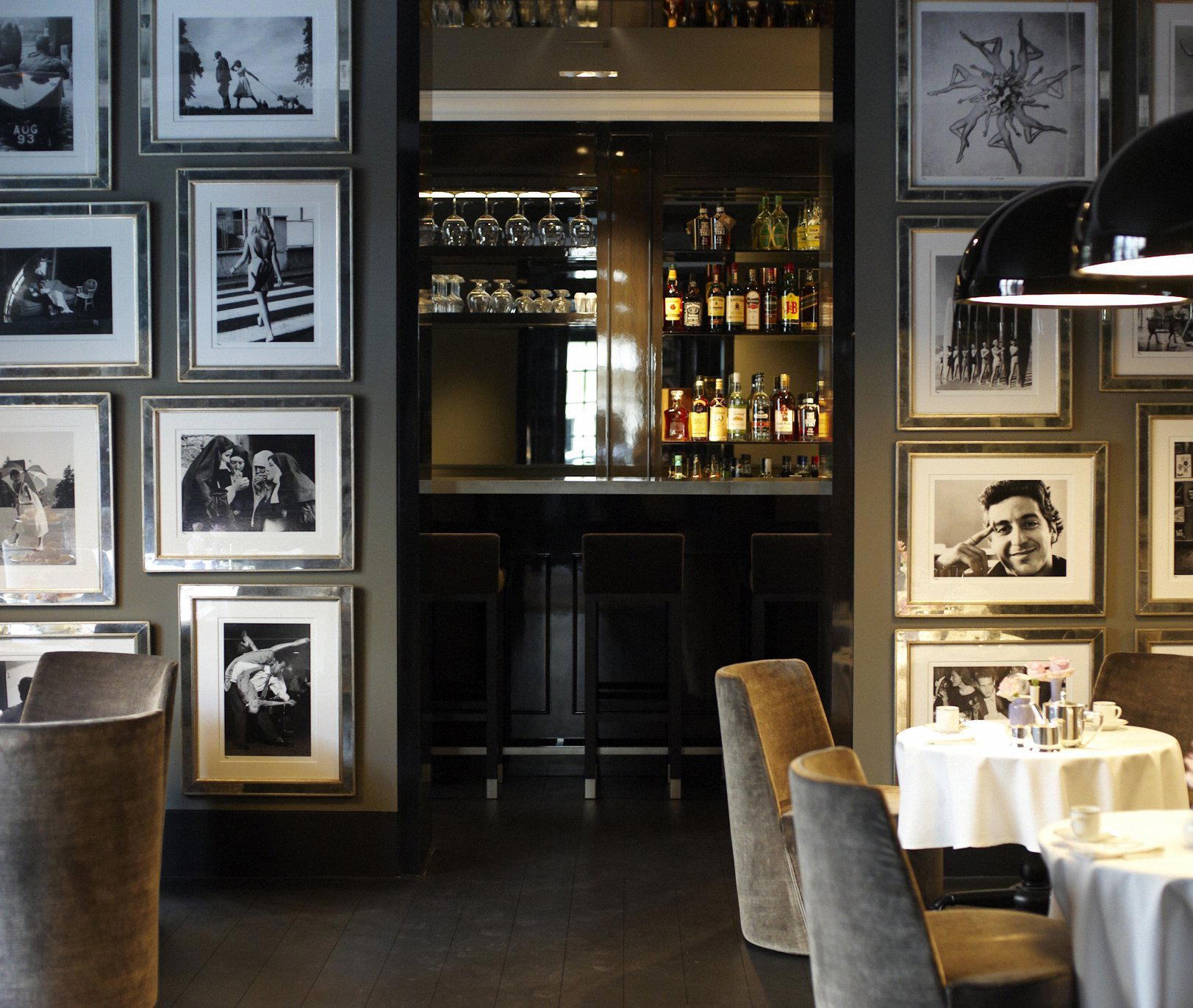
Châtelain polish, seen through the glass
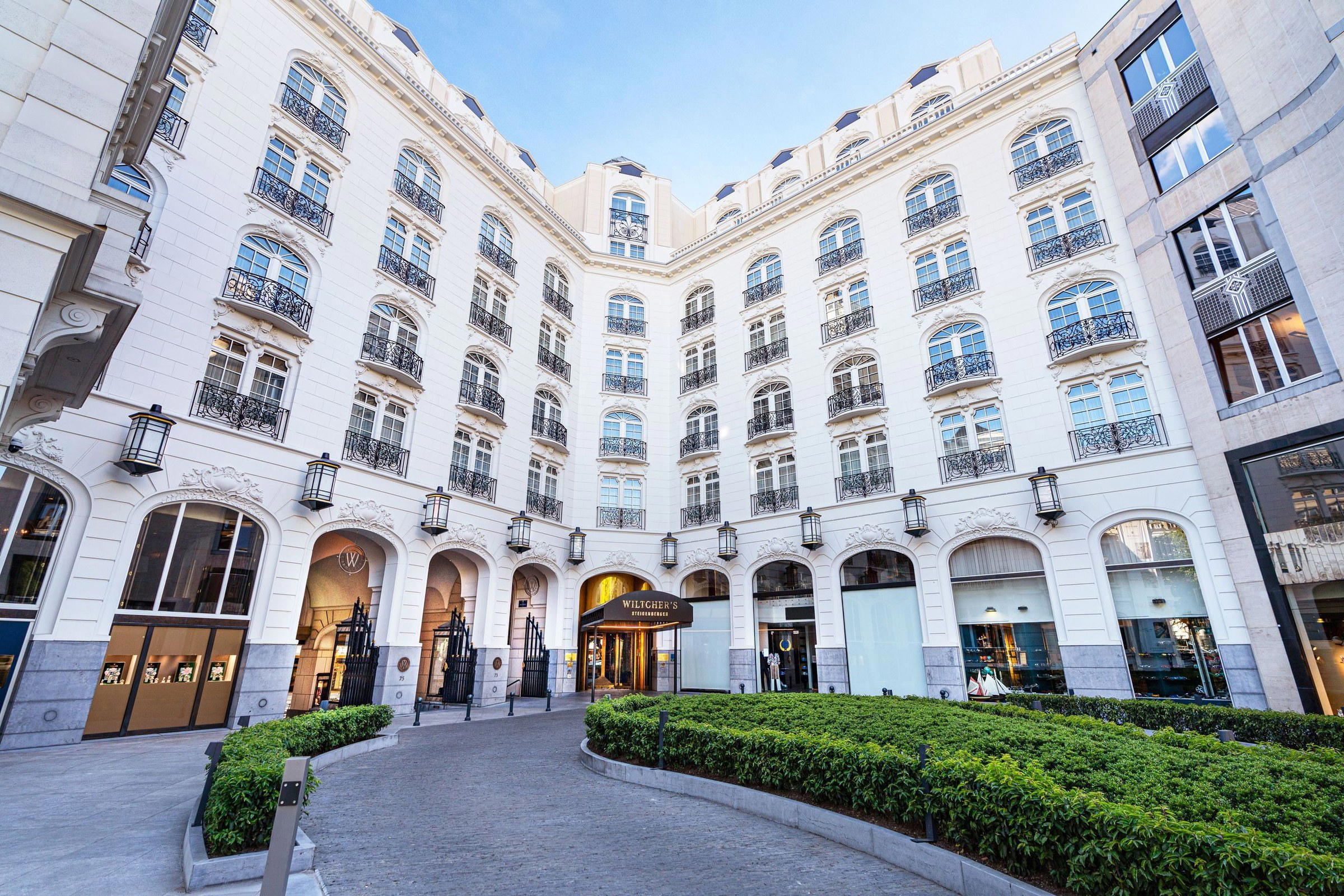
Rue du Châtelain is not the Brussels of grand squares and brewery folklore. It is Elsene at a more residential pitch: townhouses, design shops, terraces that fill after office hours, and a crowd that tends to treat a drink as part of an evening rather than a prelude to excess. Bar Odette en Ville belongs to that Châtelain rhythm. The address, Rue du Châtelain 25, places it in a district where the useful comparison is not the tourist café circuit around the centre, but the quieter Brussels habit of meeting over one or two considered drinks in a room with manners.
That distinction matters for cocktail drinkers. Brussels has long been read through beer, lambic, abbey styles and historic cafés, yet the city’s contemporary drinking culture is broader than that. In neighbourhoods such as Elsene, Saint-Gilles and the Marolles, the bar decision often turns on tone: hotel-adjacent polish, wine-bar informality, café tradition, or a more technical cocktail counter. Bar Odette en Ville sits in the polished-neighbourhood category rather than the heritage-brasserie one. For travellers building an Elsene evening, it is better understood as part of the Châtelain social map than as a destination with a public awards trail.
That absence should not be filled with invented detail. It simply changes the editorial reading. The draw here is not a documented signature drink or a named bartender’s public résumé; it is the location and the kind of Brussels drinking it implies. Châtelain favours adults who want a drink before or after dinner without crossing town, and that places the bar in a useful role for the neighbourhood.
The cocktail programme, read with restraint
A serious cocktail assessment depends on evidence: menu structure, house techniques, bartender credentials, glassware choices, ice programme, spirit depth, pricing and service pacing. The bar should be framed as a Châtelain address to check for current cocktails rather than as a documented technical programme with named drinks. That does not weaken its usefulness; it prevents the familiar error of turning every bar into a laboratory on paper.
In Brussels, a cocktail bar does not need to mimic London hotel grandeur or New York speakeasy choreography to matter. Many good evenings in the city happen in mixed-use rooms where cocktails, wine and aperitif drinking share the same social function. The critical question is how much discipline sits behind that flexibility. A bar with a concise list, clean classics and staff who can steer between bitter, sour, stirred and long drinks will serve Châtelain better than a large menu padded with theatre. Without published menu data, visitors should treat the current list as something to confirm on arrival or through direct contact if contact details become available.
The wider Brussels scene gives the comparison. Historic addresses such as À La Mort Subite in Pl De Brouckere carry the weight of café culture, beer service and civic memory. Wine-led rooms such as Le Wine Bar des Marolles in Brussels speak to another register: bottle choice, conversation, and the slower pace of a table rather than a counter. Hotel bars, including Le Louise Hotel Brussels, often lean on consistency and international polish. Bar Odette en Ville is more plausibly judged against this Brussels spectrum than against global cocktail rankings.
Why Elsene changes the way a bar is used
Elsene, often referred to by its French name Ixelles, is one of Brussels’ more revealing districts for dining and drinking because it is not one thing. Around Avenue Louise, luxury retail and hotel traffic create one rhythm. Near Flagey, students, residents and cultural venues pull the night in a different direction. Châtelain has its own code: weekday market energy, terrace culture, dinner reservations, and an appetite for rooms that feel composed without becoming stiff. A bar in this pocket is judged by how well it fits into an evening that may include a restaurant, a late walk, or a short taxi ride back toward Louise.
That context is useful because the venue data does not provide awards or ratings. In the absence of Michelin-style recognition, the trust signal comes from location and category fit. Rue du Châtelain is a meaningful address for a bar because it sits inside an established dining and social quarter, not on an isolated nightlife strip. Travellers comparing options across the commune can use Our full Elsene bars guide for the drinking side, then cross-check meals through Our full Elsene restaurants guide. The pairing is practical: Châtelain works well when the drink and dinner choices are kept close together.
For visitors staying nearby, the district also rewards short planning loops. A hotel in Elsene removes the need to treat the bar as a major logistical project. Our full Elsene hotels guide helps frame that decision, especially for travellers who want to stay around Avenue Louise or Châtelain rather than commute in from the Grand Place area. The same neighbourhood logic applies beyond bars: Our full Elsene experiences guide and Our full Elsene wineries guide are useful for understanding how concentrated or thin certain categories are within the commune.
Brussels drinking culture beyond the postcard
The easy version of Brussels drinking is beer, and it is not wrong. The city has deep café traditions, and its older rooms carry a social authority that new cocktail bars cannot fake. But premium travel in Brussels now asks a wider question: where does the visitor want to sit on the scale between heritage and contemporary comfort?
This is where comparisons outside Elsene become useful. 1000 Brussels in Grand Place points toward the central-city tourist orbit, where location often shapes expectations before the drink arrives. Bar Boutique in Bruges belongs to a different Belgian context, where visitors often fold a drink into a compact historic city. Robijn Wine&Food in Genk signals the wine-and-food hybrid model that has become more common across smaller Belgian cities. These references are not interchangeable with Châtelain, but they clarify the point: Belgian bar culture is plural, and Brussels should not be reduced to one inherited drinking script.
International comparison can sharpen that reading as well. Café La Trova in Miami is built around a more performative cocktail culture, with music, Cuban-American identity and a known bar personality central to the experience. Châtelain operates at a different volume. Here the more valuable question is whether a bar gives the neighbourhood a reliable, adult place to begin or end the night. Bar Odette en Ville should be approached through that lens until firmer public data supports a more technical claim.
What to expect without over-reading the record
The responsible expectation is simple: a bar at Rue du Châtelain 25 in Elsene, useful for travellers who want to drink in the Châtelain quarter rather than default to central Brussels. Those gaps are not minor when planning around a specific drink, so the bar is better placed as a flexible evening option than as the sole anchor of a high-stakes itinerary.
For formality, Châtelain generally supports smart-casual behaviour better than theatrical dressing. That is a neighbourhood reading, not a venue rule. Without a listed dress code, the safest interpretation is polished but not rigid: the kind of room where a jacket would not be out of place, but where the point is conversation and timing rather than ceremony. Travellers coming from dinner in Elsene will likely be aligned with the tone already. Those arriving after a day of sightseeing should not assume that a casual café mood applies to every room in the quarter.
Elsene and the Avenue Louise orbit often price above student-bar levels and below grand-hotel extremes, but Bar Odette en Ville’s exact tariff is not supplied. Anyone choosing between a cocktail here, a wine bar in the Marolles, or a historic café near De Brouckère should make the choice on setting first, then confirm the bill in person. In Brussels, the difference between a casual beer stop and a composed cocktail can be material once service, spirits and location enter the equation.
Planning the evening
Plan with a margin because the public record supplied here does not include hours, phone, website or a booking method. That means no responsible guide should promise walk-in availability, late service or reservation procedure. The practical move is to treat Bar Odette en Ville as a Châtelain stop to verify before committing the whole evening, especially on weekends or during periods when the neighbourhood is busy with dinners and terrace traffic.
The address is specific enough for itinerary planning: Rue du Châtelain 25, 1050 Bruxelles, Belgium. Since latitude and longitude are not supplied, exact distances should not be stated. The useful geographical cue is district-level: this is Elsene, in the Châtelain area, which makes it more convenient for travellers already dining or staying around Châtelain, Bailli or Avenue Louise than for those anchored north of the historic centre. If the evening includes multiple stops, keep them within the same pocket of Elsene rather than crossing Brussels for a single drink unless the current programme has been confirmed.
Timing should follow local rhythm. Early evening works for a calmer read on a bar; later slots tell more about its social role. Châtelain can become busier around dinner and after-work hours, so anyone using the bar for a quiet conversation should think earlier rather than later. For a more animated neighbourhood mood, arrive after the dinner wave begins. Again, no venue-specific crowd pattern is supplied, so this is district intelligence rather than a claim about the room’s exact pacing.
At a Glance
- Elegant
- Sophisticated
- Cozy
- Romantic
- Classic
- Intimate
- Date Night
- After Work
- Special Occasion
- Casual Hangout
- Hotel Bar
- Design Destination
- Historic Building
- Standalone
- Seated Bar
- Lounge Seating
- Outdoor Terrace
- Classic Cocktails
- Craft Cocktails
- Conventional Wine
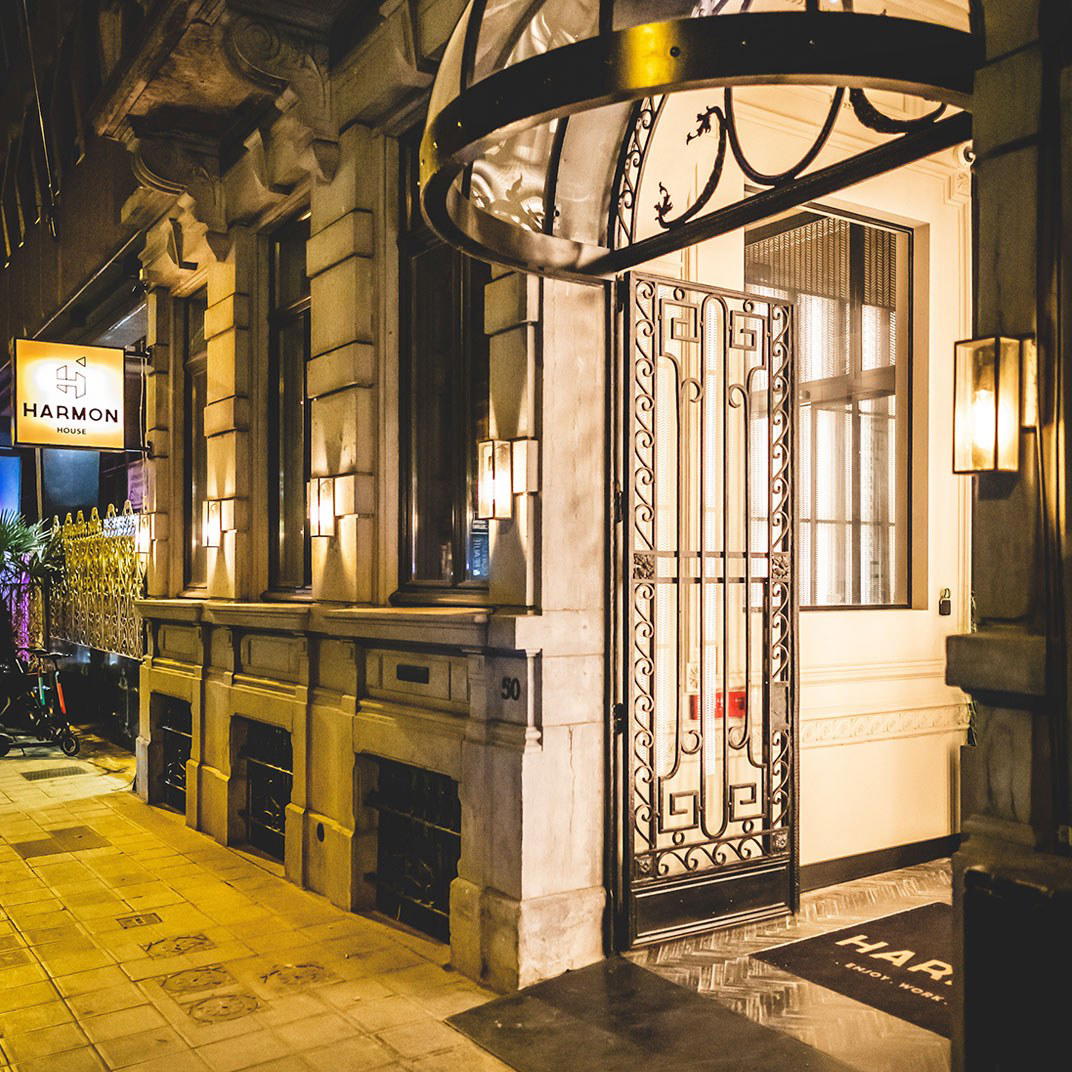
- Street Scene
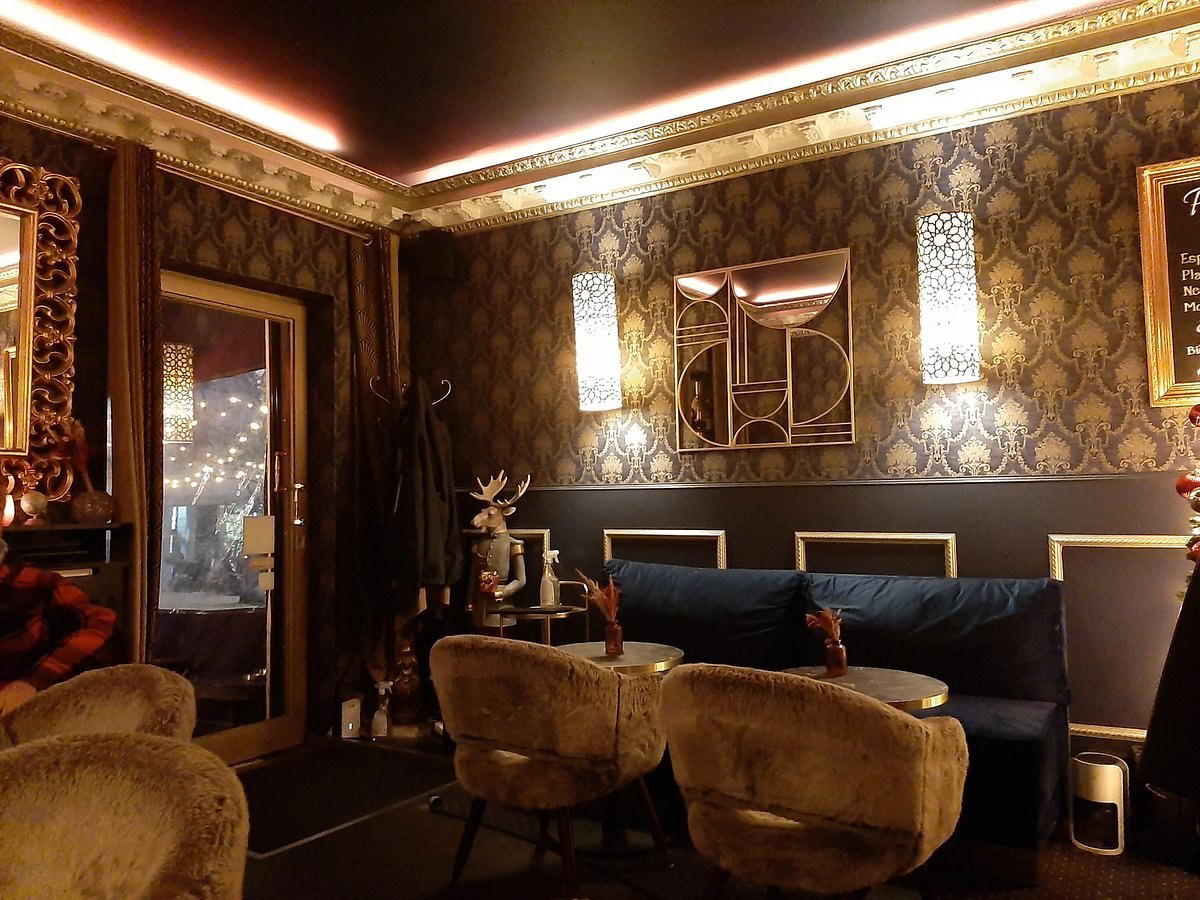
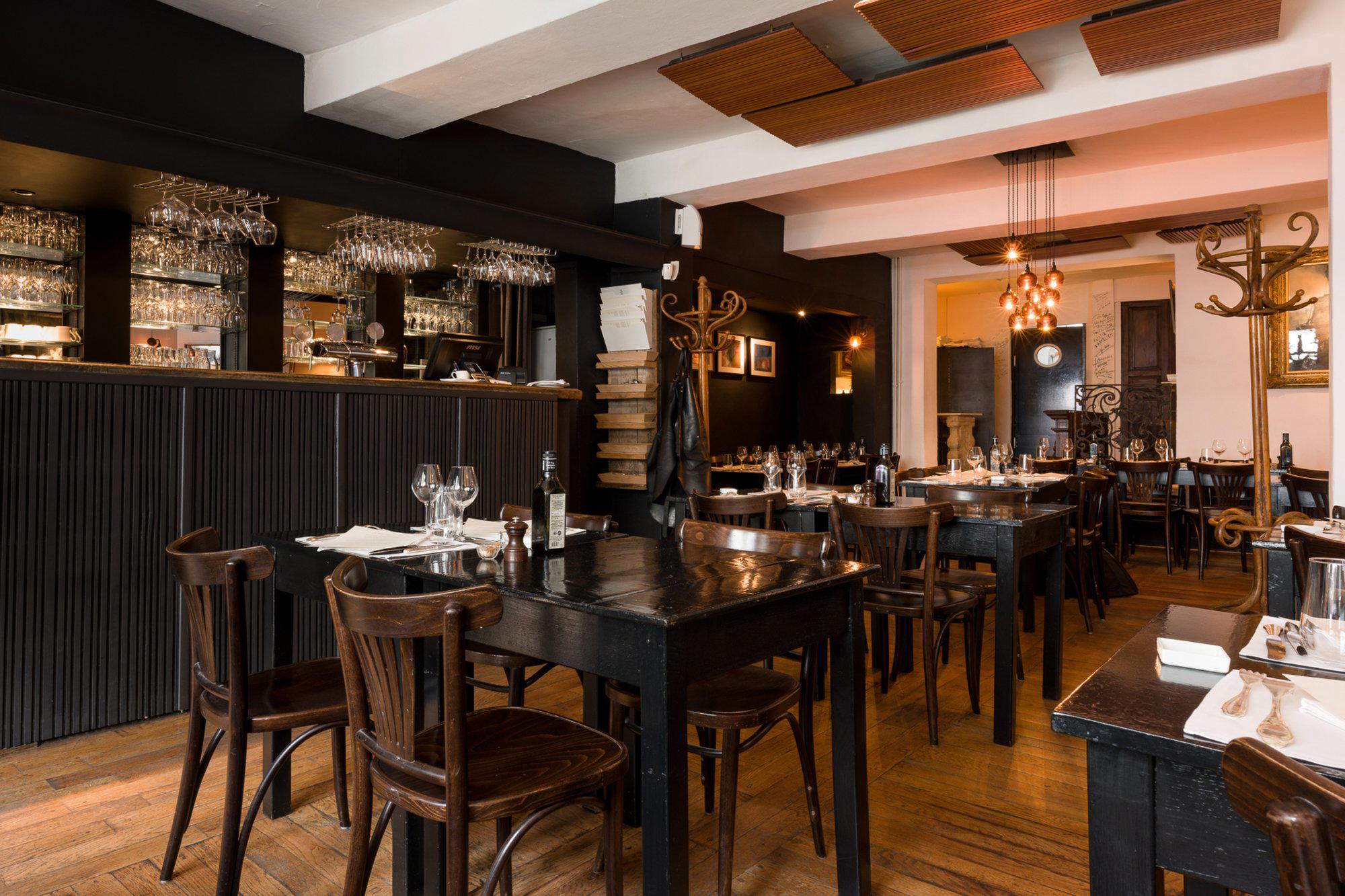
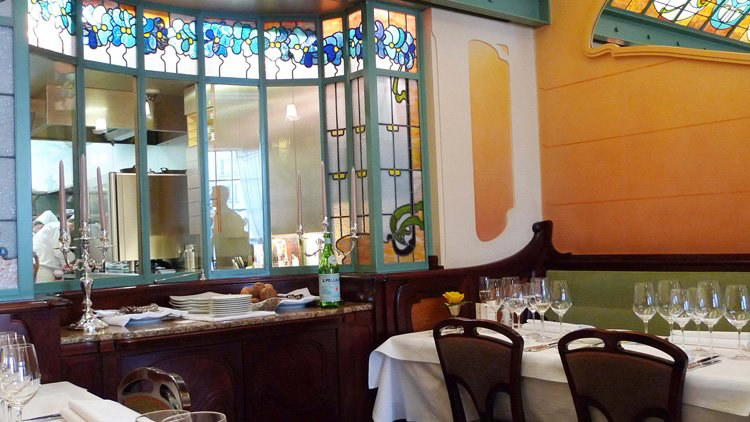
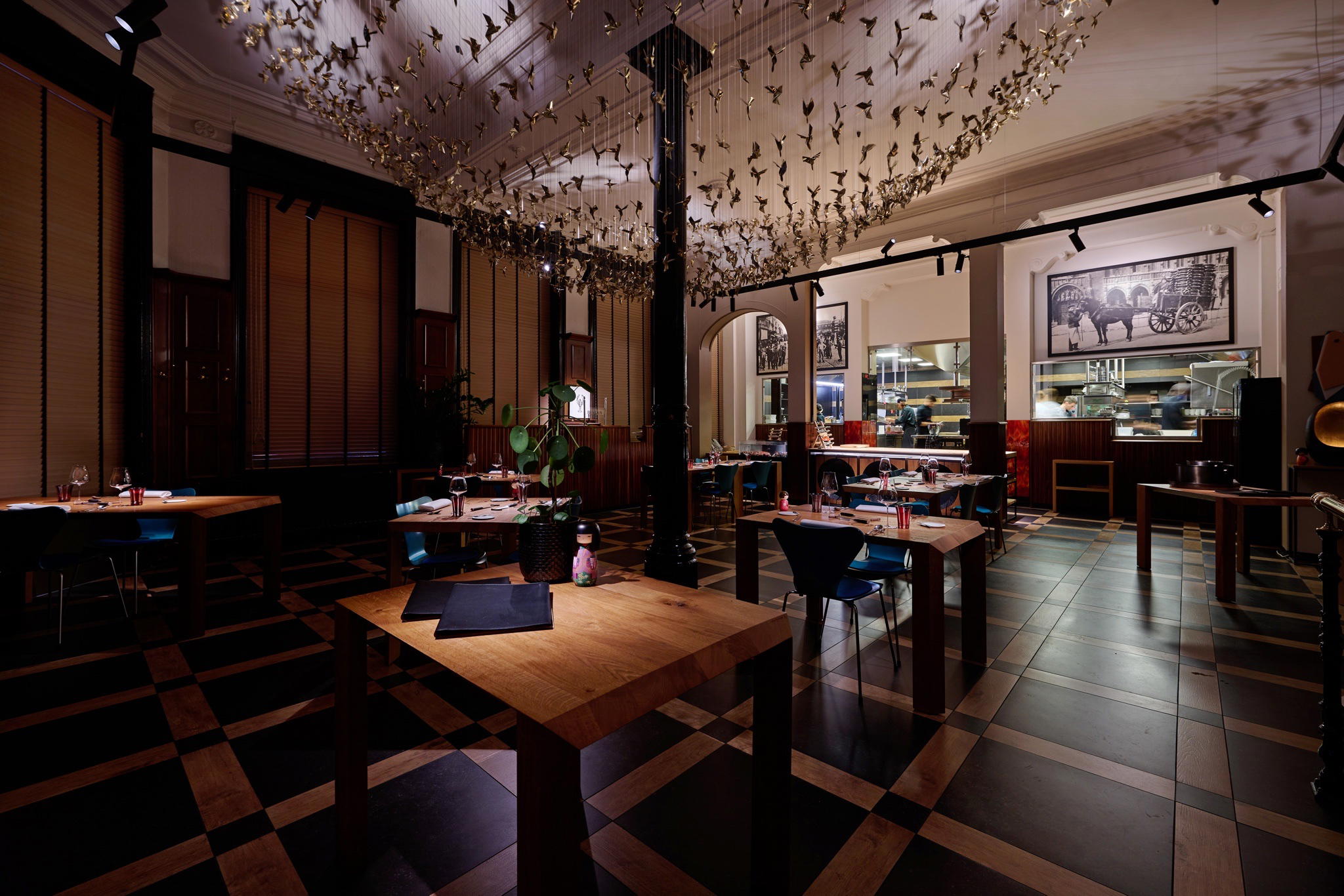
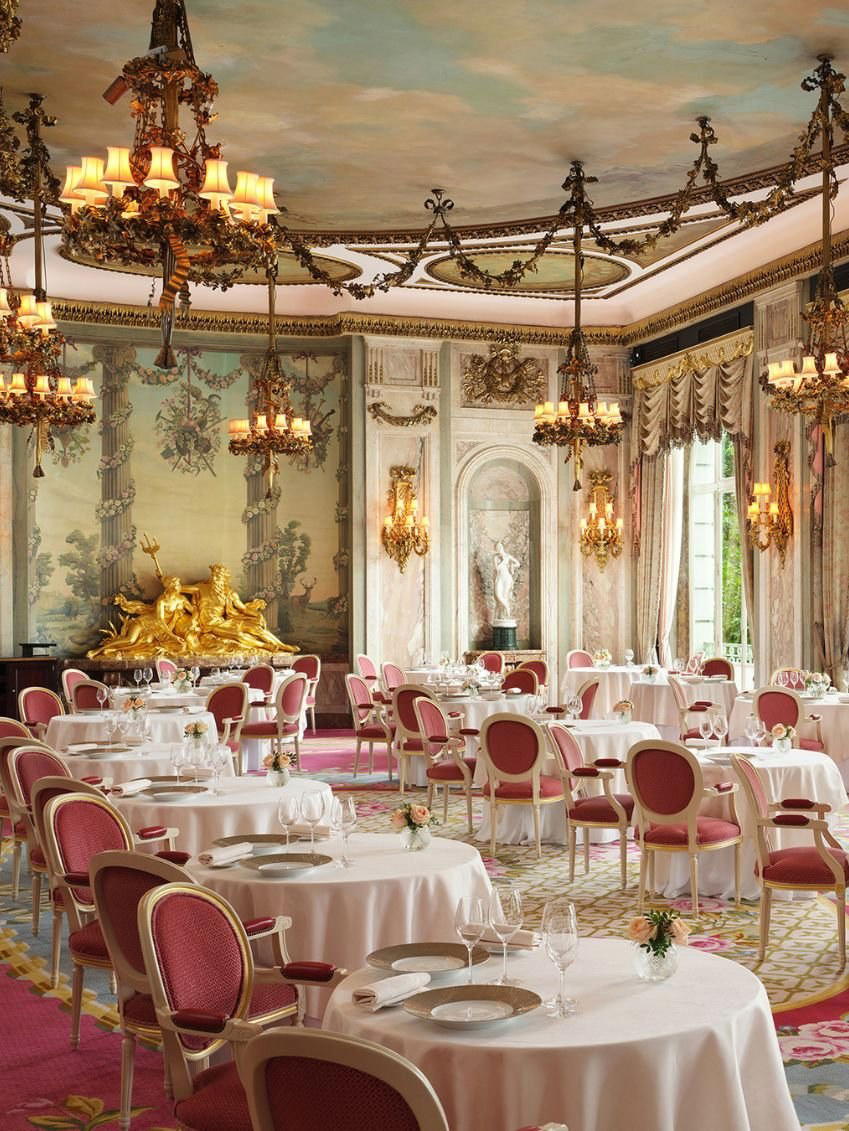
Feutred and cosy, with a chic, intimate, low-lit atmosphere that feels more like a stylish private club than a standard bar.