Via del Babuino and the Art of the Roman Back Bar Rome's cocktail scene has spent the better part of a decade sorting itself into two recognisable tiers. The first is the aperitivo-led, high-volume category that fills the Pigneto and Trastevere streets by early evening. The second is a smaller, more considered group of addresses where the spirits collection itself is the primary argument for visiting. Babuino Terrace, positioned along Via del Babuino at number 181, operates in that second category. The street runs between Piazza del Popolo and the best of the Spanish Steps, a corridor that has long attracted design studios, art galleries, and a quieter, more composed kind of Roman street life than the tourist-dense zones a few hundred metres south. That context matters. The clientele and the pace on Via del Babuino tend to self-select for a different kind of evening than the ones unfolding around the Pantheon or Campo de' Fiori. The Back Bar as the Editorial Statement In the more serious Roman drinking rooms, the back bar functions less as decoration and more as a statement of intent. Rome's most referenced spirits-forward addresses have understood this for years. Jerry Thomas Speakeasy, operating out of a basement near Campo de' Fiori, built its reputation on exactly this model: rare bottles, low capacity, and a format that rewards those who know what to ask for. Drink Kong near Termini approaches the same logic from a more technically driven cocktail programme, where the depth of the spirits library underpins the menu's ambition. Babuino Terrace approaches the question from a different physical position: a terrace format on one of Rome's most composed streets, where the spirits collection operates as the counterweight to the openness of the setting. The terrace format in Rome presents a particular challenge for serious drinking spaces. The visual openness and the ambient noise of the street can dilute the focused atmosphere that a strong spirits programme typically requires. The bars that manage this well do so by maintaining a back bar or spirits display that anchors the experience, ensuring that the outdoor setting enhances rather than undermines the quality of what's being poured. Via del Babuino's relative calm, compared to the more chaotic terraces further south in the city, gives Babuino Terrace a structural advantage in this regard. Rome's Spirits Scene in Wider Italian Context Understanding where Babuino Terrace sits requires some sense of how Rome's bar scene compares to other Italian cities. Milan's cocktail culture, anchored by addresses like Moebius Milano, tends toward technical precision and international spirits literacy. Florence's most interesting bars, including Gucci Giardino, often fold aesthetic and cultural identity into the drinking experience in ways that are specific to that city's relationship with craft and design. Naples takes a different approach again: L'Antiquario is arguably the country's strongest argument for the antique-collector model of bar curation, where the physical objects and the bottles in the collection tell parallel stories. Turin, home to Caffé Al Bicerin and the vermouth tradition that shaped Italian aperitivo culture globally, operates as a reminder that Italy's most influential drinking formats are often rooted in specific regional histories rather than international trends. Rome's contribution to this national conversation is less codified than Milan's or Turin's, which is partly what makes the city's better bars interesting. The Roman approach tends to absorb multiple influences without fully committing to any single school, and the bars that manage to develop a clear identity within that context tend to be the ones worth tracking. Boeme and Freni e Frizioni represent two distinct points on that spectrum: the former leaning into a more intimate, curated format, the latter operating at higher volume with a Trastevere aperitivo energy that is very specifically Roman. Babuino Terrace occupies a different position on the map, both literally and editorially. When a bar invests seriously in rare and aged spirits, it is positioning itself against a specific kind of competition. The conversation shifts from price-per-drink comparisons to the question of what the guest can access that they cannot find elsewhere. Aged single malts from closed distilleries, limited-release Italian amari, small-production Caribbean rums, and vertical collections of aged Cognac or Armagnac all function as evidence of a curatorial commitment that goes beyond the standard well. The back bar becomes a reference library rather than a product display. This model works well when the physical space supports focused attention. The terrace setting on Via del Babuino provides a specific kind of Roman evening: composed, unhurried, with the architectural quality of the street providing a visual backdrop that is genuinely distinct from the more chaotic central zones. For spirits-minded visitors, that combination of setting and collection depth is the primary argument for seeking out Babuino Terrace over the higher-profile aperitivo destinations that dominate most Rome itineraries. For wider reference on Rome's bar and restaurant scene, the EP Club Rome guide maps the full range of the city's drinking and dining addresses across neighbourhoods and price tiers. For comparison outside Italy, Lost & Found in Nicosia and Café La Trova in Miami and Cugini di Torino in Nizza Monferrato each represent different national takes on the spirits-collection-as-identity model that Babuino Terrace pursues in its Roman context. Planning a Visit Babuino Terrace is located at Via del Babuino, 181, in the 00187 postal district of Rome, within walking distance of both Piazza del Popolo and the best of the Spanish Steps. The street is accessible on foot from the Spagna metro station on Line A. The terrace setting makes spring and early autumn the most comfortable periods for an extended evening, when the ambient temperature on the street holds into the late hours without the heat compression of July and August. Frequently Asked Questions What should I expect atmosphere-wise at Babuino Terrace? Via del Babuino has a different register than Rome's more chaotic central streets. The terrace format here sits within a corridor known for galleries and design studios, which shapes the pace and the clientele. Expect a composed, unhurried setting rather than the high-volume aperitivo energy of Trastevere or Pigneto. Whether that atmosphere is the right match depends on what kind of Roman evening you are after: this address leans toward the slower, more deliberate end of the spectrum. What should I try at Babuino Terrace? Rome's better spirits bars, from Jerry Thomas Speakeasy to Drink Kong, reward guests who engage with what the back bar actually holds. Babuino Terrace's position in that category suggests the same approach applies here. What's the defining thing about Babuino Terrace? The combination of address and format is the primary distinction. Via del Babuino is a specific kind of Roman street: architecturally coherent, relatively calm, positioned between two of the city's major landmark piazzas. A terrace operation at this location that takes its spirits collection seriously occupies a niche that is not replicated elsewhere in central Rome. The location alone places it in a different competitive set from the more accessible aperitivo bars further into the centro storico. Do they take walk-ins at Babuino Terrace? Terrace operations in Rome vary significantly by season and day of week. During peak months, particularly from April through September, demand at well-located central addresses tends to fill available space by early evening. Arriving before the aperitivo hour, typically before 19:00, offers the leading chance of securing a spot without a prior arrangement. For confirmed booking information, contacting the venue directly is the only reliable method, as no third-party booking data is currently available through EP Club for this address. Should I make the effort to visit Babuino Terrace? If the draw is a spirits-forward evening in a composed, architecturally interesting setting within central Rome, then yes, the location and format both support the effort. The Via del Babuino address is one of the more pleasant streets in the centro storico for an extended outdoor evening, and the back bar depth at addresses in this category typically justifies a deliberate visit over a casual stop. For a fuller picture of what Rome's bar scene offers across formats and neighbourhoods, the EP Club Rome guide is the more complete reference. Is Babuino Terrace a good choice for someone interested in Italian amaro and digestivo culture specifically? Rome sits within a country that produces some of the world's most varied amaro expressions, from the alpine bitter tradition of the north to the citrus-forward Sicilian styles and the artichoke-based Cynar that Roman bars have long made their own. Bars on Via del Babuino that invest in back bar depth tend to include Italian digestivi as a core part of the collection rather than an afterthought, making them more useful for this kind of exploration than the standard aperitivo-led addresses. For context on how Italian spirits culture varies by region, the EP Club guides to Naples (L'Antiquario) and Turin (Caffé Al Bicerin) offer useful reference points for understanding the national range.
Pearl is the En Primeur Club membership app — saves, bookings, and concierge access live there. Same editors, same standards.
- Address
- Via del Babuino, 181, 00187 Roma RM, Italy
- Phone
- +39 06 3229 5295
- Website
- romeluxurysuites.com
- Directions
- Get directions
 Saves & bookings on Pearl
Via del Babuino and the Art of the Roman Back Bar
Rome's cocktail scene has spent the better part of a decade sorting itself into two recognisable tiers. The first is the aperitivo-led, high-volume category that fills the Pigneto and Trastevere streets by early evening. The second is a smaller, more considered group of addresses where the spirits collection itself is the primary argument for visiting. Babuino Terrace, positioned along Via del Babuino at number 181, operates in that second category. The street runs between Piazza del Popolo and the best of the Spanish Steps, a corridor that has long attracted design studios, art galleries, and a quieter, more composed kind of Roman street life than the tourist-dense zones a few hundred metres south. That context matters. The clientele and the pace on Via del Babuino tend to self-select for a different kind of evening than the ones unfolding around the Pantheon or Campo de' Fiori.
The Back Bar as the Editorial Statement
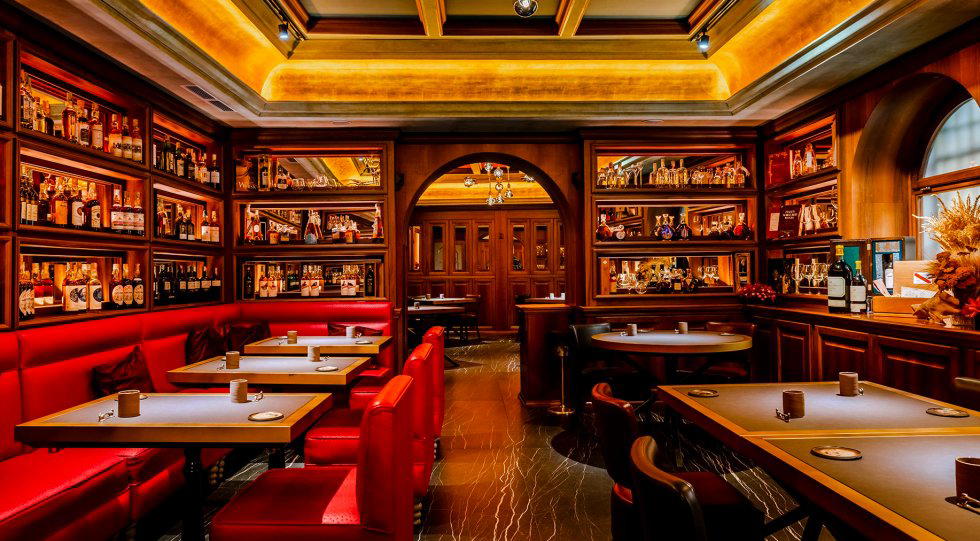
In the more serious Roman drinking rooms, the back bar functions less as decoration and more as a statement of intent. Rome's most referenced spirits-forward addresses have understood this for years. Jerry Thomas Speakeasy, operating out of a basement near Campo de' Fiori, built its reputation on exactly this model: rare bottles, low capacity, and a format that rewards those who know what to ask for. Drink Kong near Termini approaches the same logic from a more technically driven cocktail programme, where the depth of the spirits library underpins the menu's ambition. Babuino Terrace approaches the question from a different physical position: a terrace format on one of Rome's most composed streets, where the spirits collection operates as the counterweight to the openness of the setting.
The terrace format in Rome presents a particular challenge for serious drinking spaces. The visual openness and the ambient noise of the street can dilute the focused atmosphere that a strong spirits programme typically requires. The bars that manage this well do so by maintaining a back bar or spirits display that anchors the experience, ensuring that the outdoor setting enhances rather than undermines the quality of what's being poured. Via del Babuino's relative calm, compared to the more chaotic terraces further south in the city, gives Babuino Terrace a structural advantage in this regard.
Rome's Spirits Scene in Wider Italian Context
Understanding where Babuino Terrace sits requires some sense of how Rome's bar scene compares to other Italian cities. Milan's cocktail culture, anchored by addresses like Moebius Milano, tends toward technical precision and international spirits literacy. Florence's most interesting bars, including Gucci Giardino, often fold aesthetic and cultural identity into the drinking experience in ways that are specific to that city's relationship with craft and design. Naples takes a different approach again: L'Antiquario is arguably the country's strongest argument for the antique-collector model of bar curation, where the physical objects and the bottles in the collection tell parallel stories. Turin, home to Caffé Al Bicerin and the vermouth tradition that shaped Italian aperitivo culture globally, operates as a reminder that Italy's most influential drinking formats are often rooted in specific regional histories rather than international trends.
Rome's contribution to this national conversation is less codified than Milan's or Turin's, which is partly what makes the city's better bars interesting. The Roman approach tends to absorb multiple influences without fully committing to any single school, and the bars that manage to develop a clear identity within that context tend to be the ones worth tracking. Boeme and Freni e Frizioni represent two distinct points on that spectrum: the former leaning into a more intimate, curated format, the latter operating at higher volume with a Trastevere aperitivo energy that is very specifically Roman. Babuino Terrace occupies a different position on the map, both literally and editorially.
When a bar invests seriously in rare and aged spirits, it is positioning itself against a specific kind of competition. The conversation shifts from price-per-drink comparisons to the question of what the guest can access that they cannot find elsewhere. Aged single malts from closed distilleries, limited-release Italian amari, small-production Caribbean rums, and vertical collections of aged Cognac or Armagnac all function as evidence of a curatorial commitment that goes beyond the standard well. The back bar becomes a reference library rather than a product display.
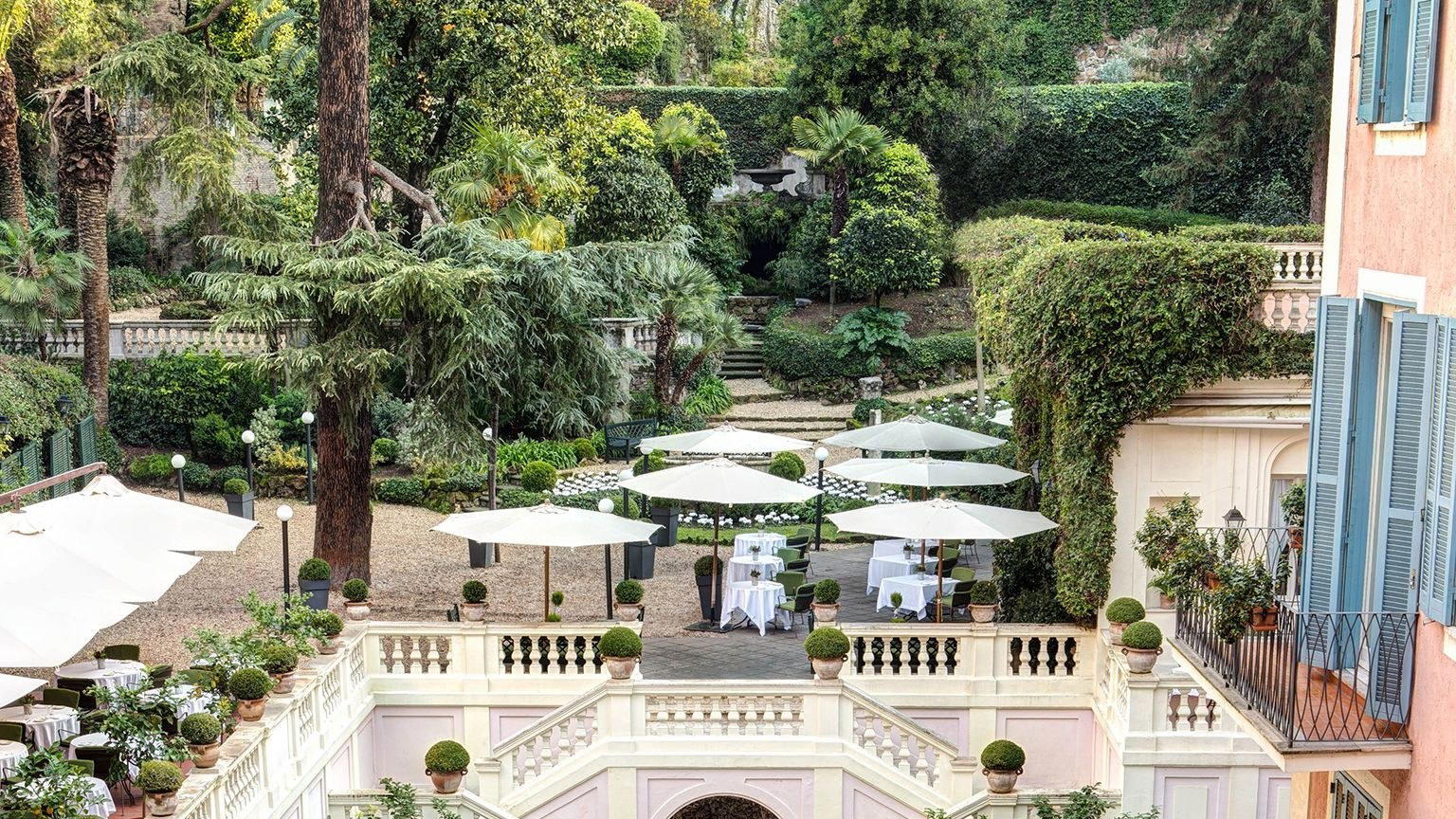
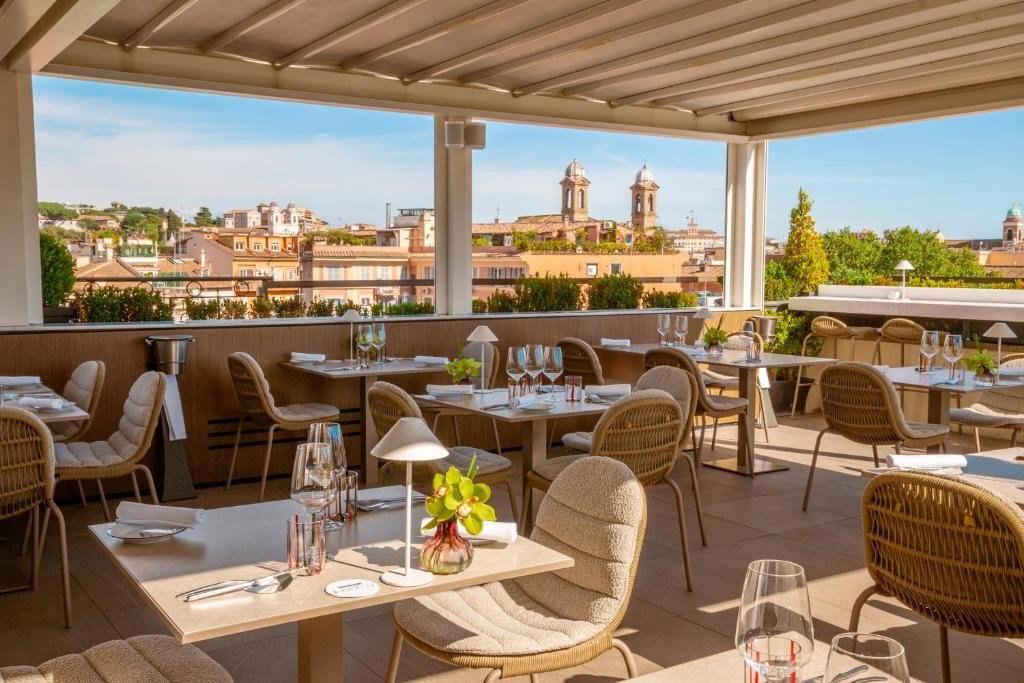
This model works well when the physical space supports focused attention. The terrace setting on Via del Babuino provides a specific kind of Roman evening: composed, unhurried, with the architectural quality of the street providing a visual backdrop that is genuinely distinct from the more chaotic central zones. For spirits-minded visitors, that combination of setting and collection depth is the primary argument for seeking out Babuino Terrace over the higher-profile aperitivo destinations that dominate most Rome itineraries.
For wider reference on Rome's bar and restaurant scene, the EP Club Rome guide maps the full range of the city's drinking and dining addresses across neighbourhoods and price tiers. For comparison outside Italy, Lost & Found in Nicosia and Café La Trova in Miami and Cugini di Torino in Nizza Monferrato each represent different national takes on the spirits-collection-as-identity model that Babuino Terrace pursues in its Roman context.
Planning a Visit
Babuino Terrace is located at Via del Babuino, 181, in the 00187 postal district of Rome, within walking distance of both Piazza del Popolo and the best of the Spanish Steps. The street is accessible on foot from the Spagna metro station on Line A. The terrace setting makes spring and early autumn the most comfortable periods for an extended evening, when the ambient temperature on the street holds into the late hours without the heat compression of July and August.

At a Glance
- Elegant
- Scenic
- Sophisticated
- Romantic
- Intimate
- Date Night
- Special Occasion
- Late Night
- Rooftop
- Panoramic View
- Hotel Bar
- Terrace
- Outdoor Terrace
- Lounge Seating
- Craft Cocktails
- Conventional Wine
- Skyline
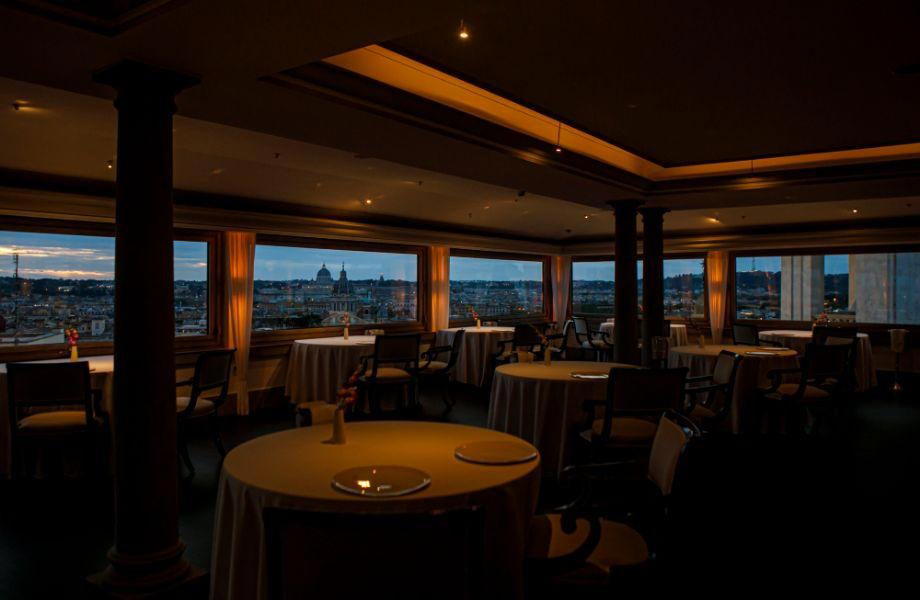
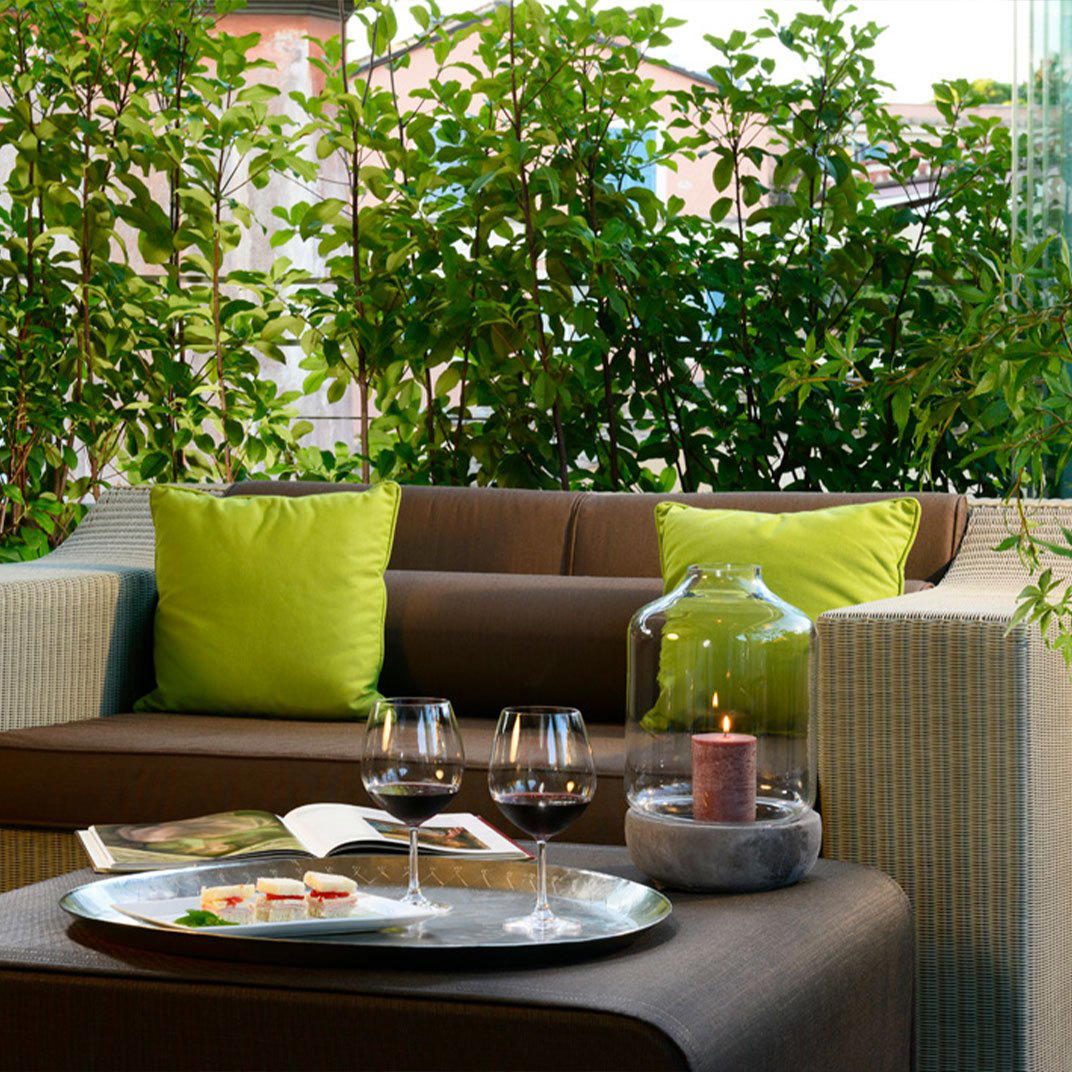
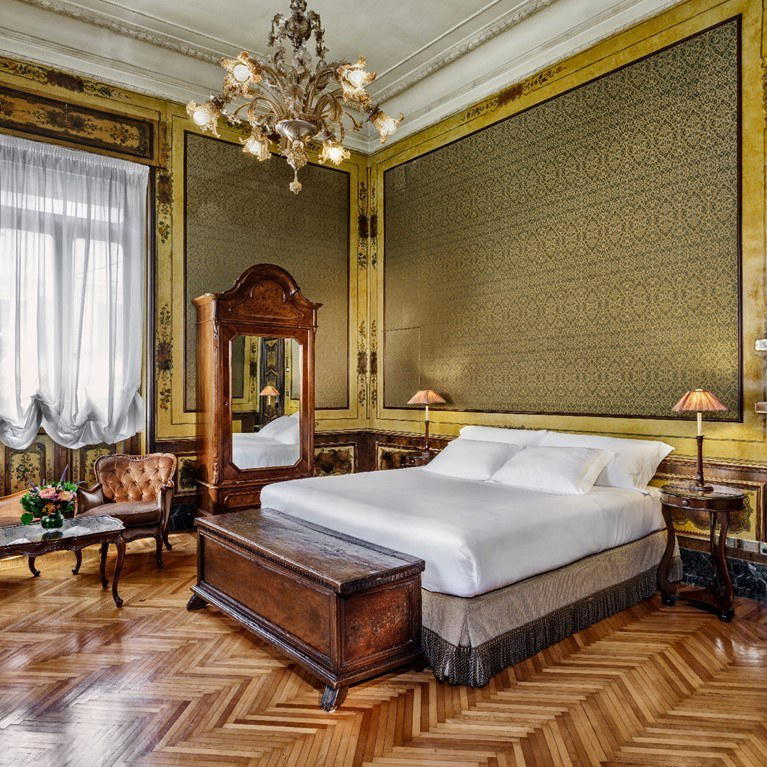
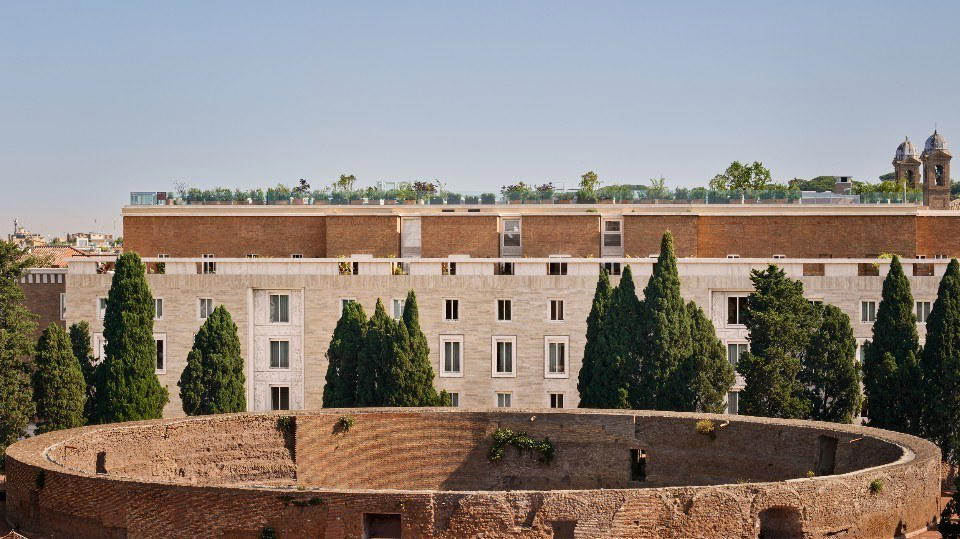
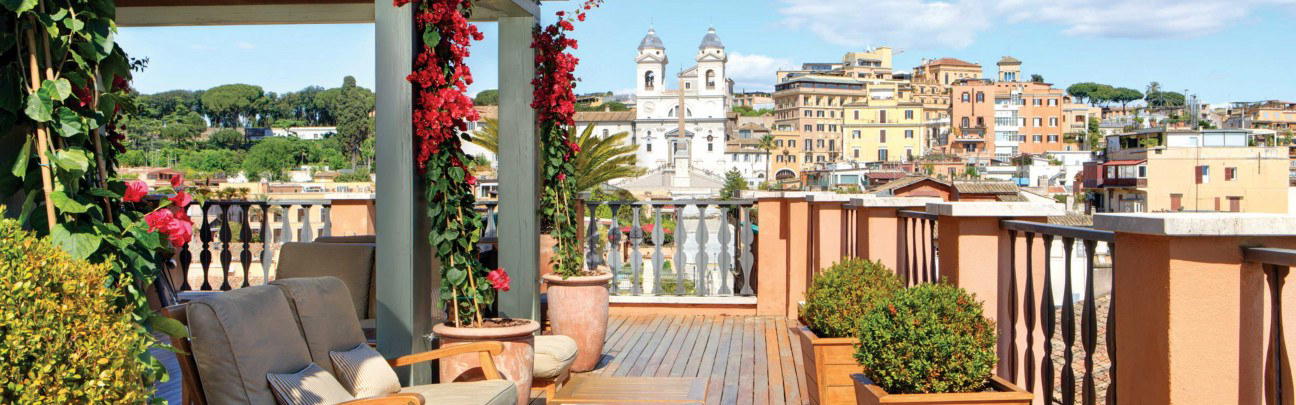
Relaxed evening atmosphere with golden hour light transitioning to starry nights, lush plants, and panoramic city vistas.
Know Before You Go
- Getting there
- Via del Babuino, 181, 00187 Roma RM, Italy