Atlanta Brewing Company
Atlanta Brewing Company on Defoor Hills Road operates in the tradition of production-focused craft breweries that double as community gathering spaces, a format that has reshaped Atlanta's drinking culture over the past two decades. Located in a former industrial corridor northwest of Midtown, it draws visitors who want proximity to the brewing process rather than a polished cocktail room. Plan visits around taproom hours and check current availability before making the trip.
- Address
- 2323 Defoor Hills Rd NW, Atlanta, GA 30318
- Phone
- +1 404 355 5289
- Website
- atlantabrewing.com
- Directions
- Get directions
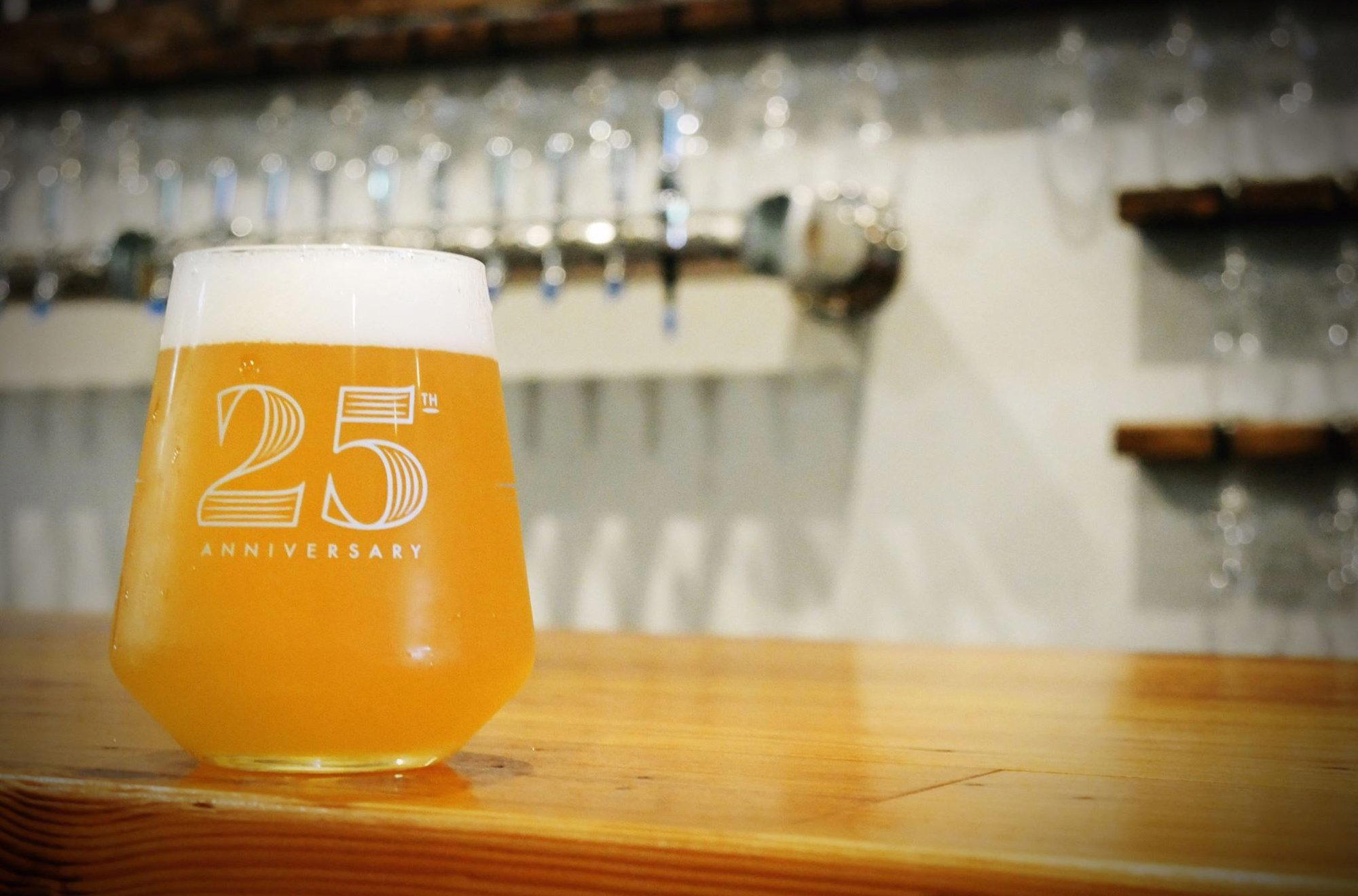
An Industrial Address With a Production-First Logic
The stretch of Defoor Hills Road NW sits in one of Atlanta's quieter industrial pockets, a zone that has absorbed a handful of independent producers and makers without fully gentrifying into a bar district. Arriving at 2323 Defoor Hills, the architectural language is consistent with that context: production space first, public-facing hospitality second. That sequencing is not accidental. Atlanta Brewing Company belongs to a category of craft brewery where the tanks and the taproom share the same building, and where the beer program draws its credibility from what happens on the production floor rather than from an imported hospitality concept.
Across American craft brewing, this model proliferated in the decade following the 2012 Georgia Senate Bill 63, which created the legal framework for brewery taprooms to operate as on-site retail destinations. Before that legislative shift, Georgia's craft brewing scene was materially constrained relative to peer markets like Colorado, Oregon, and North Carolina. Atlanta Brewing Company, which traces its operating history back to the mid-1990s, predates that regulatory environment and has operated across multiple chapters of Atlanta's beer culture. That longevity places it in a different tier from the wave of taprooms that opened after 2012, when the market expanded rapidly and the category became crowded.
What to Expect When You Arrive
The taproom format at production breweries of this type typically prioritizes access to a rotating draft selection drawn from the same facility where the beer is made. The draw for visitors is spatial and experiential in a specific way: the industrial setting, the scale of production equipment visible from public areas, and the informality that comes with a space not designed around service choreography. Atlanta's craft beer circuit includes more polished alternatives, some in walkable neighborhoods with curated food programs, but the Defoor Hills location offers a different register.
For visitors planning around Atlanta's broader drinking map, the city has developed a range of bar formats in the years since the taproom era began. Cocktail programs at venues like 437 Memorial Dr SE a5 and 9 Mile Station operate in a different register, as does the wine-forward approach at a mano. For seafood-adjacent drinking, Alici Oyster Bar has carved out a specific niche. A brewery taproom like Atlanta Brewing Company serves a different purpose in a drinking itinerary: it is a reference point for the city's production history rather than a destination for technical bar craft.
Planning the Visit: What the Booking Experience Looks Like
Atlanta Brewing Company does not operate on the reservation infrastructure that defines fine dining or high-demand cocktail bars. Production brewery taprooms in this format are typically walk-in, with capacity determined by the physical space rather than a table management system. That accessibility is part of the category's appeal, but it also means that peak weekend hours and event days can create crowding without the buffer of a booking queue.
Because the venue database does not include confirmed hours or a current website for Atlanta Brewing Company, the practical advice is to verify operating days and taproom availability before making the journey. The Defoor Hills address is not integrated into Atlanta's walkable neighborhoods, which means a visit typically requires a deliberate trip by car or rideshare rather than a spontaneous detour. Arriving without confirmed hours risks a wasted journey, particularly for visitors whose Atlanta time is limited.
Comparable planning logic applies to production breweries in other American cities. The leading visits tend to happen mid-week or during off-peak afternoon windows, when the space functions more as a working facility with public access than as a crowded social venue. Atlanta's weather also factors in: the summer heat makes outdoor taproom seating uncomfortable from June through August, and spring weekends draw larger crowds to any venue with accessible outdoor space.
How Atlanta Brewing Fits the City's Craft Beer Arc
Atlanta's craft beer market has grown into one of the Southeast's more developed regional scenes, with production breweries concentrated in areas including the Westside, Grant Park, and Decatur. Within that map, Defoor Hills operates as a slightly off-grid address, removed from the clusters that have formed in more pedestrian-friendly zones. That positioning reflects the brewery's origins in an era before craft beer became a real estate strategy.
The broader craft brewing category in Atlanta now includes formats ranging from small-batch taprooms with tight rotating lists to larger production facilities with full food programs. Atlanta Brewing Company's place in that range is as a legacy operator, one whose history in the market predates the category's commercial maturation. For visitors who have covered the cocktail programs at venues like Kumiko in Chicago, Jewel of the South in New Orleans, or Julep in Houston, and who are looking for a different category of drinking experience in Atlanta, a production brewery visit offers a change of context rather than a comparable format. For bar-forward travelers who have spent time at ABV in San Francisco, Bar Leather Apron in Honolulu, Superbueno in New York City, or The Parlour in Frankfurt on the Main, the Atlanta Brewing taproom represents a deliberate shift toward informality and production proximity.
Practical Notes for the Trip
Defoor Hills Road is accessible by car from I-75 and I-85, and rideshare drop-off is practical from Midtown or Buckhead. There is no confirmed public transit connection that makes the address convenient without a transfer. The surrounding area does not offer a density of alternatives if the taproom is closed or at capacity, making pre-trip confirmation a reasonable precaution rather than an optional step.
For a broader orientation to Atlanta's drinking and dining circuit, the EP Club Atlanta guide covers the full range of venues across neighborhoods and formats, which is the more efficient starting point for first-time visitors building an itinerary.

At a Glance
- Rustic
- Lively
- Classic
- Group Outing
- Casual Hangout
- After Work
- Beer Garden
- Outdoor Terrace
- Communal Tables
- Craft Beer
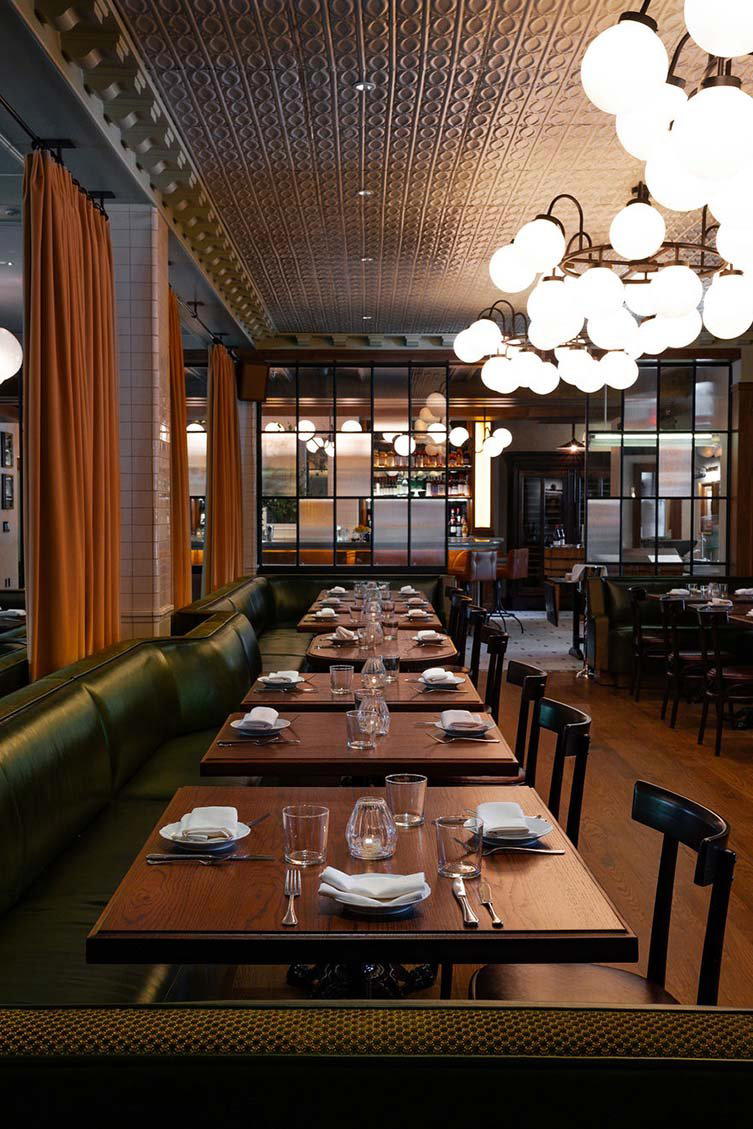
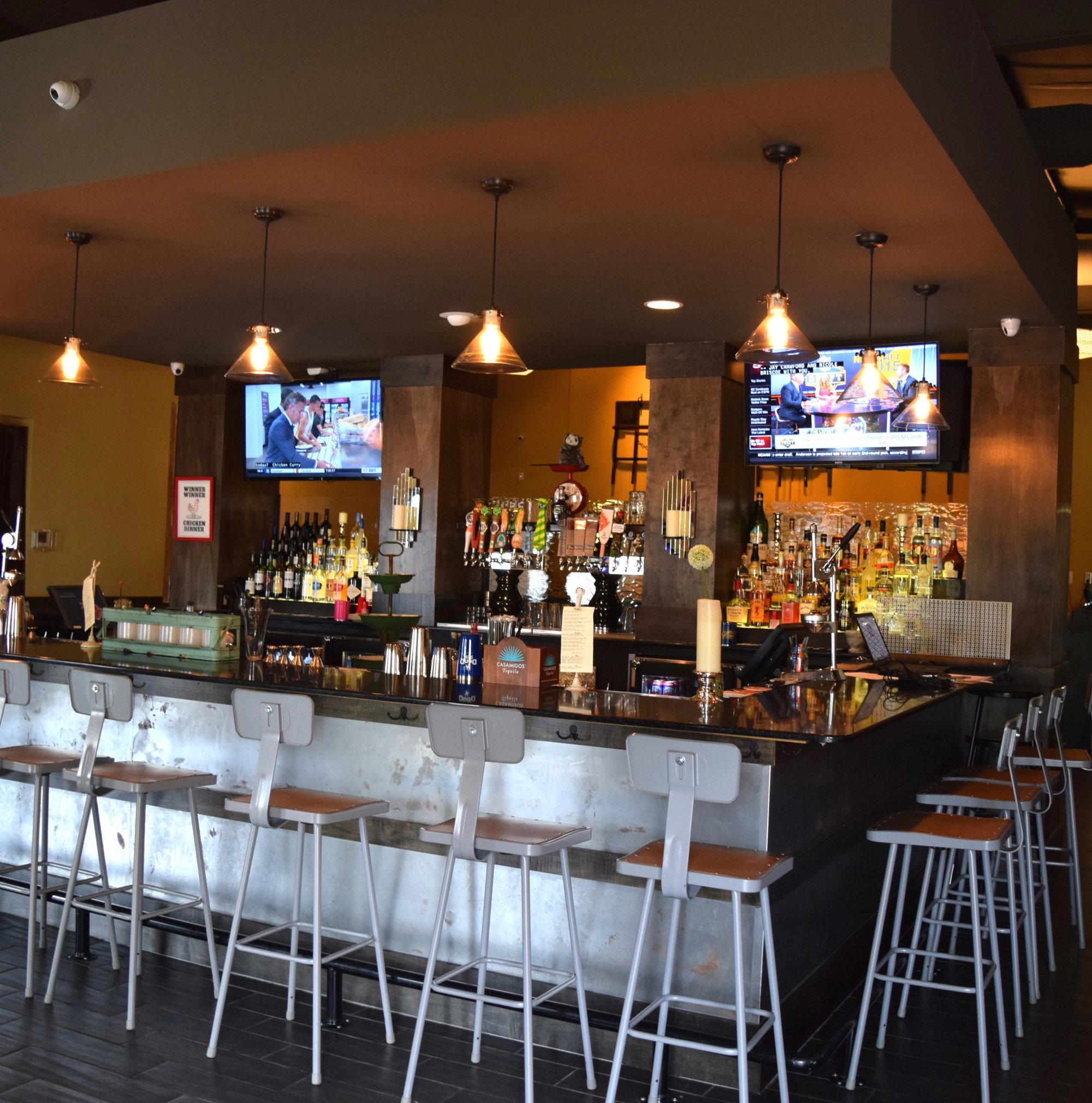
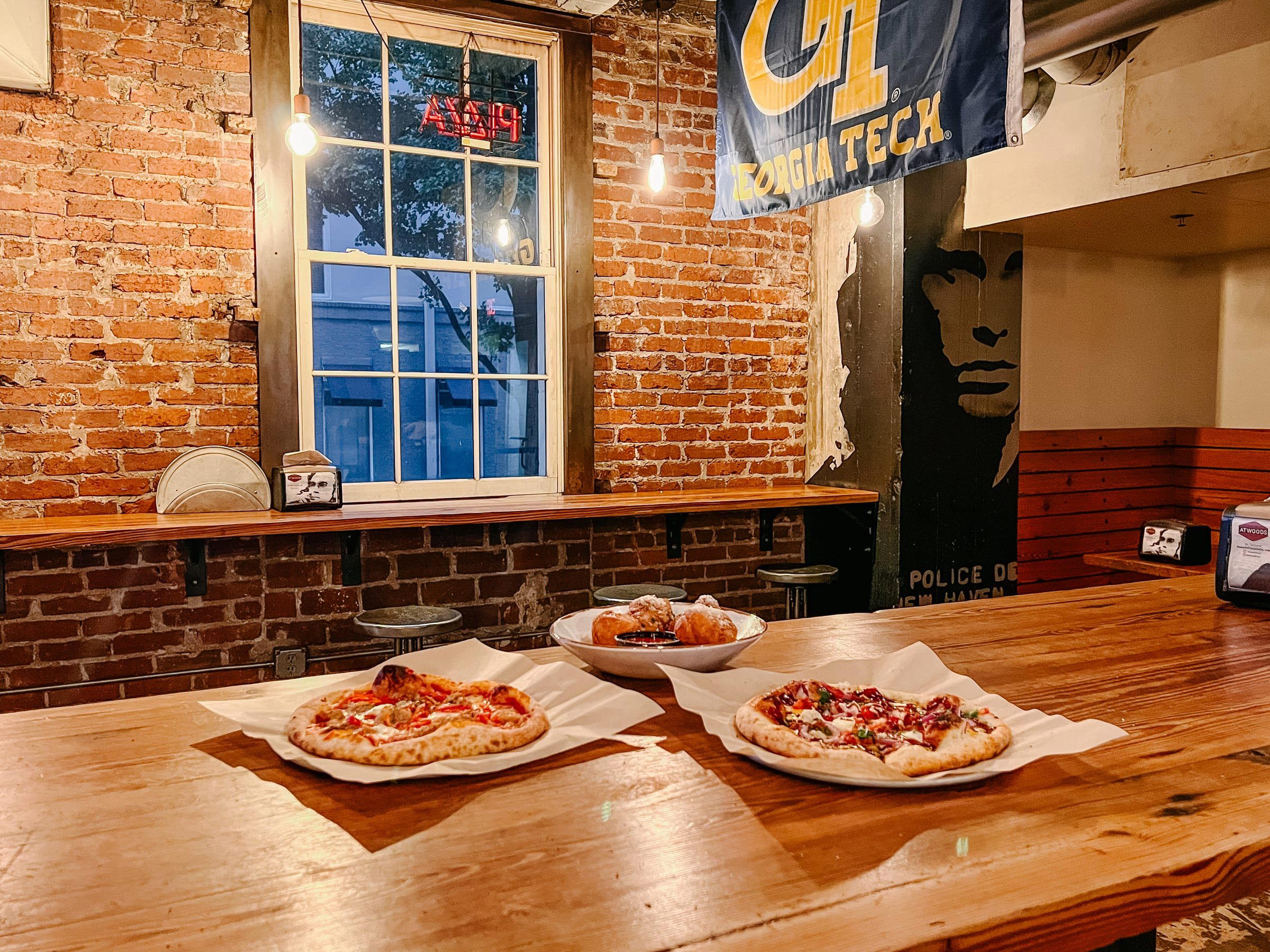
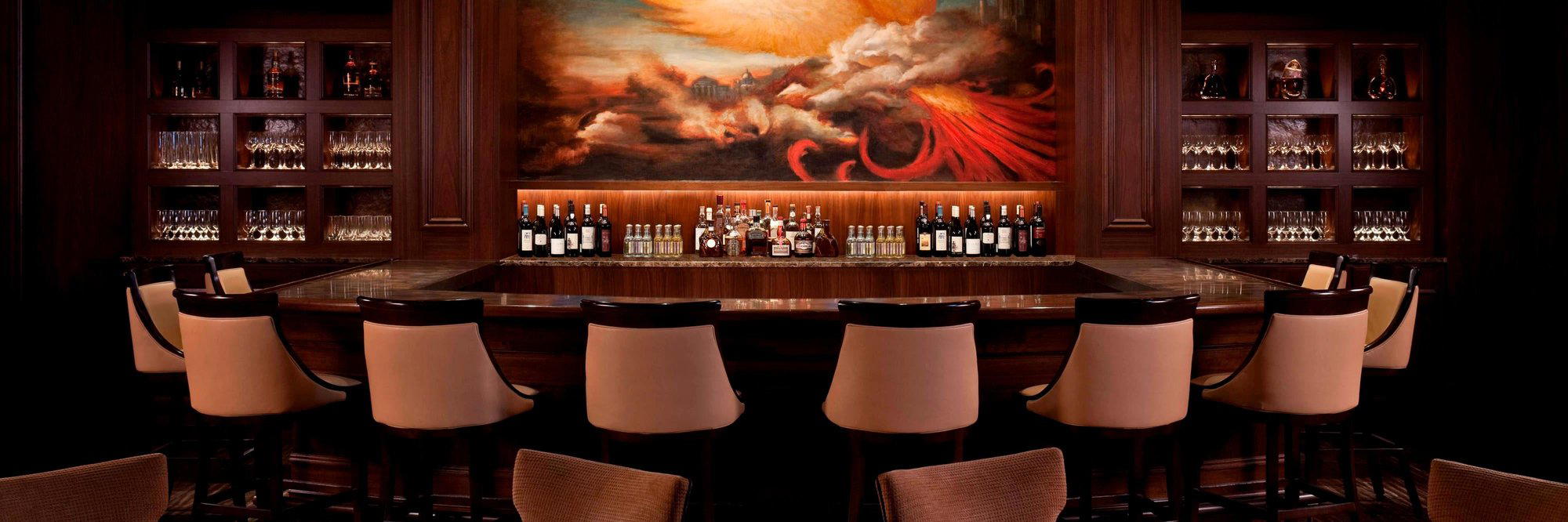
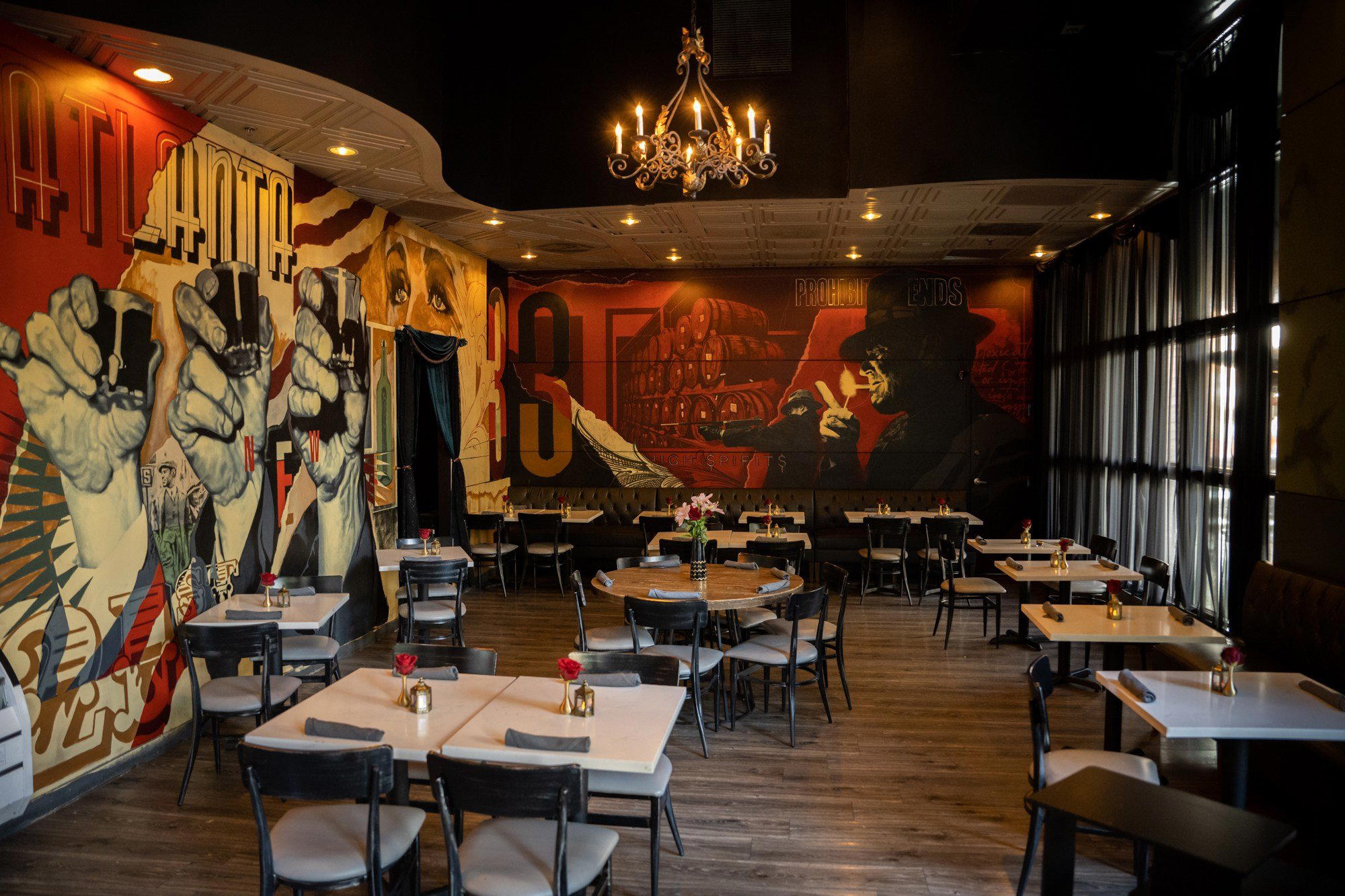
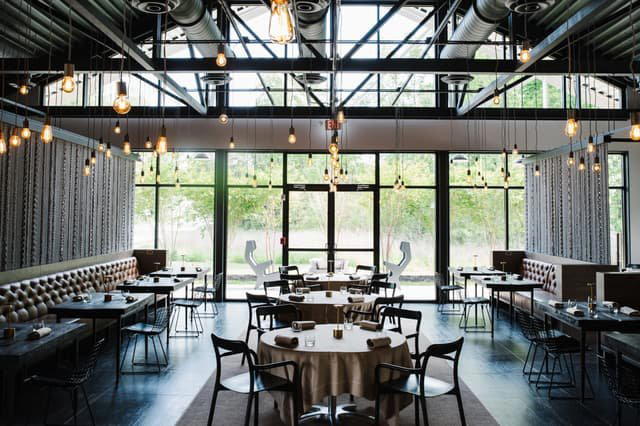
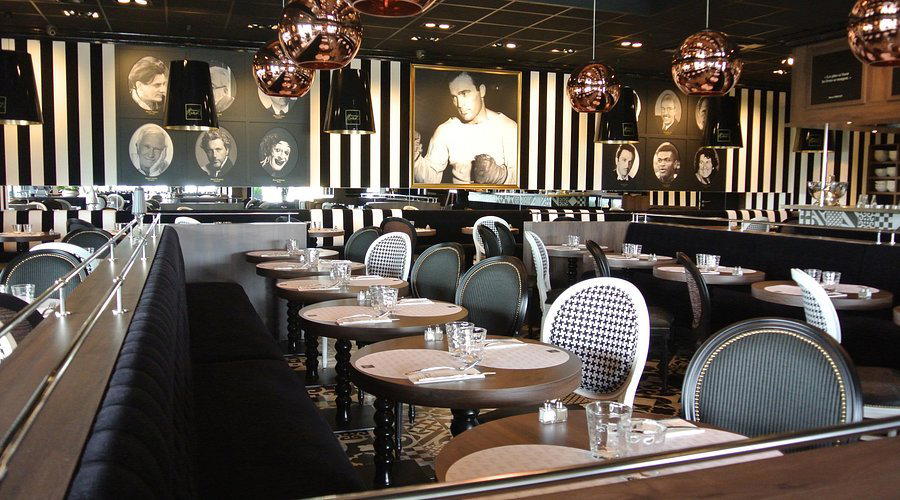
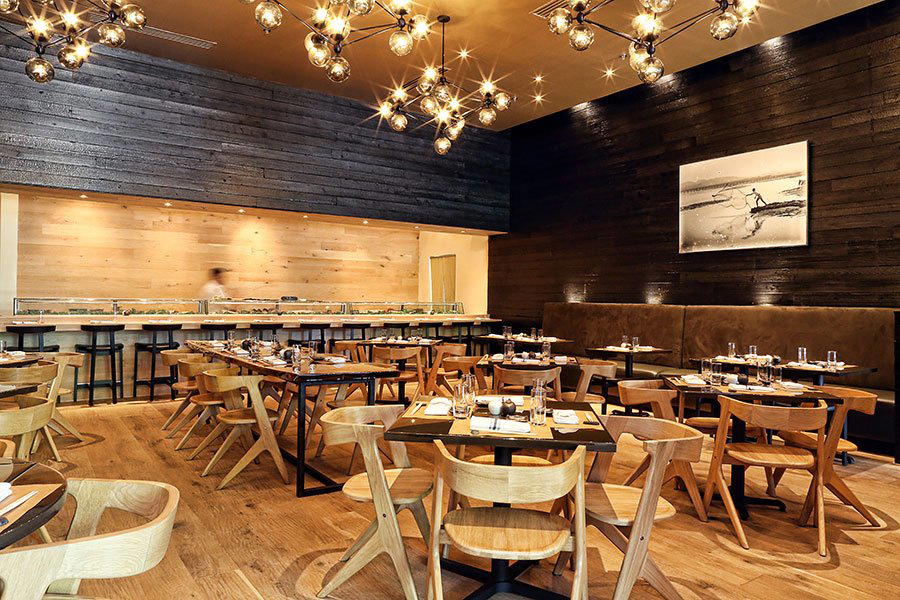
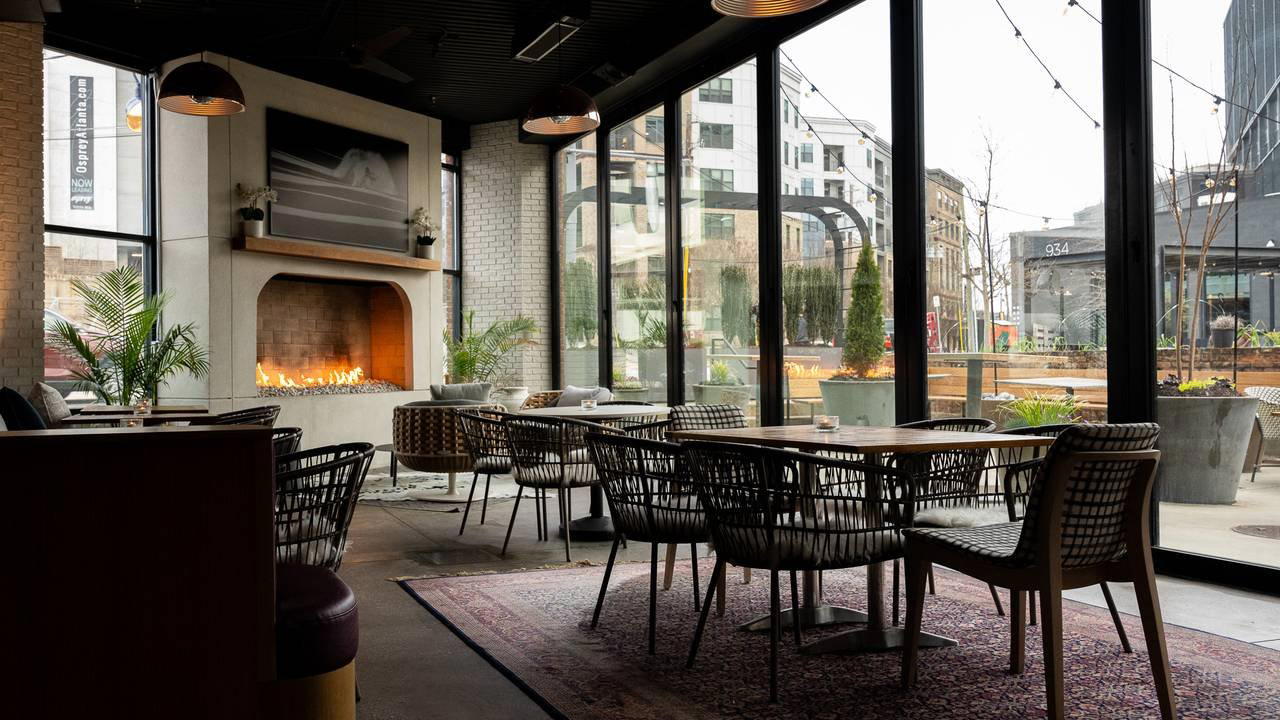
Industrial taproom with indoor/outdoor seating, lively atmosphere featuring live music events.
Know Before You Go
- Getting there
- 2323 Defoor Hills Rd NW, Atlanta, GA 30318