King Crab House Chicago
On North Halsted in Lincoln Park, King Crab House Chicago occupies a stretch of the city's dining corridor where casual format and premium shellfish meet. The draw is straightforward: crab in a neighborhood better known for its theater scene than its seafood houses. For Chicago diners tracking where serious shellfish lands outside the downtown hotel circuit, this address is worth noting.
Pearl is the En Primeur Club membership app — saves, bookings, and concierge access live there. Same editors, same standards.
- Address
- 1816 N Halsted St, Chicago, IL 60614
- Phone
- +1 312 280 8990
- Website
- kingcrabchicago.com
- Directions
- Get directions
 Saves & bookings on Pearl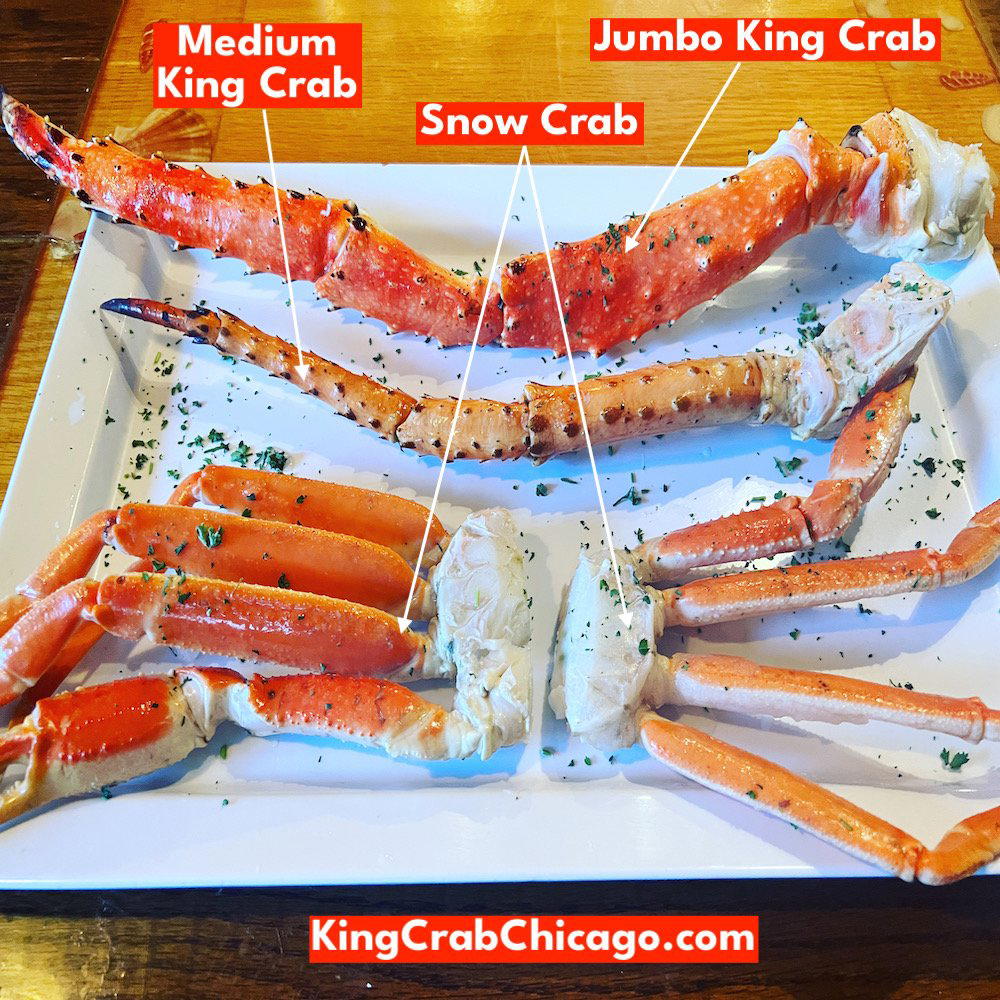
Shellfish on North Halsted: Reading the Room
North Halsted Street in Lincoln Park runs through one of Chicago's most reliably active dining corridors, a stretch where the foot traffic comes from the Steppenwolf Theatre crowd, neighborhood regulars, and visitors who've crossed the river looking for something that doesn't feel like the Loop. Seafood houses are not the dominant format here. The block tilts toward Italian-American red sauce, gastropub fare, and the occasional sushi counter. Which makes the presence of a dedicated crab house at 1816 N Halsted St all the more legible as a positioning choice: in a neighborhood without a strong shellfish identity, a specialist operation carves out its own category by default.
That's the structural reality of mid-tier American seafood dining in cities like Chicago. The high-volume crab format — communal tables, mallet-and-bib service, buckets of drawn butter — originated along the East and Gulf Coasts, where proximity to source made the calculus obvious. Transplanting it to a Midwest city means making a different argument: that the occasion itself, the tactile and social ritual of cracking through shell at a table with people you like, is reason enough to show up. The format travels because the experience is the point, not the geography.
The Sensory Architecture of a Crab House
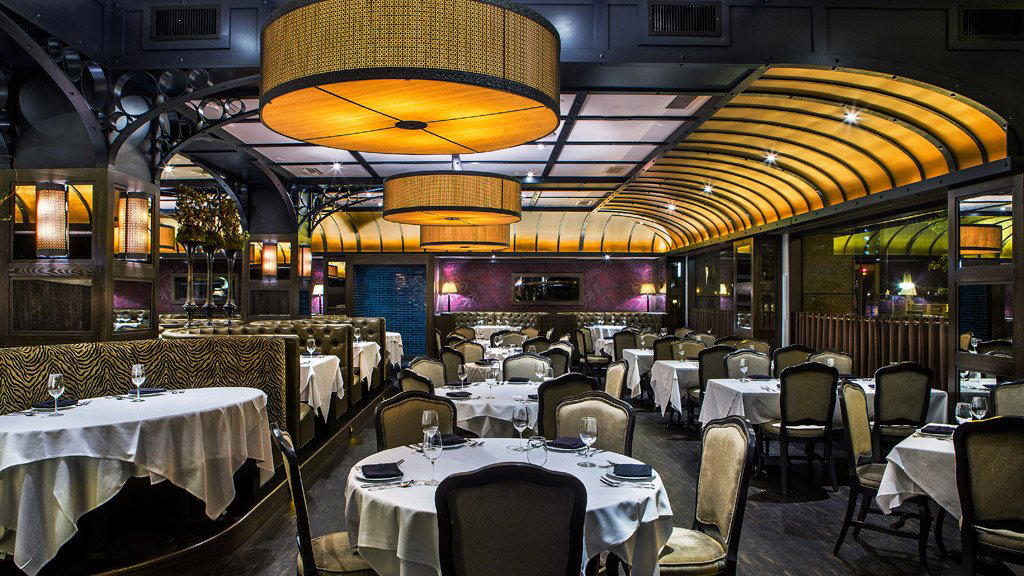
There is a specific sensory register that defines the American crab house format, and it's worth naming directly. The smell arrives before you sit down: butter, brine, Old Bay or its regional equivalent, the faint mineral note of shellfish steamed in beer or seasoned water. The sound is percussive and social, mallets on shell, the crack of claw, conversation pitched slightly louder than usual because the room encourages it. The visual presentation is deliberately unpretentious: paper-lined tables or butcher block, plastic bibs, communal platters rather than plated architecture.
This is not accidental. The format is designed to collapse social formality. You cannot maintain a polished dining-room posture while pulling meat from a Dungeness leg with your fingers. The leading versions of this format in American cities lean into that logic rather than apologize for it. The room becomes the experience in a way that a white-tablecloth setting rarely achieves, because the activity of eating is shared and visible rather than private and composed. For Chicago, a city with a long tradition of direct, unpretentious food culture running alongside its fine-dining ambitions, the crab house format fits a particular civic mood.
Where King Crab House Sits in Chicago's Seafood Conversation
Chicago's seafood dining has always operated at a slight disadvantage to coastal cities, a fact that shapes how the city's restaurants position themselves. The serious raw bar tradition exists, there are oyster programs worth tracking, but the specialist shellfish house occupies a smaller share of the dining imagination than it does in, say, Baltimore or Portland.
Within Lincoln Park specifically, the competitive set for King Crab House is less about direct seafood peers and more about occasion-driven dining. The neighborhood generates consistent weeknight and weekend demand from theatergoers and residents with above-average disposable income and a preference for venues that don't require weeks of advance planning. In that context, a seafood specialist functions as a counterweight to the steakhouse and the Italian trattoria: it offers a shared-experience format that feels celebratory without requiring a tasting menu budget or a reservation made months out.
For a broader read on where Chicago's dining scene concentrates its energy, across neighborhoods and price tiers, our full Chicago restaurants guide maps the terrain in detail.
The Crab House Format in American Cities: A Comparative Frame
The crab house's closest conceptual relatives in American hospitality are not other seafood restaurants but rather the barbecue joint and the ramen counter: formats where the cooking method is the spectacle, the social dynamic is built into the service structure, and the gap between high-end and casual versions is smaller than it appears from the outside. Premium crab formats in coastal cities, places in Seattle, San Francisco, and New Orleans where sourcing is hyperlocal and the crab arrives live from nearby waters, tend to command higher price points not because the technique is more complex but because the provenance story is shorter and more verifiable.
In a landlocked market, the sourcing chain is longer, and operators have to make their case on execution and atmosphere rather than proximity. That's a harder argument, but it's also a more honest one in cities like Chicago, where diners have grown accustomed to evaluating quality on terms that don't depend on coastal mythology.
For reference points on how specialist formats build their case in other American markets, the cocktail-focused rooms at Julep in Houston and Jewel of the South in New Orleans demonstrate how regional specificity becomes a competitive advantage when executed with enough discipline. The same principle applies to food-led specialists: clarity of purpose is the credential.
Chicago's Broader Drinking and Dining Matrix
Any serious dinner on North Halsted benefits from knowing what surrounds it. Chicago's cocktail scene has developed enough depth in recent years that the before-and-after drink has become a meaningful part of the evening's structure. Kumiko, in the West Loop, sits at the technical end of the city's bar spectrum, with a Japanese-inflected program that rewards attention. Leading Intentions and Bisous cover different registers of the city's neighborhood bar conversation, while Lemon adds another reference point for how Chicago's bar culture has moved toward specificity and away from volume.
For readers tracking the broader American bar scene as context, ABV in San Francisco, Allegory in Washington, D.C., Superbueno in New York City, Bar Leather Apron in Honolulu, and The Parlour in Frankfurt on the Main each demonstrate how city-specific formats translate into international dining and drinking itineraries.
Planning Your Visit
| Venue | Format | Neighborhood | Booking Difficulty |
|---|---|---|---|
| King Crab House Chicago | Shellfish specialist | Lincoln Park / North Halsted | Not confirmed |
| The Aviary | Cocktail tasting room | West Loop | Advance booking advised |
| Three Dots & a Dash | Tiki bar | River North | Walk-in and reservation |
| Kumiko | Japanese-inflected cocktail bar | West Loop | Reservation recommended |
King Crab House Chicago is at 1816 N Halsted St, Chicago, IL 60614. Lincoln Park is served by the CTA Red Line (North/Clybourn stop) and is accessible by rideshare from the Loop in under fifteen minutes during off-peak hours. Given the theatergoing traffic on North Halsted, weekend evenings around curtain times tend to compress the neighborhood's restaurant demand, arriving before 6:30 p.m. or after 9 p.m. is the practical play if you prefer a less pressured room.
Recognition Snapshot
| Venue | Awards |
|---|---|
| King Crab House ChicagoThis venue — the venue you are viewing | This venue |
| Kumiko | World's 50 Best |
| Bisous | World's 50 Best |
| The Aviary | World's 50 Best |
| Three Dots & a Dash | World's 50 Best |
| Best Intentions | World's 50 Best |
Continue exploring
More in Chicago
Restaurants in Chicago
Browse all →
At a Glance
- Lively
- Casual
- Group Outing
- Casual Hangout
- Standalone
- Counter Only
- Booth Seating
- Classic Cocktails
Current opening hours
- Monday
- 3–10:30 PM
- Tuesday
- 3–10:30 PM
- Wednesday
- 3–10:30 PM
- Thursday
- 3–10:30 PM
- Friday
- 3–10:30 PM
- Saturday
- 11:30 AM–10:30 PM
- Sunday
- 11:30 AM–9:30 PM
Hours can change for holidays and private events. Last verified .
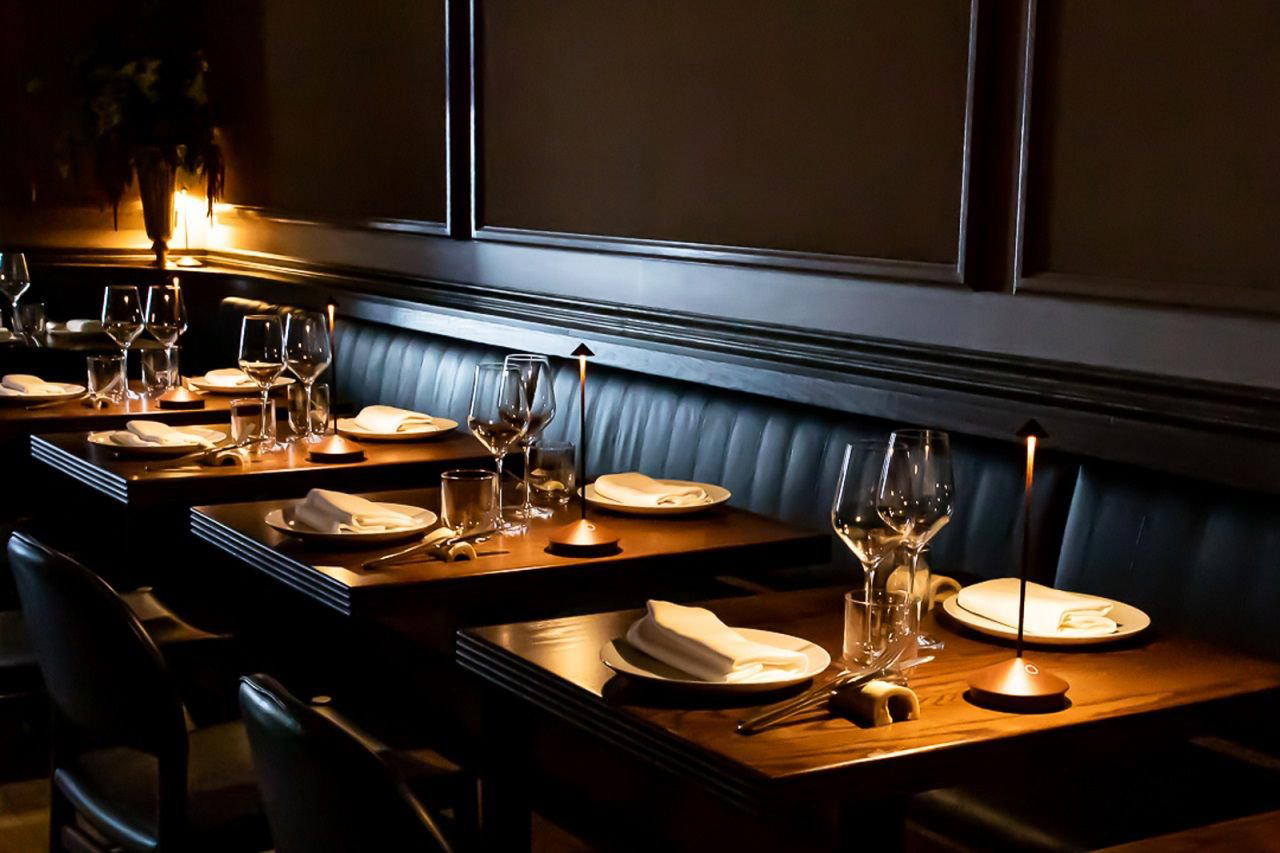
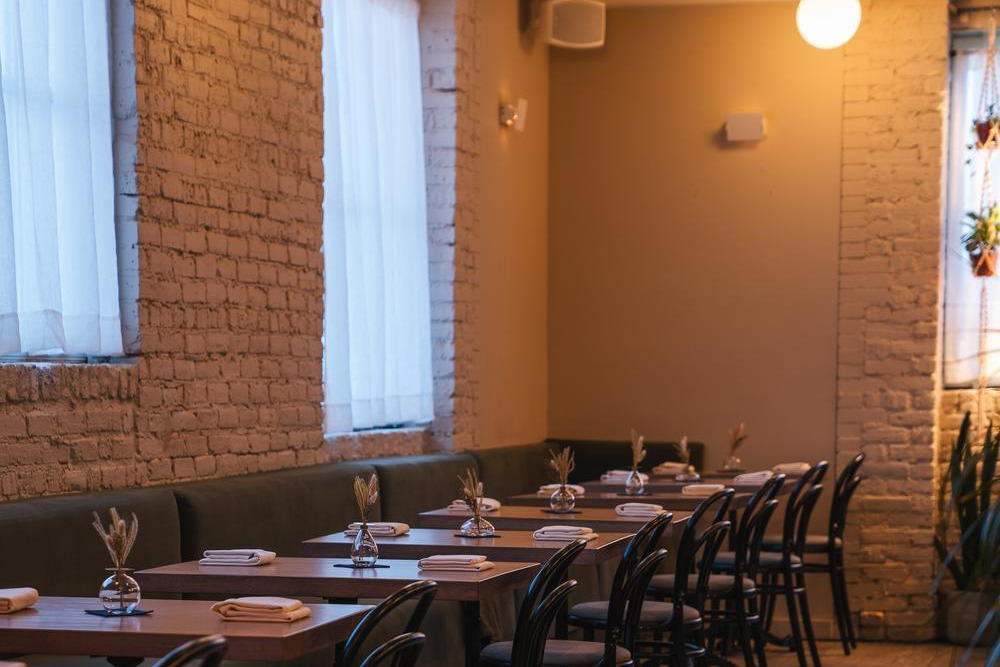
Lively and casual atmosphere with high definition TVs for sports viewing.
Know Before You Go
- Getting there
- 1816 N Halsted St, Chicago, IL 60614