Cypress Cafe & Bar
Cypress Cafe & Bar sits on Stanhope Street in Ridgewood, Queens, a neighbourhood that has quietly developed one of New York City's more interesting drinking and dining scenes outside the Manhattan orbit. The cafe-bar format draws a loyal local following, and the address alone signals a deliberate step away from the high-volume venues that dominate more trafficked parts of the city.
Pearl is the En Primeur Club membership app — saves, bookings, and concierge access live there. Same editors, same standards.
- Address
- 17-02 Stanhope St, Ridgewood, NY 11385
- Phone
- +1 917 856 7086
- Directions
- Get directions
 Saves & bookings on Pearl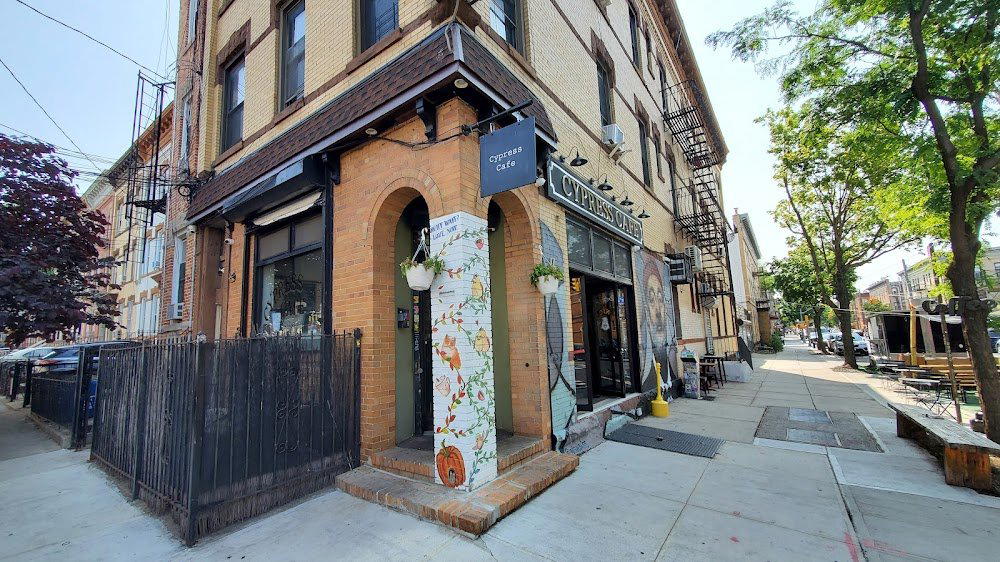
Ridgewood on Its Own Terms
Cypress Cafe & Bar is a bar in Ridgewood, New York City, at 17-02 Stanhope St, with, walk-in-friendly setup. The stretch of Stanhope Street where Cypress Cafe & Bar operates is not the kind of address that appears in mainstream New York dining roundups. Ridgewood, Queens sits just across the Brooklyn border, and for years that border functioned as a kind of editorial cut-off line: the neighbourhoods on the Queens side were left to develop without the attention, the outside capital, or the transplant pressure that reshaped Williamsburg and Bushwick. What that separation produced, over time, was a genuinely local bar and cafe culture, one that rewards the visitor who makes the trip but is not built around attracting them.
That context matters when reading Cypress Cafe & Bar. Stanhope Street at this block is a residential corridor, not a commercial strip designed for foot traffic. Places that open here are making a statement about who they are for. The regulars at venues like this tend to be drawn from the immediate neighbourhood, and the rhythm of the room reflects that: slower, more conversational, less transactional than the cocktail bars that line the main drags of North Brooklyn.
What Keeps the Regulars Returning
The cafe-bar format is a specific kind of proposition in New York. It occupies a different register from the dedicated cocktail bar with its prix-fixe drink menus, and from the all-day cafe that clears out by mid-afternoon. A successful cafe-bar manages both modes without collapsing into either, and the venues that hold a loyal local clientele tend to do so because they offer something the regulars can rely on across different hours and different moods.
In Ridgewood, that reliability is not a minor thing. The neighbourhood has seen some turnover in its hospitality businesses as attention from other parts of Brooklyn has moved east, and the venues that survive do so because they have built a room where people come back on a Tuesday as readily as a Friday. That kind of loyalty is earned through consistency more than novelty, through knowing what a glass of wine or a direct drink looks like on a slow night, and delivering it without ceremony.
Contrast this with the more programmatic bars that have defined New York's critical conversation in recent years: venues like Amor y Amargo, where the format is bitters-led and explicitly educational, or Angel's Share in the East Village, where Japanese bartending precision is the organising principle. Those bars ask something of you when you walk in. A neighbourhood cafe-bar like Cypress asks something different: that you show up, order what you want, and stay a while.
The Ridgewood Drinking Scene in Broader Context
New York's bar geography has shifted considerably over the past decade. Manhattan venues that once defined the city's cocktail identity now share territory with a much broader spread of serious drinking establishments across the outer boroughs. In Queens specifically, Ridgewood has emerged as a zone where a certain kind of low-key, quality-oriented bar can operate without the overhead or the performance pressure of more visible neighbourhoods.
That shift is visible in the range of bars that have opened in the area, most of them without press launches or social media campaigns, most of them sustained by the people who live nearby. The model is closer to what you find in neighbourhood bars in other American cities: Julep in Houston or ABV in San Francisco both operate with a community-first logic that keeps them distinct from destination-cocktail venues. In New York, that logic is harder to sustain given the economics of the city, which makes the venues that manage it more notable, not less.
Further afield, the same pattern shows up in bars like Kumiko in Chicago and Allegory in Washington, D.C., where the commitment to a specific neighbourhood identity is itself the editorial point. Even internationally, venues like The Parlour in Frankfurt on the Main and Bar Leather Apron in Honolulu demonstrate that the neighbourhood-anchored format translates across different markets. Jewel of the South in New Orleans is another reference point: a bar with clear local roots that draws visitors without orienting itself around them.
Within New York, the bars that have built particularly durable reputations often sit slightly outside the obvious circuits. Superbueno and Attaboy NYC both operate in this register, known to people who follow the scene without needing to be in the obvious places to find them. Cypress Cafe & Bar operates in a similar geography of knowledge, the kind of place you are told about rather than stumble upon.
Price Lens
Comparable venues nearby, for context on price, style, and recognition.
| Venue | Cuisine | Price | Notes |
|---|---|---|---|
| Cypress Cafe & BarThis venue — the venue you are viewing | Ridgewood, lounge | $$ | Not listed |
| Kings County Brewers Collective | Not listed | $$ | Bushwick (West), beer_bar |
| Kellogg’s Diner | Williamsburg, lounge | $$ | Not listed |
| For All Things Good Bed-Stuy | Not listed | $$ | Bedford-Stuyvesant (West), wine_bar |
| Brouwerij Lane | Not listed | $$ | Greenpoint, beer_bar |
| The Islands | Prospect Heights, lounge | Not listed | Not listed |
Continue exploring
More in New York City
Bars in New York City
Browse all →
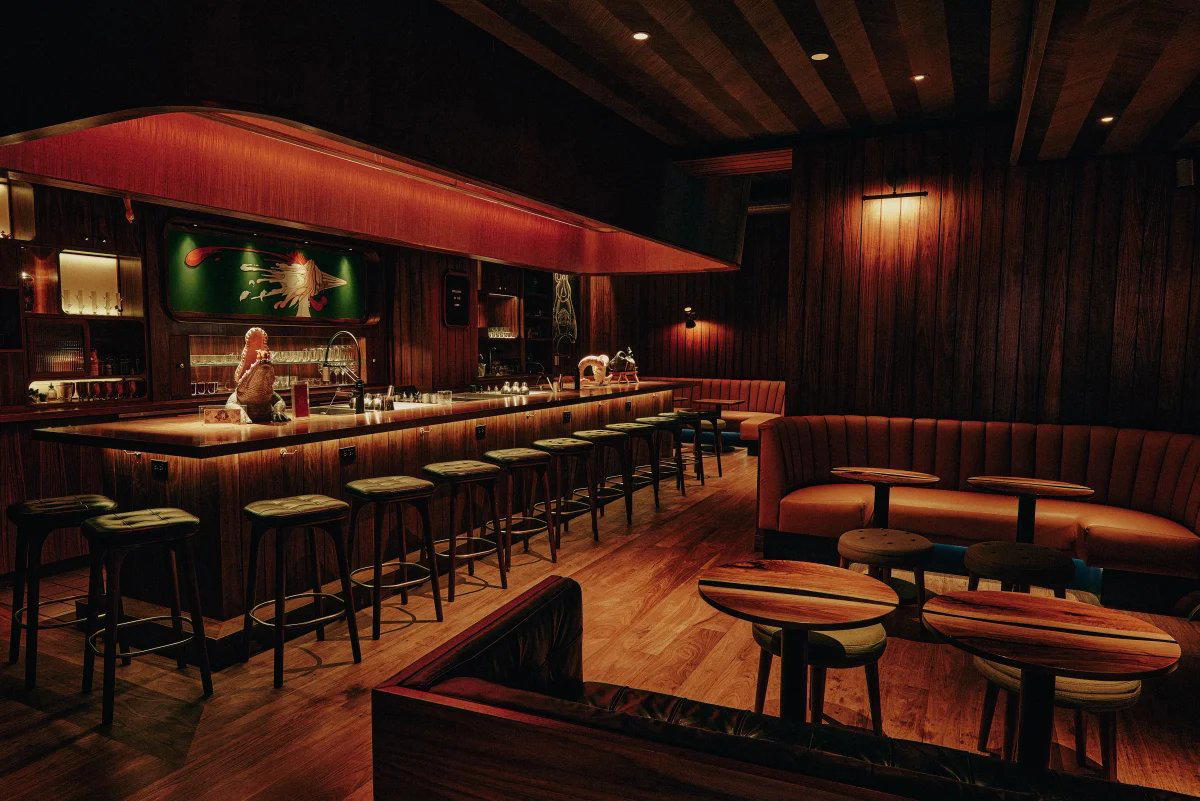
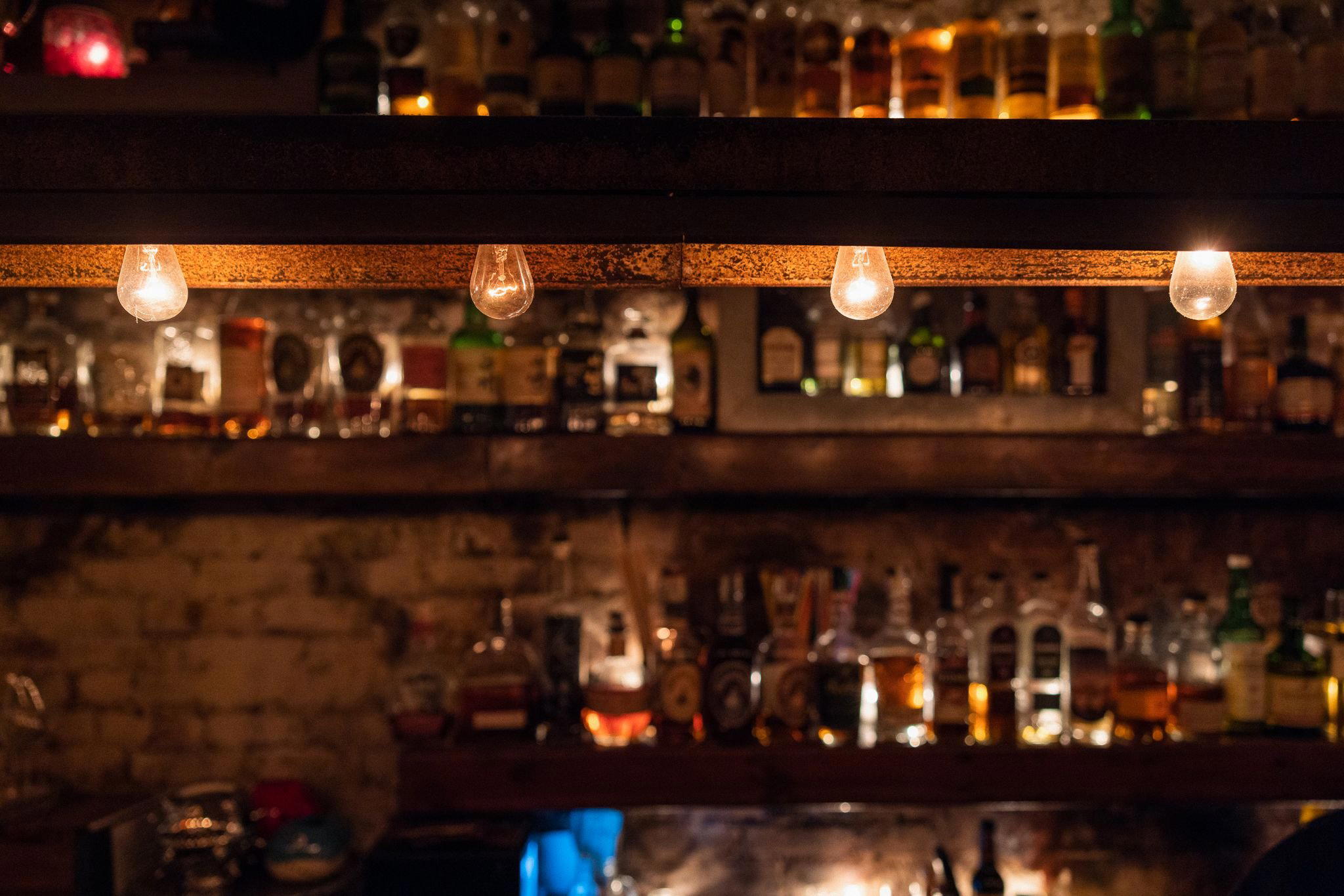
Restaurants in New York City
Browse all →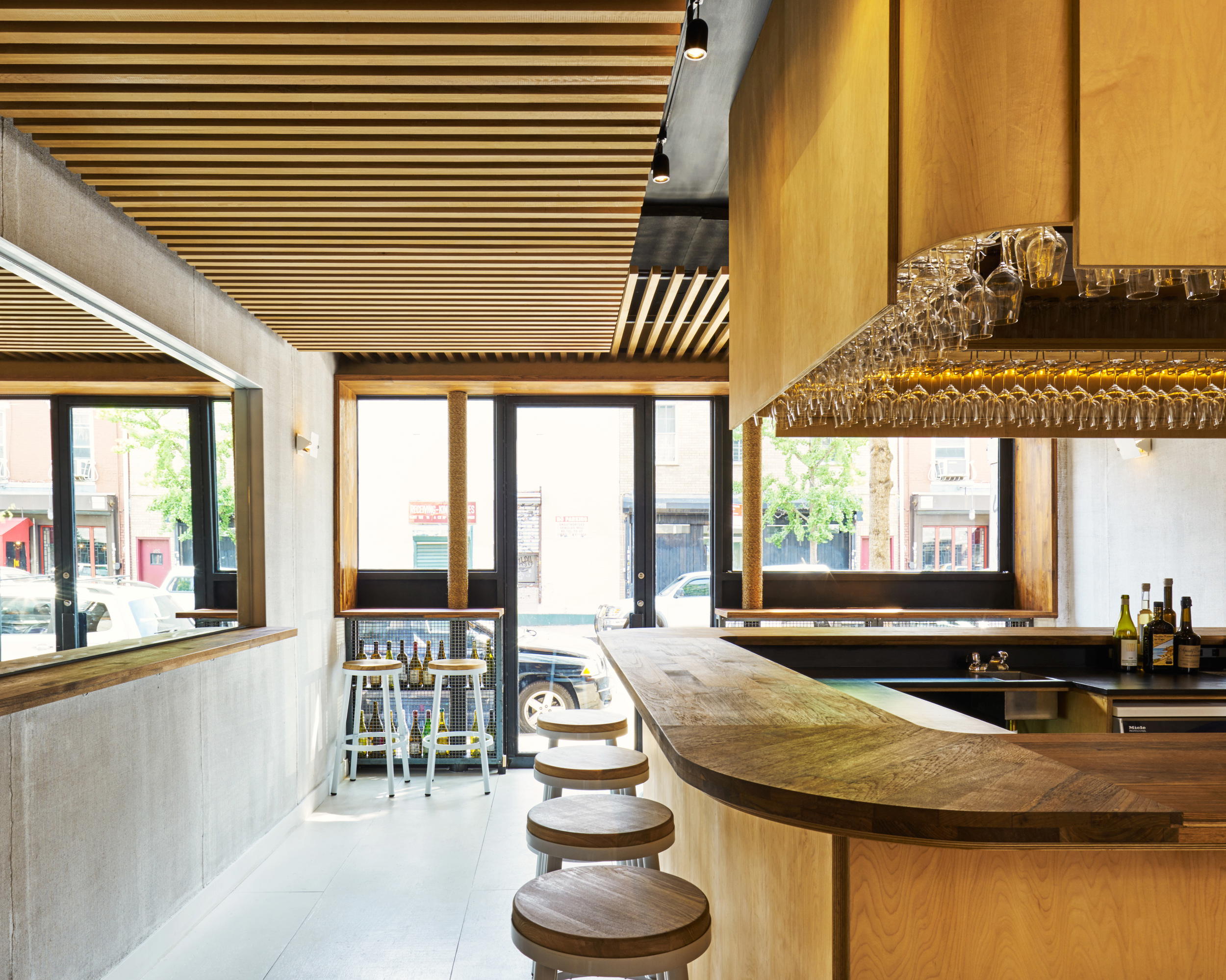
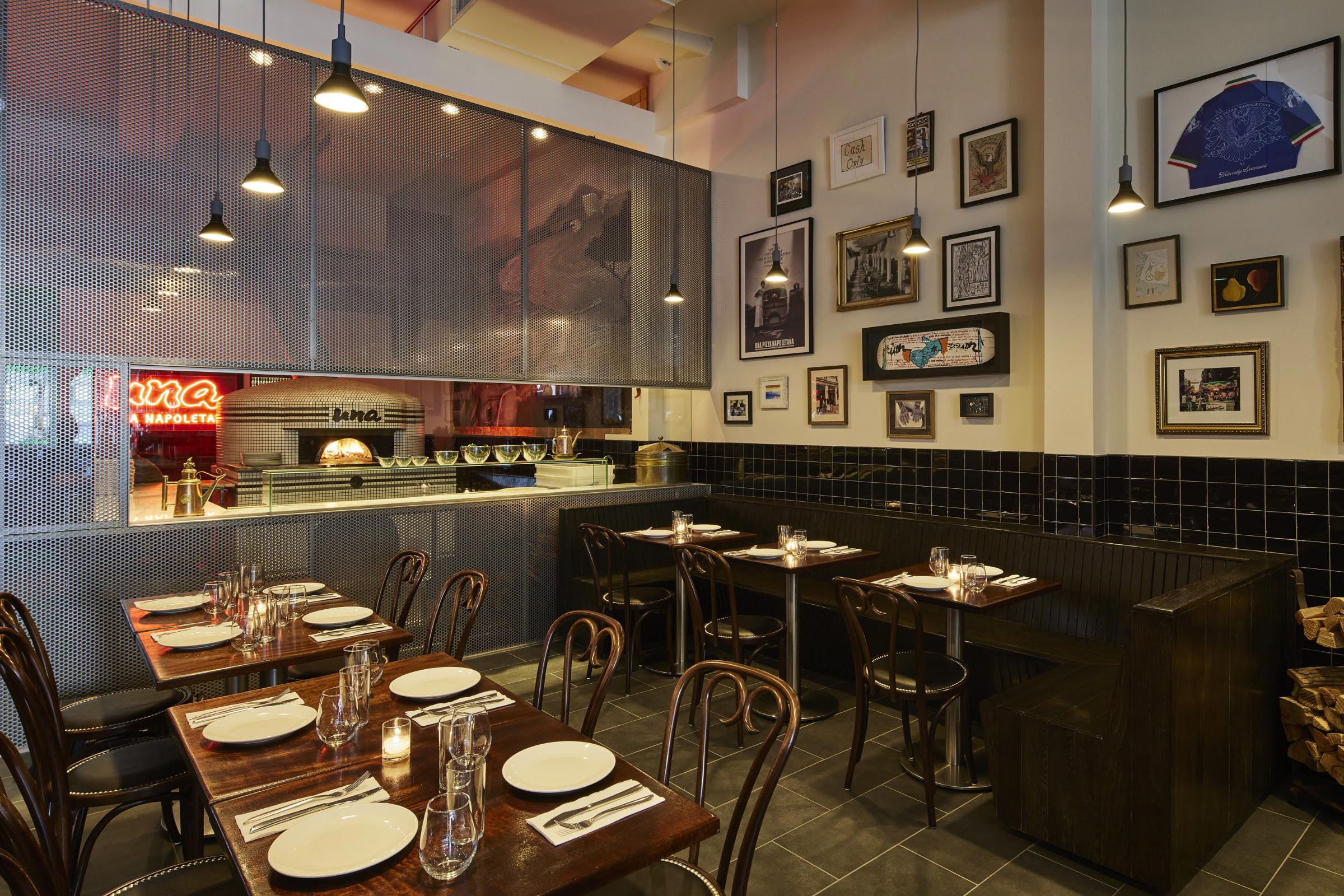
Hotels in New York City
Browse all →







At a Glance
- Cozy
- Casual Hangout
- Live Music
- Lounge Seating
- Classic Cocktails
Current opening hours
- Monday
- Closed
- Tuesday
- 4 PM–1 AM
- Wednesday
- 4 PM–1 AM
- Thursday
- 4 PM–1 AM
- Friday
- 4 PM–3 AM
- Saturday
- 4 PM–3 AM
- Sunday
- 12–9 PM
Hours can change for holidays and private events. Last verified .
Cozy atmosphere with live music.